
Complete Guide to Route of Castellón
The Way of St James of Castellón is a route that links the capital of La Plana with the Way of Ebro. It passes through the Maestrazgo and Lower Aragon, offering a peaceful pilgrimage rich in heritage.
Last updated: 28/03/2026
Table of Contents
Technical Summary of Route of Castellón
280.8 km
Distance
14
days
14
Stages
Alta
Difficulty
6 accommodations available on the route
Introduction to Route of Castellón
It goes through towns with notable historical heritage, such as the walled city of Morella. The route finally joins the Ebro Way in Fuentes de Ebro (Zaragoza), from where it can be continued towards the French Way. The total distance is approximately 281 km.
All Stages of Route of Castellón
Complete route divided into 14 stages
St James of Fadrell-La Pobla Tornesa
This stage enters the spectacular Ribeira Sacra. The trail leaves off the Sil valley to ascend gently, offering increasingly impressive panoramic views. The profile is undulating, with an initial asce...
Pobla Tornesa-Sierra Engarcerán
This is a short and gentle stage that enters Quiroga's valley. The route is an enjoyable stroll through a unique landscape of vineyards and olive groves in Galicia. Arrival at Quiroga, a village nestl...
Sierra de Engarcerán - More of the Segarra Mountains
The first stage of the Mozarabic Way from Málaga is an demanding day that takes the pilgrim away from the coast and into the Malaga Mountains. The profile is a continuous and pronounced ascent, which ...
More than the Segarró-Sanctuary of Our Lady of Vallviana
This stage continues through the Sierra de Málaga, on broken profile terrain. The day is marked by spectacular views of the Torcal de Antequera, a unique karst landscape in Europe. The route passes th...
Chapel of Our Lady of Vallviana-Morella
This stage descends from the mountain to reach one of Andalusia's most monumental cities. The profile is predominantly descending. The landscape is a mix of low hills and fields of cultivation. Arriva...
Morella-Zorita of the Maestrazgo
Leaving behind the monumental Antequera, this stage enters into the nor-easterly region of Málaga. The profile is a continuous rise and fall through a landscape of olive groves and fields of grain. It...
Zóritas of the Maestrazgo-Aguaviva
This stage marks the entry into Córdoba province. The route traverses a sea of olives on a terrain of gentle undulations. It is a day of great beauty, that enters the comarca of Subbética. The destina...
Alcorisa de Agua Viva
This stage continues through the Cordoban countryside, on a terrain of gentle undulations. The landscape is dominated by olive groves, which produce one of the most famous oils in the world. The route...
Alcanar-Andorra
This is a short and gentle stage that runs through the fertile Cordobese countryside. The landscape is dominated by olive groves. The road is comfortable, on dirt tracks that allow for a relaxed walk....
Andorra-Albalate del Obispo
This stage has as its destination one of the most fascinating cities in history: Córdoba. The route is long but mostly flat, following the Guadajoz River valley. The landscape is agricultural, with la...
Albalate de Huesa
Leaving behind the monumental Cordoba, this stage marks the beginning of the ascent to Sierra Morena. It is a transitional day that leaves the flat plain of the countryside for a landscape of low moun...
Lecces-Belchite
This stage enters the heart of the Pedroches Valley, one of Europe's largest oak savannas. The profile is a continuous rise and fall through a landscape of great beauty and solitude. It's a journey to...
Belchite-Mediana of Aragon
This stage continues through the Pedroches Valley, on a route that combines sections of the ancient Roman road with trails between pastures. It's a day of great beauty and solitude. The arrival at Hin...
Aragon-Monegros Foothills
This long stage marks the passage from Andalusia to Extremadura. The route passes through the La Serena region, one of the most sparsely populated and wild areas on the peninsula. The profile is a con...
Key Towns of Route of Castellón
The most important towns and cities on this route.
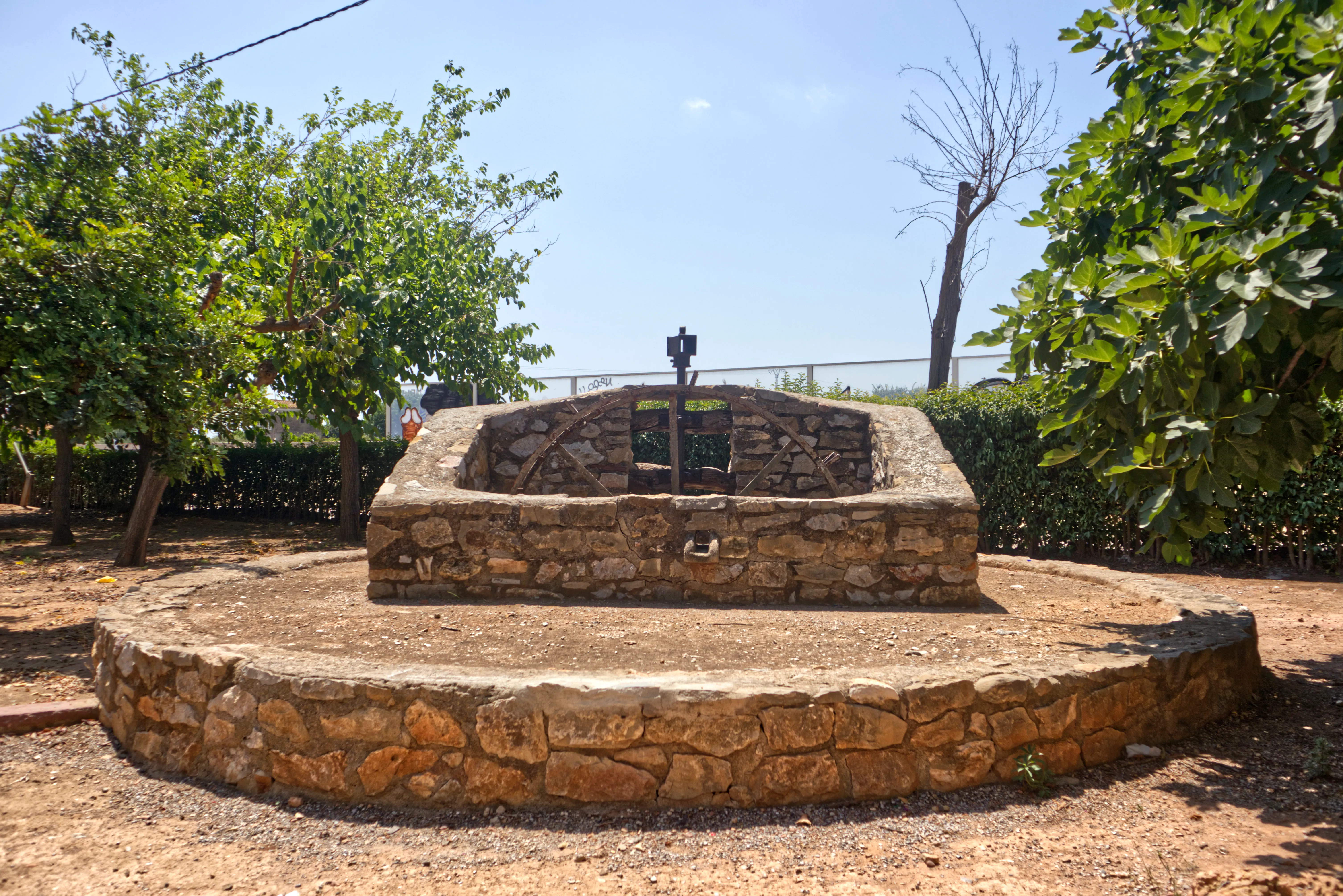
Sant Jaume de Fadrell
15 mStarting point of the Way of St James of Castellón. The Hermitage of Sant Jaume de Fadrell is the zero kilometre of a route that unites the Mediterranean with Jacobean spirituality.
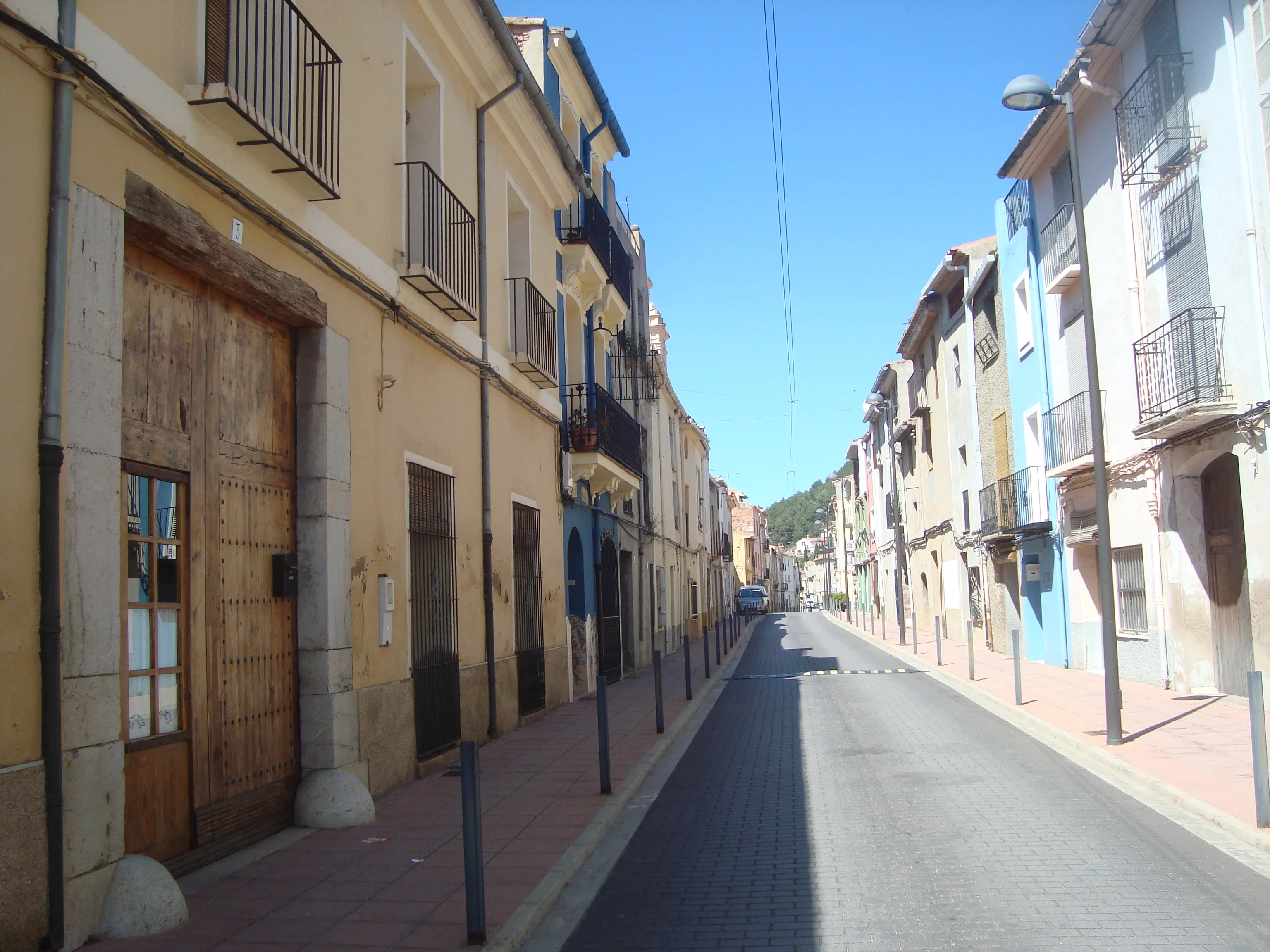
La Pobla Tornesa
298 mCastle county in the Alto Pla. The Pobla Tornesa, on the Way of St James of Castellón, offers a rural break near the castle of Montornés.
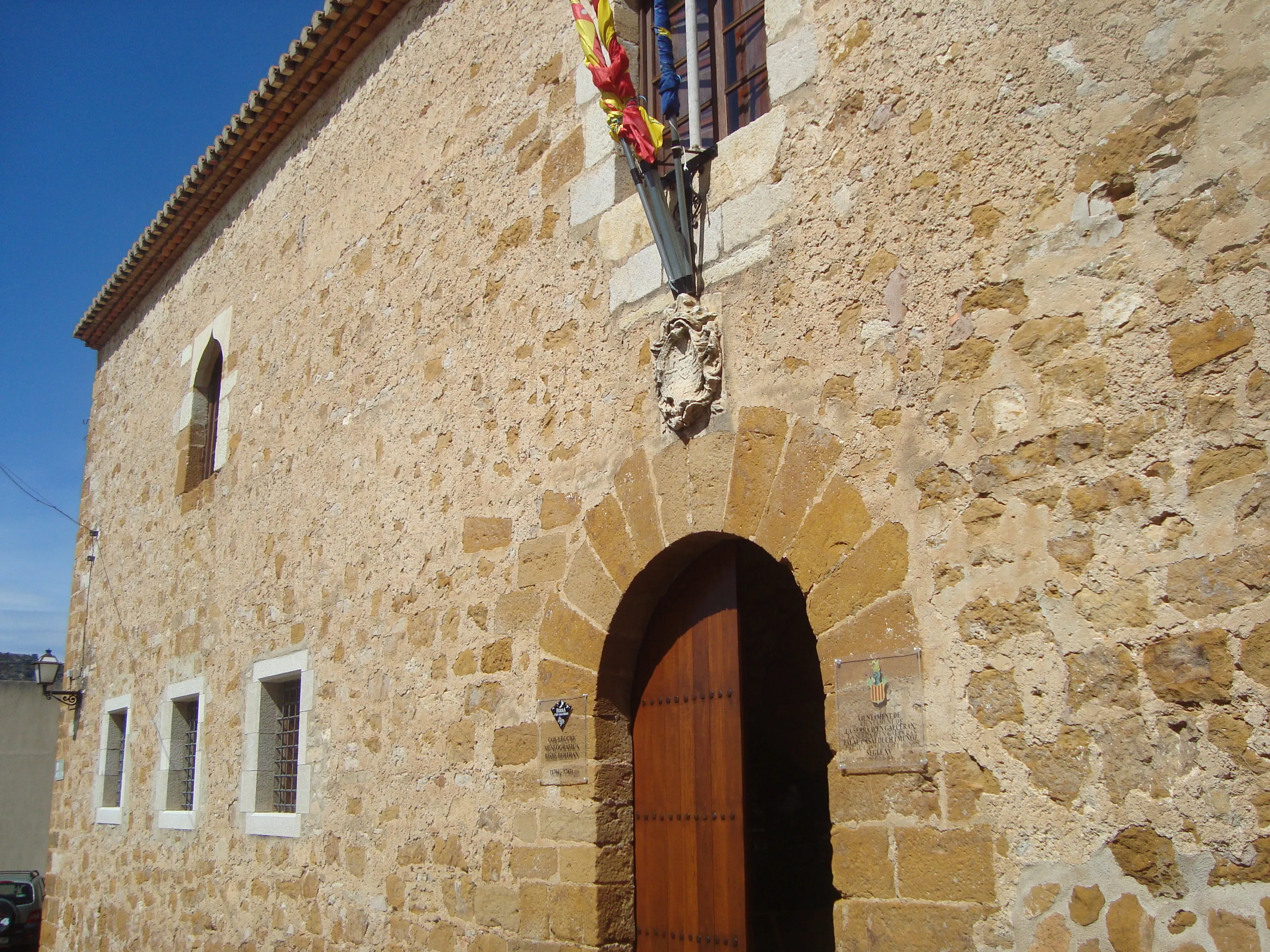
Sierra Engarcerán
776 mMountain stage on the Way of St James in Castellón. Sierra Engarcerán offers the pilgrim landscapes of the mountains, a rural atmosphere and the serenity of the interior.
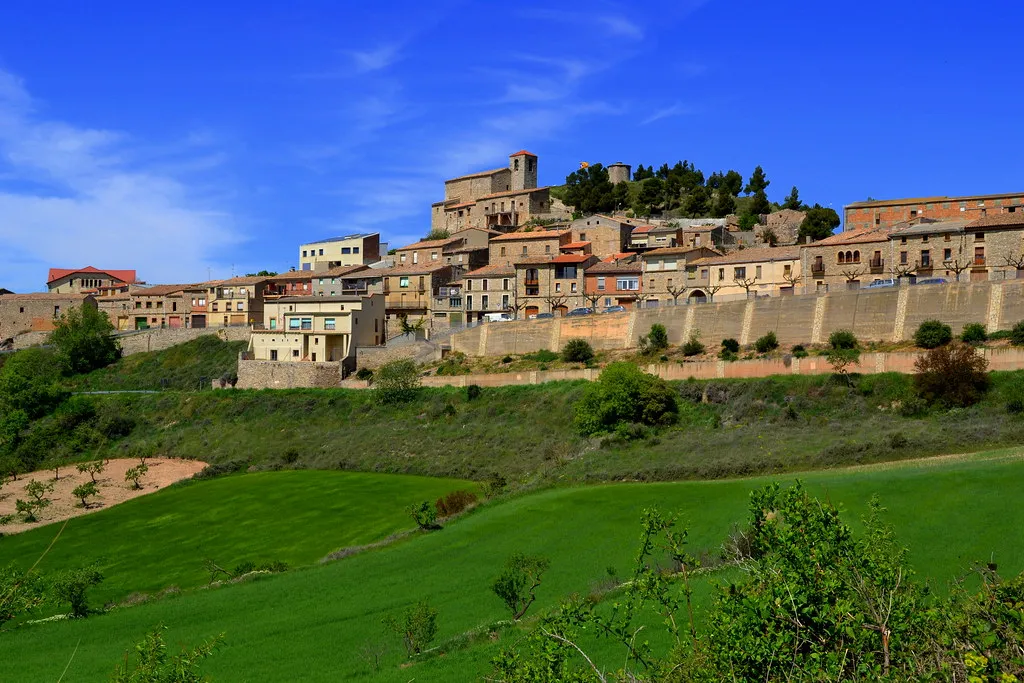
Más del Segarró
820 mRural farm in the Maestrazgo of Castellón. More than the Segarró is a haven of peace on the Way of St James, a place for rest and reflection in full nature.

Santuario de la Virgen de Vallivana
780 mMarian Pilgrimage Centre in Els Ports. The Sanctuary of the Virgin of Vallviana is a spiritual landmark on the Camino de Castellón, a place of faith in a beautiful natural setting.
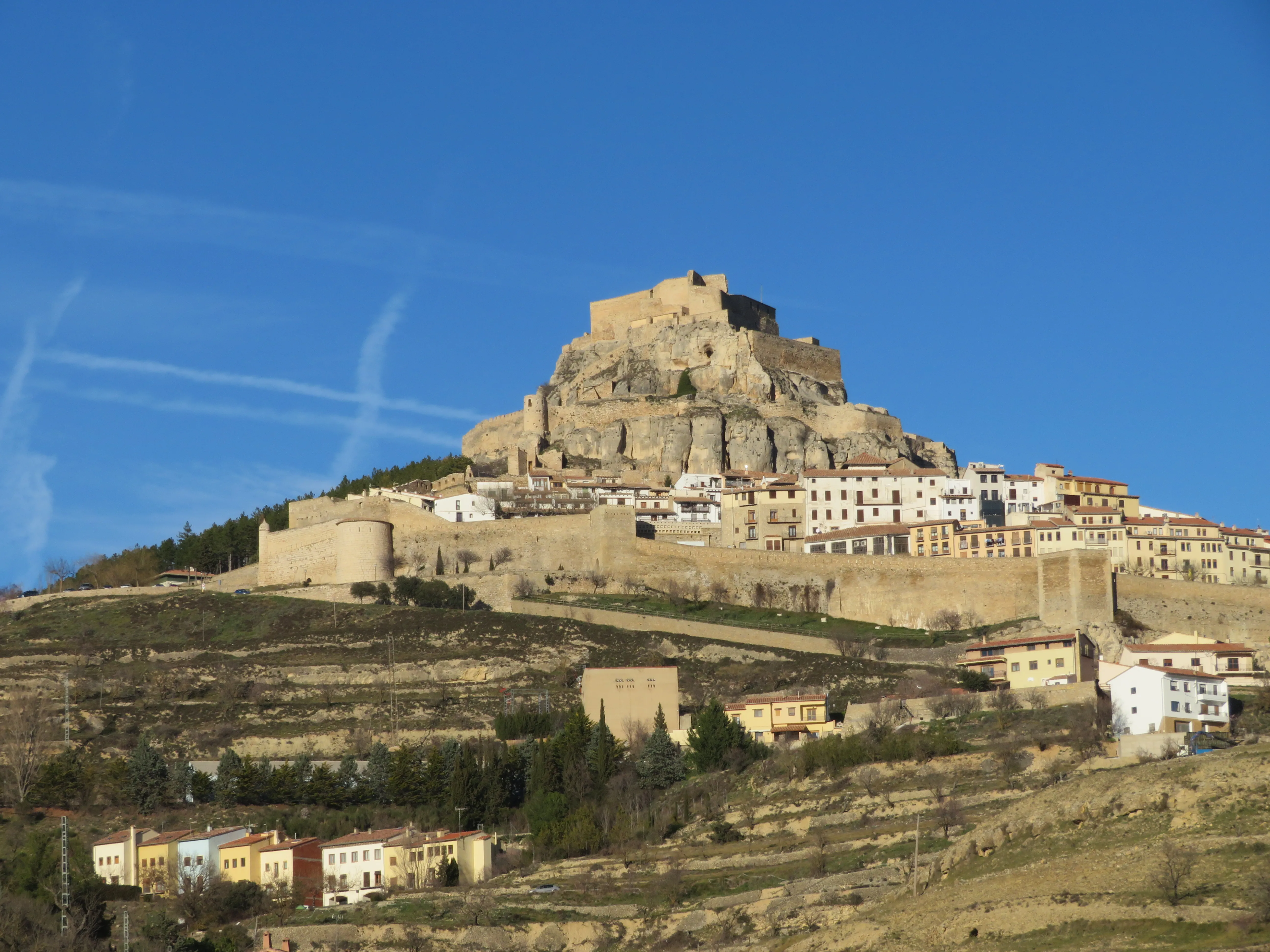
Morella
984 mMedieval jewel and one of Spain's most beautiful cities. Morella, with its castle and walls, is the queen stage of the Camino de Santiago of Castellón.
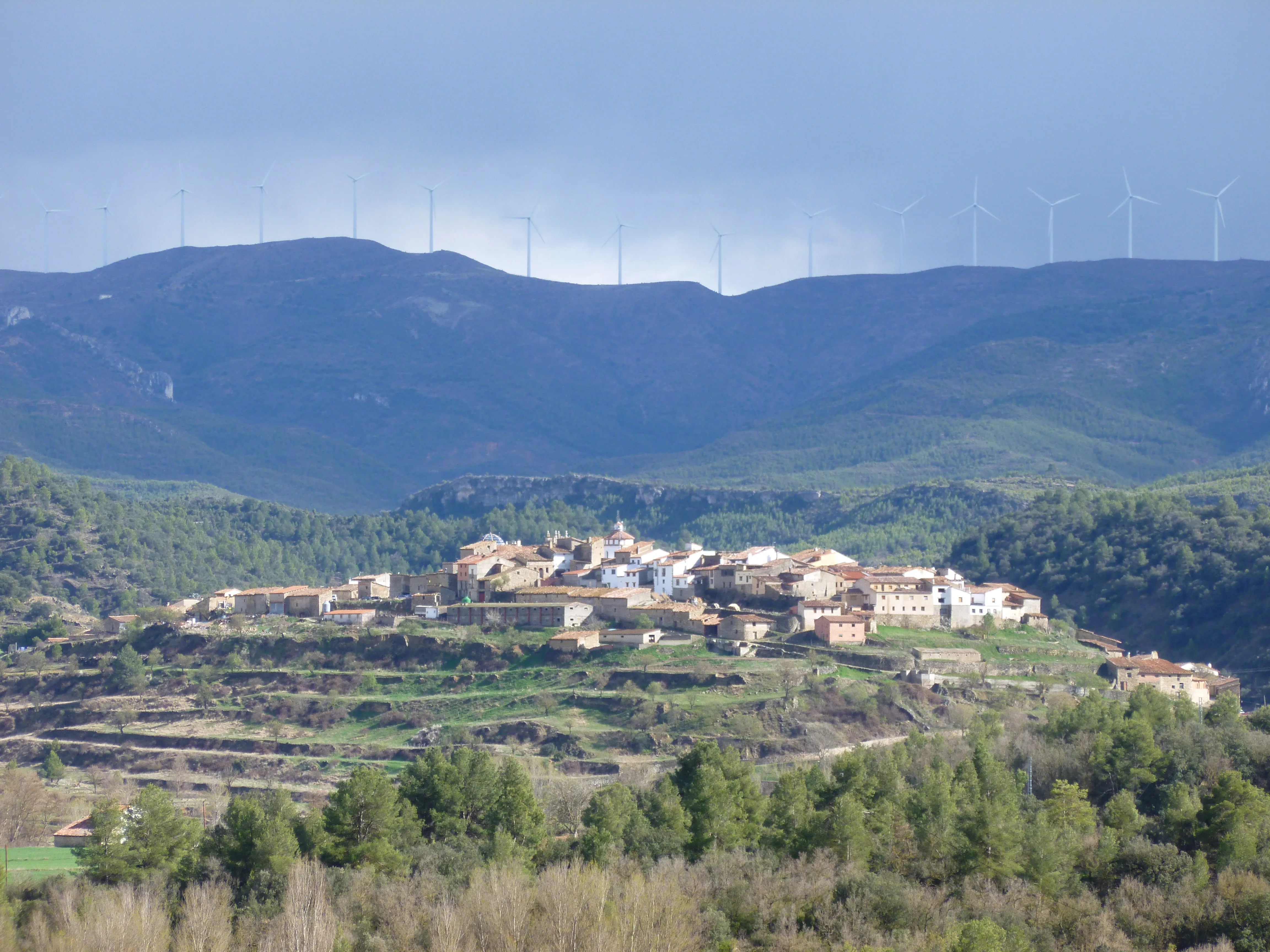
Zorita del Maestrazgo
780 mCharming Castellón town with a rock-cut sanctuary. Zorita del Maestrazgo, with its medieval bridge, is a charming and traditional stop on the Way of St James.
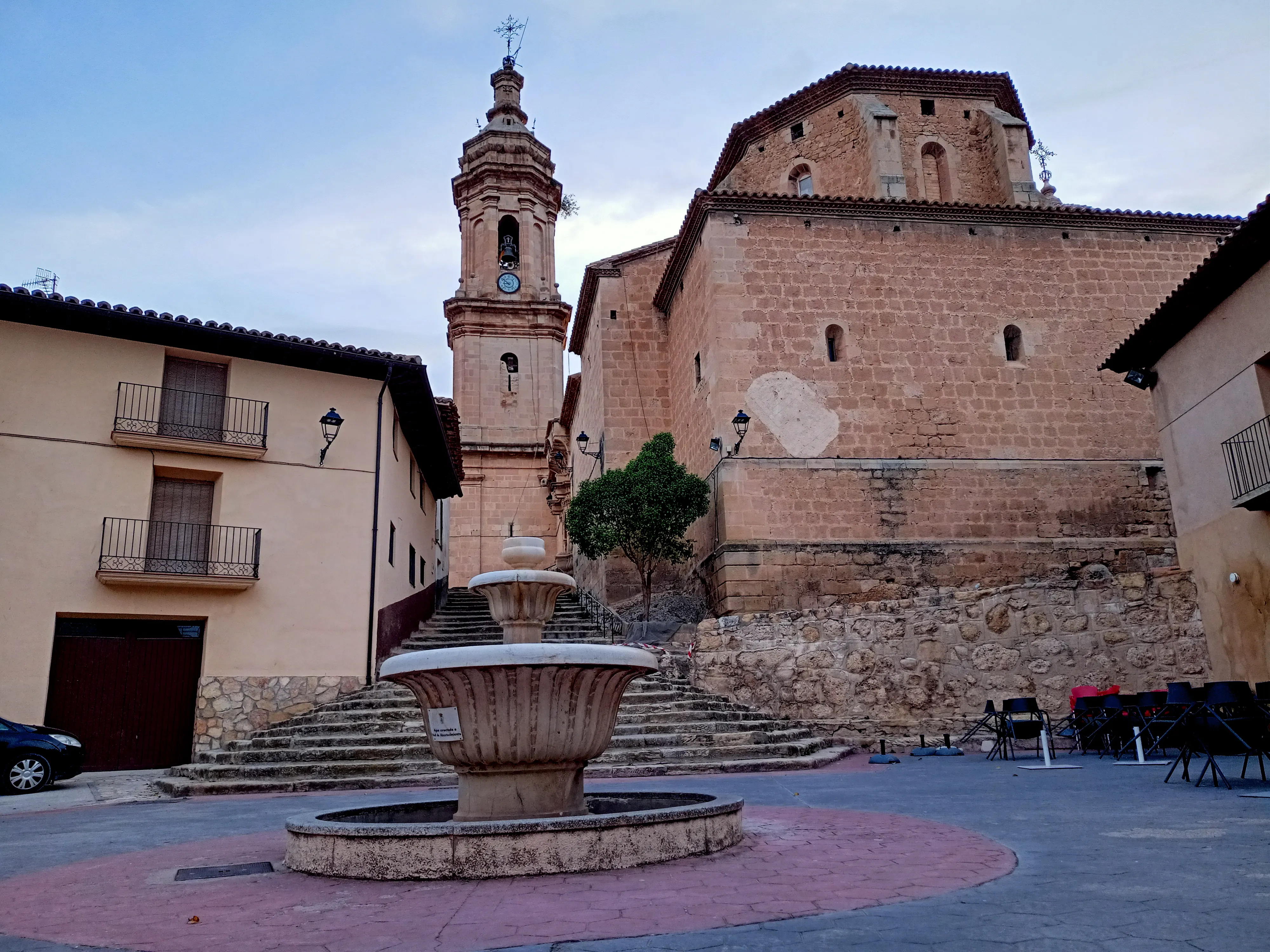
Aguaviva
540 mTown in the Toledan region of Lower Aragon. Aguaviva, with its heritage and natural surroundings, is a peaceful stop on the Way of St James of Castellón.
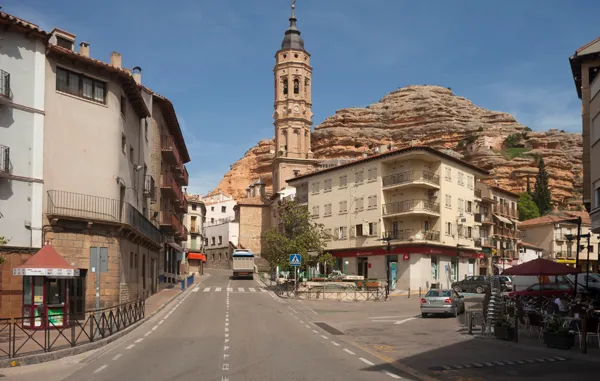
Alcorisa
632 mTurkish village with an important heritage. Alcorisa is a service center on the Camino de Castellón, known for its Calvary and Holy Week.
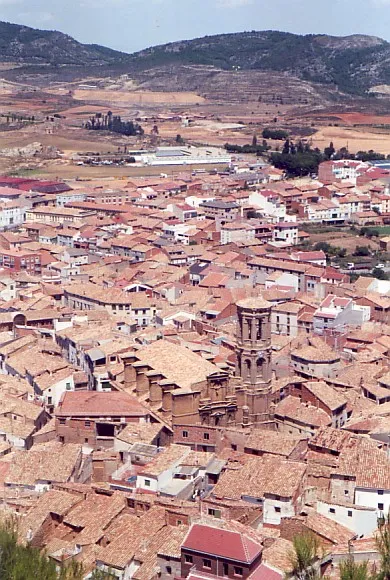
Andorra
529 mCapital of the Andorra-Sierra de Arcos region. Andorra, with its mining past and heritage, is an important service center on the Camino de Santiago of Castellón.
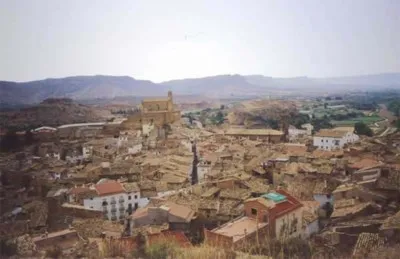
Albalate del Arzobispo
343 mThe Turolense villa crowned with an impressive archbishop's palace castle. Albalate of the Archbishop is a jewel of Aragonese Gothic and a monumental stop on the Camino de Castellón.
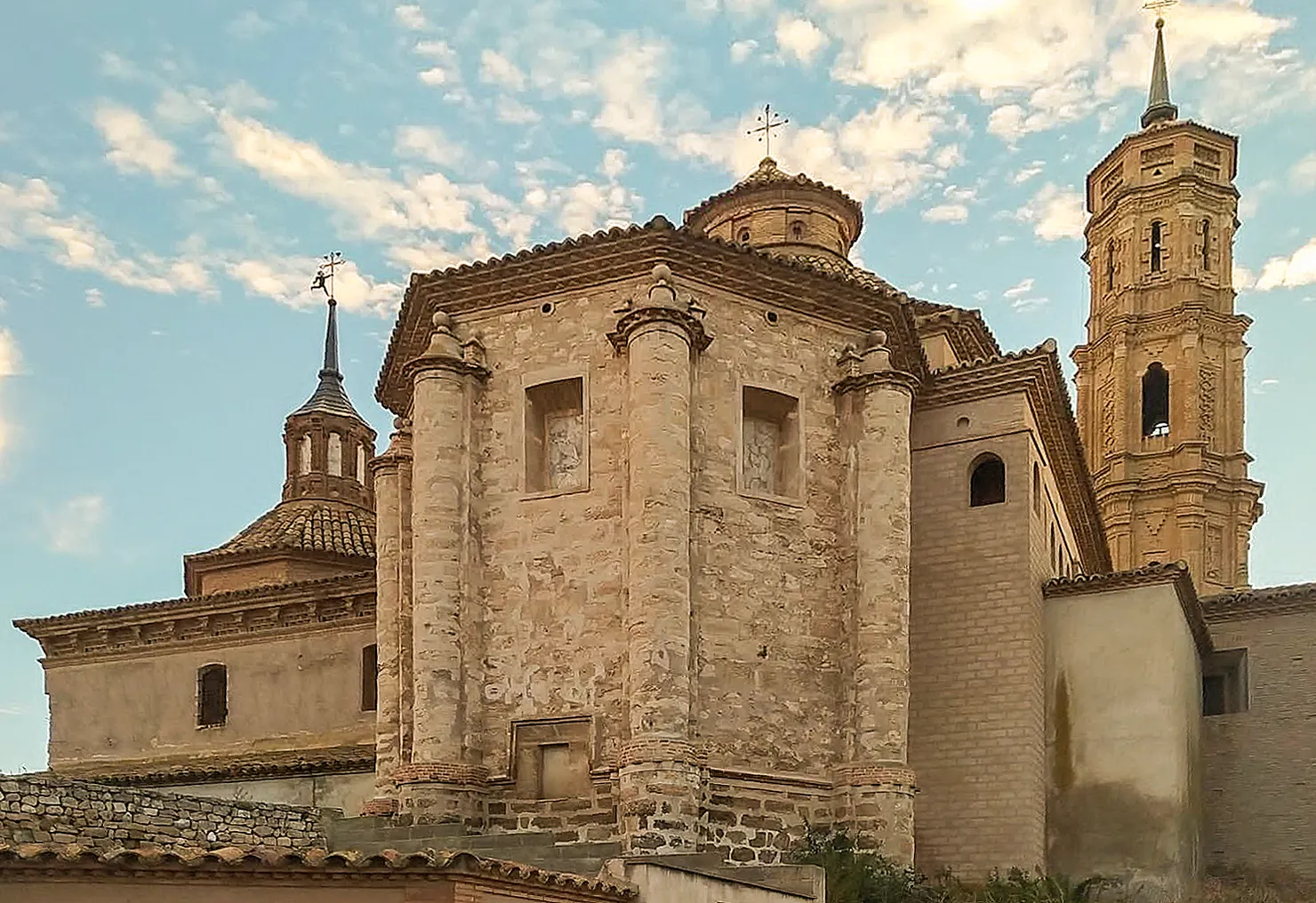
Lécera
508 mLecera offers the pilgrim a peaceful rest in the landscape of Aragon's steppe, on the Way of St James from Castellón.
History of Route of Castellón
The origins of this route are based on the medieval network of roads that connected the Levant coast with Aragon's interior. These routes, used for trade, livestock, and communication, also served pilgrims. The devotion to St. James is present in the region since ancient times, and its symbolic starting point, the hermitage of Sant Jaume de Fadrell in Castellón, attests to it. After the Reconquista, much of this territory was administered by military orders, such as the Order of the Temple and, after its dissolution, the Order of Montesa. These monk-soldiers, deeply connected to the defense of Christendom, promoted faith and pilgrimage in their domains.
The heart of this route is the passage through the Maestrazgo (or "Maestrat" in Valencian), a historic comarca that extends into Castellón's interior and Aragon's south. Its name derives from the "Great Master", the highest authority of the military orders that governed it. It is a land of abrupt landscapes, deep ravines, and "moles" (calcareous mesas). Its geographical isolation made it a territory of rugged character and untamed spirit, the scene of important historical episodes such as the Carlist Wars.
The itinerary, starting from Castellón de la Plana, ascends progressively, leaving behind orange groves to delve into the Sierra de Espadán and interior valleys. It passes through towns like Alcora, famous for its ceramics, and Lucena del Cid. The most spectacular landmark of the route is undoubtedly the city of Morella. Its image, with an imposing castle crowning a conical hill and medieval walls embracing the settlement, is one of the most impressive in Spain. Morella was a stronghold of first order and a commercial and livestock center of great importance in the Middle Ages, a mandatory stop for any traveler.
After leaving Morella, the route enters Bajo Aragón, Teruel province. The landscape becomes drier and more continental. The route passes through towns like Alcorisa and traverses a zone marked by recent history, passing near the ruins of Belchite's old town, destroyed during the Spanish Civil War and preserved as a monument to peace.
The final destination of the route is the Ebro valley. The Camino de Castellón descends from highlands to join the Camino del Ebro in Fuentes de Ebro, very close to Zaragoza. Once in the Ebro, the pilgrim joins a much more traveled Jacobean route that will take them to Logroño to connect with the French Way. The modern revival of this itinerary has highlighted an exigent and solitary route, ideal for pilgrims seeking to discover the patrimony and landscapes of one of Spain's most unknown and fascinating comarcas.
Accommodations on the Route
The Route of Castellón has 6 verified accommodations along the entire route.
View Stages & AccommodationsPractical Tips for Route of Castellón
Best Season
Spring (April-June) and autumn (September-October) are the best seasons. Pleasant temperatures and fewer crowds than summer.
Physical Preparation
Train by walking progressively in the months before. Start with short distances and increase. Your body will adapt to the rhythm of the Camino.
What to Pack
Light backpack (max 10% of your weight), worn trekking shoes, breathable technical clothing, raincoat, sunscreen and basic first aid kit.
General Tips
Carry the pilgrim credential, stay hydrated, respect your pace, book accommodation in high season and enjoy the journey without rushing.
FAQ about Route of Castellón
El recorrido del Camino de Castellón tiene una duración estimada de 14 días, ofreciendo a los peregrinos la oportunidad de disfrutar de un viaje tranquilo y lleno de riqueza histórica y cultural. Ourway Travel te proporciona toda la información necesaria para planificar tu itinerario con precisión.
El Camino de Castellón se caracteriza por una alta dificultad debido a su recorrido a través del territorio histórico y montañoso del Maestrazgo. Atraviesas paisajes variados que te desafiarán, pero Ourway Travel está aquí para asistirte en cada paso del camino.
La temporada media, entre abril y junio o septiembre y octubre, es considerada la mejor época para realizar el Camino de Castellón. Ofrece un equilibrio óptimo entre clima agradable y menor afluencia de peregrinos. En mayo podrás disfrutar del verde de los campos y las flores en pleno despunte, mientras que septiembre te permitirá experimentar el calor suave sin la multitud del verano.
Los costos para realizar el Camino de Castellón varían según las comodidades y servicios que elijas. En Ourway Travel, nosotros gestionamos tu reserva completa incluyendo alojamiento, traslados y asesoría personalizada. Para un presupuesto exacto y adaptado a tus necesidades, te recomendamos contactarnos directamente.
En Ourway Travel, gestionamos tu reserva completa para el Camino de Castellón. Esto incluye alojamiento de calidad en albergues y hoteles seleccionados, traslado seguro de equipaje entre etapas, asesoría personalizada y apoyo 24/7 durante tu peregrinación.
El Camino de Castellón ofrece una experiencia única al pasar a través del Maestrazgo y el Bajo Aragón, ofreciendo un recorrido tranquilo lleno de riqueza histórica. A diferencia de los más transitados como el Francés o Portugués, este camino te brinda la oportunidad de explorar zonas menos concurridas pero igualmente significativas en la historia jacobea.
Para los peregrinos experimentados que buscan desafíos únicos, el Camino de Castellón puede ser una excelente opción gracias a su alta dificultad y la rica experiencia cultural que ofrece. Sin embargo, dependiendo del tiempo disponible y las preferencias personales, también podría considerarse el Norte o incluso el Primitivo por sus paisajes variados.
Para obtener tu credencial de peregrino en el Camino de Castellón, puedes adquirirla antes del viaje o pedir la recepción de una durante tu estancia. En Ourway Travel, te asistimos proporcionándote información sobre dónde y cómo conseguir tu credencial para asegurarte de que todas las formalidades están cubiertas.
Ready for this adventure?
Let us organize your pilgrimage. We take care of accommodations, transfers and everything you need.