
Camino de Santiago
Route of Castellón
The Way of St James of Castellón is a route that links the capital of La Plana with the Way of Ebro. It passes through the Maestrazgo and Lower Aragon, offering a peaceful pilgrimage rich in heritage.
Organize your Route of CastellónLast updated: 21/05/2025
The Route
General Description of Route of Castellón
It goes through towns with notable historical heritage, such as the walled city of Morella. The route finally joins the Ebro Way in Fuentes de Ebro (Zaragoza), from where it can be continued towards the French Way. The total distance is approximately 281 km.
Related Routes
Connections of Route of Castellón
Route of the Ebro
457 km
18
Media
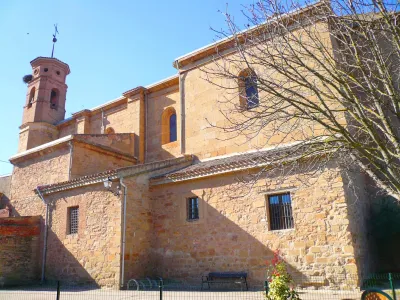
The Ebro Way is a Jacobean route that largely follows the course of the same-named river. It begins at the Ebro Delta or Tortosa and heads northwest to Logroño (La Rioja), where it meets the French Way. Its 457 km journey offers an unique experience, combining the natural richness of its banks with the heritage of the towns it passes through, such as the monumental Zaragoza.
It is a route with mostly flat sections that allows you to discover the diversity of landscapes in Catalonia, Aragon and La Rioja.
Stages of this variant:
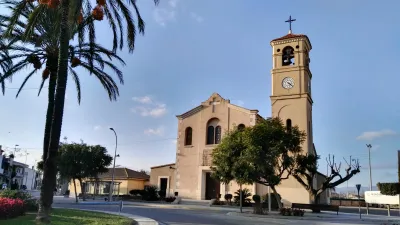
Stage 1: Deltebre to La Ràpita
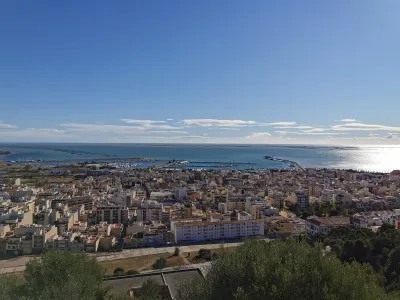
Stage 2: La Ràpita to Tortosa
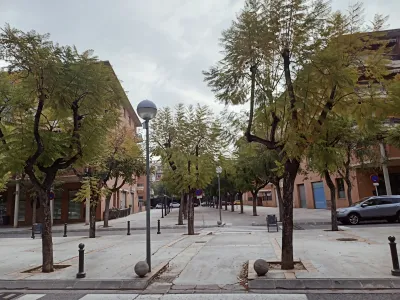
Stage 3: Tortosa to Xerta
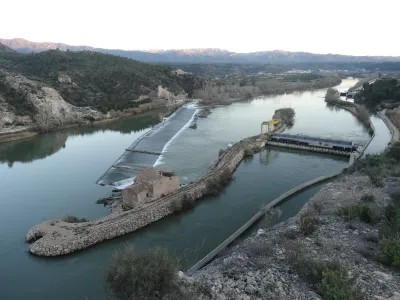
Stage 4: Xerta to Gandesa
Stage 5: Gandesa to Fabara
Your trip with Ourway
Everything you need for your Camino
No hassle. Your perfect route, from start to finish.
Accommodation
Selected hotels and hostels at every stage
Luggage transfer
Your backpack travels from stage to stage
Camino Guide
Detailed map with directions and services
24h Support
Team available for any unforeseen event
Pilgrim credential
Official documentation included
No commitment
Free personalized consultation
Walk this route with us
Fancy walking this route?
We don't have a ready-made package for this route yet, but we'll organise it around you. Tell us how you'd like to experience it and a specialist will reply within 24 h.
Request your proposalStages
Stages of Route of Castellón
Sant Jaume de Fadrell → La Pobla Tornesa
Stage description not available.
La Pobla Tornesa → Sierra Engarcerán
This stage of the Camino de Castellón, a Jacobean route that climbs from the coast to the interior of the Maestrazgo. The 20 km leave behind La Pobla Tornesa and go into the region of Plana Alta, with...
Sierra Engarcerán → Más del Segarró
Stage through the mountainous heart of the Maestrazgo of Castellón. The 18 km cross a rugged and solitary landscape of kermes oak, rosemary and limestone mountains. The route is demanding with several...
Más del Segarró → Santuario de la Virgen de Vallivana
This stage ends at the sanctuary of the Mare de Déu de Vallivana, an important religious center in the Maestrazgo region of Castellón. The 17 km run along paths and forest tracks between kermes oak gr...
Santuario de la Virgen de Vallivana → Morella
Stage description not available.
Morella → Zorita del Maestrazgo
This stage of the Maestrazgo links Morella (one of the best preserved medieval villages in Spain, declared a historic-artistic site, with its impressive castle) with Zorita del Maestrazgo. The 21 km d...
Towns
Featured Towns of Route of Castellón
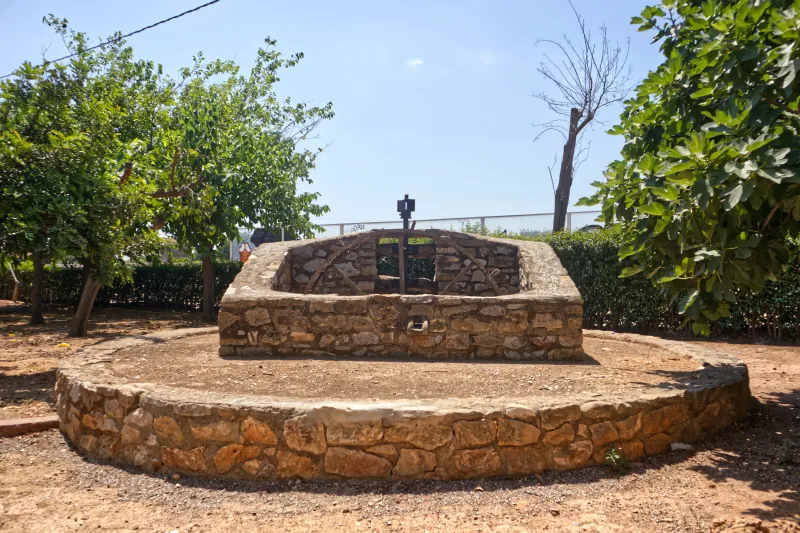
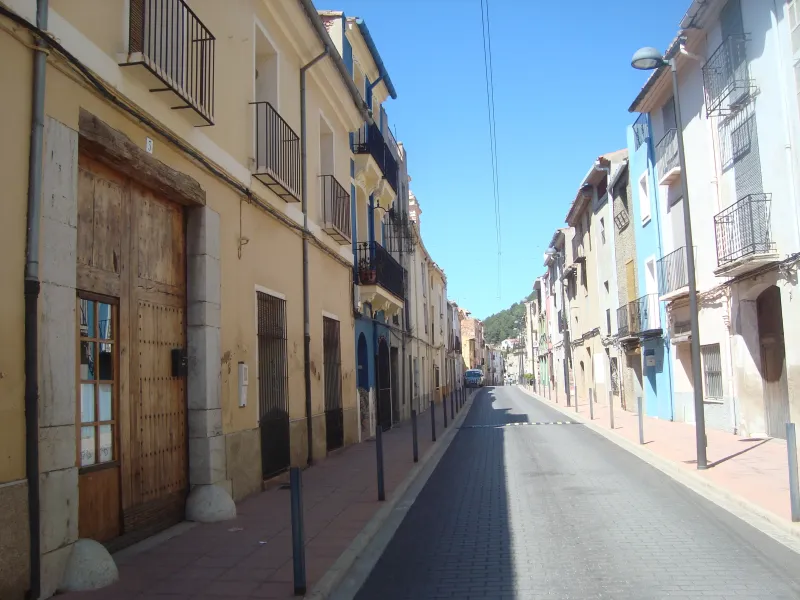
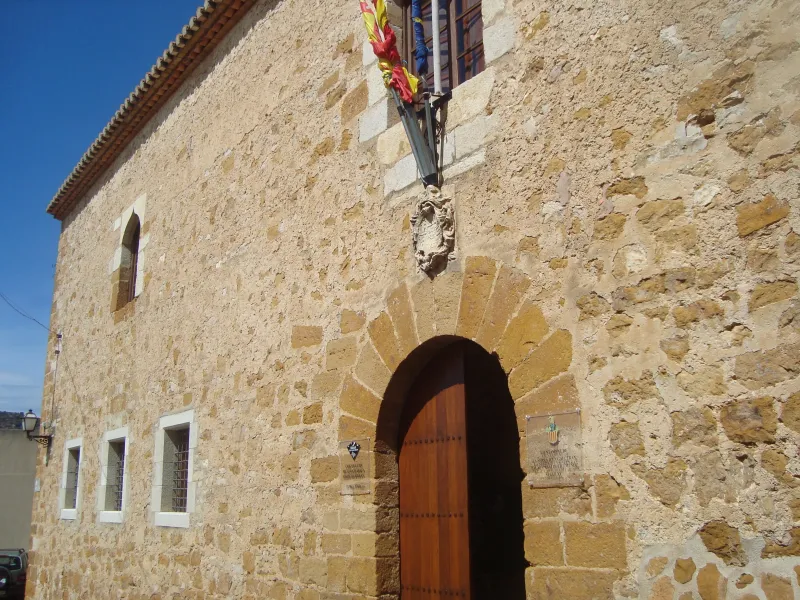
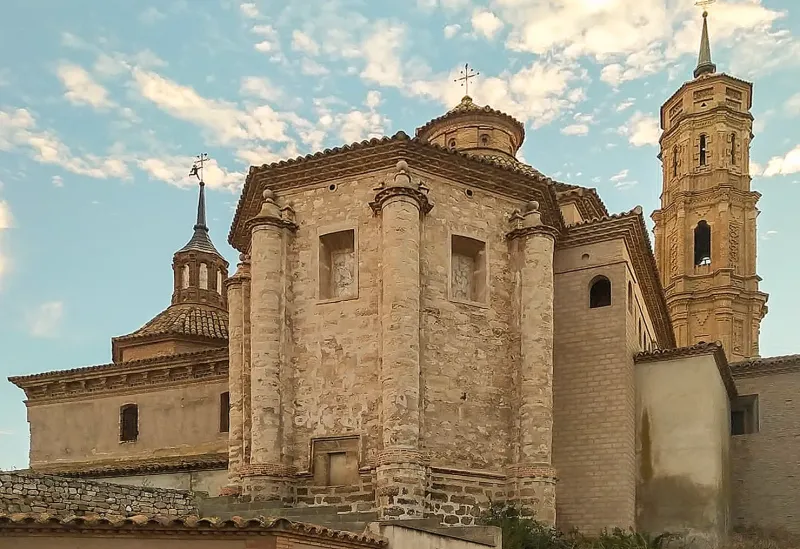
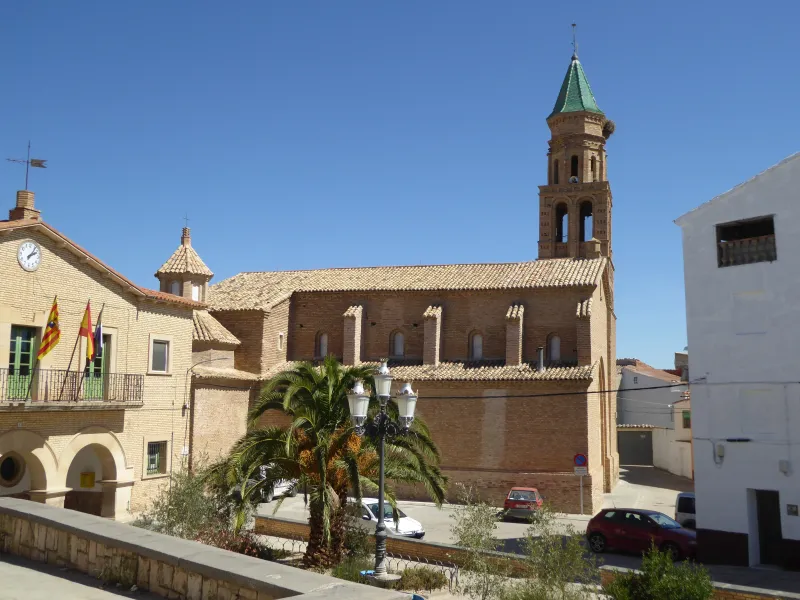
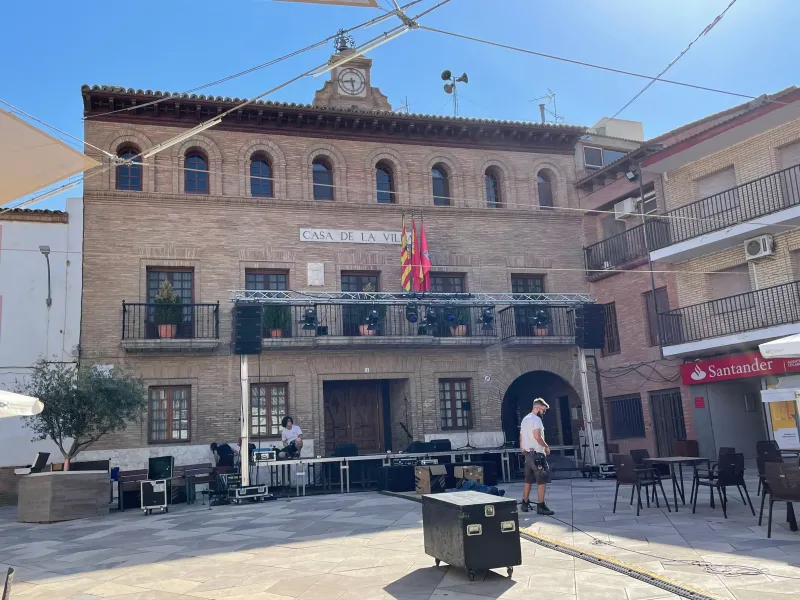
Explore the key towns and cities of this route.
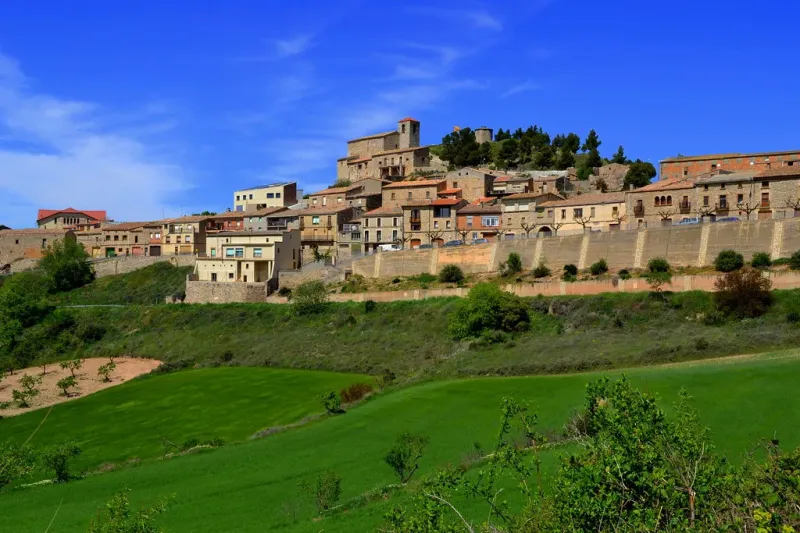
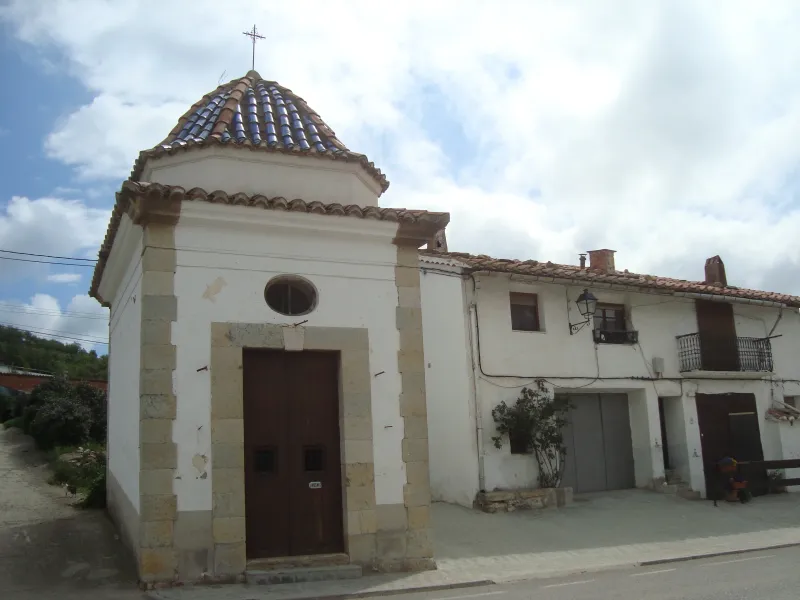
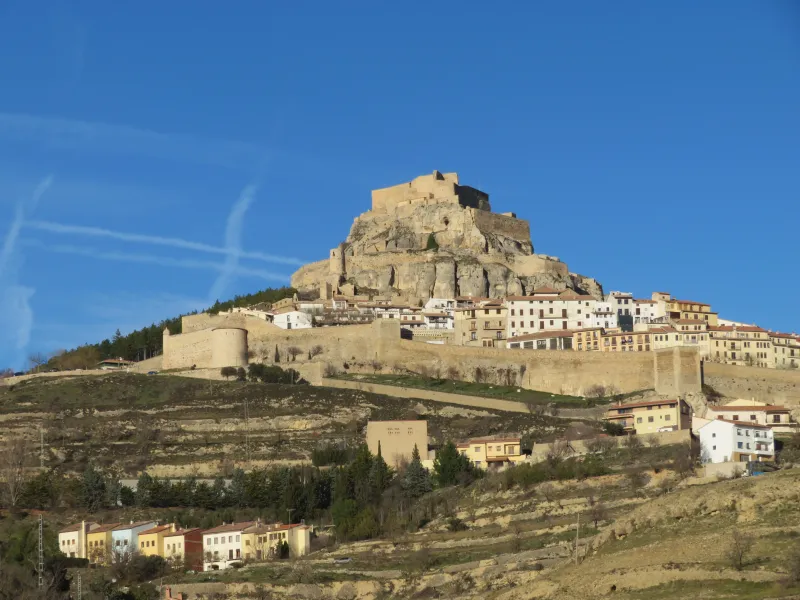
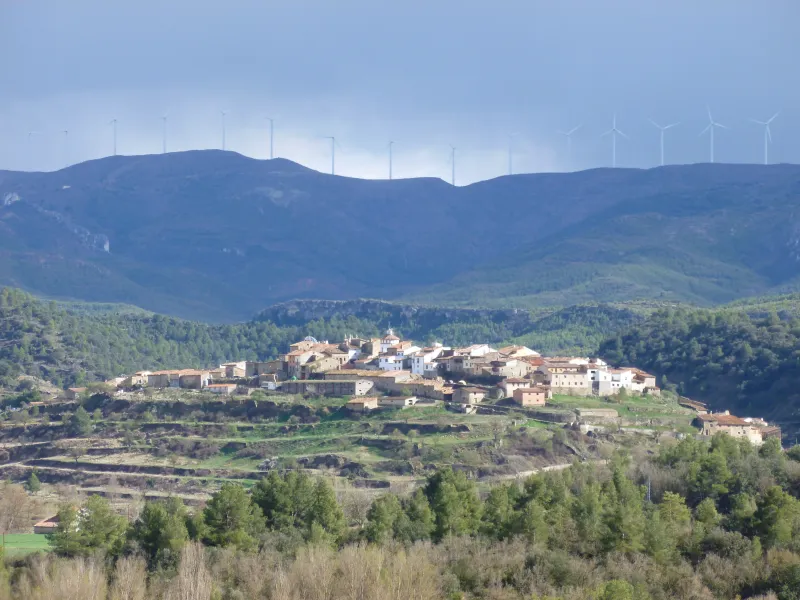
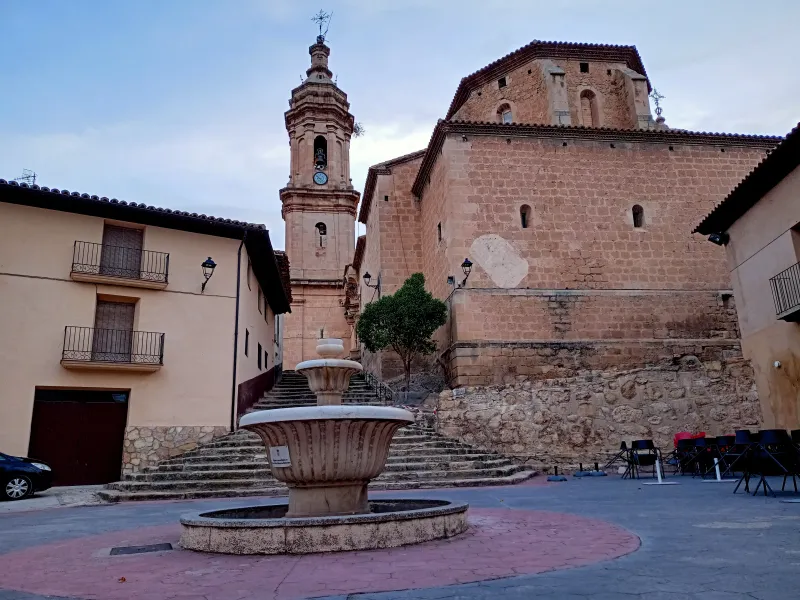
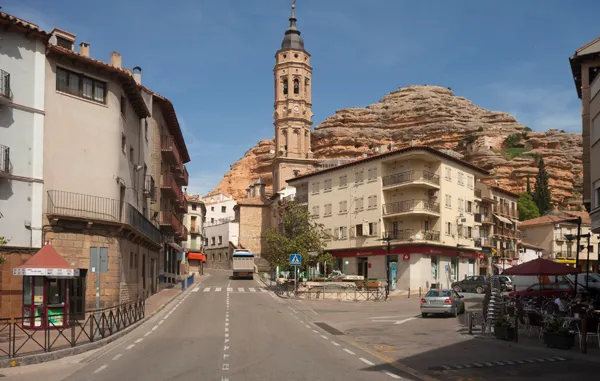
History
Millenary History of the Camino de Santiago: Origins and Evolution Route of Castellón
Discover the origins and evolution of Route of Castellón
The origins of this route are based on the medieval network of roads that connected the Levant coast with Aragon's interior. These routes, used for trade, livestock, and communication, also served pilgrims. The devotion to St. James is present in the region since ancient times, and its symbolic starting point, the hermitage of Sant Jaume de Fadrell in Castellón, attests to it. After the Reconquista, much of this territory was administered by military orders, such as the Order of the Temple and, after its dissolution, the Order of Montesa. These monk-soldiers, deeply connected to the defense of Christendom, promoted faith and pilgrimage in their domains.
The heart of this route is the passage through the Maestrazgo (or "Maestrat" in Valencian), a historic comarca that extends into Castellón's interior and Aragon's south. Its name derives from the "Great Master", the highest authority of the military orders that governed it. It is a land of abrupt landscapes, deep ravines, and "moles" (calcareous mesas). Its geographical isolation made it a territory of rugged character and untamed spirit, the scene of important historical episodes such as the Carlist Wars.
The itinerary, starting from Castellón de la Plana, ascends progressively, leaving behind orange groves to delve into the Sierra de Espadán and interior valleys. It passes through towns like Alcora, famous for its ceramics, and Lucena del Cid. The most spectacular landmark of the route is undoubtedly the city of Morella. Its image, with an imposing castle crowning a conical hill and medieval walls embracing the settlement, is one of the most impressive in Spain. Morella was a stronghold of first order and a commercial and livestock center of great importance in the Middle Ages, a mandatory stop for any traveler.
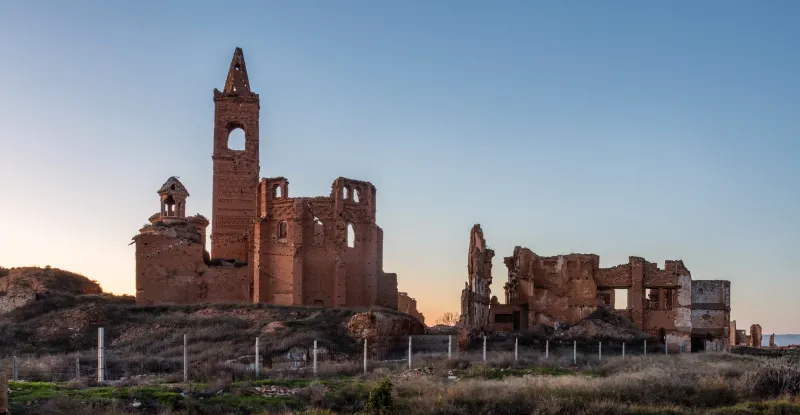
After leaving Morella, the route enters Bajo Aragón, Teruel province. The landscape becomes drier and more continental. The route passes through towns like Alcorisa and traverses a zone marked by recent history, passing near the ruins of Belchite's old town, destroyed during the Spanish Civil War and preserved as a monument to peace.
The final destination of the route is the Ebro valley. The Camino de Castellón descends from highlands to join the Camino del Ebro in Fuentes de Ebro, very close to Zaragoza. Once in the Ebro, the pilgrim joins a much more traveled Jacobean route that will take them to Logroño to connect with the French Way. The modern revival of this itinerary has highlighted an exigent and solitary route, ideal for pilgrims seeking to discover the patrimony and landscapes of one of Spain's most unknown and fascinating comarcas.
We answer your questions
Frequently Asked Questions about Route of Castellón
How long does the Camino de Castellón take?
The Camino de Castellón is estimated to last for 14 days, offering pilgrims a chance to enjoy a peaceful journey filled with historical and cultural richness. Ourway Travel provides you with all necessary information to plan your itinerary precisely.
What is the difficulty level of the Camino de Castellón?
The Camino de Castellón is characterized by a high level of difficulty due to its route through the historic and mountainous territory of Maestrazgo. You will encounter varied landscapes that will challenge you, but Ourway Travel is here to assist you every step of the way.
What is the best time to do the Camino de Castellón?
The medium season, from April to June or September to October, is considered the best time to undertake the Camino de Castellón. It offers an optimal balance between pleasant weather and fewer pilgrims. In May, you can enjoy the lush green fields and blooming flowers, while in September, you'll experience mild warmth without the summer crowds.
How much does it cost to do the Camino de Castellón with Ourway Travel?
The costs for undertaking the Camino de Castellón vary depending on the amenities and services you choose. At Ourway Travel, we manage your complete reservation including accommodation, transfers, and personalized advice. For an exact budget tailored to your needs, we recommend contacting us directly.
What services does Ourway Travel include for the Camino de Castellón?
At Ourway Travel, we manage your complete reservation for the Camino de Castellón. This includes high-quality accommodation in selected hostels and hotels, secure luggage transfer between stages, personalized advice, and 24/7 support during your pilgrimage.
How does the Camino de Castellón compare to other routes to Santiago?
The Camino de Castellón offers a unique experience by passing through Maestrazgo and Bajo Aragón, providing a tranquil journey filled with historical richness. Unlike more popular routes such as the French or Portuguese Way, this path gives you the opportunity to explore less crowded but equally significant areas in Jacobean history.
Which is the best route to Santiago for an experienced pilgrim?
For experienced pilgrims seeking unique challenges, the Camino de Castellón can be a great option due to its high difficulty and rich cultural experience. However, depending on available time and personal preferences, the Northern or even the Primitive routes could also be considered for their varied landscapes.
How do I obtain my pilgrim's credential for the Camino de Castellón?
To get your pilgrim’s credential on the Camino de Castellón, you can acquire it before your journey or request one during your stay. At Ourway Travel, we assist by providing information on where and how to obtain your credential to ensure all formalities are covered.
Organize Your Camino
Ready for this adventure?
Route of Castellón