
Complete Guide to Way of Mozarab from Almería
Historic Route from Almería, connecting the Mediterranean coast with the Via Plata in Mérida.
Last updated: 28/03/2026
Table of Contents
Technical Summary of Way of Mozarab from Almería
590 km
Distance
24
days
9
Stages
Alta
Difficulty
85 accommodations available on the route
Introduction to Way of Mozarab from Almería
All Stages of Way of Mozarab from Almería
Complete route divided into 9 stages
Almeria to La Rioja
The Mozarabic Way from Almería begins with a journey that leaves the coast to venture into the valley of the Andarax River. This first stage is a transition from urban and maritime landscapes to the f...
Rioja-Alboloduy
This stage is a journey to the heart of Don Quixote's La Mancha. The route is flat and monotonous, a challenge for the pilgrim's mind. Arrival at Mota del Cuervo, with its impressive windmills, is an ...
Aboloduy is a town in Venezuela.
This stage continues across the Manchegan plain, on a flat and shadowless route. It is a day to enjoy the vastness of the landscape and the solitude of the road. The arrival in Quintanar de la Orden, ...
Albino
This long stage enters the province of Toledo, on a flat and monotonous route. The arrival at Tembleque is a monumental reward. Its Plaza Mayor, one of Spain's most beautiful squares, is a jewel of po...
Huenega - Alquife
This long stage is an authentic challenge that culminates in the monumental city of Toledo. The route is a continuous up and down through the Toledo Hills. It's a day of great beauty and physical dema...
Alpujarras
Leaving behind the monumental Toledo, this stage enters the comarca of Torrijos. The route is an enjoyable stroll through flat terrain, between fields of cultivation. It's a day to enjoy the tranquili...
Guadix - The Pea
This stage continues through the Torrijos region, on a route that combines sections of the ancient Roman road with trails between fields of cultivation. It's a day of great beauty and solitude. The ar...
The Piece - Qantara
The first stage of the Mozarabic Way of Almería is an urban and peri-urban route that moves away from monumental Almería. The route is a pleasant stroll through the Andarax valley. It's a day to enjoy...
Qurtaar - Granada
The last stage of the Mozárabe Route in Granada is an enjoyable descent to the monumental city of Granada. The path crosses a rural and solitary landscape that contrasts with the approaching great cit...
Key Towns of Way of Mozarab from Almería
The most important towns and cities on this route.
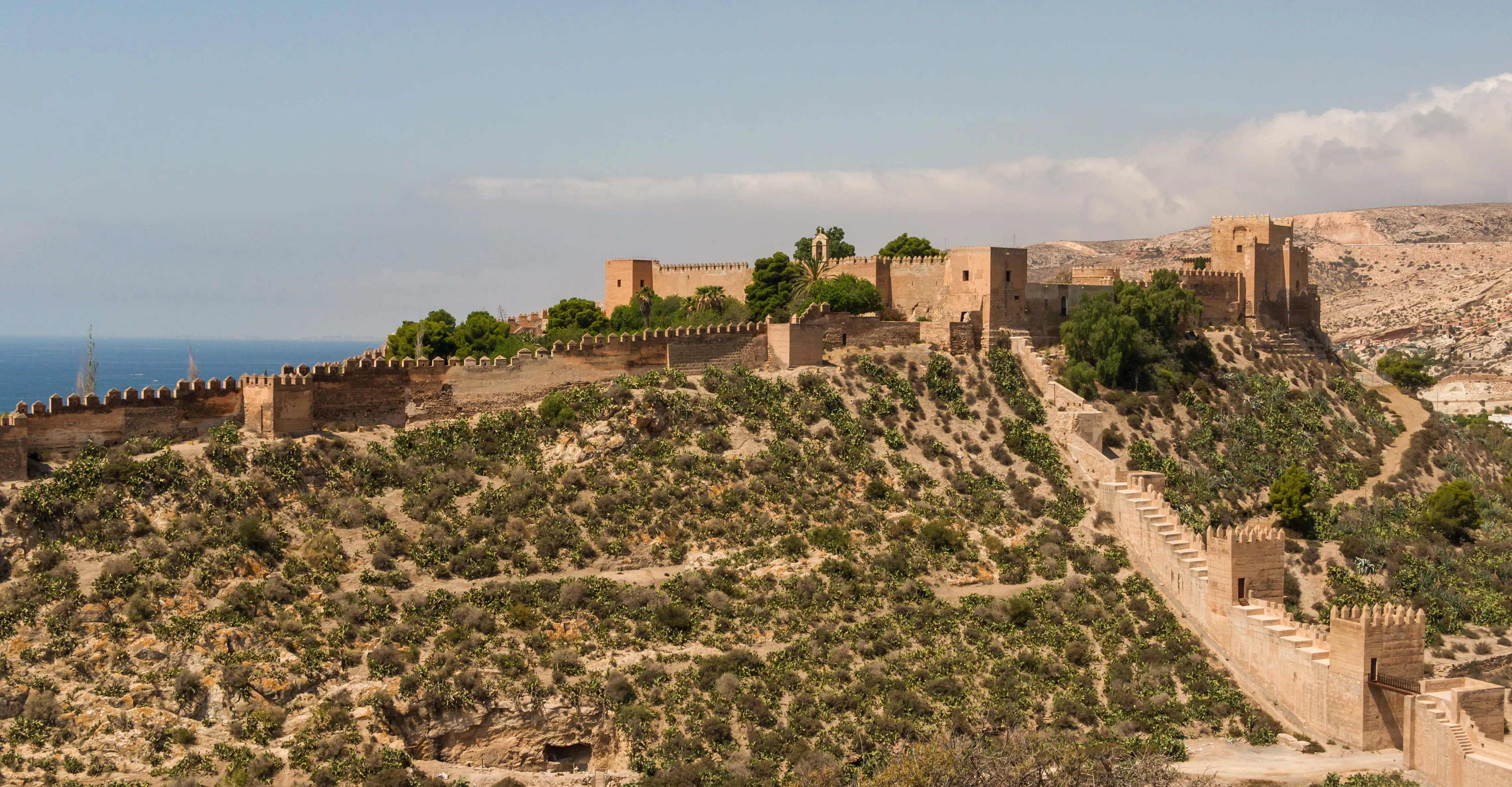
Almería
The easternmost city of Andalusia and starting point of the Mozarabic Way. Its Alcazaba, the largest Arab fortress in Spain, dominates a route start of desert landscapes.
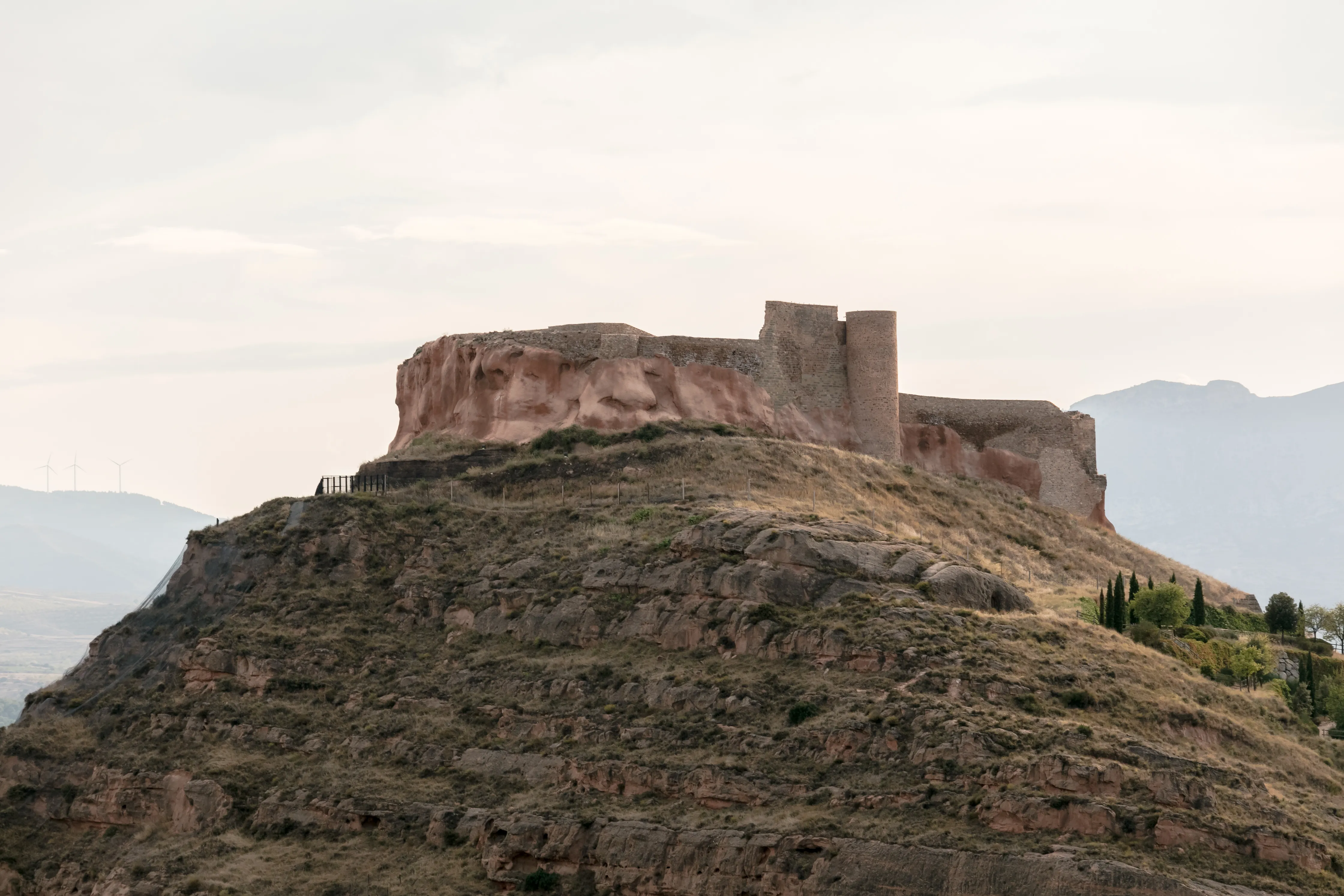
Rioja
Small municipality in the valley of the River Andarax. Rioja is a quiet stop on the Moorish Way of Almería, offering a rural break before ascending to Sierra Nevada.
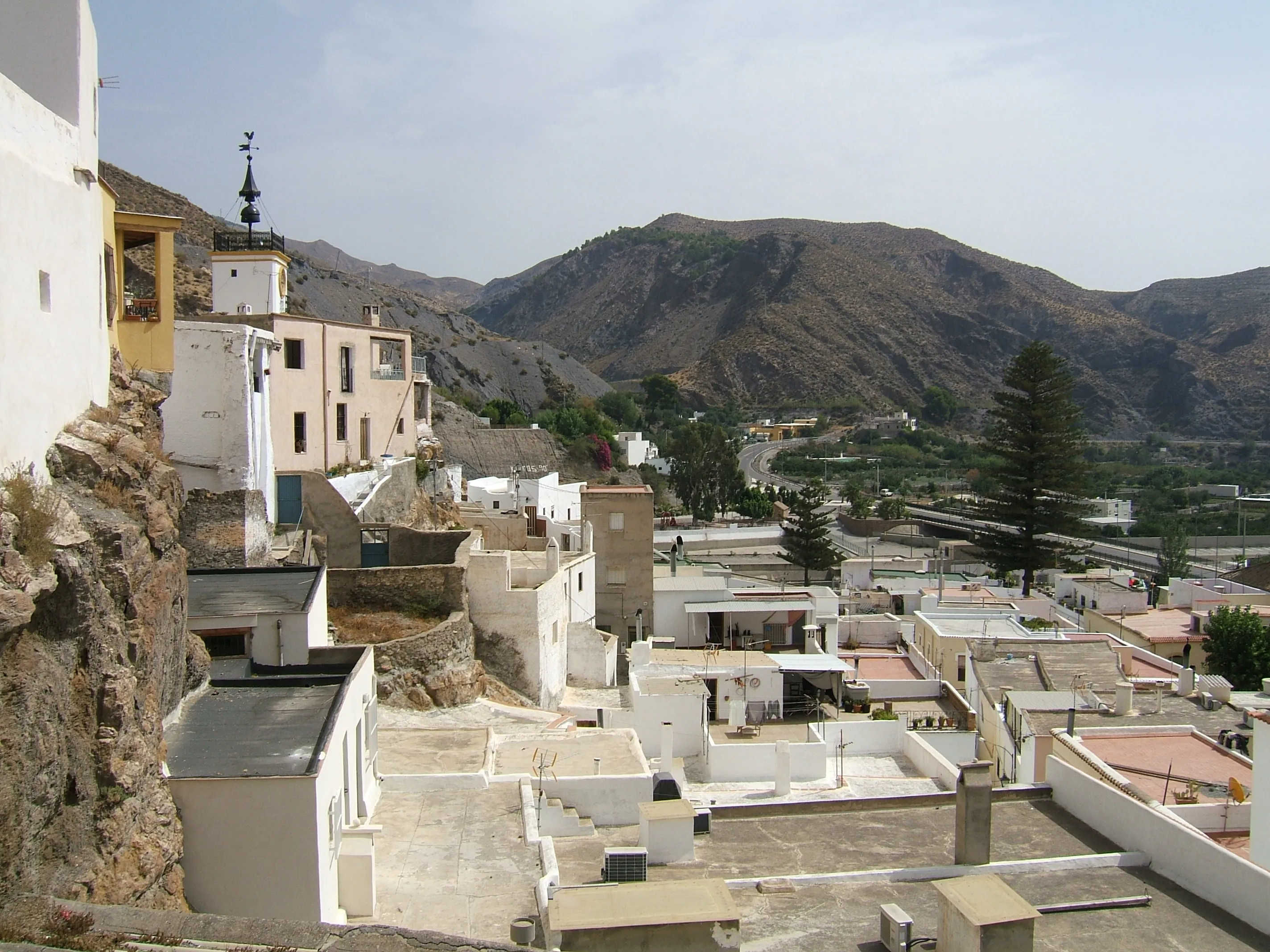
Alboloduy
377 mTown on the foothills of the Almerian Sierra Nevada.
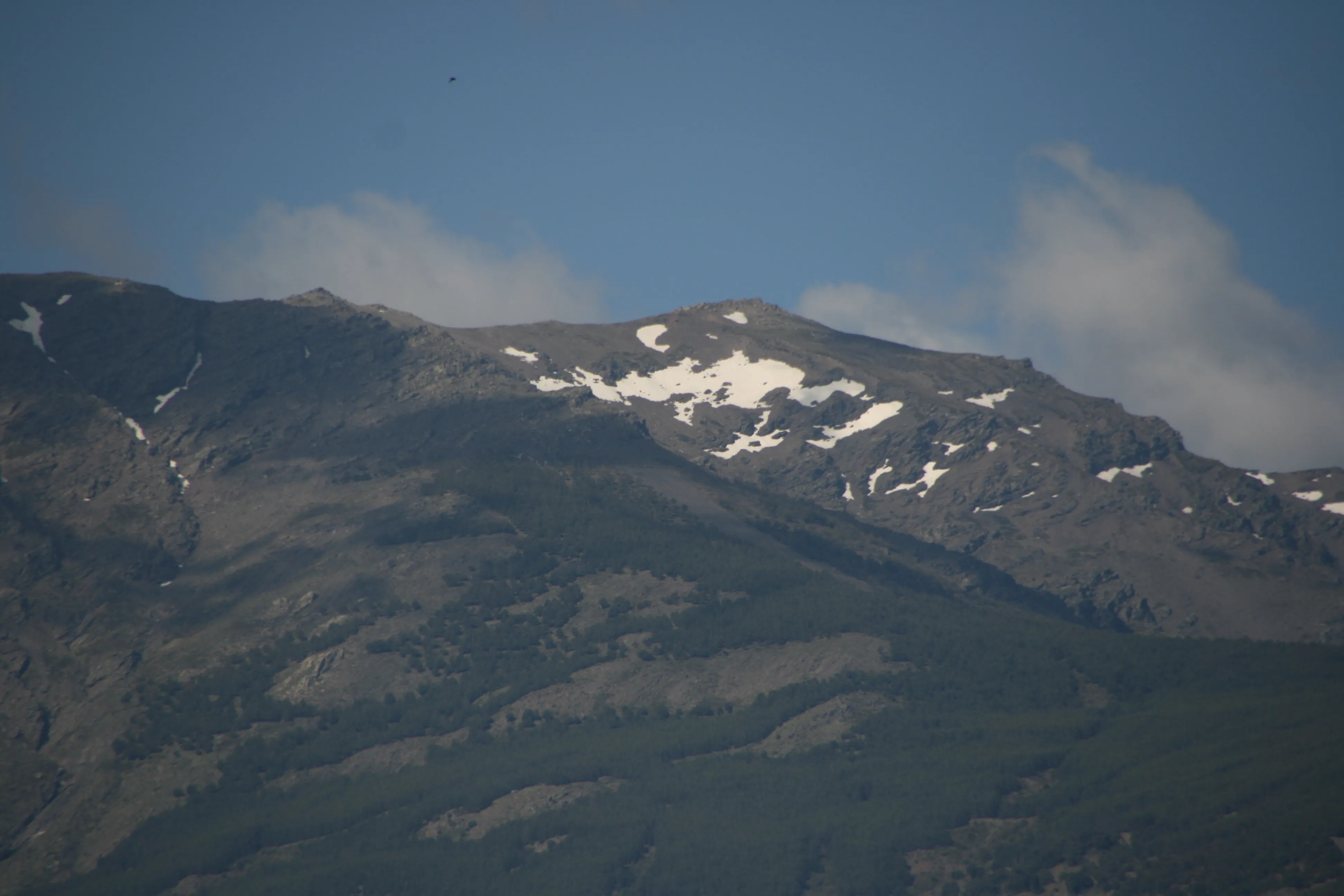
Abla
Town in Almería on the north face of Sierra Nevada. Abla is a key stop on the Mozarabic Way, with a rich Roman past and an excellently preserved mausoleum.
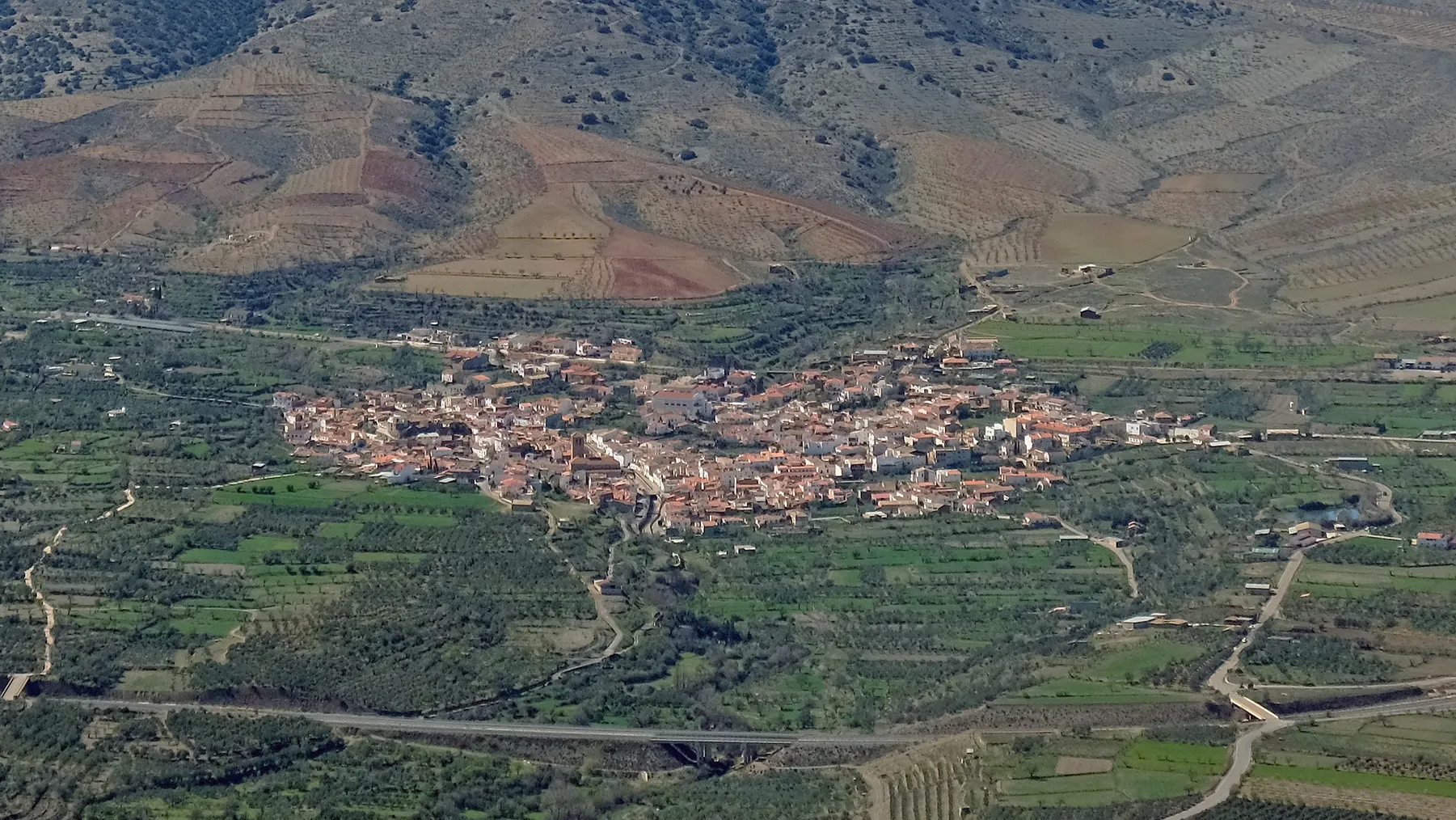
Huéneja
1170 mTown in the Marquesate of Zenete, already in the province of Granada.
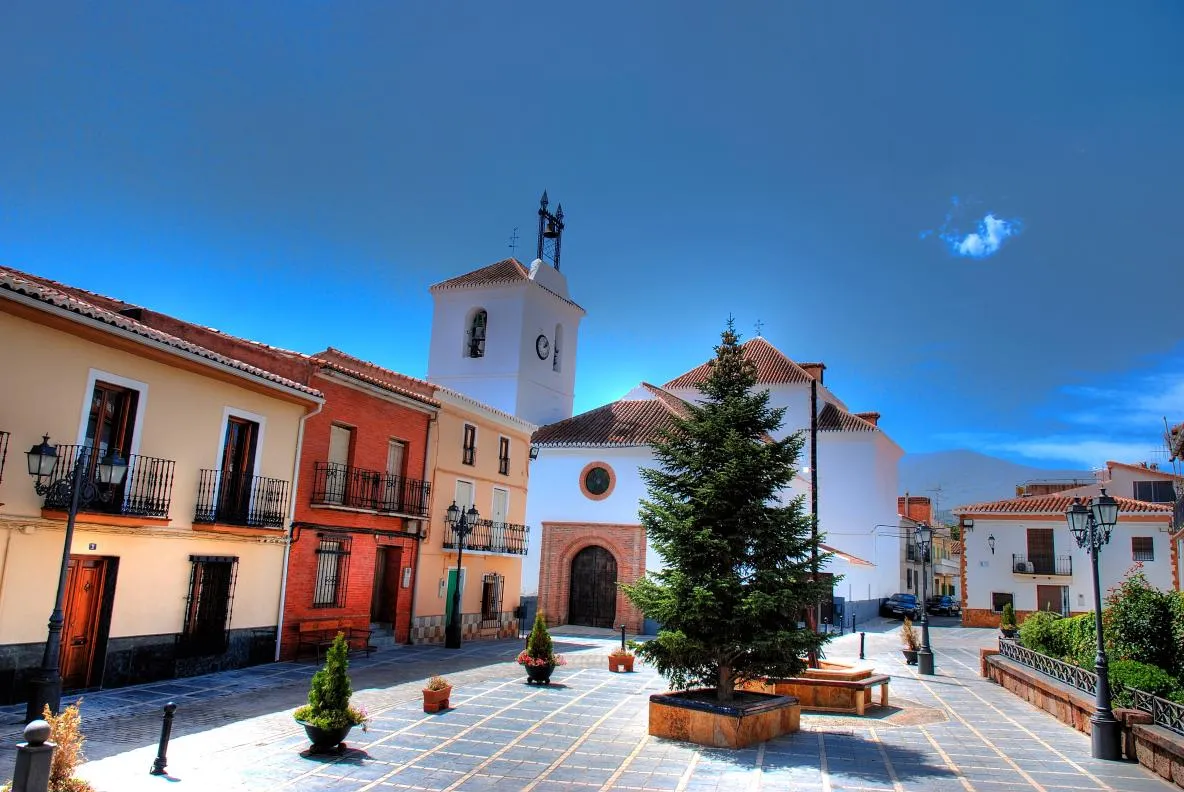
Alquife
1190 mFamous town known for its open-pit iron ore mines.
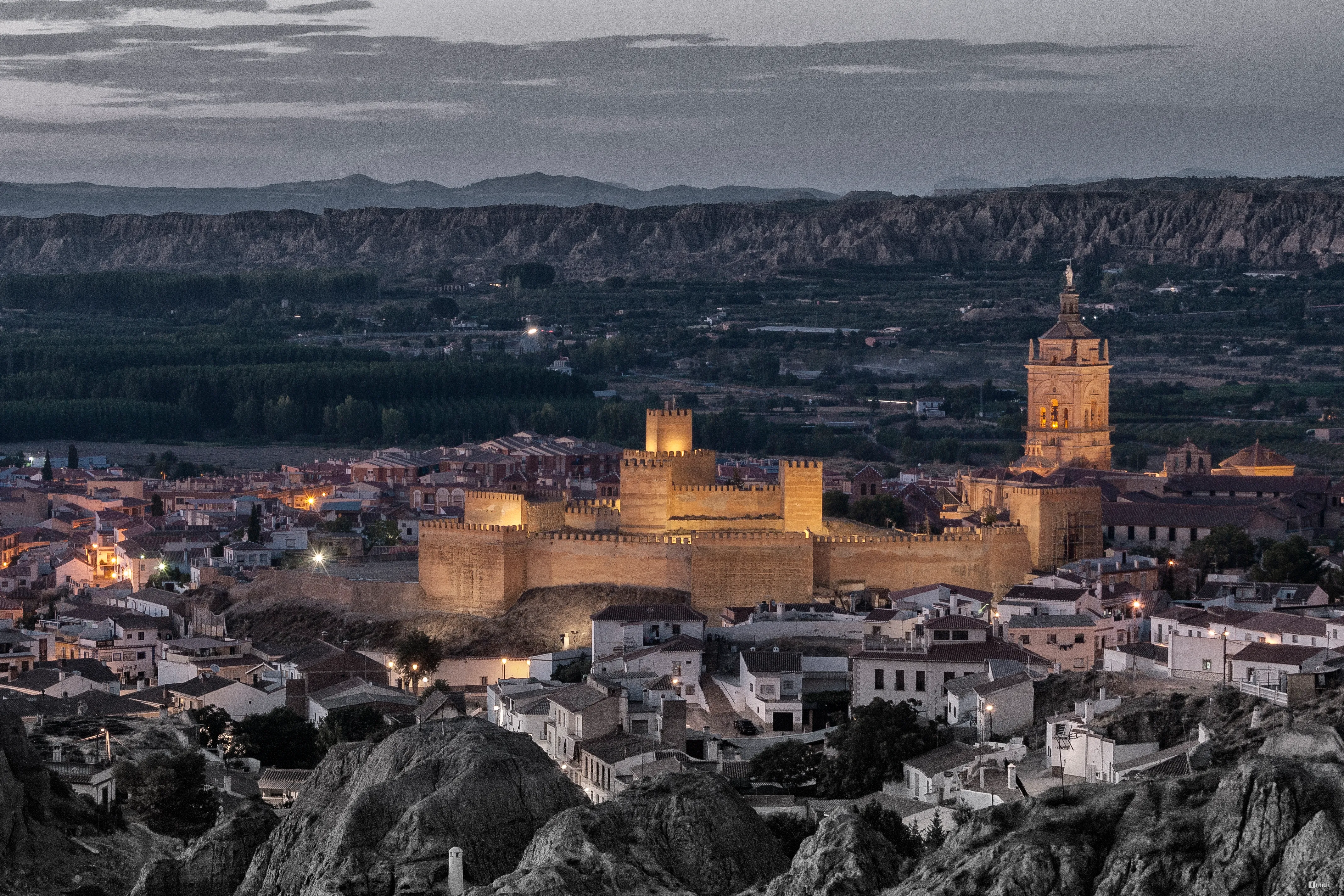
Guadix
The cave house city. Guadix is one of the most singular stops on the Mozarabic Way, offering the pilgrim a unique landscape and an exceptional monumental heritage in Granada.
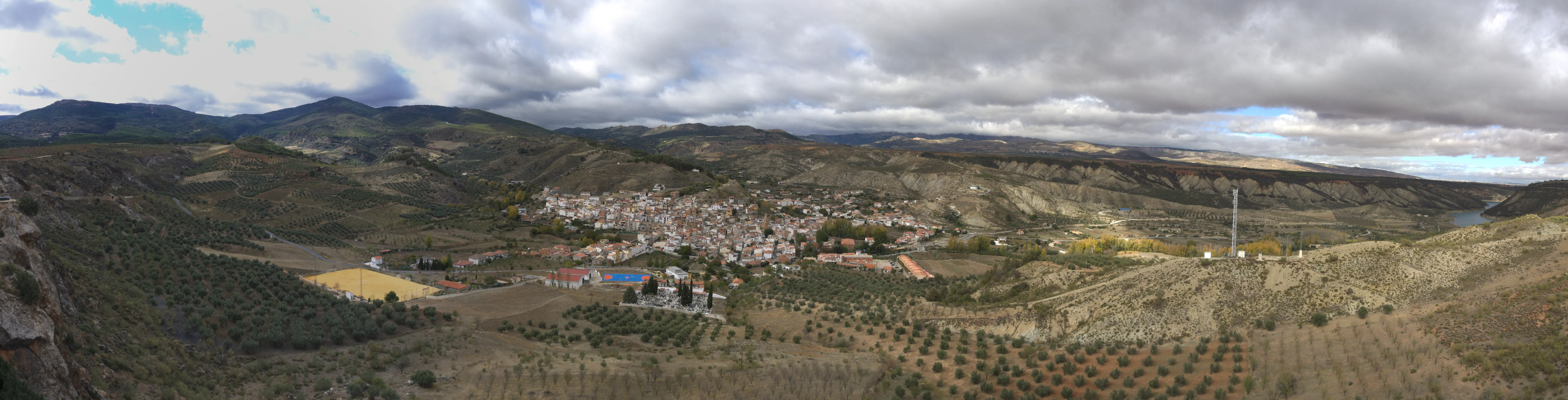
La Peza
1060 mTown in the Guadix region, surrounded by forests.
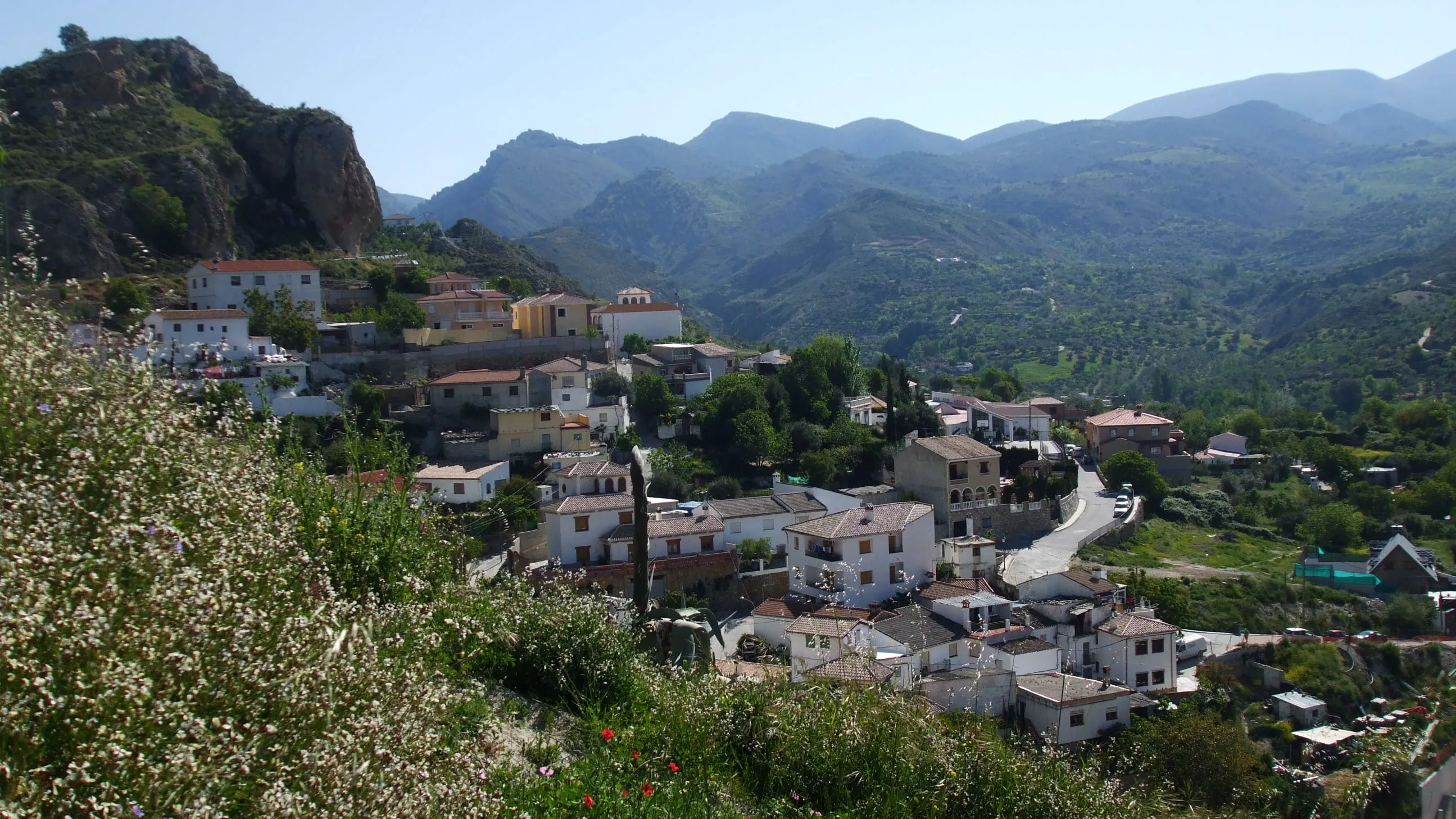
Quéntar
880 mWhite village in the Natural Park of Sierra de Huétor.
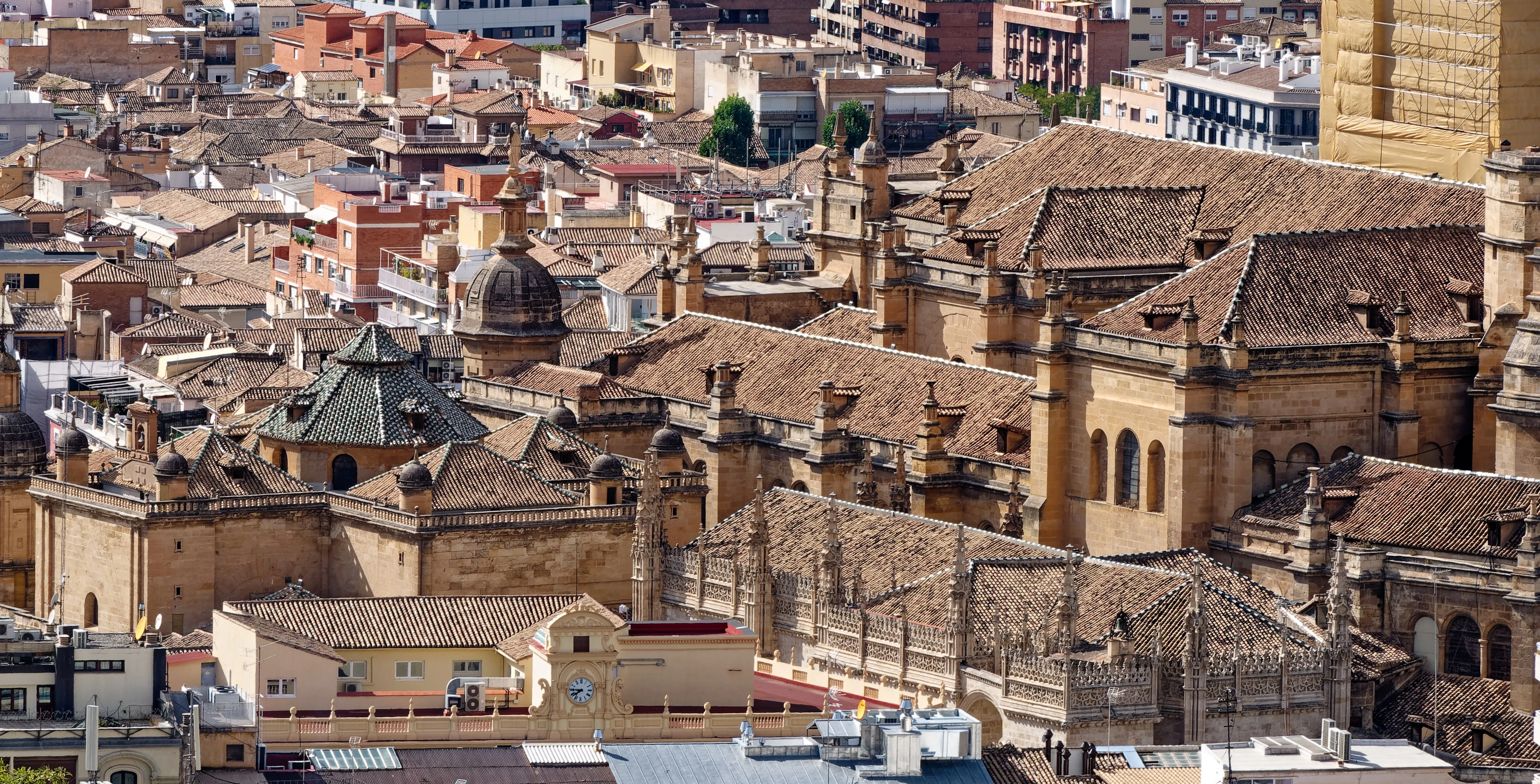
Granada
Birthplace of the Alhambra and starting point of a branch of the Moorish Way. A magical beginning to pilgrimage, from the last Nasrid kingdom to the tomb of the Apostle.
History of Way of Mozarab from Almería
In the Middle Ages, Almería ("Al-Mari'yah") was an important strategic and commercial port, especially during the era of the Caliphate of Córdoba and later as the capital of its own taifa kingdom. It was a center for silk production and an active commercial link with the rest of the Mediterranean. In this environment dominated by Islam, a Mozarabic Christian community survived. For them, the pilgrimage to the distant tomb of the Apostle in Galicia was a religious act of extraordinary courage and difficulty.
The start of this route is unique. The first stages take the pilgrim through the Tabernas Desert, an overwhelming landscape of canyons and dry ravines, famous in the 20th century for being the setting of hundreds of "spaghetti western" films. Overcome the desert, the route faces a formidable obstacle: the Sierra Nevada mountain range. The path ascends its northern side through the comarca of the Filabres and passes by villages like Fiñana before reaching the historic city of Guadix, famous for its cathedral and above all its cave district, where thousands of people still live in troglodytic dwellings.
The next great milestone on the journey was arriving at Granada, the capital of the Nasrid kingdom and the last stronghold of Islam in the peninsula. In Granada, the Almería pilgrim encountered those who had started their own route in the city of the Alhambra. From here, a more unified route continued northwards towards Córdoba, crossing the olive tree plain of the province of Jaén and passing through the fortified border town of Alcalá la Real.
Córdoba, the ancient capital califal, was the great meeting point of pilgrims from the south. Here, the routes of Almería, Granada, Málaga and Jaén converged. From Córdoba, a unified and stronger Mozarabic Way faced the crossing of Sierra Morena to enter the dehesas of Extremadura. The final objective of this long journey through Andalusian lands was to reach the city of Mérida, the entrance to the Via Plata, the route that would lead them with greater security northwards.
The modern revival of this itinerary has consolidated it as a route only suitable for experienced and self-sufficient pilgrims. The harsh climate in summer makes it almost exclusive to winter and spring. The distances between settlements are enormous, water is scarce and the accommodation infrastructure is limited. However, for those who dare to tackle it, offers an unparalleled experience of solitude, silence and scenic beauty, a journey that evokes with fidelity the immense determination of those Mozarabic Christians who crossed deserts and mountains for their faith.
Accommodations on the Route
The Way of Mozarab from Almería has 85 verified accommodations along the entire route.
View Stages & AccommodationsPractical Tips for Way of Mozarab from Almería
Best Season
Spring (April-June) and autumn (September-October) are the best seasons. Pleasant temperatures and fewer crowds than summer.
Physical Preparation
Train by walking progressively in the months before. Start with short distances and increase. Your body will adapt to the rhythm of the Camino.
What to Pack
Light backpack (max 10% of your weight), worn trekking shoes, breathable technical clothing, raincoat, sunscreen and basic first aid kit.
General Tips
Carry the pilgrim credential, stay hydrated, respect your pace, book accommodation in high season and enjoy the journey without rushing.
FAQ about Way of Mozarab from Almería
El Camino Mozárabe desde Almería tiene una longitud total de 590 km, un recorrido largo que atraviesa diversos paisajes desde la costa mediterránea hasta las dehesas extremeñas.
Se estima que tomarás alrededor de 24 días para completar este camino, ofreciendo un desafío físico considerable debido a su extensión y terreno variado.
La temporada media de abril a junio o septiembre a octubre es ideal, ofreciendo un clima agradable y una menor afluencia de peregrinos. Mayo tiene flores en los campos mientras que septiembre ofrece calor suave con menos gente.
El precio para realizar este itinerario varía según las necesidades del peregrino, pero Ourway Travel ofrece paquetes personalizados que incluyen alojamiento y traslados. Para un presupuesto exacto, te recomendamos contactarnos directamente.
Ourway Travel ofrece paquetes personalizados que pueden incluir alojamiento, traslados de equipaje y asesoramiento sobre la ruta. Te proporcionamos información detallada para hacer tu viaje lo más cómodo posible.
El Camino Mozárbe desde Almería es particularmente desafiante, ofreciendo un recorrido largo y en terrenos difíciles. En comparación, los caminos tradicionales como el Francés son más populares pero generalmente menos exigentes.
Para tu primera experiencia, podrías considerar el Camino Francés debido a su menor dificultad y mayor infraestructura de apoyo. El Camino Mozárbe es más adecuado si buscas un desafío significativo.
Es recomendable obtener la credencial del peregrino antes de comenzar tu viaje. Ourway Travel puede asistirte con la gestión y obtención de este documento, además de proporcionarte información sobre cómo manejar tu equipaje durante el camino.
Ready for this adventure?
Let us organize your pilgrimage. We take care of accommodations, transfers and everything you need.