
Complete Guide to The Camino by Bike
Dare the challenge of the Primal Path on a bike. The original route, with its demanding mountains and spectacular landscapes, in a 6-day format for experienced cyclists.
Last updated: 28/03/2026
Table of Contents
Technical Summary of The Camino by Bike
321.4 km
Distance
6
days
6
Stages
Alta
Difficulty
110 accommodations available on the route
Introduction to The Camino by Bike
All Stages of The Camino by Bike
Complete route divided into 6 stages
Oviedo to Salas by Bike
Leaving behind the monumental Segovia, this long stage enters into the Castilian plain. The route is flat and monotonous, a challenge for the pilgrim's mind. The arrival at Santa María la Real de Niev...
Rooms at Pola de Allande (Bicycle)
This stage continues over the Castilian plain, on a route that combines sections of the ancient Roman road with trails between pine forests. It is a day of great beauty and solitude. The arrival at Co...
Cycle route from Pola de Allande to A Fonsagrada
This long stage is a true challenge that ventures into the Tierra de Pinares region. The route is flat but very demanding due to its distance. It's a journey for introspection and meditation in an end...
To Lugo by bike (Fonsagrada)
Leaving behind the monumental Medina del Campo, this stage follows the course of the River Duero. The route is flat and pleasant, ideal for recovering strength. It's a day to enjoy the riverine landsc...
Lugo to Melide by Bike
This long stage enters the Tierra del Vino region. The route is a continuous rise and fall through a sea of vineyards. It's a day of great scenic beauty and physical demand. Arrival in Toro, a city wi...
Melide to Santiago de Compostela by bike
This long stage follows the course of the River Duero, on a flat and pleasant route. It is a day to enjoy the riverine landscape and the tranquility of the road. Arrival in Zamora, "The Romanesque Cit...
Key Towns of The Camino by Bike
The most important towns and cities on this route.
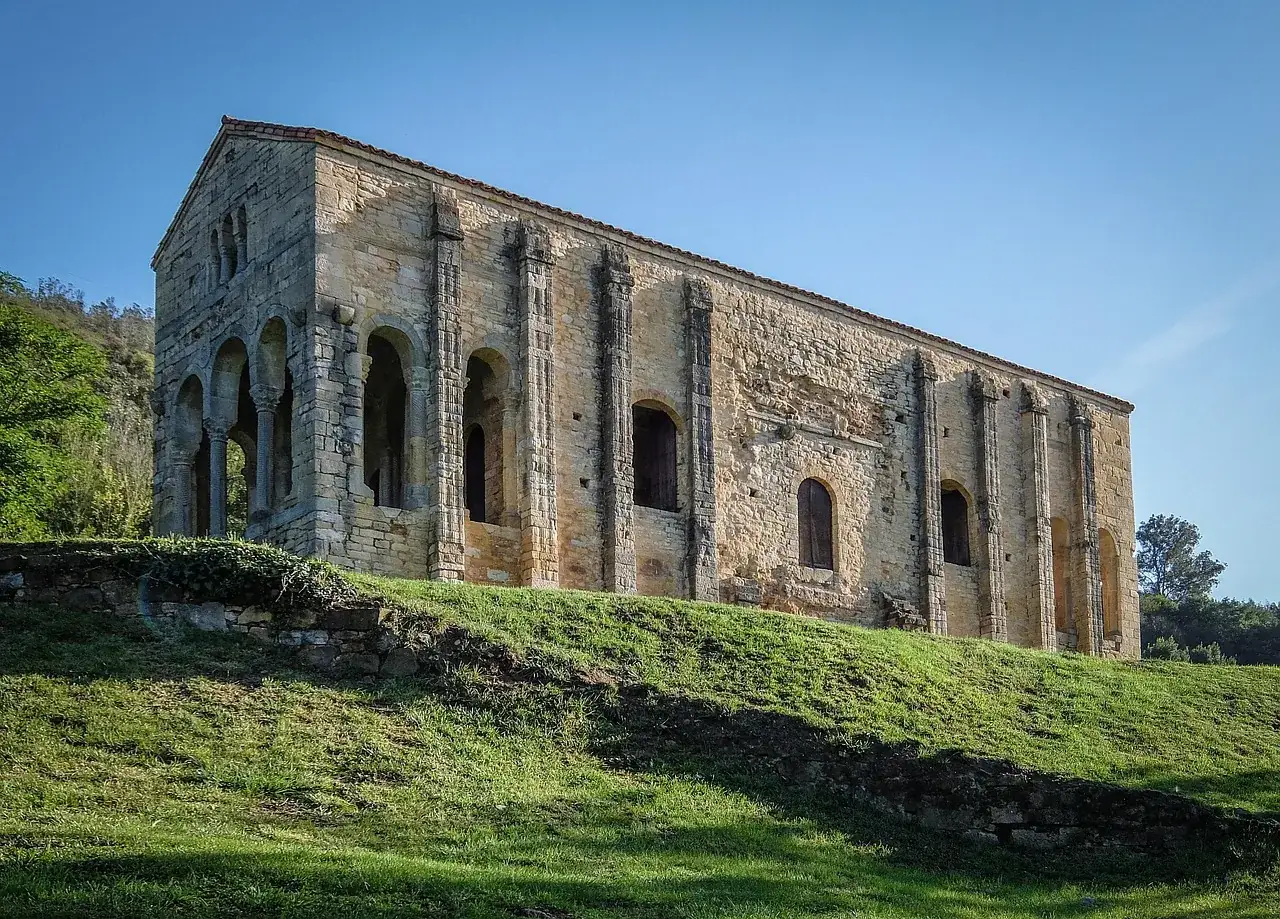
Oviedo
Capital of Asturias and the birthplace of the Way of St. James. Oviedo is the starting point of the Primitive Way, the original route. Its Cathedral and pre-Romanesque art are must-see attractions.
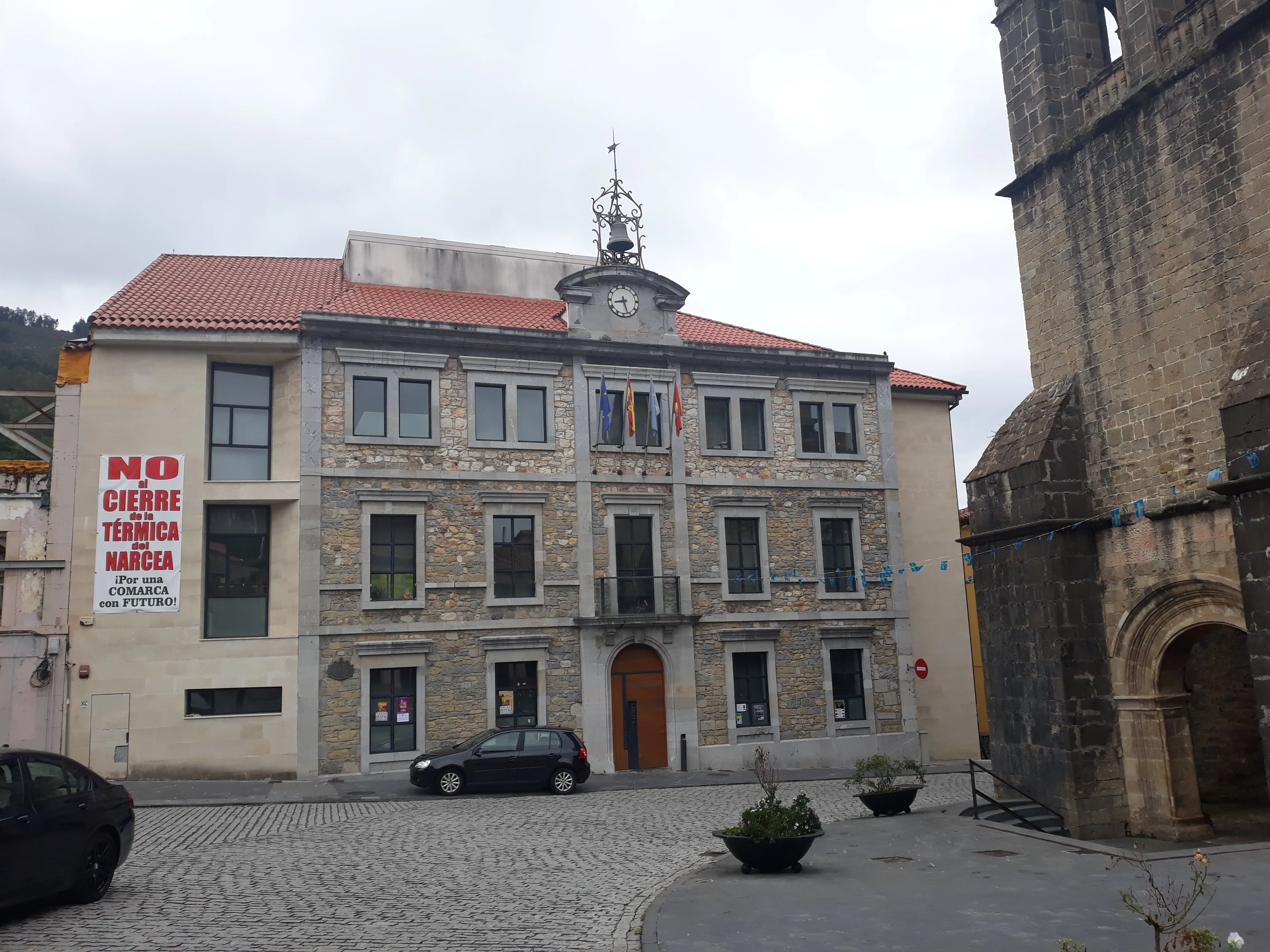
Salas
Medieval castle in the heart of the Camino Primitivo. The rooms and imposing Castle-Tower of the Valdés offer the pilgrim a monumental stopover filled with history and Asturian charm.
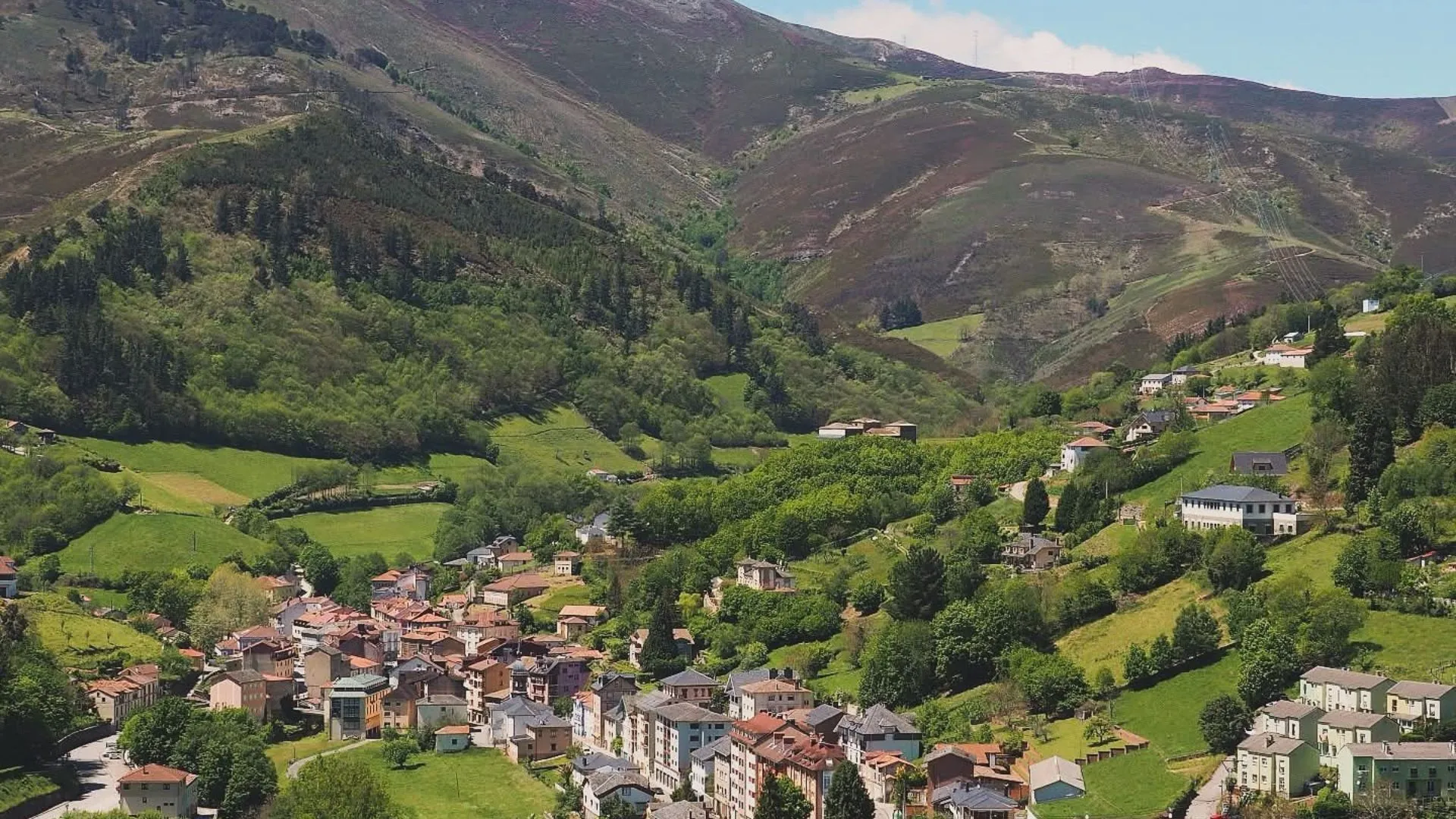
Pola de Allande
Austrian-style villa on the Primitivo Way, surrounded by an impressive mountain scenery. It is an essential stop to tackle the tough stages of the Palo and La Marta passes.
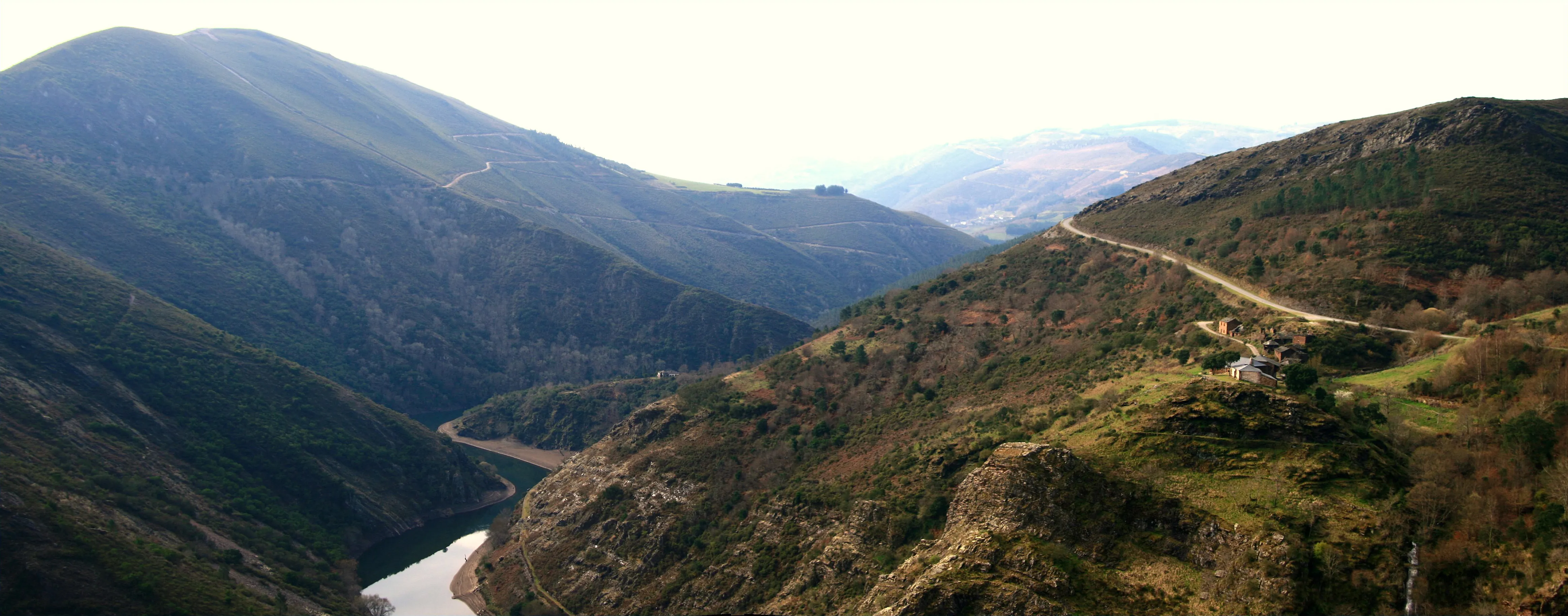
A Fonsagrada
Gateway to Galicia on the Primitive Way. At Fonsagrada, in the Lucanian mountain, it welcomes pilgrims with hospitality, rich cuisine and the energy of Galician lands.
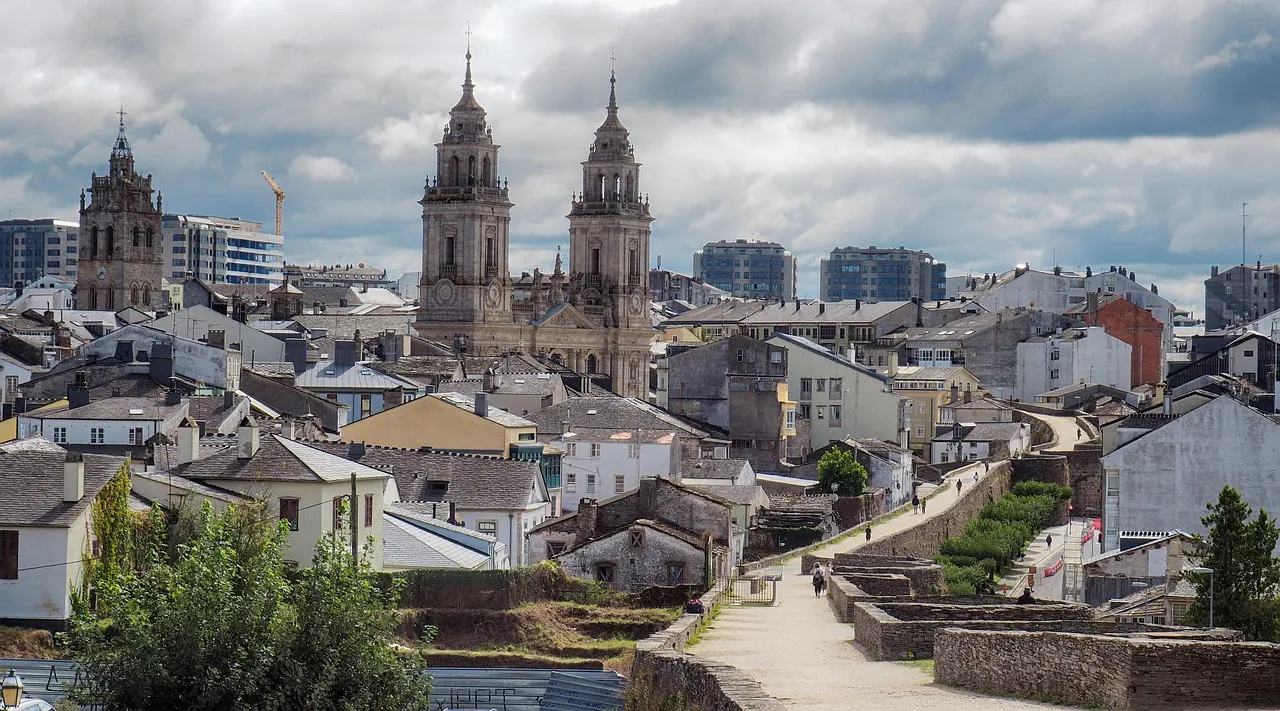
Lugo
Ancient bimillennial city and gem of the Primitivo Way. Its Roman Wall, World Heritage Site, embraces a vibrant historic quarter, offering the pilgrim history, culture and Galician cuisine.
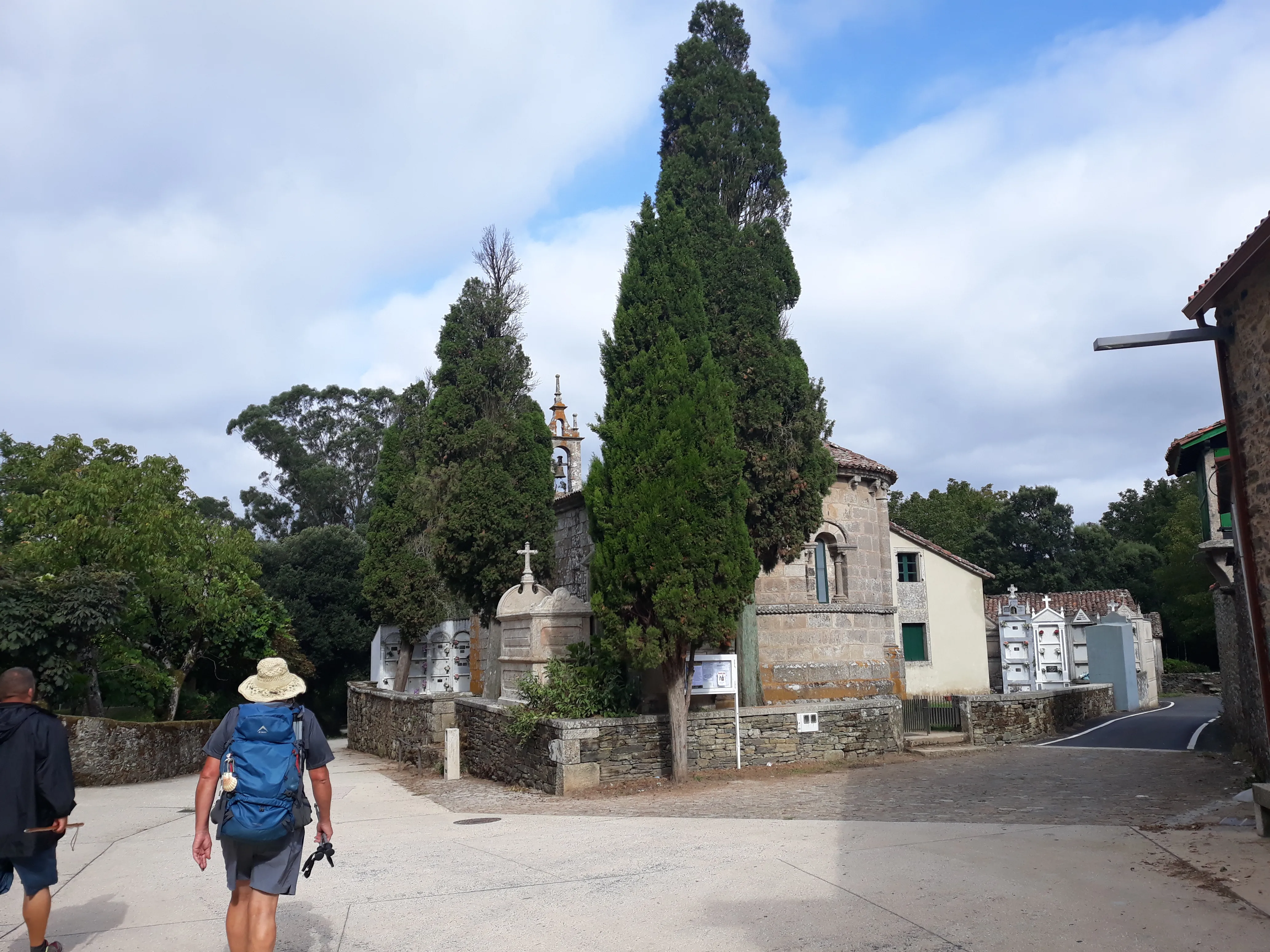
Melide
Geographical heart of the Way in Galicia and capital of the octopus. In Melide, the French Way and the Primitive Way converge, creating a vibrant meeting point for pilgrims from all over the world.
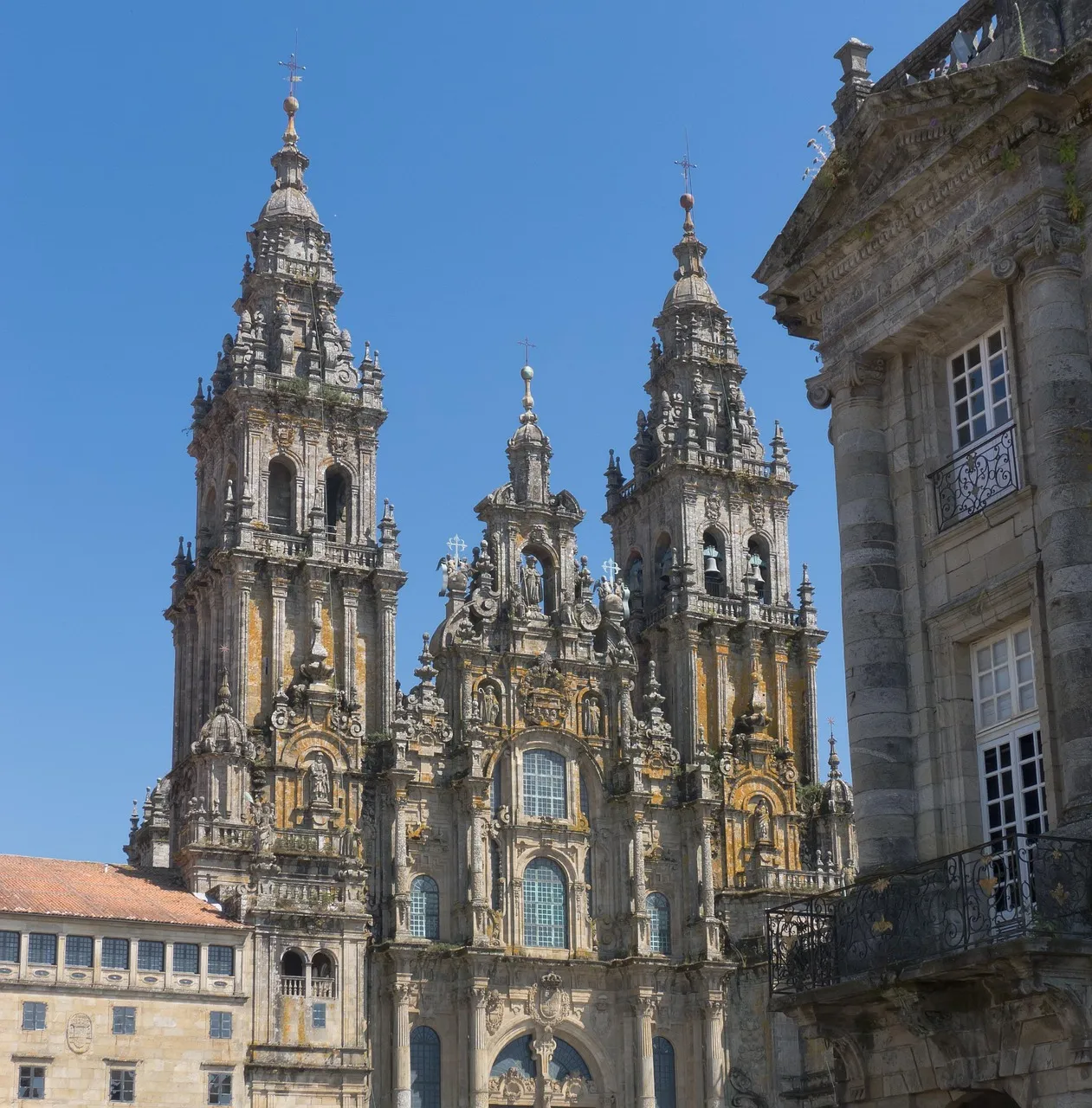
Santiago de Compostela
The Final and Spiritual Heart of the Way of St. James. Its majestic Cathedral and Plaza del Obradoiro welcome pilgrims from all over the world in a full of emotion finale.
History of The Camino by Bike
Its origins date back to the Roman era. Somport Pass, the "Summus Portus" (the highest port) of the Romans, was one of the main routes connecting Gaul with Hispania. This pre-existing road was the foundation on which the faith of medieval pilgrims from Italy, southern France and Central Europe, who followed the Via Tolosana (Camino de Arles), laid their journey.
The peak and configuration of the Aragonese Way as a fundamental Jacobean route took place in the 11th century, parallel to the birth and consolidation of the Kingdom of Aragon. Kings such as Sancho III the Greater of Navarre (who also controlled Aragon) and above all his son Ramiro I and his grandson Sancho Ramírez saw in the Way an opportunity to strengthen their young kingdom, attract population and open up to European cultural currents. They promoted and protected the route decisively. Sancho Ramírez founded the city of Jaca as the first capital of the kingdom and converted it into a major center of services for the road. His Cathedral, San Pedro de Jaca, initiated around 1077, is one of the gems of Romanesque art and a pioneering building whose style, with the famous "jaqués" tache, spread throughout the entire Way.
The route was equipped with an impressive network of protection and hospitality. At the top of Somport stood the Hospital of Santa Cristina, one of the most important hospices in all Christendom, cited with admiration in the Codex Calixtino. Along the Aragon River valley, which gave its name to the Way, monasteries of immense power emerged. The most important is undoubtedly the Monastery of San Juan de la Peña. Considered the spiritual heart of the kingdom, its Royal Pantheon housed the remains of the first kings of Aragon and its Romanesque cloister, excavated under a massive rock, was an artwork unique in the world.
The Aragonese Way descends from the Pyrenean peaks, passing through Canfranc, Villanúa and its caves, to reach Jaca. From there, it continues westward, entering Navarre and passing through Sangüesa. Before reaching its end, the route passes alongside another gem of Romanesque art, the enigmatic Templar church of Santa María de Eunate, with its exterior cloister. The journey of the Aragonese Way as a separate entity ends in the village of Puente la Reina. There, at a point loaded with symbolism, its waters merge with those of the Navarro Way, which comes from Roncesvalles, to form the only and great French Way. The beauty of the Romanesque bridge in the village, built to facilitate the passage of pilgrims, is the crowning glory of this confluence.
Although over time the route through Roncesvalles became more popular, the Aragonese Way never lost its importance. Today it offers the modern pilgrim a more demanding and less crowded start to the French Way, a journey to the cradle of a kingdom and the origins of Spanish Romanesque art.
Accommodations on the Route
The The Camino by Bike has 110 verified accommodations along the entire route.
View Stages & AccommodationsPractical Tips for The Camino by Bike
Best Season
Spring (April-June) and autumn (September-October) are the best seasons. Pleasant temperatures and fewer crowds than summer.
Physical Preparation
Train by walking progressively in the months before. Start with short distances and increase. Your body will adapt to the rhythm of the Camino.
What to Pack
Light backpack (max 10% of your weight), worn trekking shoes, breathable technical clothing, raincoat, sunscreen and basic first aid kit.
General Tips
Carry the pilgrim credential, stay hydrated, respect your pace, book accommodation in high season and enjoy the journey without rushing.
FAQ about The Camino by Bike
El Camino Primitivo en bicicleta se recorre generalmente en 6 etapas, ideal para ciclistas experimentados con una excelente condición física.
El Camino Primitivo en bicicleta presenta un nivel de dificultad alto debido a su terreno montañoso, con fuertes ascensos y descensos técnicos que requieren una bicicleta adecuada para este tipo de terreno.
La mejor época para emprender esta aventura en bici son los meses de abril a junio y septiembre a octubre, cuando se combina un clima agradable con una menor concentración de peregrinos.
Con Ourway Travel, tu reserva incluye alojamientos seleccionados y seguros específicos para cicloturismo. Además, ofrecemos asesoramiento personalizado para asegurar que estás preparado tanto física como técnicamente para este desafío.
Para reservar tu experiencia de bicigrinaje en el Camino Primitivo, simplemente visita nuestro sitio web y selecciona la ruta que deseas. Nuestro equipo experto estará disponible para asistirte en cada paso del proceso y garantizar una organización sin complicaciones.
El Camino Primitivo en bicicleta es conocido por su terreno montañoso y desafíos técnicos, mientras que el camino a Finisterre es más variado pero menos exigente. El Primitivo ofrece una experiencia más auténtica y aventurera, mientras que Finisterre puede ser más accesible para ciclistas de menor nivel.
Para aquellos con una condición física excepcional y habilidades técnicas en bicicletas, el Camino Primitivo en bici puede ser una elección épica. Sin embargo, si prefieres un recorrido más tranquilo, las rutas de senderismo ofrecen hermosos paisajes a pie con menos exigencias físicas.
Ourway Travel te proporciona una credencial del peregrino oficial y asistencia para el transporte seguro de tu equipaje durante todo el recorrido. Esto asegura que puedes concentrarte plenamente en disfrutar de la aventura sin preocupaciones.
Related Routes
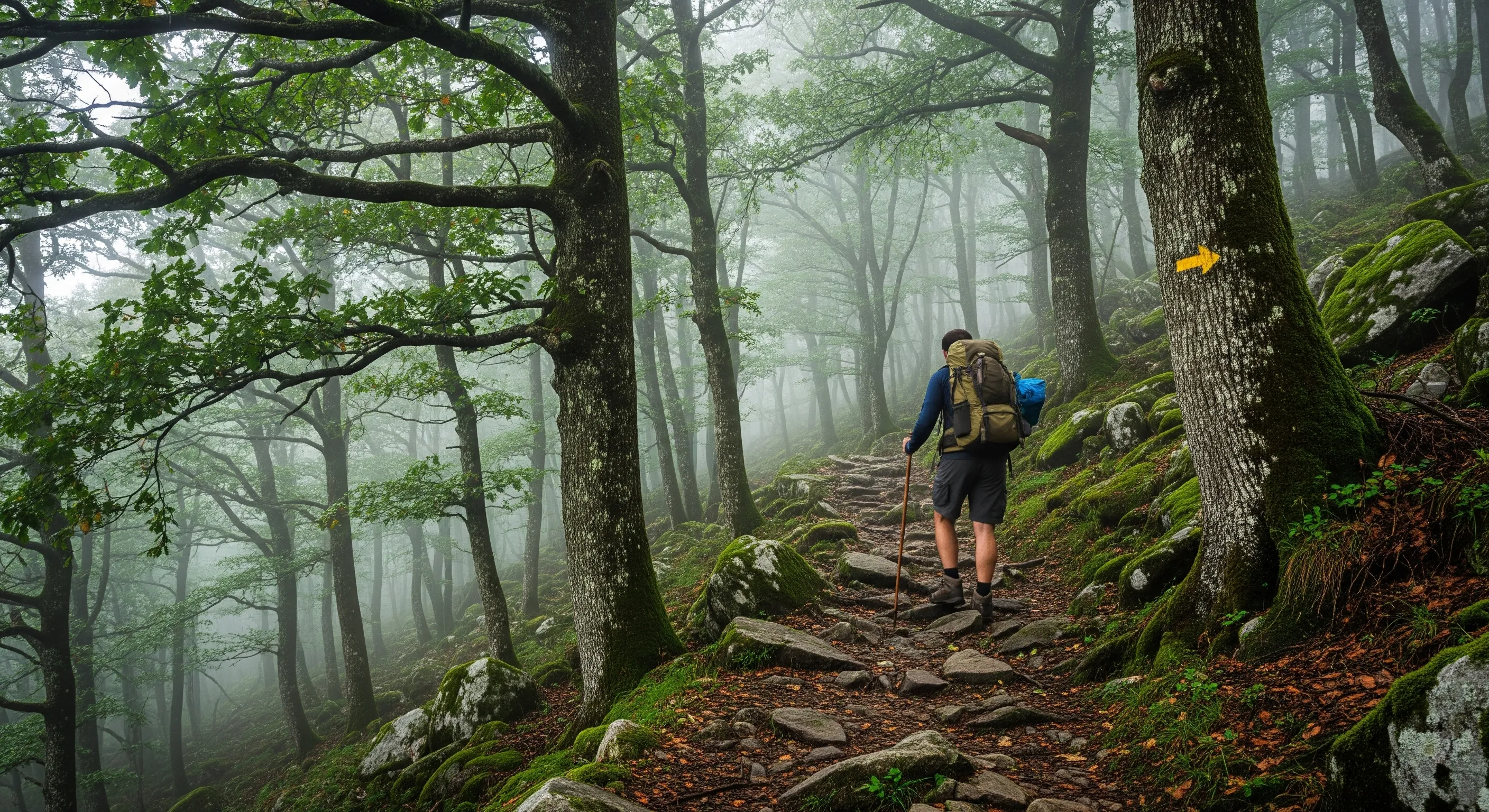
Ready for this adventure?
Let us organize your pilgrimage. We take care of accommodations, transfers and everything you need.