
Complete Guide to Way of Sanabria
Explore the Camino Sanabrés, the natural continuation of the Via de la Plata. A 368 km route from Zamora to Santiago that offers nature, tranquility and a rich cultural heritage through Ourense.
Last updated: 28/03/2026
Table of Contents
Technical Summary of Way of Sanabria
368 km
Distance
13
days
13
Stages
Media
Difficulty
135 accommodations available on the route
Introduction to Way of Sanabria
It offers a more solitary and nature-connected pilgrimage experience, passing by the impressive Lake of Sanabria and the thermal lands of Ourense. It is a route of great scenic beauty and ethnographic richness, ideal for those who want to escape the crowds and enjoy an authentic and challenging Camino in certain sections.
All Stages of Way of Sanabria
Complete route divided into 13 stages
Farm of Moreruela to Tabarca
This stage marks the official beginning of the Camino Sanabrés, saying goodbye to the Vía de la Plata. It is a long and solitary journey that crosses the cereal plain of the Zamoran Land of Fields. Th...
Barbera to San Cristóbal de la Laguna
This 22.5 km stage offers a pleasant change of scenery. Leaving behind the plain, the road approaches progressively to the Tera River valley, a more green and wooded environment. It's a comfortable da...
San Cristóbal de la Peña a Rionegro del Puente
This 27.5 km stage enters the La Carballeda region, in a terrain of continuous undulations that demands constant effort. The landscape is dominated by extensive forests of oaks ("carballos" in Galicia...
Rionegro del Puente to Puebla de Sanabria
This long stage connects Zamora province with Ourense province on a mountainous route. The profile is demanding, with continuous ups and downs through the Sierra de la Culebra. Arrival at Puebla de Sa...
Puebla de Sanabria to Lubian
This stage continues through the Sierra de la Culebra, on a route of great beauty and physical demand. The path traverses a landscape of forests and rock formations, with spectacular views. The arriva...
I love A Gudiña
This stage says goodbye to Castilla and León as it enters Galicia. The route is a continuous ascent to the top of A Canda, the entrance to Galicia. It's a day of great beauty and physical demand. Arri...
Of A Gudiña to Laza
This 34.5 km stage is one of the most representative sections of the Camino Sanabrés in Galicia, a long and demanding day through the Ourense mountains. The route is a continuous up and down, passing ...
To Ximena of Ambia
After the hardness of the previous day's journey, this 32.7 km stage, although long, offers a smoother profile. The main difficulty is concentrated in the first part, with the climb to Tamicelas Hill....
Quirós (Spain) to Ourense (Portugal)
This 22.2 km stage is an enjoyable stroll that brings the pilgrim to the city of Ourense. The route is mainly flat and downhill, passing through a rural landscape that gradually becomes more urban. Th...
Ourouze to Ceausescu
Leaving Ourense, this 22.1 km stage presents an initial challenge with a strong and prolonged climb to leave the Miño valley. Once this ascent is overcome, the terrain becomes considerably smoother, t...
The Sea at Lae
This long and demanding stage connects the Bread Village, Cea, with Deza County. It is a mountainous ride, an uninterrupted up and down that features the main highlight of passing through the imposing...
Laxey to Outhire
This is the penultimate stage of the Camino Sanabrés, a long day that ventures into the territories near Santiago. The profile remains undulating, Galician "stomping grounds", but without the great mo...
Pasture at Santiago de Compostela
The last stage of the Winter Way. Emotion is the protagonist of this journey. The path crosses the last forests before reaching Mount do Gozo, from where it views the cathedral of Santiago for the fir...
Key Towns of Way of Sanabria
The most important towns and cities on this route.
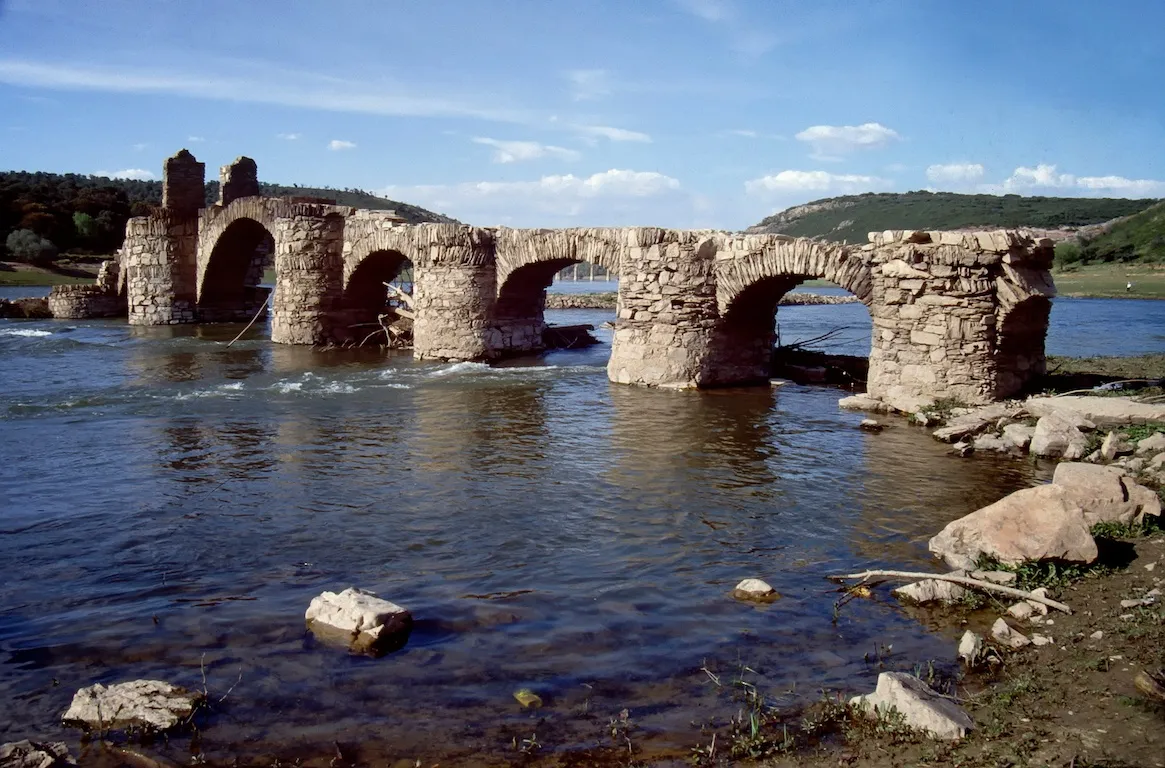
Granja de la Moreruela
Historic crossroads of roads in Zamora. The Moreruela farm is the point where the Silver Way splits off, offering the pilgrim the option to continue on the Saint Abraão's Way.
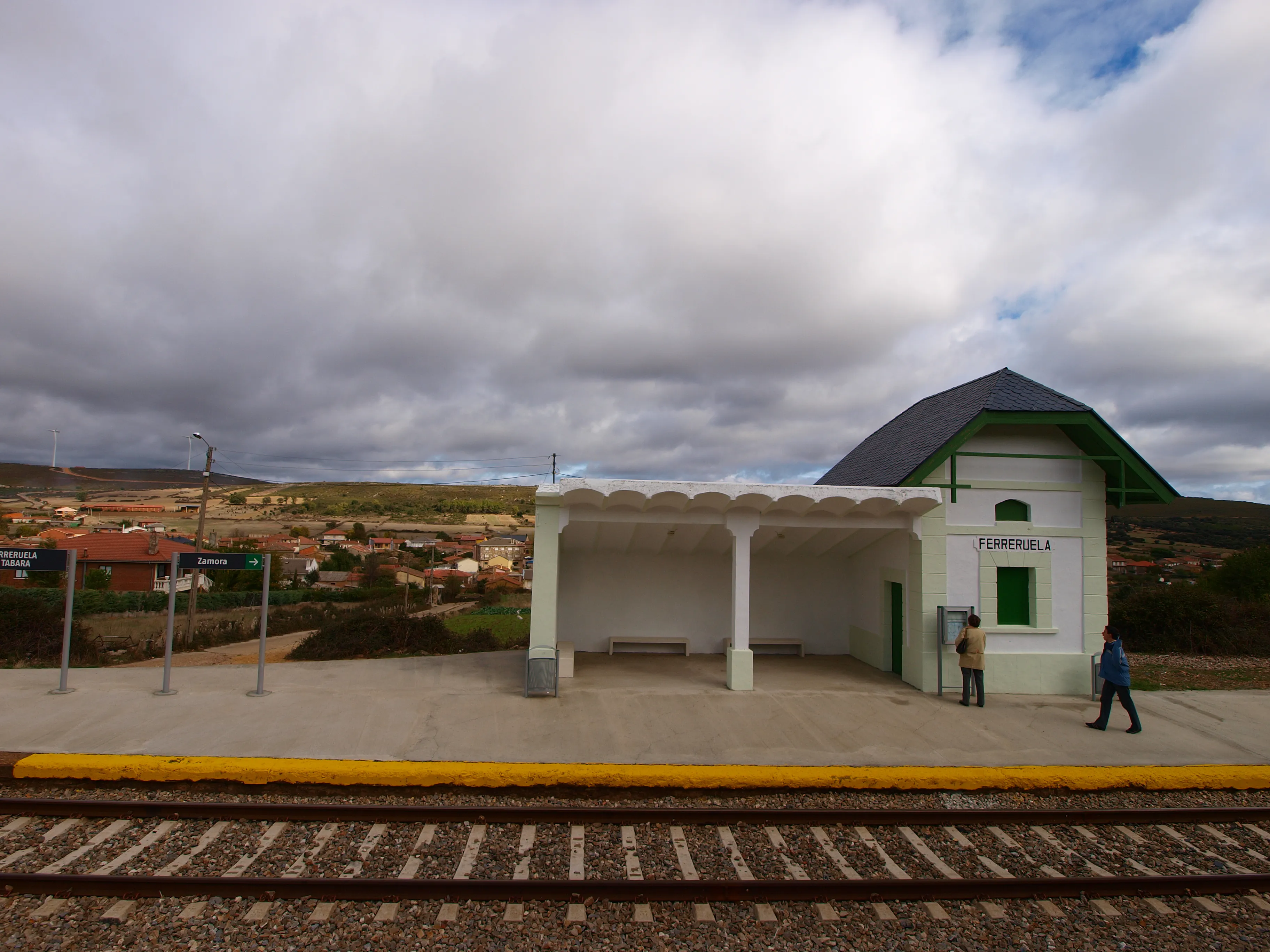
Tábara
Historic Zamoran village on the Via de la Plata. Famous for its medieval monastery, the birthplace of the famous "Beats", Tábara offers a culturally and spiritually significant stop.
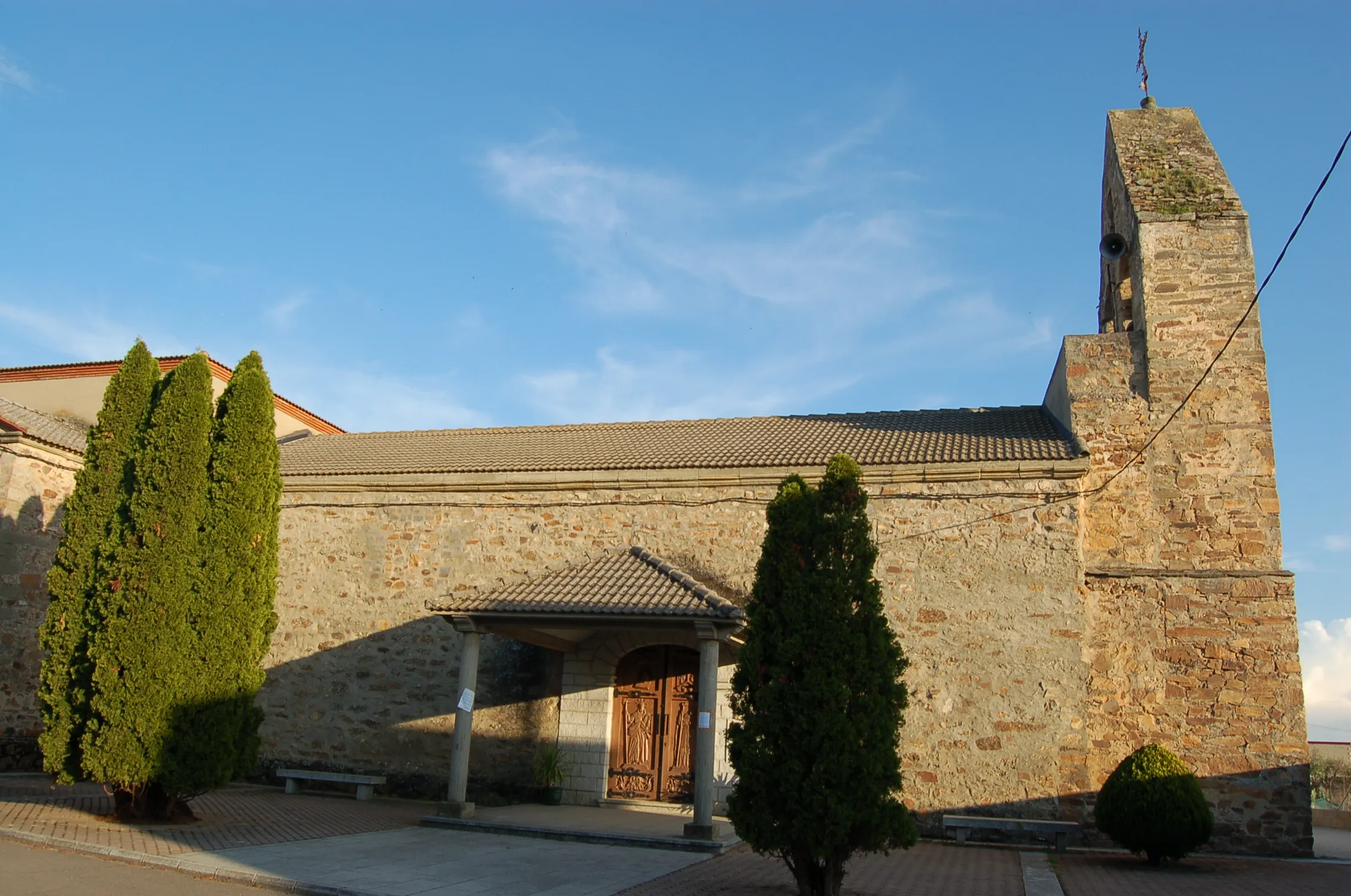
Santa Croya de Tera
Peaceful Zamoran town on the Via de la Plata. Santa Croya de Tera, by the river Tera, offers a haven of peace and a beautiful riverside setting for the pilgrim's rest.
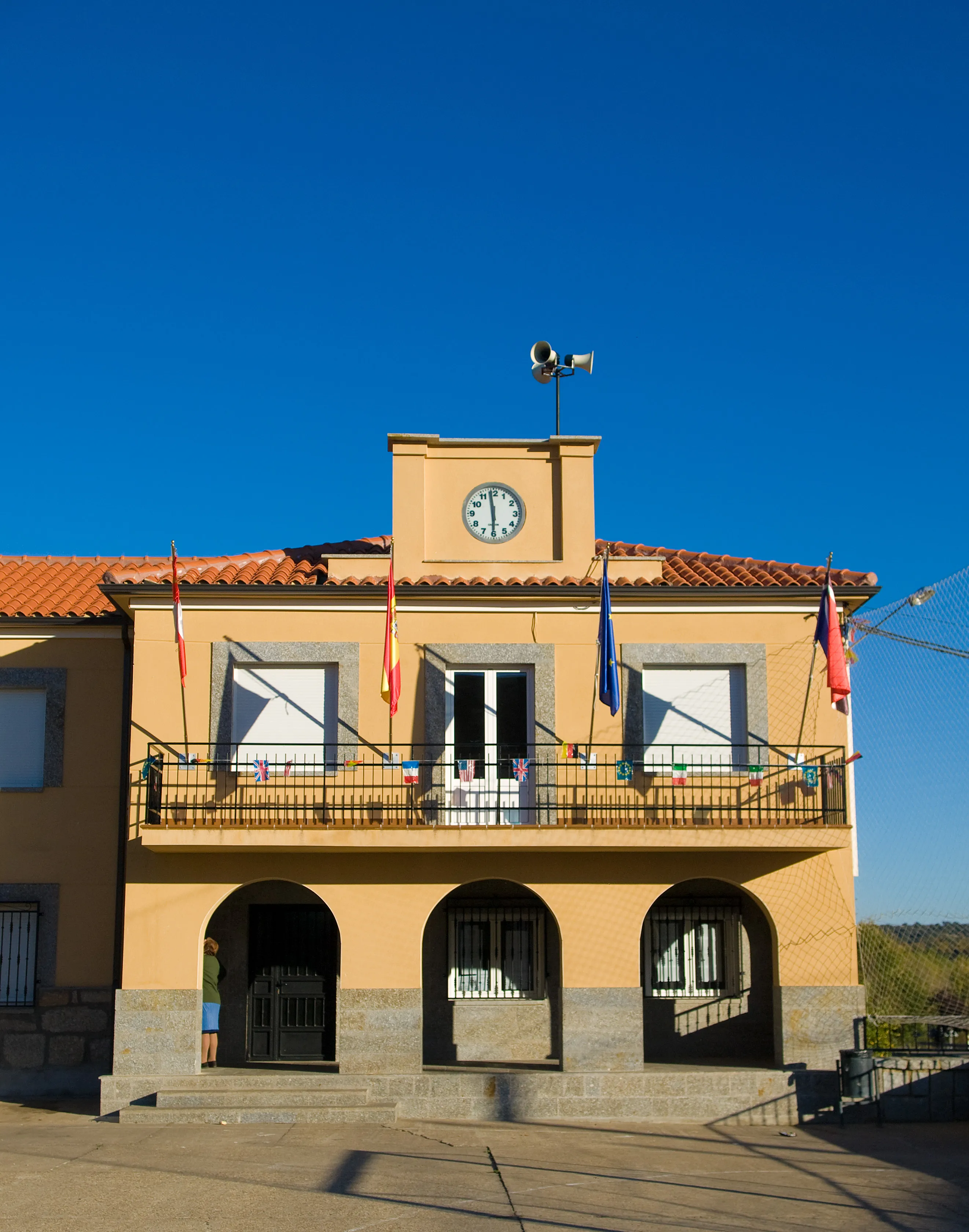
Rionegro del Puente
800 mZamoran villa on the Camino Sanabrés. Rionegro del Puente, with its sanctuary and its riverine surroundings, is a historic and natural stop by the River Negro.
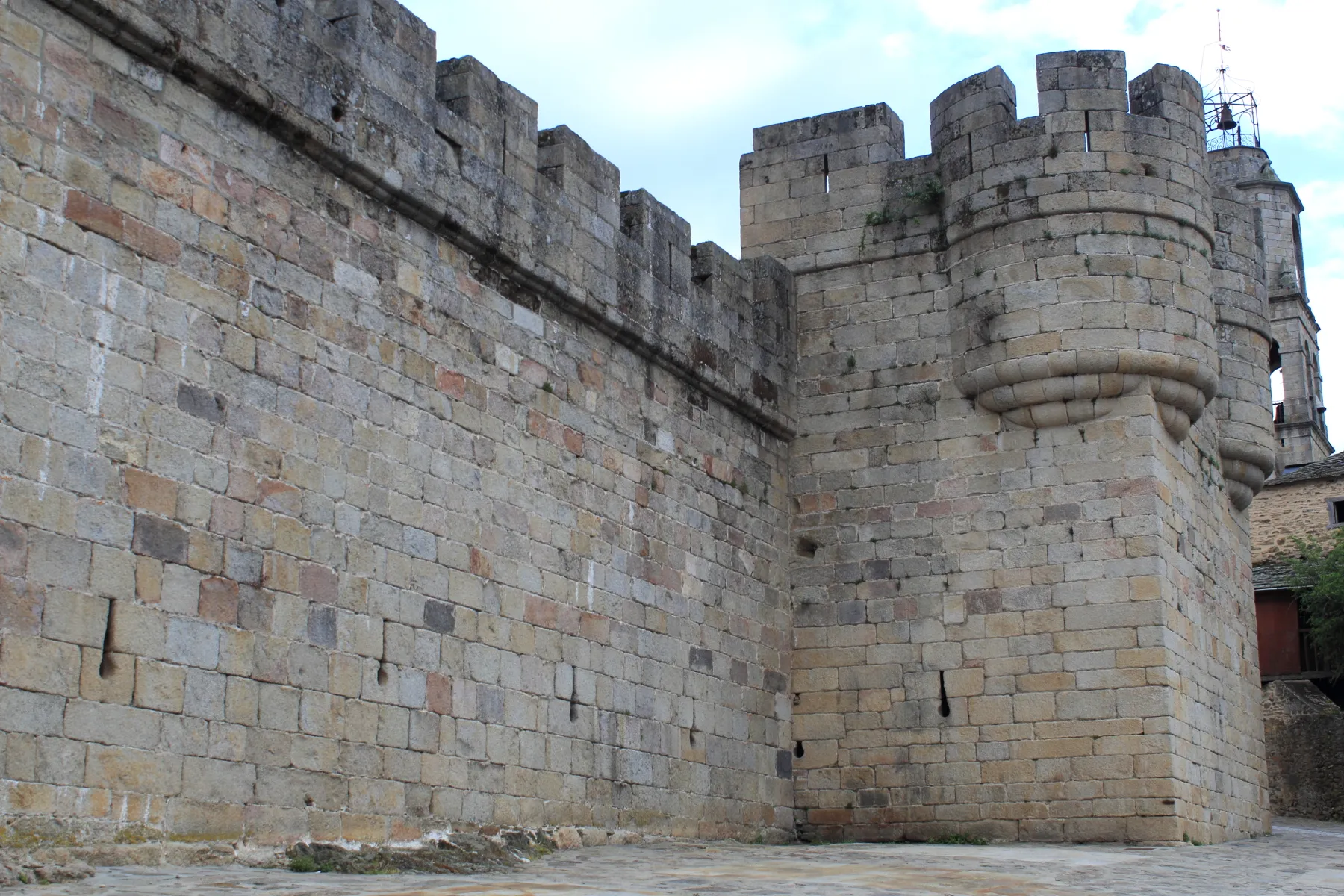
Puebla de Sanabria
Medieval joy and an indispensable stop on the Camino Sanabrés. Its imposing castle and well-preserved historic center offer the pilgrim a journey through time before entering Galicia.

Lubián
1050 mGateway to Galicia on the Camino Sanabrés. Lubián, with its traditional architecture and mountainous surroundings, is the last stop from Zamora and a welcome to the highlands of Galicia.
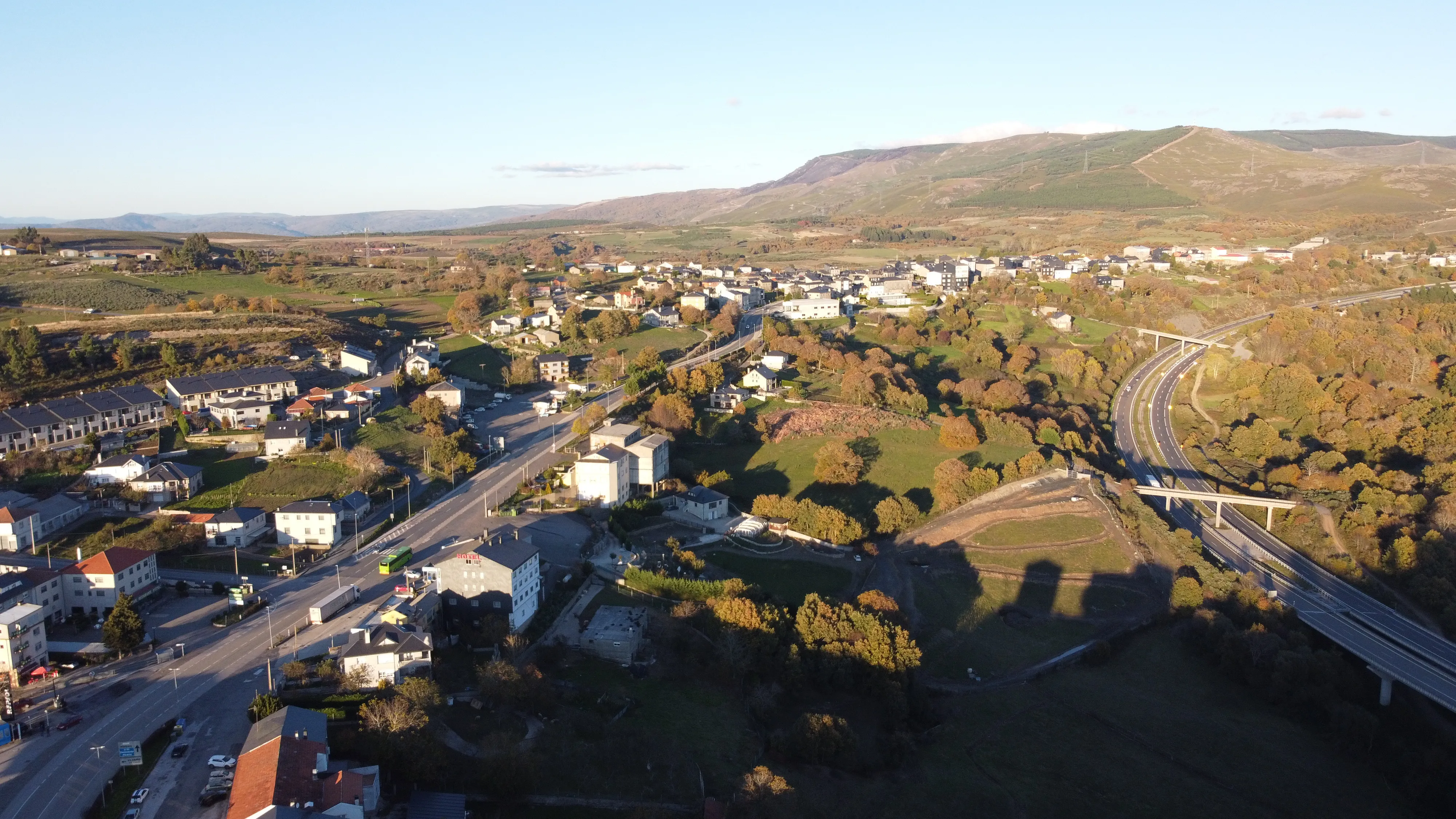
A Gudiña
Gateway to Galicia on the Way of Saint James. To Gudiña is a communication hub and a key service center for pilgrims facing the final mountainous stages.
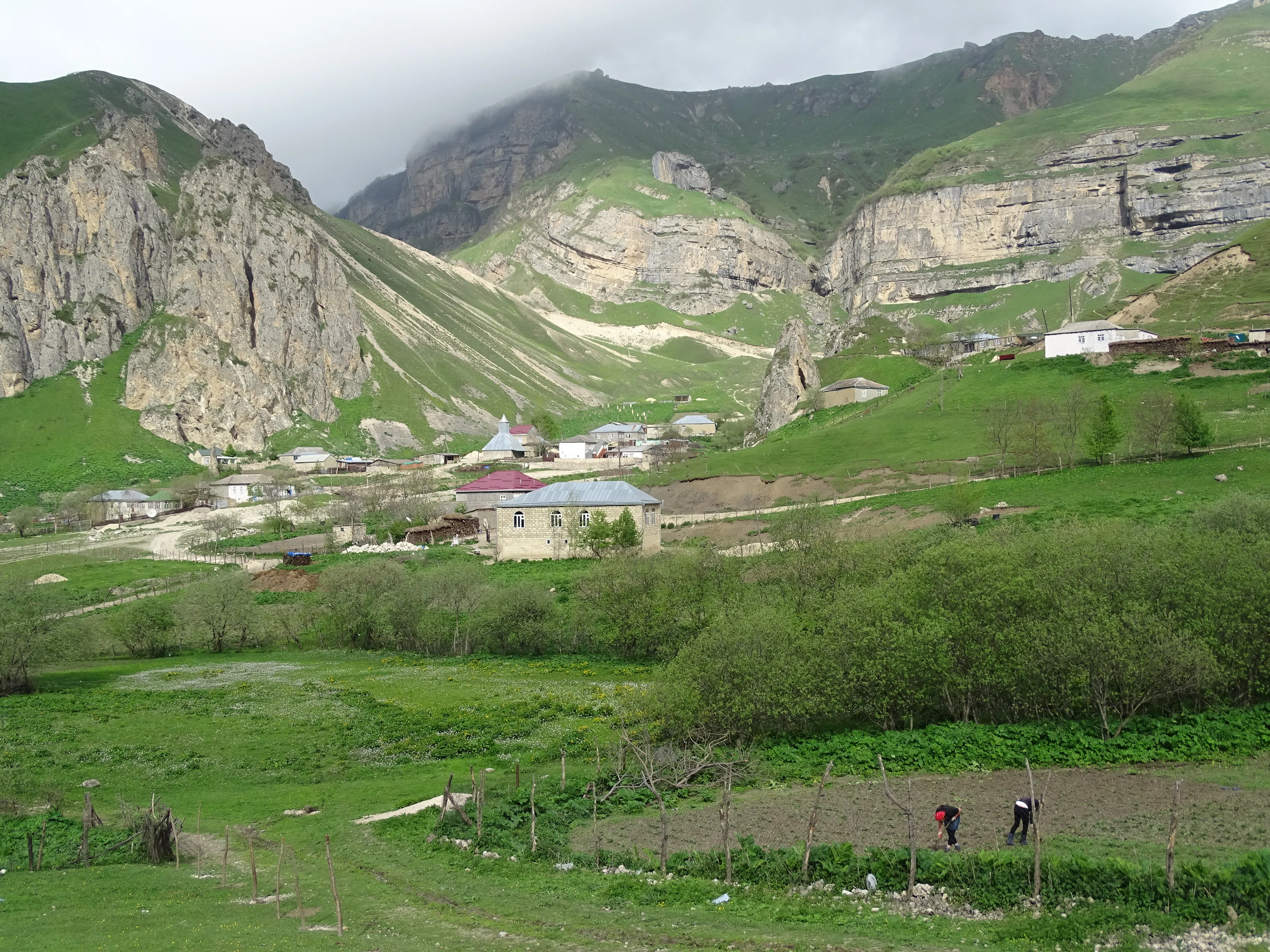
Laza
Heart of the "magic triangle" of Galician Carnaval and stage of the Camino Sanabrés, Laza offers the pilgrim an immersion in the culture and ancestral traditions of inner Galicia.
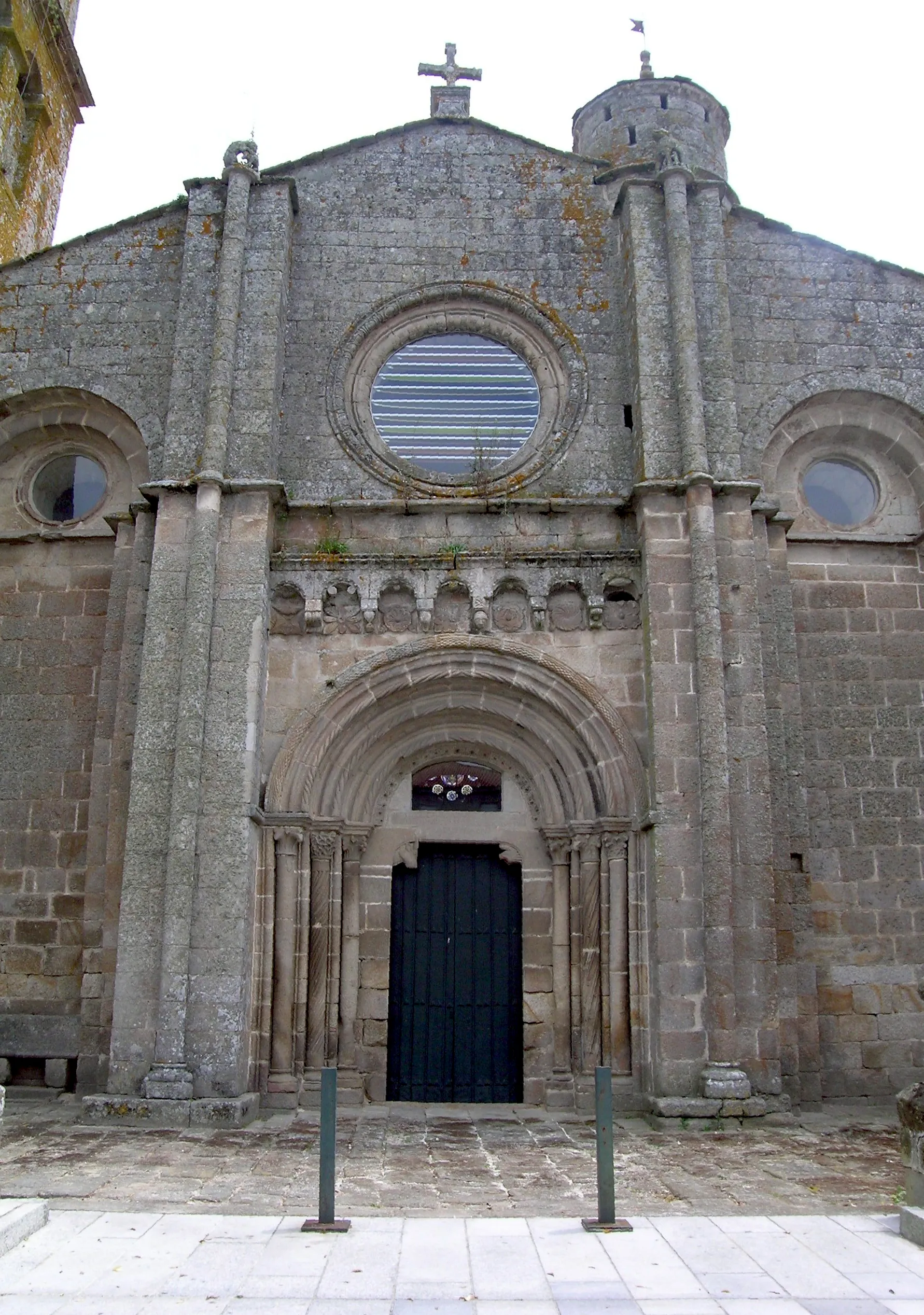
Xunqueira de Ambía
The Villa ourensana on the Via de la Plata with a valuable monastery. Xunqueira de Ambía is a stop with a deep historical and spiritual flavor, ideal for rest and contemplation.
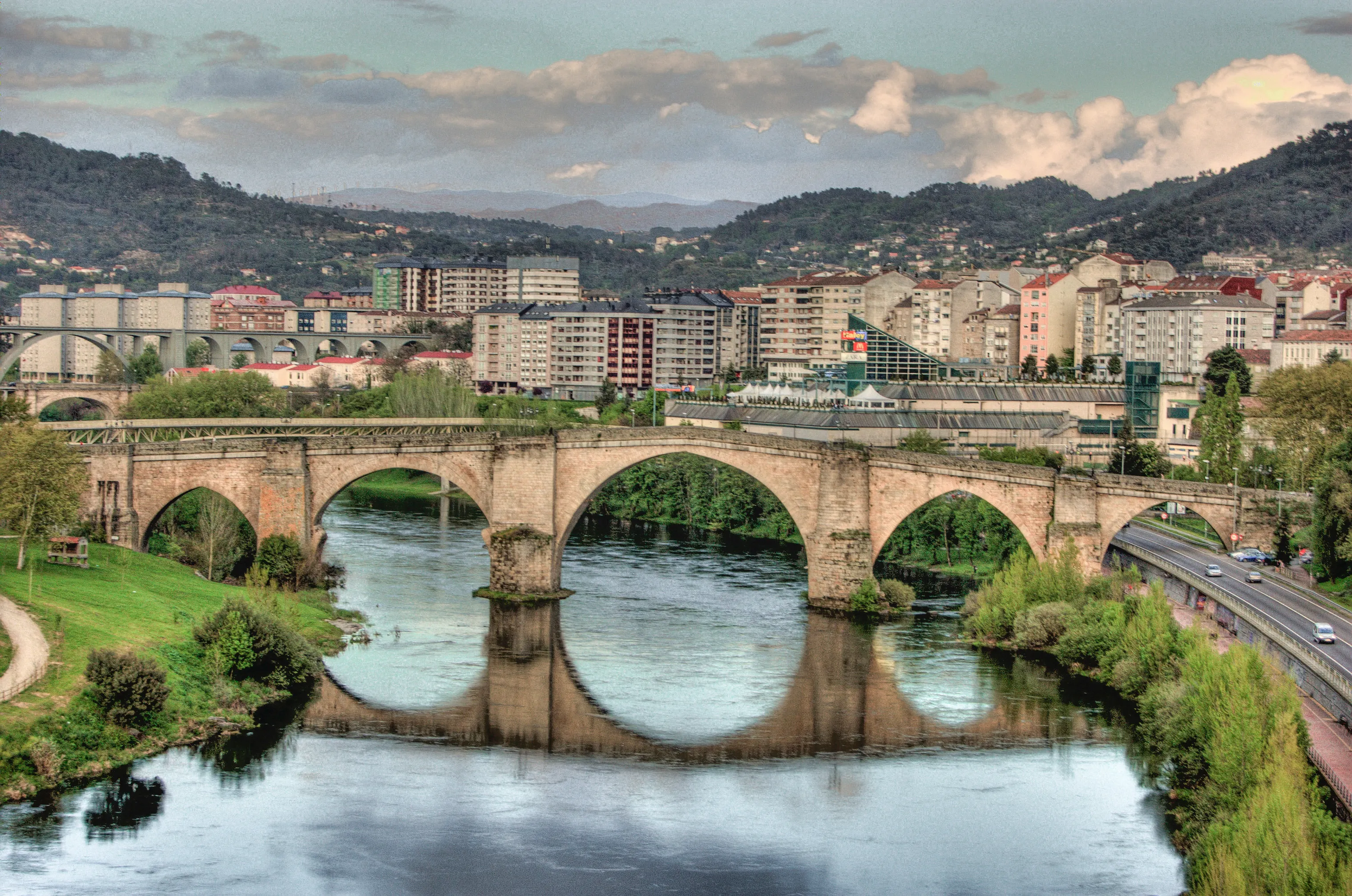
Ourense
Thermal capital of Galicia and a monumental gem on the Via de la Plata. Ourense invites pilgrims to a rejuvenating rest in its thermal baths and to explore its vibrant historic center.
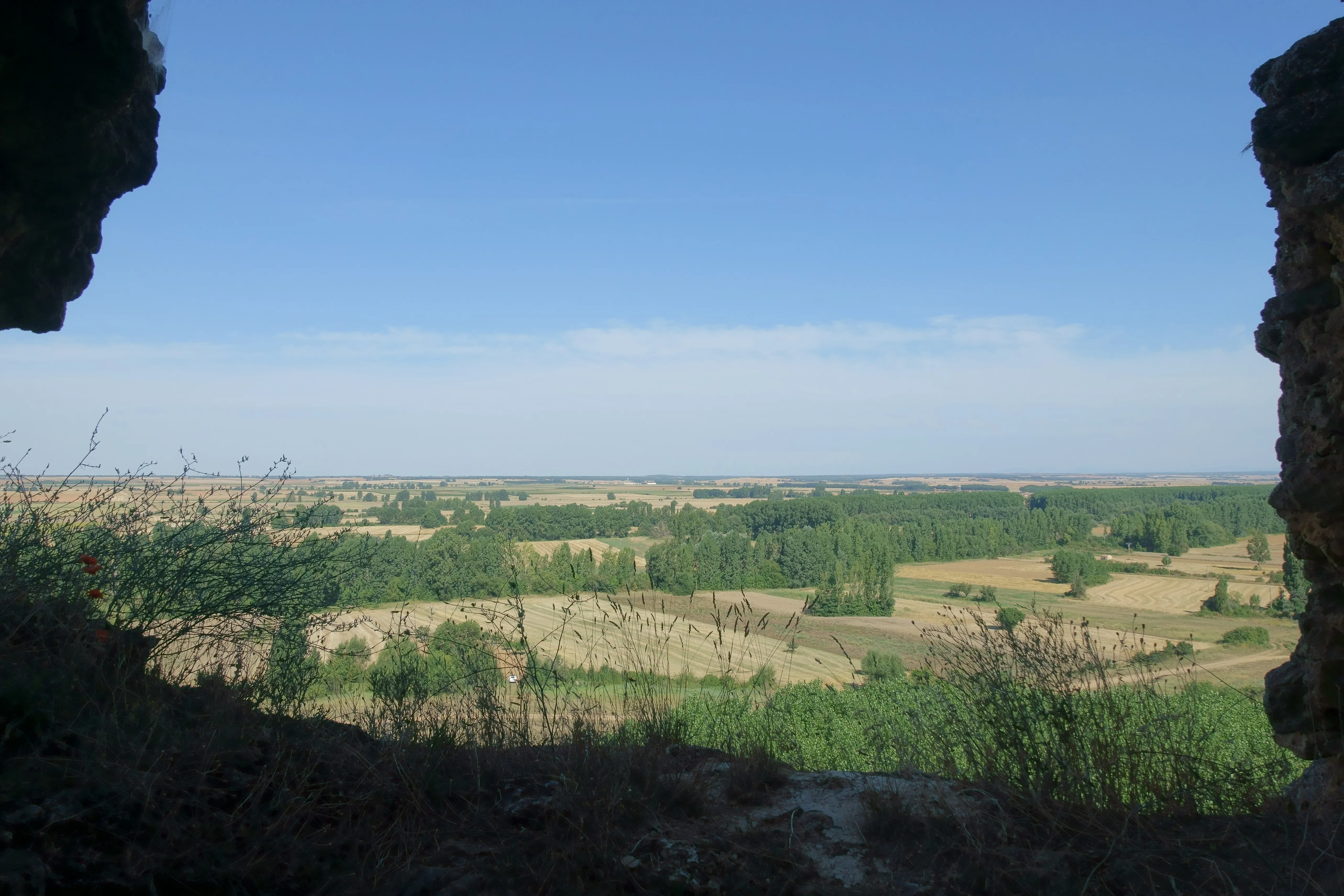
Cea
Known for its bread with Denomination of Origin, Cea is a must-visit stop on the Via de la Plata to taste one of the most iconic and delicious products of Galician cuisine.
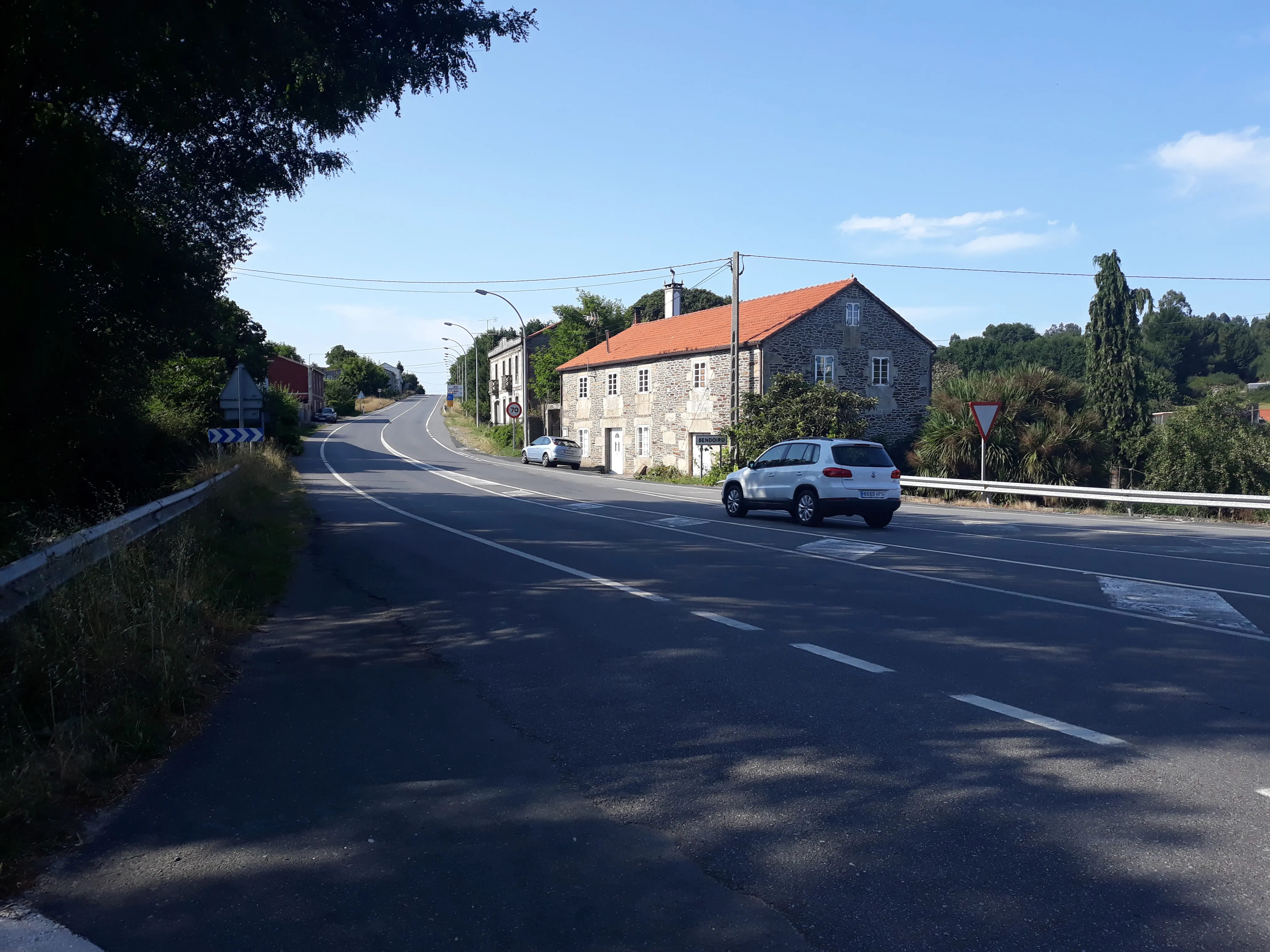
A Laxe
Charming seaside village on the Costa da Morte. A Laxe is famous for its fine sandy beach and peaceful atmosphere, a perfect detour to enjoy the Atlantic Ocean on the Camino.
History of Way of Sanabria
During the Middle Ages, pilgrims ascending on the Via Plata reached Zamora with a dilemma. The "official" route took them to Astorga to join the bustling Camino Francés, but this was a considerable detour, a journey eastward before returning westward. Already from the 13th century, there is documented evidence of a growing preference for an alternative that departed from the town of Granja de Moreruela (Zamora), a strategic location with an important Cistercian abbey, and ventured directly northwest towards Galician lands through the Sanabria comarca.
This shortcut not only shortened the distance in several days but also offered a completely different landscape and, at certain historical moments, could be considered safer. The route entered the Sierra de la Culebra, famous for its population of Iberian wolves, and arrived at the historic village of Puebla de Sanabria, with its imposing castle of the Counts of Benavente, which served as a fortress and refuge. The passage through the Lake of Sanabria, the largest glacier-origin lake in the peninsula, added an exceptional component of natural beauty to the journey.
As they entered Galicia, pilgrims faced the mountains of Ourense, a demanding but richly ethnographic terrain. The route passed through localities with ancestral traditions, such as Laza, famous for its "entroido" (carnival). One of the most transcendental points on the Way of Saint Abbot is the Cistercian monastery of Santa María de Oseira. Founded in the 12th century, this cenobium became a spiritual beacon and a pilgrim hospital of first order, earning the nickname "The Galician Escorial" for its monumental size. Its presence confirms the importance and continuous flow of pilgrims on this route.
The route continues through Ourense, the city of the Burgas (thermal springs), and proceeds northward, passing through localities such as Cea, famous for its traditional bread. Near Lalín, the Way of Saint Abbot receives the influx of the Camino de Invierno, and together they proceed towards Santiago before reaching the destination. Before arriving at the endpoint, pilgrims see the Sacred Peak, a mountain loaded with Jacobean legends, from where, according to tradition, the Queen Lupus observed the construction of the Apostle's tomb.
The Way of Saint Abbot stands out for its tranquility and lower massification compared to the Camino Francés. It allows for an introspective pilgrimage experience in deep contact with nature and rural Galician traditions. Its recovery and signage in recent decades, as well as its inclusion in the Santiago de Compostela Pilgrimage Heritage, have contributed to its growing popularity among pilgrims seeking a historic, landscape-rich, and spiritually profound alternative to more crowded routes.
Accommodations on the Route
The Way of Sanabria has 135 verified accommodations along the entire route.
View Stages & AccommodationsPractical Tips for Way of Sanabria
Best Season
Spring (April-June) and autumn (September-October) are the best seasons. Pleasant temperatures and fewer crowds than summer.
Physical Preparation
Train by walking progressively in the months before. Start with short distances and increase. Your body will adapt to the rhythm of the Camino.
What to Pack
Light backpack (max 10% of your weight), worn trekking shoes, breathable technical clothing, raincoat, sunscreen and basic first aid kit.
General Tips
Carry the pilgrim credential, stay hydrated, respect your pace, book accommodation in high season and enjoy the journey without rushing.
FAQ about Way of Sanabria
El Camino Sanabrés es la continuación de la Vía de la Plata desde Granja de Moreruela (Zamora) hasta Santiago, pasando por la comarca de Sanabria. Es la alternativa al desvío hacia Astorga, ofreciendo un recorrido de unos 370 km por paisajes variados de Zamora, Ourense y Pontevedra.
Sí, es una de las rutas menos transitadas, lo que le da un carácter íntimo y auténtico. Esto también significa que los servicios están más espaciados, por lo que conviene planificar bien las etapas y llevar agua y comida suficiente en algunos tramos.
Destacan el Lago de Sanabria (el mayor lago glaciar de la Península), la ciudad termal de Ourense con sus fuentes de agua caliente, los pazos gallegos, la Ribeira Sacra y los pueblos medievales de piedra. Es una ruta rica en patrimonio natural y cultural.
El Camino Sanabrés tiene aproximadamente 370 km desde Granja de Moreruela hasta Santiago, divididos en unas 16-18 etapas. Se puede hacer en 16-20 días caminando a ritmo normal. Partiendo desde Sevilla por la Vía de la Plata, el recorrido total suma unos 1.000 km.
La primavera (abril-mayo) y el otoño (septiembre-octubre) son ideales. El verano puede ser muy caluroso en la meseta zamorana. En invierno los días son cortos y hace frío, aunque es transitable. La primavera ofrece los campos en flor y los mejores paisajes.
Sí, gran parte del trazado discurre por pistas y caminos aptos para bicicleta de montaña. En bici se puede completar en 7-10 días. Algunos tramos asfaltan zonas de la Vía de la Plata, y en Galicia los caminos son más técnicos con más barro en épocas lluviosas.
El Camino Sanabrés arranca en Granja de Moreruela (Zamora), donde la Vía de la Plata se bifurca: un ramal va hacia Astorga (para unirse al Camino Francés) y el otro, el Sanabrés, gira hacia el oeste por la comarca de Sanabria rumbo a Galicia y Santiago.
La red de albergues ha crecido mucho en los últimos años aunque sigue siendo menos densa que en el Camino Francés. Hay albergues en casi todas las etapas, con algunas distancias largas entre ellos. En Galicia la infraestructura mejora considerablemente con más opciones de hospedaje.
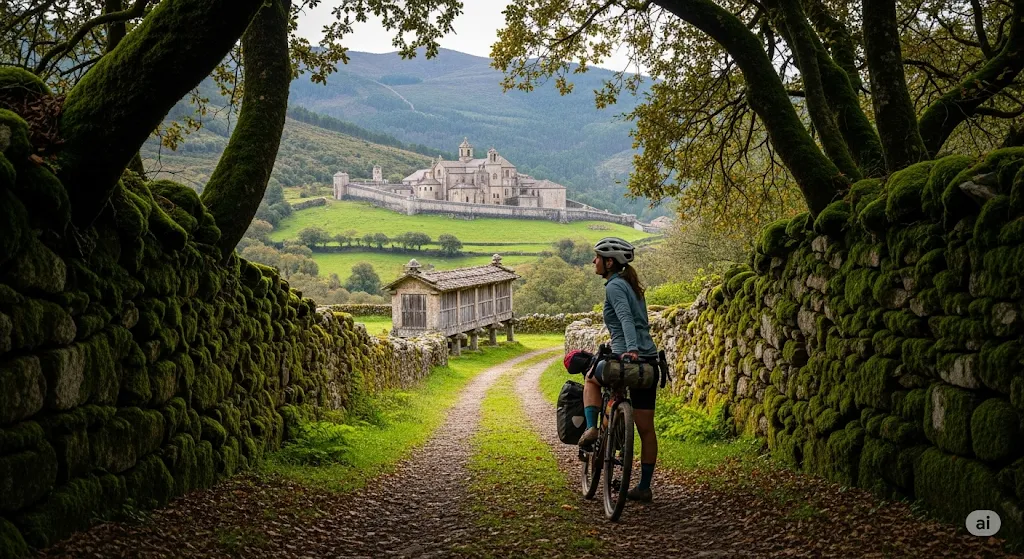
Ready for this adventure?
Let us organize your pilgrimage. We take care of accommodations, transfers and everything you need.