
Camino de Santiago
Route of Father Sarmiento
The Ruta of Father Sarmiento remembers the journey of this scholar along the coast of Pontevedra in 1745, from Pontevedra to Santiago through the Salnés region. A cultural and scenic route.
Organize your Route of Father SarmientoLast updated: 21/05/2025
The Route
General Description of Route of Father Sarmiento
Elevation Profile of
Elevation Profile of Route of Father Sarmiento
Visualize the ups and downs of the route.
Loading elevation profile...
Error loading elevation profile or altitude data not available.
Your trip with Ourway
Everything you need for your Camino
No hassle. Your perfect route, from start to finish.
Accommodation
Selected hotels and hostels at every stage
Luggage transfer
Your backpack travels from stage to stage
Camino Guide
Detailed map with directions and services
24h Support
Team available for any unforeseen event
Pilgrim credential
Official documentation included
No commitment
Free personalized consultation
Walk this route with us
Fancy walking this route?
We don't have a ready-made package for this route yet, but we'll organise it around you. Tell us how you'd like to experience it and a specialist will reply within 24 h.
Request your proposalStages
Stages of Route of Father Sarmiento
Cambados → A Illa de Arousa
Stage of the Route of Father Sarmiento, maritime and land pilgrimage through the Rías Baixas inspired by the travels of the Benedictine friar Martín Sarmiento (18th century). Departure from Cambados, ...
A Illa de Arousa → Vilanova de Arousa
Stage along the Arousa estuary linking A Illa de Arousa with Vilanova de Arousa. We cross the bridge again and continue along the east bank of the estuary passing through O Grove and traditional shell...
Towns
Featured Towns of Route of Father Sarmiento
Explore the key towns and cities of this route.
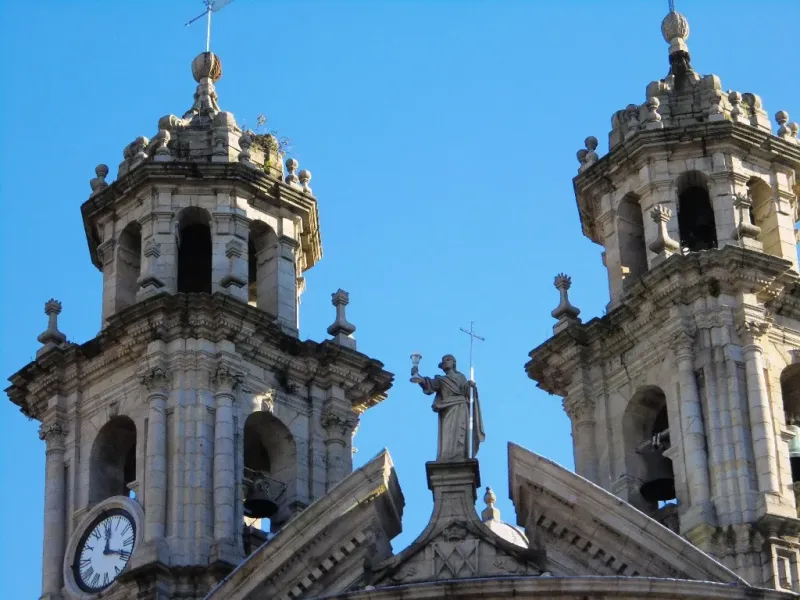
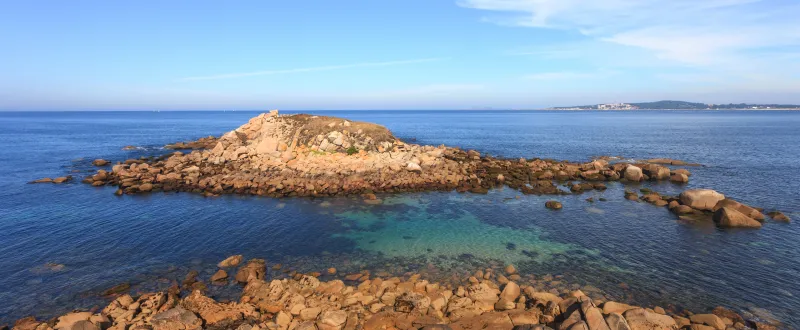
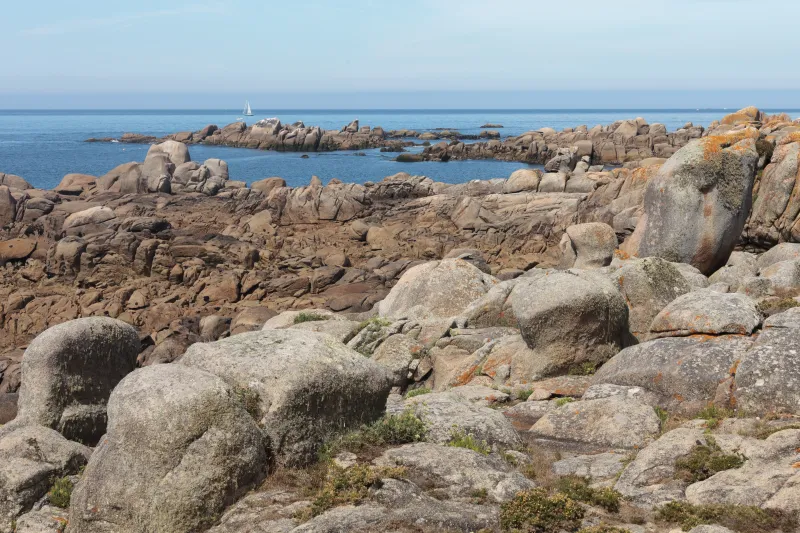
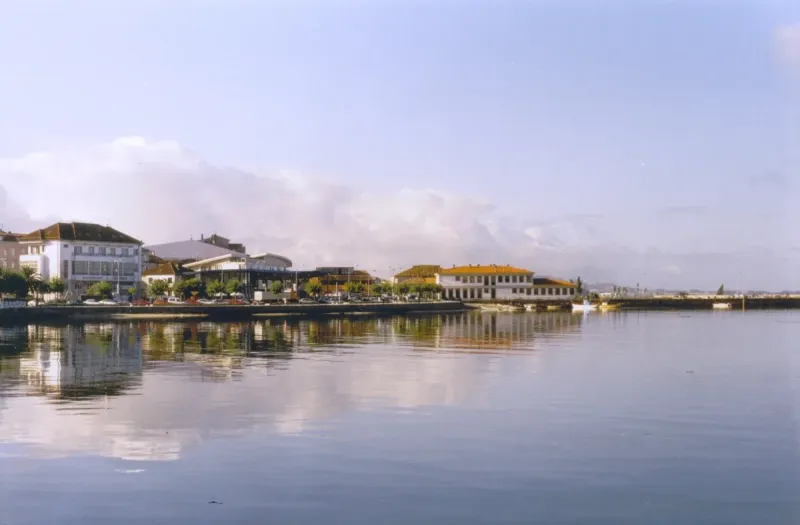
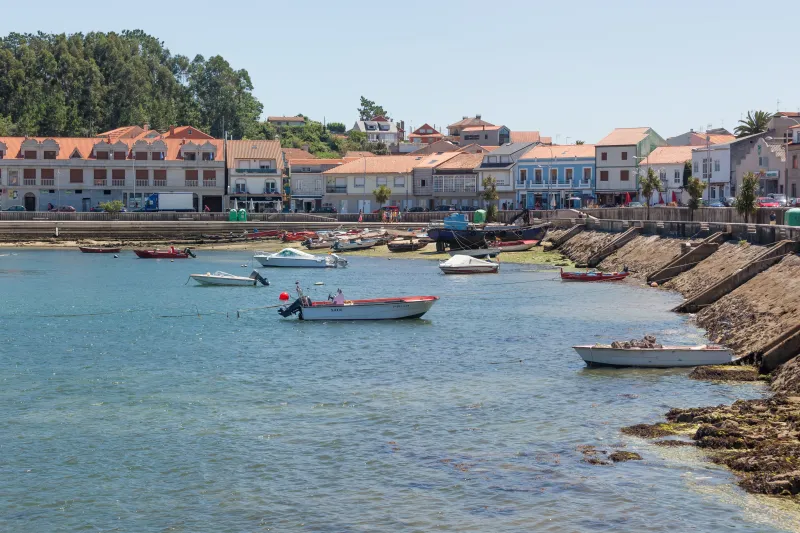
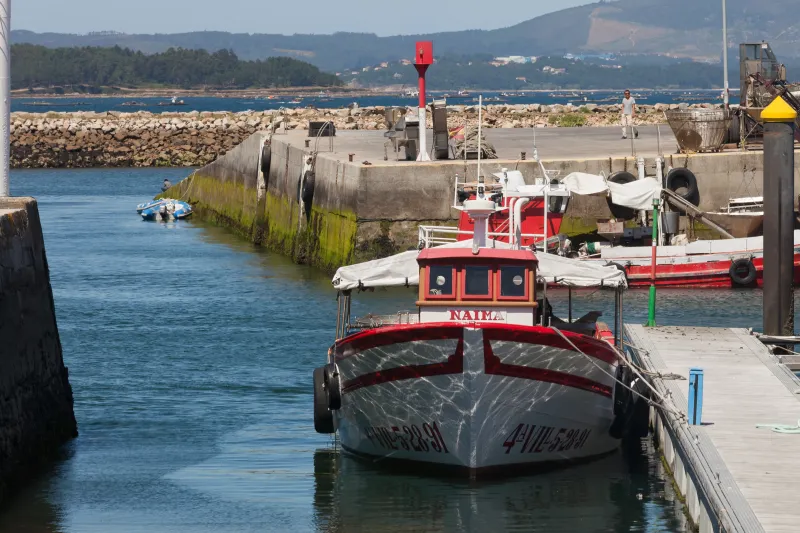
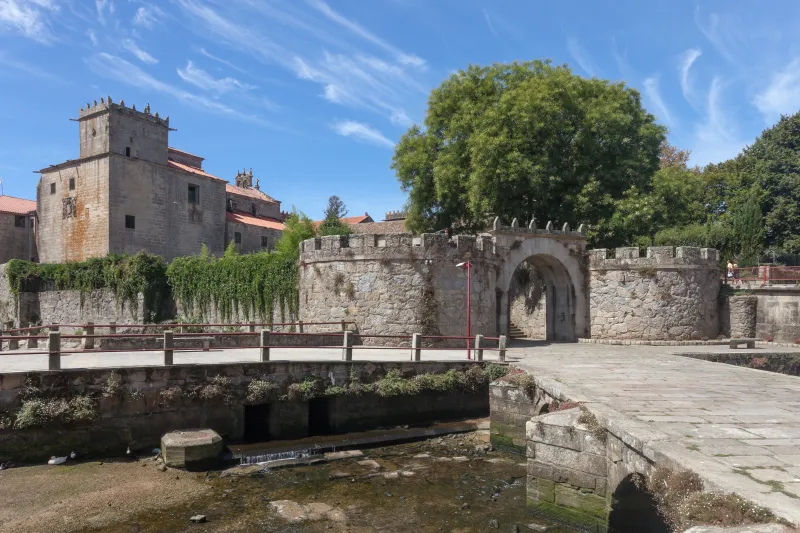
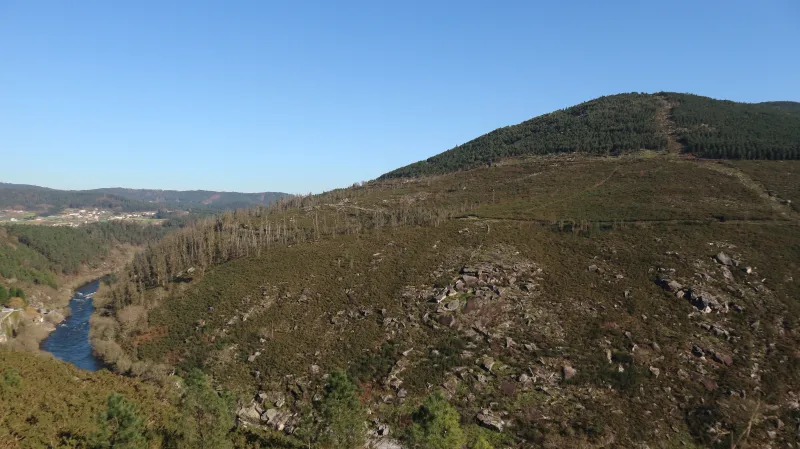
History
Millenary History of the Camino de Santiago: Origins and Evolution Route of Father Sarmiento
Discover the origins and evolution of Route of Father Sarmiento
The history of the route is the history of its protagonist. Father Sarmiento (1695-1772) was one of the brightest minds of Spanish Enlightenment. A monk, but above all a polymath with insatiable curiosity, he was a pioneer in fields such as botany, philology and ethnography. He felt a special fascination for his native Galicia, and was one of the first to study and defend with ardor the Galician language, at a time when it was despised by cultural elites.
In the summer of 1745, Sarmiento embarked on a foot journey through Galicia that documented meticulously in his work "Travel to Galicia (1745)". His purpose was research: he wanted to collect toponyms, plant and animal names in Galician, transcribe popular songs, describe customs and analyze archaeological remains. On July 19th, he set out from Pontevedra with a clear destination, Santiago de Compostela, but with an unconventional itinerary. Instead of taking the main interior route, which is followed by the Portuguese Way today, Sarmiento, faithful to his curious spirit, decided to make a long detour following the coastline.
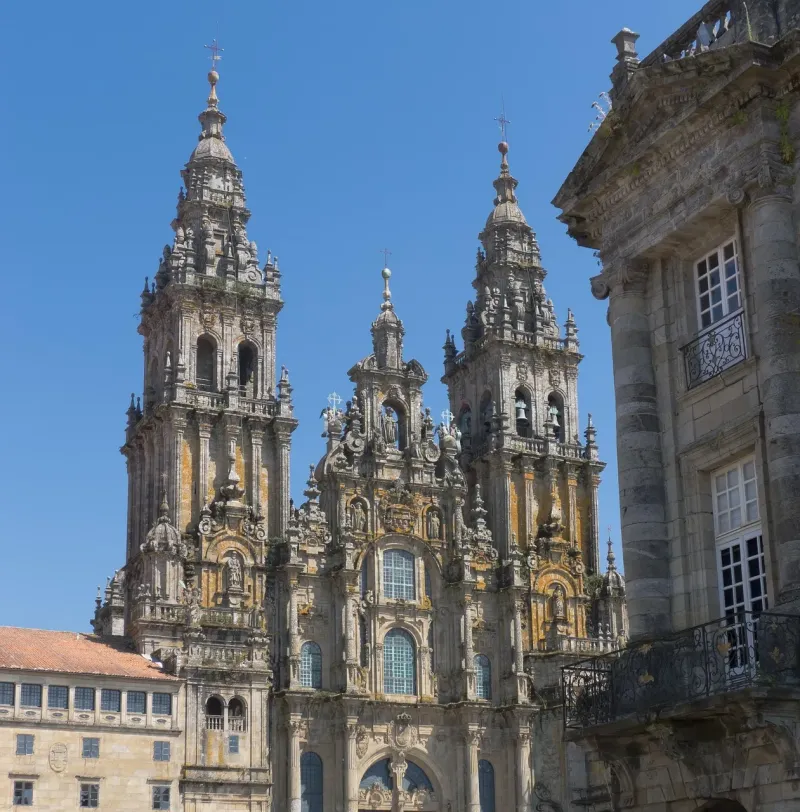
His diary allows us to follow his steps with exactness. He skirted the Ria de Pontevedra, passing through the Poio monastery, the seaside town of Combarro and venturing into the O Salnés comarca. His route took him to Sanxenxo, the peninsula of O Grove and the island of A Toxa, to Cambados (the capital of Albariño wine) and Vilanova and Vilagarcía de Arousa. In this journey, Sarmiento recorded everything, creating a treasure trove of ethnographic and linguistic information. Finally, from the Ria of Arousa, he directed himself towards the interior, arriving at Padrón (Iria Flavia), the cradle of Jacobean tradition. There, his route converged with that of the Portuguese Way to complete the final stage to Santiago.
Although Sarmiento's journey had a scientific end, it was framed in a spiritual context. The ultimate goal was to visit the Apostle's tomb. His journey demonstrates how, even during the Age of Enlightenment, pilgrimage to Compostela remained a powerful cultural and personal reference point.
The creation of the "Father Sarmiento Route" as a tourist and hiking trail marked by is a recent phenomenon. Impulsed by the O Salnés Council and local municipalities, the route uses the monk's detailed writings to offer modern pilgrims the possibility of recreating his journey. It is an initiative that highlights both the figure of this illustrious Galician and the rich natural and cultural heritage of the Rías Baixas.
Today, walking it is a double experience: it is a path to Santiago through some of the most beautiful coastal landscapes in Galicia, but also a journey through time, an invitation to look at the surroundings with the same curiosity and desire for knowledge that drove Father Sarmiento over two and a half centuries ago.
We answer your questions
Frequently Asked Questions about Route of Father Sarmiento
How long does the Father Sarmiento Route by Ourway Travel last?
The Father Sarmiento Route is recommended to be completed in approximately 7 days, offering a balanced experience between hiking and cultural exploration.
What is the best time to do the Father Sarmiento Route?
The best period to undertake this route is from April to June, or September to October. During these months, you will enjoy comfortable weather and a lower number of pilgrims compared to summer.
What does booking the Father Sarmiento Route with Ourway Travel include?
When you book the Father Sarmiento Route with Ourway, you receive a personalized itinerary and 24/7 support. We also manage your accommodation in selected hostels and provide detailed information about the route.
What is the difficulty of the Father Sarmiento Route?
The Father Sarmiento Route has a low difficulty, suitable for beginners. With an approximate distance of 190 km, it allows you to enjoy the landscape and culture at your own pace.
Why should I choose the Father Sarmiento Route instead of other Camino de Santiago routes?
The Father Sarmiento Route offers a unique cultural experience, standing out for its historical and ethnographic richness. Unlike traditional routes, this journey takes you through Galicia from the enlightened perspective of Fray Martín Sarmiento.
How do I book the Father Sarmiento Route with Ourway Travel?
To reserve the Father Sarmiento Route, simply visit our website and select your preferred itinerary. Our team will handle all the details so you can just enjoy.
What is the total distance of the Sarmiento Route?
The complete route from Pontevedra to Santiago along the coast and Salnés region, covering the Ría de Pontevedra, has an approximate length of 190 km.
What services does Ourway Travel offer to facilitate the Father Sarmiento Route?
Ourway Travel manages your pilgrim credential and safely transports your backpack between hostels, allowing you to walk with comfort and security along the route.
Organize Your Camino
Ready for this adventure?
Route of Father Sarmiento