
Camino de Santiago
Route of the Plate on Bike
Embark on the great western peninsula cycling route. The Silver Way by bike, a 13-stage journey through history from Seville to Astorga.
Organize your Route of the Plate on BikeLast updated: 09/08/2025
The Route
General Description of Route of the Plate on Bike
Related Routes
Connections of Route of the Plate on Bike
Way of the Plate
963.6 km
38
High
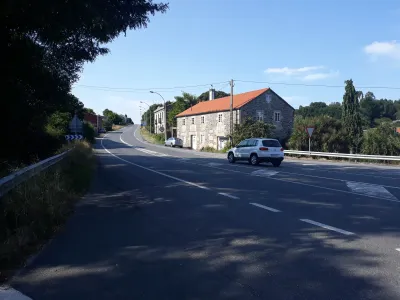
The Silver Way (La Vía de la Plata) is the longest of the Camino de Santiago paths in Spain, with almost 1000 km. Its route, which starts in Seville, largely follows the ancient Roman road that connected Mérida to Astorga. It traverses Andalusia, Extremadura and Castile and León, offering pilgrims two options in Granja de Moreruela (Zamora): continue on to Astorga to link with the French Way or take the Sanabrés Way directly to Galicia.
It is a route of immense historical and monumental wealth. Due to its length and high temperatures in its southern section, it requires excellent planning. It offers diverse landscapes, from the extreme dehesas to the plains and mountains of Castile and León.
Stages of this variant:
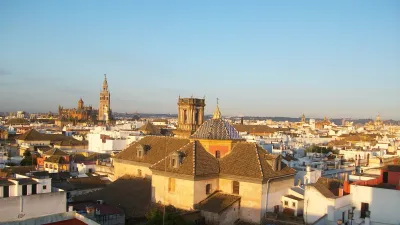
Stage 1: Sevilla to Guillena
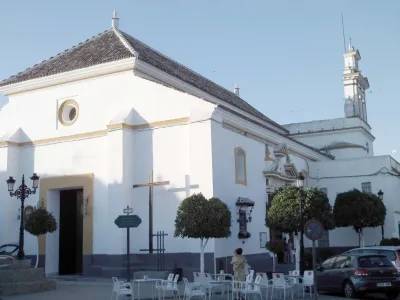
Stage 2: Guillena to Castilblanco de los Arroyos
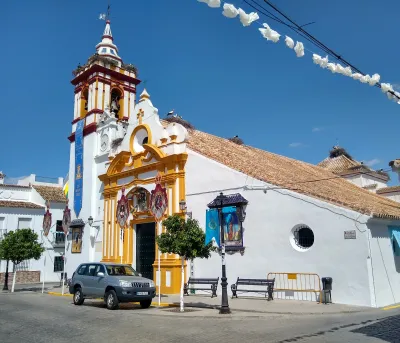
Stage 3: Castilblanco de los Arroyos to Almadén de la Plata
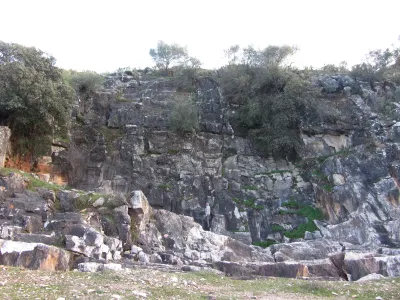
Stage 4: Almadén de la Plata to Monesterio
Stage 5: Monesterio to Fuente de Cantos
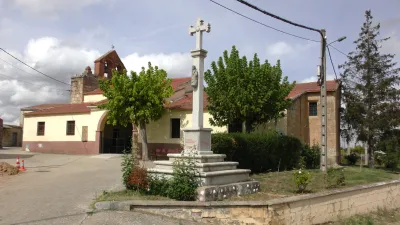
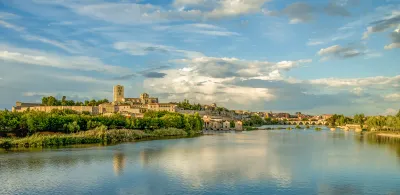
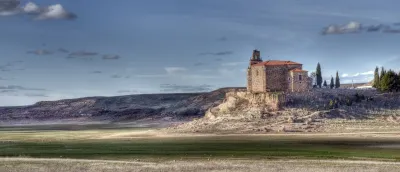
Way of Sanabria
368 km
13
Media
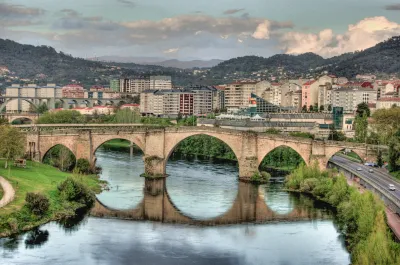
The Way of Saint Abades, also known as the Mozarabic Way of Sanabres, is one of the extensions of the Via Plata. It begins officially in Granja de Moreruela (Zamora), where pilgrims coming from the south can take this direct variant to Galicia. With a distance of 368 km, it passes through Zamora, the Culebra Mountains and the Sanabria region, entering Galicia by the province of Ourense.
It offers a more solitary and nature-connected pilgrimage experience, passing by the impressive Lake of Sanabria and the thermal lands of Ourense. It is a route of great scenic beauty and ethnographic richness, ideal for those who want to escape the crowds and enjoy an authentic and challenging Camino in certain sections.
Stages of this variant:
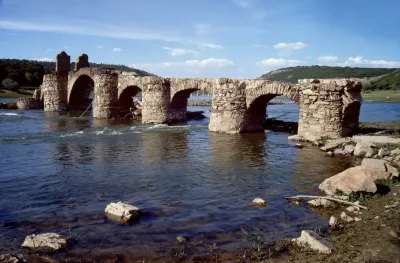
Stage 1: Granja de Moreruela to Tábara
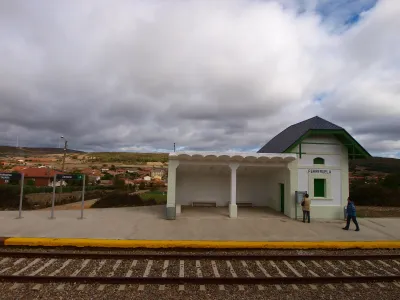
Stage 2: Tábara to Santa Croya de Tera
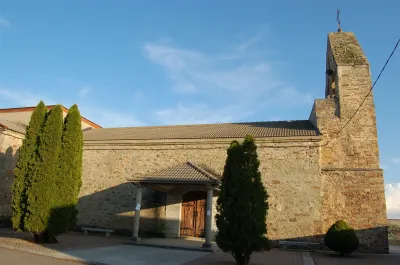
Stage 3: Santa Croya de Tera to Rionegro del Puente
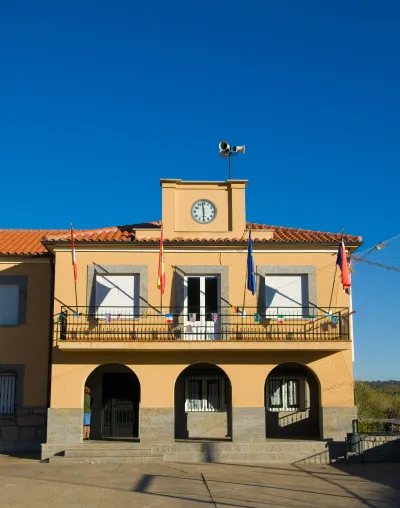
Stage 4: Rionegro Del Puente to Puebla De Sanabria
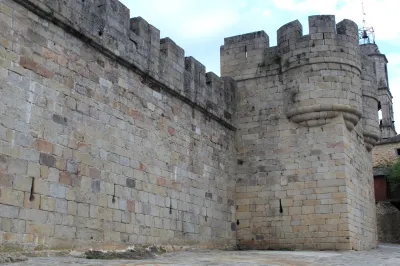
Stage 5: Puebla De Sanabria to Lubián
Your trip with Ourway
Everything you need for your Camino
No hassle. Your perfect route, from start to finish.
Accommodation
Selected hotels and hostels at every stage
Luggage transfer
Your backpack travels from stage to stage
Camino Guide
Detailed map with directions and services
24h Support
Team available for any unforeseen event
Pilgrim credential
Official documentation included
No commitment
Free personalized consultation
Walk this route with us
Fancy walking this route?
We don't have a ready-made package for this route yet, but we'll organise it around you. Tell us how you'd like to experience it and a specialist will reply within 24 h.
Request your proposalStages
Stages of Route of the Plate on Bike
Sevilla → Castilblanco de los Arroyos
Stage description not available.
Castilblanco de los Arroyos → Monesterio
A demanding cycle-touring stage of the Vía de la Plata through the Sierra Morena of Seville and Extremadura. Its 100 km or so link Castilblanco de los Arroyos with Monesterio, crossing the Parque Natu...
Mérida → Valdesalor
Cycle-touring stage that leaves Mérida (a UNESCO World Heritage Site for its Roman monumental ensemble: theatre, amphitheatre, circus, aqueduct…) heading north through the district of the Vegas Bajas ...
Valdesalor → Cañaveral
Cycle-touring stage through the dehesa of Cáceres. Its 50 km or so link Valdesalor with Cañaveral, crossing the district of the Tierras de Granadilla, a landscape of dehesa with centuries-old holm oak...
Towns
Featured Towns of Route of the Plate on Bike
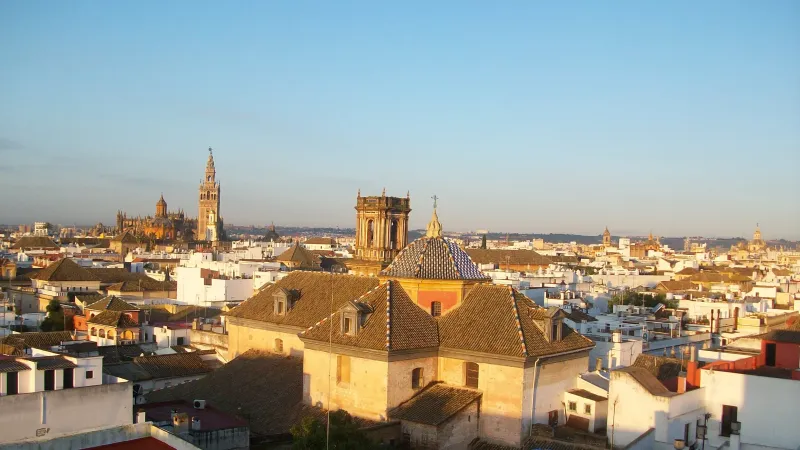
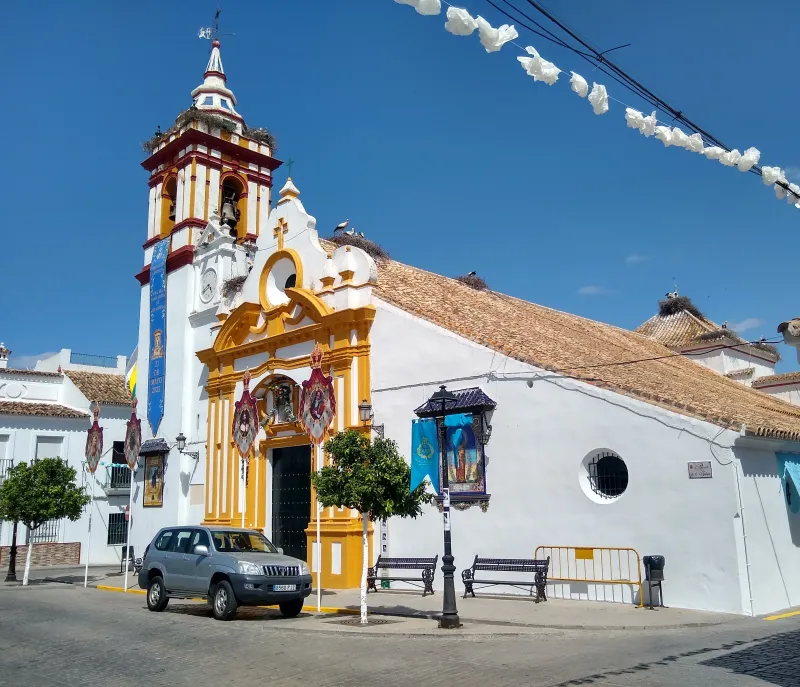
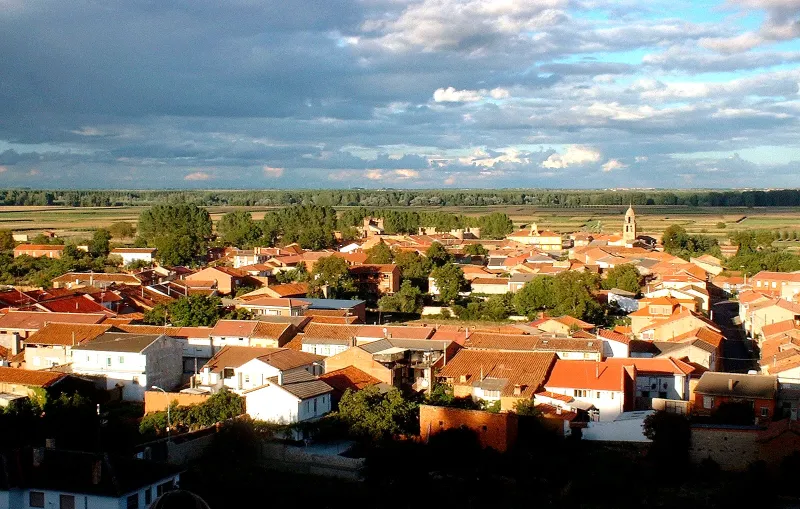
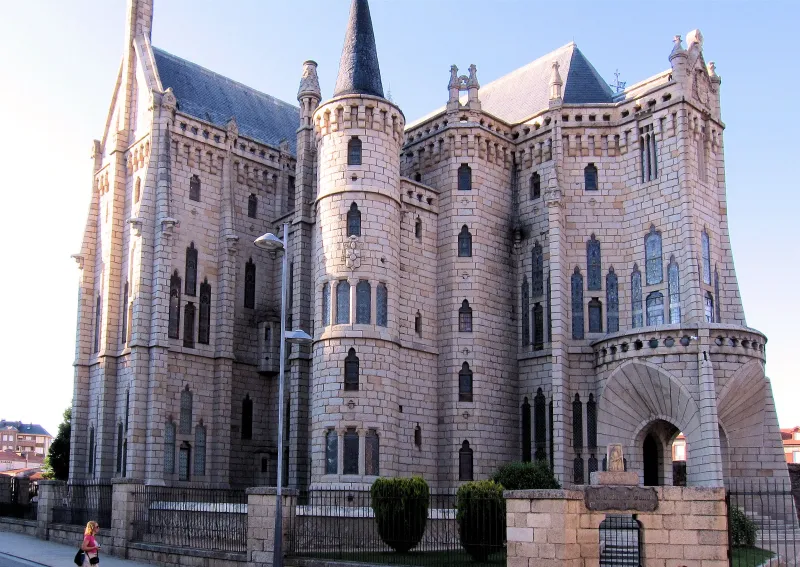
Explore the key towns and cities of this route.
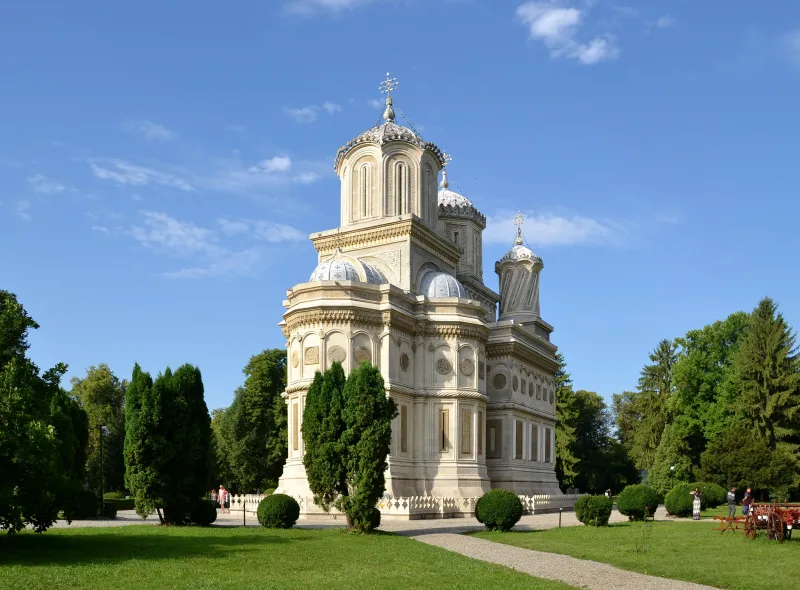
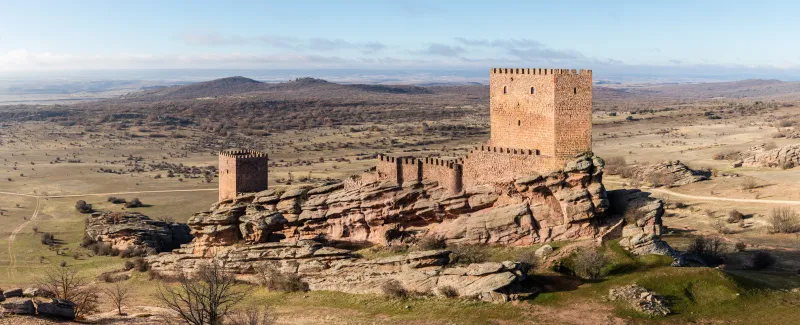
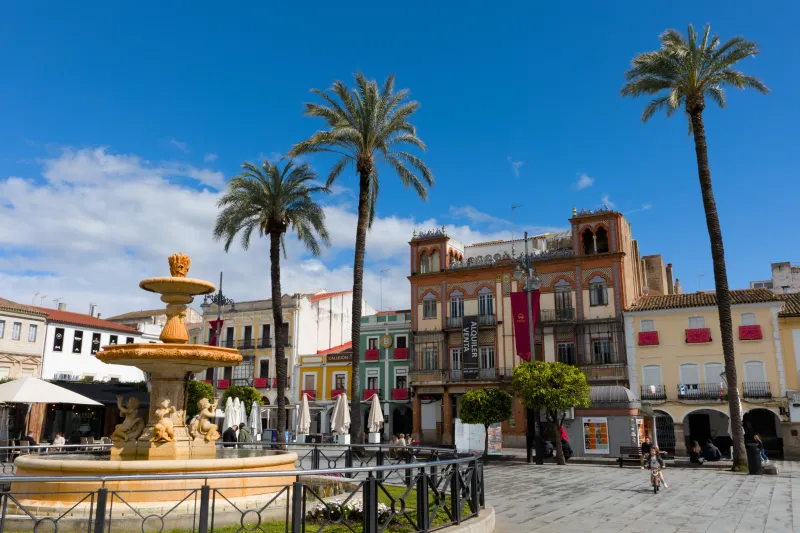
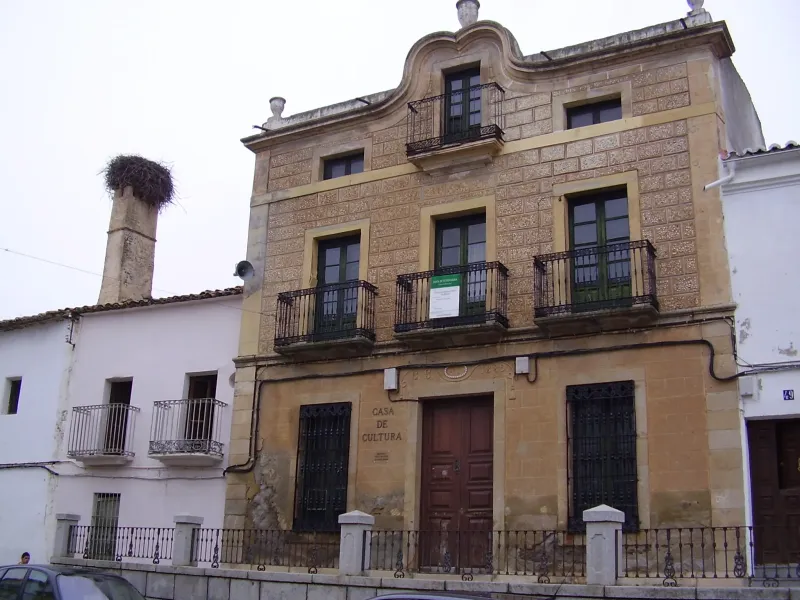
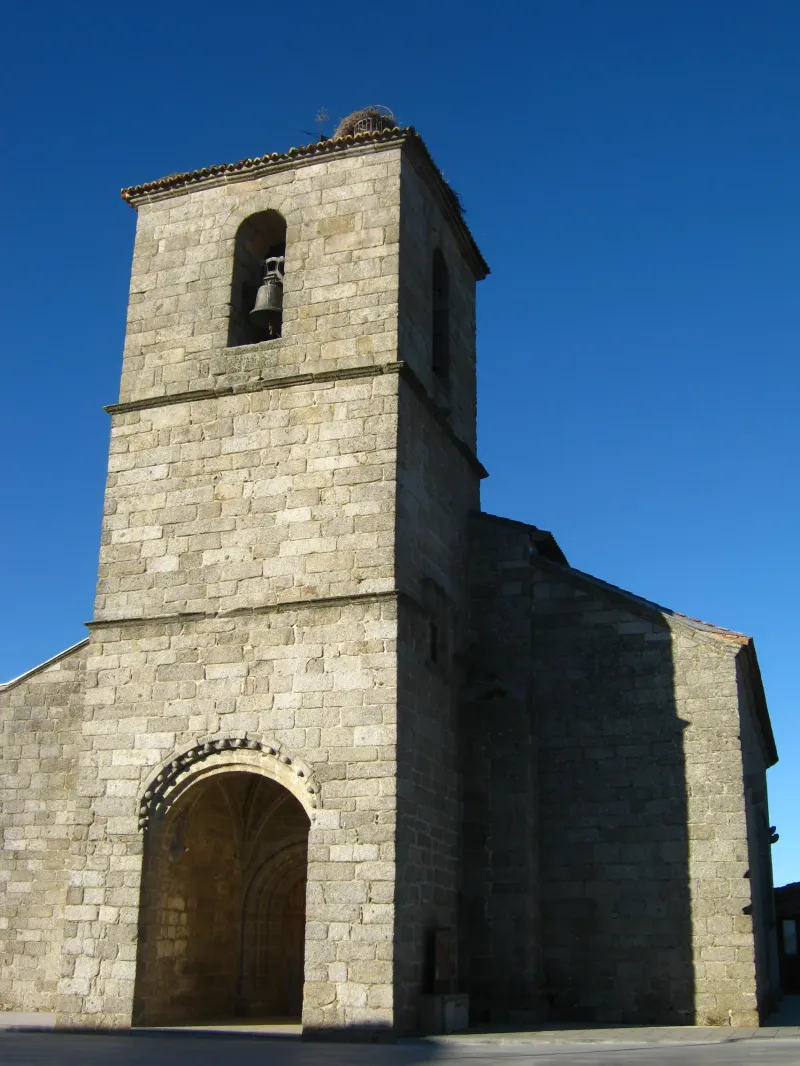
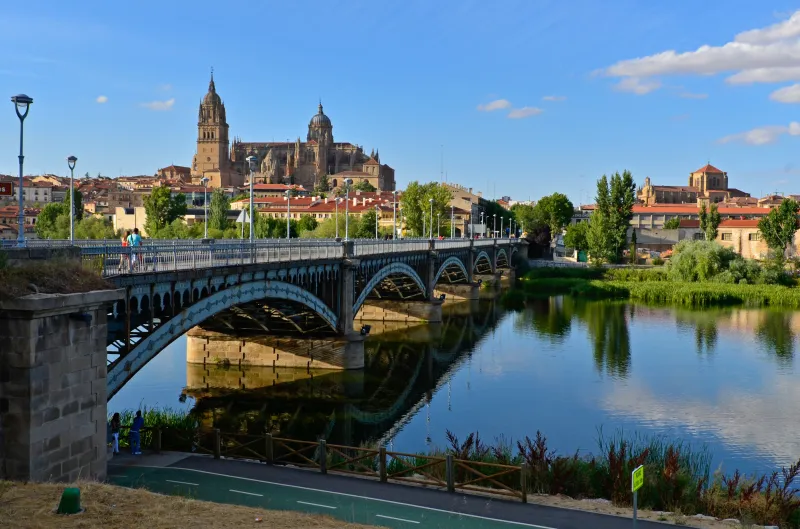
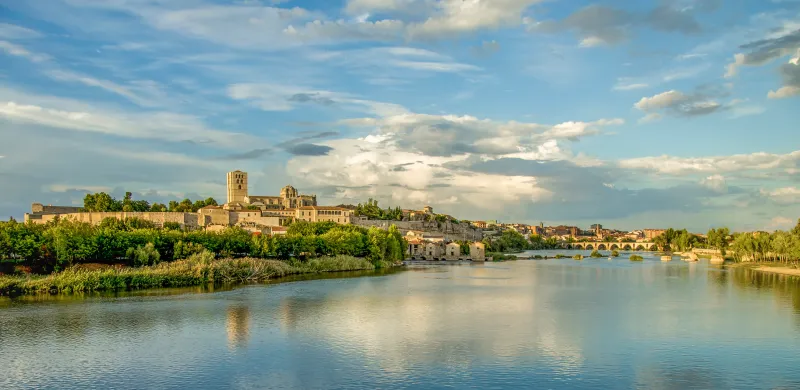
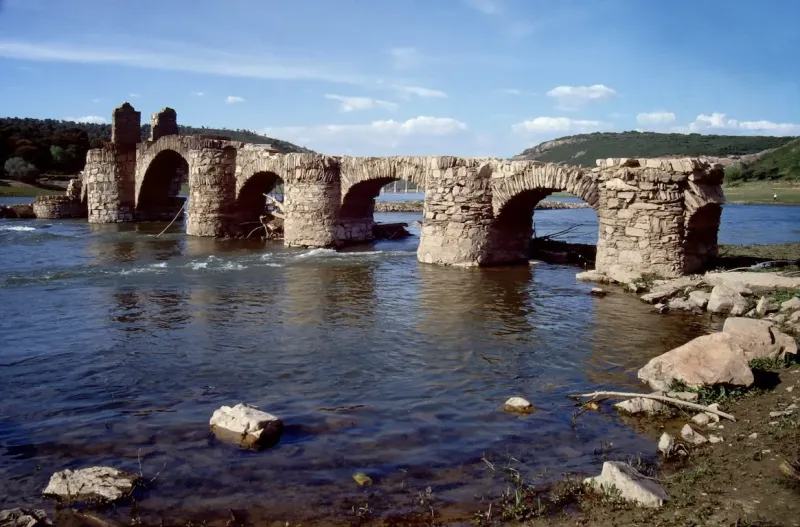
History
Millenary History of the Camino de Santiago: Origins and Evolution Route of the Plate on Bike
Discover the origins and evolution of Route of the Plate on Bike
The origins of the Via de la Plata as a Roman road and its later use by Mozarabic pilgrims define it as a route for long distances. Precisely this characteristic, the enormous extensions of terrain with populations very dispersed, especially in Extremadura and Castile, made it an ideal candidate for adaptation to cycling tourism. While for a walker these long stages represent a challenge of mental and physical resistance, for a "bicigrino" they transform into rhythmic pedaling days and meditation opportunities, a chance to devour kilometers while immersed in the vastness of the landscape.
The adaptation of the route to the bicycle has been relatively easy in many stretches. The long straight sections of the original road and the service lanes of the A-66 highway, which follow its path, offer perfect terrain for riding. The history of cycling the Via de la Plata is therefore less about technical variations and more about logistics and endurance. The main historical and modern challenge of this route is not so much the geography as the climate. The extreme heat of summer in Andalusia and Extremadura has always conditioned the journey, forcing pilgrims to plan their stages in the early morning hours, a strategy that cyclists have adopted and perfected.
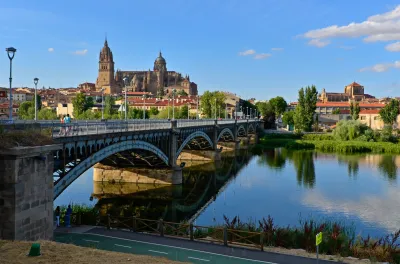
Cycling the Via de la Plata is making an intensive course of Spanish history from the saddle. The journey begins in Seville and soon takes the cyclist to the Roman ruins of Itálica. Continuing north to discover the incredible legacy of Mérida, the "little Rome", and the monumental city of Cáceres. The bicycle allows these landmarks to be connected, which are at several day's distance on foot, in a reasonable time. The arrival at the golden cities of Salamanca and Zamora is the reward for traversing the extreme dehesas and castellanas plains.
Upon arriving at Granja de Moreruela, the cyclist faces the same dilemma as the medieval pilgrim: to continue along the traditional route towards Astorga to join the Camino Francés or take the Sanabrés. For many cyclists, especially those riding gravel or mountain bikes, the Sanabrés is the preferred option, as it offers a more mountainous, scenic, and less trafficked final leg.
In essence, cycling the Via de la Plata is one of Europe's great long-distance cycling experiences. It transforms the challenge of distance into its greatest appeal. It is a pilgrimage for those seeking solitude, open horizons, and a deep connection to the Roman and medieval legacy of the peninsula. It is, in essence, the true way to experience this route as it always was: the great road of the west.
We answer your questions
Frequently Asked Questions about Route of the Plate on Bike
How long is the Vía de la Plata by bicycle?
The complete route of the Vía de la Plata on a bicycle covers a total distance of 704.6 km, which is covered through 13 consecutive stages.
Which is the best time of year to do the Camino Vía de la Plata by bicycle?
The shoulder season, especially May and September, is recommended for its pleasant weather and lower number of pilgrims. May offers perfect temperatures with green fields and flowers, while September provides mild warmth without summer crowds.
What does Ourway Travel's service include for the Vía de la Plata by bicycle?
Ourway Travel provides a comprehensive package for your journey, including accommodation, luggage transfer and personalized advice. We also offer a pilgrim credential and assist with any issues that arise during your trip.
What is the difficulty of cycling the Vía de la Plata?
The route is considered challenging due to its long daily distances, especially because of the lack of cycling infrastructure in some sections and uneven terrain. A high level of physical fitness and good preparation are recommended.
How can I book my trip on the Vía de la Plata by bicycle with Ourway Travel?
To reserve your route, simply visit our website and select the Vía de la Plata cycling itinerary. Then complete the form and our experts will contact you to confirm all travel details and manage any personal requests.
What is the difference between doing the Vía de la Plata on foot or by bicycle?
Walking the Camino offers a slower but more immersive experience, allowing for a closer look at the environment and cities. By bike, as in your case, you can cover greater distances in less time, enabling you to explore more territory and enjoy the scenery from a different perspective.
What does luggage management include during my Via de la Plata bike trip with Ourway Travel?
Ourway Travel handles your luggage, ensuring that your belongings are transported safely and efficiently between each stop on the itinerary. This allows you to travel light during stages and enjoy the journey without worrying about baggage.
What should I consider when choosing between the Camino Francés and the Vía de la Plata by bicycle?
The choice depends on your interests and preferences. The Camino Francés is more renowned for its religious history and cultural richness, while the Vía de la Plata offers a unique historical experience with panoramic views and a distinctive cycling challenge. Both offer uniquely enriching experiences steeped in cultural and historical significance.
Organize Your Camino
Ready for this adventure?
Route of the Plate on Bike