
Complete Guide to Sea Road
Coastal route that unites Ribadeo and Ferrol, passing through the spectacular and wild north coast of Galicia, from the Lucene Coast to the Artabran Coast.
Last updated: 28/03/2026
Table of Contents
Technical Summary of Sea Road
273 km
Distance
12
days
12
Stages
Media
Difficulty
21 accommodations available on the route
Introduction to Sea Road
The walker will discover the essence of the High Coast, starting with the famous Cathedral Beach in its early stages, passing through charming coastal villages such as San Cibrao, Viveiro or Cedeira. It is an alternative to the Camino del Norte interior, ideal for those seeking a deep connection with the sea, wild nature and unforgettable landscapes.
All Stages of Sea Road
Complete route divided into 12 stages
Ribadeo - Saint Cosme of Barreiros
This stage says goodbye to Portugal and enters Spain. The route is a pleasant descent into the valley of the Minho River. Arrival in Valença do Minho, with its impressive fortress, and crossing the in...
St. Cosmas of Barreiros - Fazouro
This stage enters Galicia, on a route that combines interior sections with spectacular views of Vigo Bay. It's a day of great beauty and physical demand. The arrival in Redondela, the town of viaducts...
Fazouro is not a location I am familiar with in my training data. However, I can try to find an alternative translation for you: Fazouro - San Cibrão
This short and pleasant stage takes the pilgrim to the monumental city of Pontevedra. The route is a gentle ascent that moves away from Vigo's bay. Arrival in Pontevedra, with its impressive old town ...
San Cibrao de Viveiro
This stage continues through rural Galicia, on a route of great beauty and solitude. The path crosses a landscape of forests and vineyards, with spectacular views. It's a day to enjoy nature in its pu...
Vivero - O Vicedo
This short and pleasant stage brings the pilgrim to the destination of Santiago. The route is a gentle stroll through rural Galicia. Arrival in Padrón, the cradle of Jacobean tradition, where accordin...
Port of Espasante in O Vicedo
The last stage. Emotion is the protagonist of this journey. The path crosses the last villages before arriving in Santiago. The entry into the city, the arrival at Plaza del Obradoiro and the hug to t...
Port of Espasante - Love
The first stage of the Portuguese Coastal Way is an urban and peri-urban route that follows the Atlantic coast. It's a flat and pleasant journey, allowing for a peaceful departure from the monumental ...
Love - San Andrés de Teixido
This stage continues along the Atlantic coast, on a route of great beauty. The road passes through the Natural Park of North Coast, a landscape of dunes and marshes. It's a day to enjoy nature in its ...
San Andres de Teixido - Cedeira
This stage moves away from the coast to venture into the interior of Minho. The route is a continuous up and down through a landscape of forests and hills. It's a day of great beauty and physical dema...
Valdoviño - Cedeira
This stage says goodbye to Portugal and enters Spain. The route is a pleasant stroll along the Atlantic coast. Arrival in Caminha, with its charming old town, and crossing by ferry of the Miño River u...
Valdoviño and Covas
This stage enters Galicia, on a route that combines interior sections with spectacular views of the Ria de Vigo. It's a day of great beauty and physical demand. The arrival in Bayonne, the town where ...
Vigo - A Coruña
This stage is an enjoyable stroll that brings the pilgrim to the great city of Vigo. The route is a gentle ascent that moves away from Vigo's bay. Arrival in Vigo, with its impressive old town and liv...
Key Towns of Sea Road
The most important towns and cities on this route.
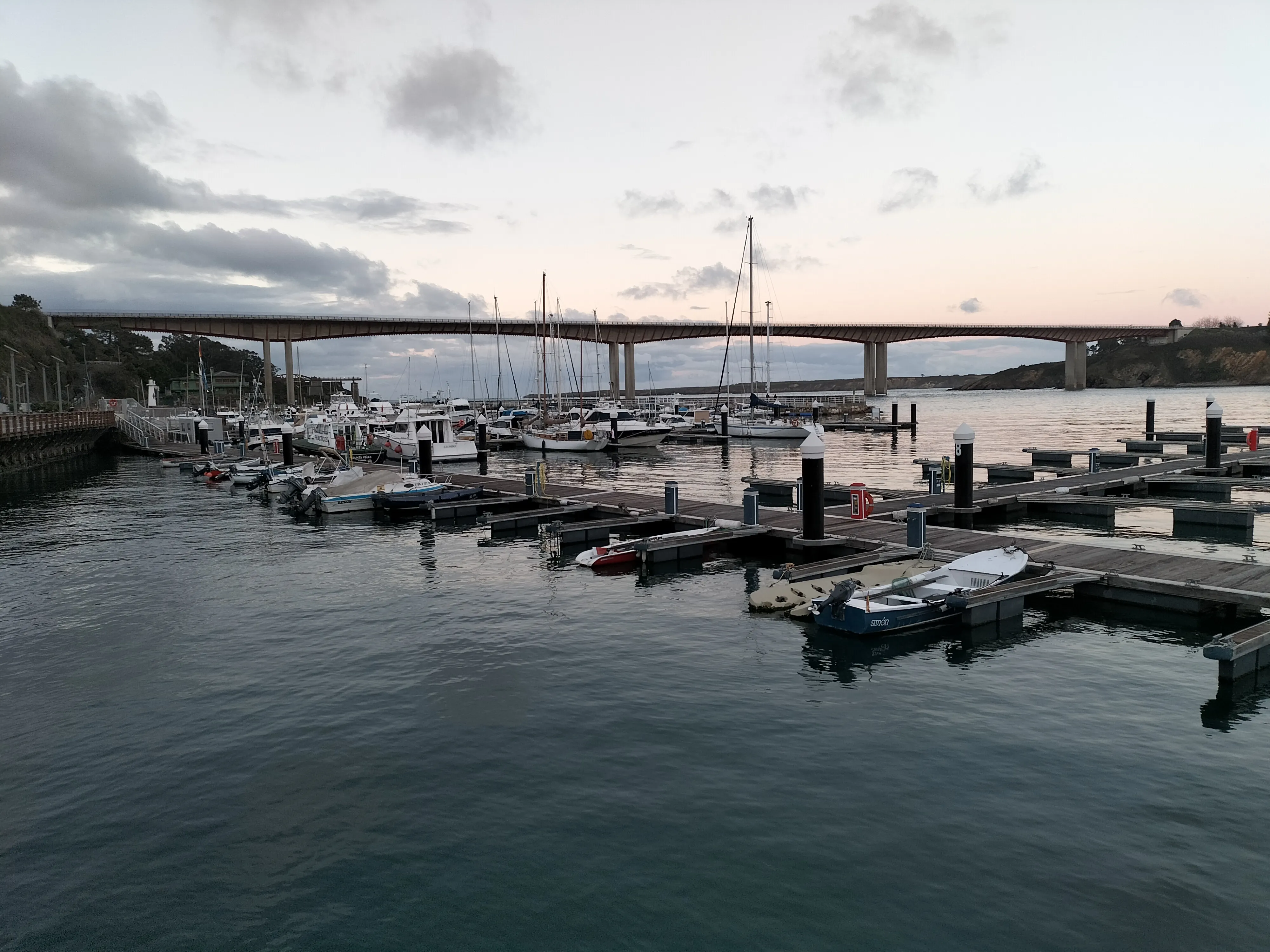
Ribadeo
Entrance to Galicia on the North Way. Ribadeo, in the Eo estuary, is famous for its Indian houses and proximity to the spectacular Cathedral Beach.
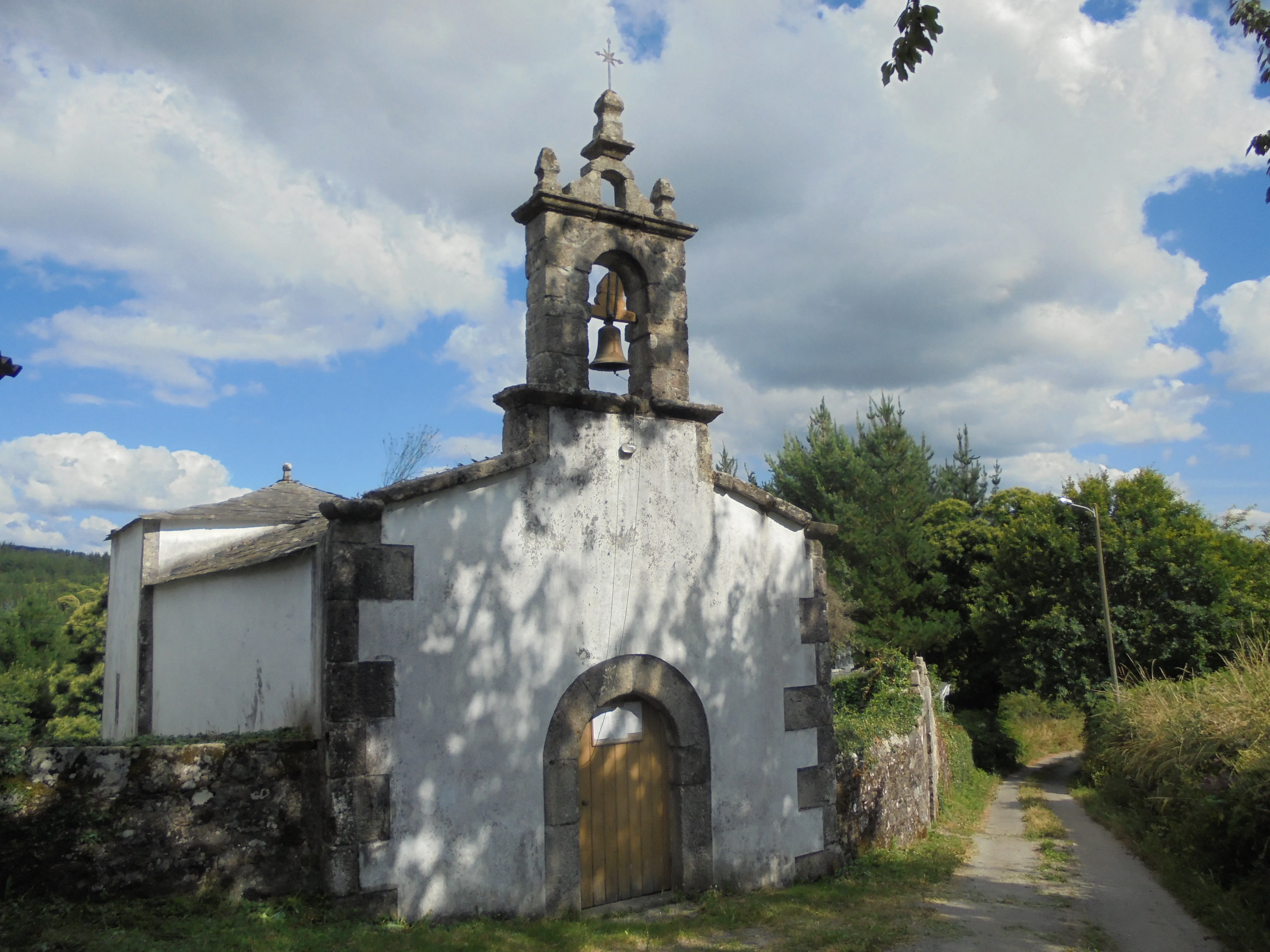
San Cosme de Barreiros
30 mHeart of the municipality of Barreiros, famous for its beaches.
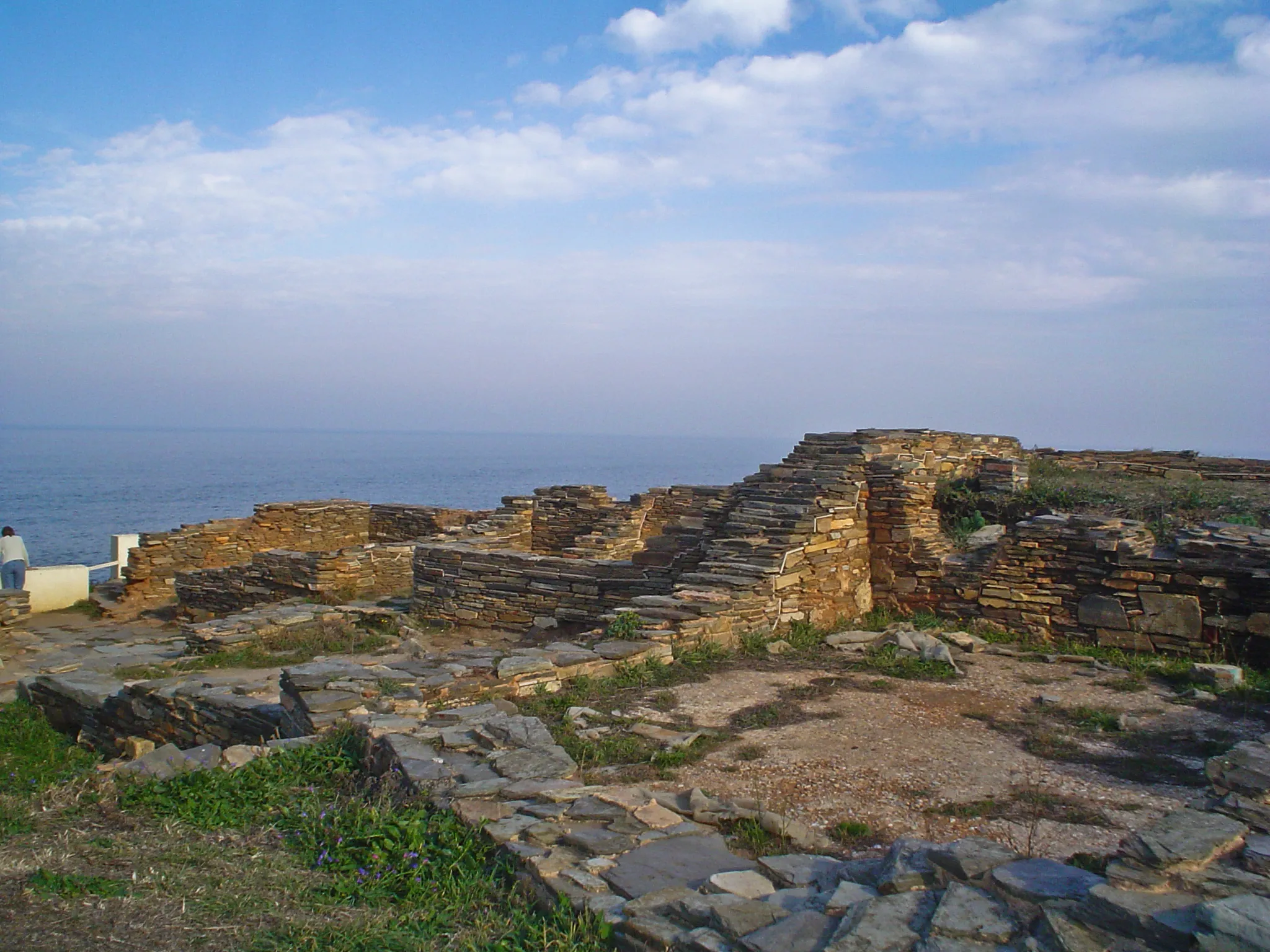
Fazouro
15 mSmall parish of the municipality of Foz.
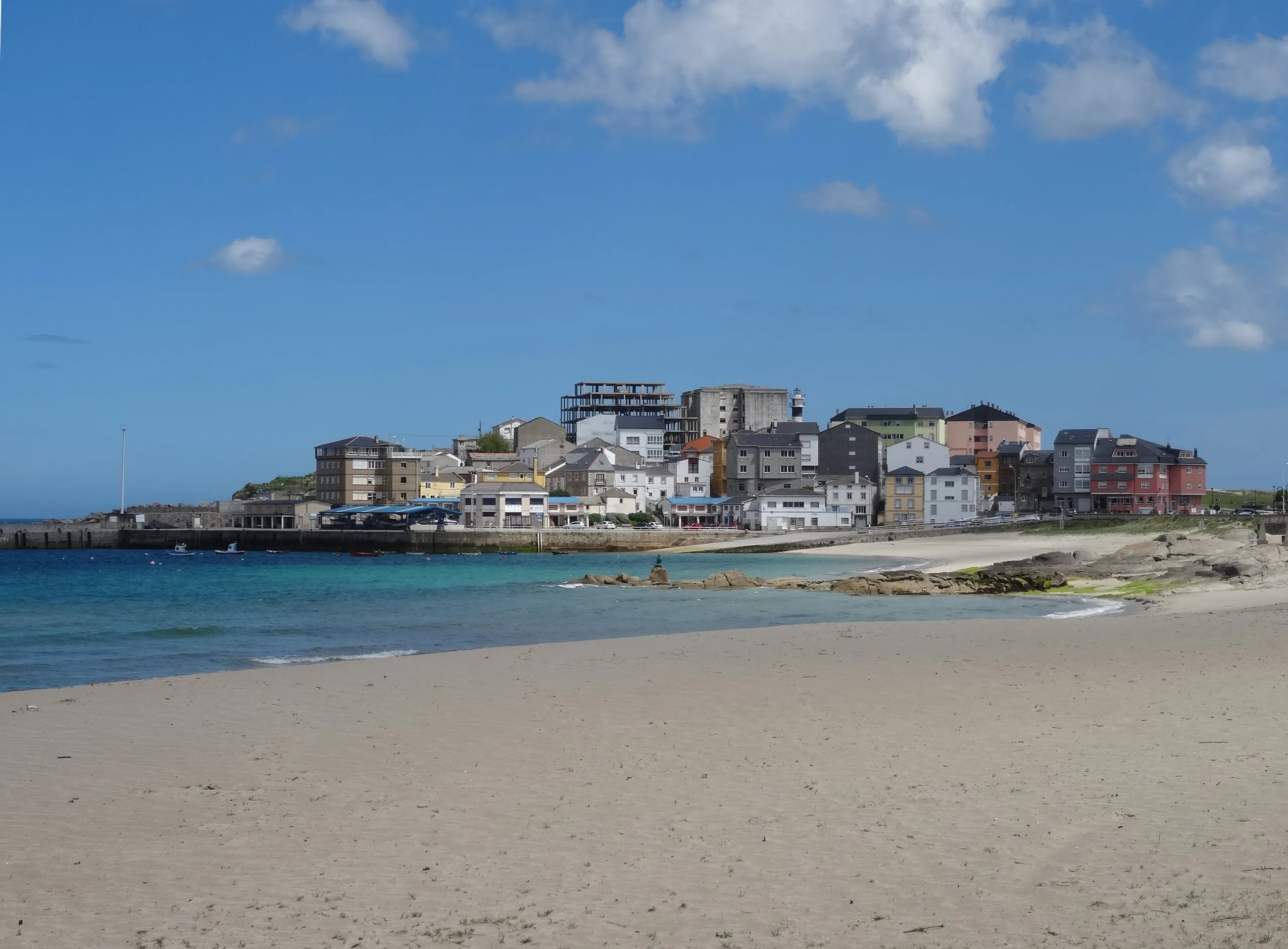
San Cibrao
10 mCoastal promontory with a special charm.
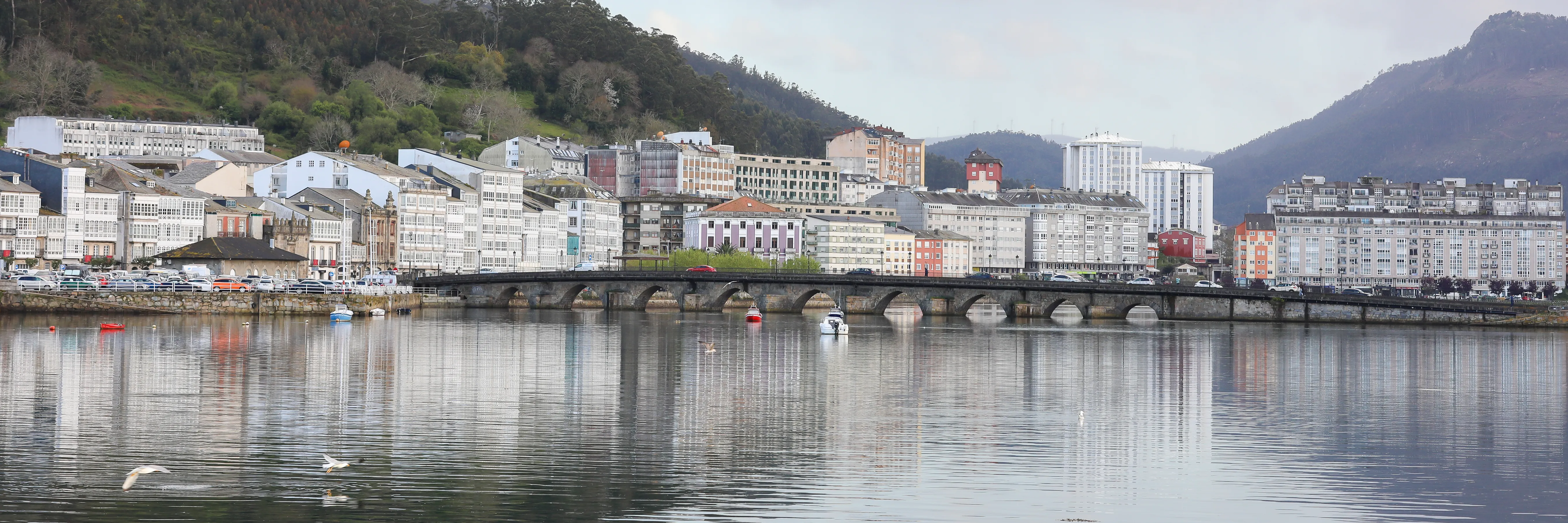
Viveiro
10 mOne of the major cities in the Marina, with a rich historic old town.
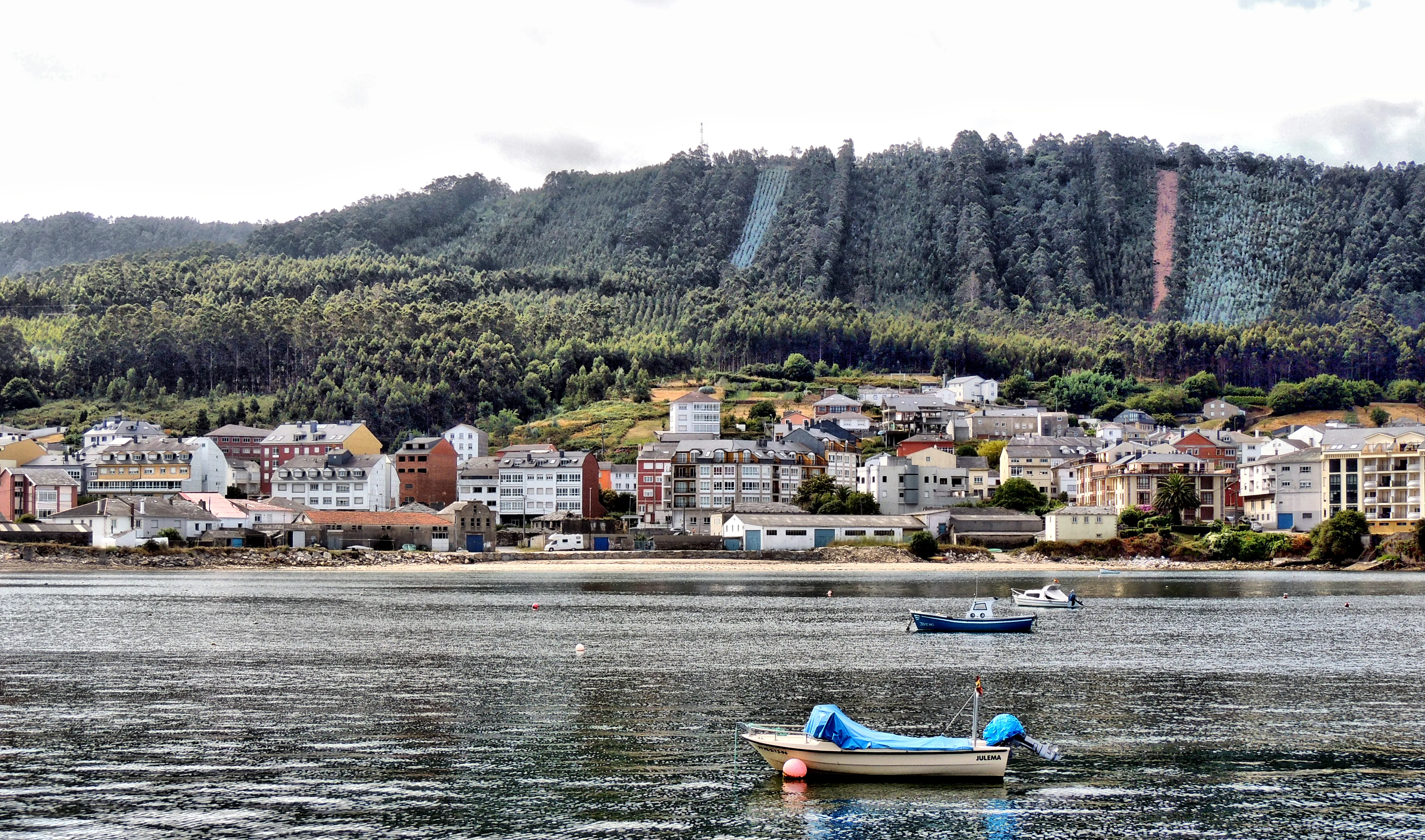
O Vicedo
15 mMarina in the Ria do Barqueiro estuary, bordering the province of A Coruña.
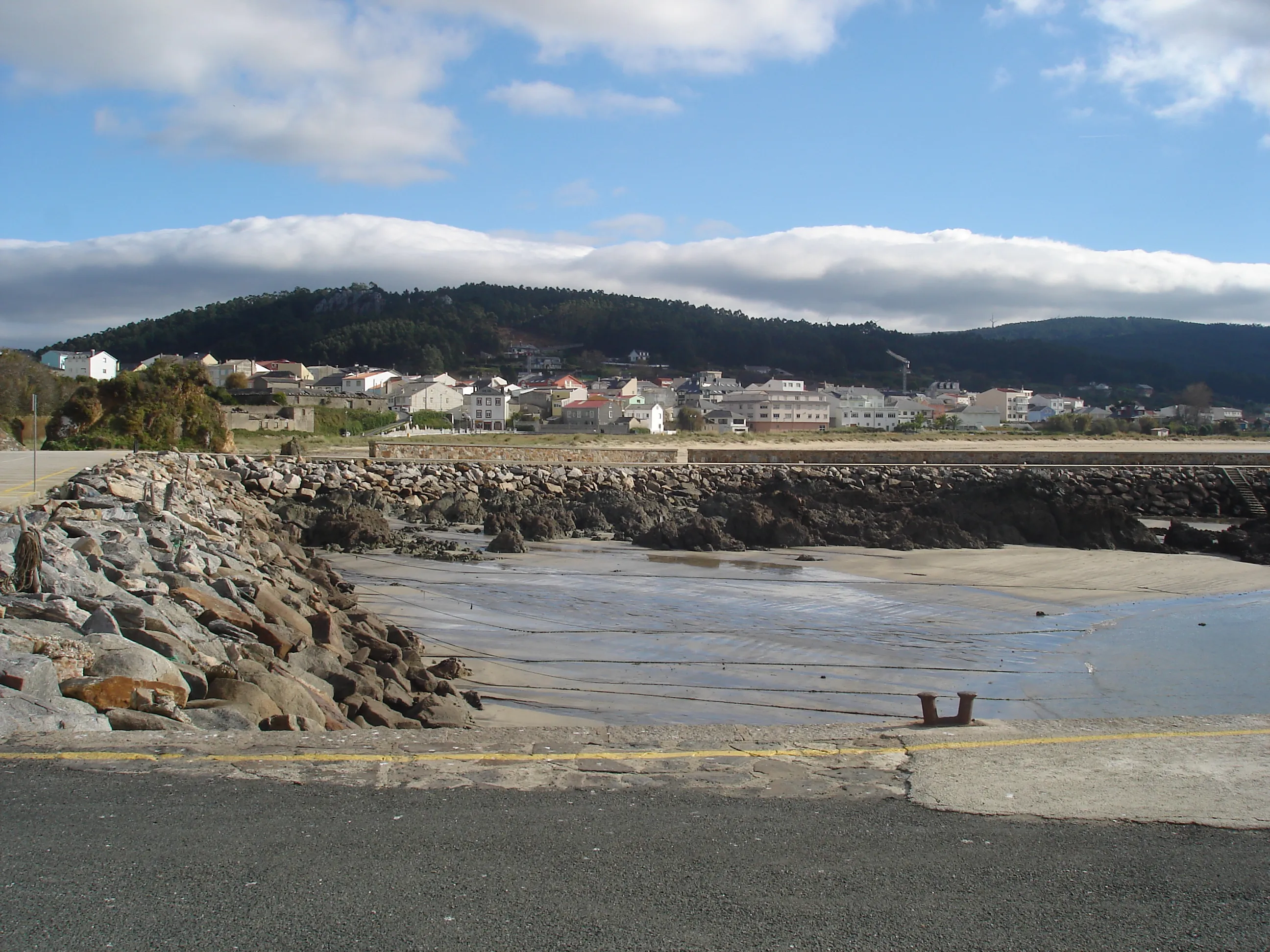
Porto de Espasante
10 mPicturesque fishing port in the Ria of Ortigueira.
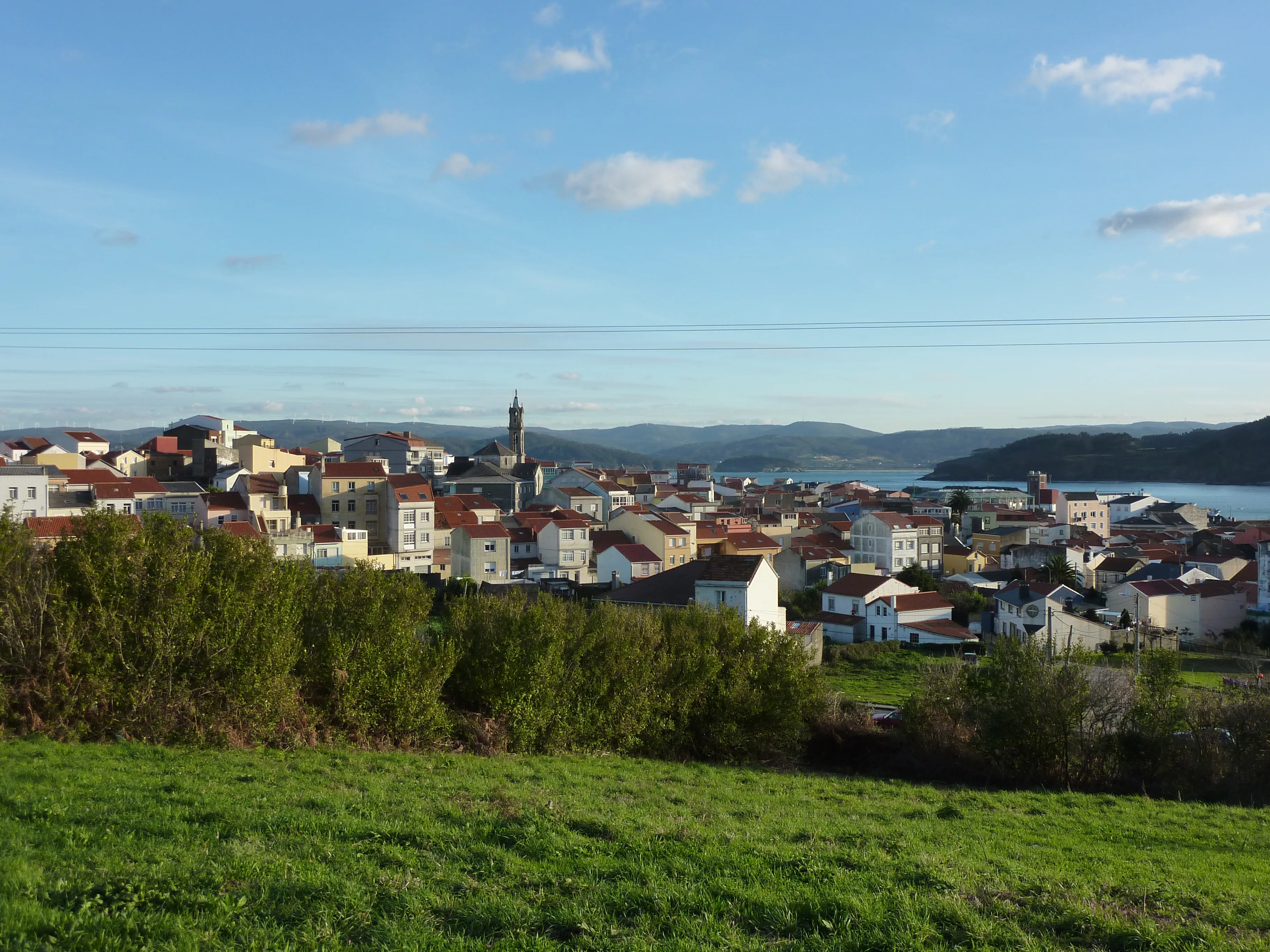
Cariño
20 mMaritime villa at the foot of Cabo Ortegal's cliffs.
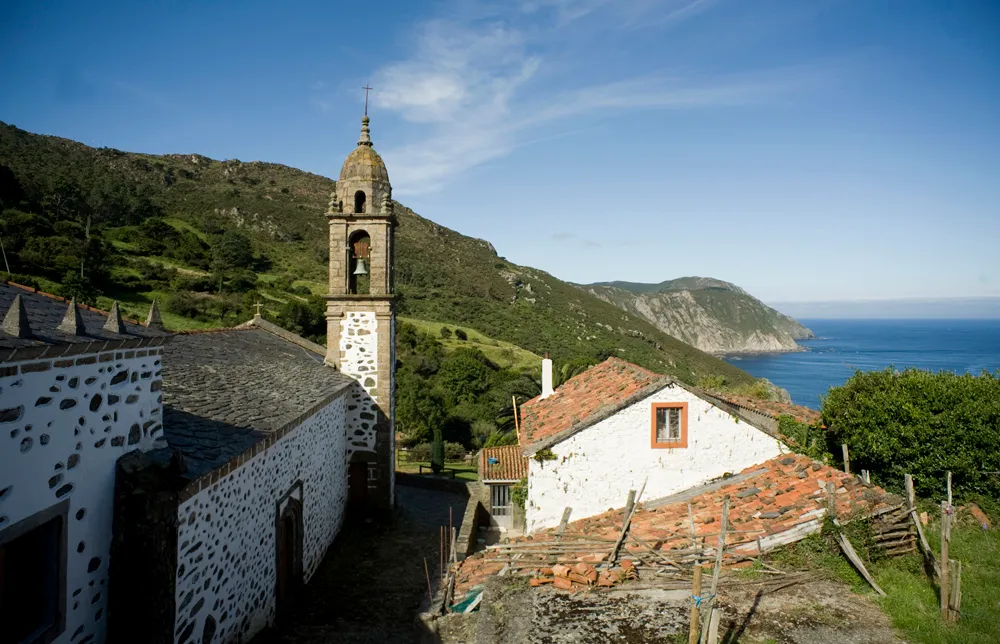
San Andrés de Teixido
140 mMagical sanctuary hung over Europe's highest cliffs.
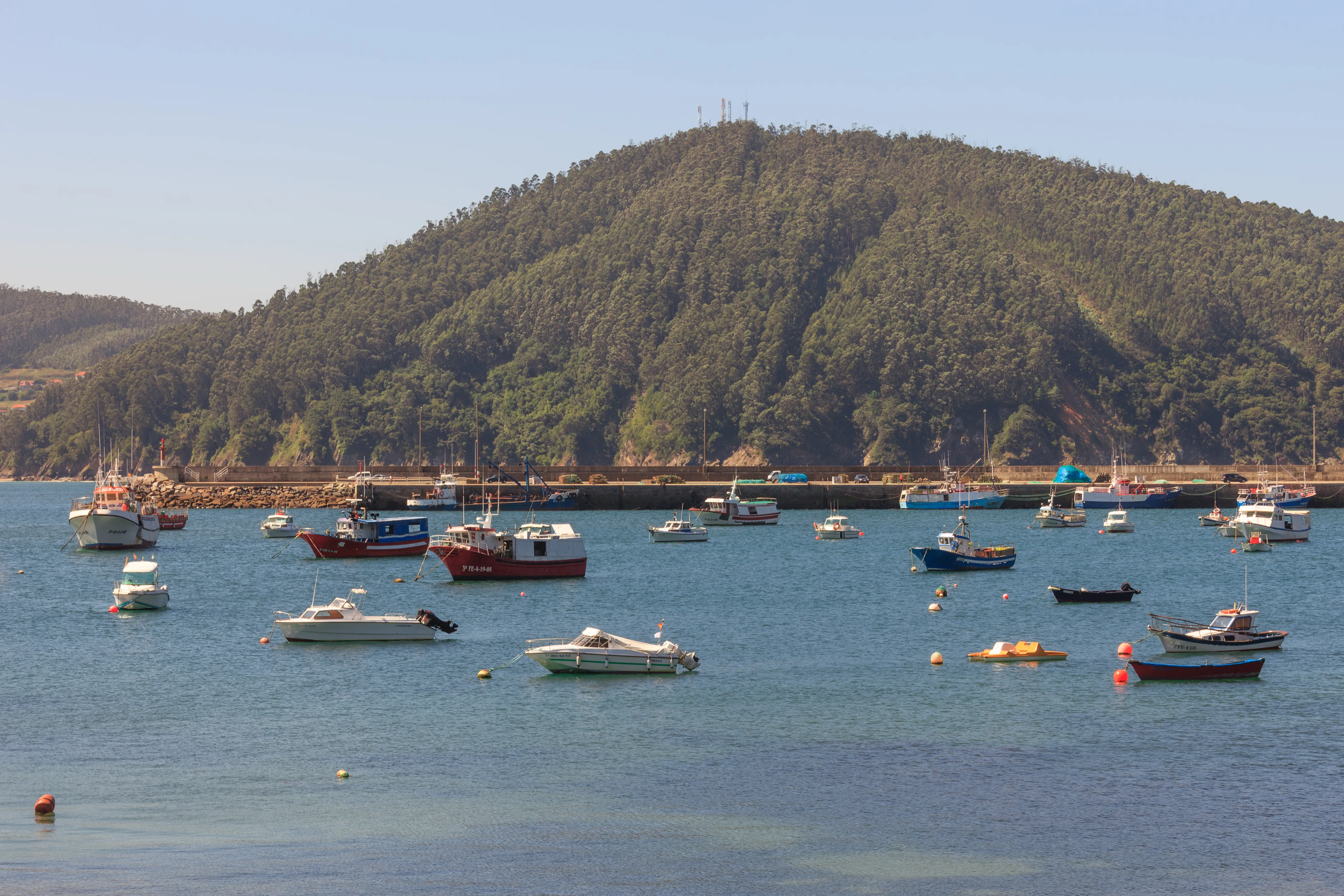
Cedeira
10 mSeaside villa in a beautiful and secluded estuary.
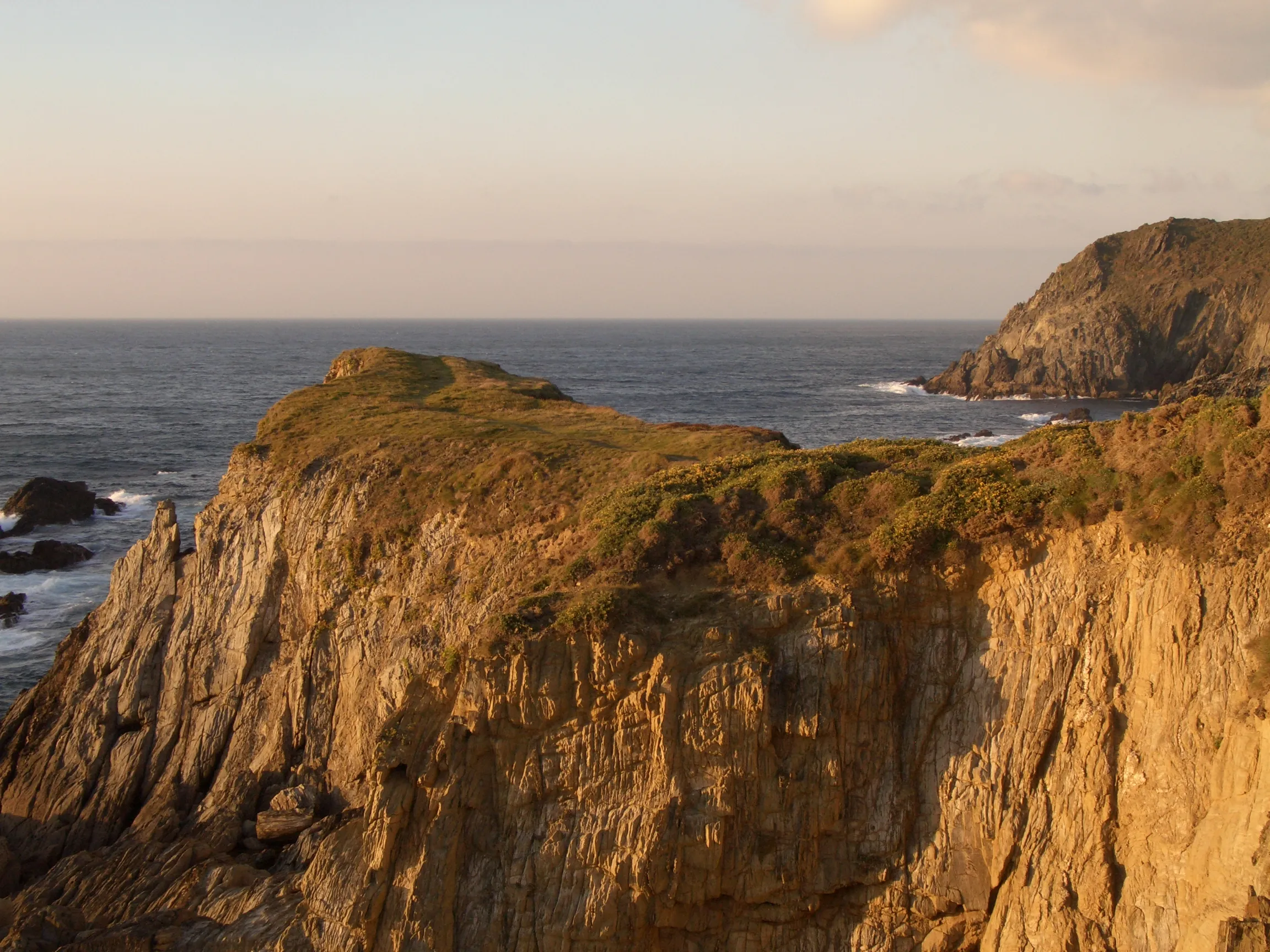
Valdoviño
25 mSurf Paradise with one of the longest beaches in Galicia.

Covas
30 mCoastal parish of the municipality of Ferrol.
History of Sea Road
Traditionally, entering Galicia by Ribadeo, the North Way diverges into the interior in search of the ancient episcopal seat of Mondoñedo. This historical decision had a compelling logic: it avoided an extremely rugged coastline and sought the safety and services of an important city. However, coastal towns like Viveiro, O Vicedo, Ortigueira, or Cedeira always remained connected to each other. Fishermen, merchants, and locals traversed a network of roads that bordered the coast. The modern Way of the Sea recovers and gives coherence to this ancient coastal route.
The Jacobean legitimacy of this route is based on several pillars. First, it is a logical connection between the North Way in Ribadeo and the start of the English Way in Ferrol. Second, the villages it passes through have a deep jacobean tradition, with numerous churches and chapels dedicated to the Apostle, and some of them, like Viveiro, were important ports in medieval times that could accommodate pilgrims arriving by sea.
The third and most singular pillar of its history is the inclusion of one of Galicia's most important and ancestral pilgrimages: the pilgrimage to San Andrés de Teixido. This sanctuary, nestled in a valley that overlooks some of Europe's highest cliffs, is a magical place, imbued with pre-Christian traditions. The popular Galician saying goes: "A San Andrés de Teixido vai de morto quen non foi de vivo" (San Andrés de Teixido goes from death to life who was not born alive), highlighting the importance almost obligatory of this pilgrimage for the Gallegos. The Way of the Sea integrates this ancestral destination naturally into the journey to Santiago, offering the pilgrim an experience of immense spiritual and cultural richness.
The route is demanding. From the famous Playa de las Catedrales in Ribadeo, the path advances westward, facing a broken profile. The most spectacular and difficult tramo is the passage through the Serra da Capelada, between Cedeira and Ortigueira, where the cliffs of Vixía Herbeira are located. The views of the ocean crashing against the rocks are unforgettable. After visiting San Andrés, the path continues along a equally savage coast until reaching Ferrol's ria, where the landscape softens and the pilgrim can prepare to begin the English Way.
The formalization of this route is a recent effort by local communities to show the world a natural and cultural heritage of first order. It is a solitary, windy, and natural path in its purest form, a challenge for experienced pilgrims seeking an alternative to the interior and a deep connection with authentic Galicia.
Accommodations on the Route
The Sea Road has 21 verified accommodations along the entire route.
View Stages & AccommodationsPractical Tips for Sea Road
Best Season
Spring (April-June) and autumn (September-October) are the best seasons. Pleasant temperatures and fewer crowds than summer.
Physical Preparation
Train by walking progressively in the months before. Start with short distances and increase. Your body will adapt to the rhythm of the Camino.
What to Pack
Light backpack (max 10% of your weight), worn trekking shoes, breathable technical clothing, raincoat, sunscreen and basic first aid kit.
General Tips
Carry the pilgrim credential, stay hydrated, respect your pace, book accommodation in high season and enjoy the journey without rushing.
FAQ about Sea Road
El Camiño do Mar tiene una longitud total de 273 km, lo que generalmente lleva entre 10 a 12 días para ser recorrido por un peregrino promedio. En Ourway Travel, te ofrecemos la posibilidad de personalizar tu itinerario según tus necesidades y ritmo.
La mejor época para realizar el Camiño do Mar es durante los meses de abril a junio o septiembre a octubre. Durante estas temporadas, se disfruta de un clima templado y una cantidad moderada de lluvias, creando las condiciones ideales para caminar y explorar la costa norte de Galicia.
El Camiño do Mar se clasifica como una ruta con nivel medio a alto de dificultad debido a sus condiciones topográficas, que incluyen ascensos y descensos pronunciados a lo largo del litoral gallego. En Ourway Travel, te proporcionamos toda la información necesaria para prepararte adecuadamente.
Los precios para nuestro tour en el Camiño do Mar varían según las fechas elegidas y los servicios incluidos. En general, nuestros paquetes están diseñados para ofrecer un equilibrio entre comodidad y asequibilidad, garantizando experiencias únicas que reflejan nuestra dedicación al Camino de Santiago.
Nuestro paquete para el Camiño do Mar incluye alojamiento en hoteles y casas rurales seleccionadas, traslado de equipaje entre etapas, asistencia personalizada durante tu viaje y un itinerario cuidadosamente diseñado. También facilitamos la obtención de credenciales del peregrino.
El Camiño do Mar destaca por su belleza natural costera, ofreciendo un recorrido más salvaje a través de acantilados y playas íntegras. A diferencia del Camino Francés, que es más popular y urbano, o el Camino del Norte interior que sigue una ruta más terrestre, el Camiño do Mar proporciona una experiencia única en contacto directo con la costa gallega.
Ambos caminos ofrecen experiencias únicas, pero si estás interesado en una ruta más desafiante que te permita disfrutar del litoral gallego con paisajes vírgenes, entonces el Camiño do Mar es tu opción ideal. En Ourway Travel, puedes recibir asesoramiento personalizado para ayudarte a tomar la decisión adecuada.
En Ourway Travel, gestionamos todo el proceso para que obtengas tu credencial de peregrino. Simplemente necesitas presentarte en un punto designado con tus datos personales y un motivo plausible para iniciar tu viaje en el Camiño do Mar.
Ready for this adventure?
Let us organize your pilgrimage. We take care of accommodations, transfers and everything you need.