
Complete Guide to Basque Interior Way
The Basque Interior Way or Via of Bayonne connects Irun with Santo Domingo de la Calzada or Burgos. A historic route through the heart of the Basque Country and La Rioja to the French Way.
Last updated: 28/03/2026
Table of Contents
Technical Summary of Basque Interior Way
257.2 km
Distance
12
days
12
Stages
Media
Difficulty
181 accommodations available on the route
Introduction to Basque Interior Way
It was a very traveled route in the Middle Ages, especially to avoid the coast. Today, it is an excellent option for those who seek an alternative to the Northern Way in its initial section and wish to explore the interior of Basque-Riojan.
All Stages of Basque Interior Way
Complete route divided into 12 stages
Run to Hernani
The first stage of the Vasco-Interior Way is an demanding day that ventures into Guipuzcoan mountains. The route leaves the coast to ascend over a broken terrain with steep slopes. The route passes th...
Hernani to Toulouse
This stage continues through the heart of Gipuzkoa, in a medium mountain terrain. The profile is a continuous "rocky slope", with constant ups and downs through a landscape of valleys and hills. The r...
Toledo to Vitoria-Gasteiz
This stage enters the heart of rural Guipuzcoa, the Goierri region's comarca. The profile is demanding, a continuous rise and fall through a mountain landscape of great beauty. The route passes throug...
Beausoleil a Zegama
This is the queen stage of the Vasco-Interior Camino, an impressive mountain traverse that crosses the Aizkorri Mountains. The path ascends along an ancient Roman road to the San Adrián Tunnel, a natu...
Zaragoza to Salamanca/Agallas
After the ruggedness of the mountain, this stage is an enjoyable stroll through the Llanada Alavesa. The profile is completely flat and runs through a landscape of fields of cultivation. It's a comfor...
Salvatilla/Vitoria-Gasteiz
This stage takes the pilgrim out of the Alavesa capital to immerse him in a landscape of hills and forests. The profile is undulating, with an initial ascent to leave the plain. The route crosses the ...
Vitoria/Gasteiz to La Puebla de Arganzón
This stage enters the heart of Treviño County on a terrain of gentle undulations. The landscape is a mosaic of cultivated fields and small forests. It's a transition day that brings the pilgrim to an ...
Puebla of Arganzón to Miranda de Ebro
This long stage connects the Vasco-Interior Way with the French Way. The route is demanding, with a broken profile that crosses the Obarenes Mountains. It's a day of great beauty and solitude, which u...
Miranda de Ebro to Pancorbo
Pancorbo to Briviesca
Briviesca to Monastery of Rodilla
Monastery of Rodilla to Burgos
Key Towns of Basque Interior Way
The most important towns and cities on this route.
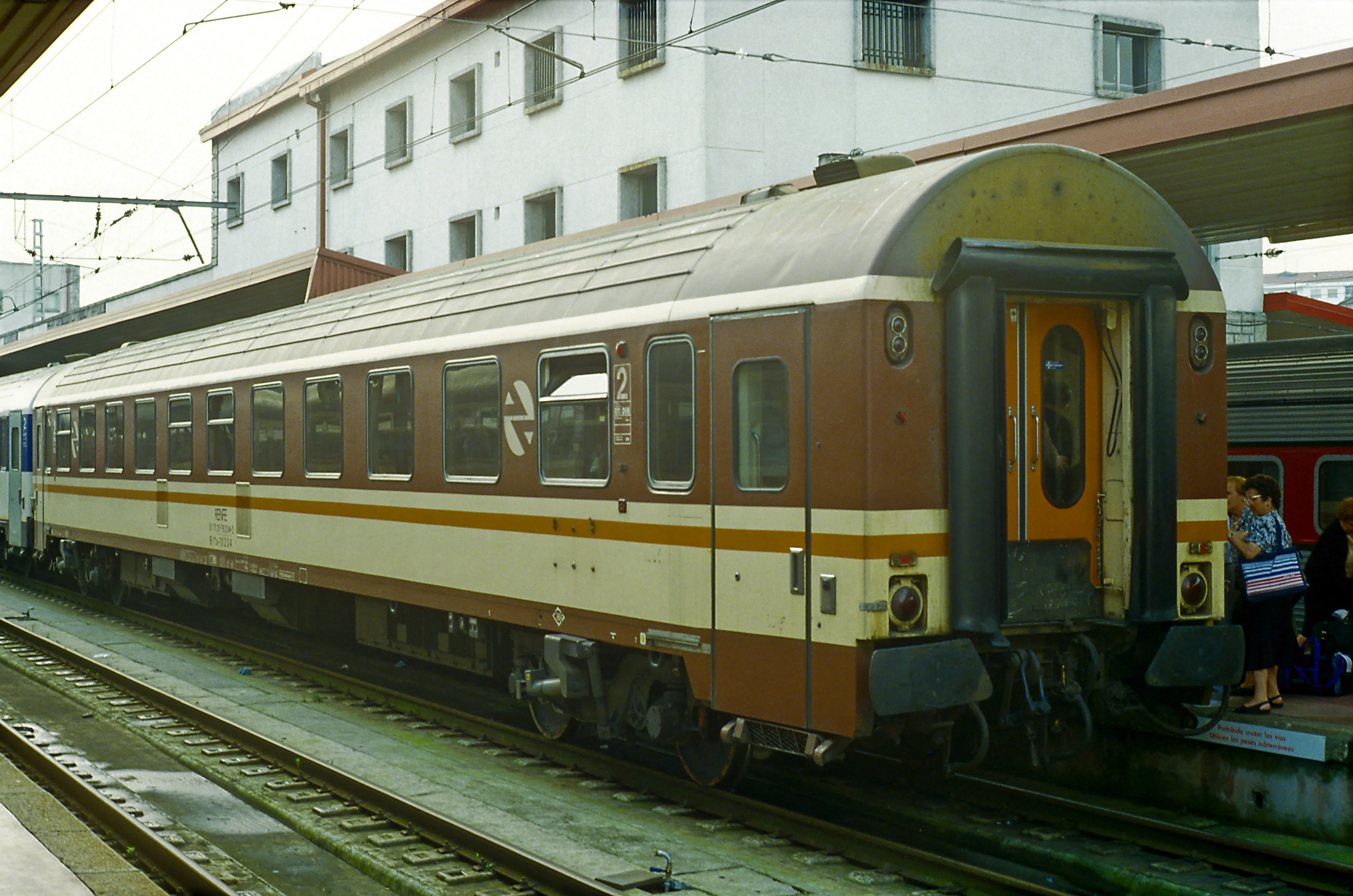
Irún
Entrance to the Way of St James on the Cantabrian coast. Irún, at the border with France, is the start of the North Way and the Vasco-Interior Way.
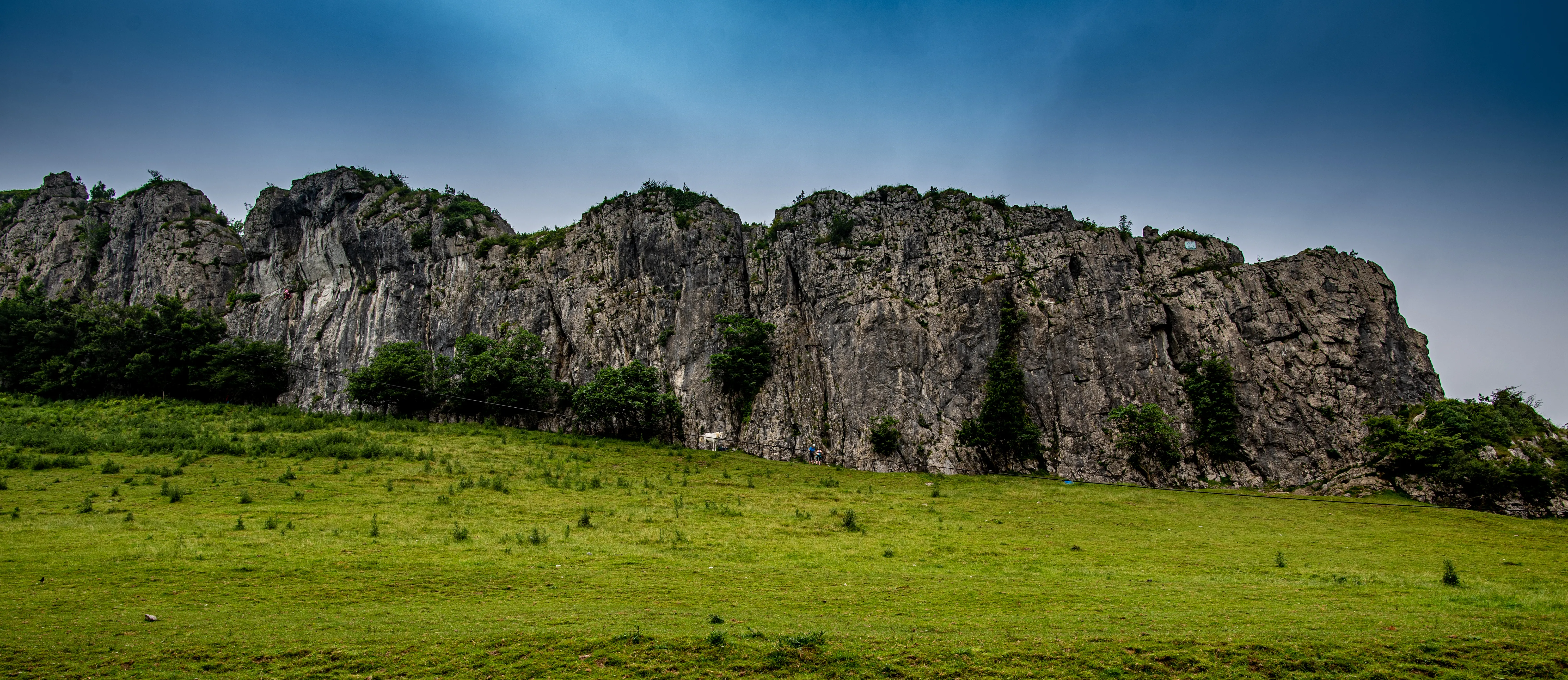
Hernani
Guipuzcoan villa at the gates of San Sebastian, on the Basque Country's interior route. Famous for its cider bars, it offers pilgrims an authentic experience of Basque culture.
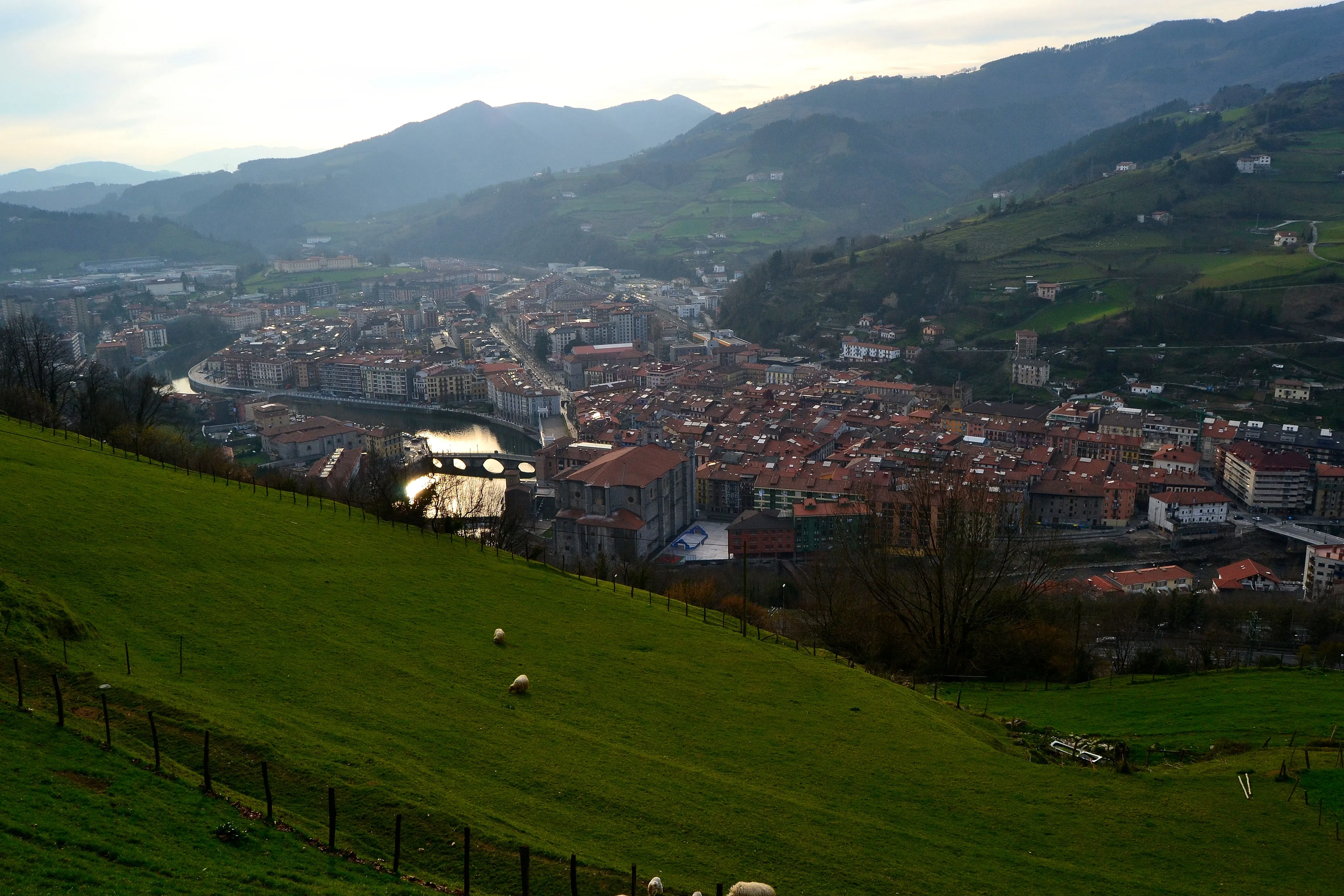
Tolosa
Historic village in the heart of Gipuzkoa and a key stop on the Vasco-Interior Route. Famous for its market, beans, and sweet atmosphere along the Jacobean route.
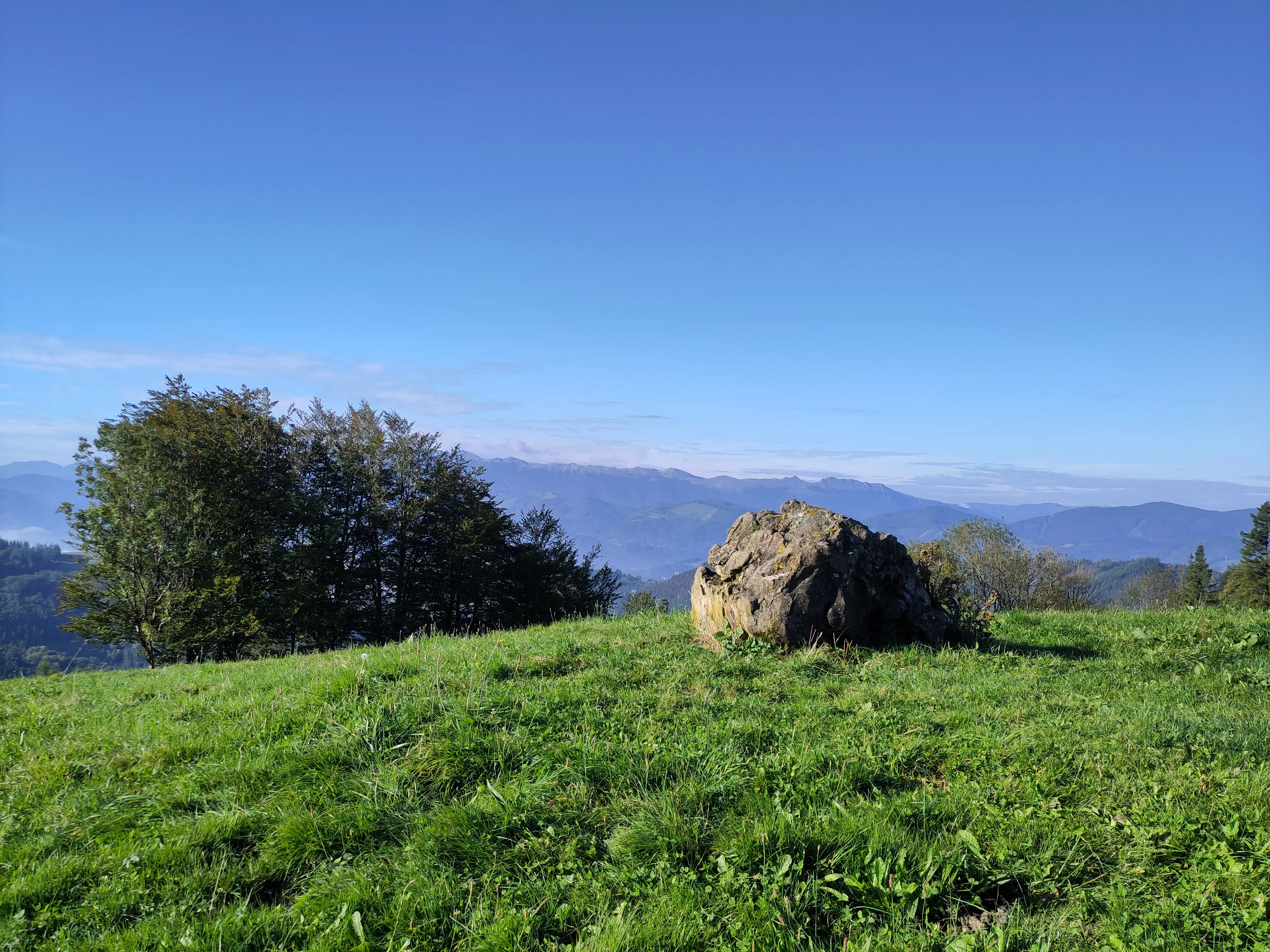
Beasain
150 mHeart of Industrial Gipuzkoa. Beasain, in the Oria valley, is an important service center and a functional stop on the Vasco-Internal Route, with a large local atmosphere.
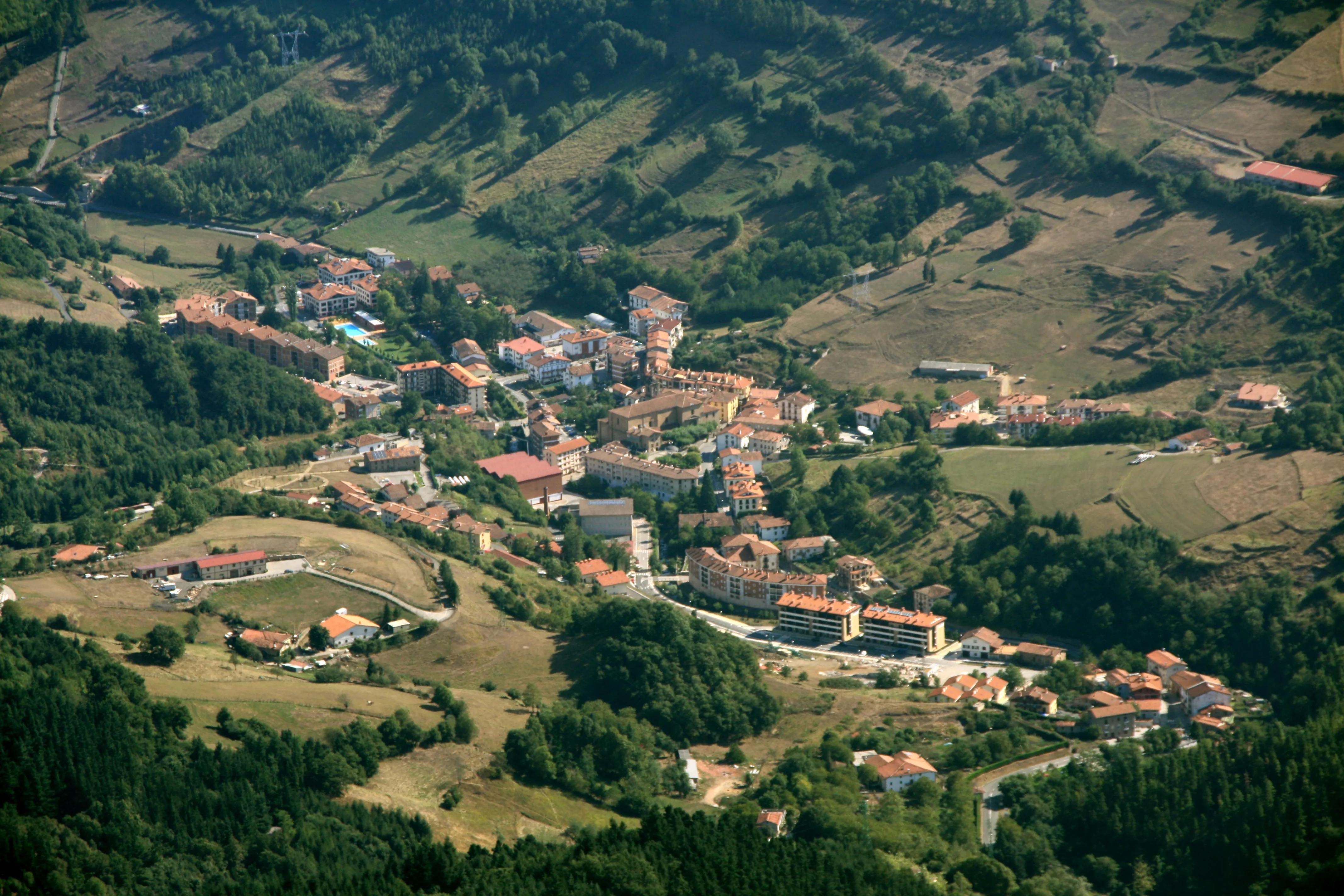
Zegama
Heart of trail running in the Basque Country. Zegama, in the Aizkorri-Aratz Natural Park, is a paradise for mountain lovers and an stage of the Vasco-Interior Way.
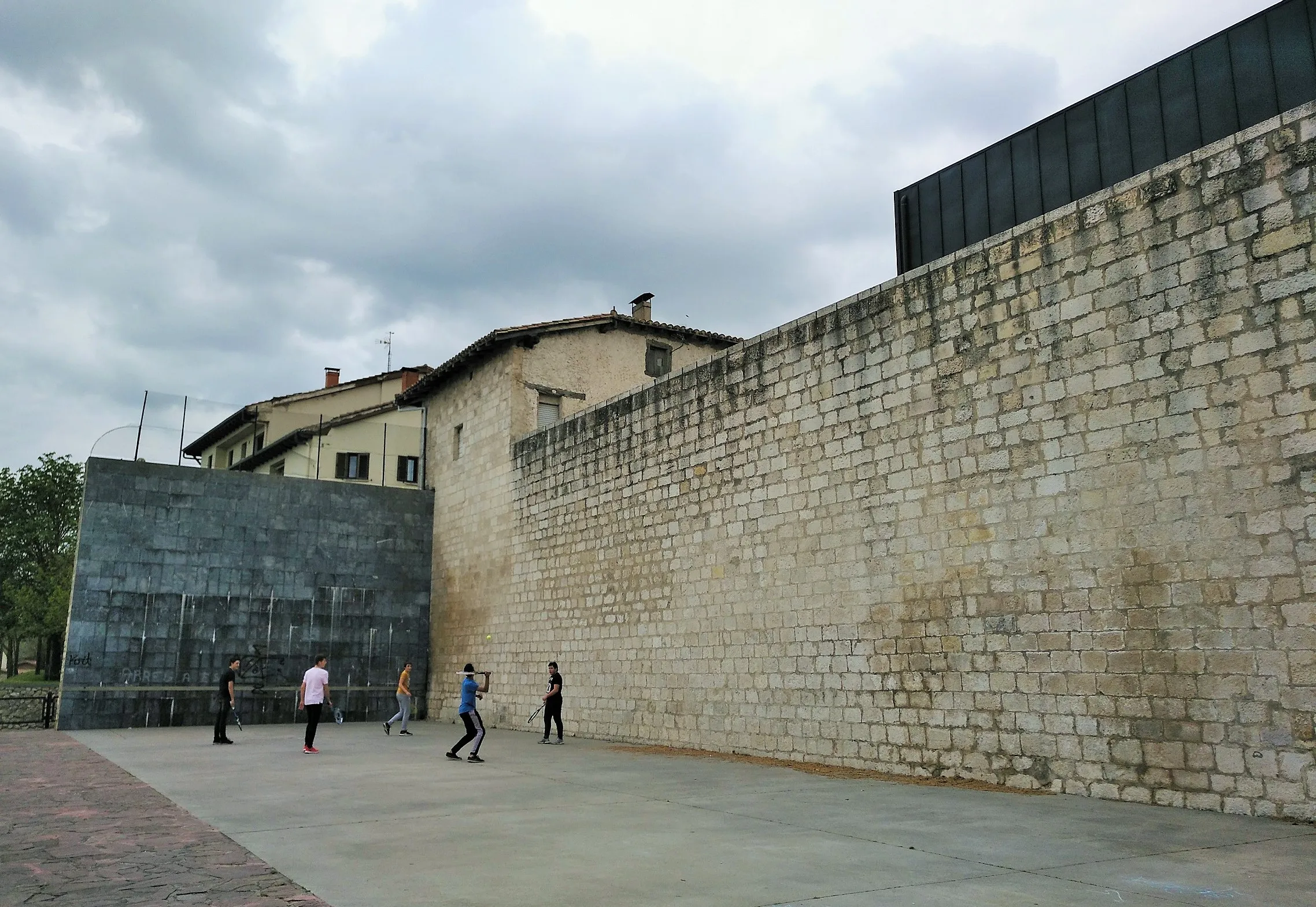
Salvatierra / Agurain
Medieval village in the heart of the Alava Lowlands. Agurain/Salvatierra, with its historic walled town centre, is a monumental stop on the Vasco-Internal Way.
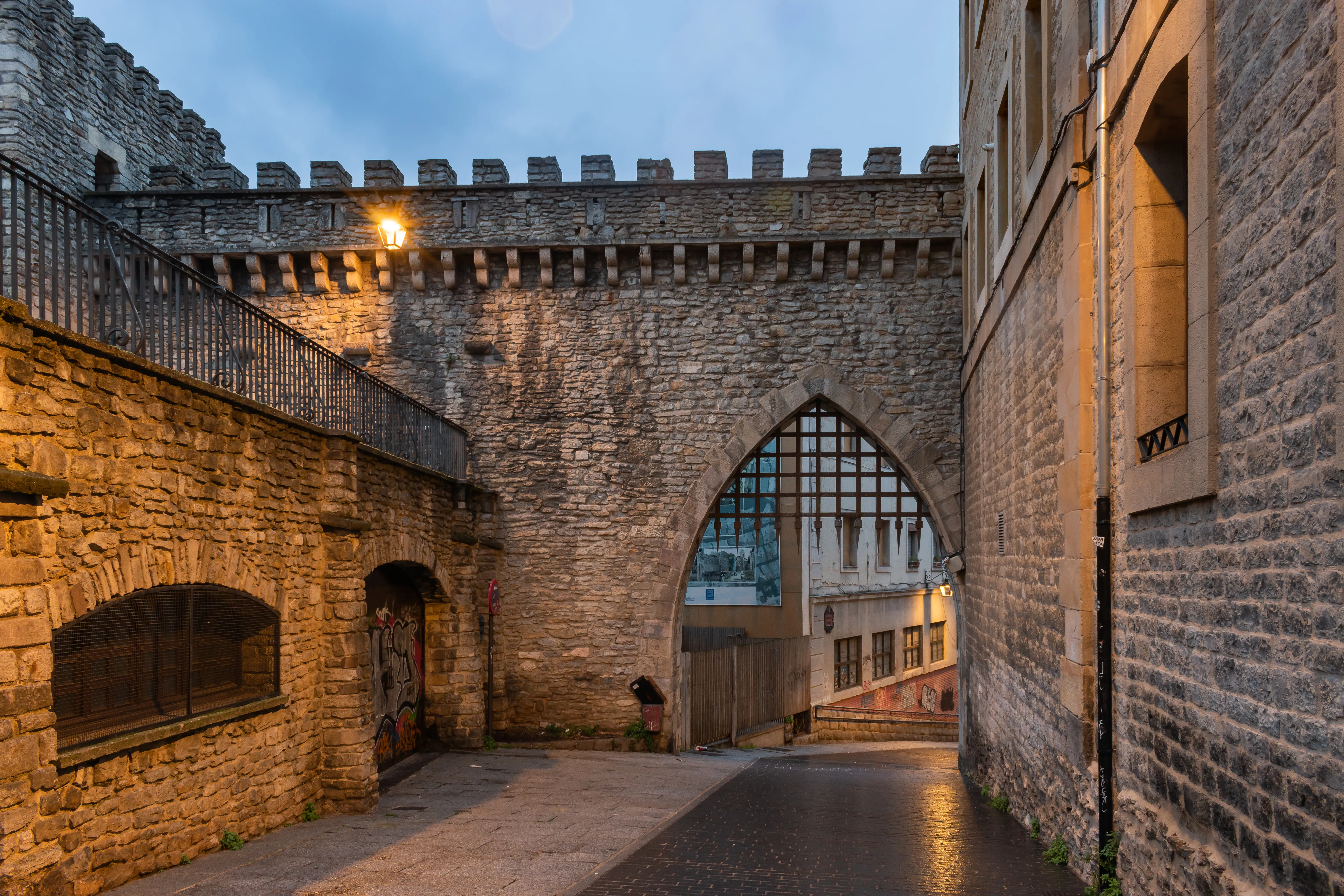
Vitoria-Gasteiz
Capital of the Basque Country and "Green Capital" of Europe, Vitoria-Gasteiz offers a pilgrim on the Vasco Interior Way a medieval quarter with charm and a well-deserved rest in a green city.
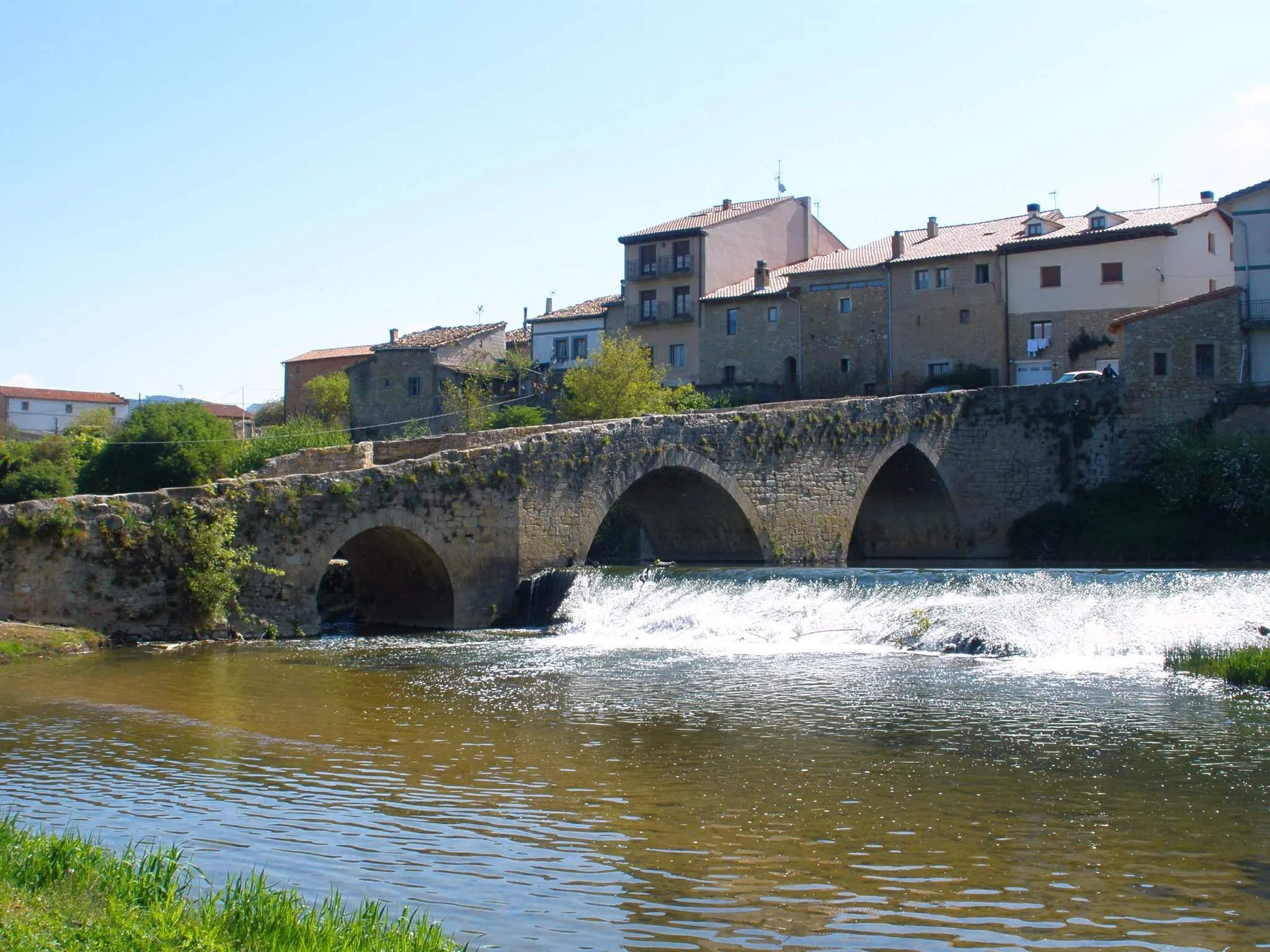
La Puebla de Arganzón
Historic walled town, a enclave of Burgos within Álava. It is a singular stop on the Vasco-Interior Way, with a rich medieval heritage and a Roman bridge.
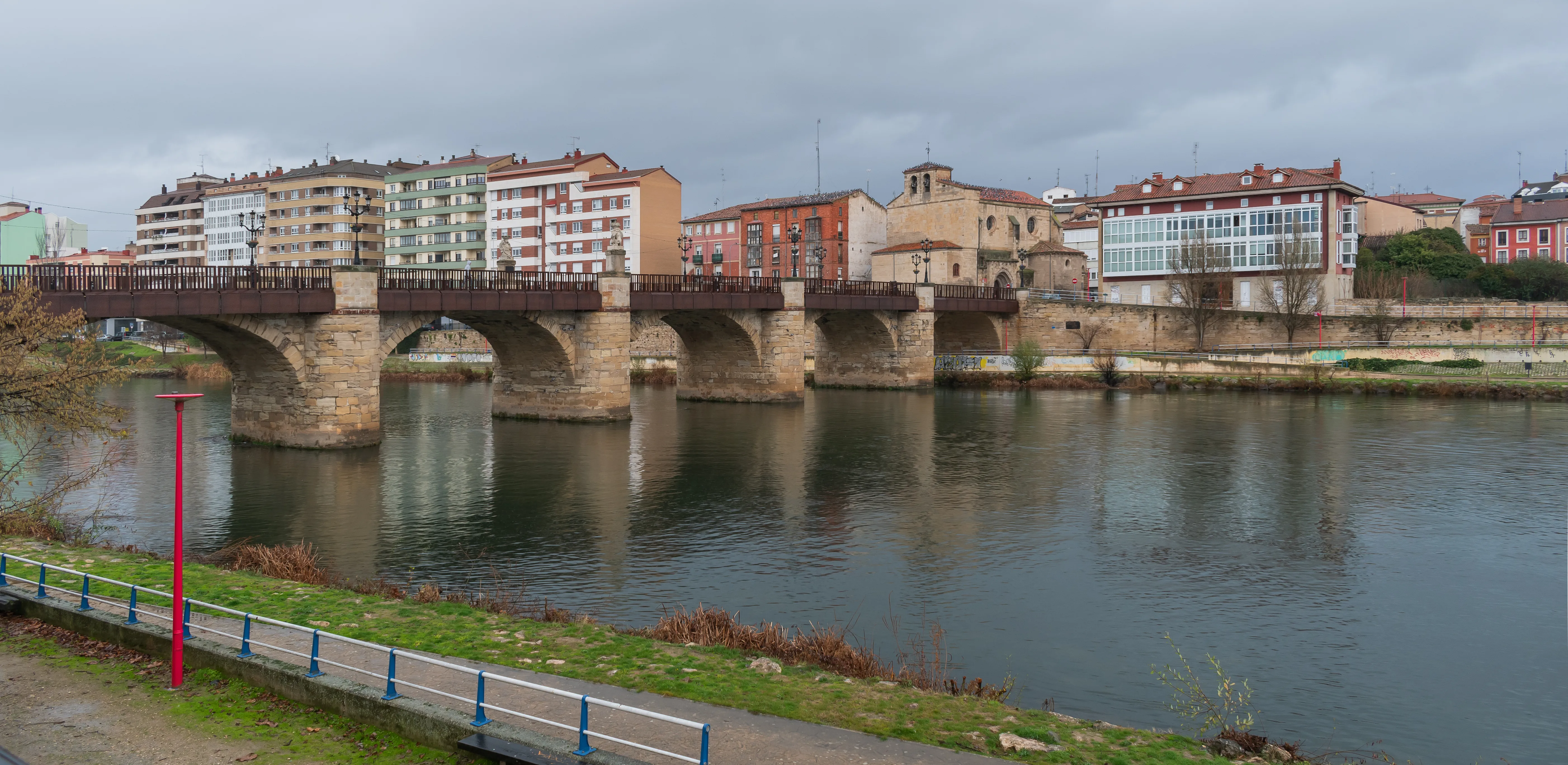
Miranda de Ebro
Important communication node on the Vasco-Interior Route. Miranda de Ebro, by the Ebro River, is a functional stop with all services before reaching Burgos.
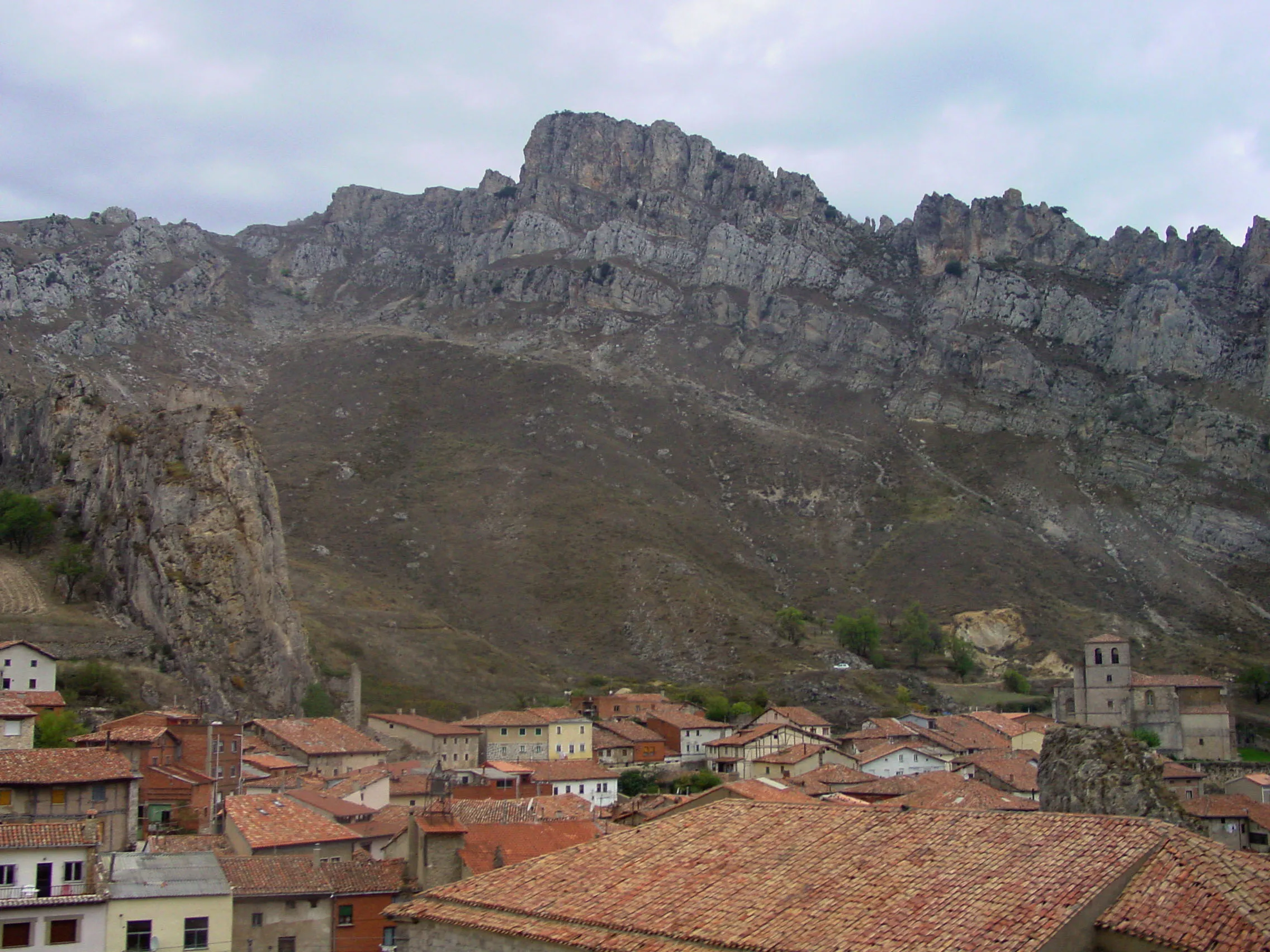
Pancorbo
Spectacular gorge and entrance to the Castilian tableland on the Via de Bayona. A geographical landmark of great beauty and a challenge for the pilgrim in Burgos' territory.
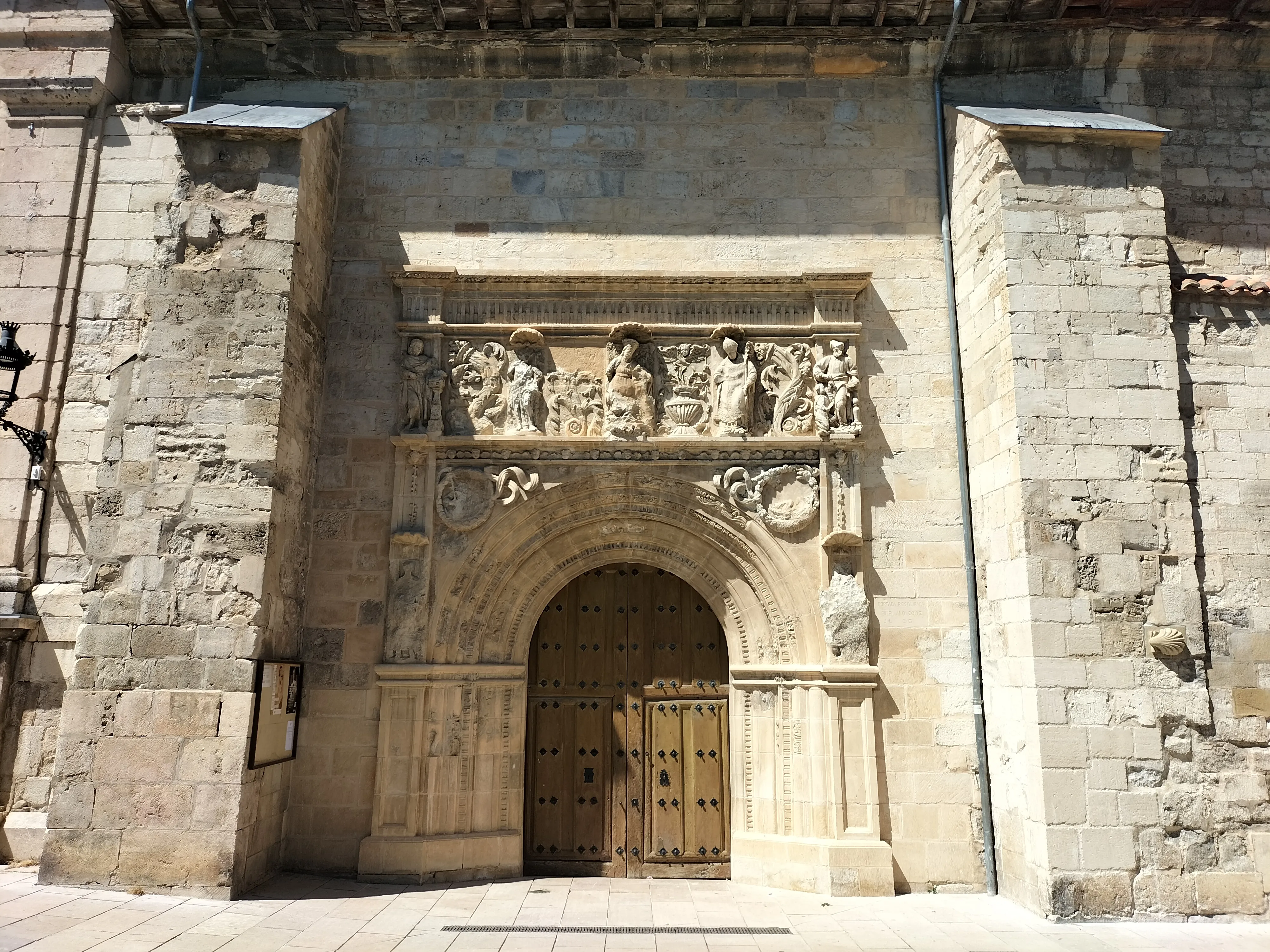
Briviesca
Capital of the La Bureba region in Burgos. Briviesca is an important service centre with a beautiful Main Square, a functional and pleasant stop on the Jacobean routes.
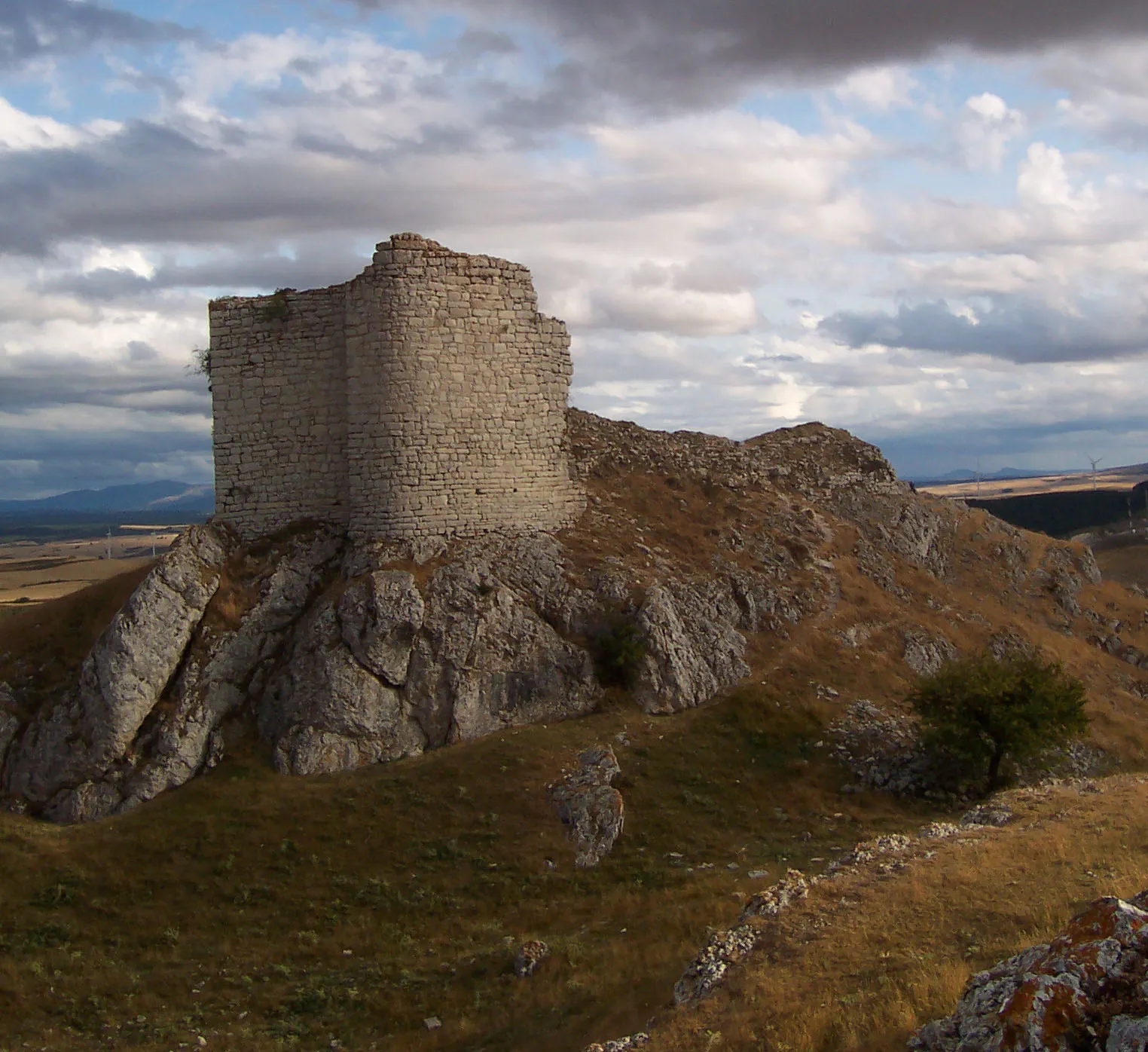
Monasterio de Rodilla
Small Basque town with a monastic past. The Monastery of Rodilla, nestled at the foot of a hill, is a peaceful stop for pilgrims seeking the essence of rural Castile.
History of Basque Interior Way
Between the 10th and 13th centuries, in the midst of the fervor of pilgrimages and with much of the peninsula under Muslim control, security was the top priority. The Vasco-Interior offered an itinerary that passed through territories firmly controlled by Christian kingdoms of Pamplona and Castile. Starting from the border in Irún, it ventured into Guipúzcoa, avoiding the coast —still exposed to possible Norman attacks— and seeking protection in the interior valleys and mountains.
The most iconic and defining element of this route is the Tunnel of San Adrián. This is not an artificial tunnel but a natural cave that pierces the limestone crest of the Aizkorri mountain range. Used as a passage since prehistory, during the Middle Ages it was adapted with a stone-paved road and housed an hermitage dedicated to Saint Adrian, offering physical and spiritual refuge. For the medieval pilgrim coming from the plains of France, crossing this dark and damp cave to emerge on the southern slope of the mountain range in the Álava plains must have been an overwhelming experience, a rite of passage, a baptism in the Spanish land. Kings such as Sancho III the Greater of Navarre and Alfonso VIII of Castile understood its strategic value and protected it, turning it into a fundamental route not only for pilgrims but also for trade and troop movement.
Once past the tunnel of San Adrián, the path descended to the Alavesa Llanada, a wide and fertile plain. The city of Vitoria-Gasteiz, founded in 1181 by King Sancho VI of Navarre on an ancient village, became a fundamental milestone, a place of rest and replenishment before continuing the journey. The route continued south, crossing the Vitorian Mountains and crossing the Ebro River at strategic points such as Miranda de Ebro or Haro's Conchas, to enter Castilian or Riojan territories.
The final goal was to connect with the great artery of the Camino Francés. Depending on the variant, the connection occurred in Burgos, one of the capitals of the Camino, or in Santo Domingo de la Calzada, in La Rioja. From the 13th century onwards, the route of Roncesvalles, somewhat less demanding and with greater institutional support, was gaining ground and channeling most of the pilgrim flow. The Vasco-Interior Way saw a decrease in international traffic but never abandoned it, maintaining its regional importance.
The modern revival of this itinerary has rescued one of the most fascinating pages of Jacobean history. Today, it offers the pilgrim an extremely demanding route, with extraordinary landscape beauty and monumental heritage of first order. Walking on the Vasco-Interior Way is following in the footsteps of the first European pilgrims and understanding how faith and strategy came together to draw a secure path through the mountains.
Accommodations on the Route
The Basque Interior Way has 181 verified accommodations along the entire route.
View Stages & AccommodationsPractical Tips for Basque Interior Way
Best Season
Spring (April-June) and autumn (September-October) are the best seasons. Pleasant temperatures and fewer crowds than summer.
Physical Preparation
Train by walking progressively in the months before. Start with short distances and increase. Your body will adapt to the rhythm of the Camino.
What to Pack
Light backpack (max 10% of your weight), worn trekking shoes, breathable technical clothing, raincoat, sunscreen and basic first aid kit.
General Tips
Carry the pilgrim credential, stay hydrated, respect your pace, book accommodation in high season and enjoy the journey without rushing.
FAQ about Basque Interior Way
El Camino Vasco del Interior, gestionado por Ourway Travel, tiene una distancia total de 257.2 km y se recomienda completarlo en aproximadamente 12 días.
Ourway ofrece el Camino Vasco del Interior como una ruta de media dificultad, que incluye caminatas a través del corazón del País Vasco y La Rioja.
La temporada media, especialmente mayo o septiembre, es considerada la mejor época para realizar el Camino Vasco del Interior. Ofrece un clima agradable y una afluencia moderada de peregrinos.
El paquete de Ourway Travel para el Camino Vasco del Interior incluye servicios como reserva de alojamientos, información detallada sobre la ruta y asistencia al viajero durante todo el recorrido.
Para reservar el Camino Vasco del Interior con Ourway, puedes visitar nuestro sitio web donde encontrarás opciones para completar tu reserva de forma rápida y segura. También ofrecemos asesoramiento personalizado por teléfono.
El Camino Vasco del Interior es una opción única que ofrece una rica experiencia cultural y histórica en la región interior de Euskadi y La Rioja, destacándose por su belleza natural y sus albergues tradicionales, a diferencia de las costeras alternativas como el Camino del Norte.
El Camino Vasco del Interior, ofrecido por Ourway Travel, es una excelente opción para iniciar tu camino desde Irún. Proporciona un recorrido tranquilo a través de paisajes únicos y ofrece un contacto cercano con la cultura vasca.
Para obtener tu credencial peregrina para el Camino Vasco del Interior, puedes visitar cualquier oficina de turismo o albergue municipal en Irún. Ourway Travel también puede ayudarte a gestionarlo antes de tu partida.
Related Routes
Ready for this adventure?
Let us organize your pilgrimage. We take care of accommodations, transfers and everything you need.