
Complete Guide to Bayonne Way
The Way of Bayonne is a historic Jacobean route from Bayonne (France) to Burgos. It passes through the Basque Country and La Rioja, serving as an alternative internal route to connect with the French Way.
Last updated: 28/03/2026
Table of Contents
Technical Summary of Bayonne Way
286.2 km
Distance
12
days
13
Stages
Media
Difficulty
203 accommodations available on the route
Introduction to Bayonne Way
It offers a rich experience in history and culture, traversing varied landscapes. Although it sometimes overlaps or gets confused with the Vasco Interior Way, the Via de Bayona has its own identity as a connection route from France to the heart of the Way of St. Francis.
All Stages of Bayonne Way
Complete route divided into 13 stages
Byron to Durham
This long stage is the last of the English Way. The route is a continuous up and down through rural Galicia, which becomes more urban towards its final stretch. The profile is demanding, but the excit...
Run to Hernani
The first stage of the Vasco-Interior Way is an demanding day that ventures into Guipuzcoan mountains. The route leaves the coast to ascend over a broken terrain with steep slopes. The route passes th...
Hernani to Toulouse
This stage continues through the heart of Gipuzkoa, in a medium mountain terrain. The profile is a continuous "rocky slope", with constant ups and downs through a landscape of valleys and hills. The r...
Toledo to Vitoria-Gasteiz
This stage enters the heart of rural Guipuzcoa, the Goierri region's comarca. The profile is demanding, a continuous rise and fall through a mountain landscape of great beauty. The route passes throug...
Beausoleil a Zegama
This is the queen stage of the Vasco-Interior Camino, an impressive mountain traverse that crosses the Aizkorri Mountains. The path ascends along an ancient Roman road to the San Adrián Tunnel, a natu...
Zaragoza to Salamanca/Agallas
After the ruggedness of the mountain, this stage is an enjoyable stroll through the Llanada Alavesa. The profile is completely flat and runs through a landscape of fields of cultivation. It's a comfor...
Salvatilla/Vitoria-Gasteiz
This stage takes the pilgrim out of the Alavesa capital to immerse him in a landscape of hills and forests. The profile is undulating, with an initial ascent to leave the plain. The route crosses the ...
Vitoria/Gasteiz to La Puebla de Arganzón
This stage enters the heart of Treviño County on a terrain of gentle undulations. The landscape is a mosaic of cultivated fields and small forests. It's a transition day that brings the pilgrim to an ...
Puebla of Arganzón to Miranda de Ebro
This long stage connects the Vasco-Interior Way with the French Way. The route is demanding, with a broken profile that crosses the Obarenes Mountains. It's a day of great beauty and solitude, which u...
Miranda de Ebro to Pancorbo
Pancorbo to Briviesca
Briviesca to Monastery of Rodilla
Monastery of Rodilla to Burgos
Key Towns of Bayonne Way
The most important towns and cities on this route.
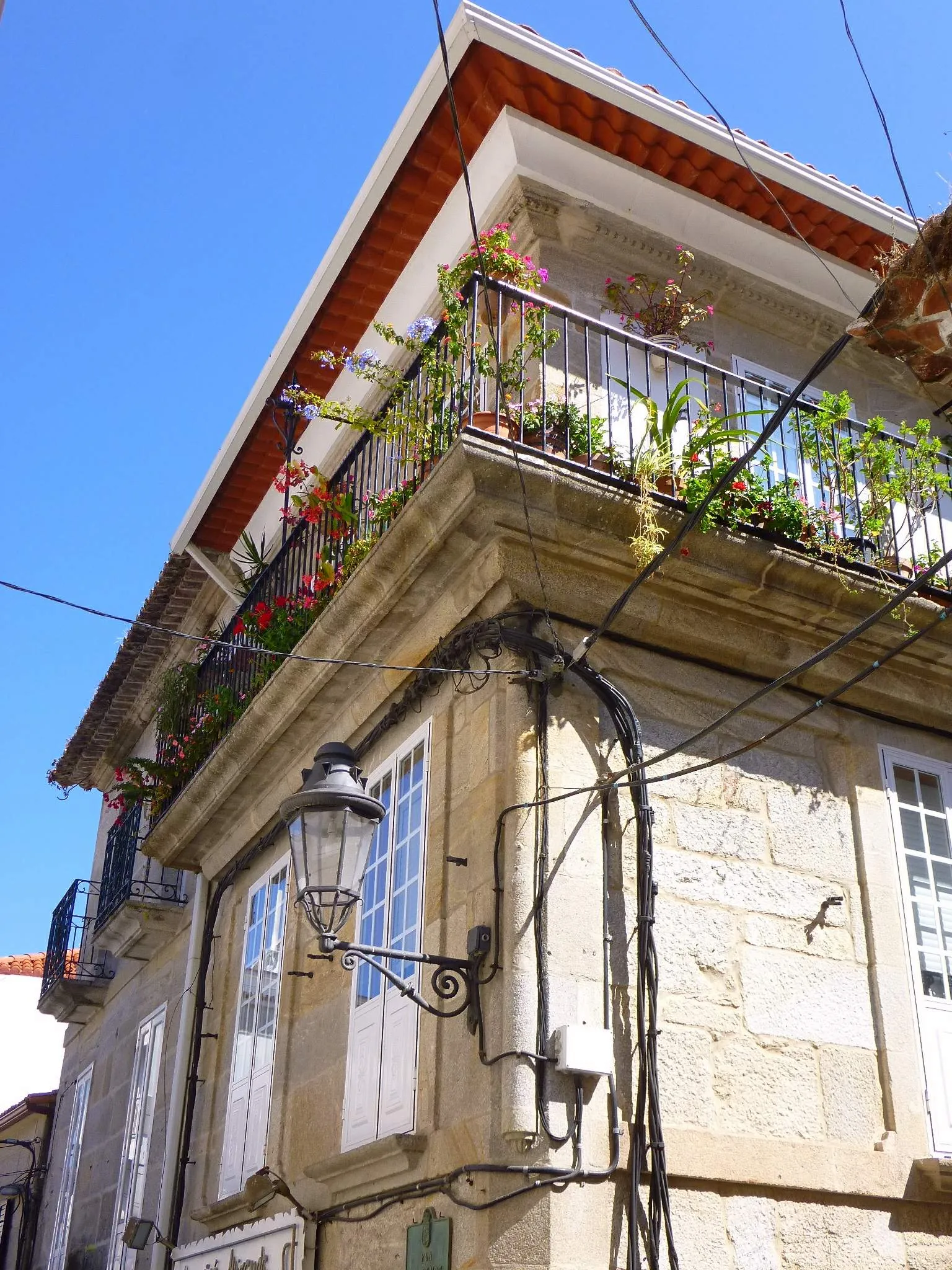
Bayona
Beautiful French Basque capital and crossroads of Jacobean routes. Bayonne is the starting point of the Via Bayonnaise and the Baztan Way, a charming route's beginning.
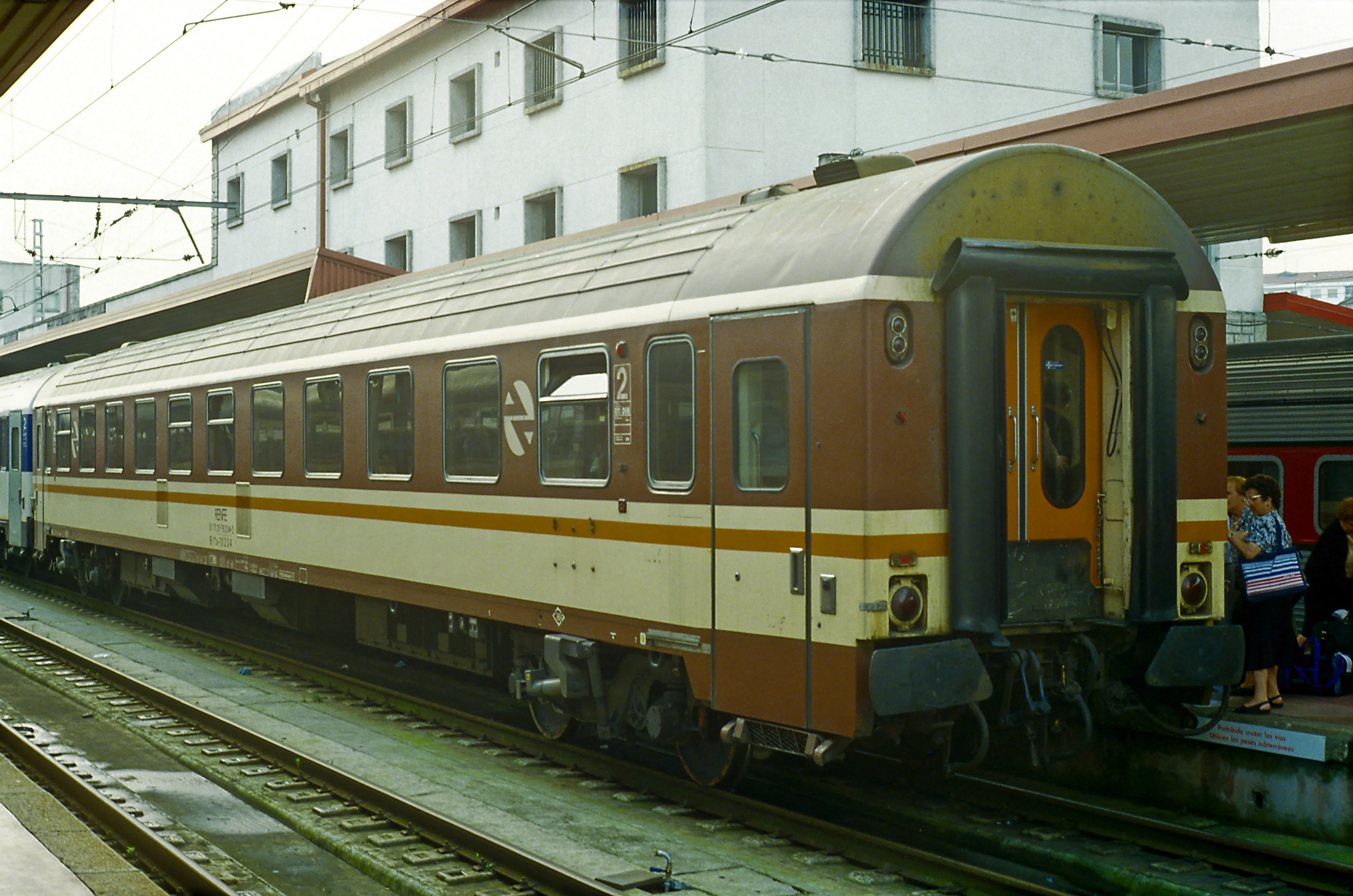
Irún
Entrance to the Way of St James on the Cantabrian coast. Irún, at the border with France, is the start of the North Way and the Vasco-Interior Way.
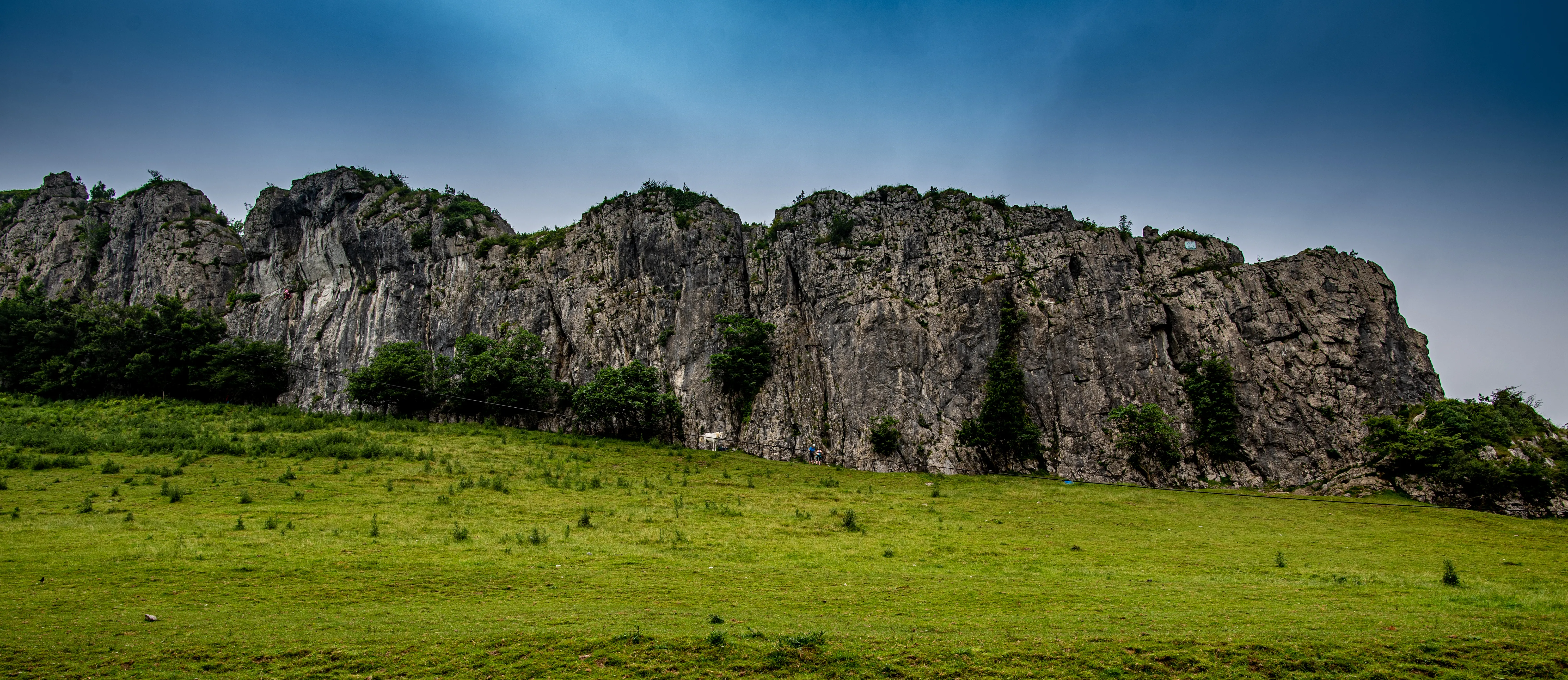
Hernani
Guipuzcoan villa at the gates of San Sebastian, on the Basque Country's interior route. Famous for its cider bars, it offers pilgrims an authentic experience of Basque culture.
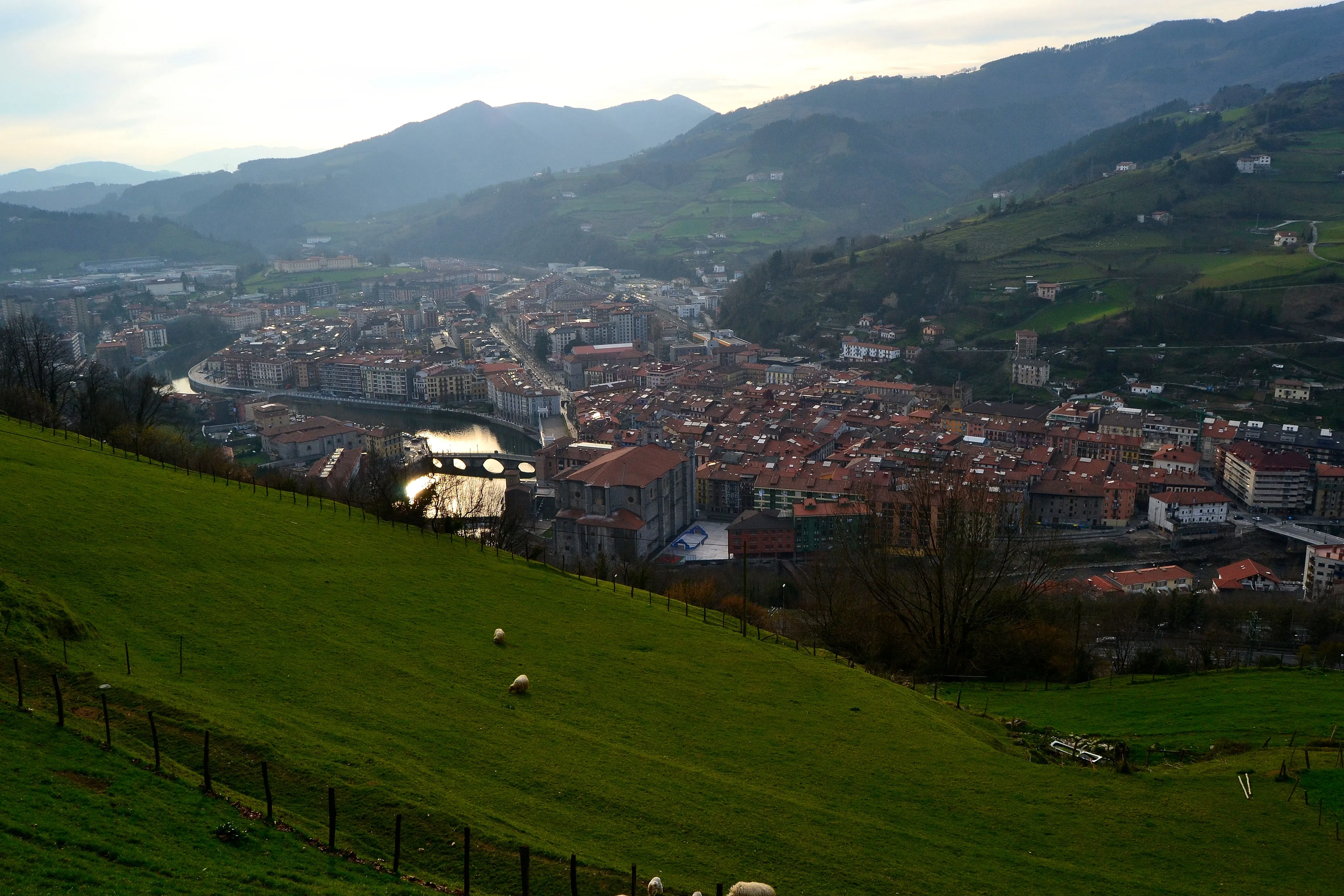
Tolosa
Historic village in the heart of Gipuzkoa and a key stop on the Vasco-Interior Route. Famous for its market, beans, and sweet atmosphere along the Jacobean route.
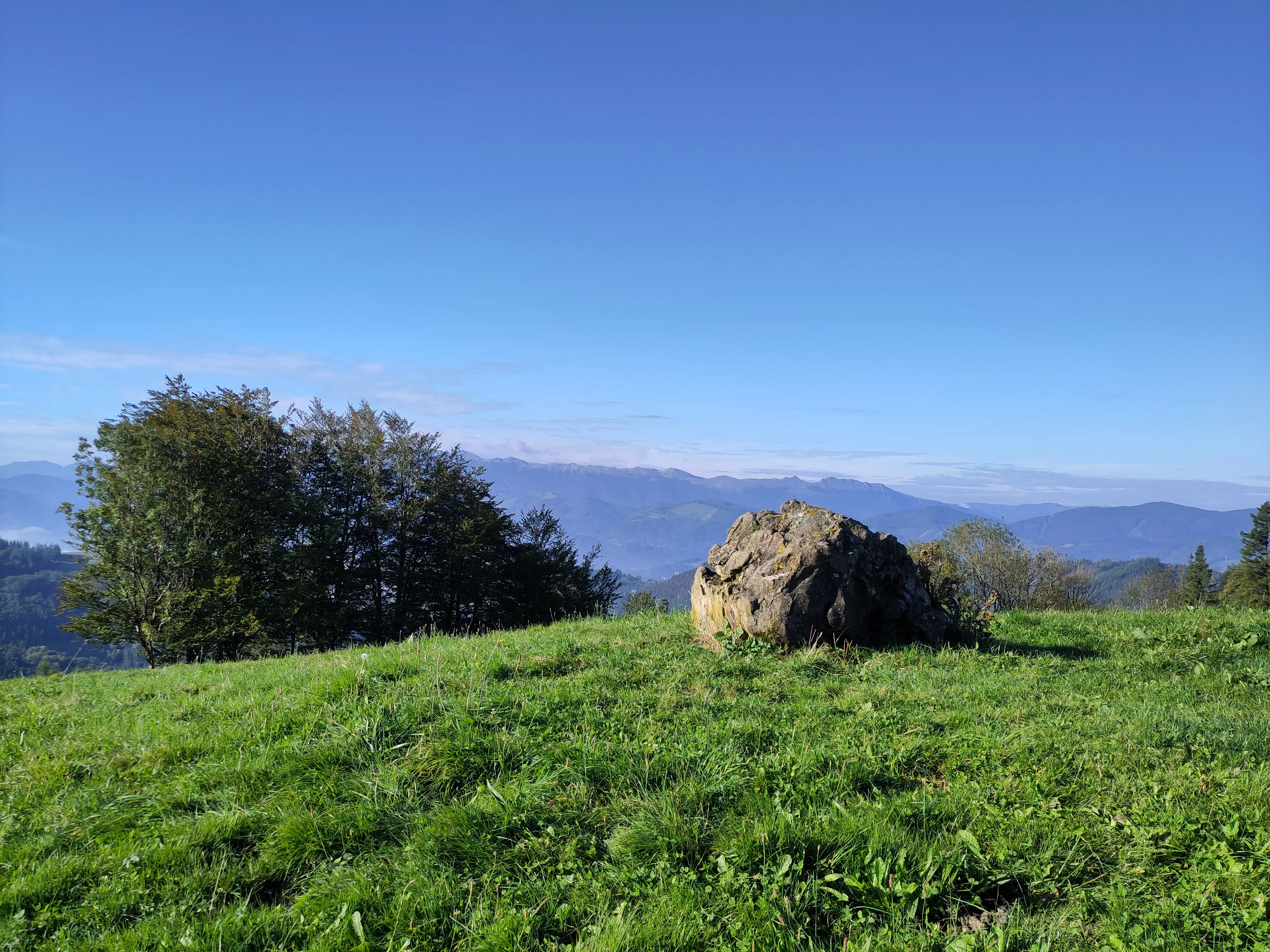
Beasain
150 mHeart of Industrial Gipuzkoa. Beasain, in the Oria valley, is an important service center and a functional stop on the Vasco-Internal Route, with a large local atmosphere.
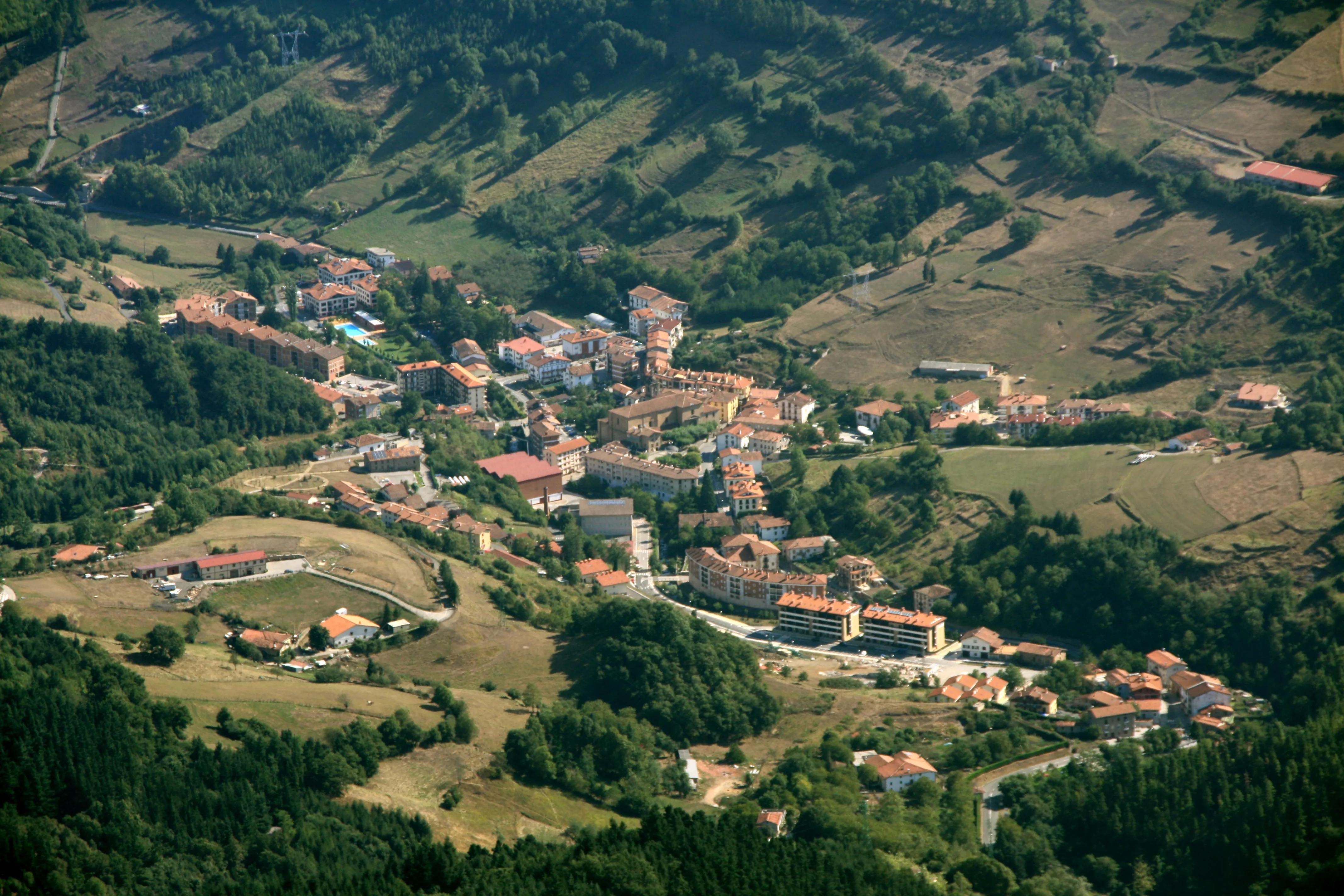
Zegama
Heart of trail running in the Basque Country. Zegama, in the Aizkorri-Aratz Natural Park, is a paradise for mountain lovers and an stage of the Vasco-Interior Way.
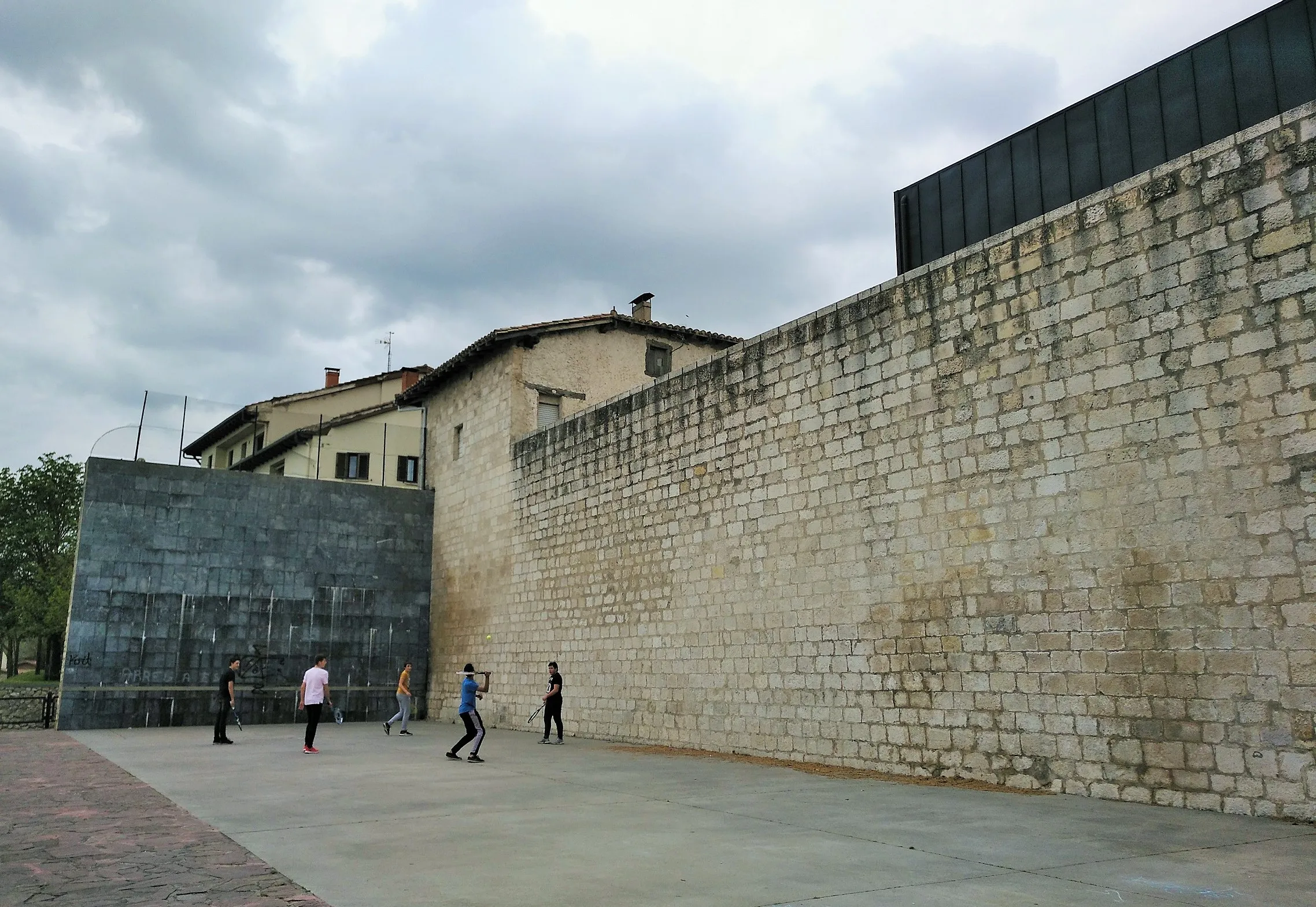
Salvatierra / Agurain
Medieval village in the heart of the Alava Lowlands. Agurain/Salvatierra, with its historic walled town centre, is a monumental stop on the Vasco-Internal Way.
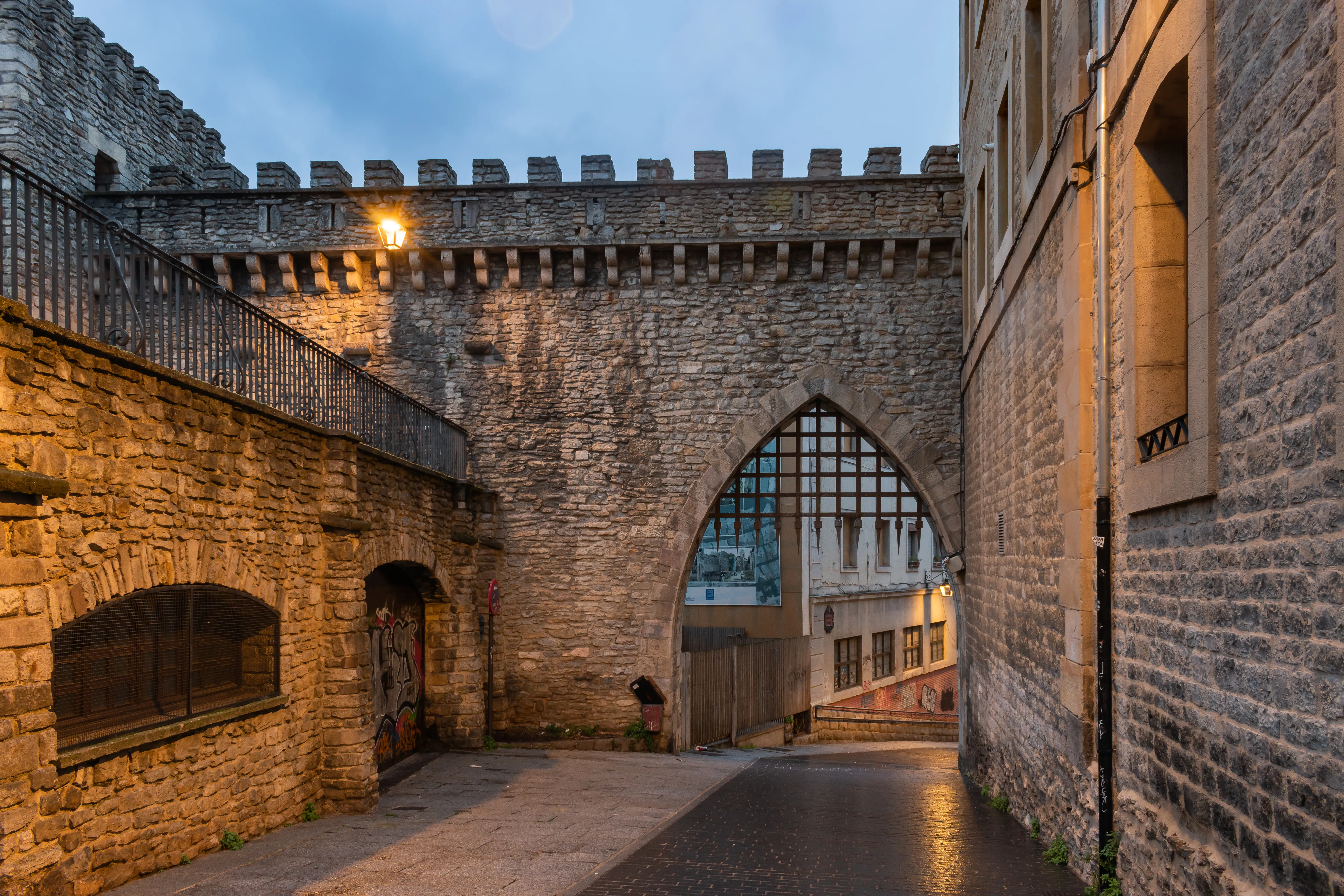
Vitoria-Gasteiz
Capital of the Basque Country and "Green Capital" of Europe, Vitoria-Gasteiz offers a pilgrim on the Vasco Interior Way a medieval quarter with charm and a well-deserved rest in a green city.
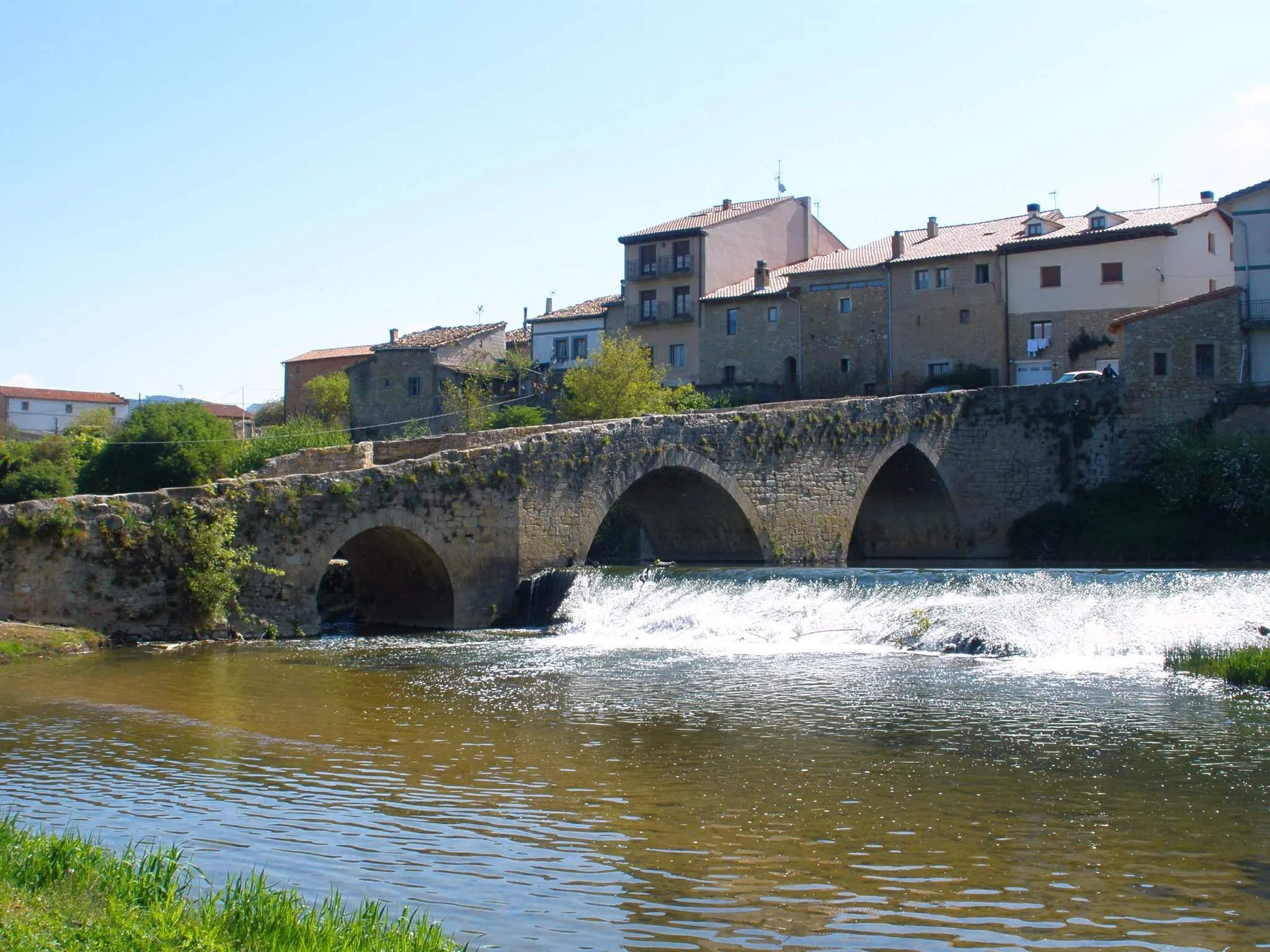
La Puebla de Arganzón
Historic walled town, a enclave of Burgos within Álava. It is a singular stop on the Vasco-Interior Way, with a rich medieval heritage and a Roman bridge.
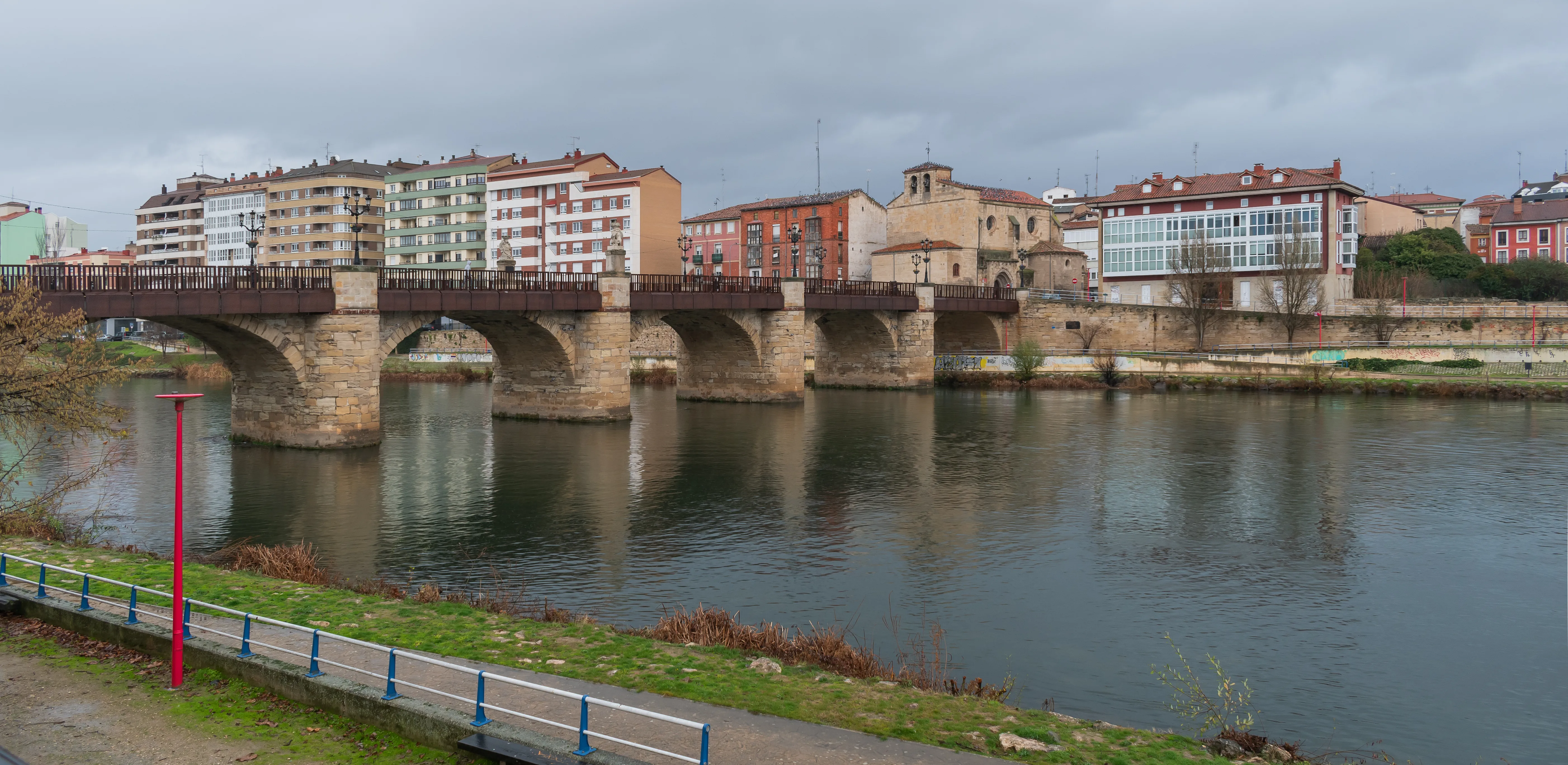
Miranda de Ebro
Important communication node on the Vasco-Interior Route. Miranda de Ebro, by the Ebro River, is a functional stop with all services before reaching Burgos.
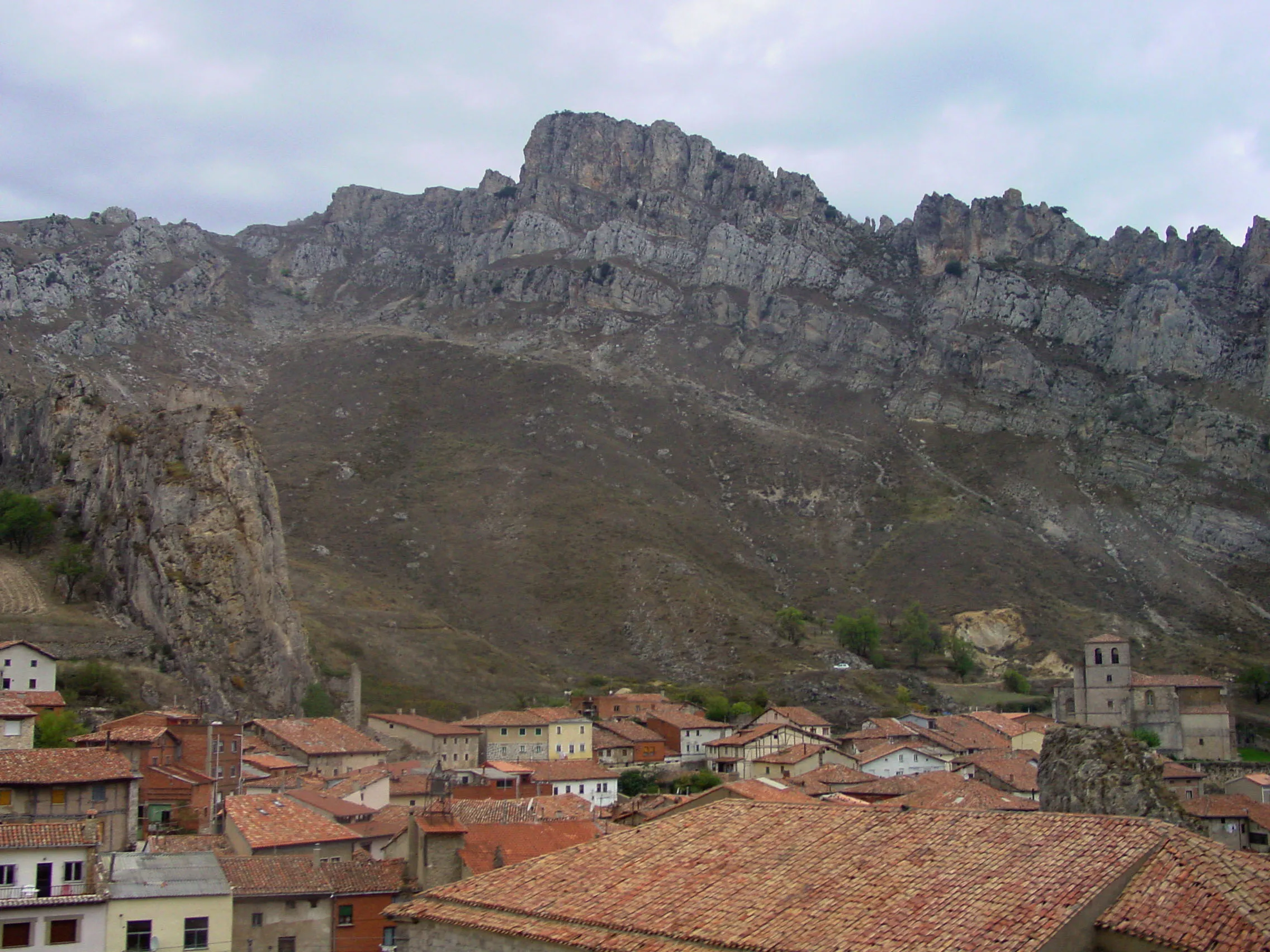
Pancorbo
Spectacular gorge and entrance to the Castilian tableland on the Via de Bayona. A geographical landmark of great beauty and a challenge for the pilgrim in Burgos' territory.
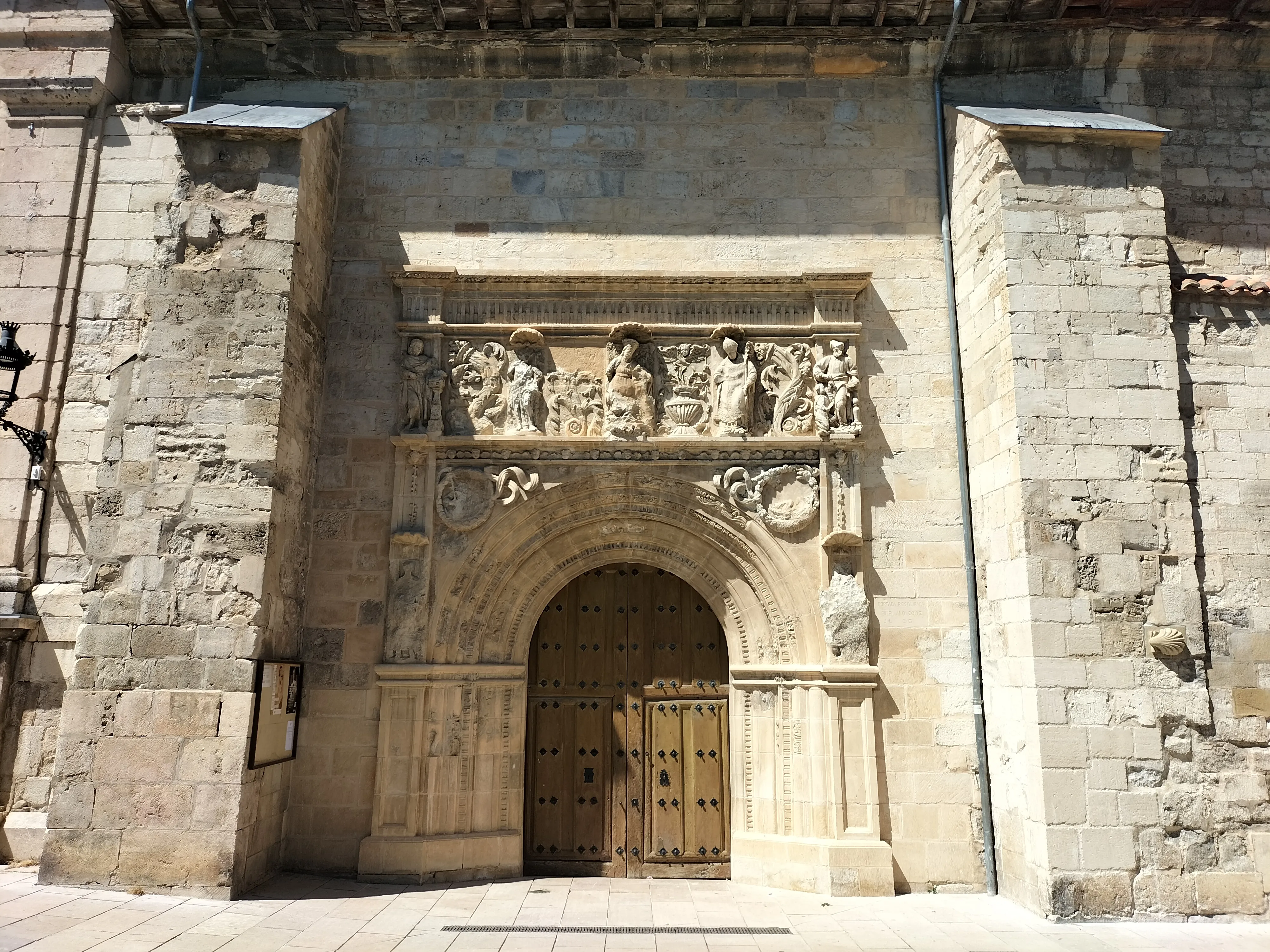
Briviesca
Capital of the La Bureba region in Burgos. Briviesca is an important service centre with a beautiful Main Square, a functional and pleasant stop on the Jacobean routes.
History of Bayonne Way
The city of Bayonne, situated strategically at the confluence of the Nive and Adour rivers, a few kilometers from the Cantabrian Sea, was in medieval times a prosperous commercial port and an important fortified town. For pilgrims coming from the vast Aquitania region as well as those descending along the French Atlantic coast, Bayonne was a natural meeting point and the last major urban center before facing the challenge of crossing the Pyrenean mountain range. From here, the route headed south, crossing the border via the Bidasoa River in Irún to begin its journey through Spanish territories.
Once in the peninsula, the Way of Bayonne followed the same corridor as the Vasco Interior Route, delving into Guipúzcoa mountains to seek the passage-saving tunnel of San Adrián. This natural tunnel in the Aizkorri mountain range, used since prehistory, was the key to its success. It offered a lower and more sheltered route than other alternatives, making it transitable throughout the year. The cobblestone road and the hermitage inside, added to the protection of Navarra and Castile kings, made it the preferred option for many during the 11th and 12th centuries.
The journey continued through the Alavesa Plain, with Vitoria-Gasteiz as the main milestone, and from there headed south to cross the Ebro. The destination of Way of Bayonne pilgrims was to connect with the Camino Francés. The most direct and monumental connection was in Burgos. Reaching Burgos was not a minor matter; it was achieving the great "capital" of the Camino in Castile, a city endowed with an immense cathedral, a famous pilgrim hospital (the Hospital del Rey), and all the services a medieval traveler might need. The convergence in Burgos allowed Way of Bayonne pilgrims to join the main flow at its peak.
Other variants of the route sought to connect with Camino Francés in La Rioja, in towns like Santo Domingo de la Calzada, another of the great milestones of pilgrimage. The Way of Bayonne was therefore a route with multiple possibilities but with a clear objective: safely and efficiently crossing the Pyrenees to join the large route towards Compostela.
With the consolidation of Roncesvalles as the main entry point for Camino Francés, the Way of Bayonne gradually lost its international prominence, although it continued to be used. Its modern revival, marked as GR 655 in France and following the yellow arrows in Spain, has revitalized this historical itinerary. Today, it offers pilgrims the opportunity to follow one of the oldest and most authentic routes, a journey through Basque culture, spectacular landscapes, and a history that shaped European pilgrimage development.
Accommodations on the Route
The Bayonne Way has 203 verified accommodations along the entire route.
View Stages & AccommodationsPractical Tips for Bayonne Way
Best Season
Spring (April-June) and autumn (September-October) are the best seasons. Pleasant temperatures and fewer crowds than summer.
Physical Preparation
Train by walking progressively in the months before. Start with short distances and increase. Your body will adapt to the rhythm of the Camino.
What to Pack
Light backpack (max 10% of your weight), worn trekking shoes, breathable technical clothing, raincoat, sunscreen and basic first aid kit.
General Tips
Carry the pilgrim credential, stay hydrated, respect your pace, book accommodation in high season and enjoy the journey without rushing.
FAQ about Bayonne Way
La Vía de Bayona tiene una distancia total aproximada de 286 km y se estima que requiere unos 12 días de caminata. Ofrece un desafío moderado a los peregrinos, con paisajes variados en el País Vasco y La Rioja.
La mejor época para emprender este viaje es durante las temporadas media, específicamente en abril-junio o septiembre-octubre. Durante estos meses, se disfruta de un clima agradable y una afluencia moderada de peregrinos, lo que permite disfrutar plenamente del Camino sin excesivas multitudes.
Ourway Travel te ofrece una experiencia completa en tu viaje por la Vía de Bayona. Incluimos alojamientos previamente seleccionados, asesoramiento personalizado y seguros de viaje. Además, gestionamos todos los detalles logísticos para que puedas centrarte únicamente en disfrutar del camino.
Para reservar tu ruta por la Vía de Bayona con Ourway Travel, solo necesitas visitar nuestro sitio web y seleccionar el itinerario que prefieras. Nuestro equipo experto te guiará a través del proceso para asegurar que cada detalle esté perfectamente cubierto antes de tu partida.
La Vía de Bayona ofrece una alternativa interior al tradicional Camino Francés, pasando por el País Vasco y La Rioja. Ofrece un recorrido más tranquilo y con menos multitudes, permitiendo disfrutar plenamente de la cultura y la belleza natural de estas regiones. Además, esta ruta histórica tiene su propio encanto que la distingue del Camino Francés.
La Vía de Bayona y el Camino Vasco del Interior comparten trazados históricos, pero la Vía de Bayona pone énfasis en su origen francés desde Bayona. Aunque los itinerarios pueden solaparse, cada uno tiene su propia identidad y ofrece experiencias únicas que reflejan sus respectivas historias y paisajes.
Ourway Travel te facilita el viaje al ofrecerte el servicio de transporte de mochila. Esto significa que no tendrás que cargar tus pertenencias durante el camino, permitiéndote concentrarte plenamente en tu experiencia jacobea. Tu equipaje será llevado de un alojamiento a otro según el itinerario previsto.
Para obtener la credencial del peregrino en la Vía de Bayona, puedes solicitarla directamente en tu punto de partida o en las parroquias durante el camino. Nuestro equipo de Ourway Travel también puede ayudarte a asegurarte esta importante documentación para iniciar tu viaje con todas las formalidades cubiertas.
Related Routes
Ready for this adventure?
Let us organize your pilgrimage. We take care of accommodations, transfers and everything you need.