
Camino de Santiago
The Primitive Way
Embark on the Camino Primitivo, the first pilgrimage route to Santiago. A mountainous challenge from Oviedo with spectacular landscapes and a deep sense of history. Perfect for adventurers.
Organize your The Primitive WayLast updated: 21/05/2024
The Route
General Description of The Primitive Way
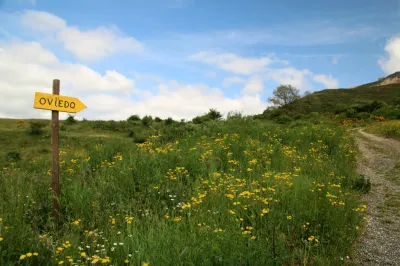
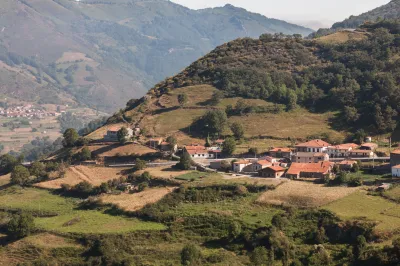
Known for its hardness due to constant inclines, but rewarding pilgrims with breathtaking landscapes, native forests, and a lower crowd, allowing for a more introspective experience. It passes through charming localities such as Tineo and Lugo, whose Roman wall is UNESCO World Heritage Site. It's the perfect option for those seeking a physical challenge and a deep connection to the origins of the Way and nature.
Related Routes
Connections of The Primitive Way
North Coast Path
855.4 km
38
High
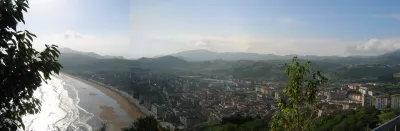
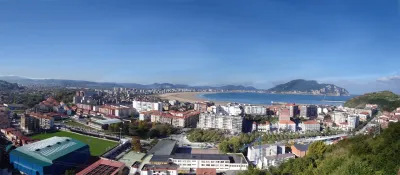
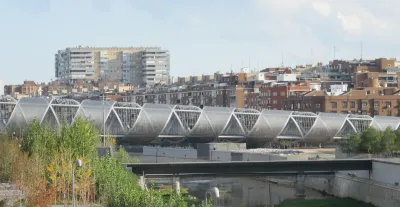
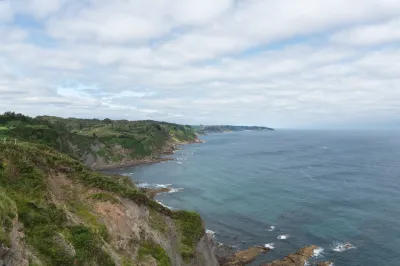
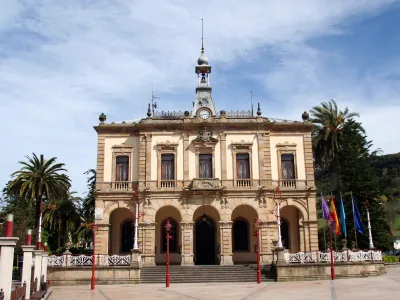
The North Way is one of the longest and most beautiful Jacobean routes. It covers the entire Cantabrian coast of Spain from Irún (Basque Country) to Arzúa (Galicia), where it joins the French Way. With a distance of 855 km, it passes through the Basque Country, Cantabria, Asturias and Galicia.
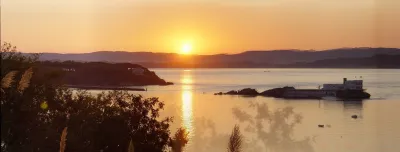
It offers an incredible combination of coastal landscapes with impressive beaches and cliffs, and mountain trails with green valleys. It is an demanding but very rewarding route that passes by cities such as San Sebastián, Bilbao and Santander. Its rich gastronomy and cultural heritage are among its greatest attractions.
Stages of this variant:
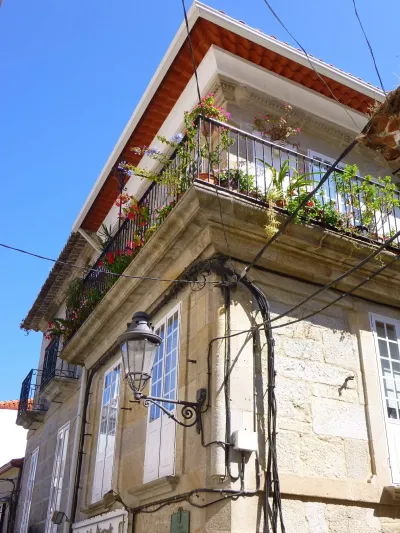
Stage 1: Bayona to Saint-Jean-de-Luz
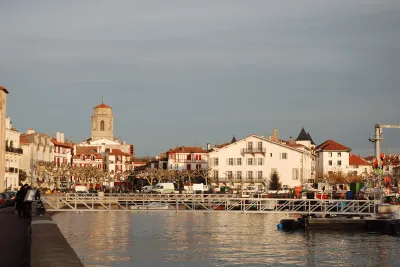
Stage 2: Saint-Jean-de-Luz to Irún
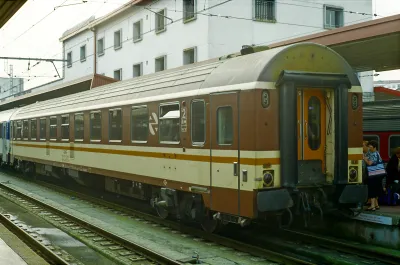
Stage 3: Irún to San Sebastián
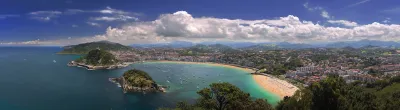
Stage 4: San Sebastián to Zarautz
Stage 5: Zarautz to Deba
Way of the Asturias
465 km
22
High
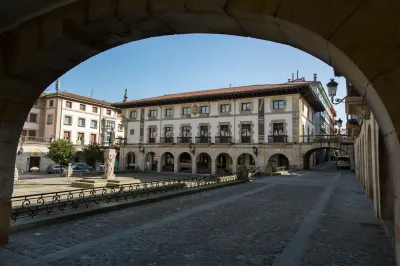
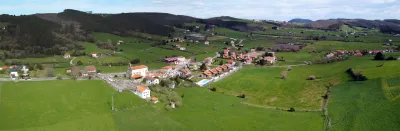
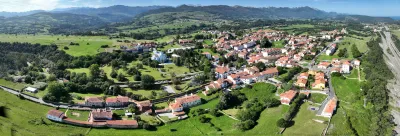
The Camino of Asturias is a historical itinerary that connects the French Way in Pamplona with the Primitive Way in Oviedo. This route, of great scenic beauty and notable physical demand, traverses the mountains of Navarre, Álava, Cantabria, and Asturias. It offers a deep immersion in nature and the heritage of interior Spain, with mountain landscapes, valleys, and villages with history.
Stages of this variant:
Stage 1: Pamplona to Irurzun
Stage 2: Irurzun to Alsasua
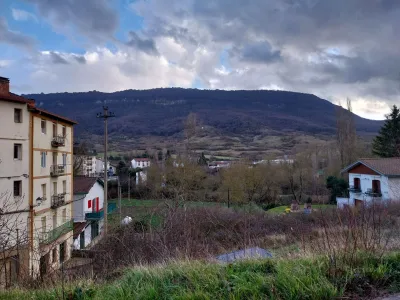
Stage 3: Alsasua to Salvatierra
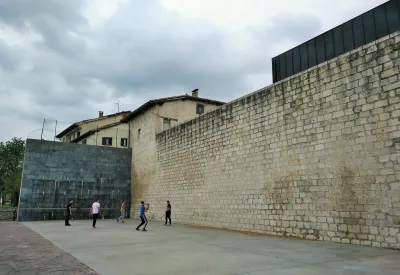
Stage 4: Salvatierra to Vitoria
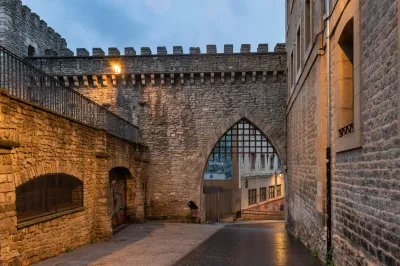
Stage 5: Vitoria to La Puebla de Arganzón
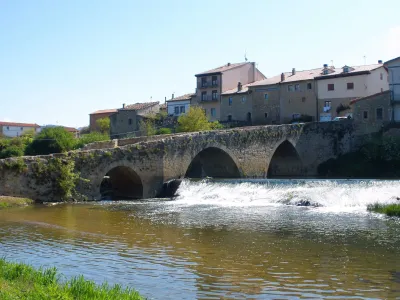
Camino Primitivo by Bike
321.4 km
6
High
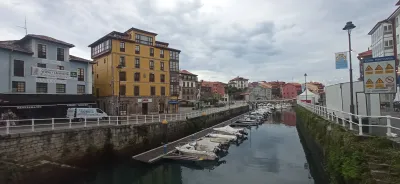
The El Camino Primitivo by bike is an adventure for cyclists with excellent physical form. Its mountainous terrain in Asturias and Lugo represents a constant challenge, with strong ascents and technical descents. In 6 stages, the "bicigrino" immerses himself in breathtaking landscapes and a deep sense of authenticity.
Stages of this variant:
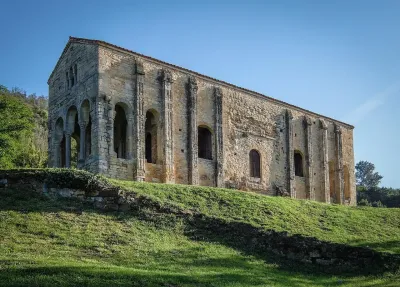
Stage 1: Oviedo to Salas (By bike)
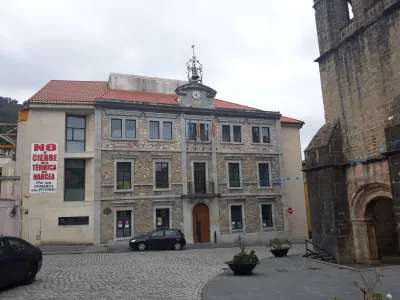
Stage 2: Salas to Pola de Allande (By bike)
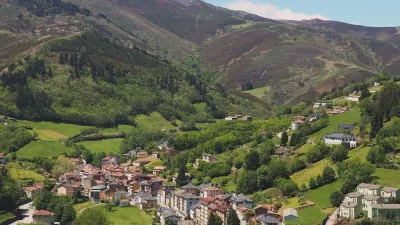
Stage 3: Pola de Allande to A Fonsagrada (By bike)
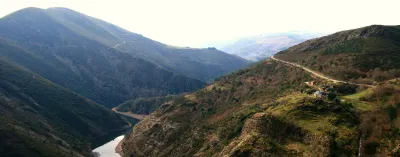
Stage 4: A Fonsagrada to Lugo (By bike)
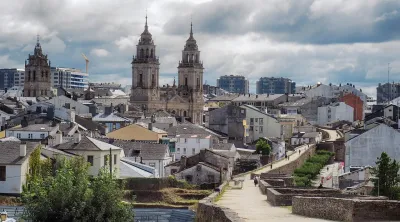
Stage 5: Lugo to Melide (By bike)
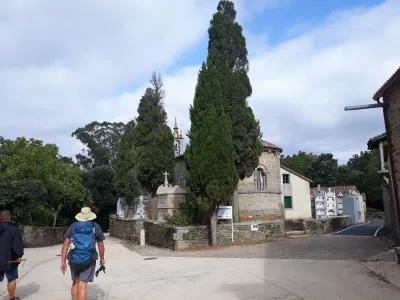
Way of Salvador
119.4 km
6
High
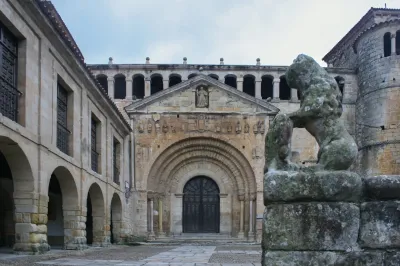
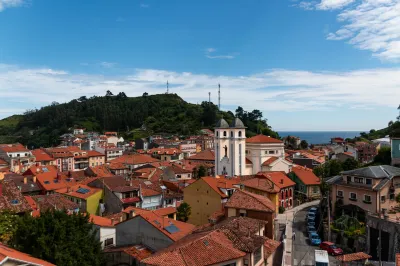
The Way of Salvador, or the Way of St. Salvador, is a historic 120 km route that connects León to Oviedo, allowing pilgrims on the French Way to connect with the start of the Primitive Way. It crosses the Cantabrian Mountains, which implies considerable physical challenge but offers spectacular mountain landscapes.
Its motto "Who goes to Santiago and does not go to Salvador, visits the servant and not the Lord" reflects the historical importance of Oviedo Cathedral and its relics. It is a short but intense route, ideal for pilgrims with good physical preparation who seek to add a mountain component and deep historical connection to their pilgrimage.
Stages of this variant:
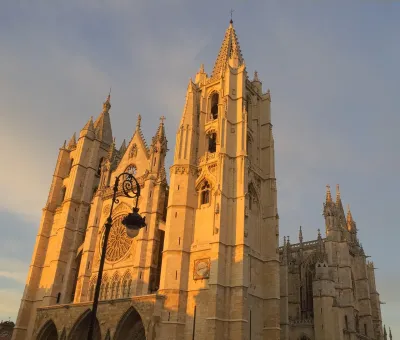
Stage 1: León to La Robla
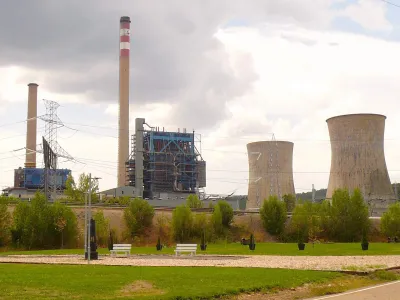
Stage 2: La Robla to Poladura de la Tercia
Stage 3: Poladura de la Tercia to Pajares
Stage 4: Pajares to Pola de Lena
Stage 5: Pola de Lena to Mieres
Elevation Profile of
Elevation Profile of The Primitive Way
Visualize the ups and downs of the route.
Loading elevation profile...
Error loading elevation profile or altitude data not available.
Your trip with Ourway
Everything you need for your Camino
No hassle. Your perfect route, from start to finish.
Accommodation
Selected hotels and hostels at every stage
Luggage transfer
Your backpack travels from stage to stage
Camino Guide
Detailed map with directions and services
24h Support
Team available for any unforeseen event
Pilgrim credential
Official documentation included
No commitment
Free personalized consultation
Walk this route with us
Fancy walking this route?
We don't have a ready-made package for this route yet, but we'll organise it around you. Tell us how you'd like to experience it and a specialist will reply within 24 h.
Request your proposalStages
Stages of The Primitive Way
Oviedo → Grado
The Camino Primitivo starts with force. This first stage is a declaration of intentions, a challenge that immerses the pilgrim in the essence of rural and mountainous Asturias. Leaving behind monument...
Grado → Salas
This stage ventures into western Asturias, offering a medium-difficulty route through undulating terrain. The trail departs from Grado to tackle the ascent of Alto de la Doriga, before descending into...
Salas → Tineo
This stage is a considerable challenge, marked by a long and sustained ascent that takes the pilgrim from the valley to the village of Tineo, located over 650 meters above sea level. The route runs th...
Tineo → Borres
This stage offers an important bifurcation for the pilgrim. From Tineo, the path splits off, allowing one to choose either the variant of Hospitales (more mountainous and demanding) or Pola de Allande...
Borres → Berducedo
This is the queen stage of the Primitivo Way, a high mountain trek, legendary for its hardness, wild beauty and isolation. This route, only recommended with good weather, ascends above 1,100 meters an...
Berducedo → Grandas de Salime
This stage is famous for its impressive views and for the vertiginous descent to Grandas de Salime's reservoir. The journey begins with a gentle ascent to Alto do Buspol, from where the large reservoi...
Towns
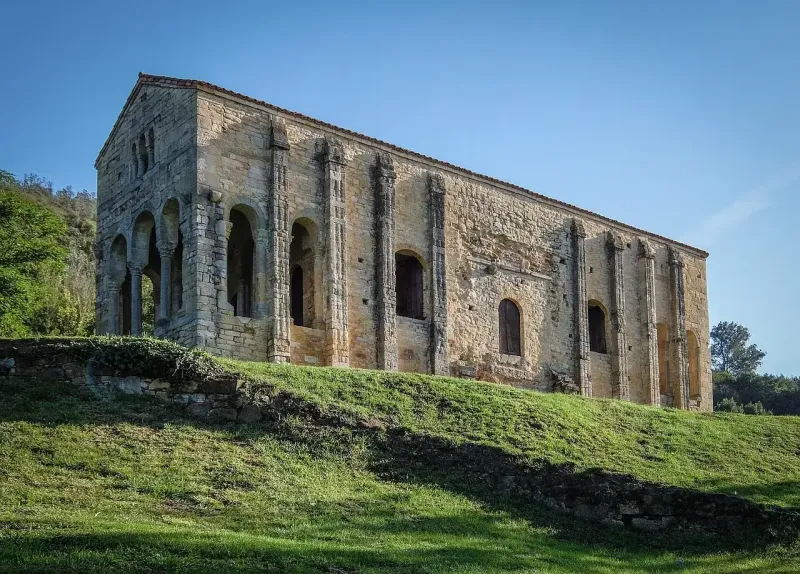
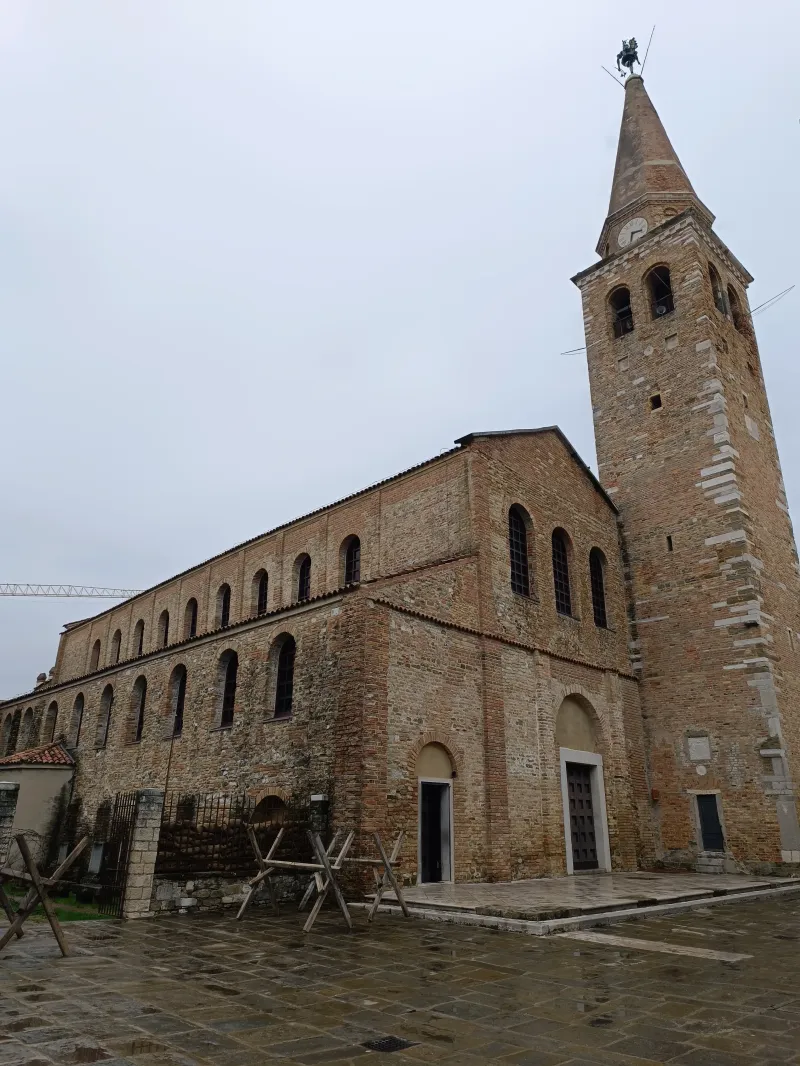
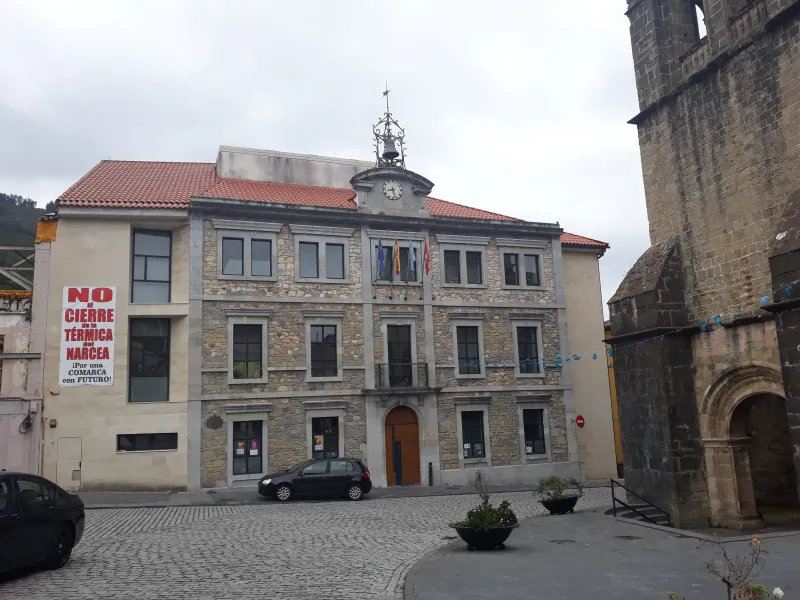
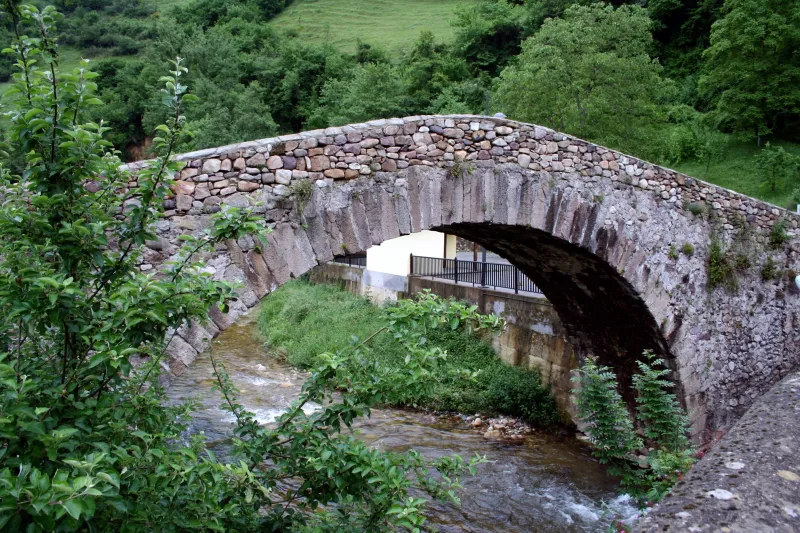
Featured Towns of The Primitive Way
Explore the key towns and cities of this route.
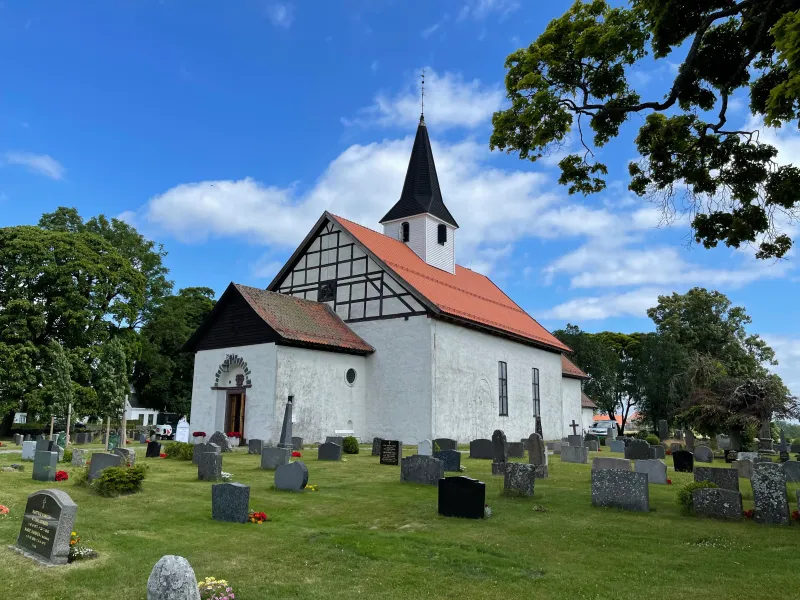
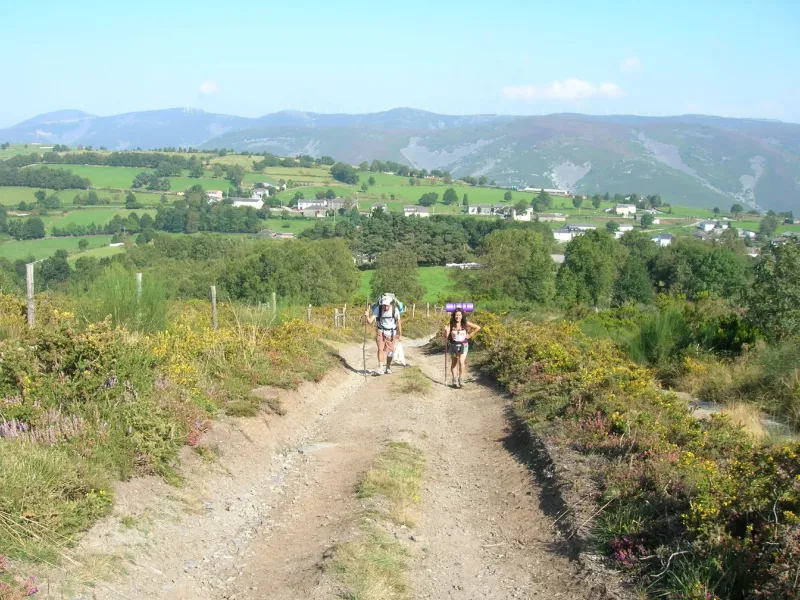
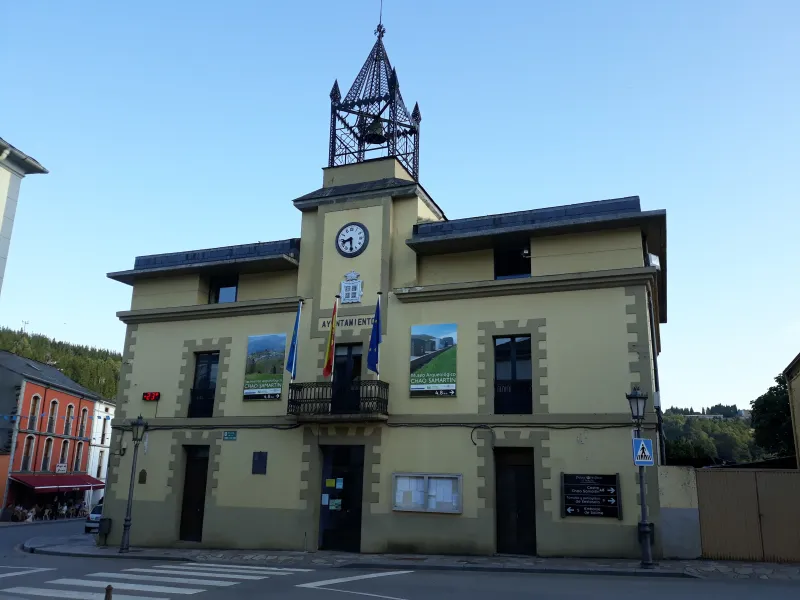
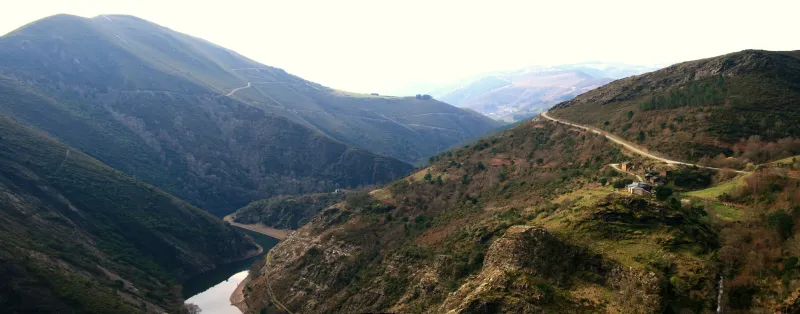
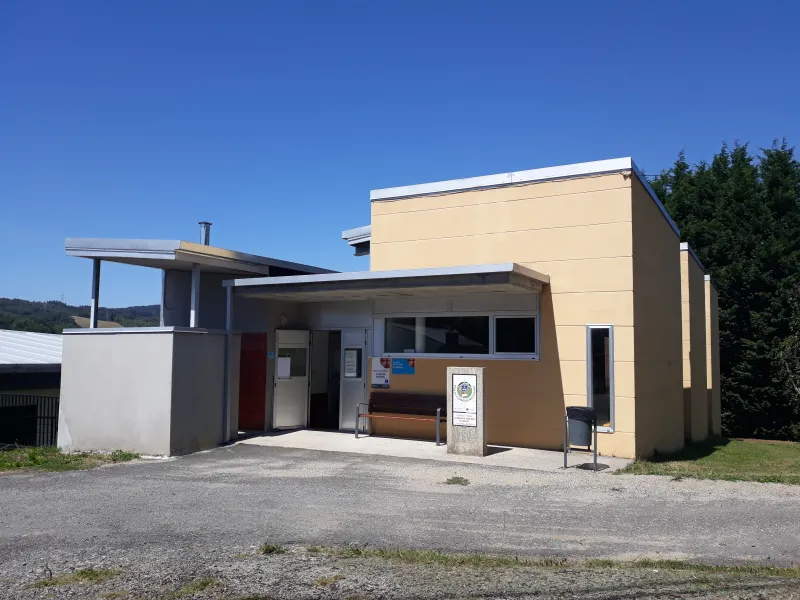
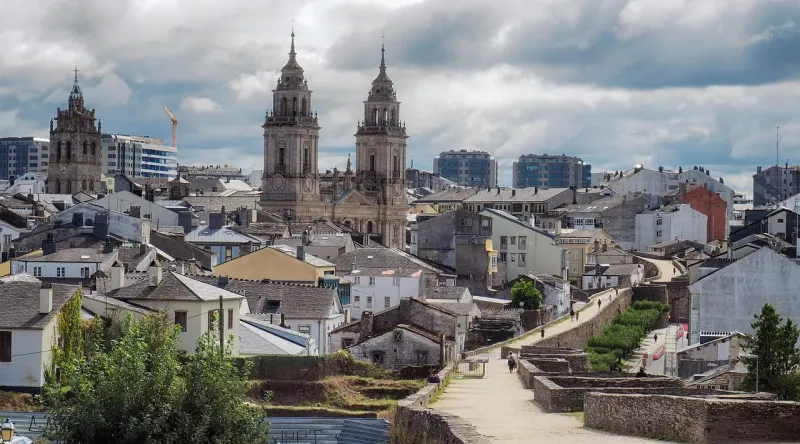
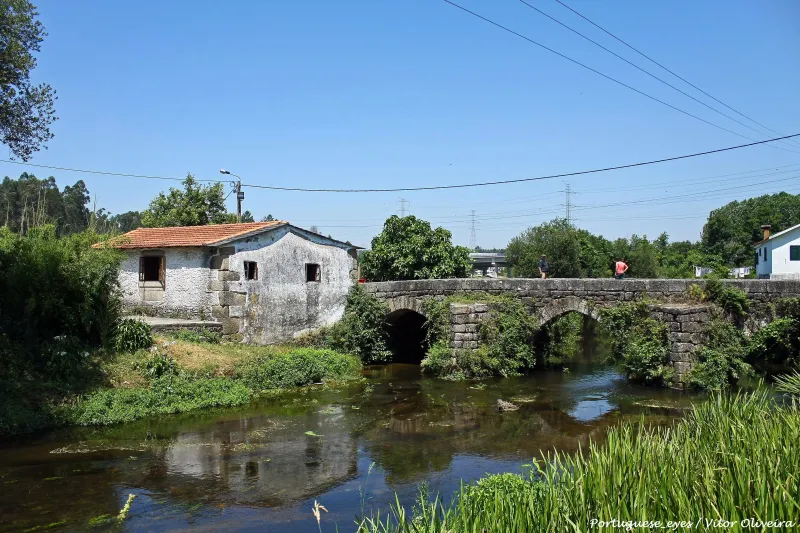
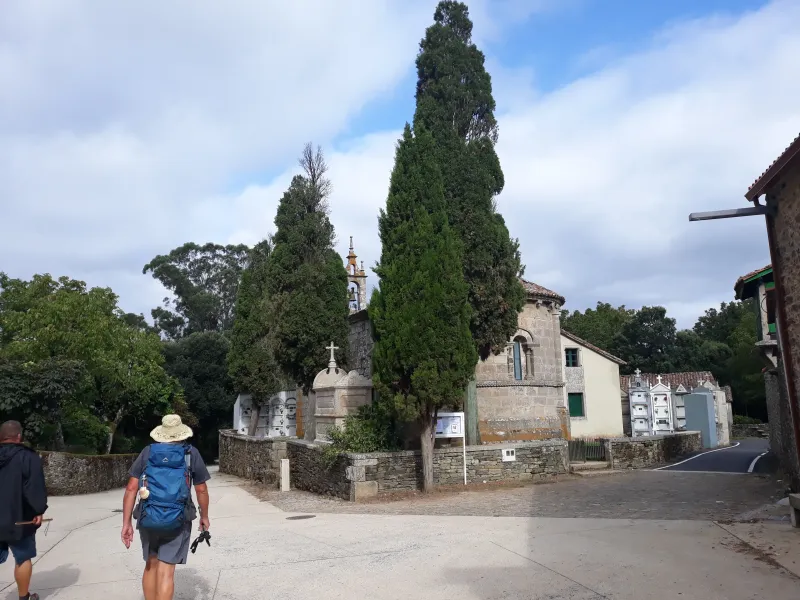
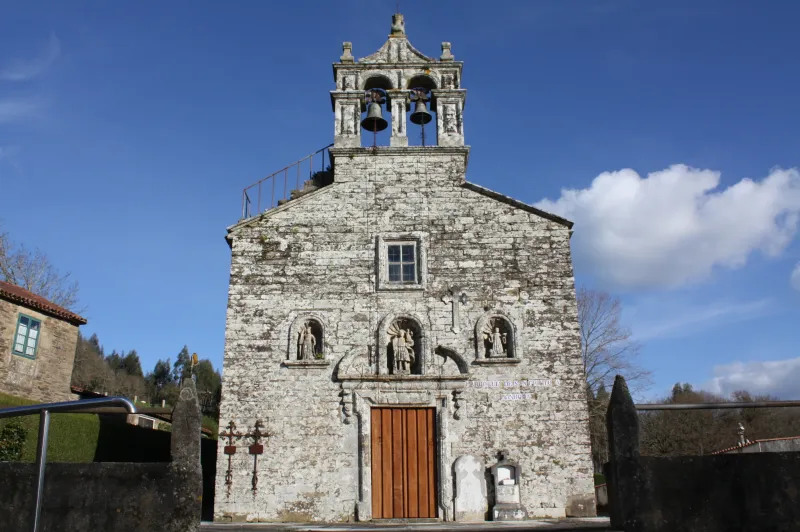
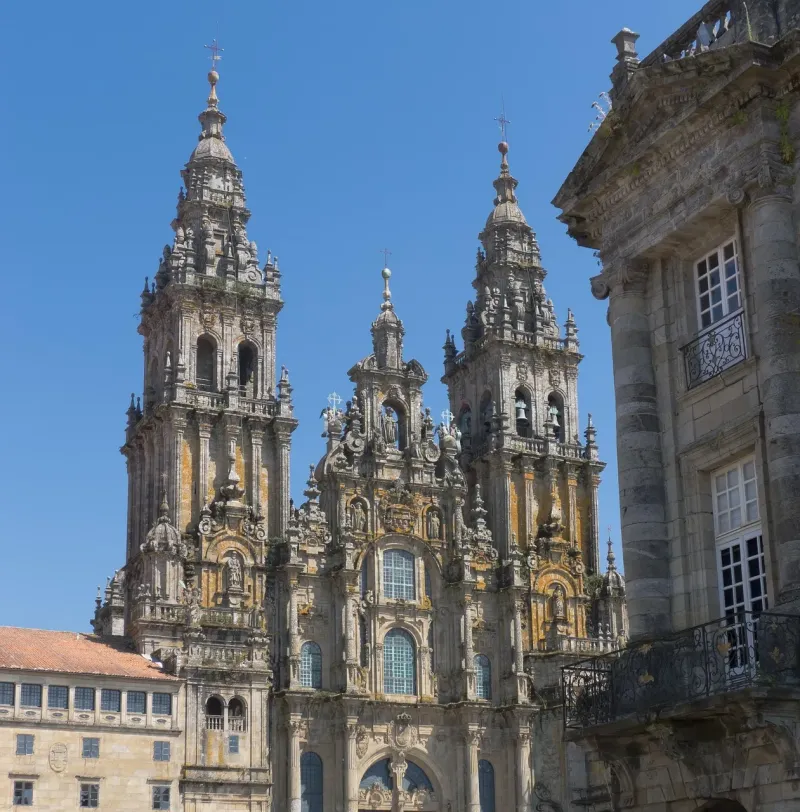
History
Millenary History of the Camino de Santiago: Origins and Evolution The Primitive Way
Discover the origins and evolution of The Primitive Way
Everything began in the early 9th century, around 813, when an hermit named Pelayo, guided by a star, discovered an ancient tomb in the forest of Libredón containing the remains of a martyr. The news reached the ears of Teodomiro, bishop of Iria Flavia, who quickly identified the remains as those of Saint James the Greater. This pivotal discovery arrived at the court of Alfonso II in Oviedo, capital of the nascent Kingdom of Asturias and last bastion of Christianity on a peninsula dominated by the Muslim power of Al-Ándalus.
Alfonso II, a pious and strategic monarch, immediately understood the importance of the discovery. Between 820 and 830, he embarked on a journey from Oviedo to the site of the discovery, accompanied by his entourage. This was not a simple act of personal devotion; it was a masterful political maneuver. By validating the tomb personally, Alfonso II established a powerful symbol for his kingdom, a spiritual patron - Saint James the Conqueror - under whose protection he could unite his subjects and legitimize the struggle of the Reconquista. His journey inaugurated the Camino Primitivo. Upon arrival, he ordered the construction of a modest church of adobe and stone over the tomb, the seed from which today's majestic Cathedral of Santiago grew. By this act, Alfonso II is considered not only the first pilgrim but also the first architect of the Jacobean cult.
During the 9th and 10th centuries, the Camino Primitivo was the principal and safest route to Compostela. The itinerary ran entirely through Christian territory, across the rugged but secure mountains of Asturias and Galicia. It began at the Cathedral of San Salvador in Oviedo, an important center of pilgrimage in its own right due to the valuable relics it housed in its Santa Chamber, such as the Holy Sudarium. The popular saying "Who goes to Santiago and not to Salvador visits the servant rather than the Lord" already indicated the importance of starting the journey in Oviedo.
However, as the Reconquista advanced towards the south, the center of power shifted from Oviedo to León. From the 11th century onwards, with the pacification of the meseta, the Camino Francés consolidated itself as a shorter, more direct route for European pilgrims and was equipped with better infrastructure thanks to the impulse of kings like Sancho III the Great and Alfonso VI. The Camino Primitivo lost its prominence, although it never was completely abandoned. Its demanding geography kept it as a route for local pilgrims seeking a greater challenge or devout individuals who wanted to honor the original route.
The secular isolation that its geography bestowed upon it paradoxically saved it. The trail remained extraordinarily well preserved, untouched by large industrial and urban transformations. It traverses breathtaking natural scenery, native forests, and villages that seem frozen in time. Landmarks like the ascent up the Route of the Hospitals, the passage through the Monastery of Obona, or the arrival in Lugo with its imposing Roman walls (World Heritage Site) are testaments to its profound historical legacy.
In recent decades, the Camino Primitivo has experienced a spectacular resurgence. Modern pilgrims, seeking authenticity, greater physical challenge, and a closer connection to the origins of the tradition, have rediscovered it. Its recognition as a World Heritage Site by UNESCO in 2015, within the "Caminos del Norte de España", has solidified its status as one of the most rewarding, challenging, and spiritually significant routes leading to Compostela.
We answer your questions
Frequently Asked Questions about The Primitive Way
Why is it called the Primitive Way?
It's called Primitivo because it is the oldest documented pilgrimage route. It was the itinerary followed by King Alfonso II the Chaste in the 9th century from Oviedo to Santiago de Compostela after the discovery of the Apostle's tomb, making him the first known pilgrim.
Is the Primitive Way more difficult than the French Way?
Yes, the Primitive Way is considerably more mountainous and challenging than the French Way. It crosses high Asturian mountains with steep ascents. In return, it offers spectacular landscapes and less overcrowding. Physical preparation is recommended.
How many kilometers is the Primitive Way?
The Primitive Way is approximately 321 km from Oviedo to Santiago de Compostela, divided into 14 stages. It joins the French Way in Melide, sharing the final stages to Santiago.
When is the best time to walk the Camino Primitivo?
May, June and September are the best months. The mountain terrain moderates summer temperatures. In winter the mountain passes can have snow and mud makes walking harder. Spring offers spectacular green landscapes with fewer pilgrims.
Are there pilgrim hostels throughout the Camino Primitivo?
Yes, though more spread out than on the Camino Francés. In some stages hostels are in small villages and it is advisable to carry extra food. The network is sufficient but it is recommended to plan stages carefully, especially the section crossing the Saliencia Lakes area.
Can the Camino Primitivo be done by bicycle?
It is technically possible but very demanding. The mountainous profile with steep gradients makes it one of the most difficult routes by bike. Some sections have narrow trails unsuitable for bicycles. It is only recommended for very experienced cyclists.
What are the main monuments and highlights of the Camino Primitivo?
The starting point is Oviedo Cathedral, a UNESCO World Heritage Site. Highlights include the Monastery of Obona, the Grandas de Salime reservoir, Galician manor houses and the Roman walls of Lugo. The Asturian landscapes with mountain pastures are unique.
Can the Camino Primitivo be combined with another route?
Yes, the Camino Primitivo merges with the Camino Francés at Melide, sharing the last stages to Santiago. It can also be combined with the Camino del Norte via the variant linking Vilalba to the coast. They are complementary routes forming a great loop across northern Spain.
Organize Your Camino
Ready for this adventure?
The Primitive Way