
Camino de Santiago
Aragonese Way
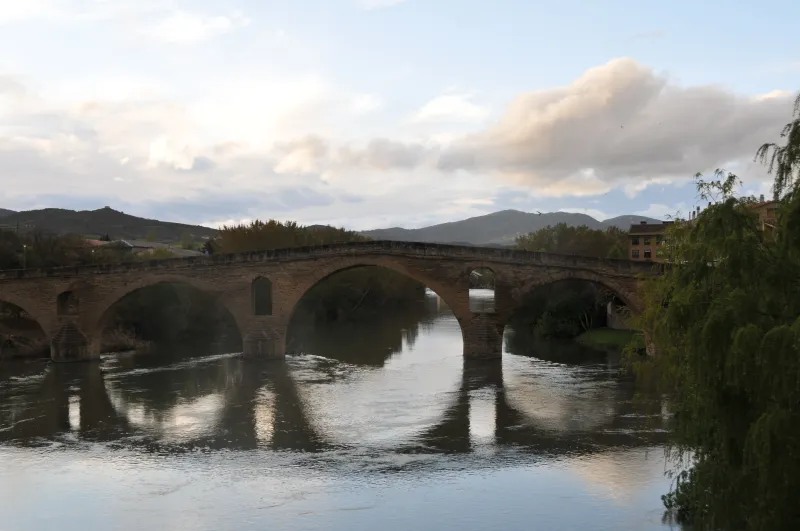
The Aragonese Way is the starting point of the French Way from the Pyrenees of Aragon. It forms part of the Somport Pass and joins the Navarre branch in Puente la Reina.
Organize your Aragonese WayLast updated: 15/07/2025
The Route
General Description of Aragonese Way
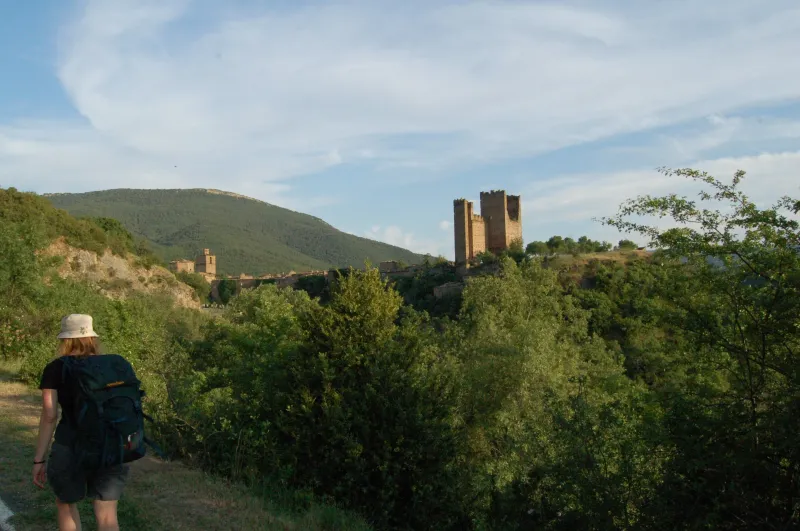
It is a route with an immense Romanesque patrimony and less pilgrim traffic, which offers a more intimate and authentic experience.
Related Routes
Connections of Aragonese Way
Camino Francés
779 km
33
Moderate
The Camino Francés is the pilgrimage route to Santiago par excellence, chosen by thousands of pilgrims every year. Running roughly 780 km from Saint-Jean-Pied-de-Port, or slightly less from Roncesvalles, it crosses northern Spain. This path, declared a World Heritage Site by UNESCO, offers an exceptional network of services and pilgrim hostels. Pilgrims make their way through Navarra, La Rioja, Castilla y León, and finally Galicia, marveling at cities rich in monuments such as Pamplona, Burgos, and León, and at villages with a charm of their own. The diversity of its scenery is one of its great draws, from the Pyrenees and the Castilian plains to the green forests of Galicia. It is a physical and spiritual journey that leaves an indelible mark, ideal both for seasoned pilgrims and for those setting out on the Camino de Santiago for the first time.
Stages of this variant:
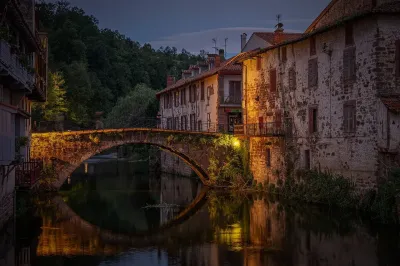
Stage 1: Saint-Jean-Pied-de-Port to Roncesvalles
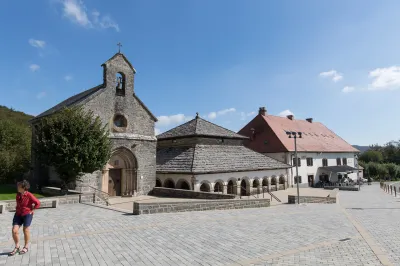
Stage 2: Roncesvalles to Zubiri
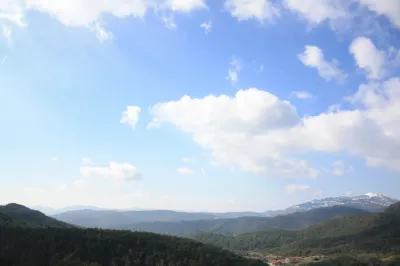
Stage 3: Zubiri to Pamplona
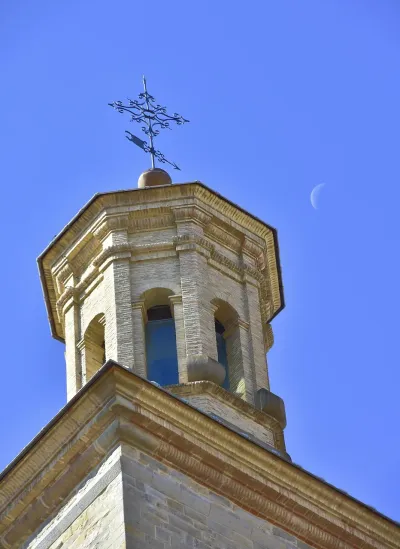
Stage 4: Pamplona to Puente la Reina
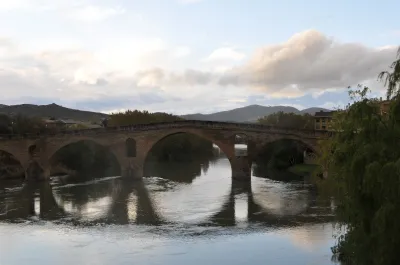
Stage 5: Puente la Reina to Estella
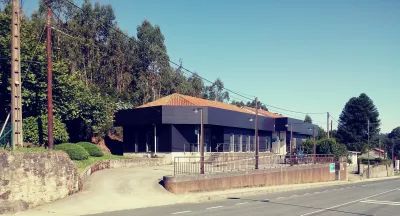
Camino Francés by Bike
779 km
14
Moderate
The Camino Francés by bike offers a dynamic experience for "bicigrinos", pilgrims on two wheels. Although the route itself follows the walking Camino, the stages are designed to cover longer distances, condensing the journey into about 14 days. This format lets cyclists pass through Pamplona, Burgos, and León and cross the landscapes of the Pyrenees, the Meseta, and Galicia at a brisk pace. It is important to know that some sections call for detours onto tracks or alternative roads to keep the route rideable. The infrastructure for cyclists keeps improving, with pilgrim hostels and services geared to riders.
Stages of this variant:
Stage 1: Saint-Jean-Pied-de-Port to Zubiri (by bike)
Stage 2: Zubiri to Puente la Reina (by bike)
Stage 3: Puente la Reina to Logroño (by bike)
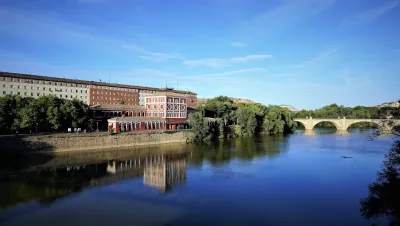
Stage 4: Logroño – Santo Domingo de la Calzada (By bike)
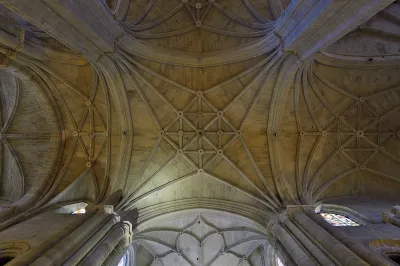
Stage 5: Santo Domingo de la Calzada – Burgos (By bike)
Way of the Asturias
465 km
22
High
The Camino of Asturias is a historical itinerary that connects the French Way in Pamplona with the Primitive Way in Oviedo. This route, of great scenic beauty and notable physical demand, traverses the mountains of Navarre, Álava, Cantabria, and Asturias. It offers a deep immersion in nature and the heritage of interior Spain, with mountain landscapes, valleys, and villages with history.
Stages of this variant:
Stage 1: Pamplona to Irurzun
Stage 2: Irurzun to Alsasua
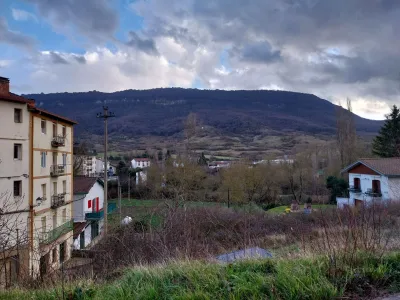
Stage 3: Alsasua to Salvatierra
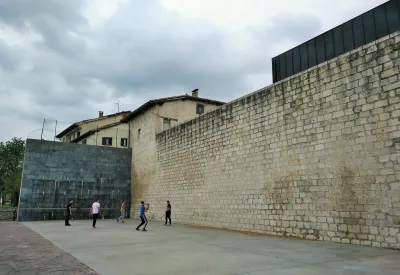
Stage 4: Salvatierra to Vitoria
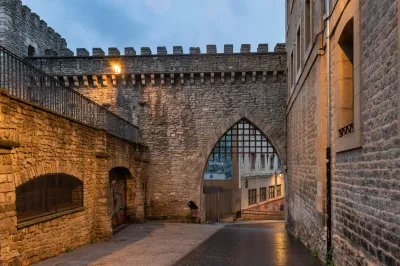
Stage 5: Vitoria to La Puebla de Arganzón
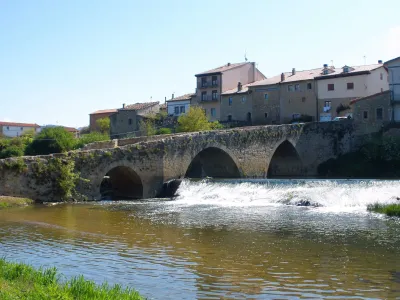
Winter Path
267 km
10
Media
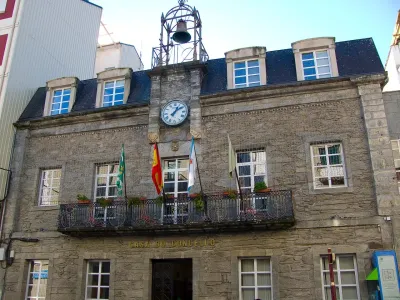
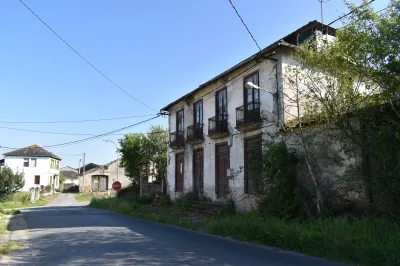
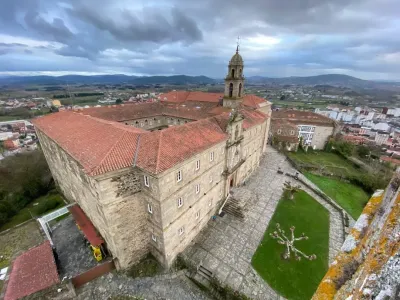
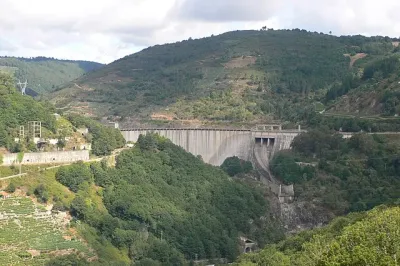
The Winter Way emerges as a historical variant for pilgrims on the Camino Francés who sought to avoid the difficult snows of O Cebreiro. The route diverges in Ponferrada and follows the course of the Sil River, crossing the Valdeorras region, the Ribeira Sacra, and the Deza region before joining the Vía de la Plata/Camino Sanabrés near Lalín.
With a 267 km journey, it is the only Camino that traverses all four Galician provinces (Ourense, Lugo, Pontevedra, and A Coruña). It offers spectacular landscapes like the Sil Canyons and its heroic viticulture, allowing you to discover a natural and cultural heritage of great value, less known but equally fascinating.
Stages of this variant:
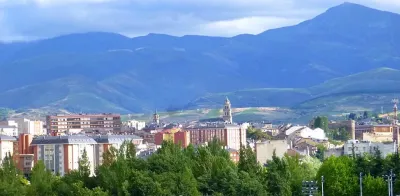
Stage 1: Ponferrada to Las Médulas
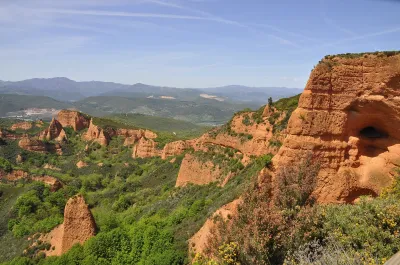
Stage 2: Las Médulas to O Barco de Valdeorras
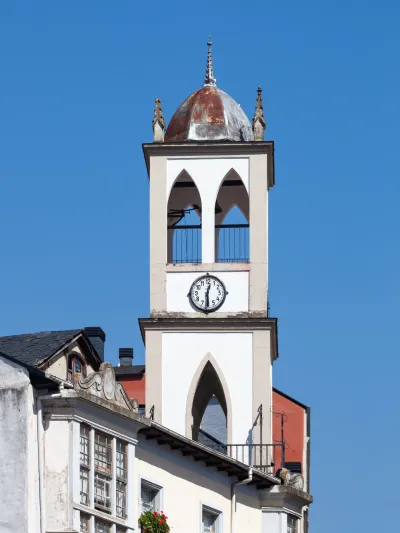
Stage 3: O Barco de Valdeorras to A Rúa de Valdeorras
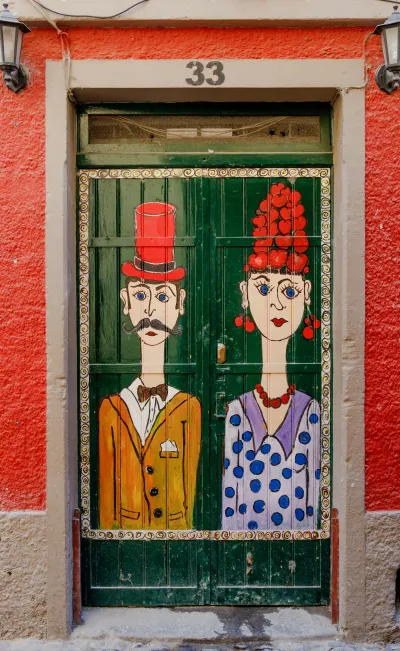
Stage 4: A Rúa de Valdeorras to Quiroga
Stage 5: Quiroga to Pobra do Brollón
Way of Salvador
119.4 km
6
High
The Way of Salvador, or the Way of St. Salvador, is a historic 120 km route that connects León to Oviedo, allowing pilgrims on the French Way to connect with the start of the Primitive Way. It crosses the Cantabrian Mountains, which implies considerable physical challenge but offers spectacular mountain landscapes.
Its motto "Who goes to Santiago and does not go to Salvador, visits the servant and not the Lord" reflects the historical importance of Oviedo Cathedral and its relics. It is a short but intense route, ideal for pilgrims with good physical preparation who seek to add a mountain component and deep historical connection to their pilgrimage.
Stages of this variant:
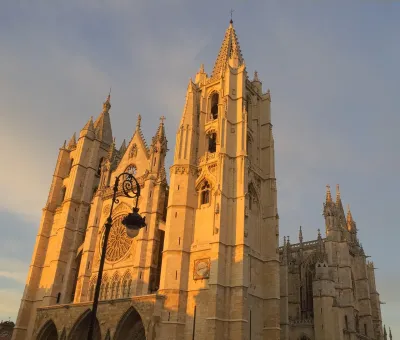
Stage 1: León to La Robla
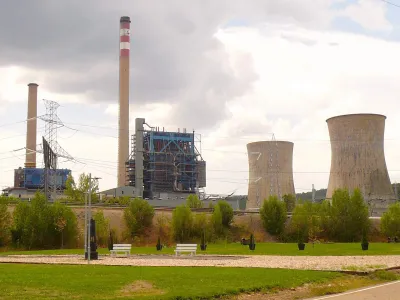
Stage 2: La Robla to Poladura de la Tercia
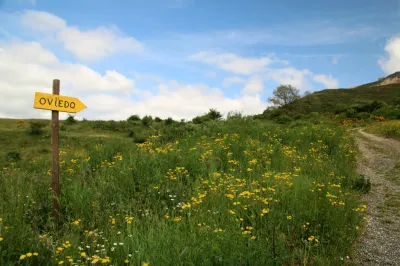
Stage 3: Poladura de la Tercia to Pajares
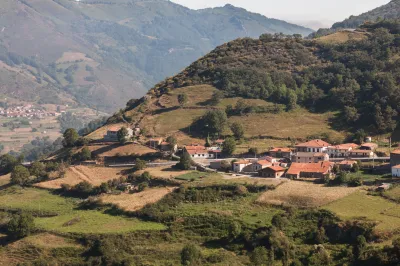
Stage 4: Pajares to Pola de Lena
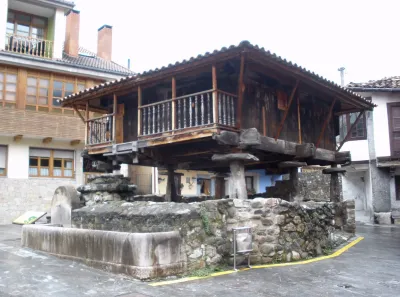
Stage 5: Pola de Lena to Mieres
Elevation Profile of
Elevation Profile of Aragonese Way
Visualize the ups and downs of the route.
Loading elevation profile...
Error loading elevation profile or altitude data not available.
Your trip with Ourway
Everything you need for your Camino
No hassle. Your perfect route, from start to finish.
Accommodation
Selected hotels and hostels at every stage
Luggage transfer
Your backpack travels from stage to stage
Camino Guide
Detailed map with directions and services
24h Support
Team available for any unforeseen event
Pilgrim credential
Official documentation included
No commitment
Free personalized consultation
Walk this route with us
Fancy walking this route?
We don't have a ready-made package for this route yet, but we'll organise it around you. Tell us how you'd like to experience it and a specialist will reply within 24 h.
Request your proposalStages
Stages of Aragonese Way
Jaca → Arres
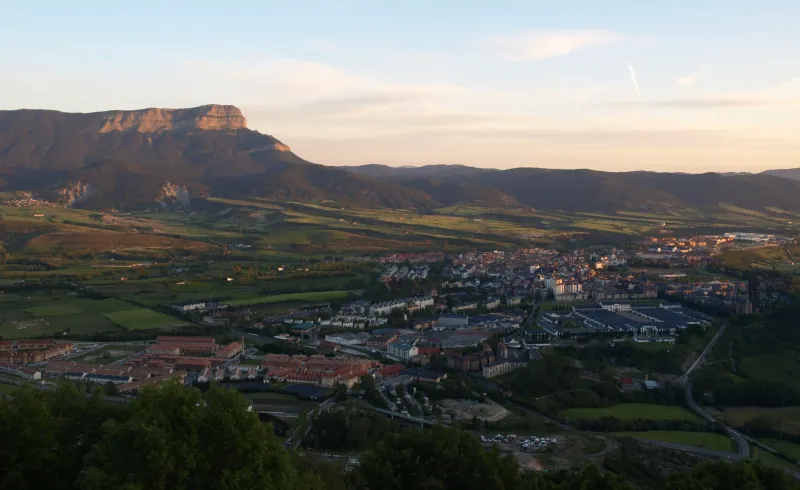
Second stage of the Aragonese Way (Somport-Puente la Reina). Leaving Jaca (historic capital of the ancient kingdom of Aragon, with its 11th century Romanesque cathedral and Renaissance citadel), the r...
Arres → Ruesta
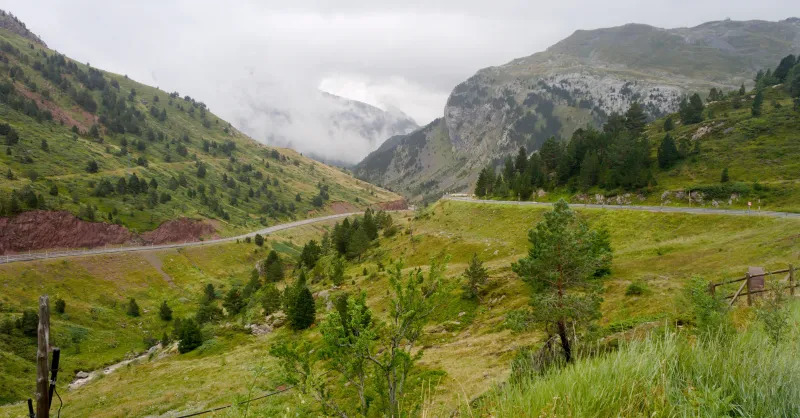
Third stage of the Camino Aragonés, a spectacular journey through the Berdún channel and the Yesa reservoir. The 27 km cross a rugged and almost deserted landscape of the Jacetania, with views of the ...
History
Millenary History of the Camino de Santiago: Origins and Evolution Aragonese Way
Discover the origins and evolution of Aragonese Way
The Primitivo Way, with its high mountain profile and constant inclines, remained for a long time an almost exclusive territory for walkers. Its geography seemed incompatible with cycling. However, with the rise of mountain biking in the late 20th century and early 21st century, audacious cyclists began to see the Primitivo not as an obstacle, but as a definitive challenge. The first ones to ride it were true explorers, opening up the route without guides, often carrying their bikes on their shoulders ("hike-a-bike") for long and grueling stretches.
The story of this modality is therefore that of a conquest. The cycling community gradually documented the route, identified bikeable sections and those requiring precise technique or were impossible to ride. The first guides and GPS tracks emerged, allowing others to follow in their footsteps. Unlike the Camino Francés, where often variants are sought on asphalt, in the Primitivo the goal of the "bicigrino" is precisely to stay on the original path as long as possible, enjoying the essence of "pure mountain".
The bike ride reinterprets the difficulty of the route. The legendary Route of the Hospitals, a high mountain stretch without services, becomes an epic journey of "cross-country". The feared ascent to Alto del Palo transforms into a cardiovascular endurance test followed by a vertiginous and technical descent that requires maximum concentration. The constant ups and downs ("rompepiernas") that characterize Asturias' interior and the entrance to Lugo become a constant challenge for the cyclist. For this reason, the Primitivo on a bike is not recommended for beginners; it demands excellent physical fitness, a well-prepared mountain bike with double suspension, and great technical skill.
The reward for all this effort is immense. The bike allows the pilgrim to immerse themselves in the breathtaking beauty of the Cantabrian Mountains at a speed that allows them to cover more ground in less time, without losing their connection with the environment. The solitude and silence of the route, the feeling of riding through unexplored territory, are magnified. The arrival in the walled city of Lugo or the final convergence with the Camino Francés in Melide feel like a genuine victory.
In conclusion, the Primitivo Way on a bike is a modern tribute to the difficulty of the original journey. It's a form of pilgrimage that substitutes the penance of slowness for extreme exertion, an adventurous sport that connects the cyclist of the 21st century with the spirit of overcoming of the first pilgrim in history.
We answer your questions
Frequently Asked Questions about Aragonese Way
How many kilometers is the Camino Aragonés, and how long does it take to complete?
The Camino Aragonés is a route of 165.6 km that typically takes around 6 days to complete.
What is the best time to do the Camino Aragonés?
The best time to undertake the Camino Aragonés is from April to June and September to October. During this period, you can enjoy pleasant weather with temperatures ranging between 8-16°C in spring and 14-25°C in autumn, as well as fewer pilgrims compared to summer.
What does booking the Aragonese Way with Ourway Travel include?
A reservation with Ourway Travel for the Aragonese Way includes guaranteed accommodation in private hostels and hotels, personalized advice on routes and preparation, as well as 24-hour assistance along the way. We also provide detailed information about cultural and religious points of interest.
How does the Camino Aragonés compare to other routes to Santiago?
The Camino Aragonés is an alternative for those seeking a less crowded route than the Camino Francés. It offers unique mountain landscapes and rich historical heritage, making it particularly suitable for those interested in exploring the lands of Aragón.
What is the difficulty level of the Camino Aragonés?
The Camino Aragonés has a medium difficulty rating due to its route through mountainous terrain and an initial stretch crossing the Pyrenees. However, Ourway Travel provides tailored itineraries to ensure a safe and rewarding journey.
How can I book the Aragonese Way with Ourway Travel?
To reserve the Camino Aragonés with Ourway Travel, simply visit our website and complete the booking form. Our team will contact you to confirm details and manage your personalized itinerary.
Which is the better option between the Camino Aragonés and the Camino del Norte?
The choice between the Camino Aragonés and the Camino del Norte depends on your personal preferences. The Aragonés offers a more intimate route with views of the Pyrenees, while the Camino del Norte is known for its coastal beauty and varied landscapes. Ourway Travel can help you make the right decision based on your travel profile.
What do I need to get my pilgrim's credential?
To obtain your pilgrim's credential, you must visit one of the authorized points such as the Pilgrim's House in Zaragoza. Ourway Travel can provide detailed information and assistance on how to request it before your trip.
Organize Your Camino
Ready for this adventure?
Aragonese Way