
Complete Guide to Aragonese Way
The Aragonese Way is the starting point of the French Way from the Pyrenees of Aragon. It forms part of the Somport Pass and joins the Navarre branch in Puente la Reina.
Last updated: 28/03/2026
Table of Contents
Technical Summary of Aragonese Way
165.6 km
Distance
6
days
6
Stages
Media
Difficulty
82 accommodations available on the route
Introduction to Aragonese Way
It is a route with an immense Romanesque patrimony and less pilgrim traffic, which offers a more intimate and authentic experience.
All Stages of Aragonese Way
Complete route divided into 6 stages
Port of Jaca
This stage continues through the Vinalopó valley in a gentle slope terrain. The landscape is dominated by vineyards and fields of cultivation. It's a transition day that brings the pilgrim closer to t...
Jacques d'Arras
This stage marks the transition of the Valencian Community to Castile-La Mancha. The profile becomes more demanding, with a continuous rise and fall. The landscape is a mix of vineyards and low hills....
Arras to Ruesca
This stage enters the province of Albacete, on a terrain of gentle undulations. The landscape is a mix of vineyards and cereal fields. It's a day of great beauty and solitude. Arrival in Almansa, domi...
To Sue
This stage continues across the Manchegan plain. The profile is flat and the landscape is dominated by vineyards. It's a transition day that brings the pilgrim to the heart of the region. Arrival in A...
Song of Monreal
This stage enters the Manchuela region. The profile is a continuous rise and fall through a landscape of pine forests and fields of cultivation. It's a day of great beauty and solitude. Arrival in Ala...
Montreal to Pontevedra
This long stage marks the return to the Valencian Community. The route passes through a beautiful landscape with pine forests and vineyards. The profile is demanding, with continuous ups and downs. Ar...
Key Towns of Aragonese Way
The most important towns and cities on this route.
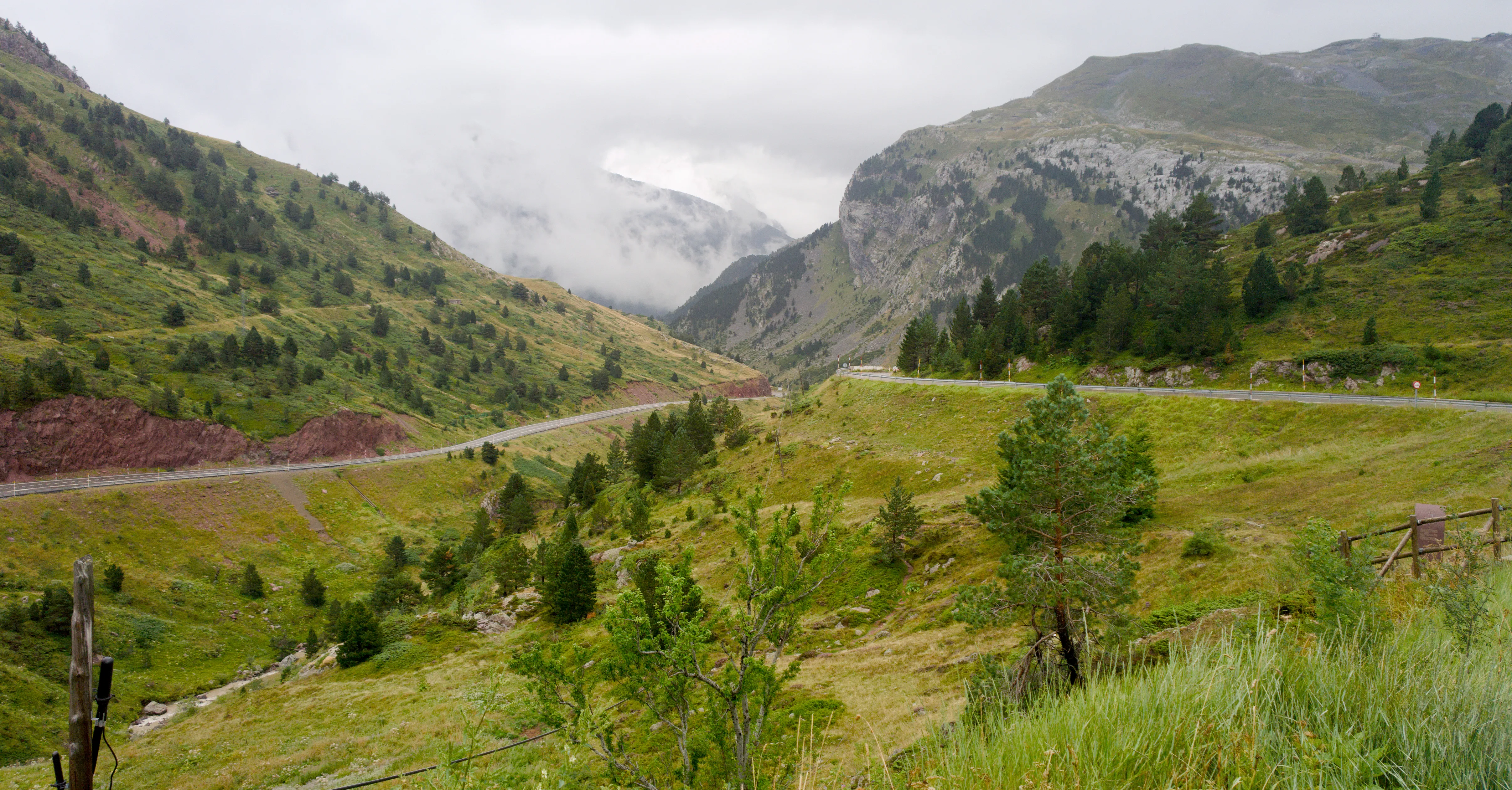
Somport
Somport, the Pirenne pass that marks the beginning of the Aragonese Way. A spectacular starting point for a route, surrounded by wild nature and deep silence, perfect for adventurous pilgrims.
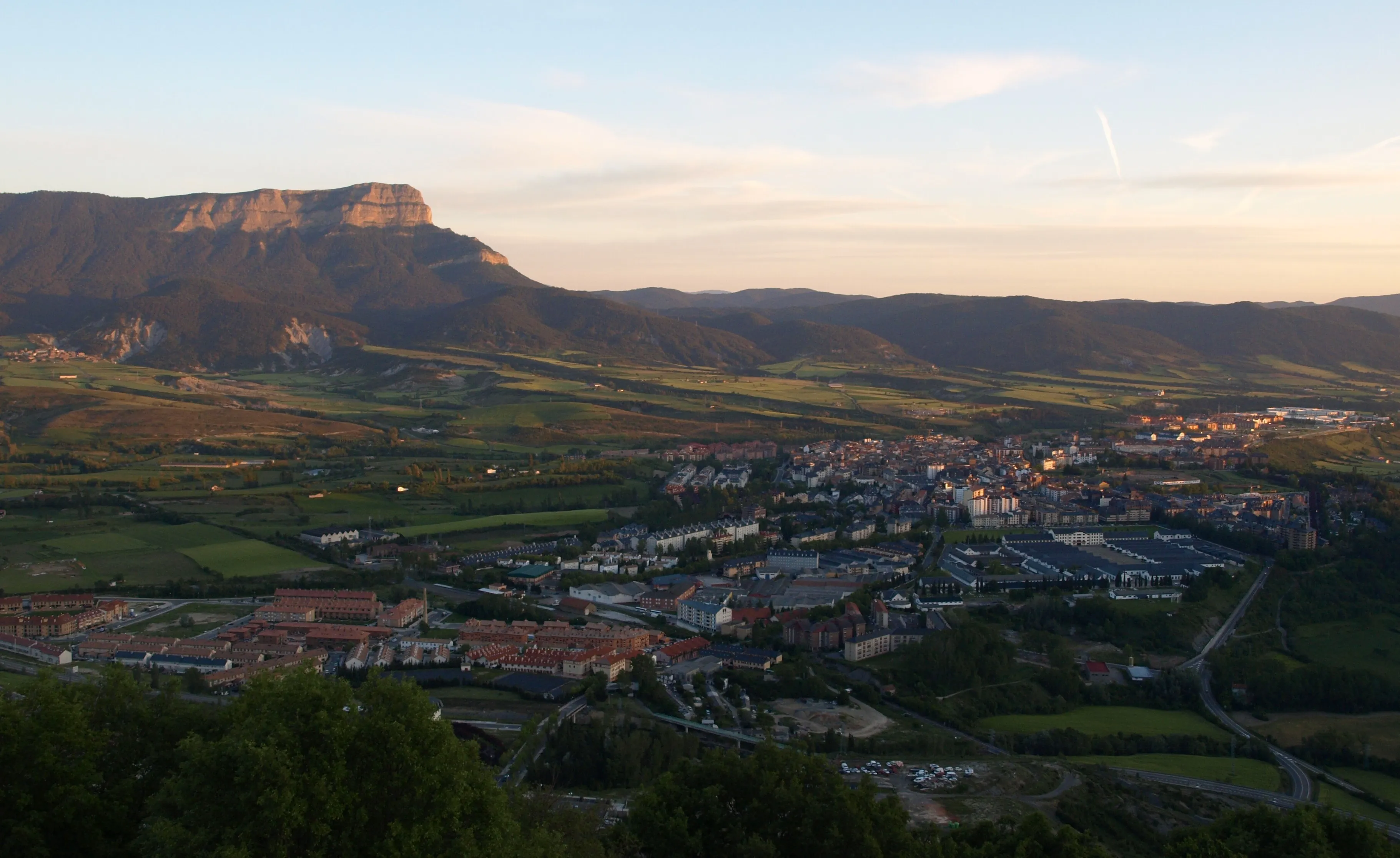
Jaca
First capital of the Kingdom of Aragon and a gem of the Aragonese Route. Its Romanesque cathedral, one of the oldest in Spain, and its Fortress make it an indispensable stop.
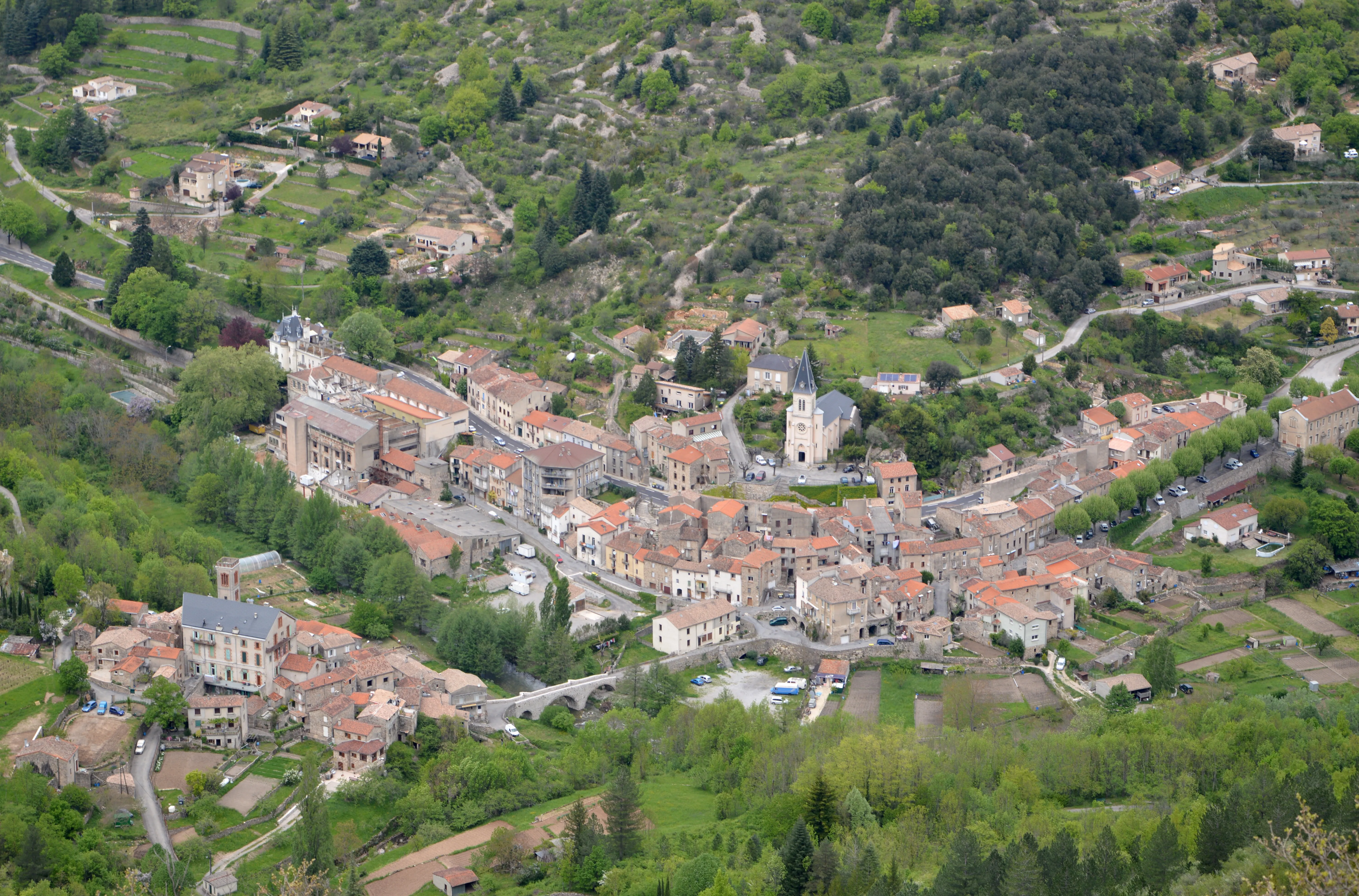
Arres
Small French village in the Central Pyrenees. Arres is a rural and tranquil stop for pilgrims seeking authenticity and silence on mountain routes.
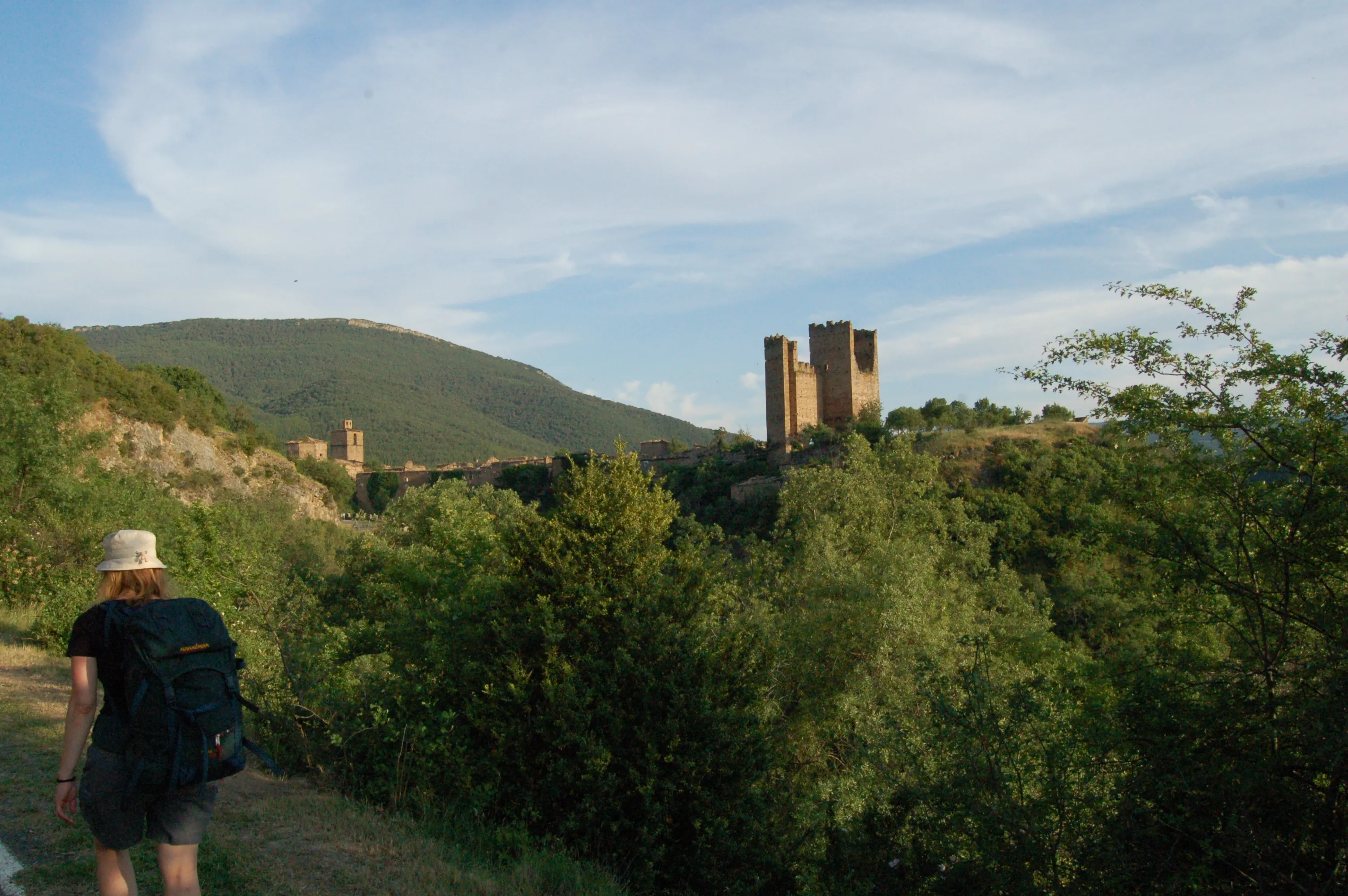
Ruesta
Abandoned and recovered village on the Aragonese Way. Ruesa, with its castle and hostel, is a symbol of resilience and spirit of the Way of St James.
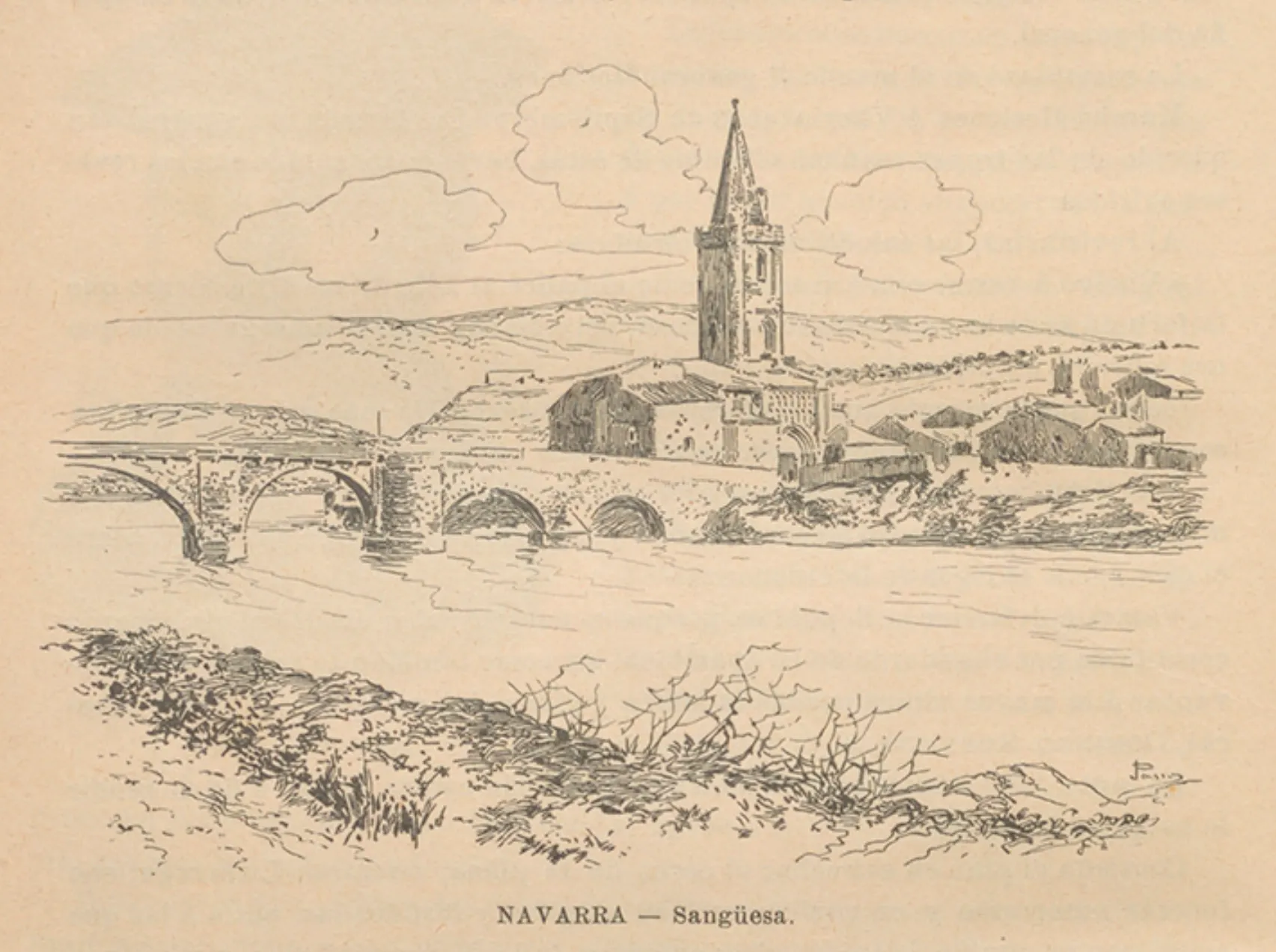
Sangüesa
Historic Navarran city on the Aragonese Way. Sangüesa, with its church of Saint Mary the Royal, is a jewel of Romanesque and an indispensable monumental stop before joining the French Way.
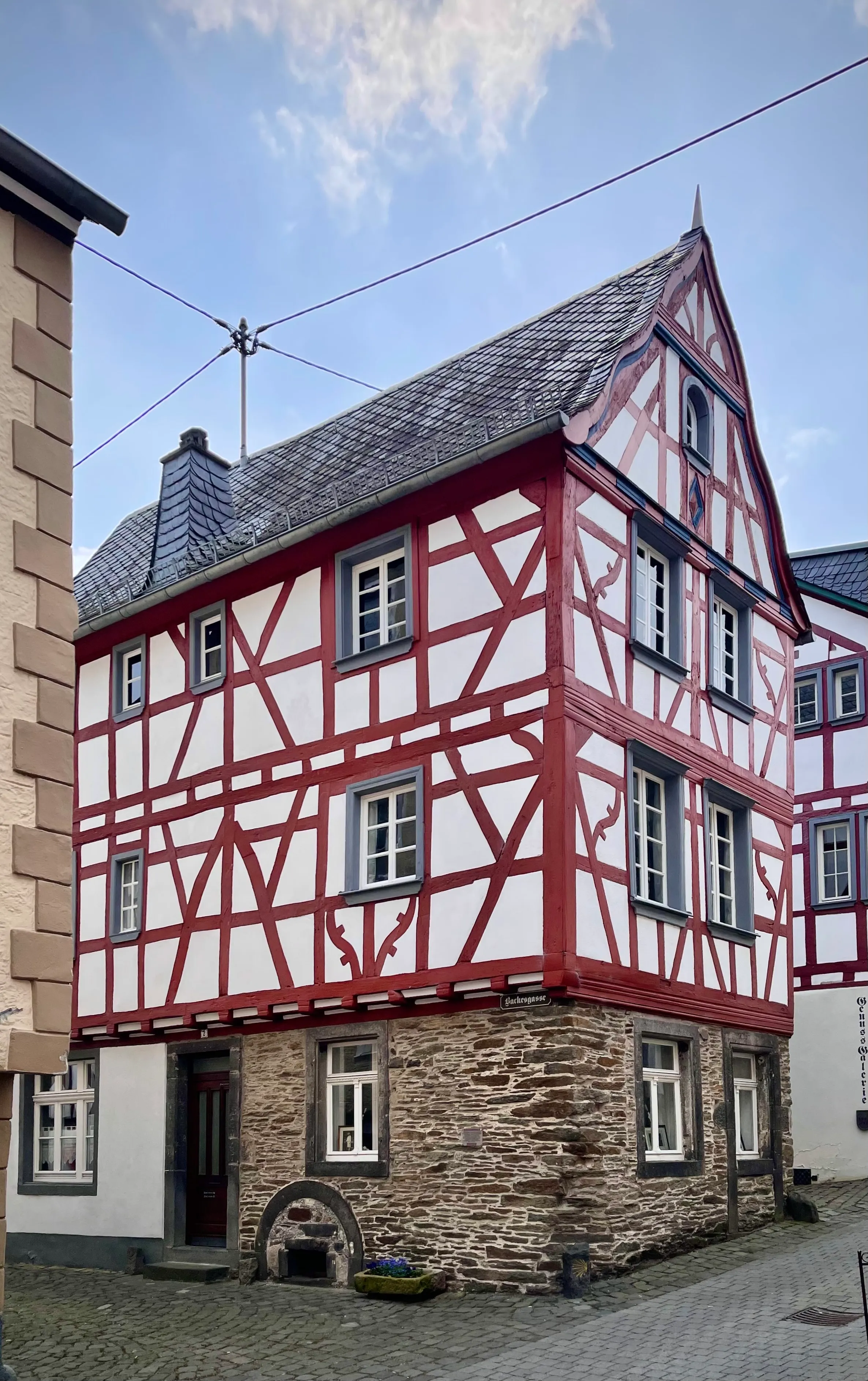
Monreal
Monreal is a Navarran locality on the Way of St James. It offers the pilgrim a peaceful rest in a rural setting, with its medieval bridge as witness to the Jacobean passage.
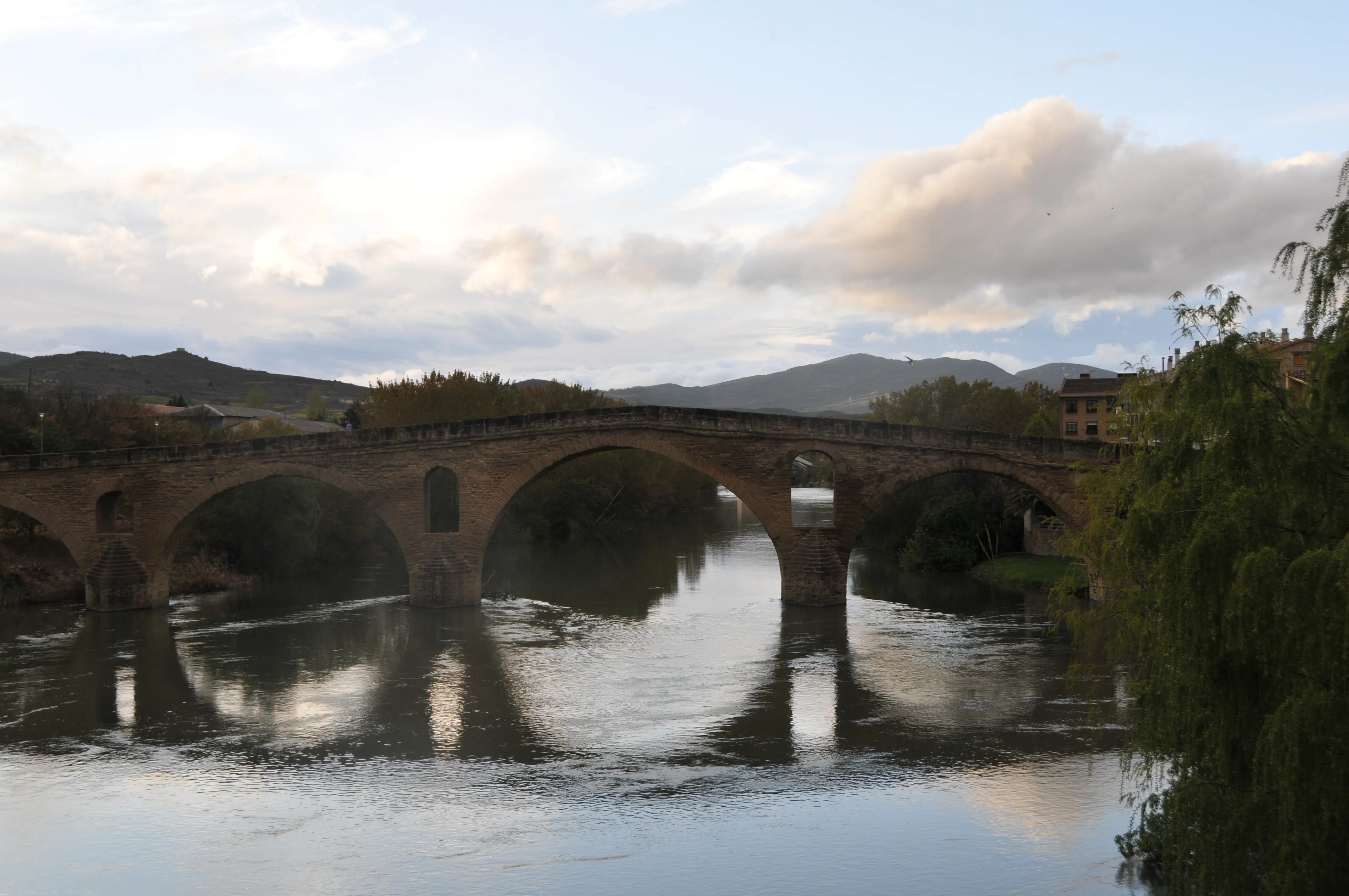
Puente la Reina
Heart of the Camino Francés in Navarra. In Puente la Reina, the routes of Roncesvalles and Somport converge. Its majestic Romanesque bridge is a universal symbol of pilgrimage to Santiago.
History of Aragonese Way
The Primitivo Way, with its high mountain profile and constant inclines, remained for a long time an almost exclusive territory for walkers. Its geography seemed incompatible with cycling. However, with the rise of mountain biking in the late 20th century and early 21st century, audacious cyclists began to see the Primitivo not as an obstacle, but as a definitive challenge. The first ones to ride it were true explorers, opening up the route without guides, often carrying their bikes on their shoulders ("hike-a-bike") for long and grueling stretches.
The story of this modality is therefore that of a conquest. The cycling community gradually documented the route, identified bikeable sections and those requiring precise technique or were impossible to ride. The first guides and GPS tracks emerged, allowing others to follow in their footsteps. Unlike the Camino Francés, where often variants are sought on asphalt, in the Primitivo the goal of the "bicigrino" is precisely to stay on the original path as long as possible, enjoying the essence of "pure mountain".
The bike ride reinterprets the difficulty of the route. The legendary Route of the Hospitals, a high mountain stretch without services, becomes an epic journey of "cross-country". The feared ascent to Alto del Palo transforms into a cardiovascular endurance test followed by a vertiginous and technical descent that requires maximum concentration. The constant ups and downs ("rompepiernas") that characterize Asturias' interior and the entrance to Lugo become a constant challenge for the cyclist. For this reason, the Primitivo on a bike is not recommended for beginners; it demands excellent physical fitness, a well-prepared mountain bike with double suspension, and great technical skill.
The reward for all this effort is immense. The bike allows the pilgrim to immerse themselves in the breathtaking beauty of the Cantabrian Mountains at a speed that allows them to cover more ground in less time, without losing their connection with the environment. The solitude and silence of the route, the feeling of riding through unexplored territory, are magnified. The arrival in the walled city of Lugo or the final convergence with the Camino Francés in Melide feel like a genuine victory.
In conclusion, the Primitivo Way on a bike is a modern tribute to the difficulty of the original journey. It's a form of pilgrimage that substitutes the penance of slowness for extreme exertion, an adventurous sport that connects the cyclist of the 21st century with the spirit of overcoming of the first pilgrim in history.
Accommodations on the Route
The Aragonese Way has 82 verified accommodations along the entire route.
View Stages & AccommodationsPractical Tips for Aragonese Way
Best Season
Spring (April-June) and autumn (September-October) are the best seasons. Pleasant temperatures and fewer crowds than summer.
Physical Preparation
Train by walking progressively in the months before. Start with short distances and increase. Your body will adapt to the rhythm of the Camino.
What to Pack
Light backpack (max 10% of your weight), worn trekking shoes, breathable technical clothing, raincoat, sunscreen and basic first aid kit.
General Tips
Carry the pilgrim credential, stay hydrated, respect your pace, book accommodation in high season and enjoy the journey without rushing.
FAQ about Aragonese Way
El Camino Aragonés es una ruta de 165.6 km que, en promedio, toma alrededor de 6 días para completar. Ourway Travel ofrece itinerarios personalizados para asegurar que cada peregrino disfrute del recorrido sin apresurarse.
La mejor época para realizar el Camino Aragonés son los meses de abril a junio y septiembre a octubre. Durante esta temporada media, se disfruta de un clima agradable con temperaturas que oscilan entre 8-16°C en primavera y 14-25°C en otoño, además de una menor cantidad de peregrinos comparado con el verano.
Una reserva con Ourway Travel para el Camino Aragonés incluye alojamiento asegurado en albergues privados y hoteles, asesoramiento personalizado sobre itinerarios y preparación, así como asistencia en ruta las 24 horas. También proporcionamos información detallada sobre puntos de interés cultural y religioso.
El Camino Aragonés es una opción alternativa para quienes buscan un recorrido menos transitado que el Camino Francés. Ofrece paisajes montañosos únicos y un patrimonio histórico rico, siendo especialmente recomendable para aquellos interesados en explorar las tierras de Aragón.
El Camino Aragonés tiene una clasificación media en términos de dificultad debido a su recorrido por terrenos montañosos y el tramo inicial que atraviesa los Pirineos. Sin embargo, Ourway Travel proporciona itinerarios adaptados para asegurar un viaje seguro y gratificante.
Para reservar el Camino Aragonés con Ourway Travel, simplemente visita nuestro sitio web y completa el formulario de reserva. Nuestro equipo se pondrá en contacto contigo para confirmar los detalles y gestionar tu itinerario personalizado.
La elección entre el Camino Aragonés y el Camino del Norte dependerá de tus preferencias personales. El Aragonés ofrece un recorrido más íntimo con vistas al Pirineo, mientras que el camino del Norte es conocido por su belleza costera y paisajes variados. Ourway Travel puede ayudarte a tomar la decisión correcta basada en tu perfil de viaje.
Para obtener tu credencial de peregrino, es necesario visitar uno de los puntos autorizados como la Casa del Peregrino de Zaragoza. Ourway Travel puede proporcionarte información detallada y ayuda en cómo solicitarla antes de tu viaje.
Ready for this adventure?
Let us organize your pilgrimage. We take care of accommodations, transfers and everything you need.