
Complete Guide to Mozarabic Way from Málaga
From the Costa del Sol, crossing the heart of Andalusia to Mérida.
Last updated: 28/03/2026
Table of Contents
Technical Summary of Mozarabic Way from Málaga
400 km
Distance
17
days
8
Stages
Alta
Difficulty
108 accommodations available on the route
Introduction to Mozarabic Way from Málaga
All Stages of Mozarabic Way from Málaga
Complete route divided into 8 stages
Malaga to Almogía
This is one of the hardest, mythical and beautiful stages of the Camino Francés. The journey involves ascending from the Valcarce valley to the top of O Cebreiro, the entrance to Galicia. The first pa...
Pardon of Villanueva de la Concepción
After the tough ascent to O Cebreiro, this stage offers a more favorable profile, though not free of difficulties. The journey begins with a gentle ride along the mountain's crest, passing by Alto do ...
Villanueva de la Concepción to Antequera
This stage variant is longer but with a smoother profile. The great attraction of this route is the visit to the impressive Monastery of Samos, one of the oldest and most important monastic centers in...
Antequera to Villanueva de la Gaita
This stage variation is shorter but more mountainous. The route passes through the valley of San Xil, in continuous ups and downs through a beautiful landscape. The path runs through "corridors" shade...
Villanueva de Algeciras to Encinas Reales
This stage is one of the most crowded on the Camino, as it's the first full day for those starting in Sarria. The route is a continuous up and down through rural Galicia at its most prototypical, alon...
Encinas Reals to Lucena
This short stage connects two of the most important villages on the Camino in Galicia. The route is a continuous rise and fall through a rural landscape of great beauty, with forests and villages. The...
Lucena for Dona Mencia
This is a short and gentle stage that runs through the kinder Galicia. The route is a continuous up and down on comfortable earth trails and forest paths, through a landscape of meadows and eucalyptus...
Don Mencía of Baena
Known as the "pilgrim's anxiety stage", this journey is the precursor to Santiago. It's a relatively short and gentle route with soft undulations that mostly follow forest trails through eucalyptus fo...
Key Towns of Mozarabic Way from Málaga
The most important towns and cities on this route.
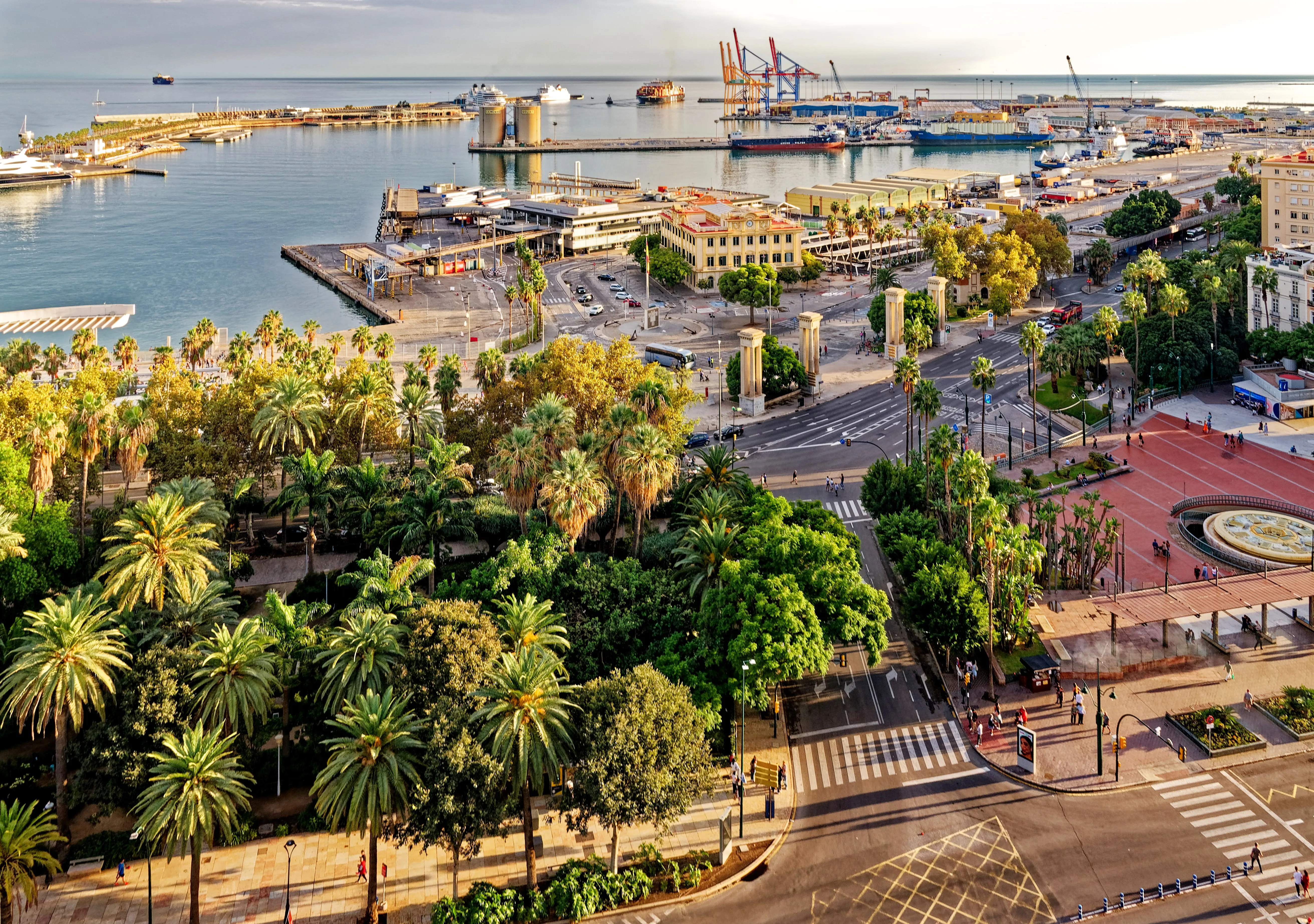
Málaga
Capital of the Costa del Sol and starting point of the Camino Mozárabe. A radiant beginning of a route, that unites the Mediterranean with the interior of Andalusia, passing by the Alcazaba and the Museum of Picasso.
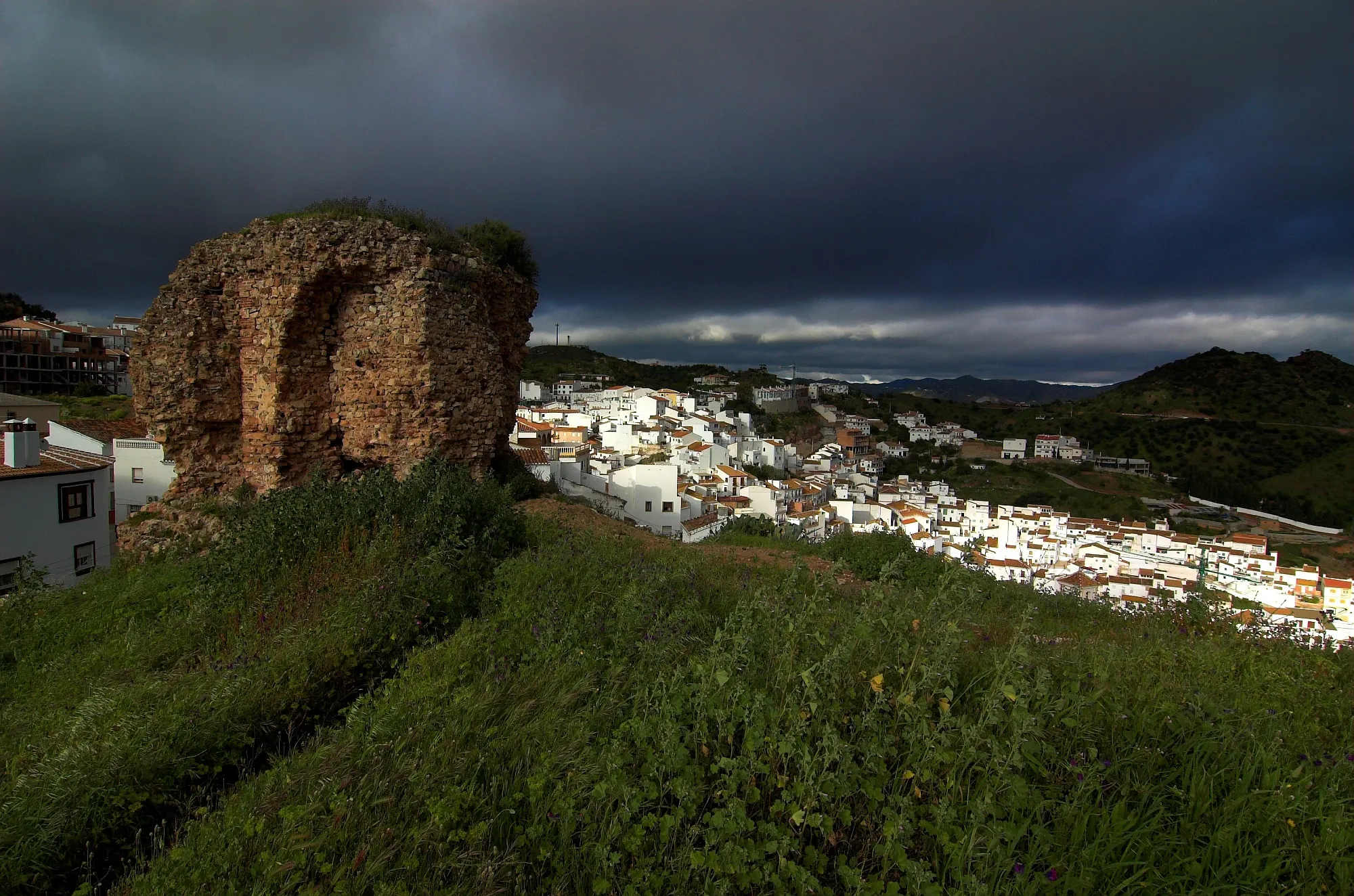
Almogía
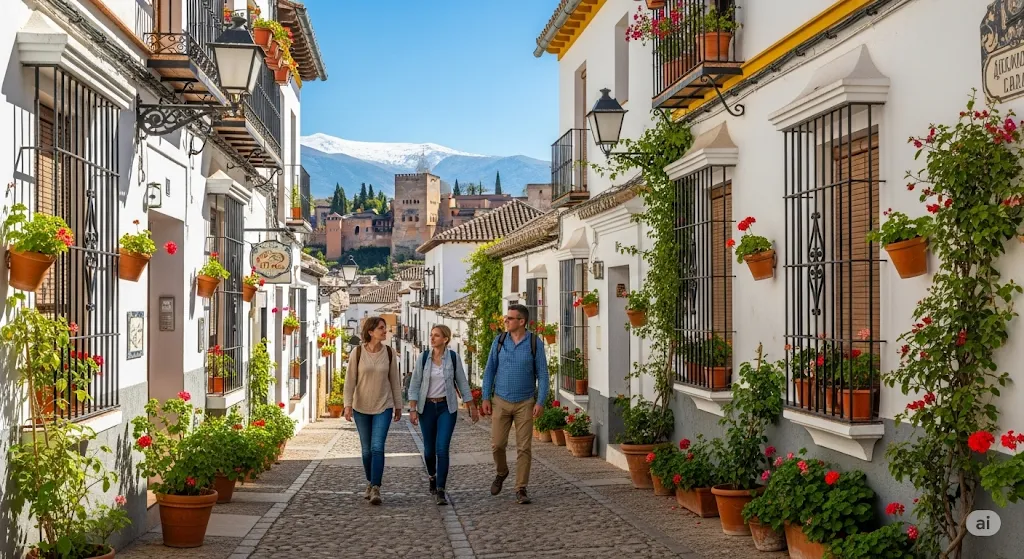
White village in the Malaga Sierra. Almogía, on the Camino Mozárabe, offers the pilgrim a landscape of mountains, steep streets, and the essence of Andalusian inland villages.
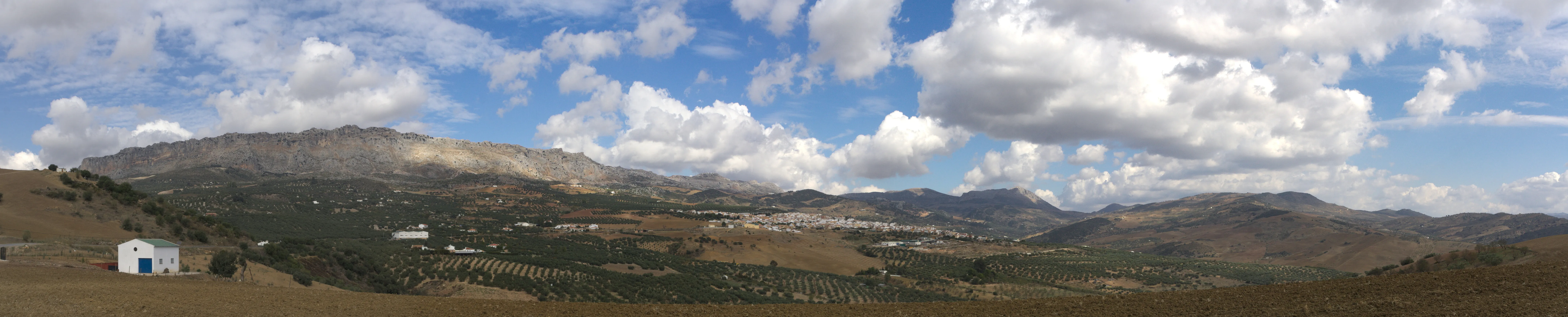
Villanueva de la Concepción
600 mWhite village of Malaga in the heart of the Malaga Mountains. Villanueva de la Concepción is a charming stop with rural charm and the entrance to the El Torcal Natural Park.
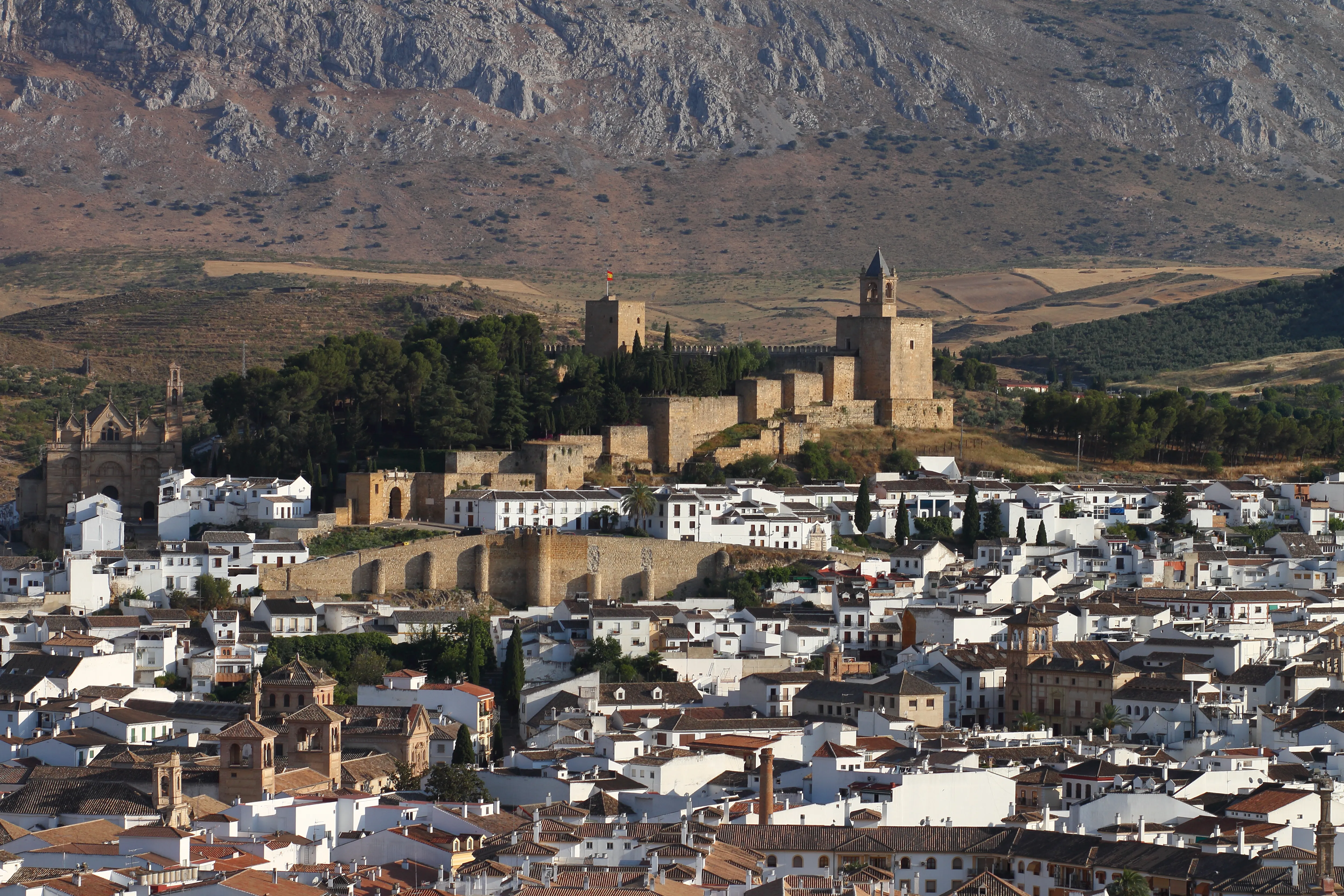
Antequera
Heart of Andalusia and Crossroads of Ways. Antequera, with its dolmens World Heritage Site and its Alcazaba, is an indispensable monumental stop on the Moorish Way.
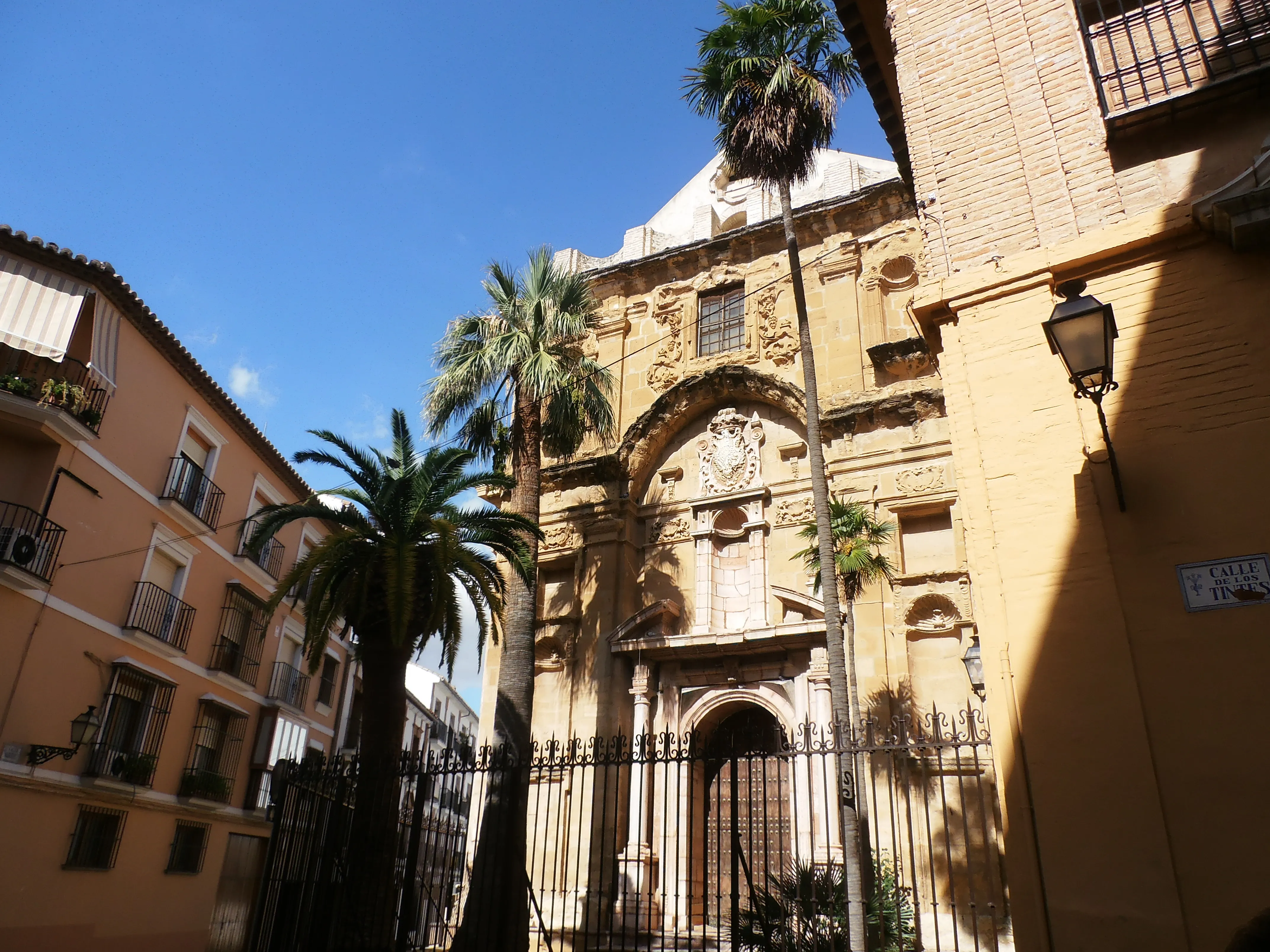
Villanueva de Algaidas
580 mVillage in the heart of Andalusia. Villanueva de Algaidas is a rural stop on the Mozarabic Way, with an interesting rock art heritage and an olive grove environment.
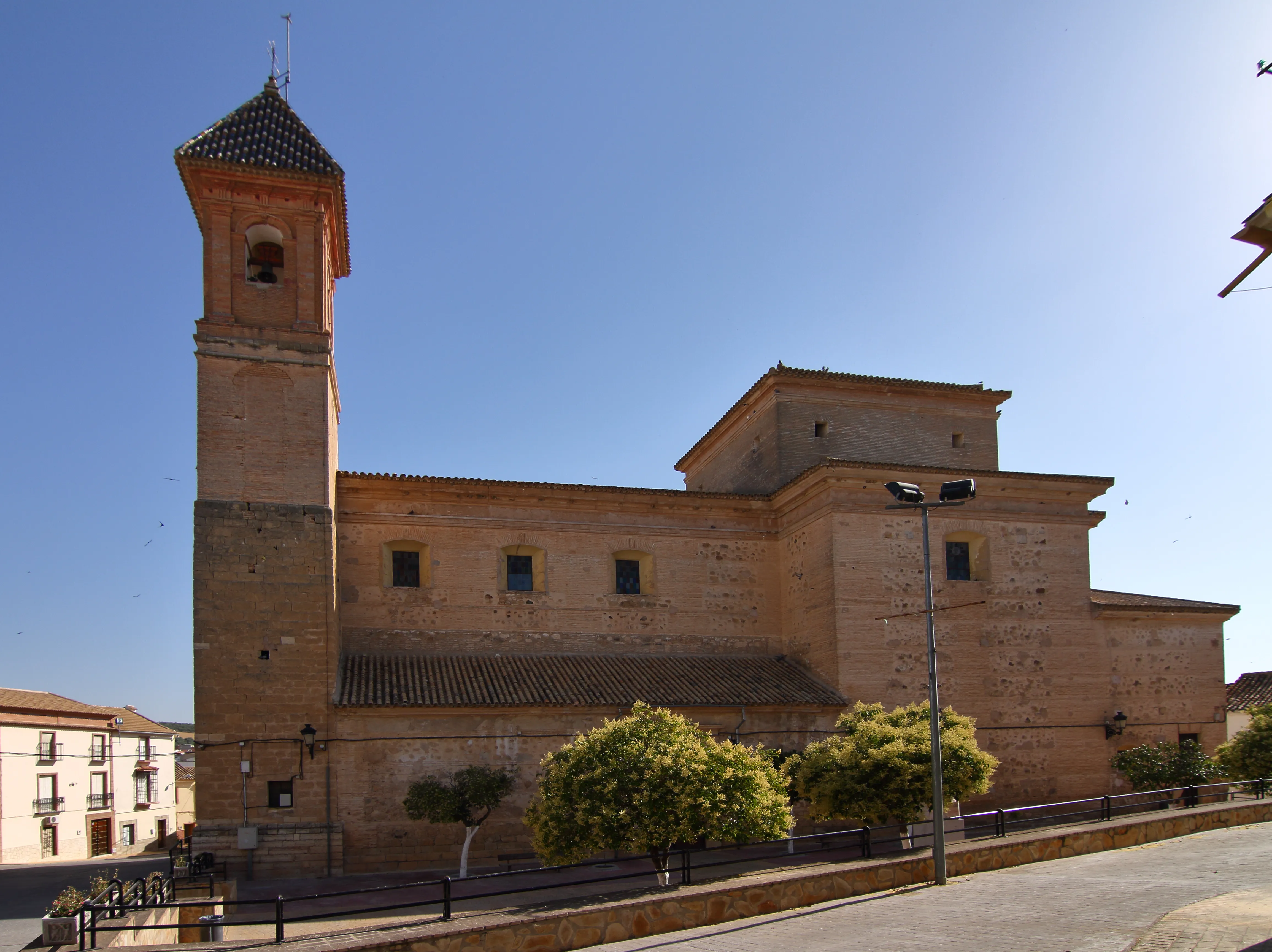
Encinas Reales
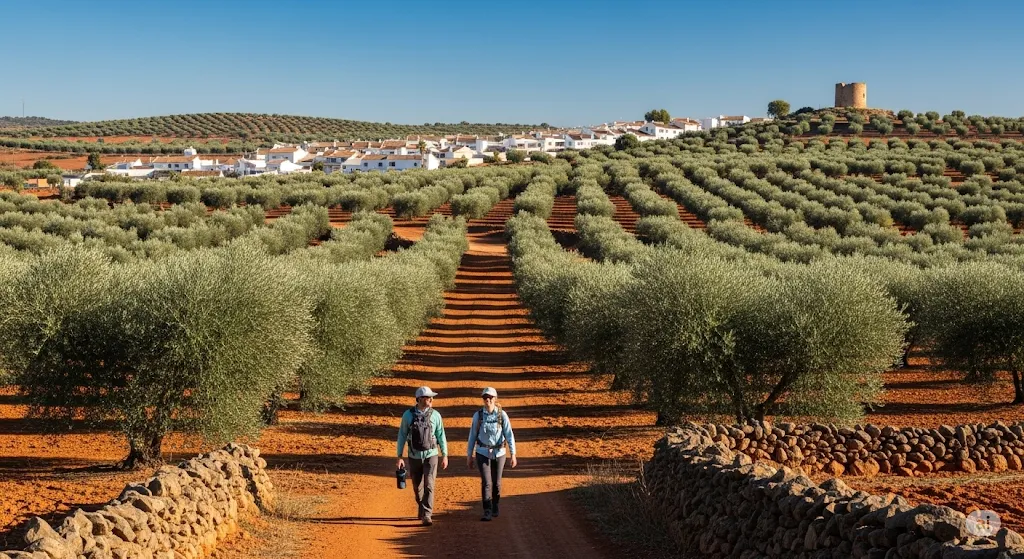
Small Cordovan town in the South Campina. Encinas Reales offers a peaceful refuge to the Mozarabic Pilgrim in an rural environment of olive groves and tranquility.
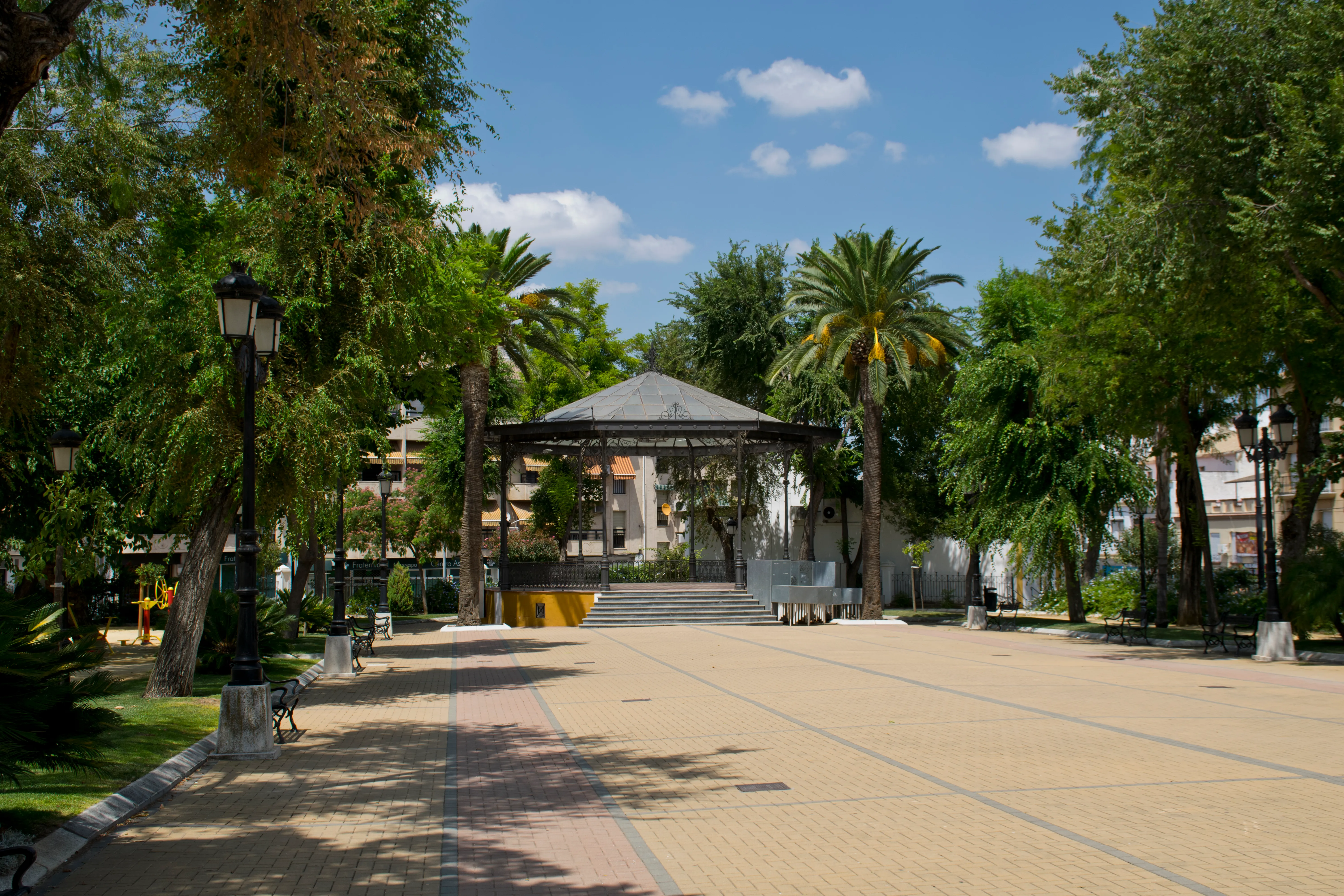
Lucena
Important Cordovan city in the center of Andalusia. Lucena, with its Jewish past and Baroque heritage, is a cultural and service stop on the Mozarabic Way.
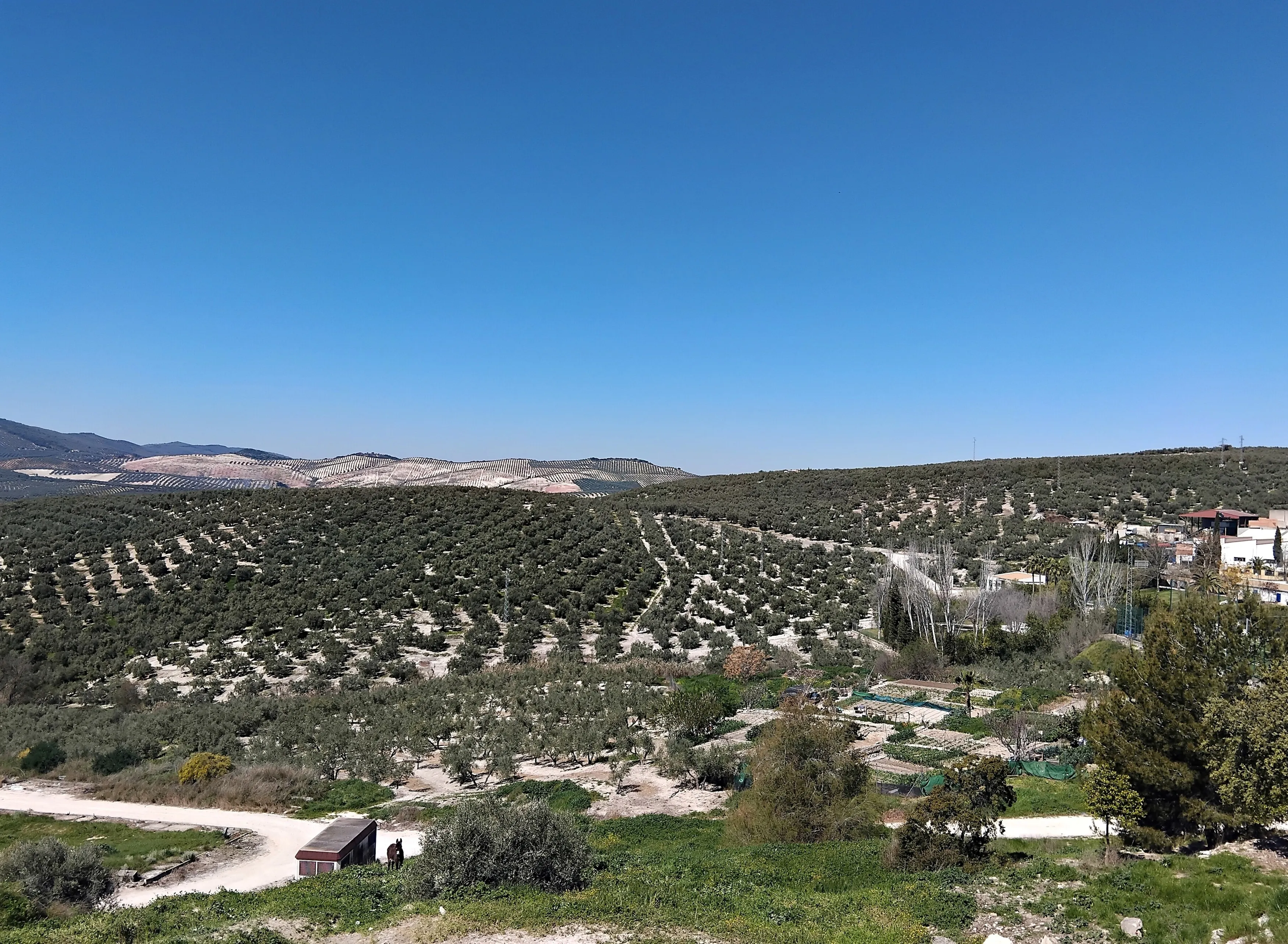
Doña Mencía
600 mVilla Cordoba in the Natural Park of the Subbetica Mountains. Dona Mencia is a charming stop on the Mozarabic Way, surrounded by the Olive Oil Greenway.
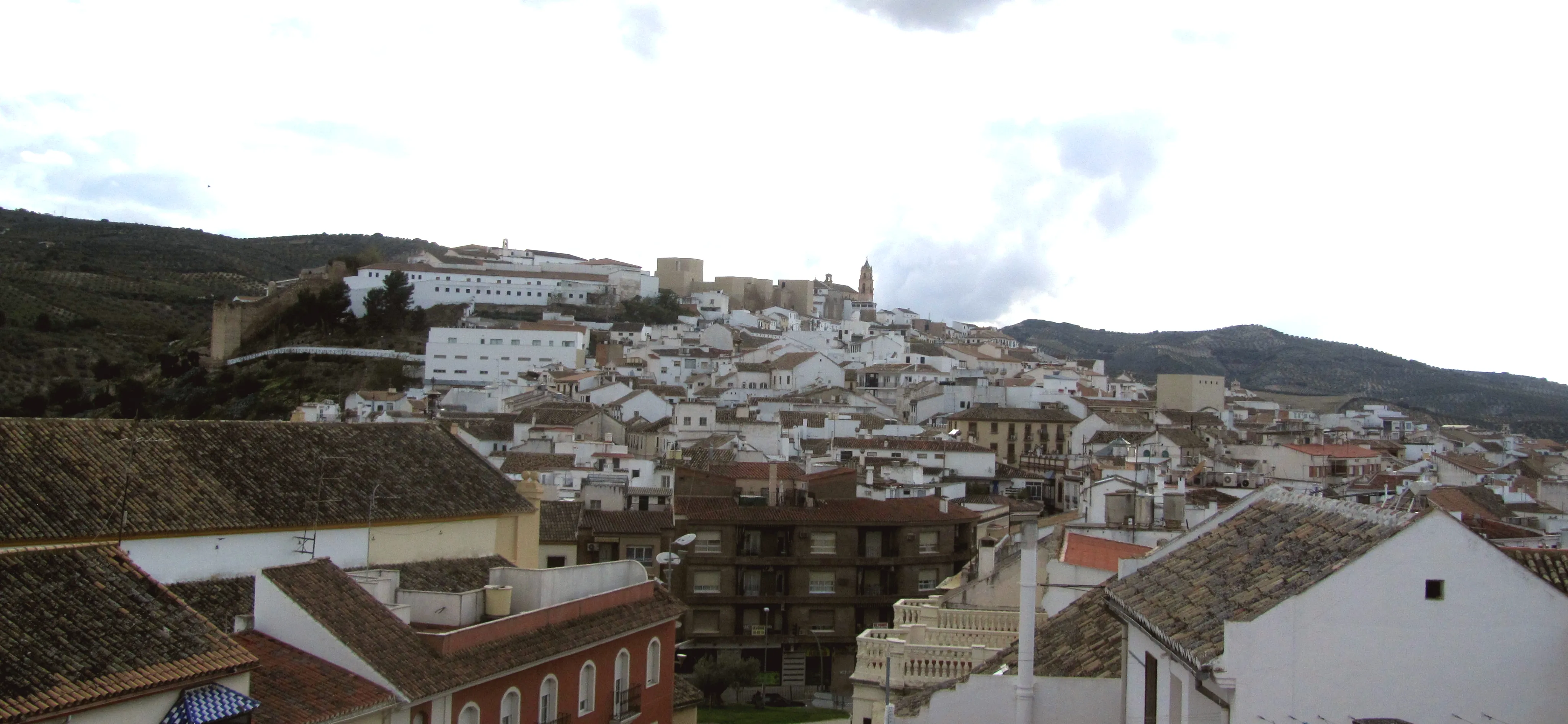
Baena
Heart of the Denomination of Origin for olive oil. Baena offers the pilgrim of the Mozarabic Way a stop to enjoy the "liquid gold" and its rich Cordoban historical heritage.
History of Mozarabic Way from Málaga
Málaga, founded by the Phoenicians and converted into a vital enclave by Romans and Visigoths, flourished under Muslim rule as a key port for trade with the rest of the Mediterranean. In this bustling urban center, the Mozarabic community kept their faith alive, and the news of the Apostle's tomb in Galicia offered them a powerful spiritual reference point. For them, the Way did not begin on a peaceful plain, but with a formidable challenge: overcoming the Mounts of Málaga, the mountainous chain that isolates the coastal strip from the interior of the peninsula.
The route's layout reflects this initial struggle. The first stages are an unbroken ascent, leaving the sea behind to enter a landscape of valleys and steep hills. This initial effort marked the penitential character and determination of the pilgrims. Once the mountain range was overcome, the path arrived at one of the most important communication nodes in Andalucía since prehistory: the comarca of Antequera. Known as "the heart of Andalucía", Antequera was a fundamental stop. Its landscape, dominated by the Peña de los Enamorados, and its wealth of monumental heritage, from prehistoric dolmens (World Heritage Site) to its fortress and baroque churches, made it a place of rest and awe for travelers.
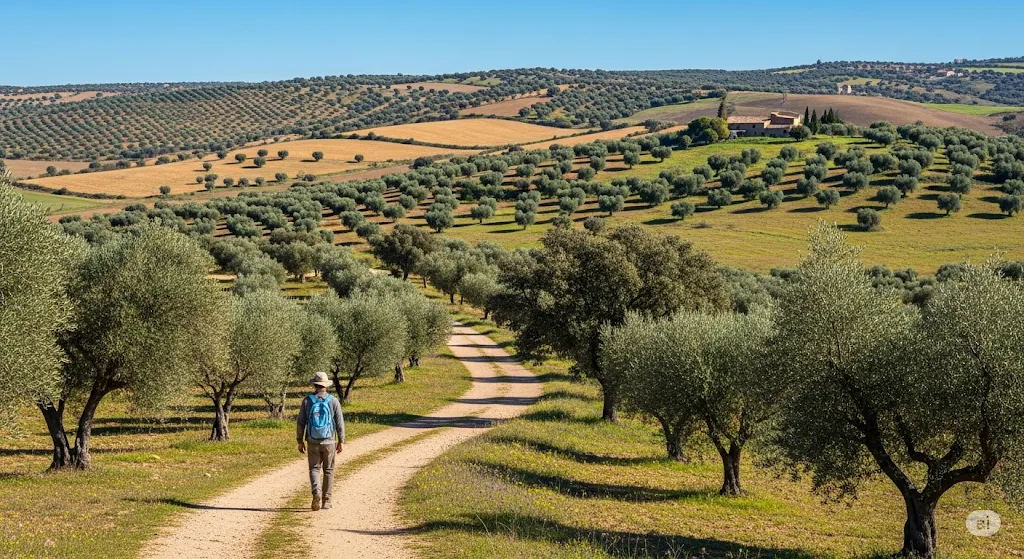
From Antequera, the route continued northwards, crossing the olive groves and cereals. The goal was to reach the great meeting point of southern pilgrims: the city of Córdoba. Along the way, the Málaga pilgrim passed through localities like Lucena, which had one of the most important Jewish communities in Al-Ándalus, enriching the journey with memories of the three cultures. In the vicinity of Baena or Castro del Río, the Malagueño branch merged with those coming from Granada and Jaén. Together, this unified current of pilgrims made their entry into Córdoba.
The arrival in Córdoba marked the end of the first great phase of the journey. There, they joined other groups and prepared to face the final stretch through Andalusian territory: the crossing of Sierra Morena towards Mérida. In Mérida, finally, they were incorporated into the safety and infrastructure of the Via de la Plata, the great western peninsula road.
The revival of this itinerary in modern times has highlighted one of the most diverse and demanding variants of the Mozarabic Way. It offers an unique experience, starting from one of Europe's most vibrant tourist capitals to immerse oneself in the solitude and timeless beauty of Andalucia's interior. It is a journey that encapsulates the region's history, a physical and spiritual ascent from the sea to the meseta, following the brave tracks of Mozarabic pilgrims.
Accommodations on the Route
The Mozarabic Way from Málaga has 108 verified accommodations along the entire route.
View Stages & AccommodationsPractical Tips for Mozarabic Way from Málaga
Best Season
Spring (April-June) and autumn (September-October) are the best seasons. Pleasant temperatures and fewer crowds than summer.
Physical Preparation
Train by walking progressively in the months before. Start with short distances and increase. Your body will adapt to the rhythm of the Camino.
What to Pack
Light backpack (max 10% of your weight), worn trekking shoes, breathable technical clothing, raincoat, sunscreen and basic first aid kit.
General Tips
Carry the pilgrim credential, stay hydrated, respect your pace, book accommodation in high season and enjoy the journey without rushing.
FAQ about Mozarabic Way from Málaga
El Camino Mozárabe desde Málaga tiene una longitud total de 400 km, lo que requiere aproximadamente 17 días para completarlo a un ritmo moderado. Este recorrido te lleva desde la luminosa Costa del Sol hasta el corazón de Andalucía y finalmente a Mérida.
La mejor época para realizar el Camino Mozárabe desde Málaga es durante las temporadas media de abril a junio y septiembre a octubre. Durante este periodo, se consigue un equilibrio ideal entre clima templado y una menor concentración de peregrinos en comparación con la temporada alta de verano.
Con Ourway Travel, tu paquete de reserva para el Camino Mozárabe desde Málaga incluye alojamientos en albergues y hoteles seleccionados, así como un servicio de traslado seguro para tu equipaje a lo largo del recorrido. Además, recibirás asesoramiento personalizado sobre la ruta y recomendaciones útiles.
El Camino Mozárabe desde Málaga es una opción única que combina la riqueza histórica y cultural de Andalucía con un desafío físico mayor debido a su longitud elevada. A diferencia del Camino Francés, que es más popular pero menos exigente, el Mozárabe desde Málaga ofrece un viaje más auténtico y en contacto cercano con la historia mozárabe. Sin embargo, si buscas una ruta más accesible pero igualmente significativa, el Camino Portugués puede ser una alternativa interesante.
El Camino Mozárabe desde Málaga se considera de alta dificultad debido a su extensión y al relieve montañoso que atraviesa, especialmente durante las primeras etapas en el interior de Andalucía. A pesar de ser un desafío físico importante, esta ruta ofrece una experiencia inigualable tanto cultural como espiritual.
Para reservar tu viaje en el Camino Mozárabe desde Málaga con Ourway Travel, solo necesitas contactarnos a través de nuestro sitio web o llamándonos. Nuestros expertos te guiarán paso a paso, ayudándote a elegir entre nuestros paquetes personalizados y asegurando que todos los detalles estén perfectamente organizados para tu viaje.
El Camino Mozárabe desde Málaga es la elección ideal si buscas un desafío físico significativo junto con una inmersión cultural y histórica enriquecedora. Este recorrido te lleva a través de paisajes montañosos y ciudades llenas de historia, ofreciéndote una experiencia única que combina superación personal y conocimiento profundo sobre la rica herencia mozárabe.
Para obtener tu credencial de peregrino en el Camino Mozárabe desde Málaga, puedes adquirirla antes de iniciar tu viaje. Estas se pueden conseguir en las oficinas de turismo o iglesias en Málaga y otras ciudades a lo largo del camino. Con Ourway Travel, te proporcionamos asesoramiento sobre dónde obtenerla para asegurarte de que todo esté listo antes de comenzar tu viaje.
Ready for this adventure?
Let us organize your pilgrimage. We take care of accommodations, transfers and everything you need.