
Complete Guide to Portuguese Way (Central)
Walks along the Portuguese Central Way, the second most popular route. From Lisbon or Porto, it crosses Portugal and Galicia, uniting history, culture, and enchanting landscapes until Santiago.
Last updated: 28/03/2026
Table of Contents
Technical Summary of Portuguese Way (Central)
616.5 km
Distance
25
days
25
Stages
Media
Difficulty
246 accommodations available on the route
Introduction to Portuguese Way (Central)
It offers great monumental and landscape richness, combining urban trails with rural paths, forests, and vineyards. It is well signposted and has an excellent network of hostels. It is an ideal option for those who wish to experience the culture of two countries and enjoy a Camino with generally moderate difficulty.
All Stages of Portuguese Way (Central)
Complete route divided into 25 stages
Lisbon to Vila Franca de Xira
The first stage of the Portuguese Way from Lisbon is an urban and peri-urban route that follows the course of the Tagus River. It's a flat and pleasant journey, allowing for a peaceful departure from ...
Vila Franca de Xira to Azambuja
This stage continues by the banks of the Tagus, on a flat and pleasant route. It is a day to enjoy the riverine landscape and the tranquility of the road. The arrival in Azambuja, a city with a rich h...
Azambuja is located near Santarém
This long stage ventures into the heart of Ribatejo, land of horses and bulls. The route is flat but very demanding due to its distance. It's a day to enjoy the landscape of the lezíria, the alluvial ...
Santarém to Golegã
Leaving behind the monumental Santarém, this long stage continues along the Leziria of the Tagus. The route is flat and pleasant, ideal for recovering strength. It's a day to enjoy the countryside of ...
Golega in Tomar
This stage ends in the monumental city of Tomar, the seat of the Knights Templars in Portugal. The route is of moderate distance and undulating profile. Arrival in Tomar, with its impressive Convent o...
Taking Alvaiázere
Leaving behind the monumental Tomar, this long stage enters the central mountains of Portugal. The route is a continuous up and down through a landscape of forests and hills. It's a day of great beaut...
Alvaiázere to Alvorge
This stage continues through the central hills of Portugal, on a beautiful and solitary route. The path crosses a landscape of forests and hills, with spectacular views. It's a day to enjoy nature in ...
Arrival at Cernache
This stage of the Portuguese Way enters into authentic rural Portugal. The profile is a continuous rise and fall through a landscape of eucalyptus and pine forests, dotted with small villages. It's a ...
Sernam (Portugal)
This is a short and favorable stage with the historic and monumental Coimbra as its destination. The route is an enjoyable stroll that becomes increasingly urban as it approaches the city. Entering Co...
Coimbra to Sernadelo
Leaving behind the monumental Coimbra, this stage enters the Bairrada region, famous for its wines. It's a long and flat journey that takes place mostly on the agricultural plain of the Mondego River....
Serena delo to Agueda
This stage continues through the Bairrada region, on a terrain of gentle undulations. The route crosses a landscape of vineyards, forests and small towns. It's a medium difficulty day that combines as...
Agueda to Albergaria-a-Velha
A short and gentle stage that enters a more wooded landscape. The road runs along paths that traverse forests of eucalyptus and pine, in an environment of great tranquility. It is a journey to enjoy n...
Almouda to São Miguel
This long stage marks the transition to the metropolitan area of Porto. The profile is undulating, with a continuous rise and fall through a landscape that alternates between rural zones and wooded ar...
Saint John of Madeira to Grijo
This stage is characterized by the progressive approach to the great city of Porto. The route is a continuous rise and fall over terrain that alternates between wooded zones with increasingly urbanize...
He scowled at Lisbon
The final stage of the South Portuguese Way trail ends in the spectacular city of Porto. It is a short and mostly urban journey that allows pilgrims to arrive on time to explore one of Europe's most b...
Porto to Vilarinho
As it leaves the monumental Oporto, this stage enters its metropolitan area, on a route that combines urban stretches with the first rural landscapes. It is a long and asphalt-heavy journey that requi...
Vila Real do Bolo
This stage is a pleasant walk through the heart of the Minho region's core. The profile is undulating but without great difficulties, winding its way through a landscape of great beauty. The route pas...
Barcelos to Ponte de Lima
This is one of the longest and most demanding stages of the Portuguese Way, but also one of the most beautiful. The profile is a continuous "broken bone" through a rural landscape of great charm. The ...
Bridge of Lima to Rubiões
This is the queen stage of mountain in the Portuguese Way in Portugal. The journey is marked by a tough ascent to Alto da Labruja, the highest point on the route in Lusitanian lands. It's an demanding...
Rubies of Tui
This is the final full stage in Portuguese territory. It's a gentle and pleasant day that descends into the valley of the Minho River. The road passes through rural landscape, with forests and village...
To Ronda
This long stage is the first full day in Galicia for many pilgrims. The route is demanding, with a "break-a-leg" profile that includes the tough climb up Alto de A Madalena. The route crosses the Lour...
Rounda to Pontevedra
This stage is one of the most beautiful on the Portuguese Way in Galicia. After leaving Redondela, the path gently ascends, offering spectacular views of Vigo Bay. The most notable landmark is the med...
Pontevedra to Caldas de Reis
This stage is a gentle and pleasant journey that runs through the heart of rural Galicia. The profile is mainly flat, with soft undulations, allowing for a relaxed walk. The route passes through a lan...
Caldas de Reis to Padrón
This is a stage of great beauty and Jacobean significance. It's a gentle journey through the Galician countryside, which passes through forests and villages with charm. The path runs over undulating t...
Complaint to Santiago de Compostela
The last and exciting stage of the Portuguese Way. It's a journey that combines rural Galicia with the progressive entry into urban Santiago surroundings. The profile is a gentle and continuous ascent...
Key Towns of Portuguese Way (Central)
The most important towns and cities on this route.
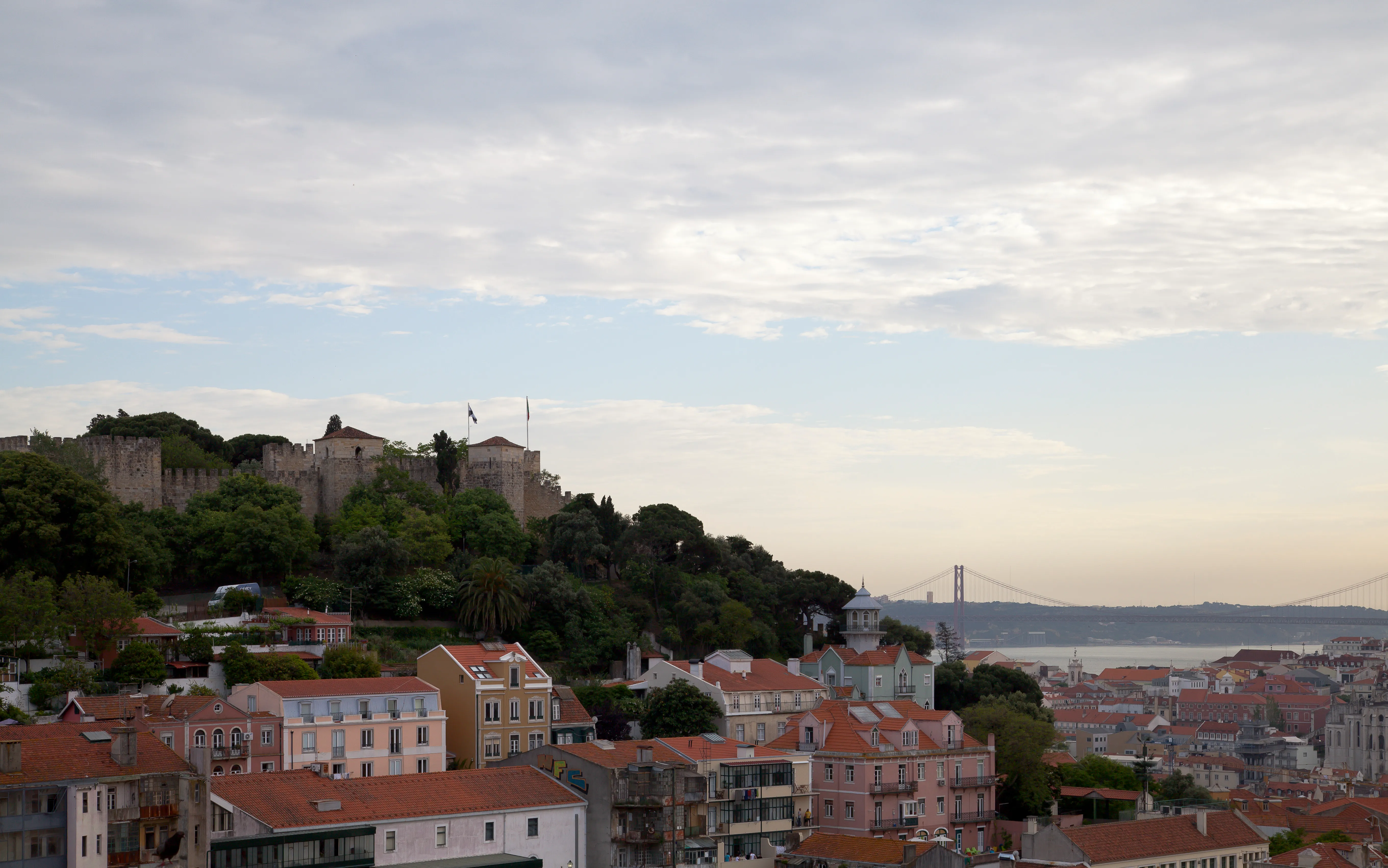
Lisboa
Vibrant capital of Portugal and starting point of the Portuguese Central Way. A pilgrimage beginning full of history, culture, fado and the charm of its seven hills.
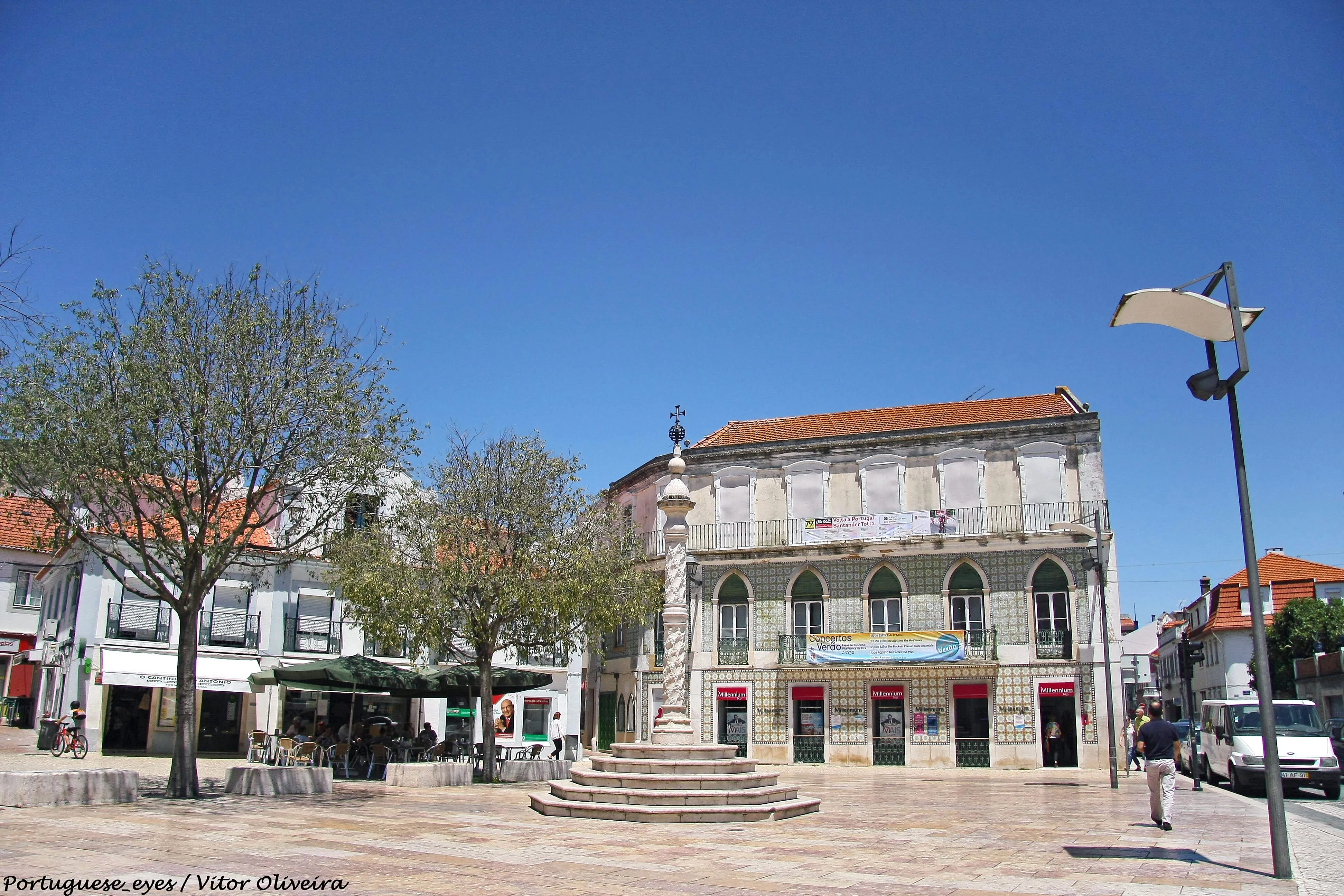
Vila Franca de Xira
Riverine city on the Portuguese Central Route. Famous for its bullfighting traditions, Vila Franca de Xira is a stop with strong local character by the Tagus River.
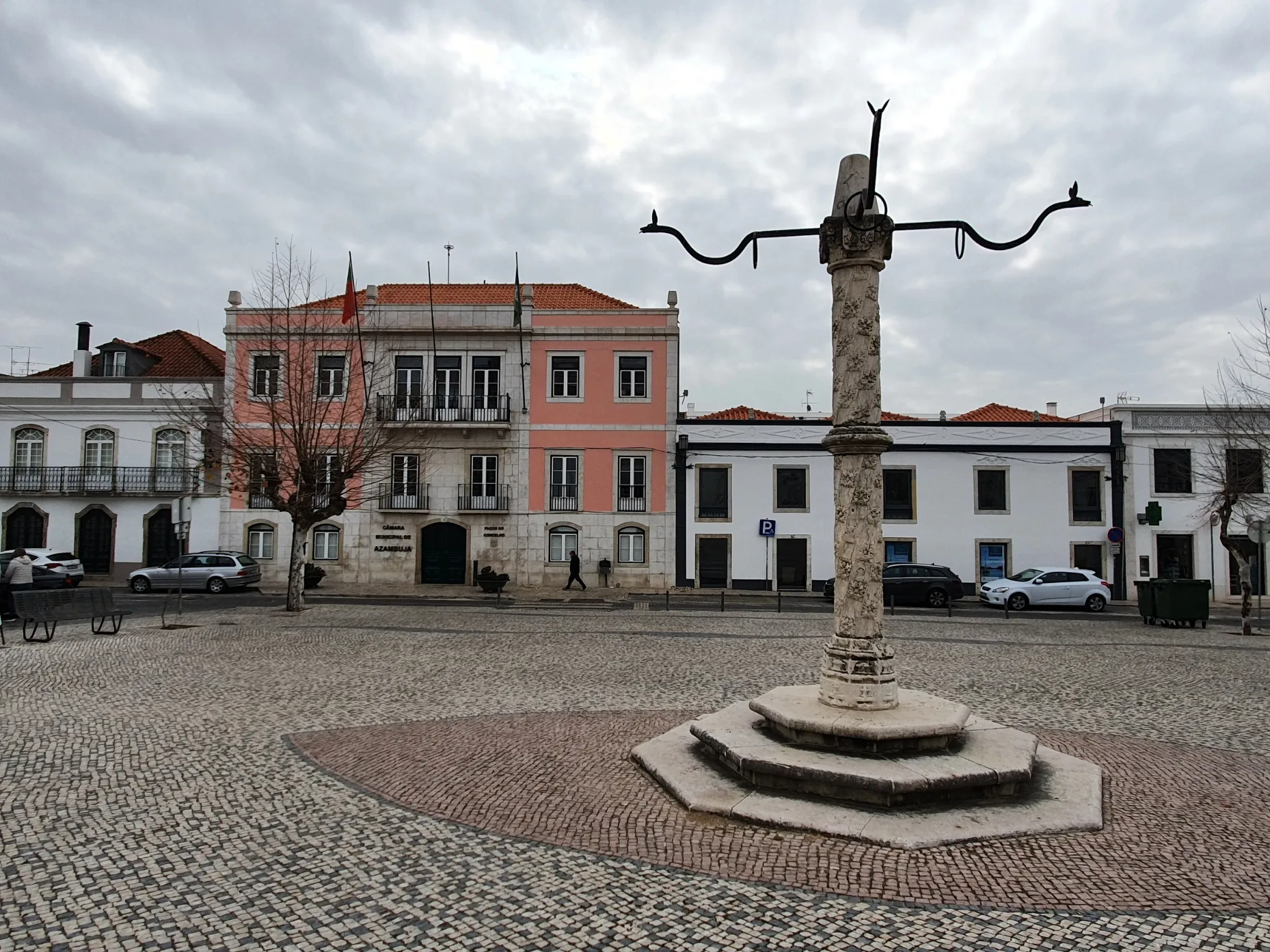
Azambuja
Rural village in the Tajo valley. Azambuja is a quiet and functional stop on the Portuguese Central Way, offering a rural rest to pilgrims.
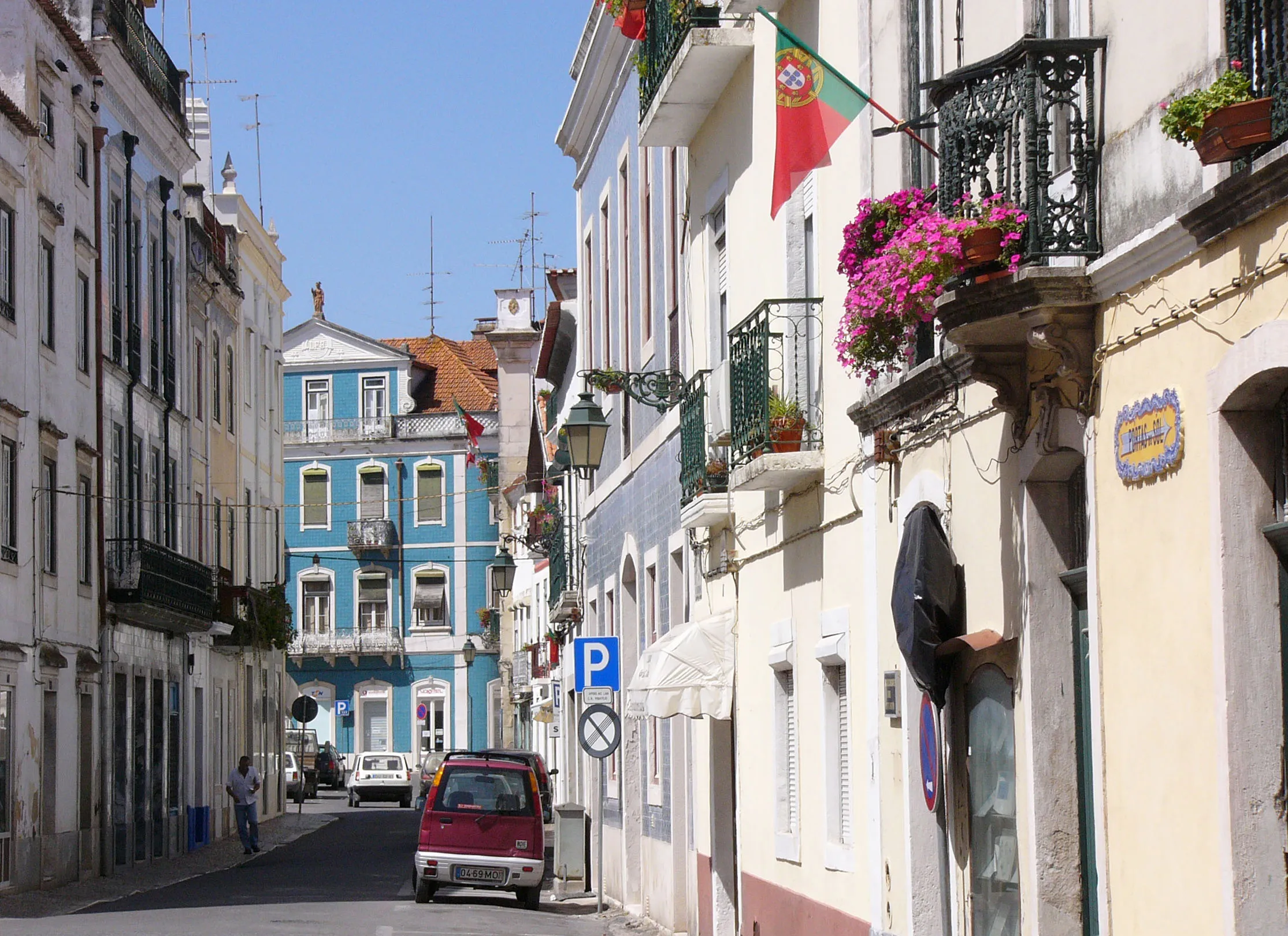
Santarém
Known as the "Gothic Capital" in Portugal, Santarém is a monumental stage of the Portuguese Way, with impressive churches and panoramic views over the Tagus River.
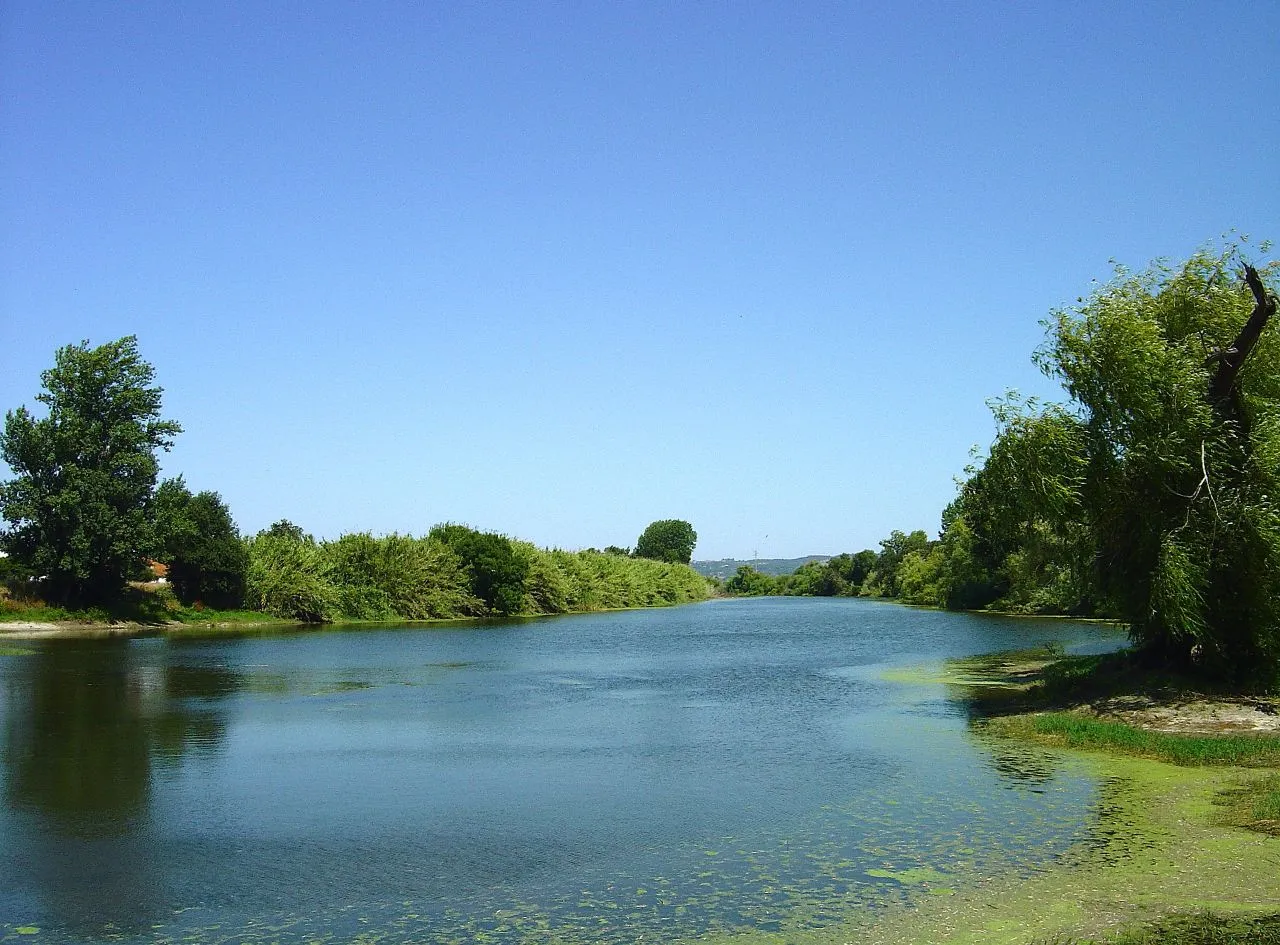
Golegã
The Horse's Capital in Portugal. Golegã, on the Portuguese Central Way, is a village with an equestrian tradition rich in history, famous for its National Horse Fair.
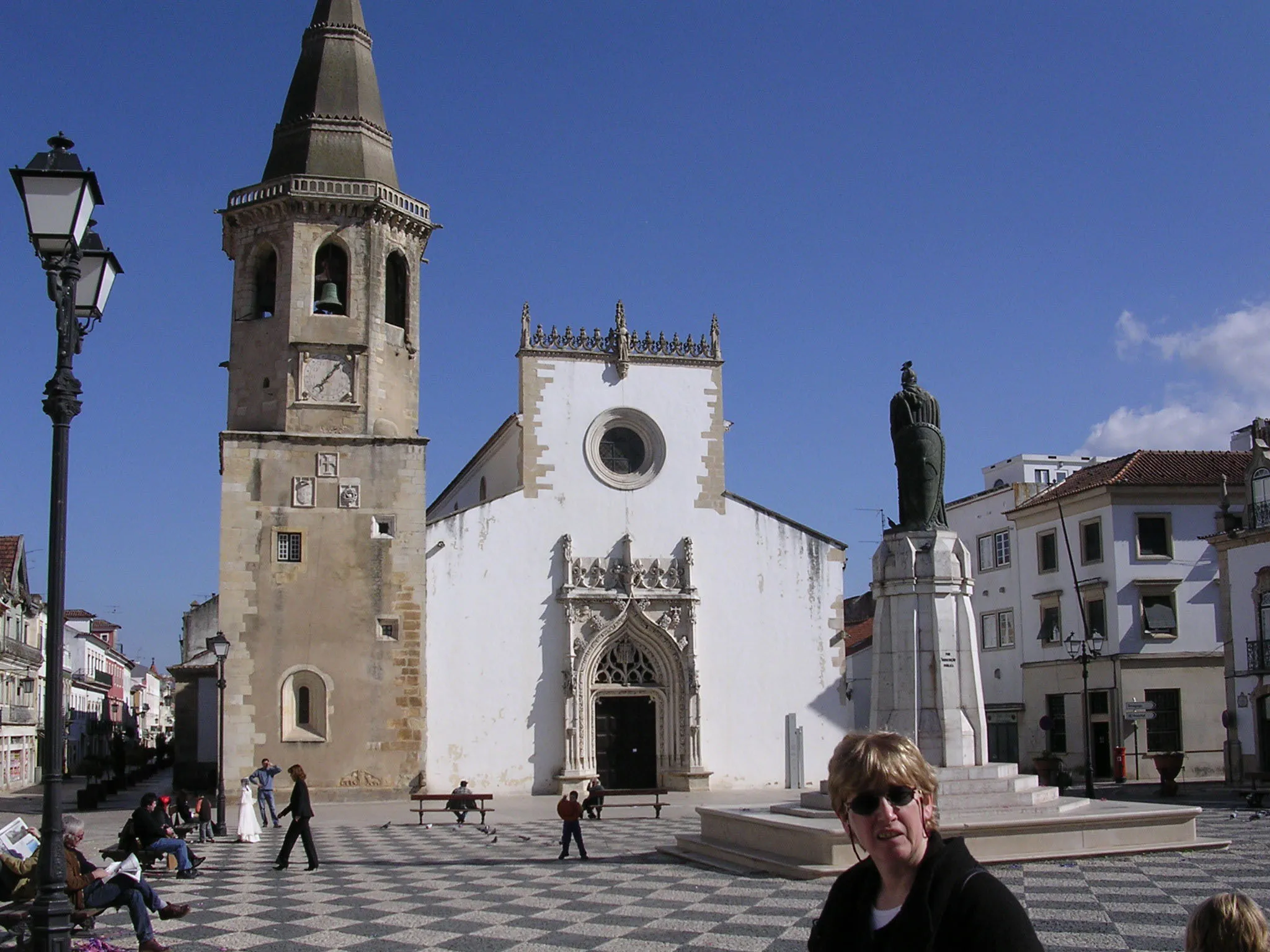
Tomar
Templar City and World Heritage Site. Tomar, with its impressive Convent of Christ, is one of the most spectacular and monumental stops on the Portuguese Way of St. James.

Alvaiázere
Rural village on the Portuguese Central Way. Alvaiázere, surrounded by a mountainous landscape, offers the pilgrim a quiet rest and the flavors of its local cuisine.
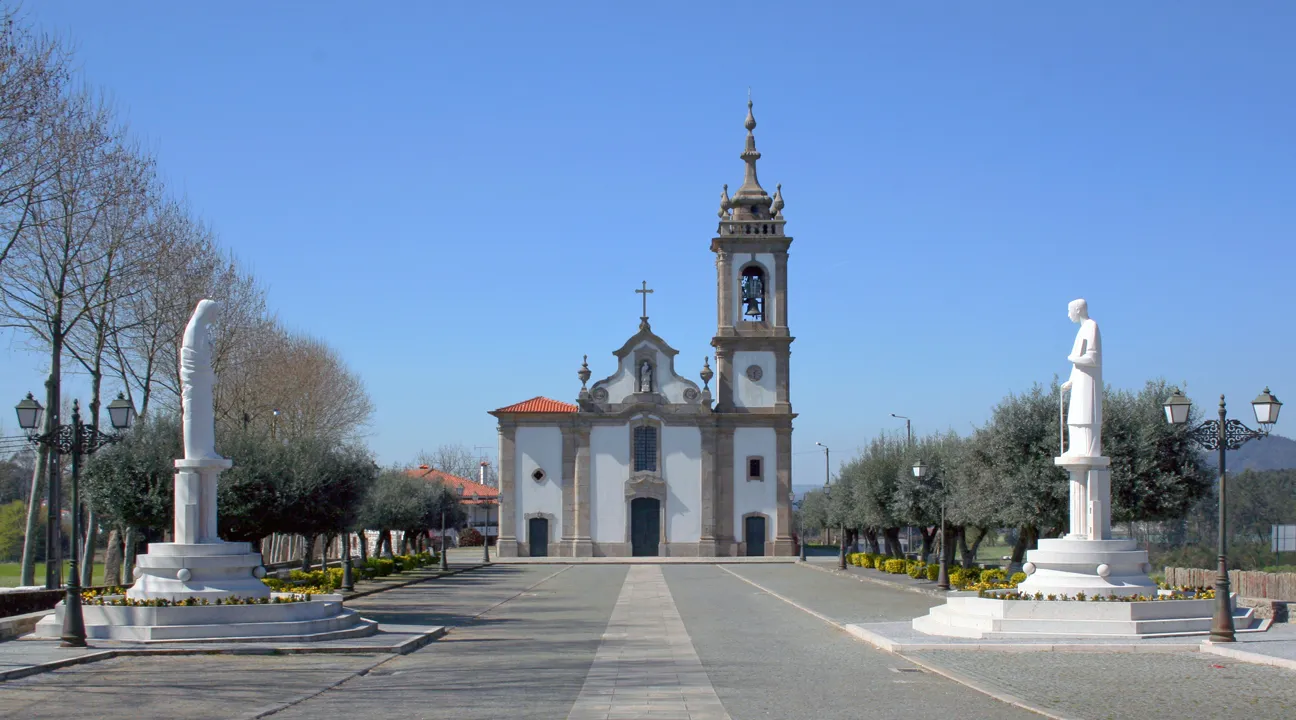
Alvorge
Small and peaceful village on the Portuguese Central Way. Alvorge offers a genuine rural retreat, a haven of peace on the route to the north.
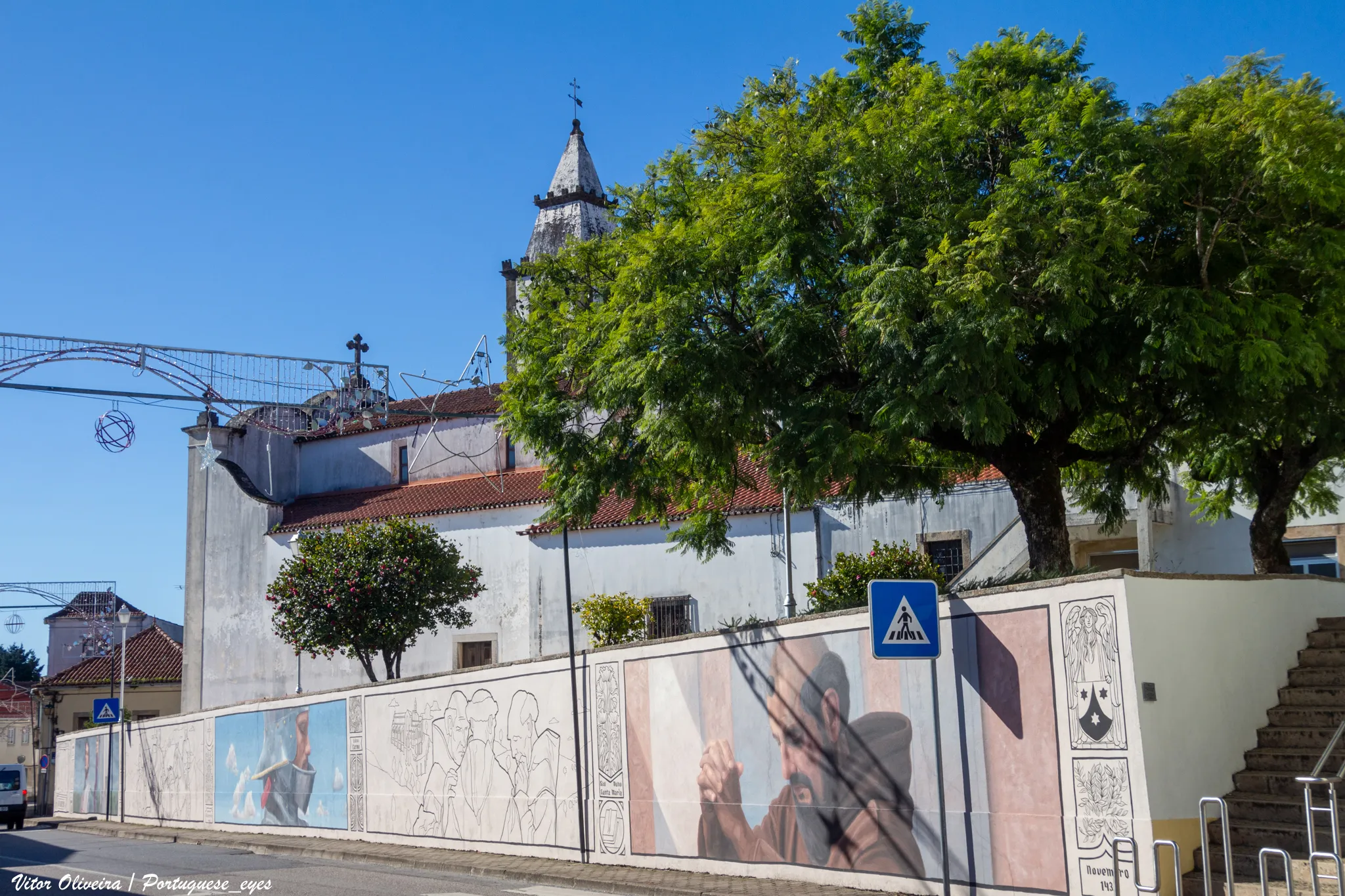
Cernache
Town on the threshold of Coimbra. Cernache is the last rural stop on the Portuguese Way before arriving at the historic university city, offering a peaceful break.
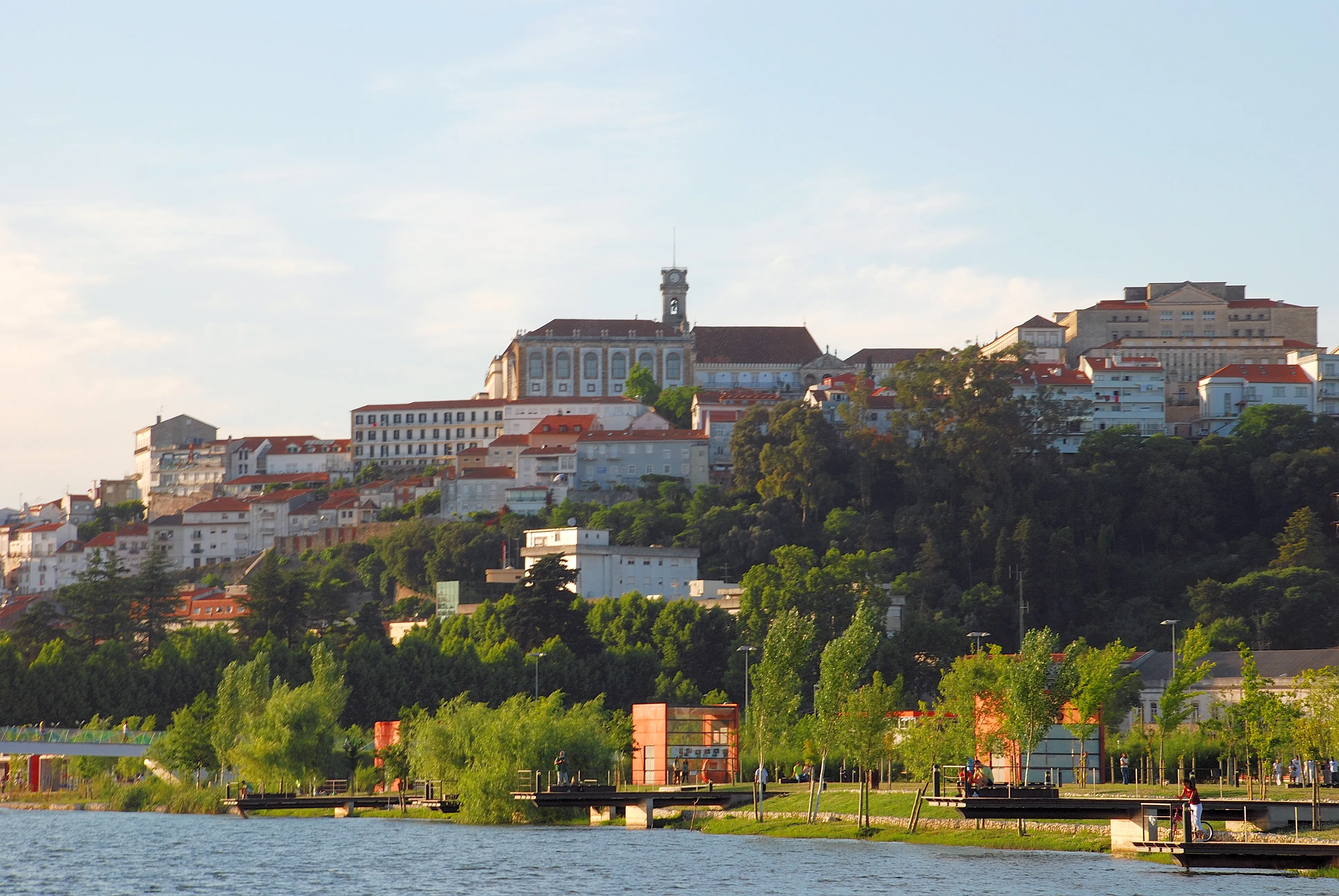
Coímbra
Coimbra is the historic capital of Portugal and seat of its renowned university. Coimbra is an indispensable cultural stop on the Portuguese Way, filled with student life, fado, and heritage.
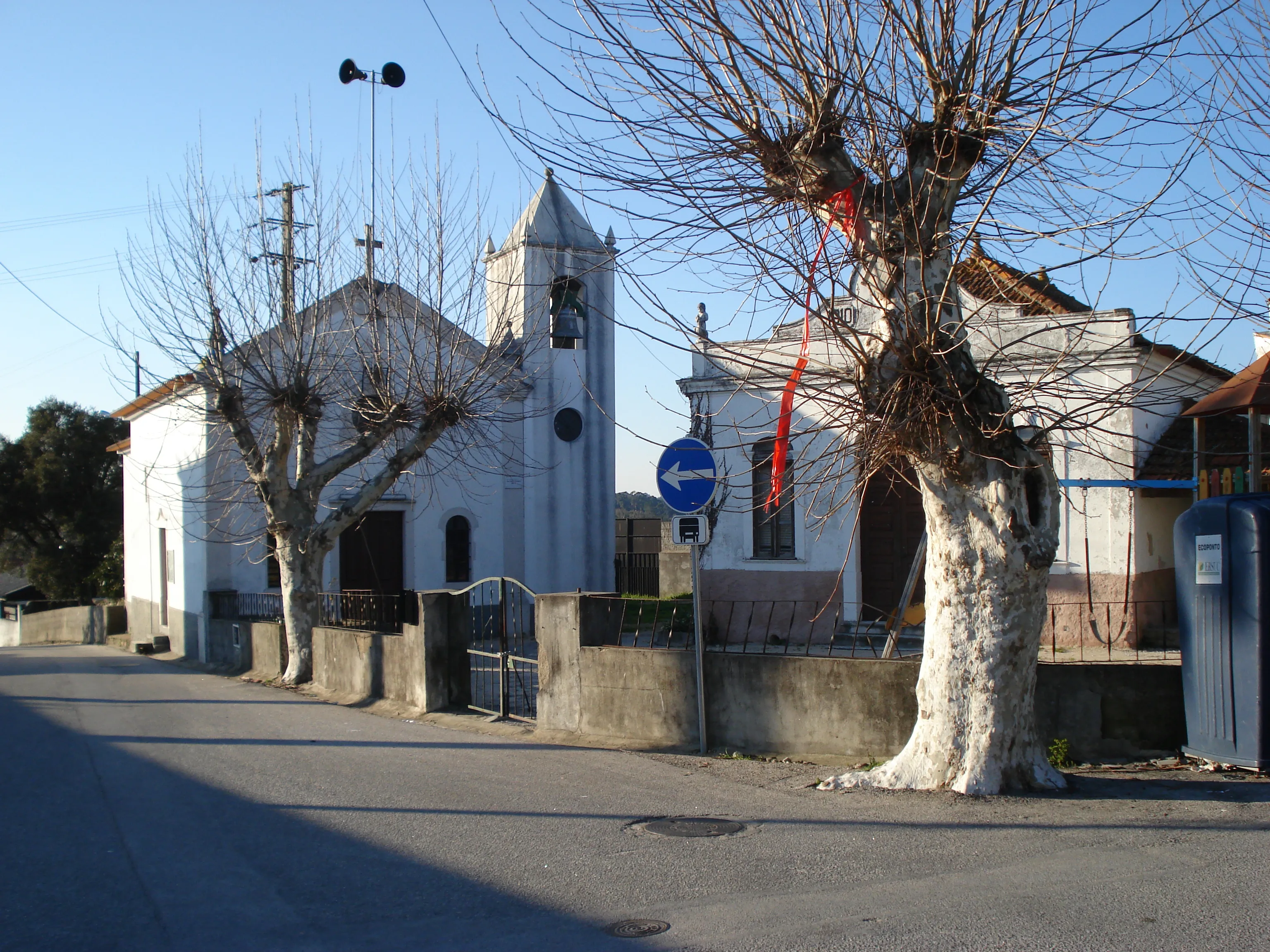
Sernadelo
Small rural village on the Portuguese Way. Sernadelo offers the pilgrim a peaceful rest in a landscape of fields and woods, a haven of peace on the way to Porto.
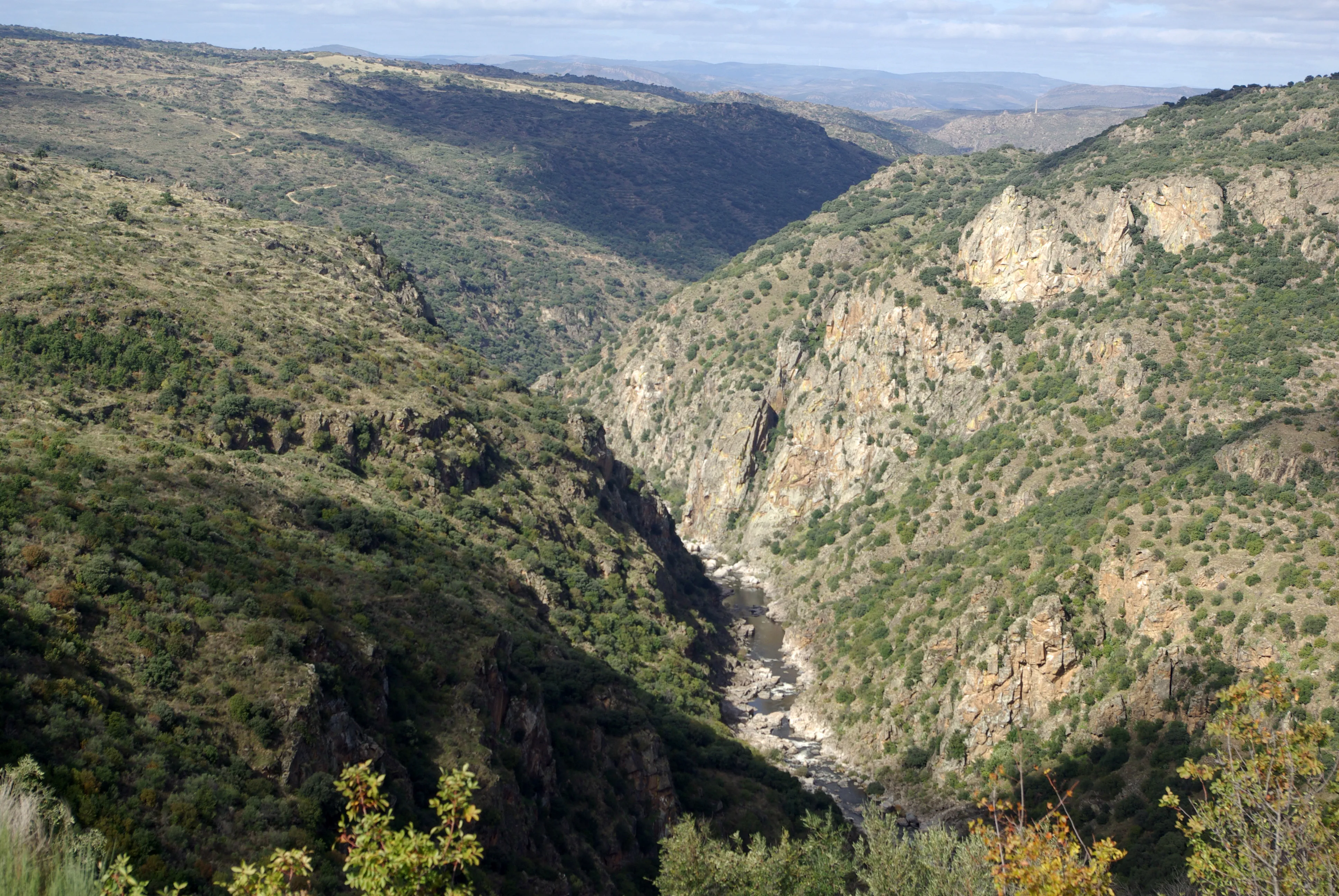
Águeda
City of Colour Umbrellas. Águeda, on the Portuguese Way, is a vibrant and creative stop, famous for its urban art festival AgitÁgueda.
History of Portuguese Way (Central)
The deep cultural, linguistic, and religious connection between northern Portugal and Galicia facilitated the spread of devotion quickly towards the south. The route developed organically, taking advantage of efficient Roman roads that already connected important places like Lisbon (Olissipo), Coimbra (Aeminium), and Braga (Bracara Augusta) with the north. Over these Roman roads and medieval paths, the first Portuguese pilgrims began to head towards Compostela.
The definitive consolidation of the route came with Portugal's independence and the strengthening of the Kingdom of Portugal in the 12th century. The monarchy and nobility of Portugal embraced devotion fervently. Kings, princes, and princesses embarked on pilgrimage, leaving behind a trail of donations to churches and hospitals that contributed to the route's provision and security. The most paradigmatic example and one that popularized the path was the pilgrimage of Queen Saint Isabella of Portugal, wife of King Dinis. At the beginning of the 14th century, she traveled to Compostela in two instances, showing a deep devotion that, according to tradition, led her to offer her own crown as queen at the Apostle's altar. Her journey became a model for the nobility and common people.
The main route, the Central Way, starts from Lisbon and ascends through Portugal's heart. It passes through cities of immense historical importance: Santarém, with its Templar past; Coimbra, ancient capital and seat of one of Europe's oldest universities; and Porto, vibrant commercial city on the Duero River that became the most popular starting point for those with less time.
From Porto, the route heads north, passing through villages loaded with history and legend, such as Barcelos, famous for the legend of the rooster that is today a universal symbol of Portugal and the pilgrimage itself. It continues through Ponte de Lima, with its imposing Roman and medieval bridge, and the fortified village of Valença do Minho, which guards the border. The crossing of the Miño River, which separates Valença from Tui, is one of the most symbolic moments on the route, entering Galician territory. The imposing Cathedral-fortress of Tui welcomes pilgrims, who then face the final stages passing through Redondela, Pontevedra, and Caldas de Reis.
The destination before Santiago is Padrón, the ancient Iria Flavia Roman city considered the cradle of all Jacobean tradition. It is here where, according to legend, the Apostle's stone boat arrived with the remains of St James and where his disciples began to preach. Places like the "Pedrón", the Roman altar to which they supposedly moored the boat, and which is preserved in Santiago de Padrón Church, connect pilgrims directly to the origin of history.
After a period of decline, the revitalization of the Portuguese Way in recent decades has been spectacular. Its moderate difficulty, its beauty of landscapes, its exceptional monumental richness, and the warm hospitality of its people have turned it into an unforgettable Jacobean experience, a journey that allows immersion in the culture of two countries united forever by the Way.
Accommodations on the Route
The Portuguese Way (Central) has 246 verified accommodations along the entire route.
View Stages & AccommodationsPractical Tips for Portuguese Way (Central)
Best Season
Spring (April-June) and autumn (September-October) are the best seasons. Pleasant temperatures and fewer crowds than summer.
Physical Preparation
Train by walking progressively in the months before. Start with short distances and increase. Your body will adapt to the rhythm of the Camino.
What to Pack
Light backpack (max 10% of your weight), worn trekking shoes, breathable technical clothing, raincoat, sunscreen and basic first aid kit.
General Tips
Carry the pilgrim credential, stay hydrated, respect your pace, book accommodation in high season and enjoy the journey without rushing.
FAQ about Portuguese Way (Central)
Sí, el Camino Portugués Central completo parte de la Catedral de Lisboa con un recorrido de unos 620 km hasta Santiago de Compostela. Sin embargo, muchos peregrinos optan por empezar desde Oporto (240 km) o desde Tui (117 km) en la frontera.
El Central discurre por el interior de Portugal, pasando por ciudades históricas como Santarém, Coímbra y Oporto. El de la Costa sigue el litoral atlántico con paisajes marinos. El Central tiene más patrimonio monumental, mientras el Costero ofrece playas y paseos marítimos.
Si eres ciudadano de la UE, solo necesitas el DNI o documento de identidad para cruzar la frontera entre Portugal y España. Si vienes de fuera de la UE, necesitarás pasaporte. No hay controles fronterizos habituales al estar ambos países en el espacio Schengen.
Desde Oporto son unos 240 km divididos en 10-12 etapas, con una media de 20-25 km por etapa. Las etapas más largas son las de la meseta portuguesa, mientras las últimas en Galicia son más variadas. Se puede completar en 10-12 días caminando.
Desde Lisboa se pasa por Santarém, Tomar, Coímbra (imprescindible con su universidad medieval), Aveiro, Oporto y Vila do Conde. Desde Oporto, las etapas pasan por Barcelos, Ponte de Lima y Valença antes de cruzar a España por Tui.
Sí, la red de albergues es muy completa, especialmente desde Oporto. En Portugal los albergues son modernos y bien equipados. Al cruzar a Galicia los servicios son igualmente buenos. Es recomendable reservar en julio y agosto en las etapas más populares.
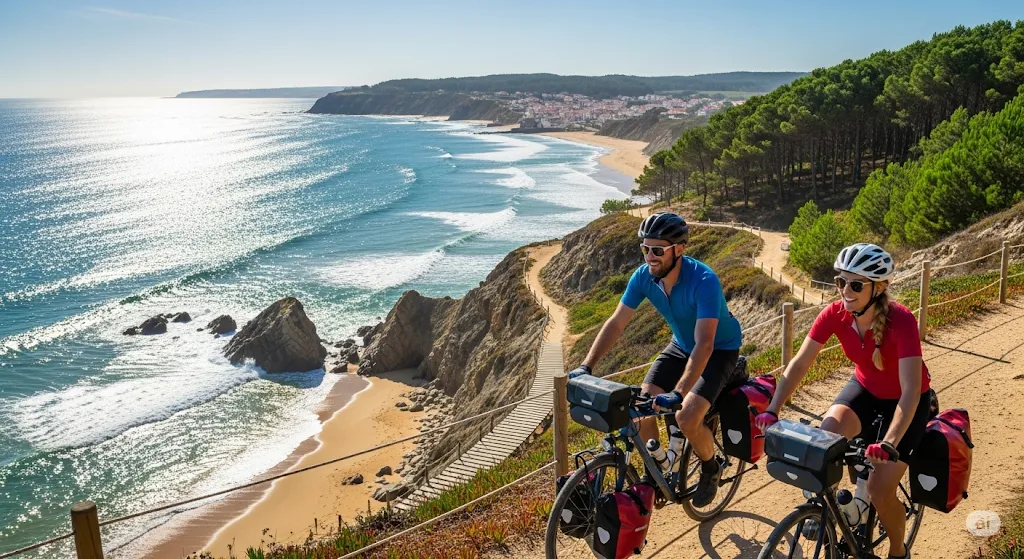
Sí, el Camino Portugués Central es uno de los mejores para hacer en bici. El terreno es relativamente llano, especialmente desde Oporto. En bici se completa en 5-7 días. Algunas variantes tienen tramos de tierra, y en Galicia el pavimento puede ser más irregular.
La primavera (marzo-junio) es la época ideal con temperaturas suaves y paisajes verdes. El otoño también es excelente. El verano puede ser muy caluroso en el interior de Portugal. El invierno es suave en la costa pero puede ser lluvioso, especialmente en Galicia.

Ready for this adventure?
Let us organize your pilgrimage. We take care of accommodations, transfers and everything you need.