
Complete Guide to Portuguese Coastal Way
Enjoy the Portuguese Coastal Route, an scenic alternative that borders the Atlantic. From Porto, it follows maritime villages in Portugal and Galicia until joining the Central Way.
Last updated: 28/03/2026
Table of Contents
Technical Summary of Portuguese Coastal Way
292.0 km
Distance
13
days
13
Stages
Media
Difficulty
181 accommodations available on the route
Introduction to Portuguese Coastal Way
All Stages of Portuguese Coastal Way
Complete route divided into 13 stages
To Labruge
The first stage of the Portuguese Coastal Way is a transition journey that takes the pilgrim out of the great city of Porto. The route runs along the coast, through an enjoyable seaside promenade and ...
Punching at Póvoa de Varzim
This stage is a pleasant coastal walk that continues along wooden boardwalks over the dunes. It's a short and completely flat journey, ideal for enjoying the Atlantic landscape without great exertion....
Porto Moniz
Leaving the bustling Póvoa de Varzim, this stage returns the pilgrim to a more natural and tranquil environment. The route follows the coast line, alternating walks on the beach with paths between dun...
Marinas at Viana do Castelo
This stage is one of the most beautiful and complete sections of the Portuguese Coastal Way. The route combines interior stretches through forests and villages with spectacular sections along the coas...
Viana do Castelo to Caminha
This stage is a long and spectacular coastal journey that takes the pilgrim to the border with Spain. The route is mainly flat and runs through a beautiful landscape, alternating walks on the beach, p...
Walk to Porto Mougás
This stage marks the entry into Galicia and is one of the most spectacular on the route. It begins with a ferry crossing over the River Miño to A Guarda. From there, the road follows a coastal path th...
Porto Mougás to A Ramallosa
This is a short and gentle stage that serves as a transition. The route continues to border the coast, offering beautiful views of Baiona Bay and the Cíes Islands. It's a journey to enjoy the landscap...
To Ramallosa, Vigo
This stage marks the arrival at the largest city in Galicia. The profile is an "off-piste" demanding route with continuous ups and downs through the hills surrounding Vigo Bay. In return, it offers sp...
Vigo to Redondela
This is a short and beautiful stage that takes the pilgrim out of the big city to bring him to a more tranquil environment. The route is a continuous up and down, with spectacular views of Vigo Bay. T...
Rounda to Pontevedra
This stage is one of the most beautiful on the Portuguese Way in Galicia. After leaving Redondela, the path gently ascends, offering spectacular views of Vigo Bay. The most notable landmark is the med...
Pontevedra to Caldas de Reis
This stage is a gentle and pleasant journey that runs through the heart of rural Galicia. The profile is mainly flat, with soft undulations, allowing for a relaxed walk. The route passes through a lan...
Caldas de Reis to Padrón
This is a stage of great beauty and Jacobean significance. It's a gentle journey through the Galician countryside, which passes through forests and villages with charm. The path runs over undulating t...
Complaint to Santiago de Compostela
The last and exciting stage of the Portuguese Way. It's a journey that combines rural Galicia with the progressive entry into urban Santiago surroundings. The profile is a gentle and continuous ascent...
Key Towns of Portuguese Coastal Way
The most important towns and cities on this route.
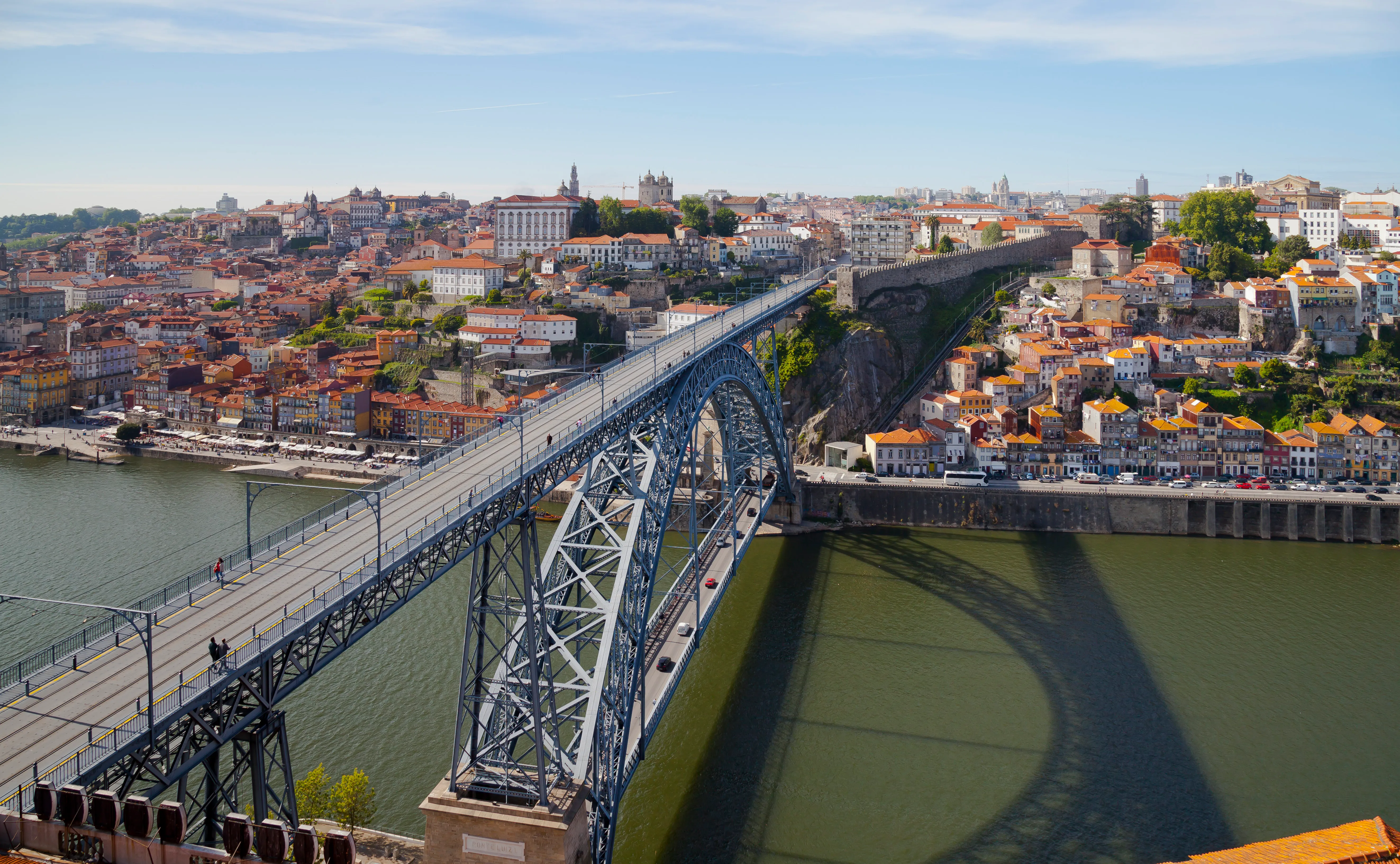
Oporto
Starting point most popular of the Portuguese Way. Porto, by the Douro and famous for its wine, offers an unforgettable starting route between bridges and cellars.
Labruge
Coastal locality on the Portuguese Way of the Coast. Labruge offers the pilgrim a wild beach landscape and wooden walkways, an initial stage with strong Atlantic flavor.
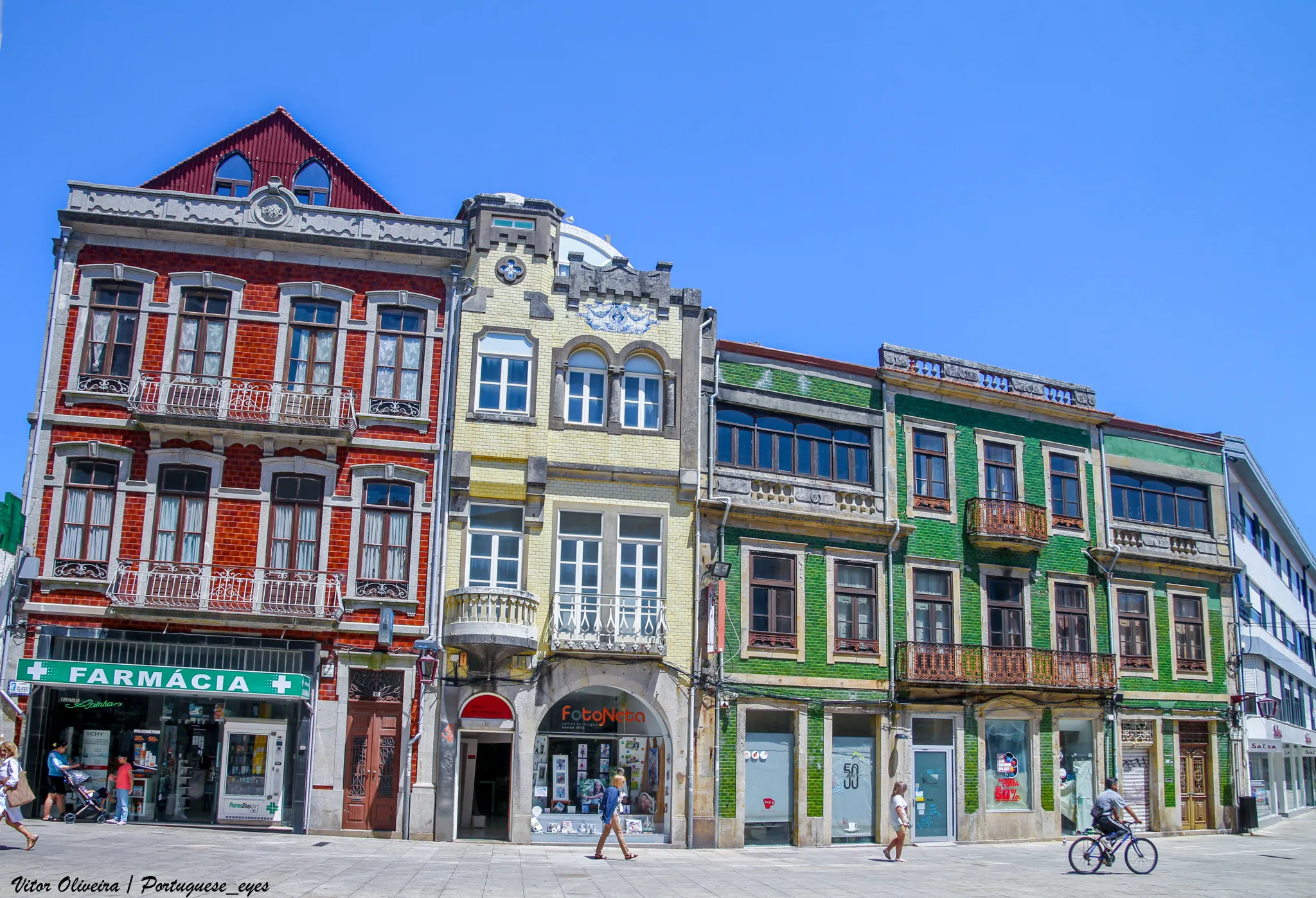
Póvoa de Varzim
Vibrant coastal city and key stage on the Portuguese Coastal Way. Its long beaches, its fishing port and lively atmosphere make it a very popular stop.
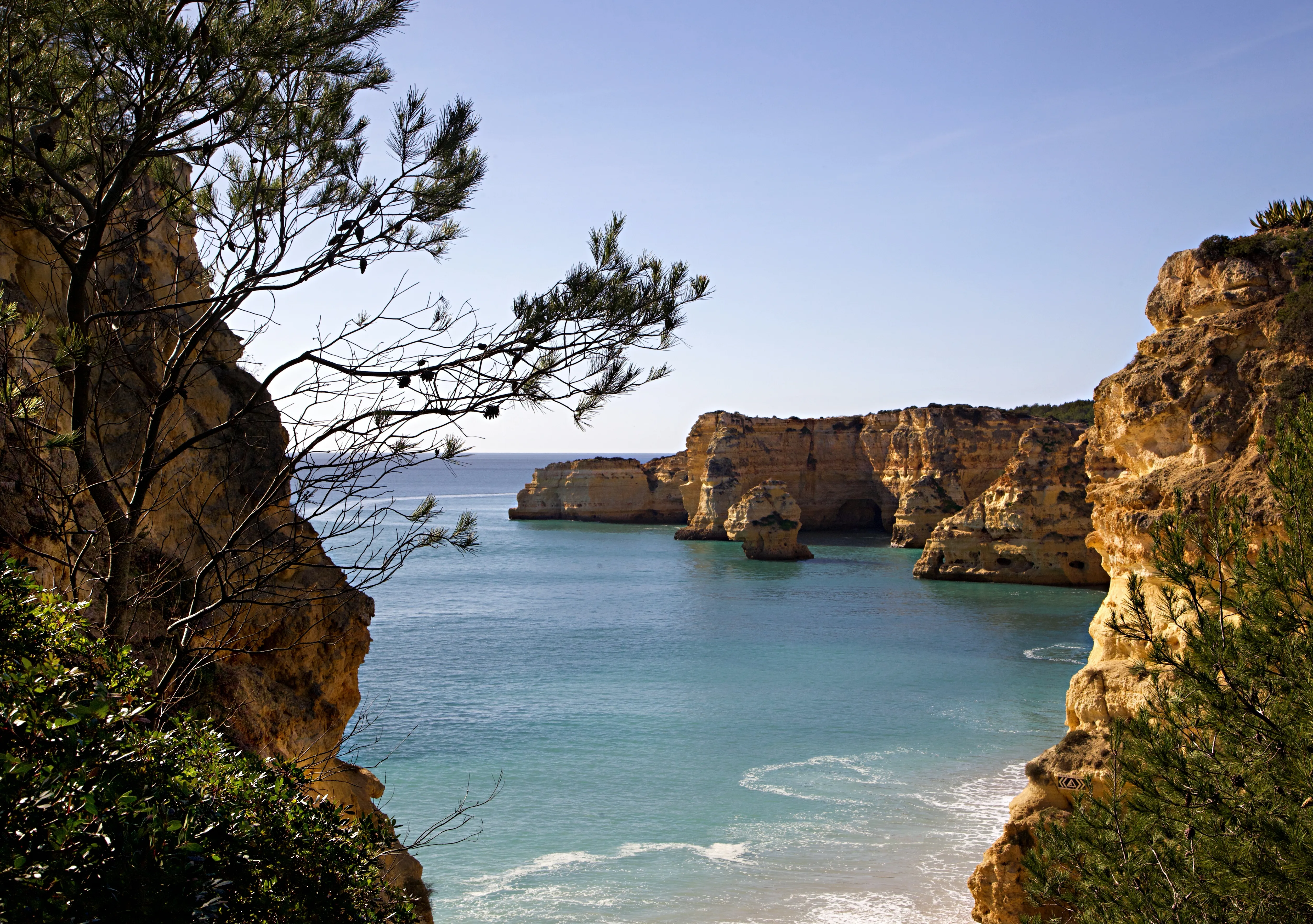
Marinhas
Coastal town in northern Portugal. Marinas, on the Portuguese Coast Way, offers a landscape of dunes and a peaceful atmosphere alongside the Atlantic.
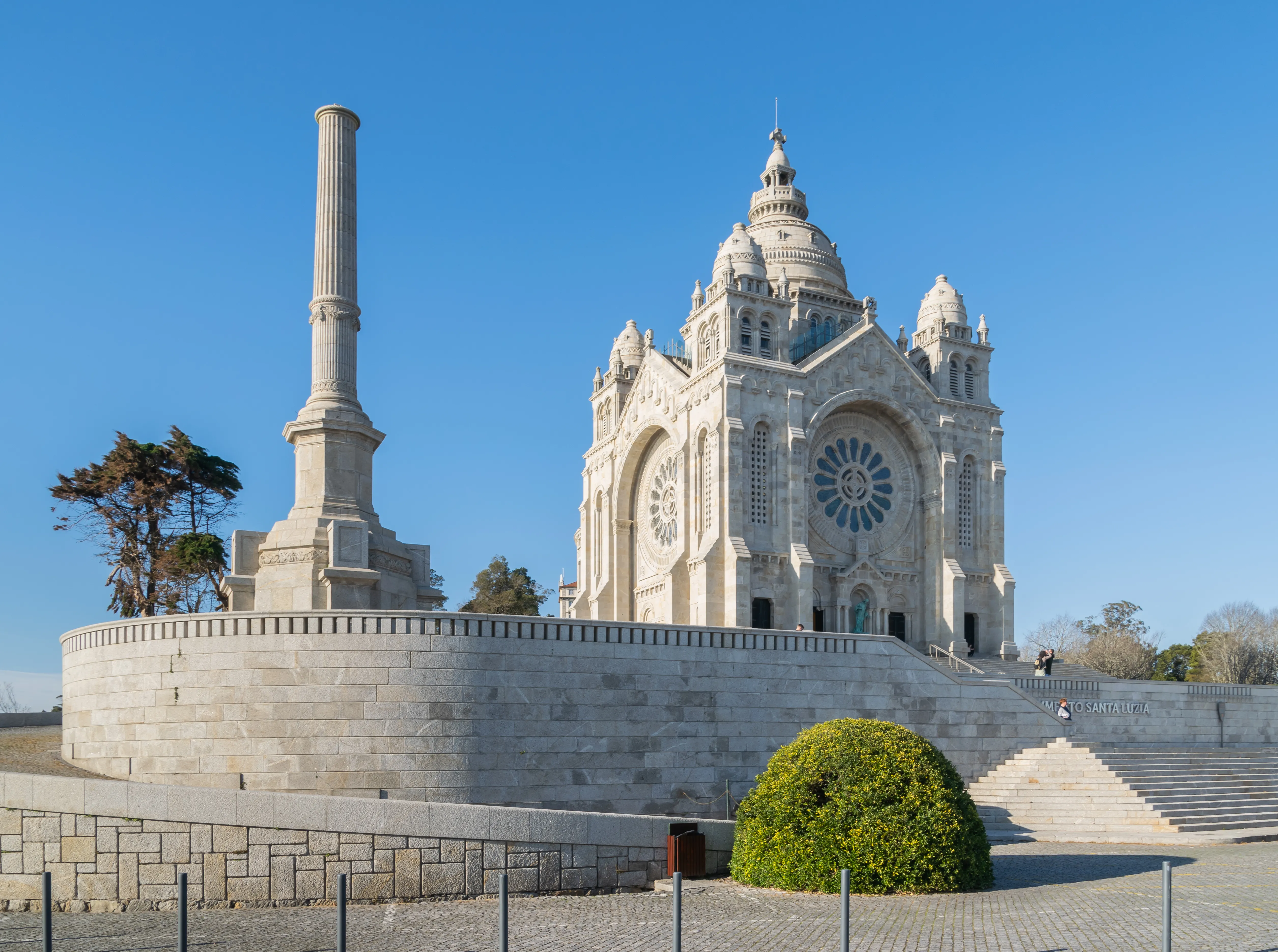
Viana do Castelo
North of Portugal and a key stop on the Portuguese Way of the Coast, Viana do Castelo charms with its Sanctuary of Saint Lucy and vibrant historic center.
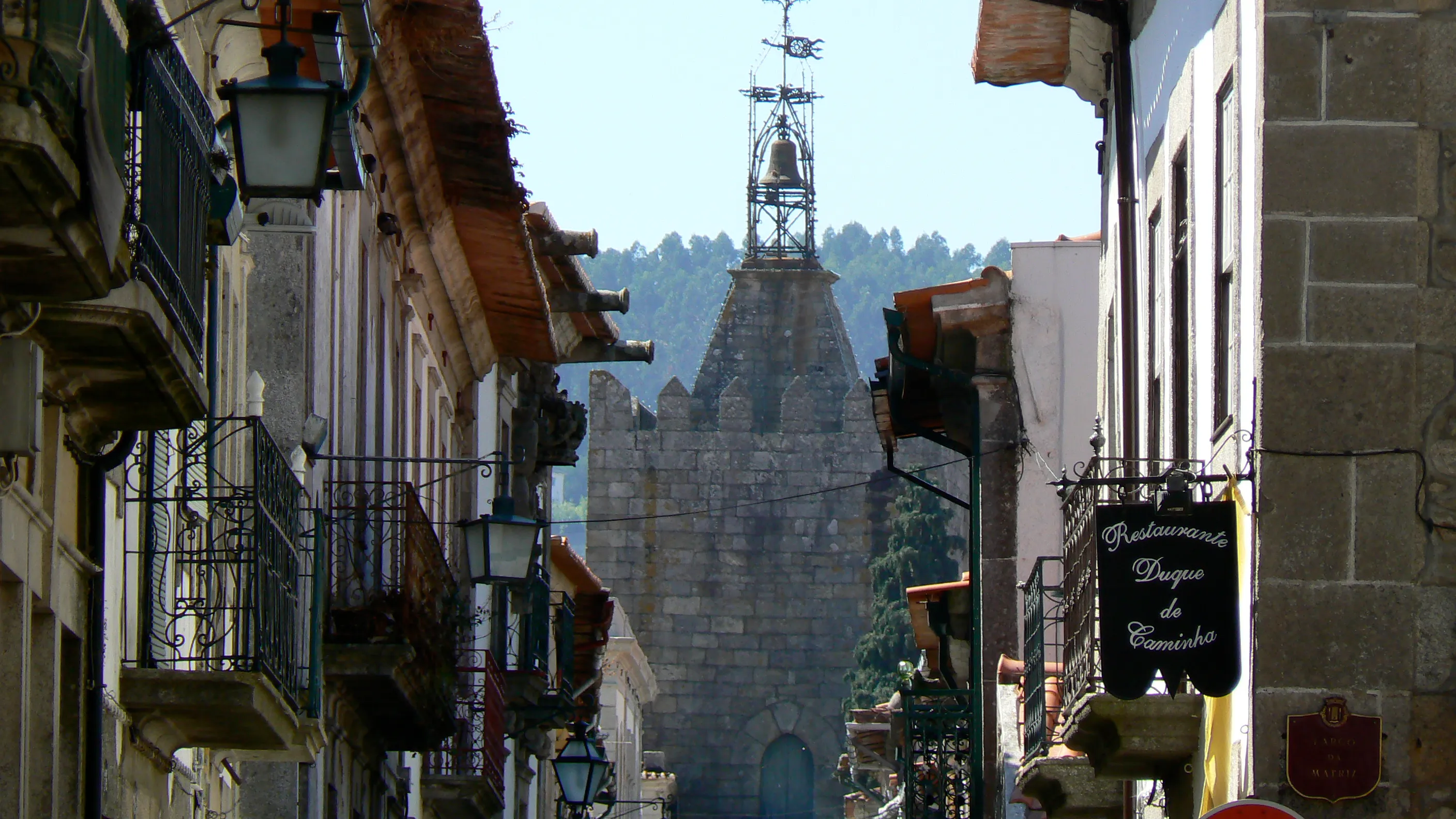
Caminha
Last Portuguese village on the Portuguese Way of the Coast. In Caminha, the Minho River meets the Atlantic, offering pilgrims a ferry crossing to Galicia. A picturesque end.
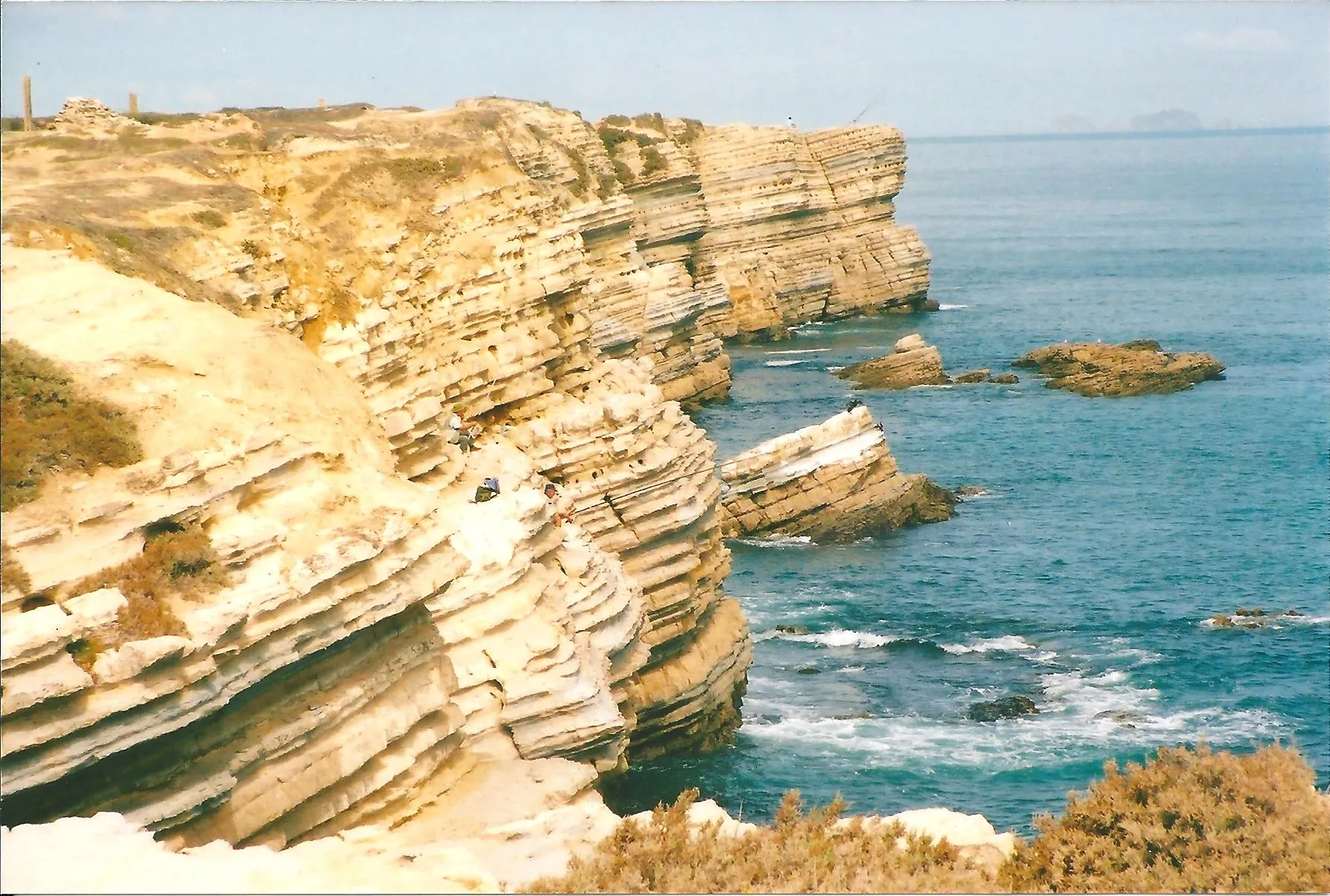
Porto Mougás
Small coastal village in the Oia coast. Porto Mougás offers pilgrims of the Portuguese Coastal Way a peaceful rest with Atlantic views and an authentic taste of sea.
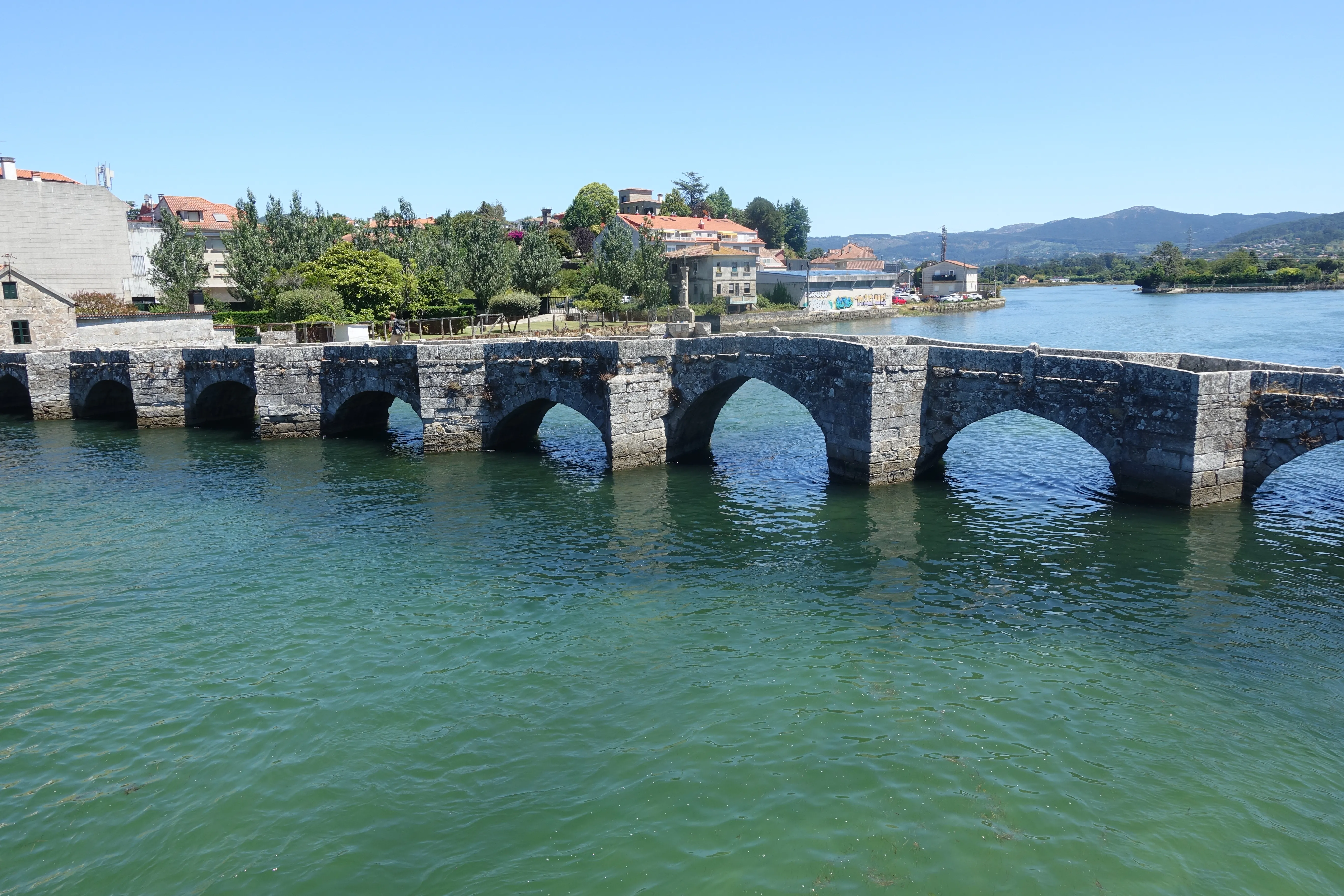
A Ramallosa
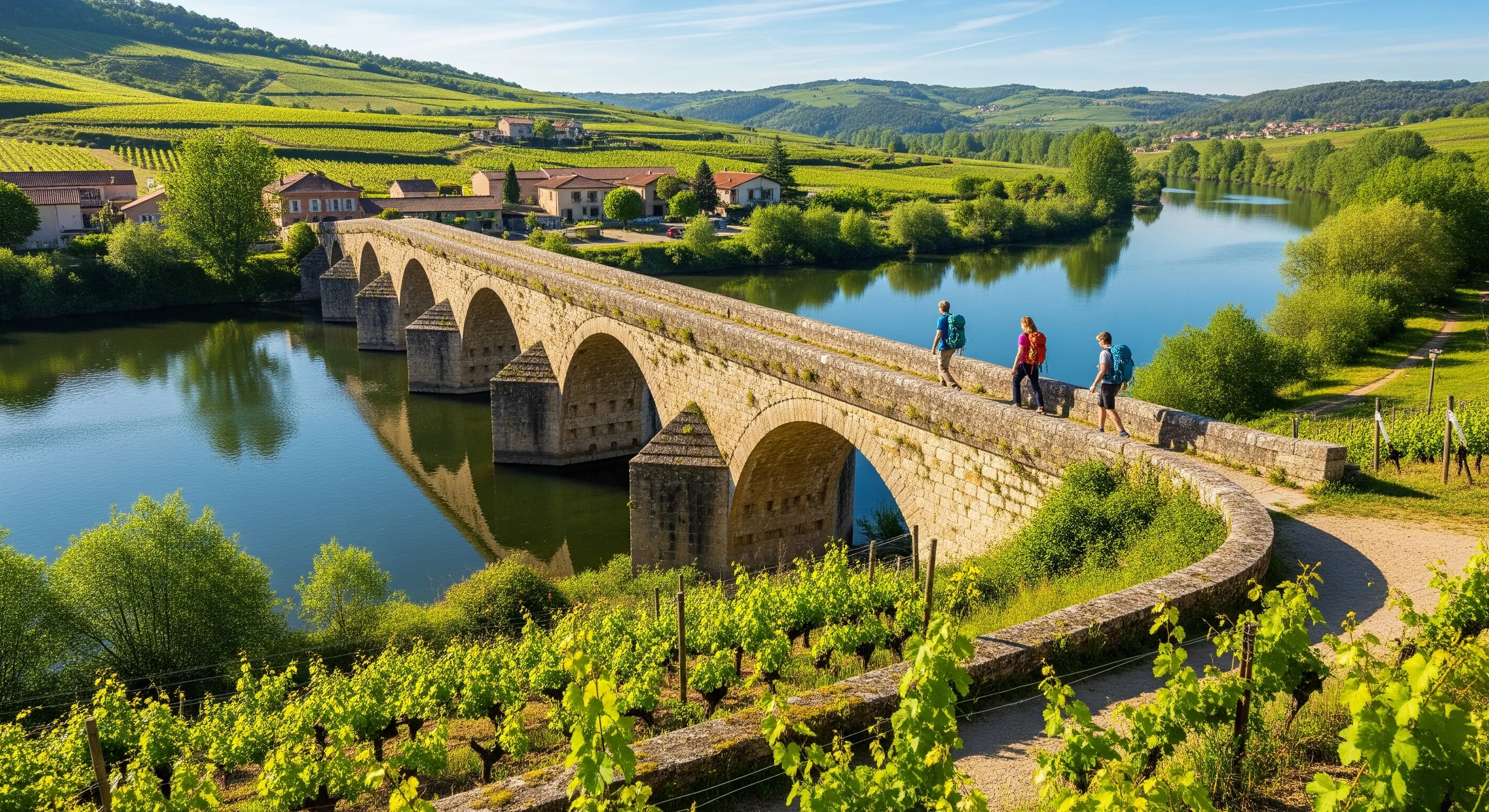
Medieval bridge of great beauty at the mouth of the River Minho. At Ramallosa, between Nigrán and Baiona, it is a monumental milestone on the Portuguese Way of the Coast.
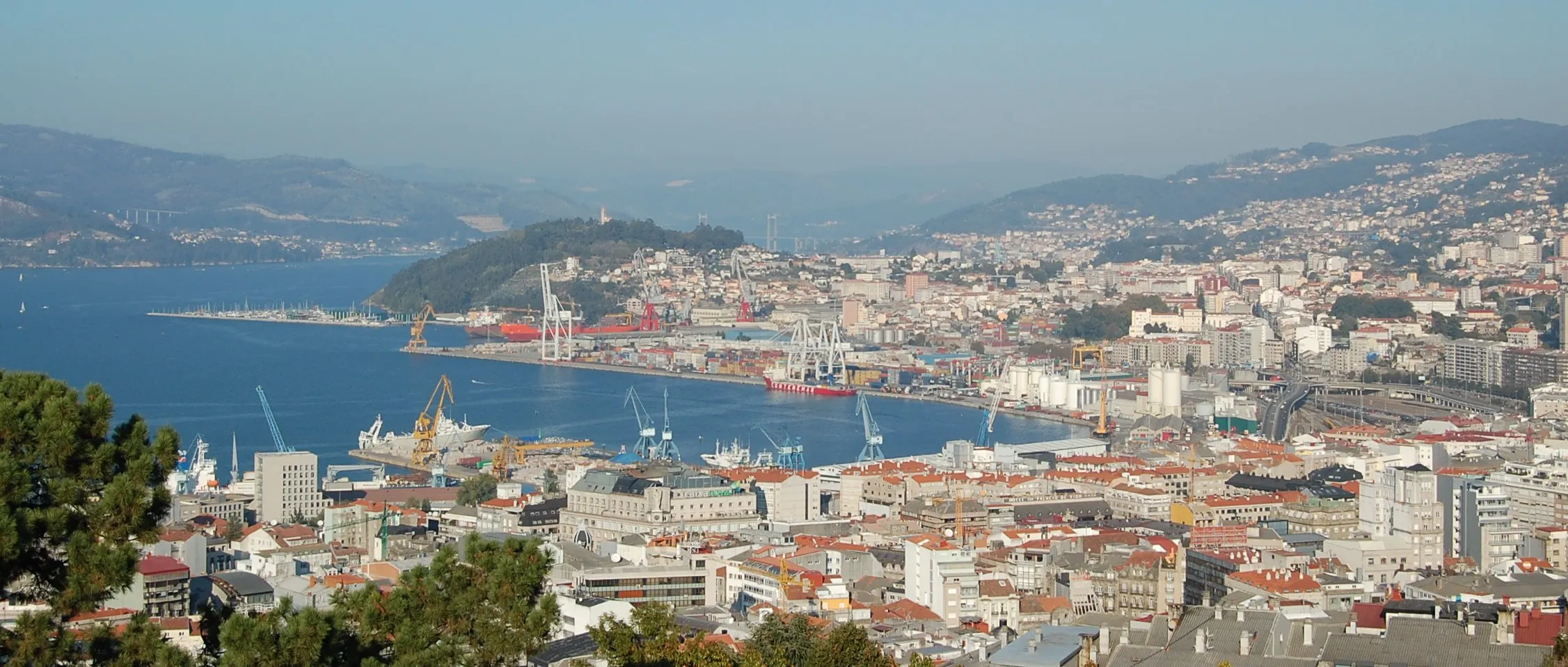
Vigo
The largest city in Galicia and an vibrant urban stage on the Portuguese Way of the Coast. Vigo offers pilgrims views to the Cies Islands, modernity and a great range of services.
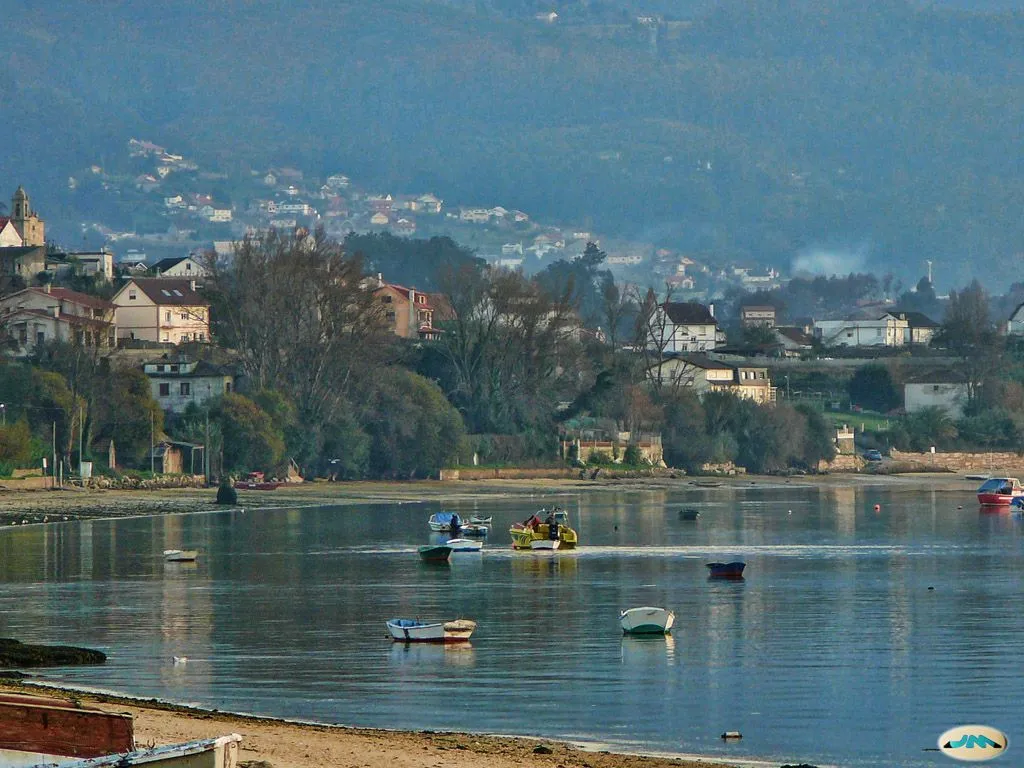
Redondela
Crossroads on the Portuguese Way. Redondela, in the Ria of Vigo, is famous for its bridges and lively pilgrim atmosphere, uniting the coastal and inland routes.
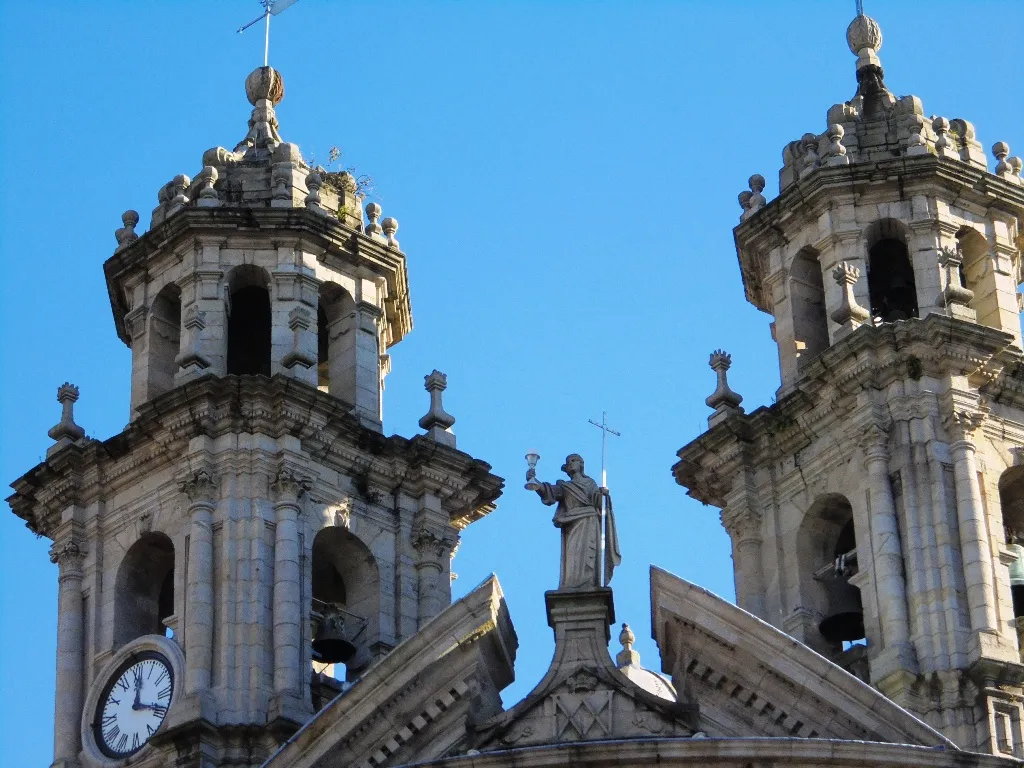
Pontevedra
Capital of the Rías Baixas and one of the jewels of the Portuguese Way, its immaculate pedestrian historic center and its Pilgrim Sanctuary invite rest and enjoyment.
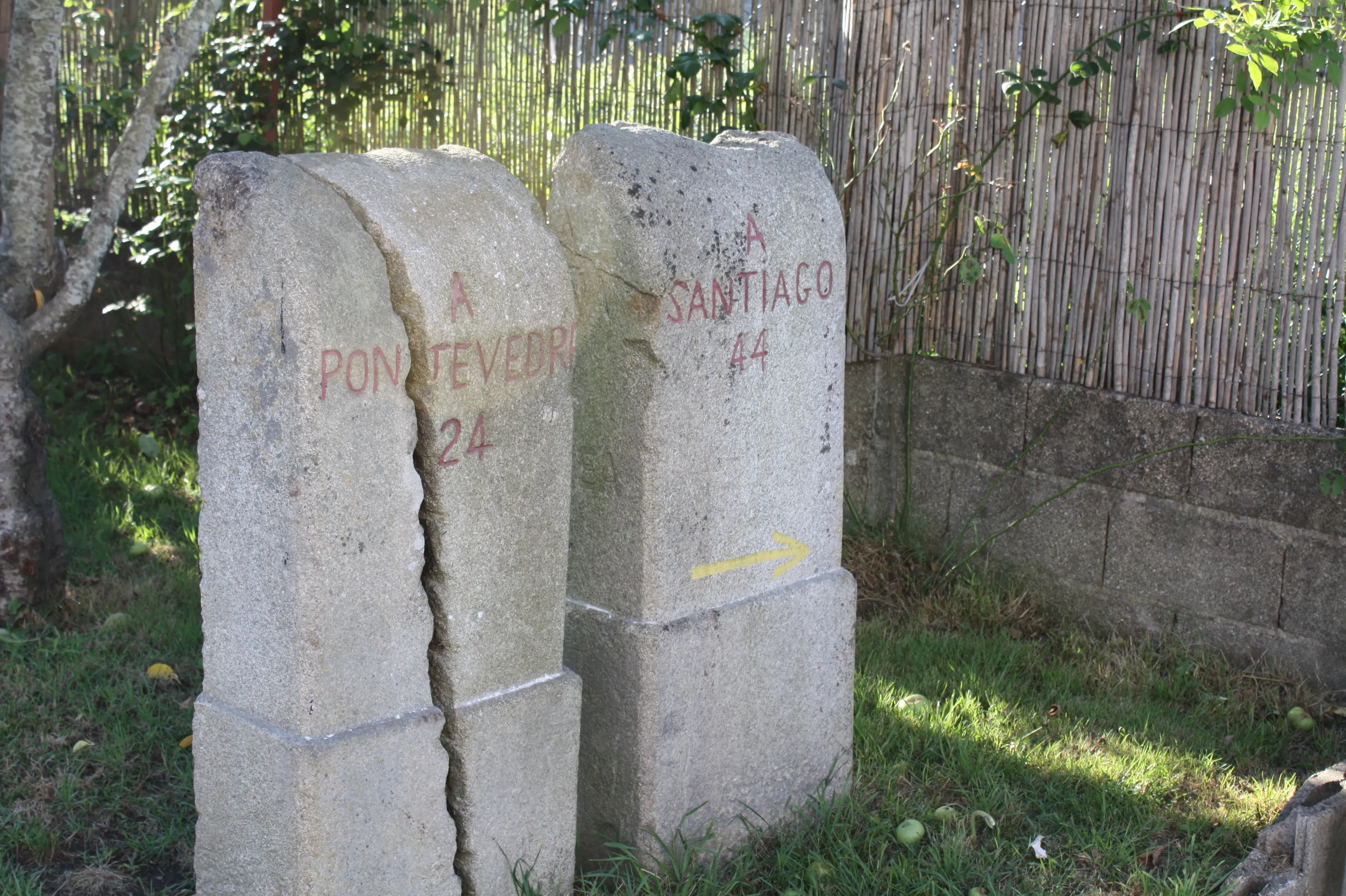
Caldas de Reis
Thermal villa in the heart of the Portuguese Way. Caldas de Reis, with its hot springs and spa, offers a restorative and therapeutic break for the pilgrim in Galicia.
History of Portuguese Coastal Way
Its origins can be traced in local roads and ancient routes, some of Roman origin, that connected coastal towns in northern Portugal. In the Middle Ages, these routes were vital for trade and communication. It is natural to think that local pilgrims from these seaside villages, as well as those who disembarked at the important port of Oporto, used these known and secure roads to head north, instead of venturing into the interior. The milder climate of the coast and the availability of resources in the numerous coastal towns were considerable advantages.
The modern route starts in Oporto city and heads north, following as far as possible along the coastline. It passes through localities with a deep maritime flavor, such as Vila do Conde, with its imposing Monastery of Santa Clara; Póvoa de Varzim, an important fishing center; and Viana do Castelo, one of the most beautiful cities in northern Portugal, guarded by the Sanctuary of Santa Luzia, from which breathtaking views of the Lima River estuary can be seen. The devotion to St. James in these areas was always intense, with numerous churches and chapels dedicated to Santiago and other saints protecting sailors.
The turning point of the route is the crossing of the natural border marked by the Miño River. Generally, pilgrims take a ferry in the Portuguese locality of Caminha to disembark in A Guarda, already in Galician territory. This brief boat trip is a symbolic moment. From A Guarda, famous for its spectacular Celtic castle of Santa Trega, the Galician itinerary continues along the fascinating coastline of Rías Baixas.
The path passes by the Cistercian monastery of Santa María de Oia, an isolated cenobium built near the sea to defend against pirate attacks. The next major milestone is Baiona, a historic village of great importance, as it was the first European port to receive news of the discovery of America in 1493 with the arrival of the Pinta caravel. After passing through the vibrant city of Vigo, the Atlantic Way enters the interior to converge with the Central Route in Redondela. From there, both routes share the same path until Santiago.
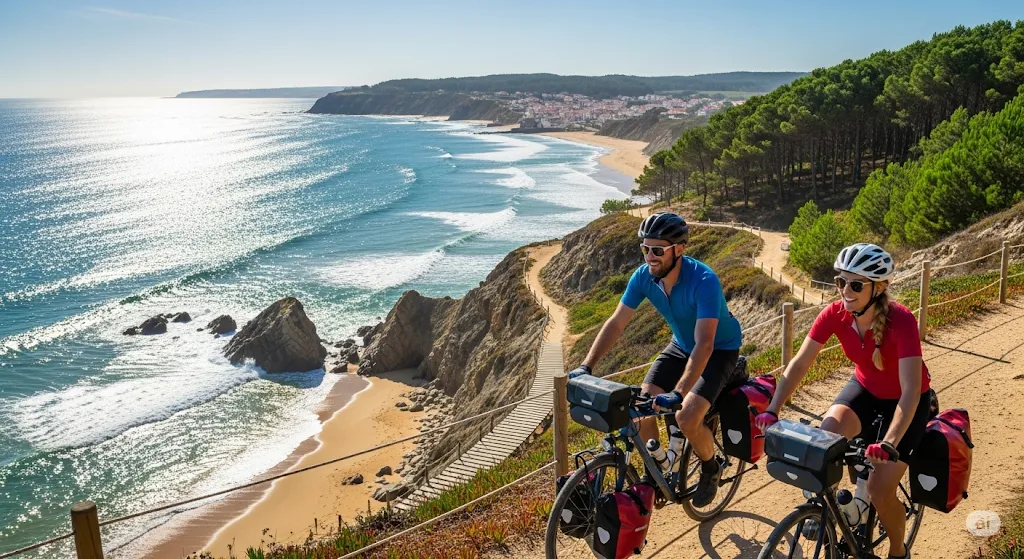
The revitalization of the Atlantic Way has been spectacular in recent years. Its scenic beauty, with a constant parade of beaches, cliffs, and estuaries, has made it an attractive option, especially during spring and summer months. The improvement of signage and the growing number of hostels have facilitated its journey, solidifying it as one of the most traveled Jacobean routes. It offers a different experience to the Central Route, a constant dialogue with the Atlantic Ocean and an opportunity to discover the rich natural and cultural heritage of the Luso-Galician coast.
Accommodations on the Route
The Portuguese Coastal Way has 181 verified accommodations along the entire route.
View Stages & AccommodationsPractical Tips for Portuguese Coastal Way
Best Season
Spring (April-June) and autumn (September-October) are the best seasons. Pleasant temperatures and fewer crowds than summer.
Physical Preparation
Train by walking progressively in the months before. Start with short distances and increase. Your body will adapt to the rhythm of the Camino.
What to Pack
Light backpack (max 10% of your weight), worn trekking shoes, breathable technical clothing, raincoat, sunscreen and basic first aid kit.
General Tips
Carry the pilgrim credential, stay hydrated, respect your pace, book accommodation in high season and enjoy the journey without rushing.
FAQ about Portuguese Coastal Way
No siempre, pero gran parte del recorrido discurre cerca de la costa atlántica. Desde Oporto sigue el litoral por Matosinhos, Vila do Conde y Viana do Castelo. Ofrece paseos marítimos, playas y pueblos pesqueros, aunque algunas etapas se adentran ligeramente en el interior.
Generalmente sí, ya que el terreno costero es más llano. Sin embargo, la exposición al viento atlántico y la arena pueden hacer algunas etapas más exigentes de lo esperado. La infraestructura de alojamiento está bien desarrollada a lo largo de toda la ruta.
Desde Oporto hasta Santiago son unos 280 km que se recorren en 12-14 etapas. Es una opción popular para quienes buscan combinar la peregrinación con paisajes marinos y gastronomía costera portuguesa y gallega.
El Camino Portugués de la Costa pasa por encantadoras villas marineras y ciudades históricas, como Vila do Conde con su Monasterio de Santa Clara, Póvoa de Varzim, un importante centro pesquero, y la hermosa Viana do Castelo. En Galicia, destacan A Guarda y Baiona. Ourway Travel ofrece itinerarios detallados que te permiten disfrutar al máximo de cada lugar.
Nuestro paquete para el Camino Portugués de la Costa incluye alojamiento en albergues o hoteles, traslados diarios entre etapas, mapas y guías detalladas del camino, así como asistencia 24/7 durante tu peregrinación. Además, proporcionamos una credencial oficial de peregrino para facilitar tu experiencia.
El Camino Portugués de la Costa, aunque menos conocido que el Camino Francés, ofrece una rica historia ligada a las comunidades pesqueras costeras y al comercio marítimo medieval. Proporciona un viaje cultural único con vistas al Atlántico y paisajes distintos a los del interior. Ourway Travel te ayuda a explorar esta ruta con profundidad histórica.
La mejor época para hacer el Camino Portugués de la Costa es entre abril y octubre. Durante este período, encontrarás un clima agradable y una afluencia moderada de peregrinos, lo que permite disfrutar del camino sin grandes aglomeraciones. Ourway Travel te ofrece planes personalizados para estas fechas.
Ourway Travel proporciona un servicio de gestión de equipaje que se encarga del transporte de tus pertenencias entre etapas. Esto te permite viajar ligero y centrarte en disfrutar del camino y las vistas al mar. Simplemente deja tu mochila más pesada en el punto de recogida designado.
Ready for this adventure?
Let us organize your pilgrimage. We take care of accommodations, transfers and everything you need.