
Complete Guide to Route of Father Sarmiento
The Ruta of Father Sarmiento remembers the journey of this scholar along the coast of Pontevedra in 1745, from Pontevedra to Santiago through the Salnés region. A cultural and scenic route.
Last updated: 28/03/2026
Table of Contents
Technical Summary of Route of Father Sarmiento
190 km
Distance
7
days
9
Stages
Baja
Difficulty
100 accommodations available on the route
Introduction to Route of Father Sarmiento
All Stages of Route of Father Sarmiento
Complete route divided into 9 stages
Ponferrada
Leaving behind the monumental Coimbra, this long stage enters the Bairrada region. The route is a continuous up and down through a landscape of forests and vineyards. It's a day of great beauty and ph...
Porto Santo do Mar
This stage continues through the Bairrada region, on a moderate distance and gentle profile walk. The landscape is still dominated by vineyards and eucalyptus forests. It's a transitional day with no ...
O Grove - O Grove Circular
This stage ventures into the interior of Portugal, on a journey that combines sections of the ancient Roman road with trails through forests and fields of cultivation. It is a day of great beauty and ...
O Grove - Cambados
This stage continues into Portugal's interior on a route of great beauty and demand. The road traverses a landscape of forests and hills with spectacular views. It is a day to enjoy nature in its pure...
Cambrils - Isle of Arosa
This long stage is an enjoyable descent into the monumental city of Porto. The route passes through a rural and solitary landscape, which contrasts with the great city that approaches. Arrival in Port...
Vila de Arousa Island - Vilanova de Arousa
Leaving behind the monumental Oporto, this stage enters into Portuguese countryside. The route is an enjoyable walk through flat terrain, between woods and fields of cultivation. It's a day to enjoy t...
Vila Nova de Gaia - Vigo
This stage continues through the Portuguese countryside, on a route of great beauty and solitude. The path traverses a landscape of forests and hills, with spectacular views. It's a day to enjoy natur...
Vila de Cervantes
This long stage enters the heart of Minho, Portugal's greenest region. The route is a continuous up and down through a landscape of vineyards and forests. It's a day of great beauty and physical deman...
Parish - Santiago de Compostela
This is a mountain stage that ascends to the Alto da Portela Grande, the highest point on the Portuguese Way in Portugal. It's an demanding but beautiful day. The route passes through a landscape of f...
Key Towns of Route of Father Sarmiento
The most important towns and cities on this route.
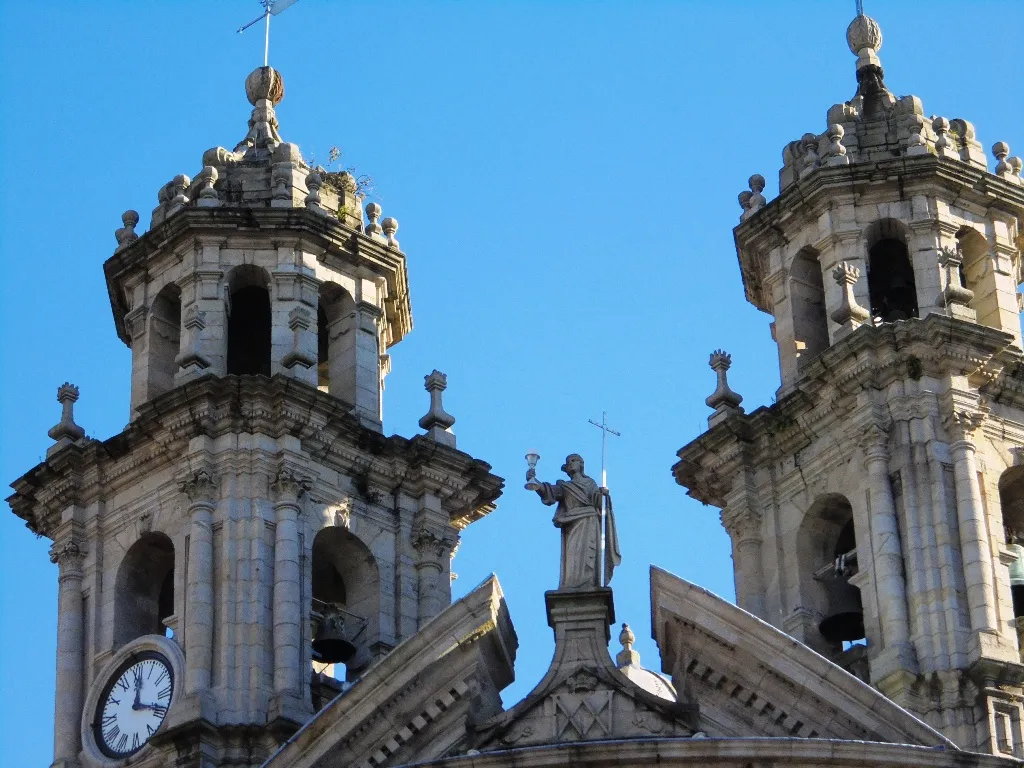
Pontevedra
Capital of the Rías Baixas and one of the jewels of the Portuguese Way, its immaculate pedestrian historic center and its Pilgrim Sanctuary invite rest and enjoyment.
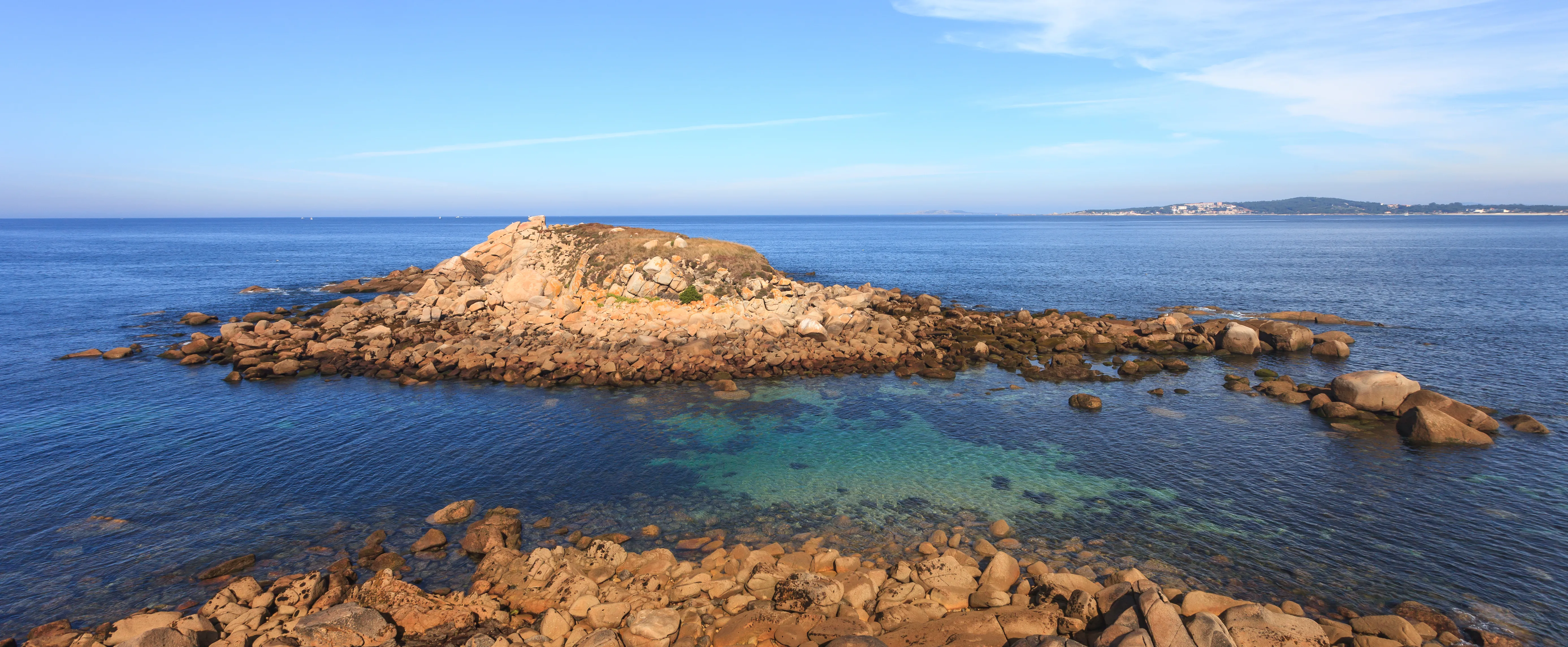
Sanxenxo
Tourist capital of the Rías Baixas and a lively stop on the Route of Father Sarmiento. Its beaches, such as Silgar's, offer summer refuge to pilgrims.
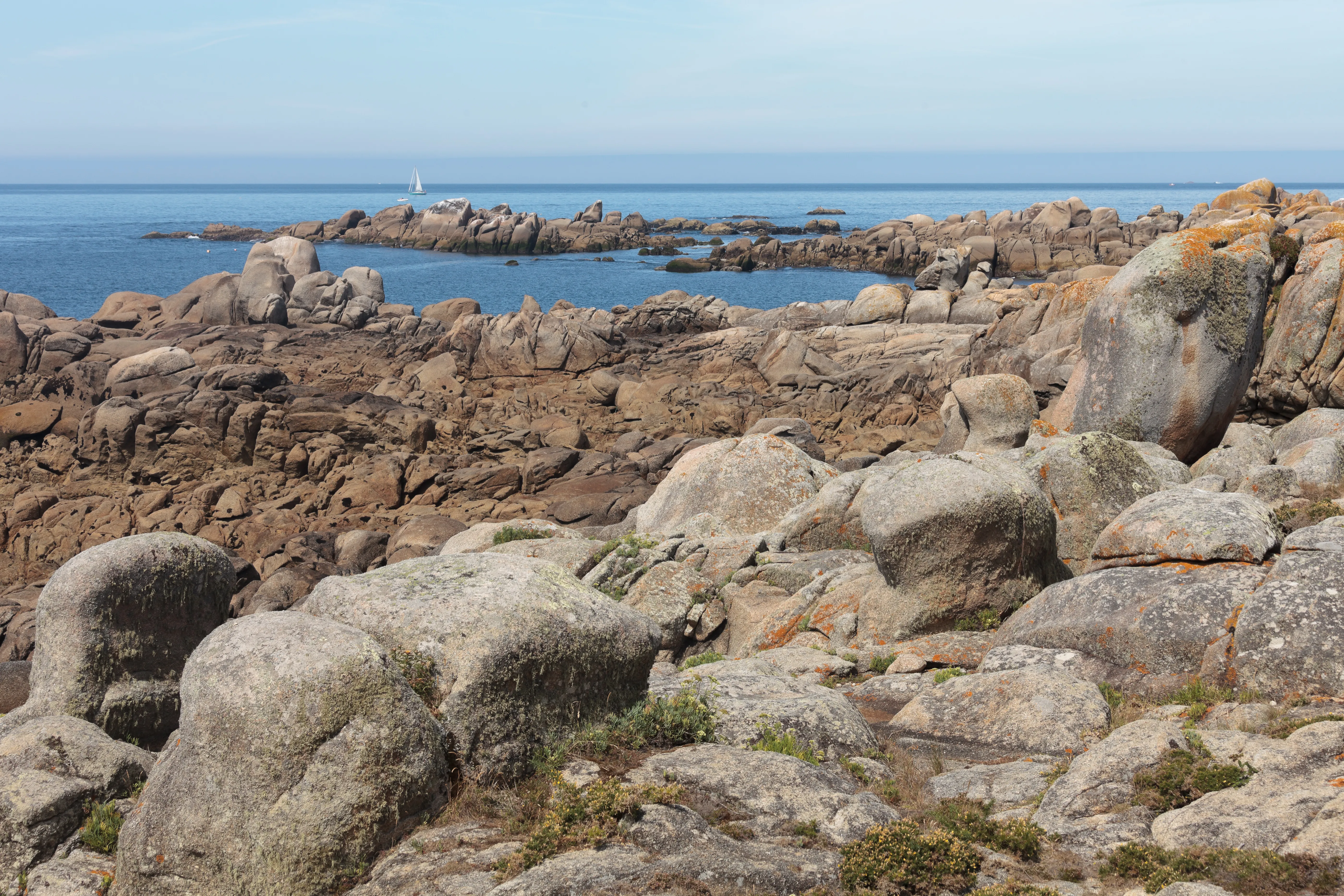
O Grove
The "Peninsula of Shrimp" and a top-class food stop on the Father Sarmiento Route. A paradise for the pilgrim who loves the flavors of the Atlantic.
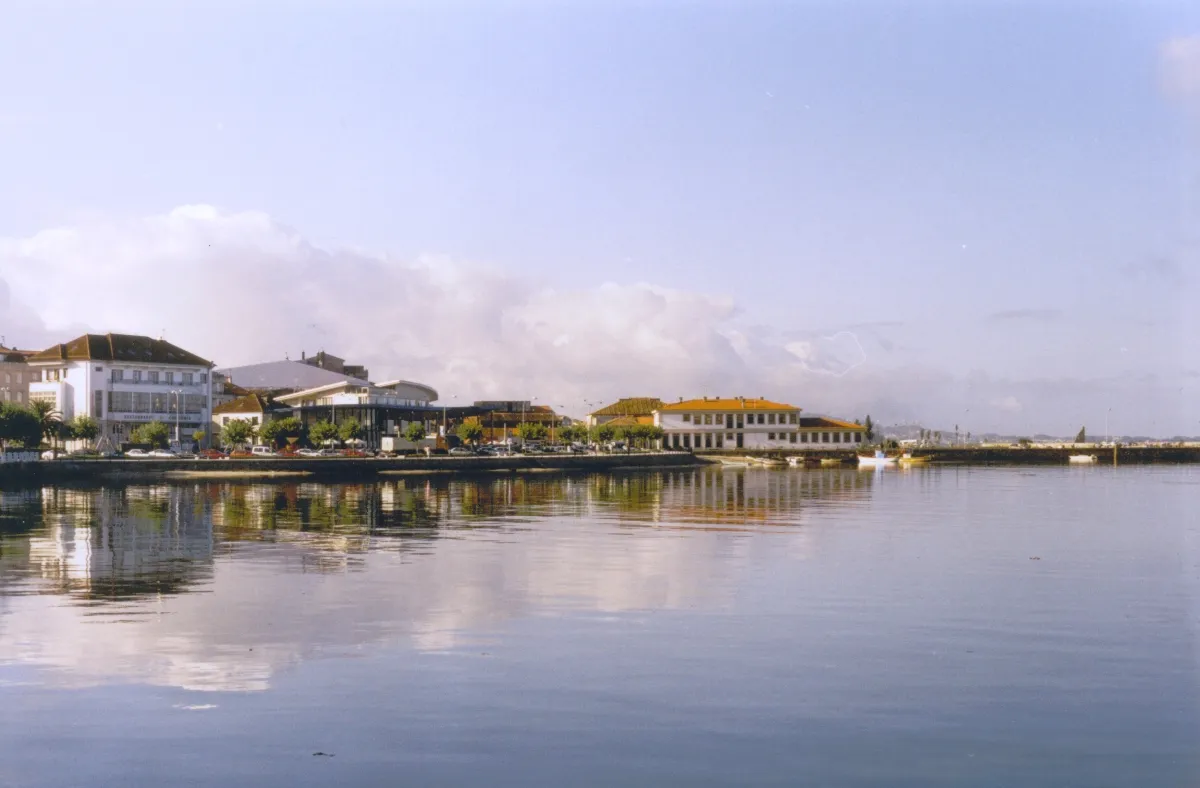
Cambados
Capital of white wine Albariño and a noble town on the Route of Father Sarmiento. Its Plaza of Fefiñáns and its estates make it one of the most elegant stops in the Rías Baixas.
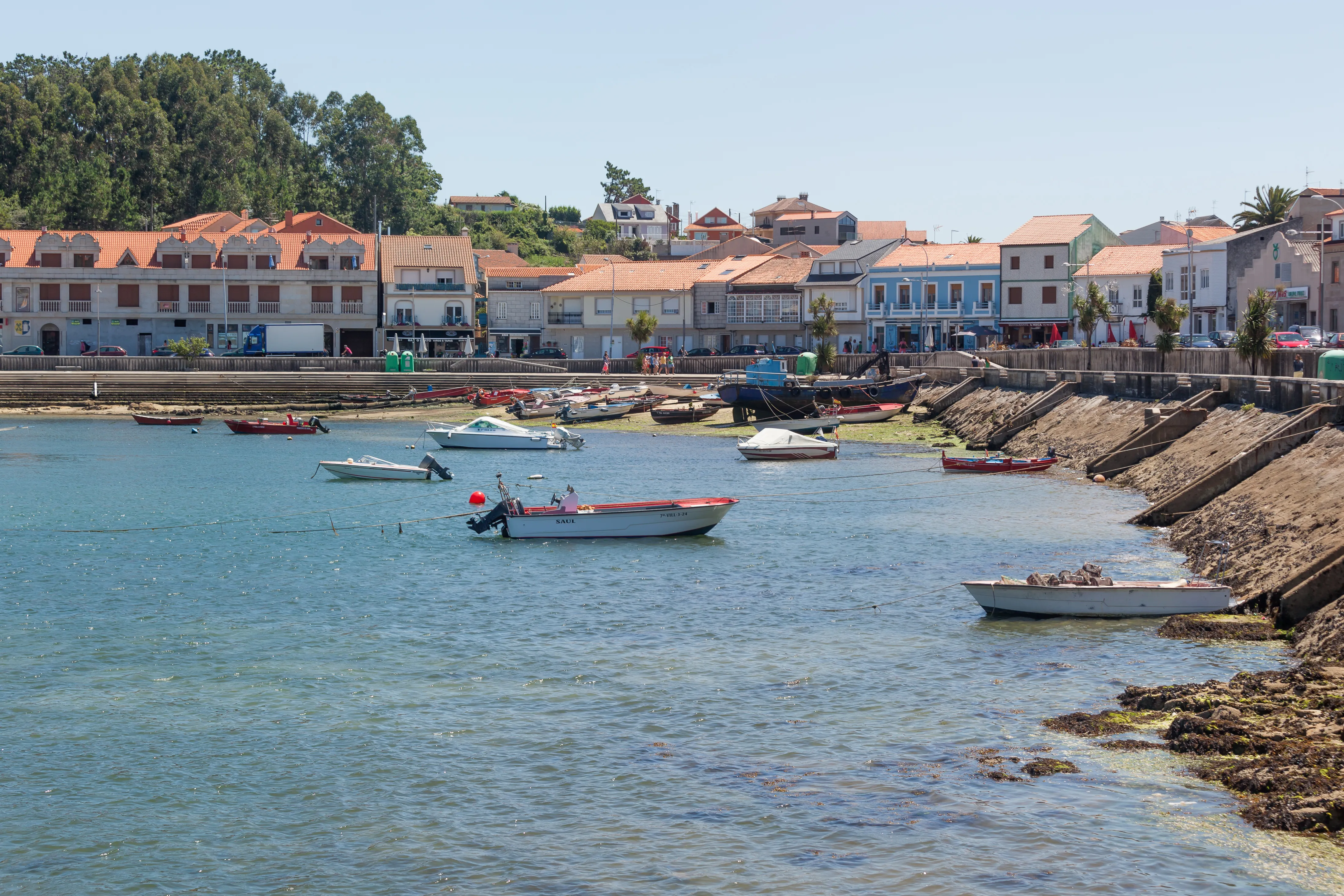
A Illa de Arousa
5 mIsland connected by a bridge, declared a Natural Reserve.
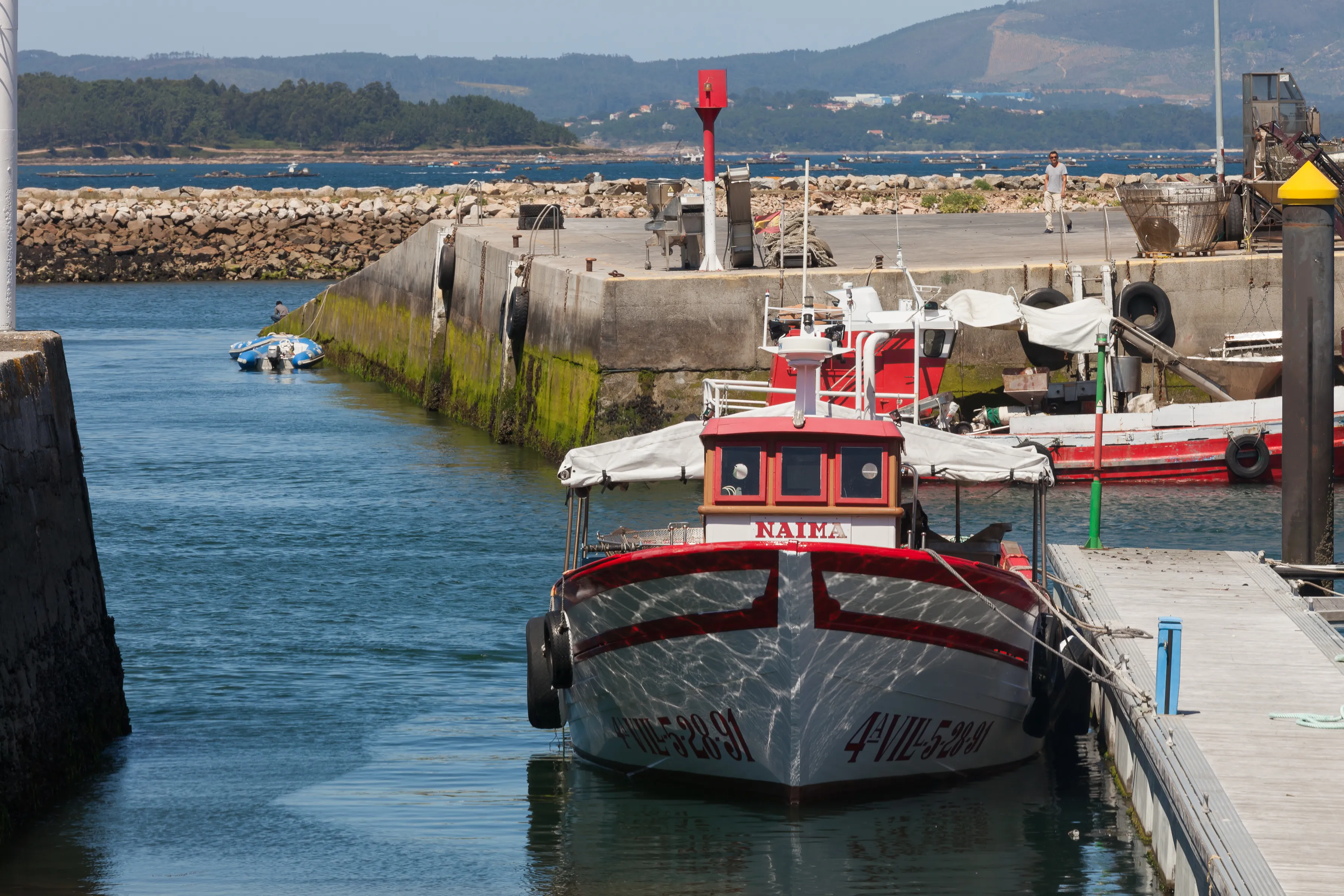
Vilanova de Arousa
Maritime villa in the Ria of Arousa, birthplace of writer Valle-Inclán and key point on the Spiritual Variant, from which the journey of the Translatio sets out.
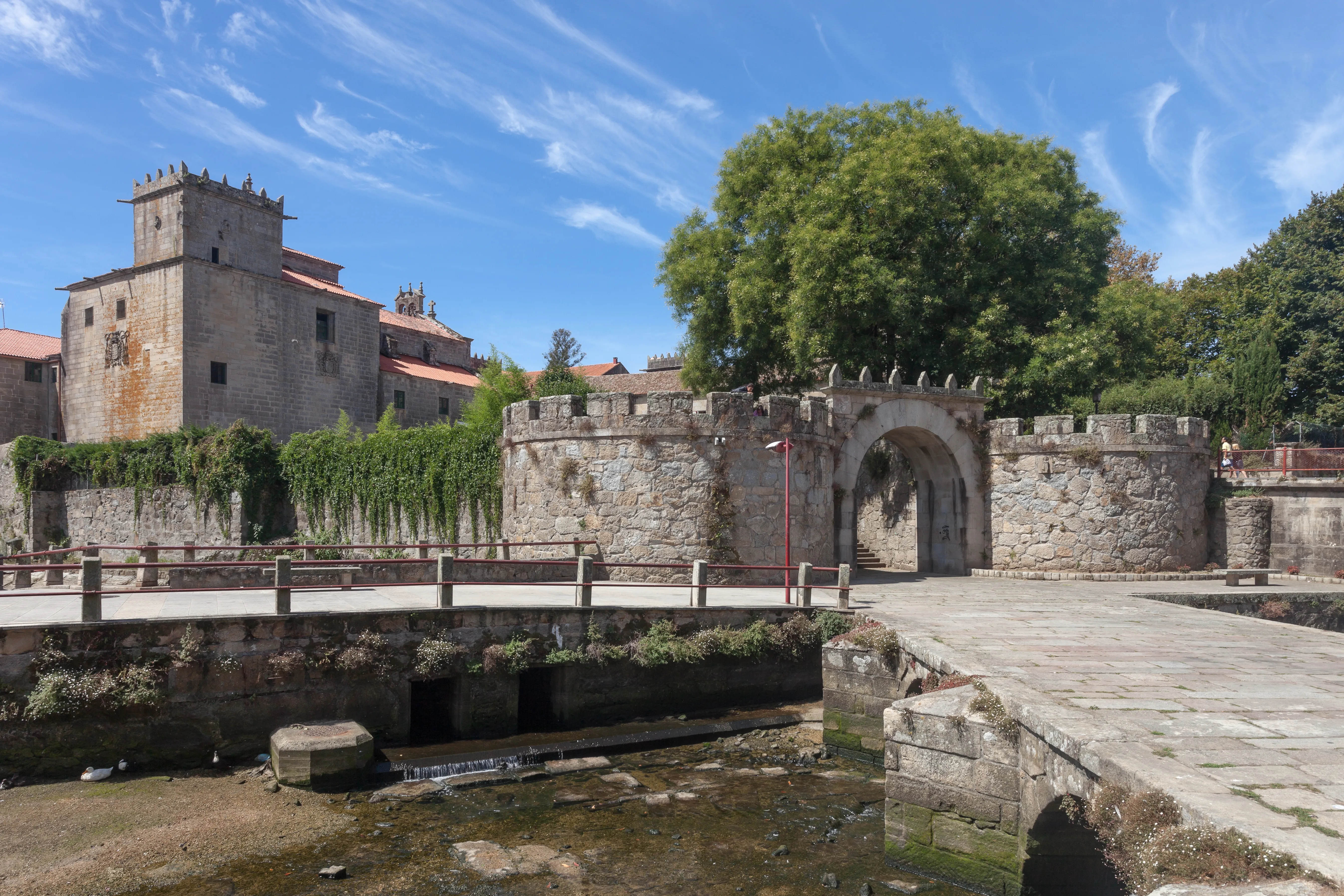
Vilagarcía de Arousa
Capital of the Ria of Arousa and stop on the Route of Father Sarmiento. An important port, center of services, and lively village for the pilgrim's rest.
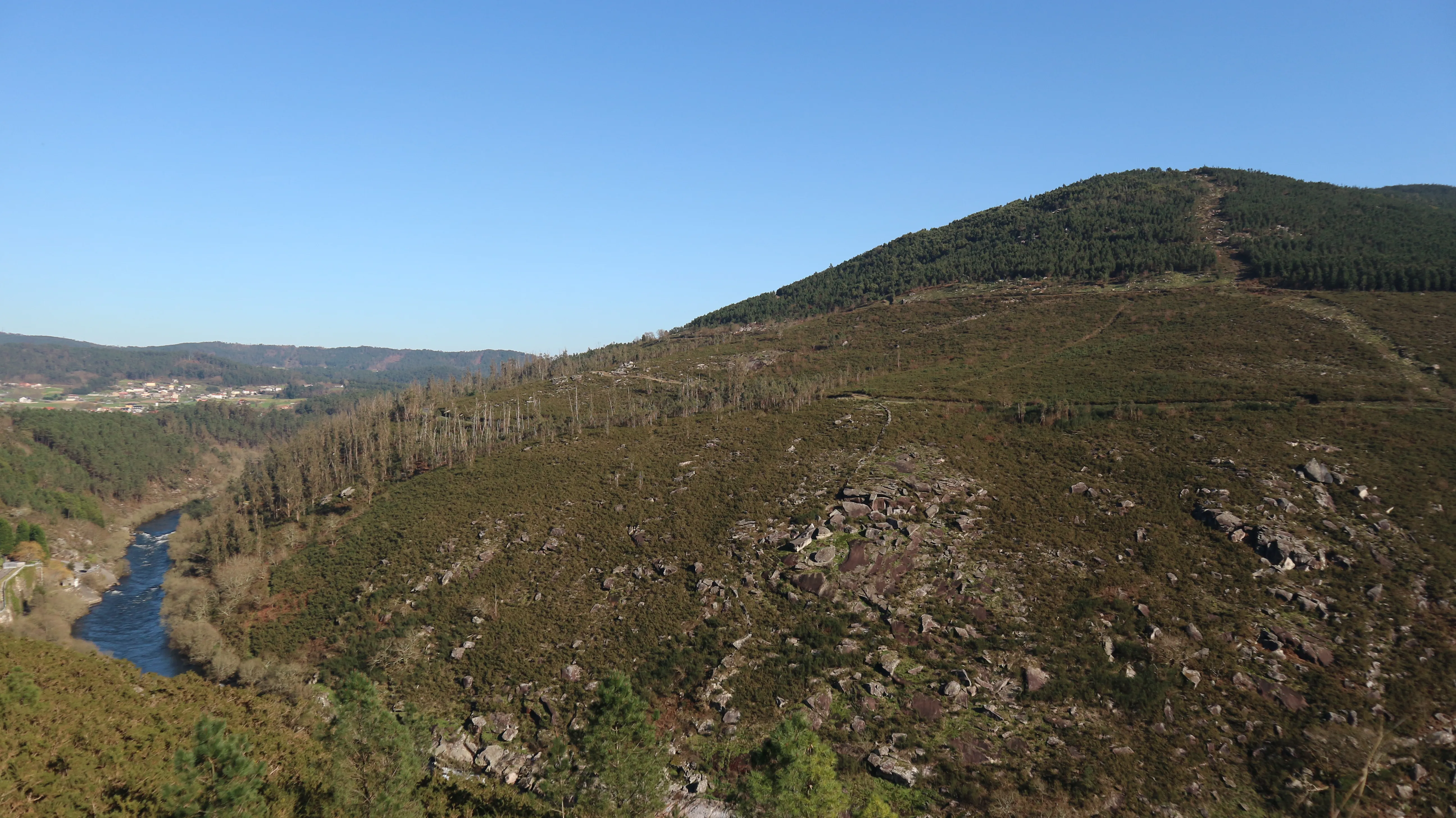
Padrón
Birthplace of Jacobean tradition and the last great stop on the Portuguese Way. In Padrón, according to legend, he tied the boat with the remains of Apostle Saint James. Famous for its peppers.
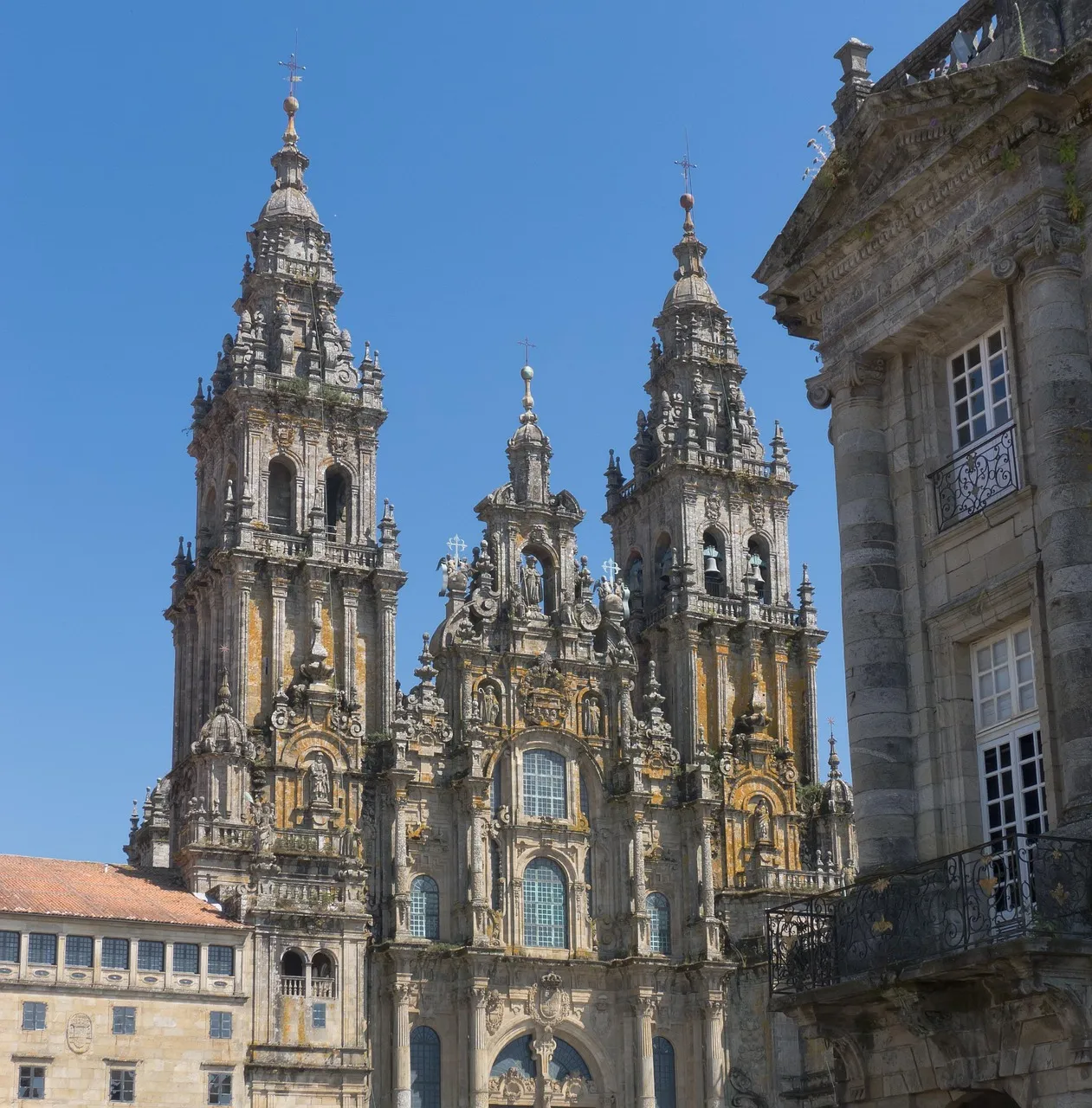
Santiago de Compostela
The Final and Spiritual Heart of the Way of St. James. Its majestic Cathedral and Plaza del Obradoiro welcome pilgrims from all over the world in a full of emotion finale.
History of Route of Father Sarmiento
The history of the route is the history of its protagonist. Father Sarmiento (1695-1772) was one of the brightest minds of Spanish Enlightenment. A monk, but above all a polymath with insatiable curiosity, he was a pioneer in fields such as botany, philology and ethnography. He felt a special fascination for his native Galicia, and was one of the first to study and defend with ardor the Galician language, at a time when it was despised by cultural elites.
In the summer of 1745, Sarmiento embarked on a foot journey through Galicia that documented meticulously in his work "Travel to Galicia (1745)". His purpose was research: he wanted to collect toponyms, plant and animal names in Galician, transcribe popular songs, describe customs and analyze archaeological remains. On July 19th, he set out from Pontevedra with a clear destination, Santiago de Compostela, but with an unconventional itinerary. Instead of taking the main interior route, which is followed by the Portuguese Way today, Sarmiento, faithful to his curious spirit, decided to make a long detour following the coastline.
His diary allows us to follow his steps with exactness. He skirted the Ria de Pontevedra, passing through the Poio monastery, the seaside town of Combarro and venturing into the O Salnés comarca. His route took him to Sanxenxo, the peninsula of O Grove and the island of A Toxa, to Cambados (the capital of Albariño wine) and Vilanova and Vilagarcía de Arousa. In this journey, Sarmiento recorded everything, creating a treasure trove of ethnographic and linguistic information. Finally, from the Ria of Arousa, he directed himself towards the interior, arriving at Padrón (Iria Flavia), the cradle of Jacobean tradition. There, his route converged with that of the Portuguese Way to complete the final stage to Santiago.
Although Sarmiento's journey had a scientific end, it was framed in a spiritual context. The ultimate goal was to visit the Apostle's tomb. His journey demonstrates how, even during the Age of Enlightenment, pilgrimage to Compostela remained a powerful cultural and personal reference point.
The creation of the "Father Sarmiento Route" as a tourist and hiking trail marked by is a recent phenomenon. Impulsed by the O Salnés Council and local municipalities, the route uses the monk's detailed writings to offer modern pilgrims the possibility of recreating his journey. It is an initiative that highlights both the figure of this illustrious Galician and the rich natural and cultural heritage of the Rías Baixas.
Today, walking it is a double experience: it is a path to Santiago through some of the most beautiful coastal landscapes in Galicia, but also a journey through time, an invitation to look at the surroundings with the same curiosity and desire for knowledge that drove Father Sarmiento over two and a half centuries ago.
Accommodations on the Route
The Route of Father Sarmiento has 100 verified accommodations along the entire route.
View Stages & AccommodationsPractical Tips for Route of Father Sarmiento
Best Season
Spring (April-June) and autumn (September-October) are the best seasons. Pleasant temperatures and fewer crowds than summer.
Physical Preparation
Train by walking progressively in the months before. Start with short distances and increase. Your body will adapt to the rhythm of the Camino.
What to Pack
Light backpack (max 10% of your weight), worn trekking shoes, breathable technical clothing, raincoat, sunscreen and basic first aid kit.
General Tips
Carry the pilgrim credential, stay hydrated, respect your pace, book accommodation in high season and enjoy the journey without rushing.
FAQ about Route of Father Sarmiento
La Ruta del Padre Sarmiento se recomienda realizar en aproximadamente 7 días, ofreciendo una experiencia equilibrada entre el senderismo y la exploración cultural.
La mejor época para emprender este camino son los meses de abril a junio, o septiembre a octubre. En estos periodos disfrutarás de un clima confortable y un menor número de peregrinos en comparación con el verano.
Al reservar la Ruta del Padre Sarmiento con Ourway, recibes un itinerario personalizado y soporte 24/7. Además, gestionamos tu alojamiento en albergues seleccionados y te proporcionamos información detallada sobre el camino.
La Ruta del Padre Sarmiento tiene una dificultad baja, adecuada para caminantes principiantes. Con un recorrido de 190 km aproximadamente, permite disfrutar del paisaje y cultura a su propio ritmo.
La Ruta del Padre Sarmiento ofrece una experiencia cultural única, destacándose por su riqueza histórica y etnográfica. A diferencia de los caminos tradicionales, este recorrido te lleva a descubrir Galicia desde la perspectiva ilustrada de Fray Martín Sarmiento.
Para reservar la Ruta del Padre Sarmiento, simplemente visita nuestro sitio web y selecciona tu itinerario preferido. Nuestro equipo se encargará de gestionar todos los detalles para que solo tengas que disfrutar.
La ruta completa desde Pontevedra hasta Santiago por la costa y comarca del Salnés, abarcando la Ría de Pontevedra, tiene una longitud aproximada de 190 km.
Ourway Travel gestiona tu credencial del peregrino y el transporte seguro de tu mochila entre albergues, permitiéndote caminar con comodidad y seguridad durante la ruta.
Ready for this adventure?
Let us organize your pilgrimage. We take care of accommodations, transfers and everything you need.