
Complete Guide to Jacob's Way
The Jacob's Way is the name of the network of routes on the Way of St. James that traverse Switzerland, connecting with German and French routes such as the Via Gebennensis.
Last updated: 28/03/2026
Table of Contents
Technical Summary of Jacob's Way
445 km
Distance
22
days
21
Stages
Media
Difficulty
42 accommodations available on the route
Introduction to Jacob's Way
All Stages of Jacob's Way
Complete route divided into 21 stages
Constance - Marchettens
The inaugural stage of the Jacob's Way in this section is a gentle stroll along the southern shore of Lake Constance before entering the Swiss countryside. It is a flat and pleasant journey, ideal for...
Mürstetten - Fischingen
This is a long journey with constant inclines that requires good physical fitness. The route crosses the hills of Turgovia region, a beautiful landscape but demanding one. The effort is rewarded by th...
Fishingen - Gibswil
This is a mountain stage that climbs to the Hörnli, over 1,100 meters in altitude. It's one of the most demanding but also most rewarding stages of the Jacob's Way, offering breathtaking panoramic vie...
Gibswil - Rapperswil
After the mountain, the road descends gently towards Lake Zurich. It's a more relaxed stage that allows you to enjoy the scenery and look forward to arriving at one of Switzerland's most beautiful cit...
Rapperswil - Einsiedeln
This stage has deep spiritual significance. Crossing the long wooden bridge of Rapperswil, the path ascends through the Etzelpass to reach the majestic Abbey of Einsiedeln, the most important Marian s...
Einsiedeln - Springs
This is a long and demanding alpine stage that traverses beautiful landscapes. The route passes through the historic Haggenegg Pass before descending to Brunnen, by the shores of the Four Cantons Lake...
Well, I couldn't find any information on "Brunnen" and "Buochs". However, I found that "Brunnen" is a municipality in the district of Emmental, Switzerland, and "Buochs" is a
This stage borders Lake Four Cantons, offering a scenic route of great beauty. Although it has no major climbs, the terrain is rough and rocky. The lake and mountain views are constant and spectacular...
Boosch - Fleckles-Ranft
This stage leaves the lake behind as it ascends towards the spiritual heart of Switzerland. It is a pilgrimage journey in its finest form, which takes the pilgrim to Flüeli-Ranft, the home of the coun...
Flüeli-Ranft - Lungern
From the spiritual center of Flüeli-Ranft, this high mountain stage crosses the Brünigpass. It is an demanding journey with a significant drop-off, offering spectacular panoramic views of the Bernese ...
Interlaken
This stage is a delicious walk that borders the north shore of Lake Brienz. It's a relatively flat and beautiful landscape journey, with constant views of the lake and the imposing mountains of Bernes...
Brenner Pass
This stage borders the southern shore of Lake Thun from Interlaken. It is a day of great beauty, with an undulating profile and spectacular views of the lake and mountains. The route passes through pr...
Aarau
This stage moves away from Lake Thun to venture into the interior, in a landscape of hills and smaller lakes. It is a short and pleasant journey that allows you to enjoy the tranquility of Bernese cou...
Amsoldingen - Rüeggisberg
This is a long and demanding stage that traverses a landscape of hills and deep valleys. It's a rough ride, with continuous ups and downs. The road crosses the Sense River, which marks the linguistic ...
Rueggisberg - Freiburg
This stage is an enjoyable ride that descends to the beautiful medieval city of Freiburg. The route passes through a landscape of hills and forests before arriving at the canyon of the Sarine River, w...
Fribourg - Chavannes-sous-Orsonnens
Leaving behind the monumental Freiburg, this long stage ventures into the heart of the Franche-Comté countryside. The route is demanding, with an undulating profile and frequent ups and downs. It's a ...
Chavannes-sous-Orsonnens is a commune in the canton of Vaud in Switzerland.
From the hill of Romont, the path descends into the valley of the Broye River. It is a moderate distance stage with a smoother profile than the previous one. The route passes through a landscape of cu...
Moudon - Lausanne
This is a long and demanding stage that culminates in the beautiful city of Lausanne, on the shores of Lake Léman. The route is a continuous up and down through the hills preceding the lake. Arrival i...
Lausanne - Saint-Prex
A pleasant and flat stage that borders the shores of Lake Lemann, this is a short and relaxing day ideal for enjoying the views of the lake, the Alps and the vineyards of La Côte. The route passes thr...
Saint-Prex - Gland, Switzerland
This long stage continues bordering Lake Geneva, on a mostly flat route. The road passes through the famous vineyards of La Côte, offering a beautiful landscape. It's a day to enjoy the wine-vineyard ...
Gland - Commugny (No direct English equivalent; "Commugny" is likely a misspelling or made-up word)
The last stage of the Jacob's Way. The path approaches the great city of Geneva, on a route that combines rural sections with more urbanized zones. Emotion grows as the "Jet d'Eau", famous water fount...
Communy - Geneva
The Via Lemovicensis begins on the Eternal Hill of Vézelay, with its impressive basilica, a World Heritage Site. This first stage is an enjoyable walk that descends into the valley, entering Borgonia'...
Key Towns of Jacob's Way
The most important towns and cities on this route.
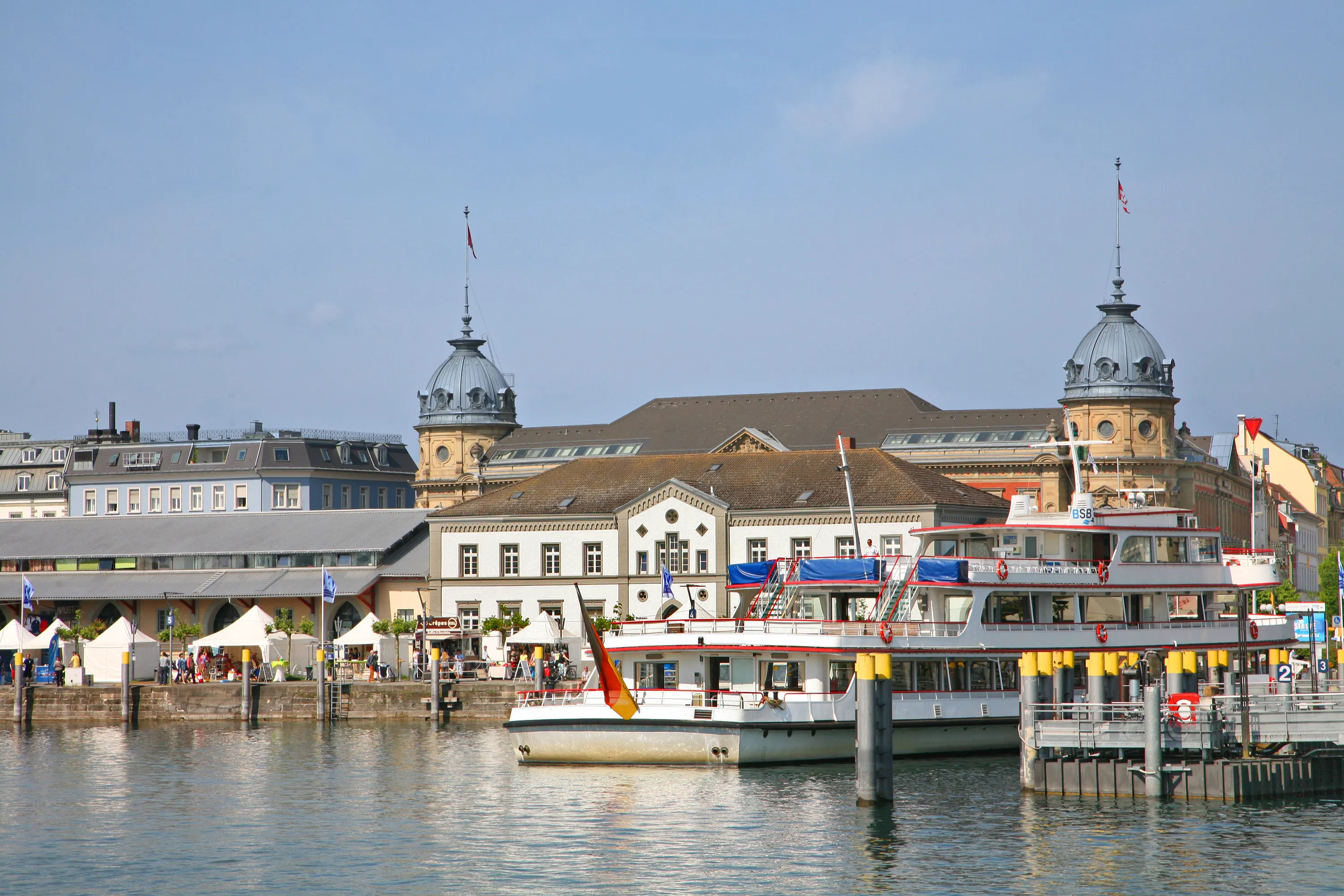
Konstanz
German city on Lake Constance and crossing of Jacobean routes. Its medieval core and its history linked to the Council make it an important starting point for the Via Jacobi.
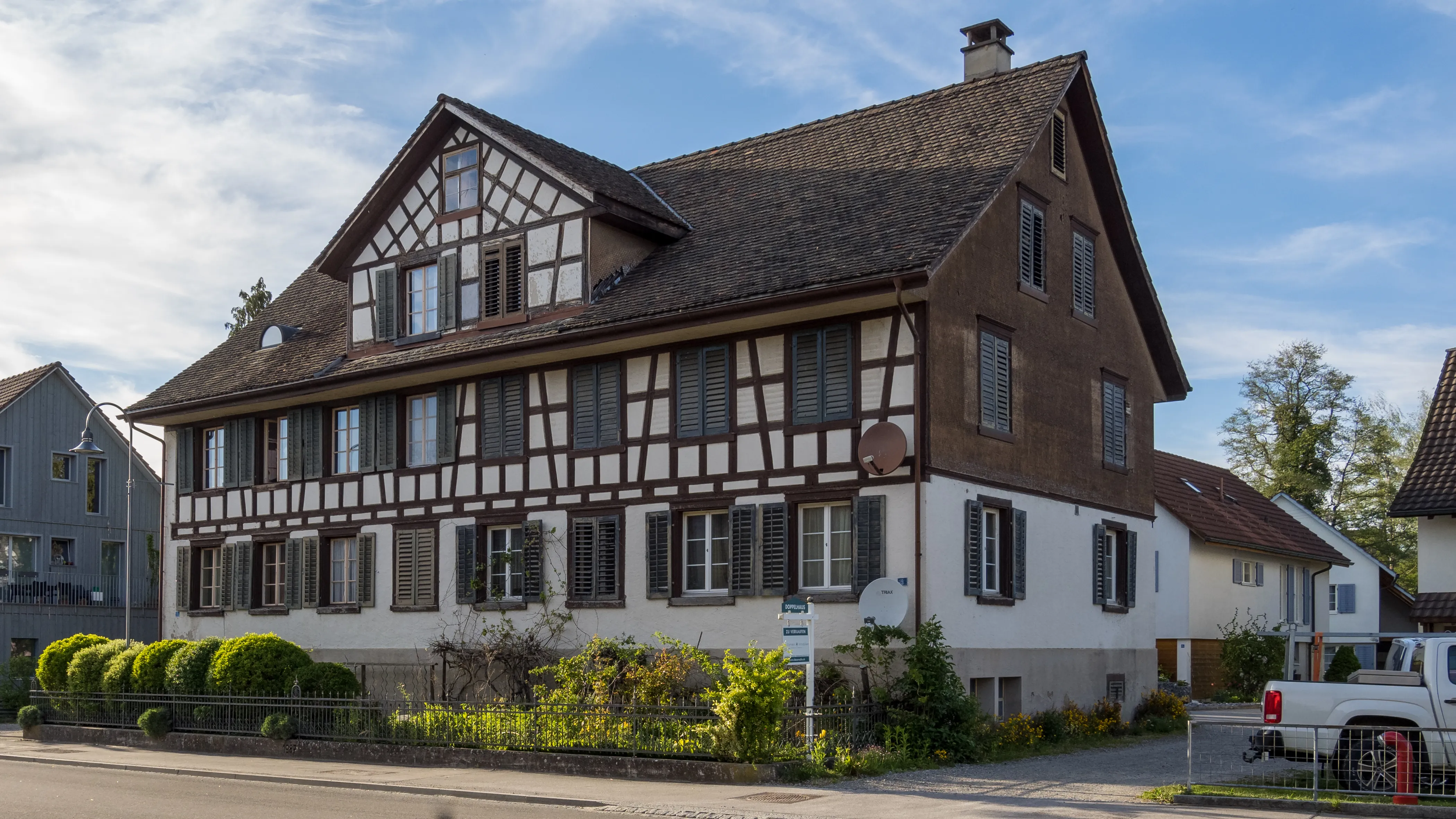
Märstetten
420 mSmall municipality in the district of Turgovia, Switzerland.
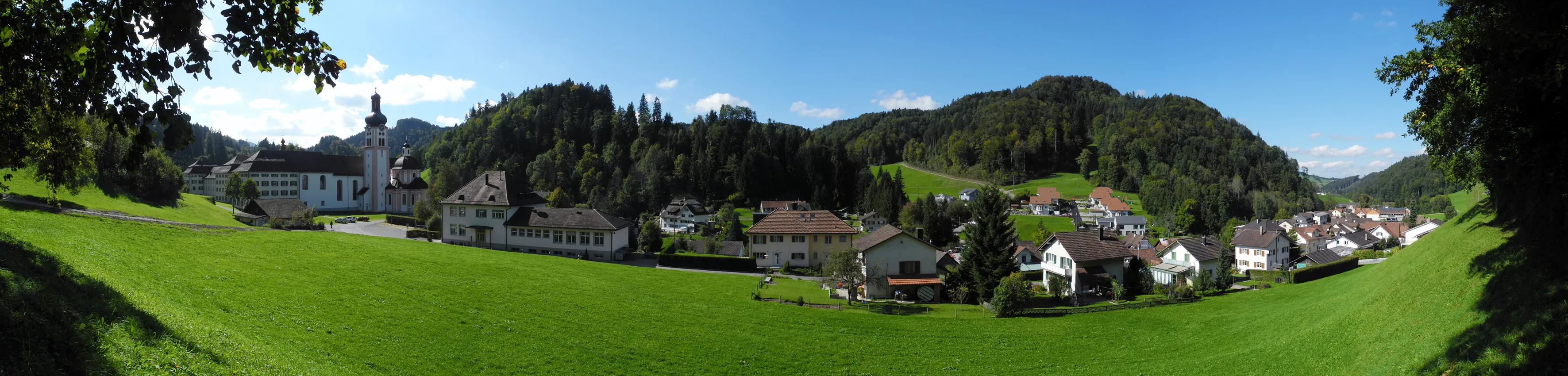
Fischingen
610 mKnown for its Baroque monastery.
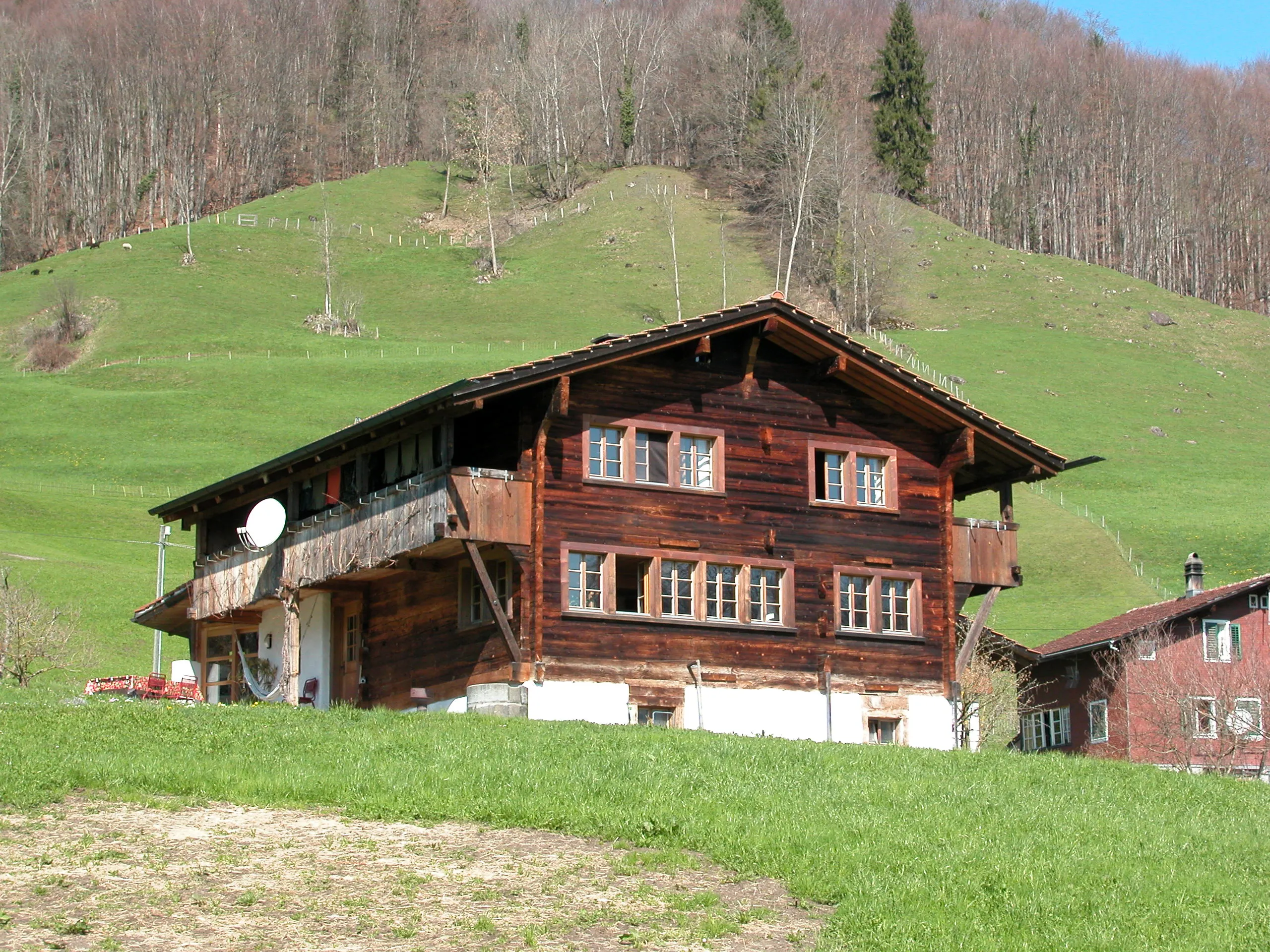
Gibswil
757 mTown in the Oberland of Zurich, surrounded by nature.
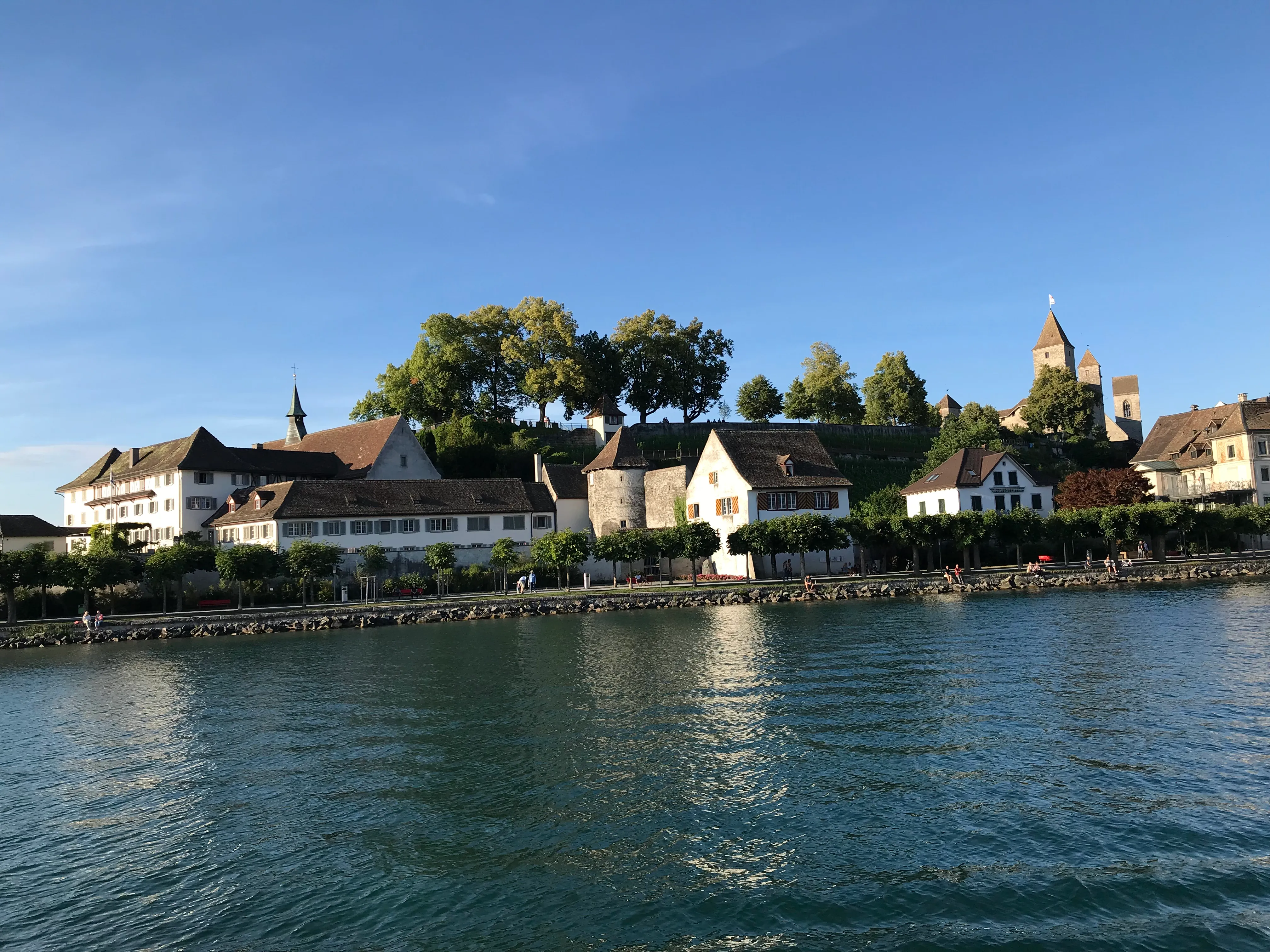
Rapperswil
409 mThe City of Flowers, by the shores of Lake Zurich.
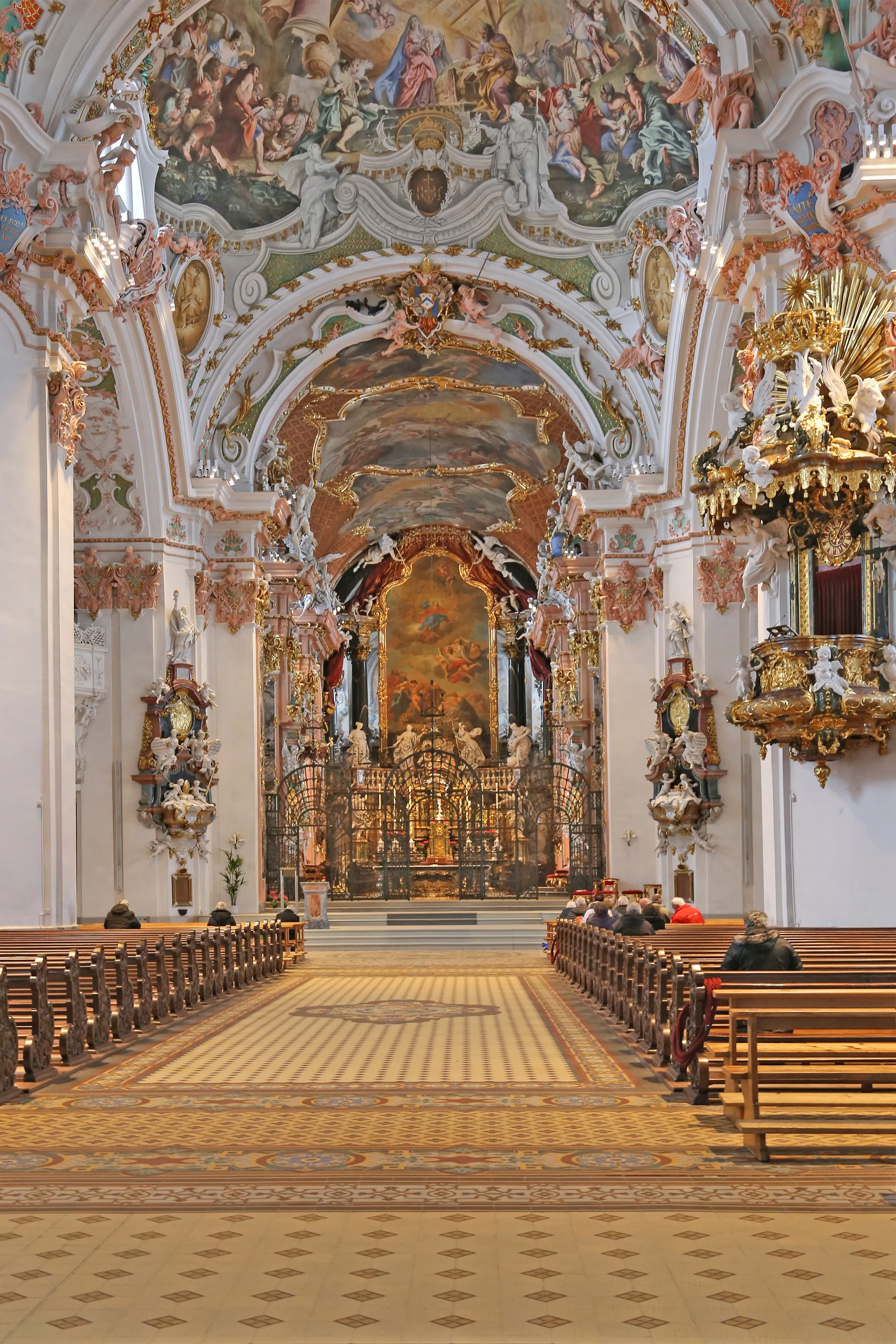
Einsiedeln
The largest pilgrimage center in Switzerland and key stop on the Jacob's Way. Its majestic Baroque abbey houses the Black Madonna, a focus of devotion for pilgrims.
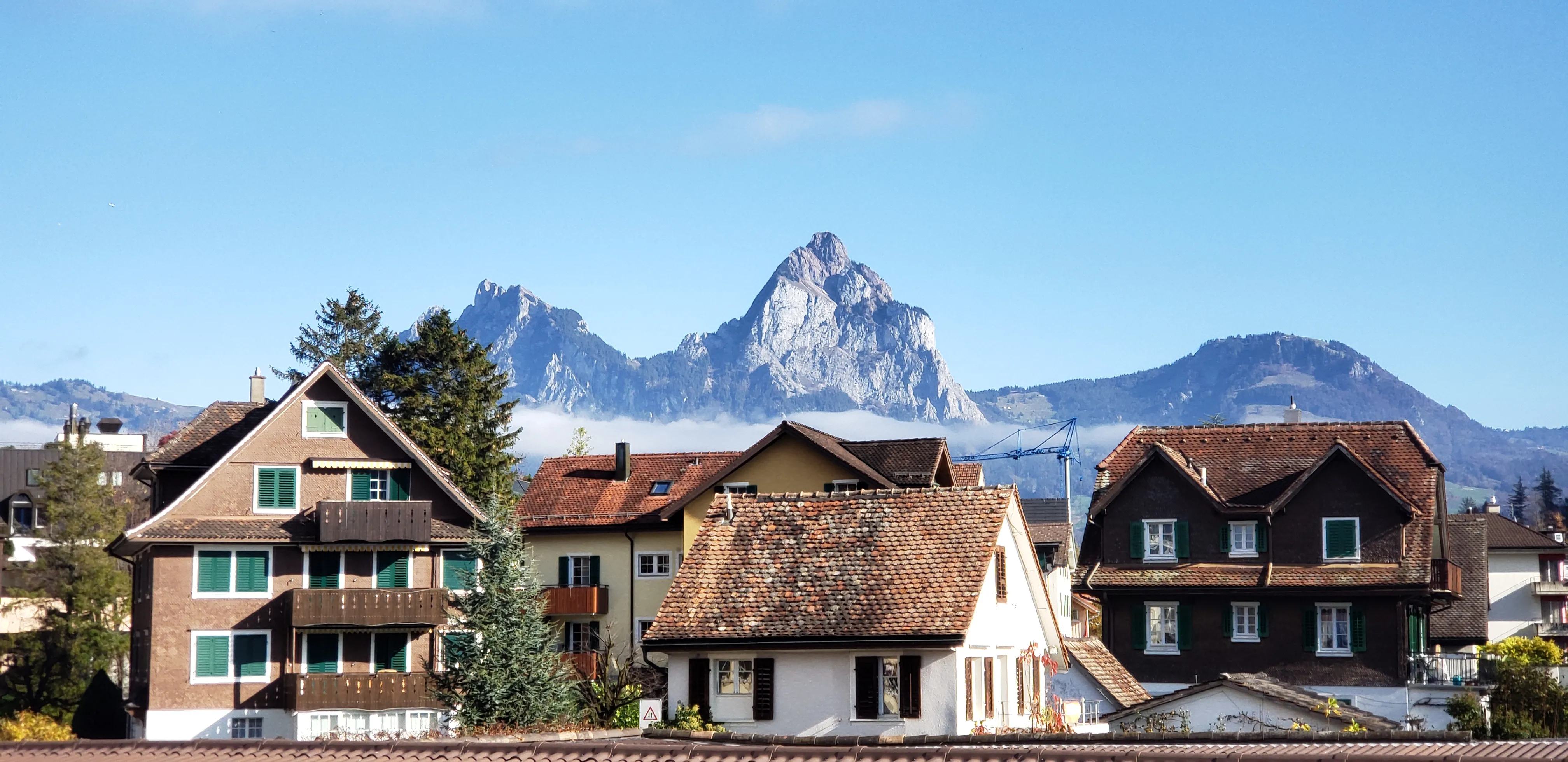
Brunnen
435 mTown by the Lake of the Four Cantons.
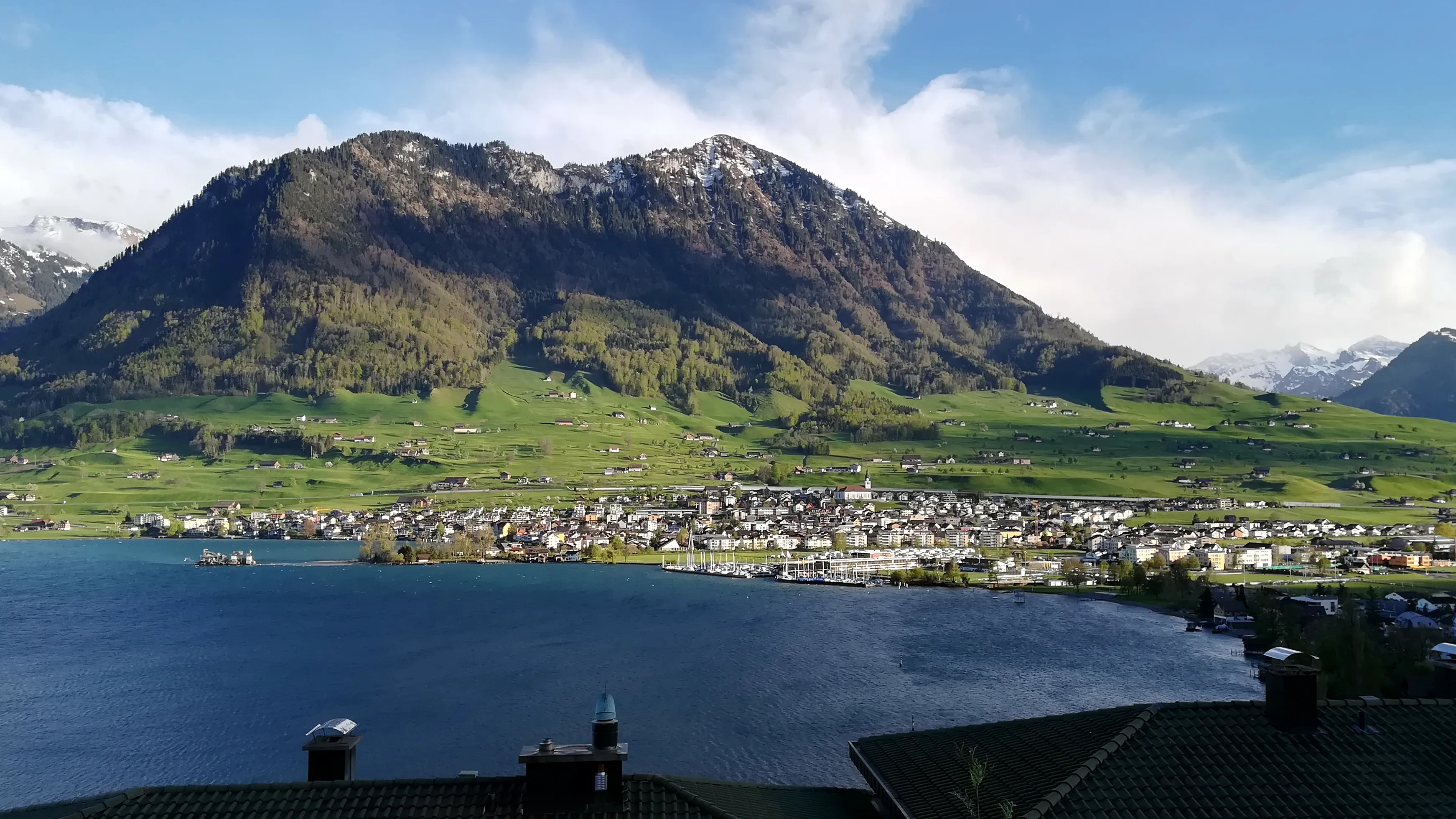
Buochs
435 mTown on the southern shore of Lake Four Cantons.
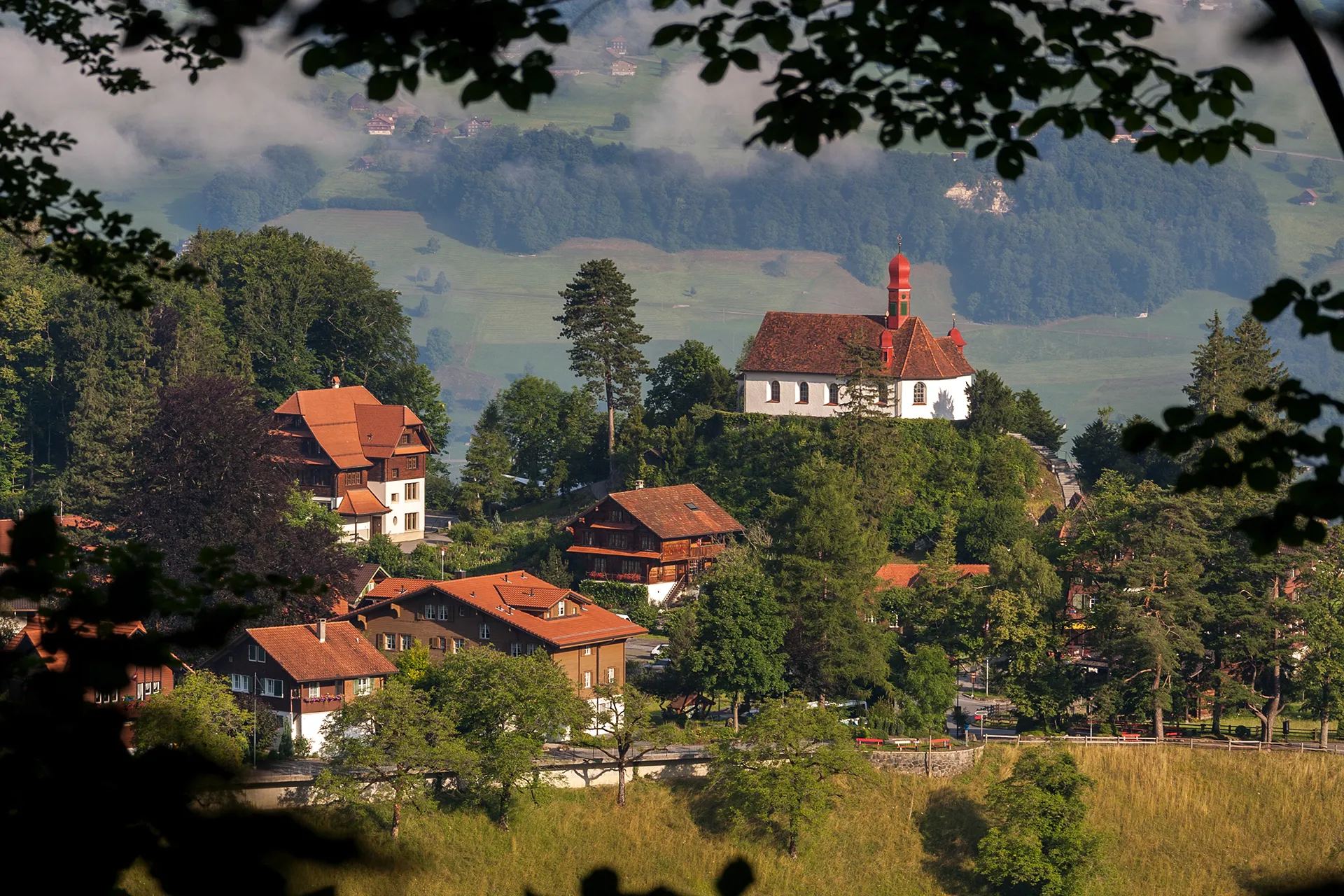
Flüeli-Ranft
728 mHome of the patron saint of Switzerland, Saint Nicholas of Flüe.
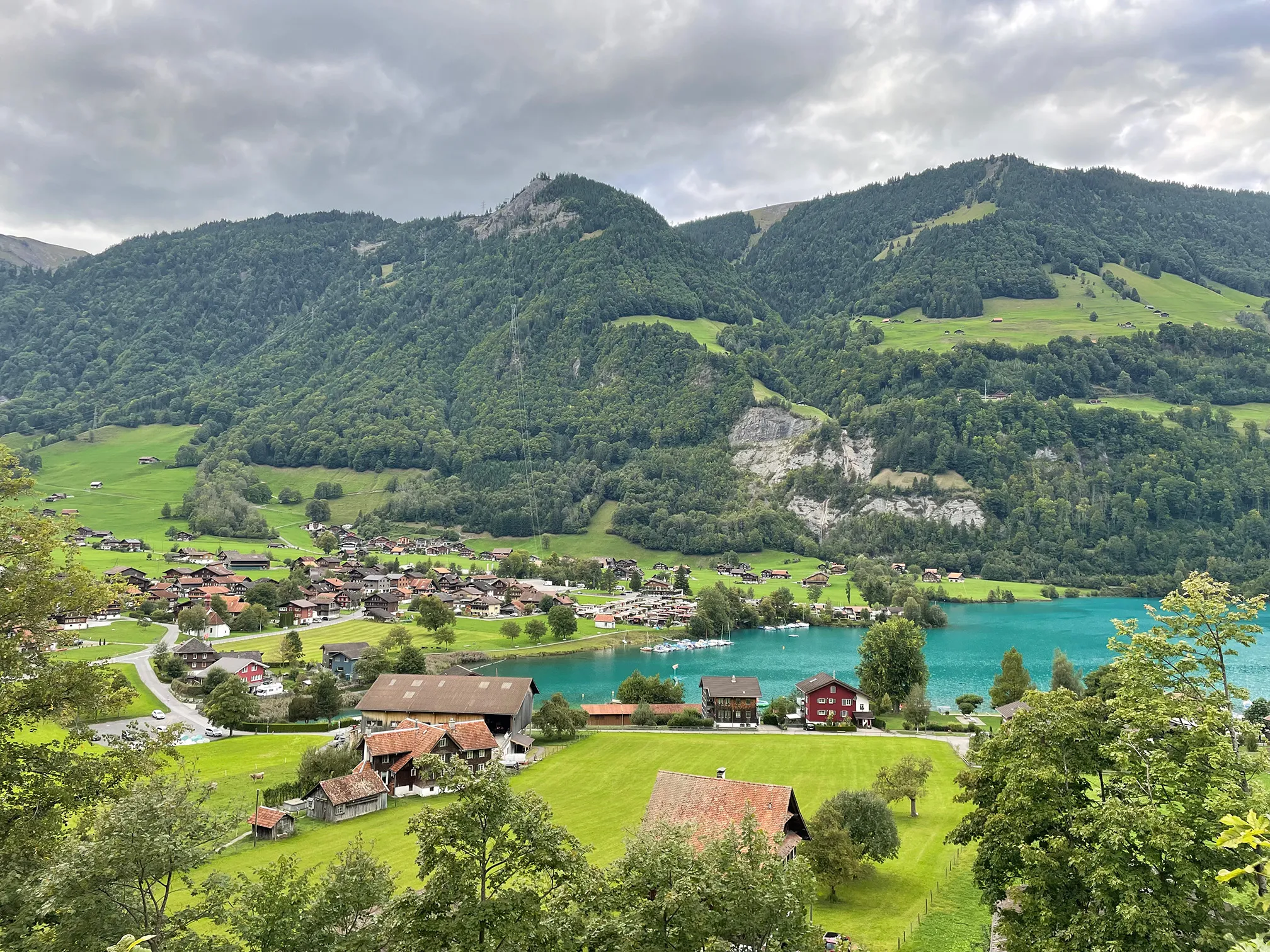
Lungern
750 mPeaceful village by a turquoise lake.
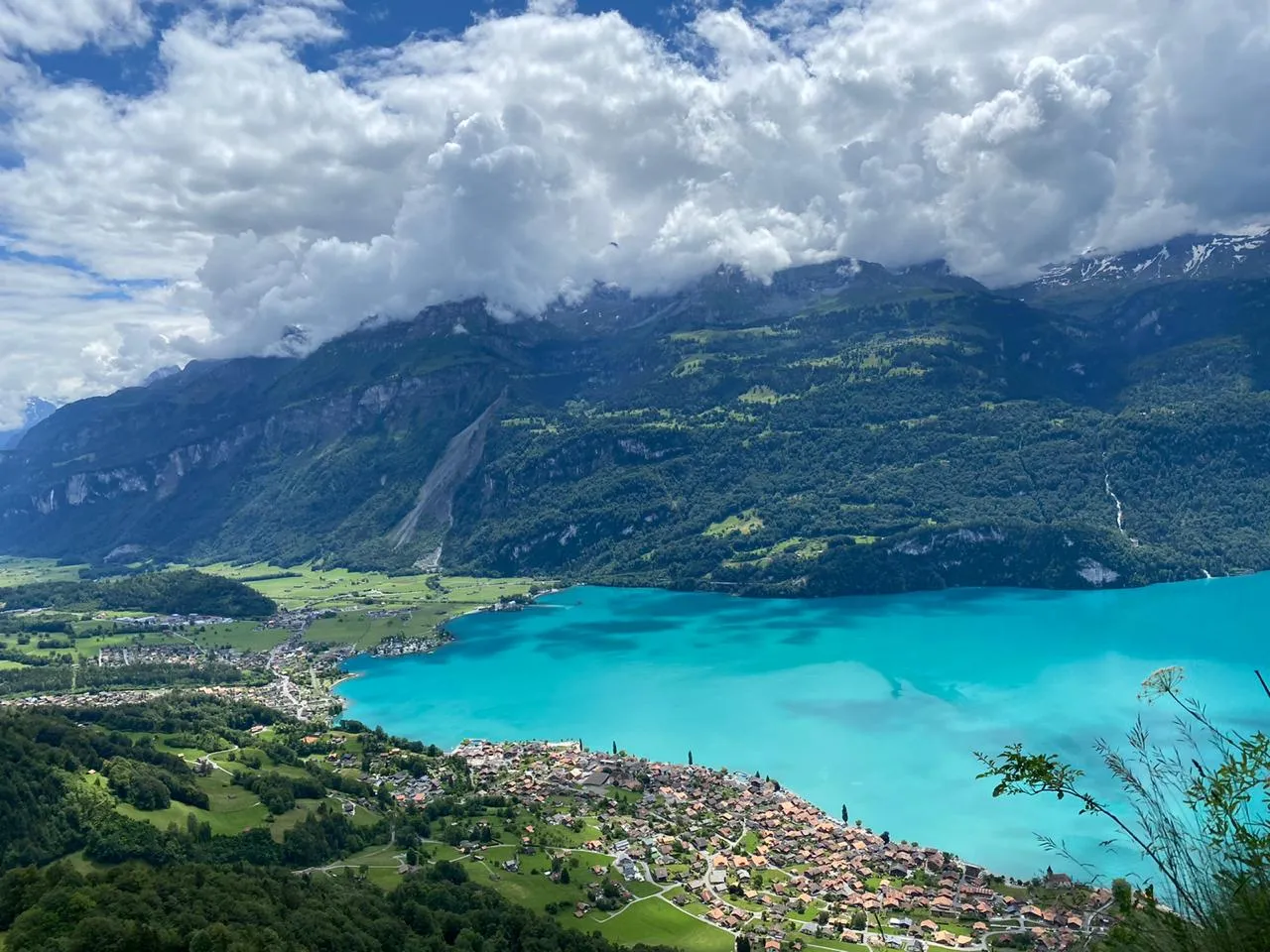
Brienz
566 mFamous for its wooden sizes by the shores of Lake Brienz.
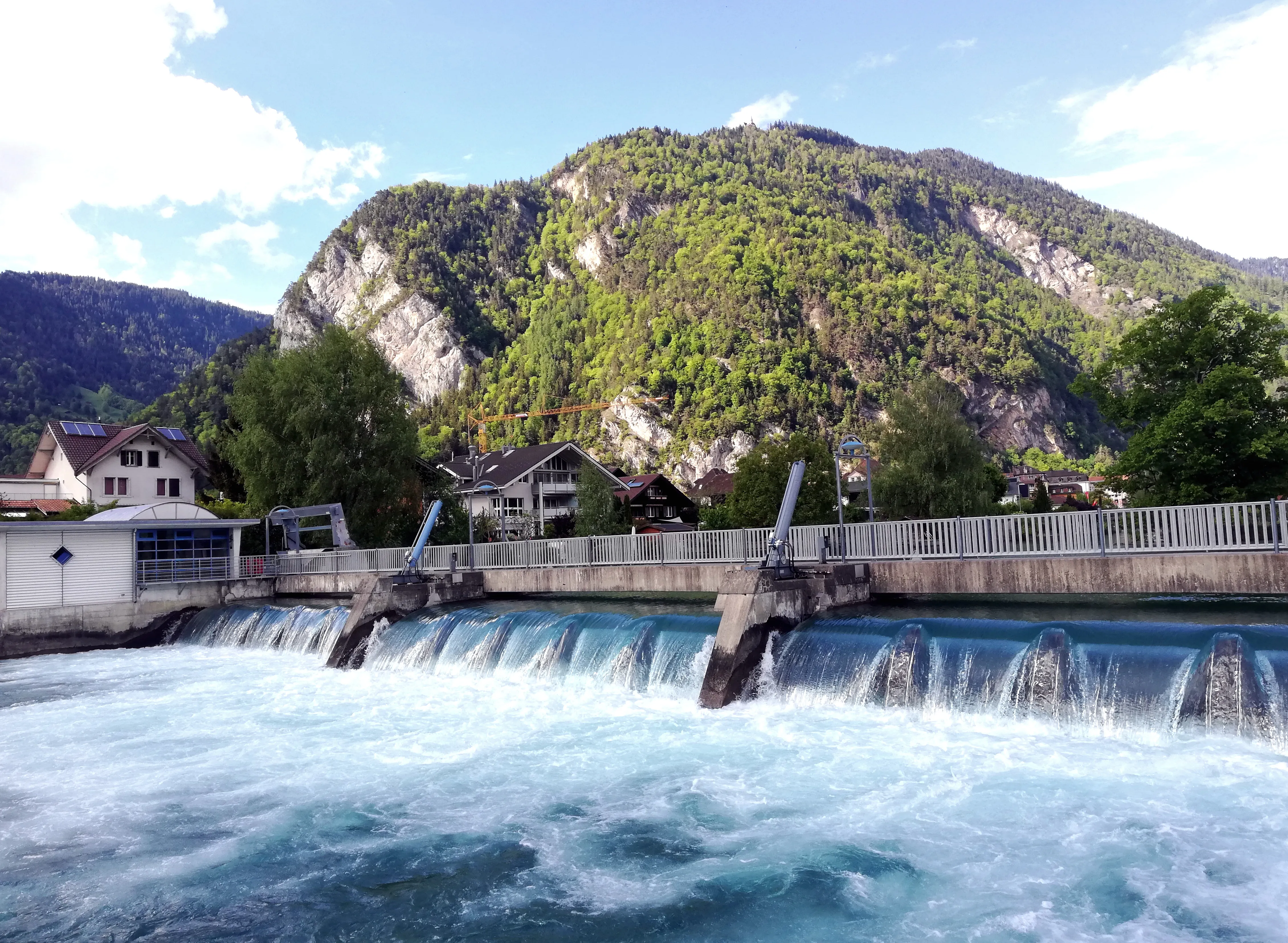
Interlaken
Capital of adventure in the Bernese Alps and stage of the Jacob's Way. Interlaken, situated between two lakes, offers the pilgrim a breathtaking alpine landscape.
History of Jacob's Way
The history of the Via Jacobi is tied to Switzerland's position as the great crossroads of Europe. In the Middle Ages, anyone who wanted to travel between the north and south of the continent, between the Holy Roman Empire and the Italian peninsula, often had to cross the Swiss Alps. This geography made it a natural corridor not only for merchants and armies but also for pilgrims. The flow of German-speaking walkers towards Santiago was massive during the Middle Ages, and the Via Jacobi was their primary route through the Alps.
The network of trails fed into various entrances on Switzerland's eastern and northern borders. The main route, now recovered as Swiss National Route 4, is often considered to begin at the shores of Lake Constance (Bodensee), a meeting point for those arriving from Bavaria and Austria. From there, the Via Jacobi embarks on an impressive journey from east to west along over 400 kilometers, showcasing an incredible variety of landscapes and cultures.
A central element in the history and spirituality of the Via Jacobi is the Monastery of Einsiedeln. This imposing Benedictine abbey, founded in the 10th century, houses the revered Black Madonna image and is one of Europe's most important Marian pilgrimage centers. For medieval Jacobean pilgrims, the journey often included a devotional stop at Einsiedeln. The pilgrimage to Santiago was thus enriched with the visit to the Virgin, making the abbey a spiritual heart that pumped pilgrims towards the rest of the route.
The path traverses some of Switzerland's most iconic landscapes. It passes through historic cities like Lucerne, with its famous wooden bridge, skirts the lakes of Brienz and Thun, offering breathtaking views of towering Alpine peaks such as the Eiger, Mönch, and Jungfrau, and crosses various linguistic regions in the country. Along the way, numerous churches dedicated to Santiago (Jakobuskirche), ancient hostels, and place names recall the constant passage of pilgrims.
The ultimate goal of the Via Jacobi is to reach the western border with France. The main departure point is the international city of Geneva. Upon arriving there, the pilgrim has completed the Swiss traverse and finds himself at the starting point of the Via Gebennensis, which will lead him to Le Puy-en-Velay. Other departures existed, for example near Basel, that connected with routes in Alsace or Burgundy towards Vézelay.
Today, the Via Jacobi is magnificently signposted and maintained, following Swiss hiking standards. It offers a top-level Jacobean experience, a journey that is both an end in itself —a complete traverse of Switzerland— and a vital link connecting faith and pilgrimage tradition from German-speaking Europe to major routes leading to Compostela.
Accommodations on the Route
The Jacob's Way has 42 verified accommodations along the entire route.
View Stages & AccommodationsPractical Tips for Jacob's Way
Best Season
Spring (April-June) and autumn (September-October) are the best seasons. Pleasant temperatures and fewer crowds than summer.
Physical Preparation
Train by walking progressively in the months before. Start with short distances and increase. Your body will adapt to the rhythm of the Camino.
What to Pack
Light backpack (max 10% of your weight), worn trekking shoes, breathable technical clothing, raincoat, sunscreen and basic first aid kit.
General Tips
Carry the pilgrim credential, stay hydrated, respect your pace, book accommodation in high season and enjoy the journey without rushing.
FAQ about Jacob's Way
La Vía Jacobi recorre aproximadamente 445 km a través de Suiza, lo que normalmente lleva unos 22 días para completar. Ourway Travel ofrece itinerarios detallados para ayudarte a planificar tu viaje.
La temporada media, especialmente en mayo y septiembre, es ideal para realizar la Vía Jacobi. En estas épocas hay un buen equilibrio entre las condiciones climáticas favorables y una menor afluencia de peregrinos. Ourway Travel te asiste con recomendaciones específicas según tus preferencias.
El paquete de reserva de Ourway para la Vía Jacobi incluye alojamientos en albergues acreditados y un itinerario personalizado. También proporcionamos asesoramiento sobre equipaje adecuado, puntos de interés cultural y religioso, y detalles sobre cómo obtener tu credencial del peregrino.
Para reservar la Vía Jacobi a través de Ourway Travel, simplemente completa nuestro formulario en línea o contáctanos directamente. Nuestro equipo te guiará a través del proceso para asegurarte que tu viaje sea perfecto desde el primer paso.
La Vía Jacobi es única en su recorrido a través de Suiza, ofreciendo una experiencia cultural e histórica rica. En contraste con los caminos franceses o portugueses que son más conocidos por sus albergues y tráfico de peregrinos, la Vía Jacobi ofrece un viaje más tranquilo y auténtico. Ourway Travel te ayuda a elegir el camino que mejor se adapte a tus intereses.
La Vía Jacobi es considerada media en términos de dificultad debido a su recorrido por montañas y valles. En contraste, los caminos más alpinos pueden ser más desafiantes, mientras que los caminos llanos como el Camino Portugués tienden a ser menos exigentes. Ourway Travel ofrece itinerarios personalizados para adaptarse a tu nivel de habilidad.
El equipaje es un aspecto importante del Camino Vía Jacobi. Ourway Travel te proporciona recomendaciones sobre qué ropa y equipo llevar, así como servicios de gestión de equipaje para que puedas viajar ligero durante el camino.
Para obtener tu credencial del peregrino en la Vía Jacobi, puedes dirigirte a una oficina de turismo o iglesia designada antes de iniciar el camino. Ourway Travel te asiste con información sobre dónde y cómo obtener tu credencial para asegurar que estés preparado desde el principio.
Ready for this adventure?
Let us organize your pilgrimage. We take care of accommodations, transfers and everything you need.