
Camino de Santiago
Route of the Ebro
Follow the course of Spain's most voluminous river. The Ebro River Path, from its delta to Logroño, connects you with the French Way on a route filled with history and nature.
Organize your Route of the EbroLast updated: 21/05/2025
The Route
General Description of Route of the Ebro
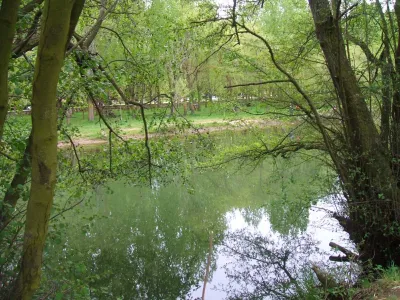
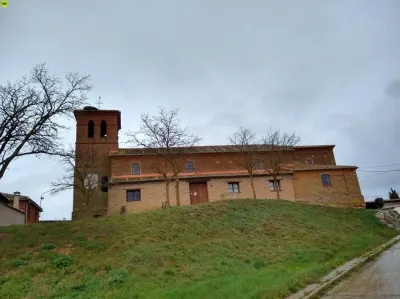
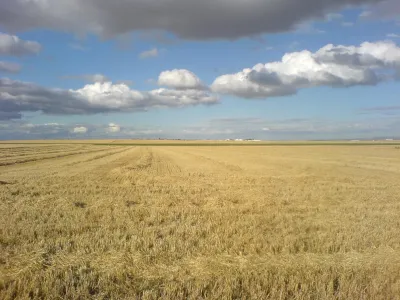
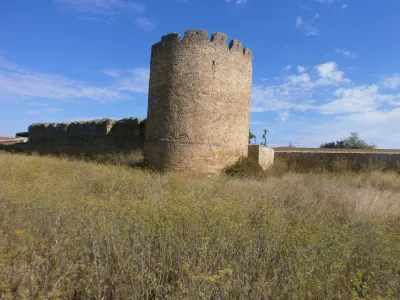
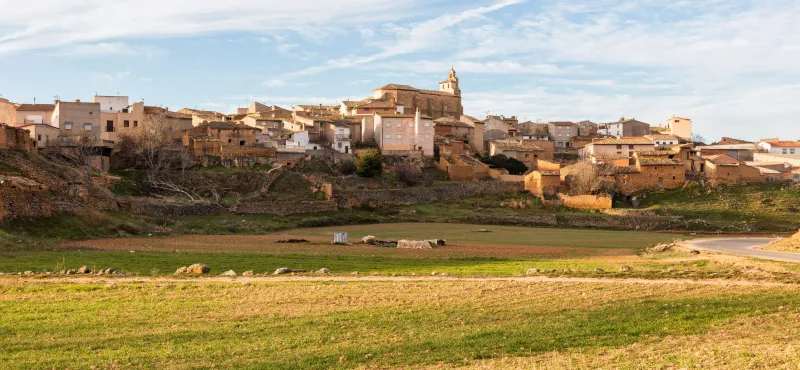
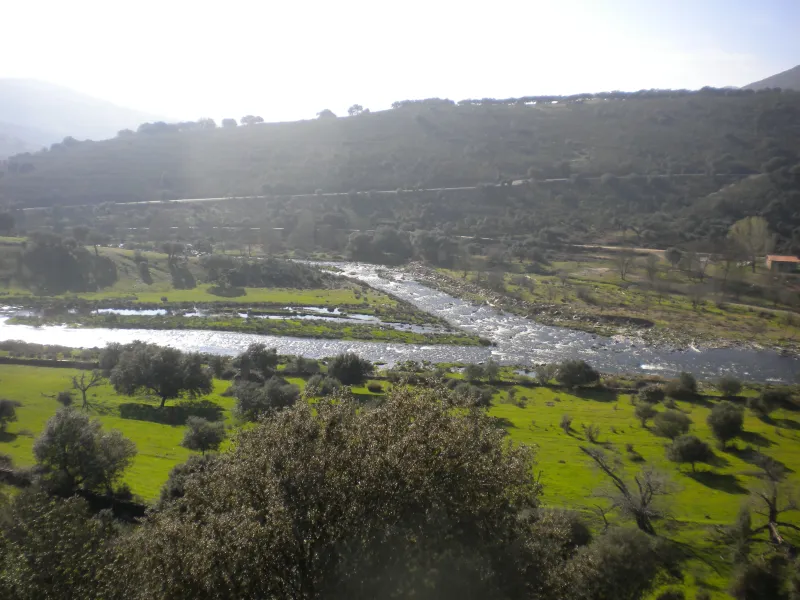
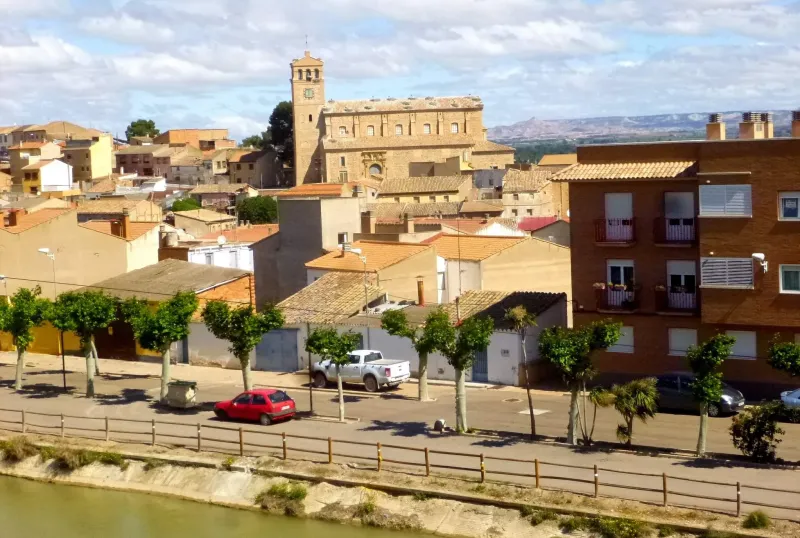
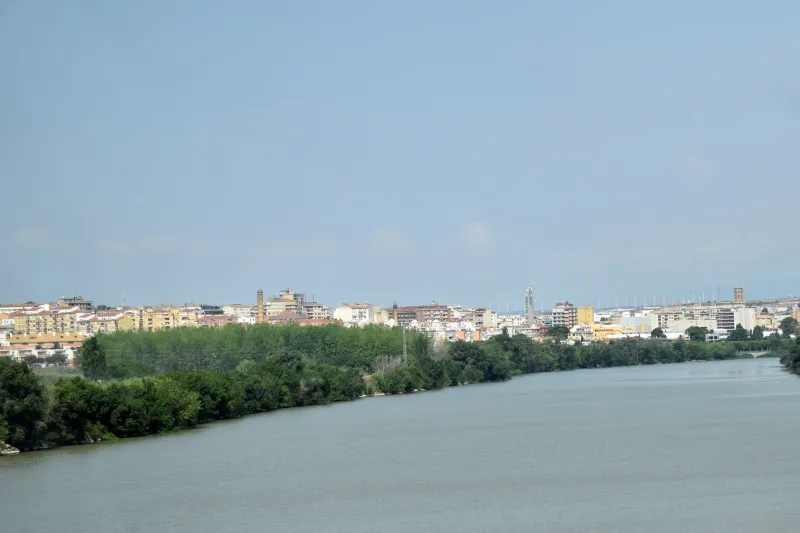
It is a route with mostly flat sections that allows you to discover the diversity of landscapes in Catalonia, Aragon and La Rioja.
Related Routes
Connections of Route of the Ebro
Camino Francés
779 km
33
Moderate
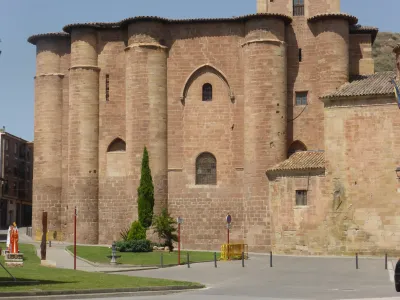
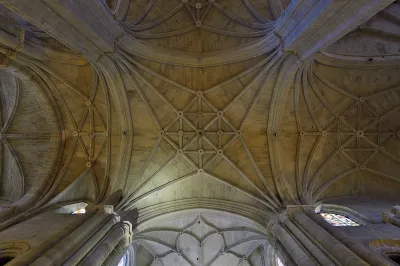
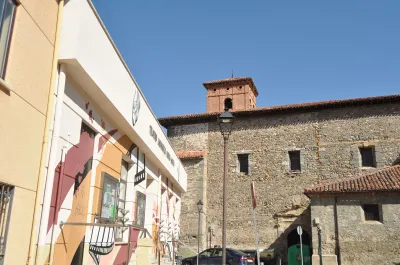
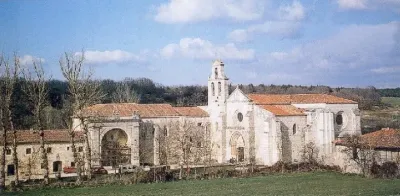
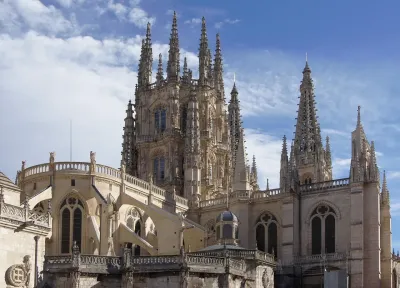
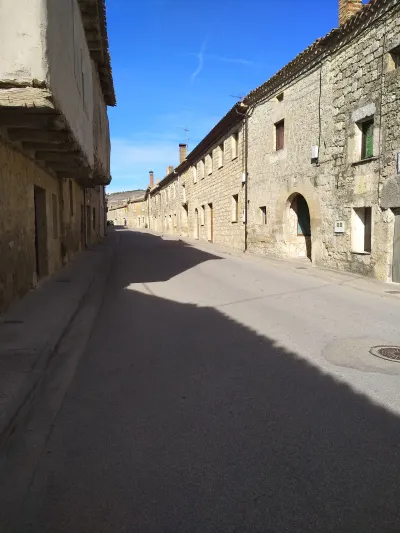
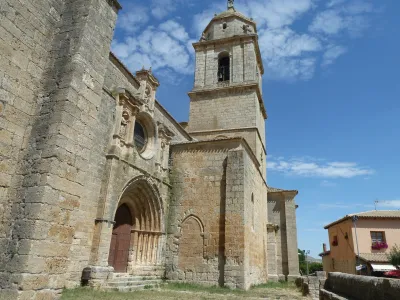
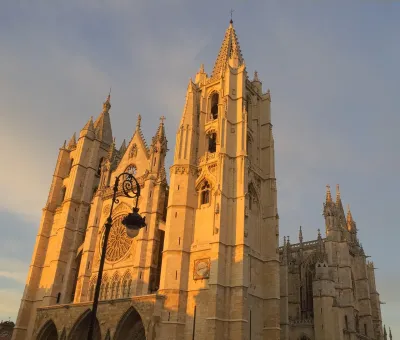
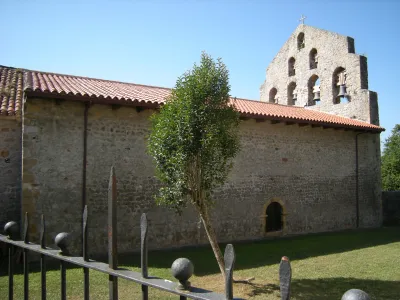
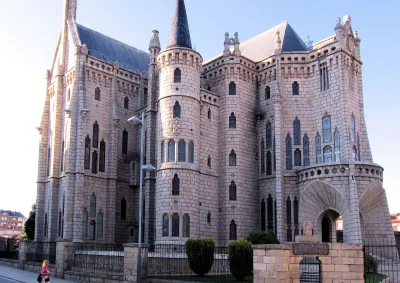
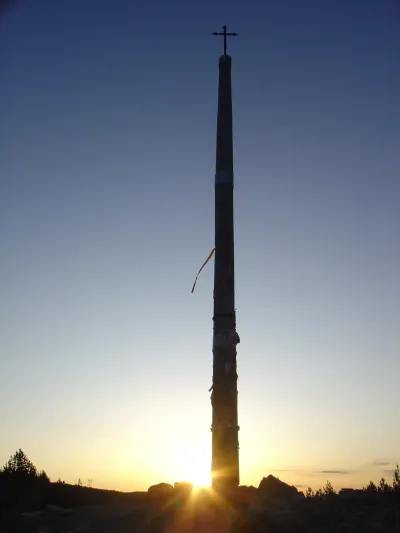
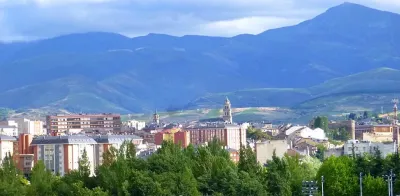
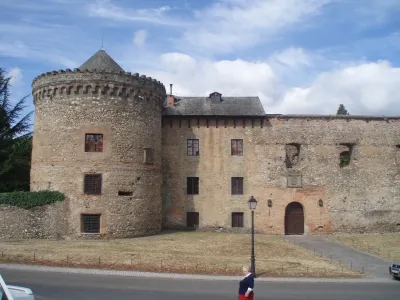
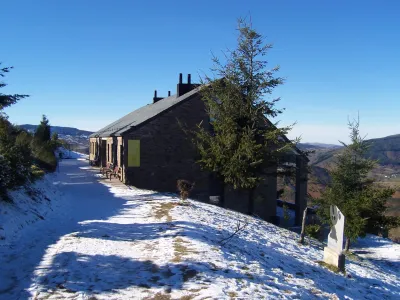
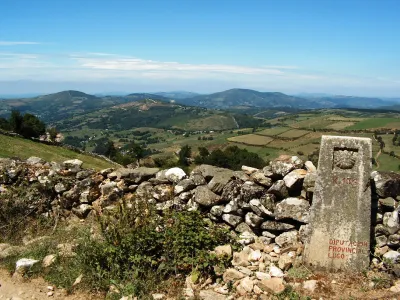
The Camino Francés is the pilgrimage route to Santiago par excellence, chosen by thousands of pilgrims every year. Running roughly 780 km from Saint-Jean-Pied-de-Port, or slightly less from Roncesvalles, it crosses northern Spain. This path, declared a World Heritage Site by UNESCO, offers an exceptional network of services and pilgrim hostels. Pilgrims make their way through Navarra, La Rioja, Castilla y León, and finally Galicia, marveling at cities rich in monuments such as Pamplona, Burgos, and León, and at villages with a charm of their own. The diversity of its scenery is one of its great draws, from the Pyrenees and the Castilian plains to the green forests of Galicia. It is a physical and spiritual journey that leaves an indelible mark, ideal both for seasoned pilgrims and for those setting out on the Camino de Santiago for the first time.
Stages of this variant:
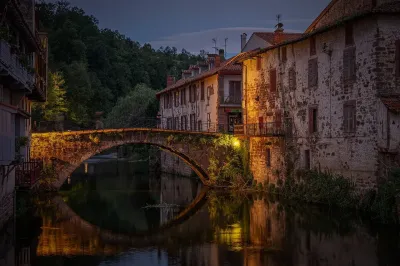
Stage 1: Saint-Jean-Pied-de-Port to Roncesvalles
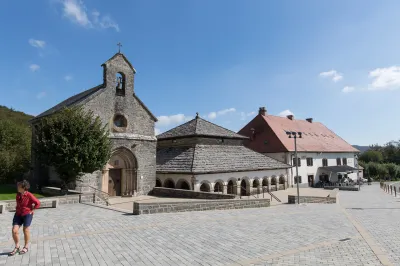
Stage 2: Roncesvalles to Zubiri
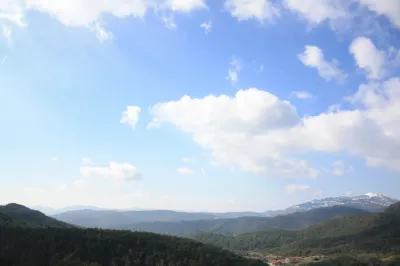
Stage 3: Zubiri to Pamplona
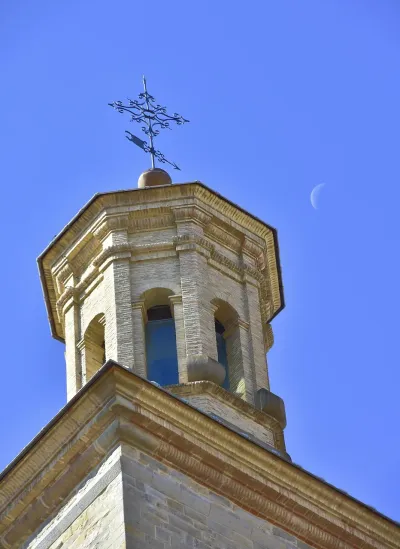
Stage 4: Pamplona to Puente la Reina
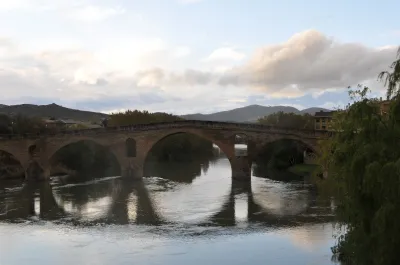
Stage 5: Puente la Reina to Estella
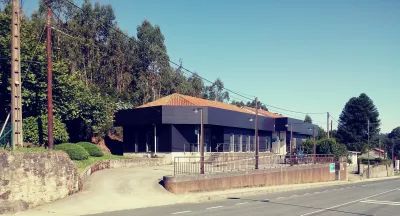
Catalan Way
300.9 km
13
Media
The Catalan Way is not a single route, but a collection of itineraries that depart from different points in Catalonia and converge to go to Santiago. The most well-known beginnings are Sant Pere de Rodes, Tarragona and Barcelona, with the passage through the iconic Monastery of Montserrat as a fundamental spiritual milestone.
These branches seek connection with the Aragonese French Way (via Huesca) or with the Ebro Way (via Lleida and Zaragoza). It is a way to discover the diversity of Catalan landscape and culture as part of the Jacobean pilgrimage.
Stages of this variant:
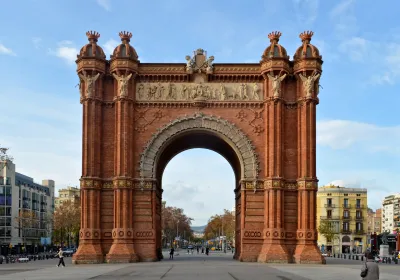
Stage 1: Barcelona - Sant Cugat del Vallès
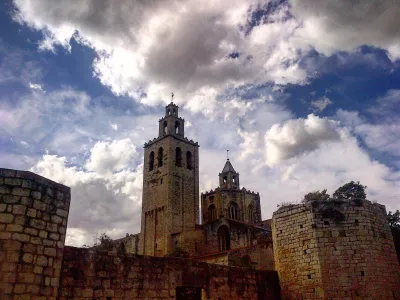
Stage 2: Sant Cugat del Vallès - Esparreguera
Stage 3: Esparreguera - Monestir de Montserrat
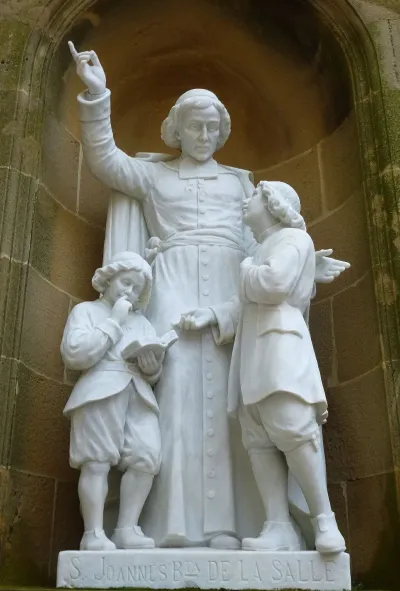
Stage 4: Monestir de Montserrat - Igualada
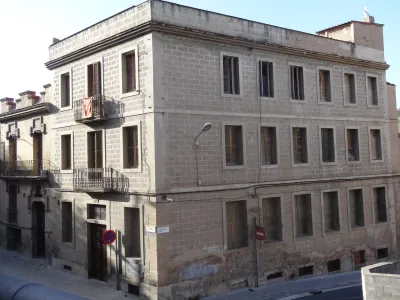
Stage 5: Igualada - La Panadella
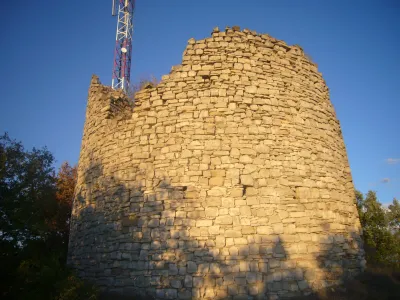
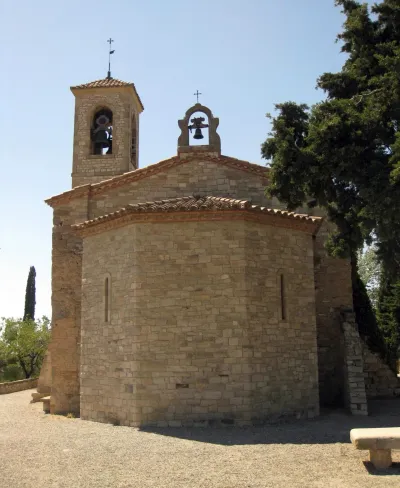
Route of Castellón
280.8 km
14
High
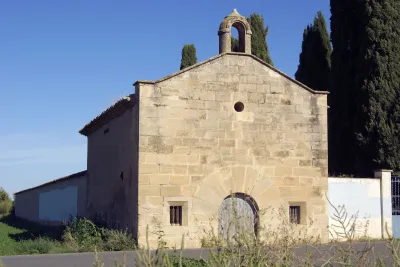
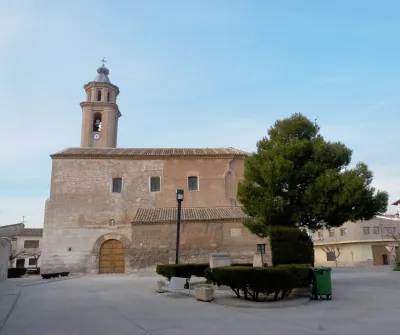
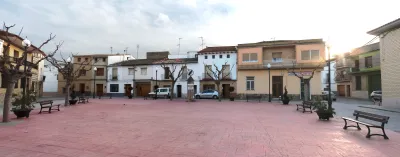
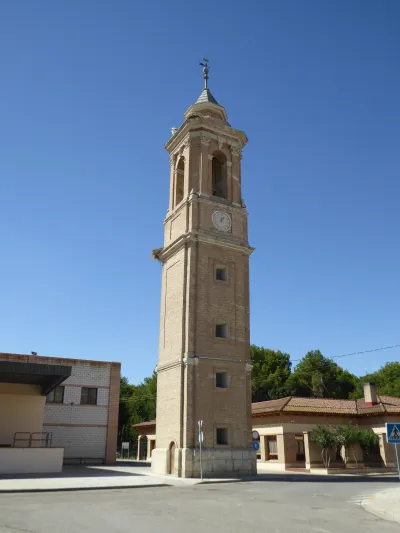
The Castellón Way, or Maestrazgo Way, allows pilgrims to begin their journey from the capital of La Plana. The route starts in Castellón and heads northwest, entering the mountainous interior of the Maestrazgo. The path passes through diverse landscapes, from orchards to the lowlands of Lower Aragon.
It goes through towns with notable historical heritage, such as the walled city of Morella. The route finally joins the Ebro Way in Fuentes de Ebro (Zaragoza), from where it can be continued towards the French Way. The total distance is approximately 281 km.
Stages of this variant:
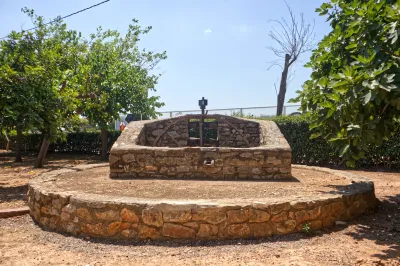
Stage 1: Sant Jaume de Fadrell-La Pobla Tornesa
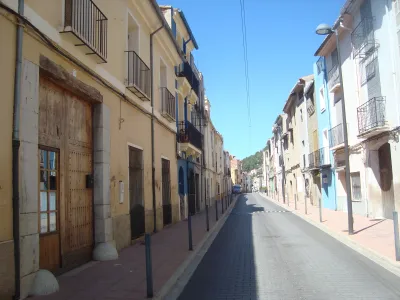
Stage 2: La Pobla Tornesa-Sierra Engarcerán
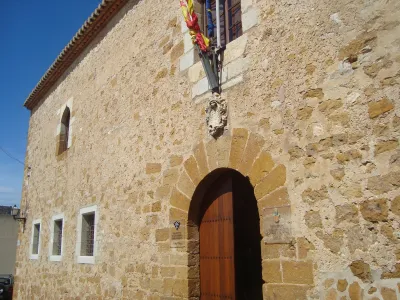
Stage 3: Sierra Engarcerán-Más del Segarró
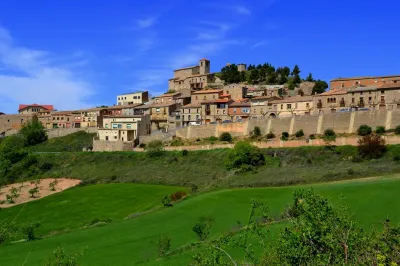
Stage 4: Más del Segarró-Santuario de la Virgen de Vallivana
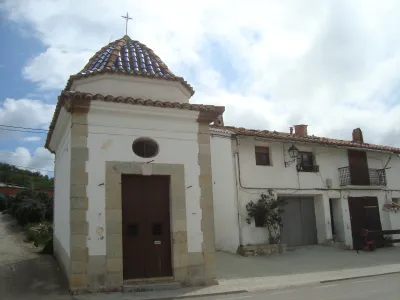
Stage 5: Santuario de la Virgen de Vallivana-Morella
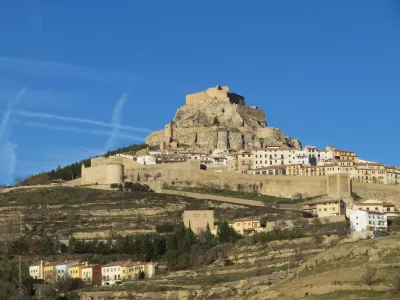
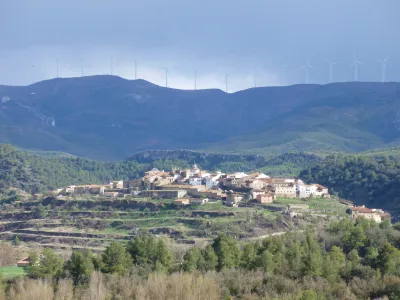
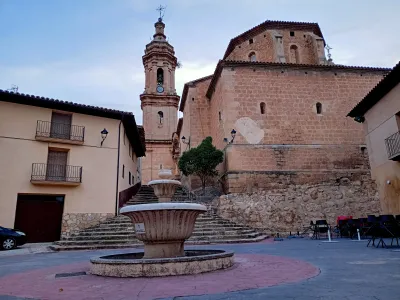
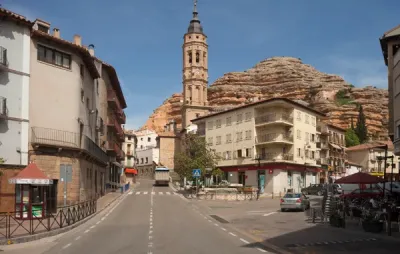
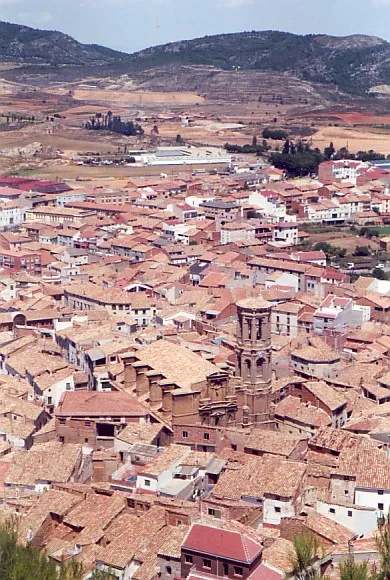
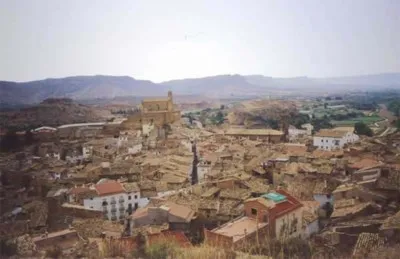
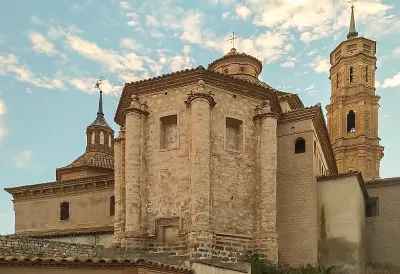
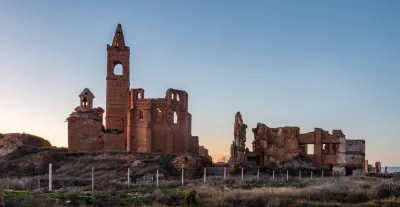
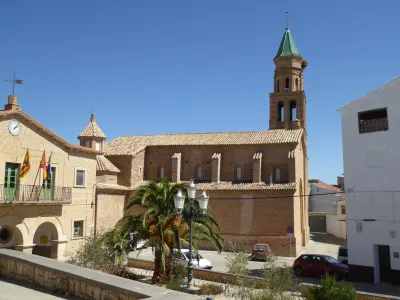
Route of the Castle and Aragon
239 km
8
High
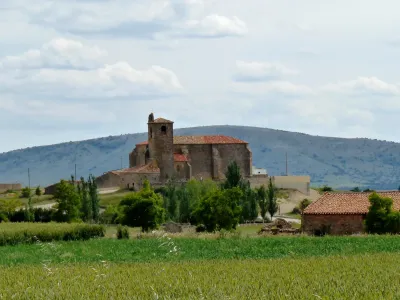
The Camino Castellano-Aragonés is a Jacobean route that connects the Ebro valley from Gallur (Zaragoza) to the Lana Way in Burgos province. This 239 km itinerary serves as a bridge between eastern peninsula routes (such as the Ebro Way) and Castilian roads leading to the French Way.
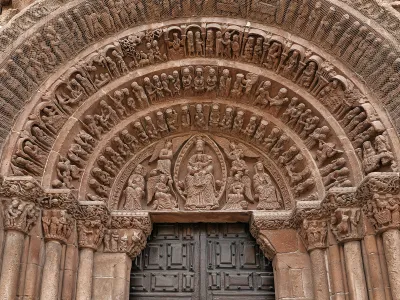
It traverses the middle Ebro valley and enters Soria province, passing by the monumental Tarazona. It offers a rural route through areas with rich historical and natural heritage, although less known and trafficked, ideal for those seeking a more solitary experience.
Stages of this variant:
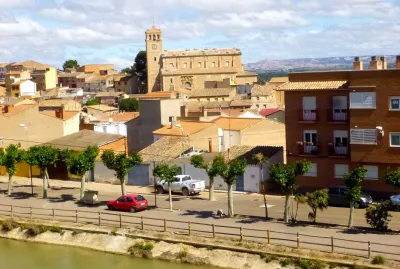
Stage 1: Gallur to Borja
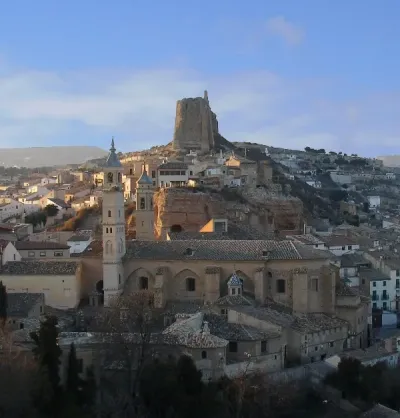
Stage 2: Borja to Tarazona
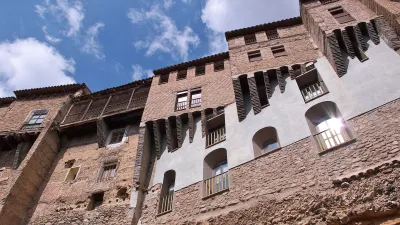
Stage 3: Tarazona to Ágreda
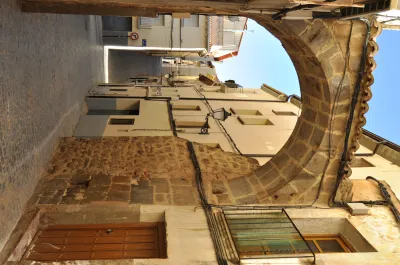
Stage 4: Ágreda to Pozalmuro
Stage 5: Pozalmuro to Soria
Your trip with Ourway
Everything you need for your Camino
No hassle. Your perfect route, from start to finish.
Accommodation
Selected hotels and hostels at every stage
Luggage transfer
Your backpack travels from stage to stage
Camino Guide
Detailed map with directions and services
24h Support
Team available for any unforeseen event
Pilgrim credential
Official documentation included
No commitment
Free personalized consultation
Walk this route with us
Fancy walking this route?
We don't have a ready-made package for this route yet, but we'll organise it around you. Tell us how you'd like to experience it and a specialist will reply within 24 h.
Request your proposalStages
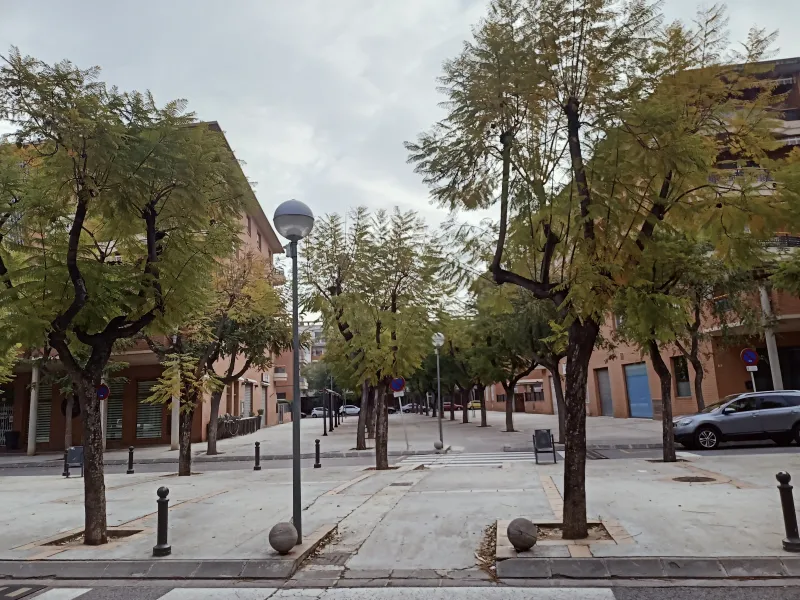
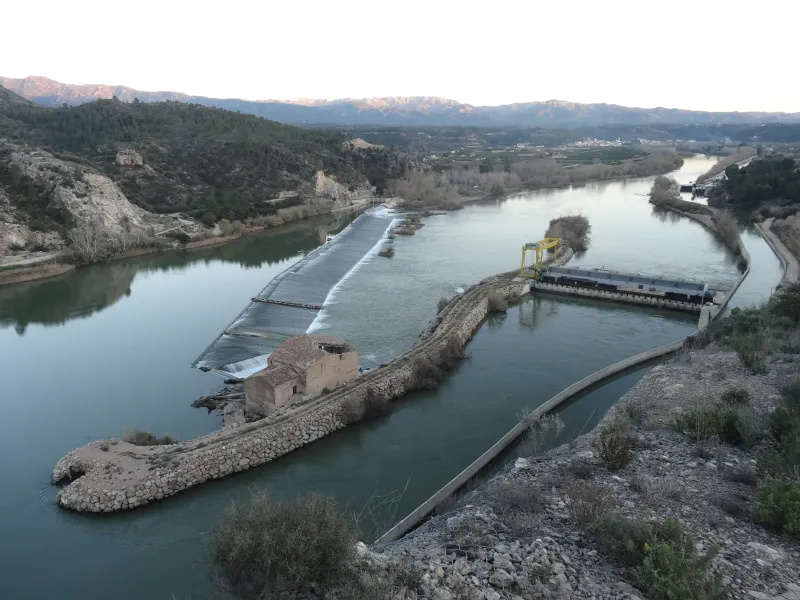
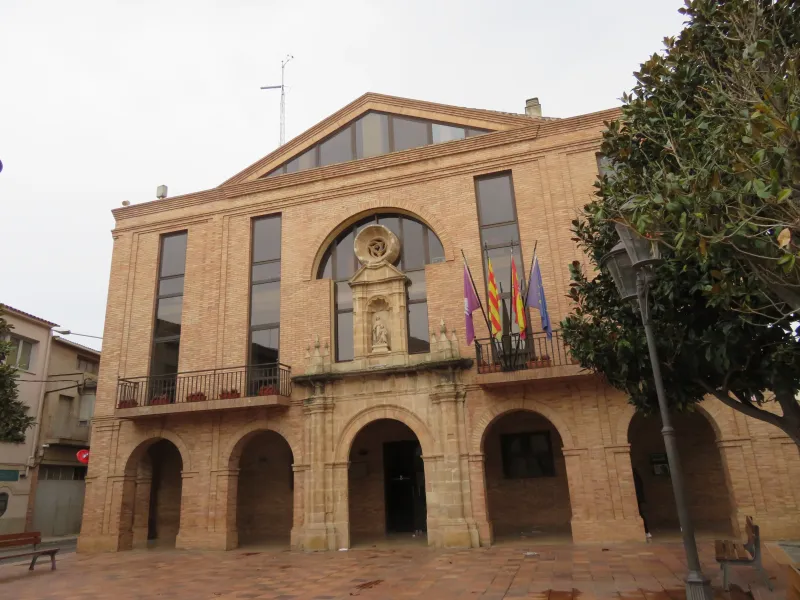
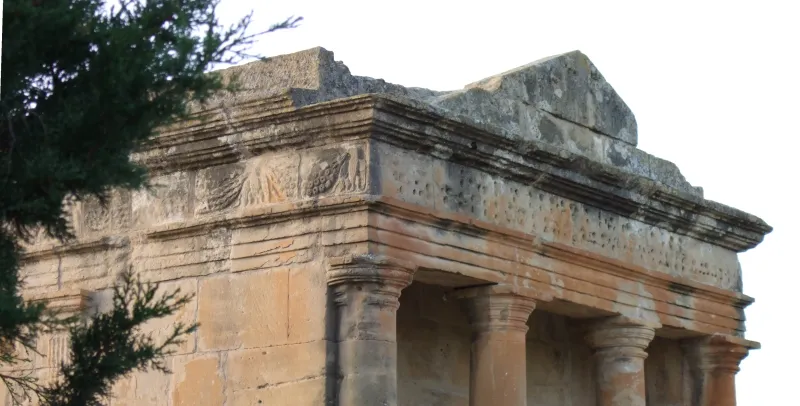
Stages of Route of the Ebro
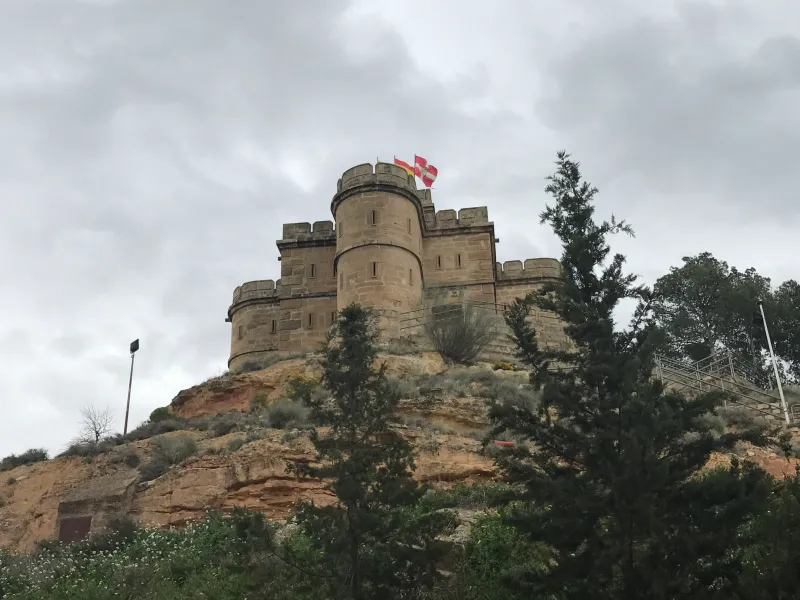
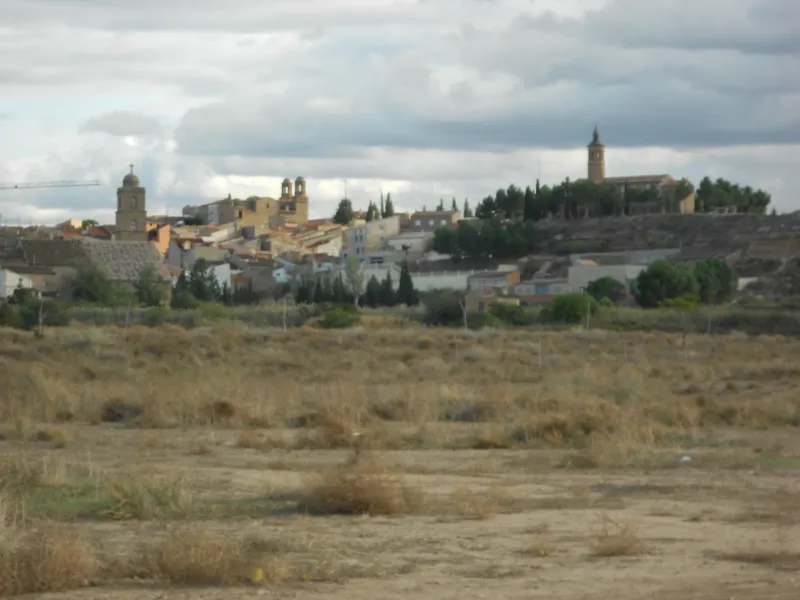
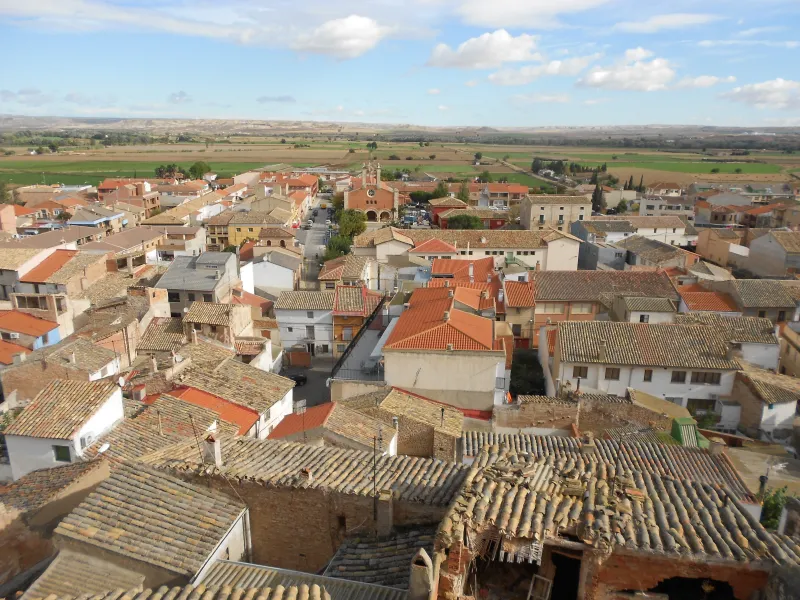
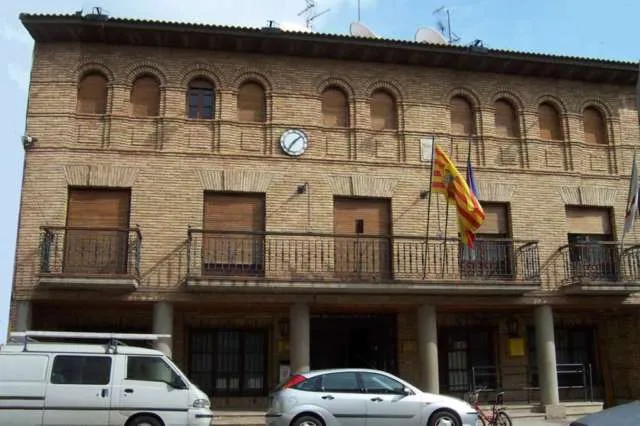
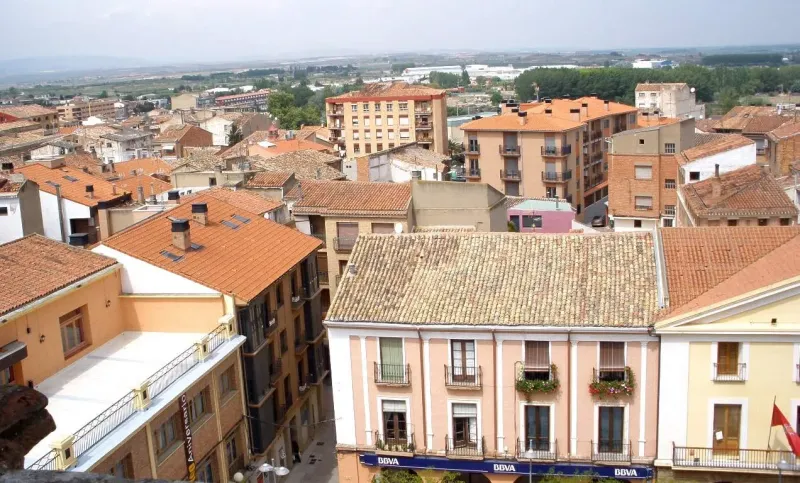
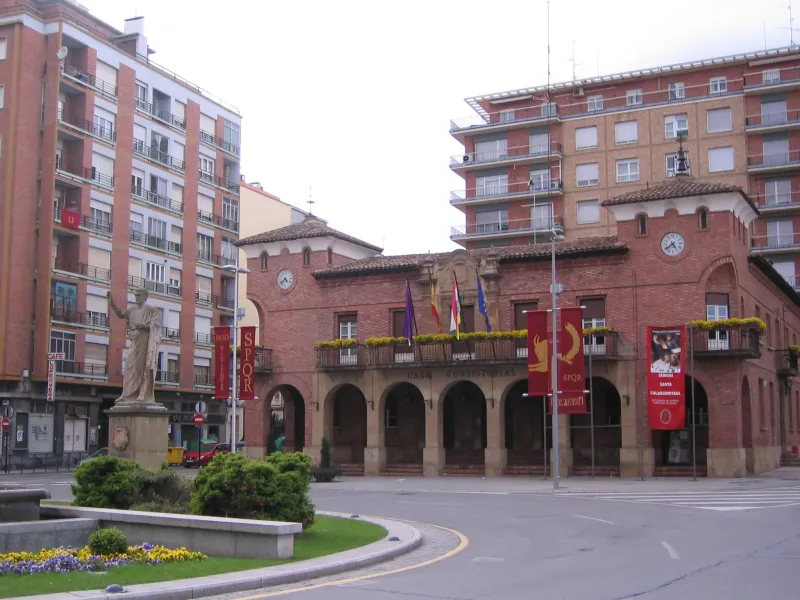
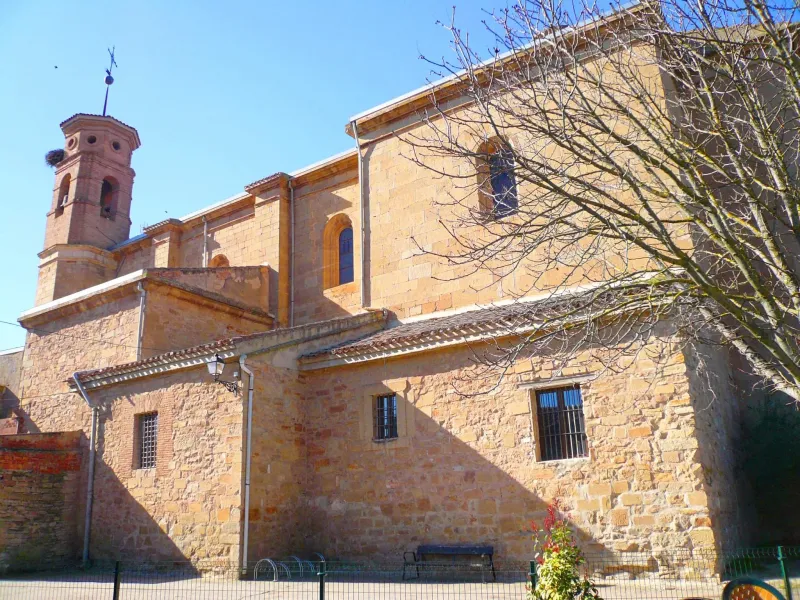
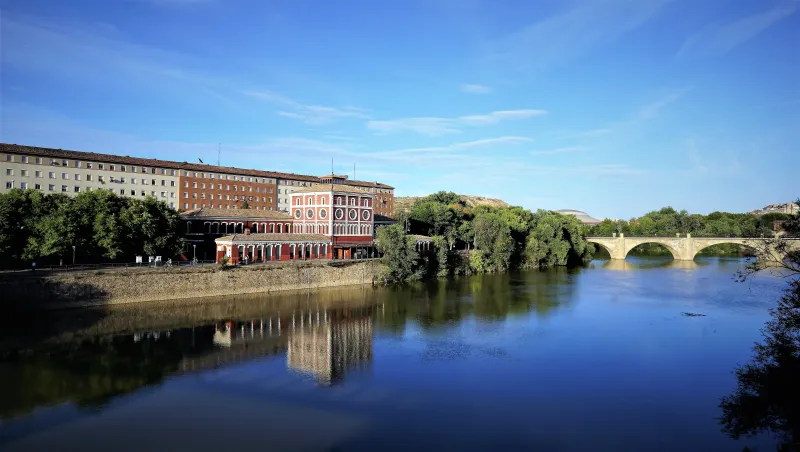
History
Millenary History of the Camino de Santiago: Origins and Evolution Route of the Ebro
Discover the origins and evolution of Route of the Ebro
The history of the Ebro valley is the history of the people who inhabited it. The Iberians, who gave the river its name and the peninsula, and later the Romans, who built important roads such as the Vía Augusta, understood its strategic value. This Roman infrastructure greatly facilitated the passage of medieval pilgrims. For a walker coming from Catalonia, Valencia or the Mediterranean ports, ascending the Ebro valley was the most logical and safe route to enter the peninsula and head towards Galicia.
The starting point of the route is usually set at the Delta of the Ebro, or in the historic city of Tortosa, which served as an episcopal seat and a strong fortress during the Reconquista. From there, the road ascends, often between wetlands and fruit orchards, following a mostly flat terrain that contrasts with the mountainous routes of the north. This itinerary passed by important Cistercian monasteries, such as Rueda, which offered hospitality to travellers.
However, the spiritual and strategic turning point that defined this route was, and still is, the city of Zaragoza. The Aragonese capital housed the Sanctuary of Our Lady of the Pillar, one of the most important pilgrimage destinations in Christendom. Ancient tradition tells us that the Virgin Mary appeared to Saint James in flesh at this very spot, by the Ebro, to encourage him on his preaching. As a result, many medieval pilgrims practised a double pilgrimage: first visiting the Virgin at the Pillar and then continuing their journey to honour the tomb of the Apostle in Compostela. Zaragoza became thus a crossroads of faith, a Jacobean center of the first order that attracted pilgrims from all over.
After leaving Zaragoza, the route continues westward, entering the ancient Kingdom of Navarre through the city of Tudela, with its magnificent Romanesque cathedral. The final stretch runs along the fertile Rioja riverbank, a land of vineyards announcing the proximity of the Camino Francés. The convergence takes place in Logroño, the capital of La Rioja. At this point, the Ebro pilgrims, who have travelled at the pace of the river, join the massive international flow descending from the Pyrenees.
The modern revival of the Way of the Ebro, often coinciding with the GR-99 "Natural Camino del Ebro" long-distance route, has revitalized this historic route. It offers an unique pilgrimage experience, marked by the diversity of its landscapes (from the delta's wetlands to the dry landscapes of the Monegros and La Rioja's vineyards) and its deep historical legacy. It is a journey that follows a watercourse and faith that have shaped the history of northern Spain over millennia.
We answer your questions
Frequently Asked Questions about Route of the Ebro
How long does the Camino del Ebro take and what is its approximate difficulty level?
The Camino del Ebro spans a distance of 457 km and is estimated to take around 18 days to complete. The route is of medium difficulty, with mostly flat sections that allow for enjoying the natural beauty and cultural heritage along the way.
When is the best time to do the Camino del Ebro?
The ideal seasons for undertaking the Camino del Ebro are mid-spring (April-June) and autumn (September-October), when there's a pleasant balance between good weather and fewer pilgrims. This allows you to fully enjoy the scenery and history without encountering large crowds.
What does Ourway Travel's full service package for the Camino del Ebro include?
Ourway Travel offers a comprehensive package that includes accommodation reservations in hostels and hotels, secure luggage transfer between stages, as well as personalized advice on alternative routes and cultural points of interest. Additionally, we provide detailed information about the itinerary to ensure the best experience on the Camino.
How much does it cost to do the Ebro Way with Ourway Travel?
The total cost for doing the Ebro Way with Ourway Travel varies based on individual needs and chosen accommodation type. Our packages start from €850, including full booking management, secure luggage transport, and expert advice to ensure a personalized experience.
How does the Camino del Ebro compare to other Jacobean routes like the French Way or the Northern Way?
The Camino del Ebro offers a unique journey along Spain's most voluminous river, providing historical views and experiences that are distinctive to this route. Unlike the Camino Francés or the Camino del Norte, the Ebro is less crowded but equally rich in culture and nature. This path is ideal for pilgrims seeking a more tranquil experience centered on the river's history.
What should I consider when choosing between the Camino del Ebro and other routes like the Primitivo or the English Way?
When selecting between the Camino del Ebro and alternatives such as the Primitivo or the English Way, you should take into account the duration, difficulty, and cultural features of each route. The Ebro is a more moderate option that combines nature with river history, while the Primitivo offers a journey rich in Asturian tradition and the English Way is short but intense from Finisterre to Santiago. Your choice depends on your specific interests and desired experience.
How can I book my trip on the Camino del Ebro with Ourway Travel?
To reserve your journey along the Camino del Ebro with Ourway Travel, simply fill out our contact form or call our experts. Our team will guide you through the process to select accommodations and services that best suit your needs, ensuring a safe and memorable experience.
What documents do I need to prepare before starting the Camino del Ebro?
Before embarking on your journey along the Camino del Ebro, it's advisable to obtain a pilgrim’s credential, which you can get at any tourist office or Jacobean center. Additionally, ensure you have an international medical insurance and consider carrying a digital copy of your personal documents for emergencies. Ourway Travel will provide more specific details when managing your trip.
Organize Your Camino
Ready for this adventure?
Route of the Ebro