
Camino de Santiago
Way of Sagunto
The Camino de Sagunto links this Valencian city to the Jacobean routes of the interior. A journey through the lands of El Cid towards the heart of the peninsula.
Organize your Way of SaguntoLast updated: 21/05/2025
The Route
General Description of Way of Sagunto
Related Routes
Connections of Way of Sagunto
Route of the Castle and Aragon
239 km
8
High
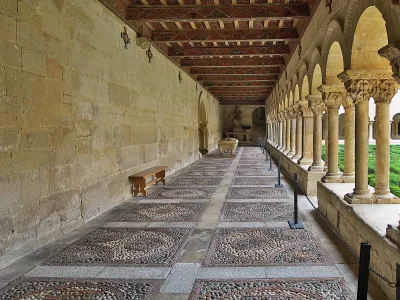
The Camino Castellano-Aragonés is a Jacobean route that connects the Ebro valley from Gallur (Zaragoza) to the Lana Way in Burgos province. This 239 km itinerary serves as a bridge between eastern peninsula routes (such as the Ebro Way) and Castilian roads leading to the French Way.
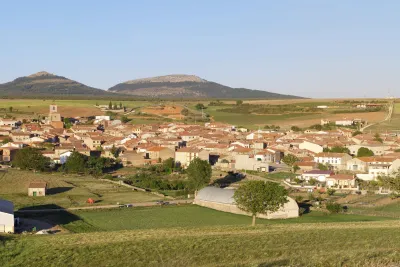
It traverses the middle Ebro valley and enters Soria province, passing by the monumental Tarazona. It offers a rural route through areas with rich historical and natural heritage, although less known and trafficked, ideal for those seeking a more solitary experience.
Stages of this variant:
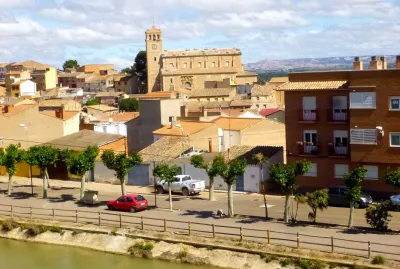
Stage 1: Gallur to Borja
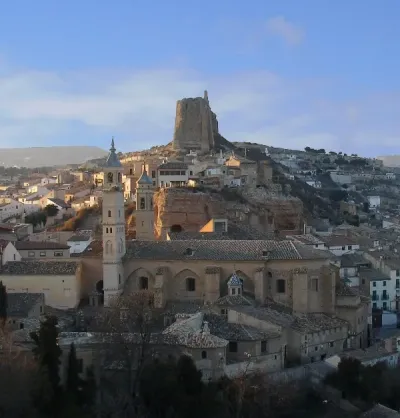
Stage 2: Borja to Tarazona
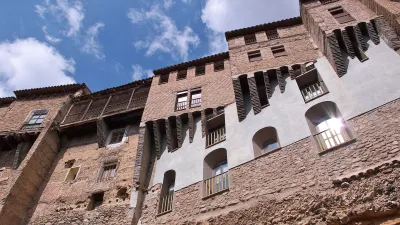
Stage 3: Tarazona to Ágreda
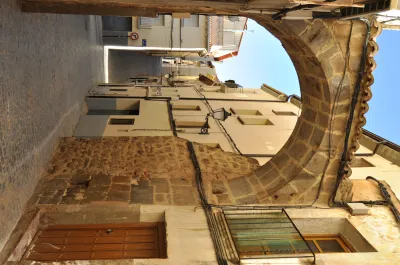
Stage 4: Ágreda to Pozalmuro
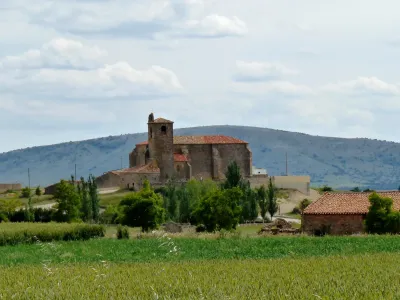
Stage 5: Pozalmuro to Soria
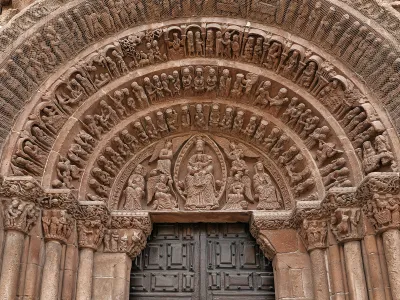
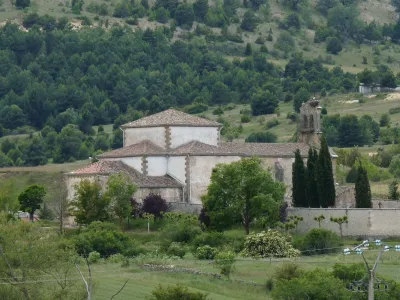
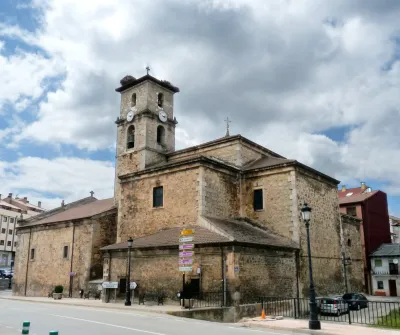
Your trip with Ourway
Everything you need for your Camino
No hassle. Your perfect route, from start to finish.
Accommodation
Selected hotels and hostels at every stage
Luggage transfer
Your backpack travels from stage to stage
Camino Guide
Detailed map with directions and services
24h Support
Team available for any unforeseen event
Pilgrim credential
Official documentation included
No commitment
Free personalized consultation
Walk this route with us
Fancy walking this route?
We don't have a ready-made package for this route yet, but we'll organise it around you. Tell us how you'd like to experience it and a specialist will reply within 24 h.
Request your proposalStages
Stages of Way of Sagunto
Puerto de Sagunto → Torres Torres
First stage of the Camino de Sagunto, Jacobean Levantine route that leaves the port of Sagunto (Valencia) towards Zaragoza. The 22 km leave behind the Mediterranean coast and go through the region of ...
Torres Torres → Segorbe
Stage of the Camino de Sagunto that ascends to the Alto Palancia region of Castellón. The about 20 km cross the Sierra Calderona and go into the valley of Palancia to Segorbe, ancient episcopal see wi...
Segorbe → Viver
Short stage of the Camino de Sagunto through the Palancia valley. The 14 km are moderate, crossing traditional orchards, almond trees and cereal fields of the Alto Palancia of Castellón. Viver is a sm...
Viver → Barracas
Stage that goes into the Sierra de Espadán and Javalambre. The 23 km climb steadily up the Palancia valley towards the highlands of Teruel. Barracas is a small town in Castellón on the border with Ter...
Barracas → Sarrión
A stage that crosses the border between the Comunidad Valenciana and Aragón, entering the Teruel district of Gúdar-Javalambre. Some 20 km run across the Iberian high plateau (over 1,000 m in altitude)...
Towns
Featured Towns of Way of Sagunto
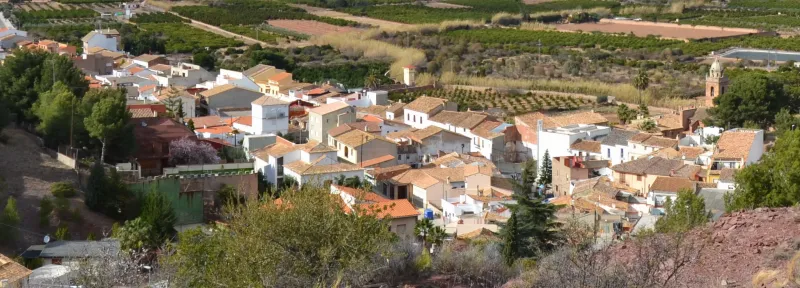
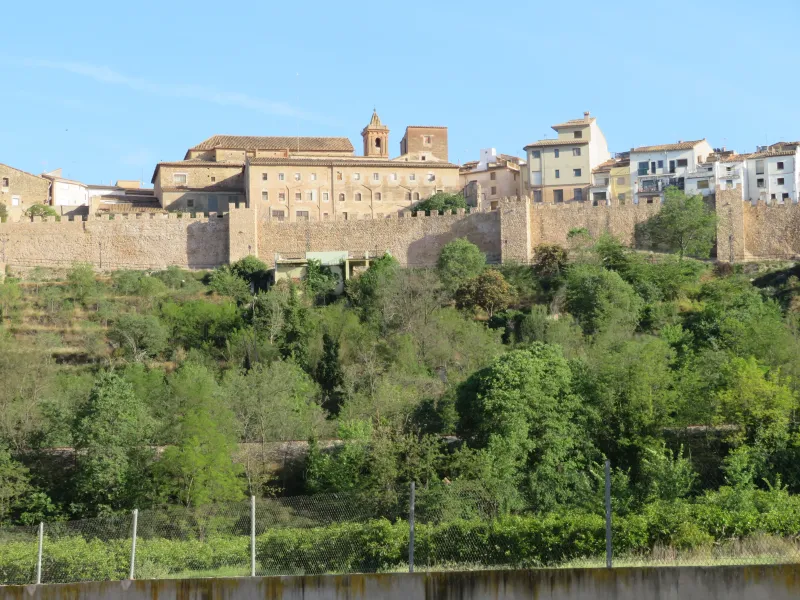
Explore the key towns and cities of this route.

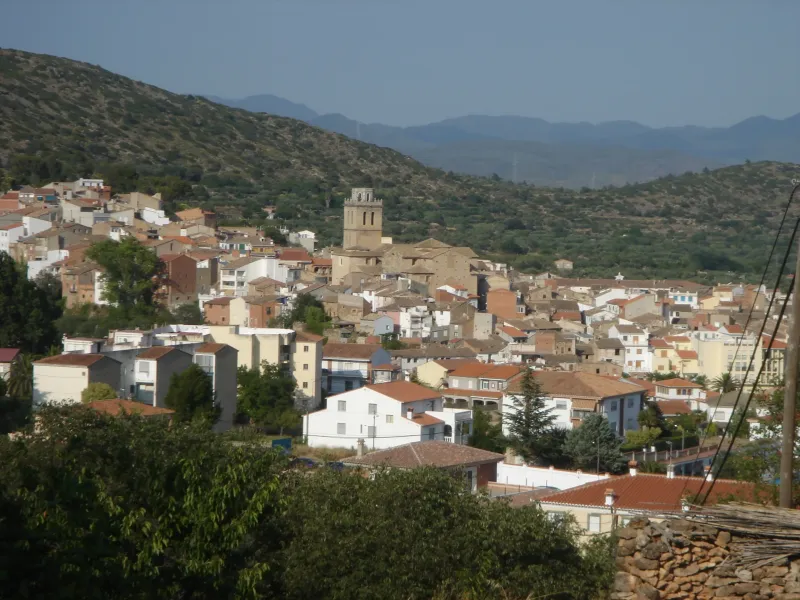
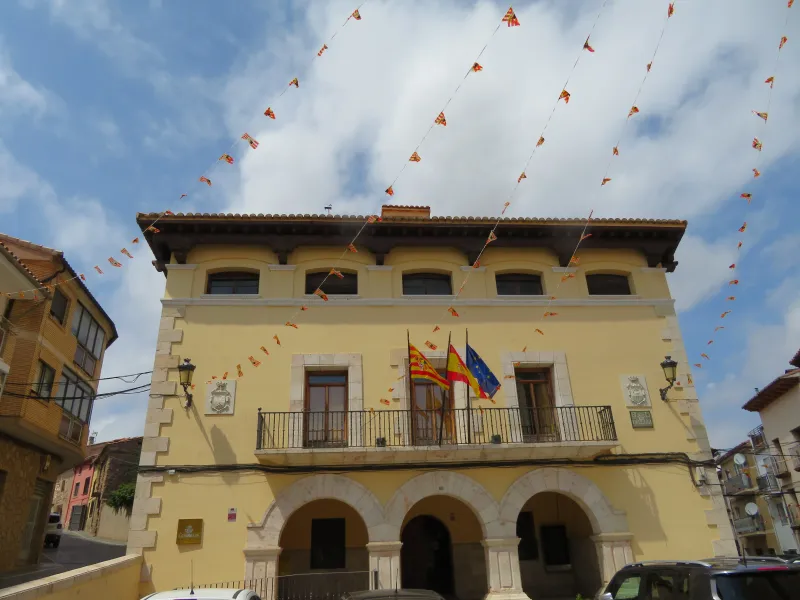
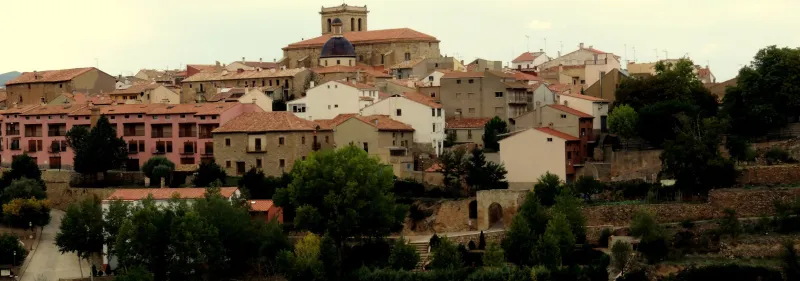
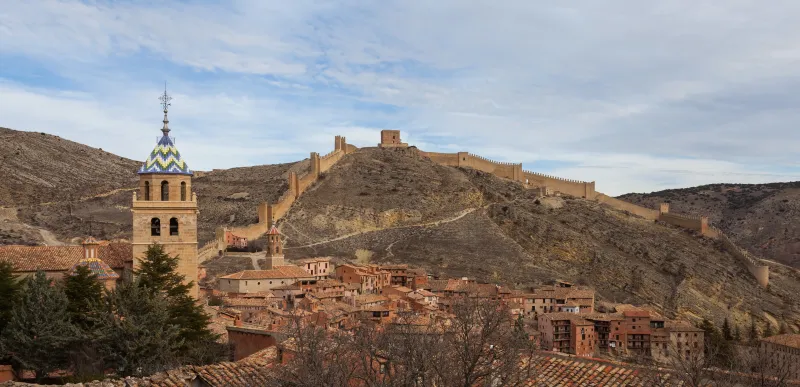
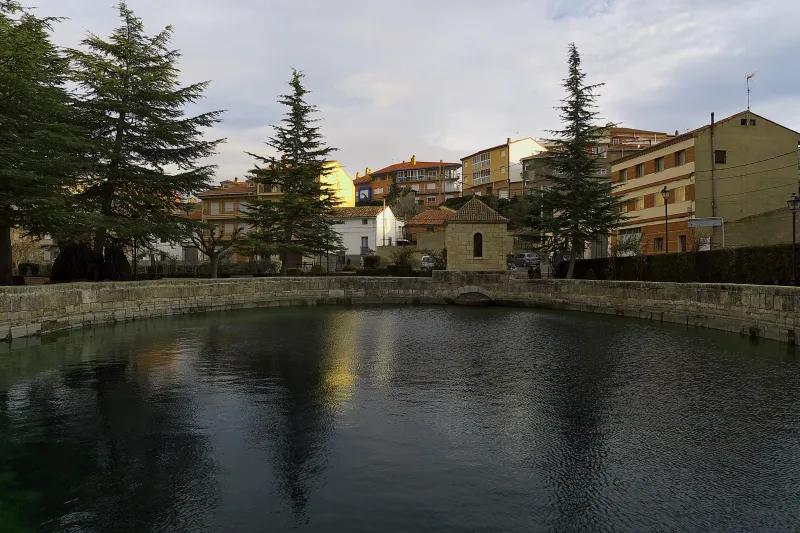
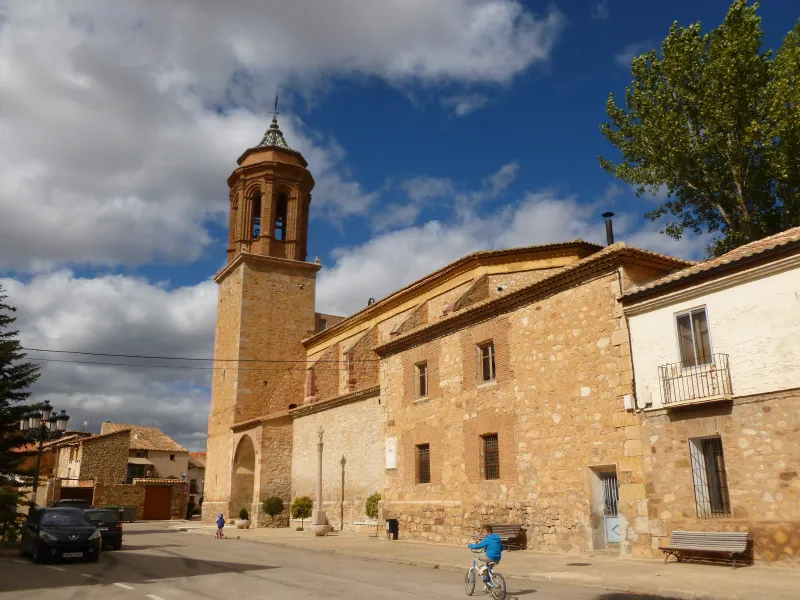
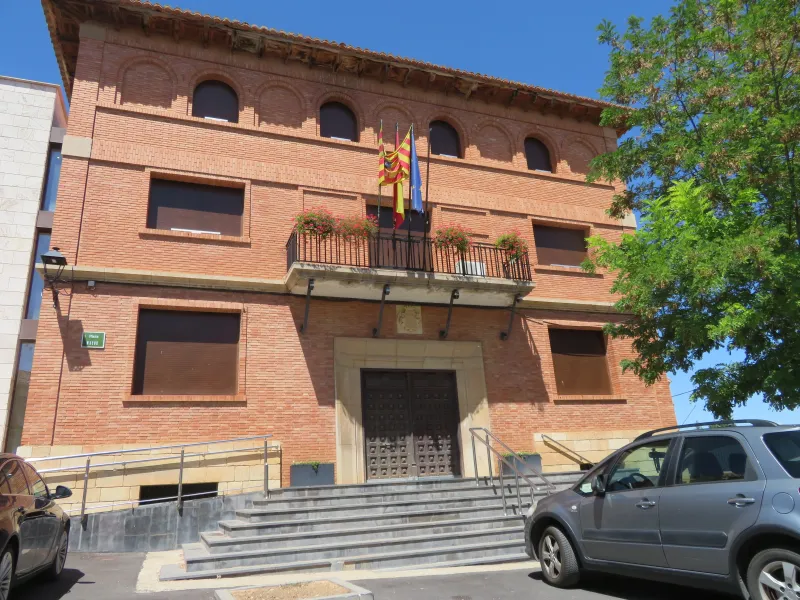
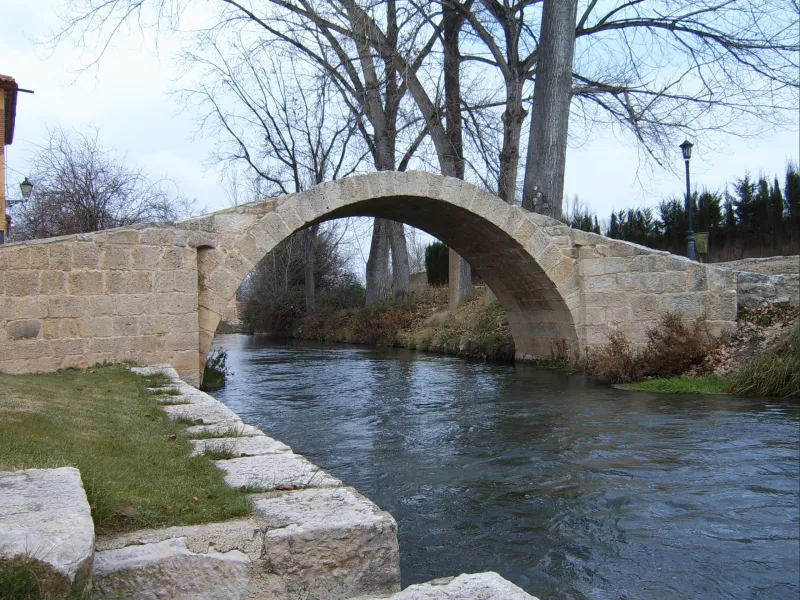
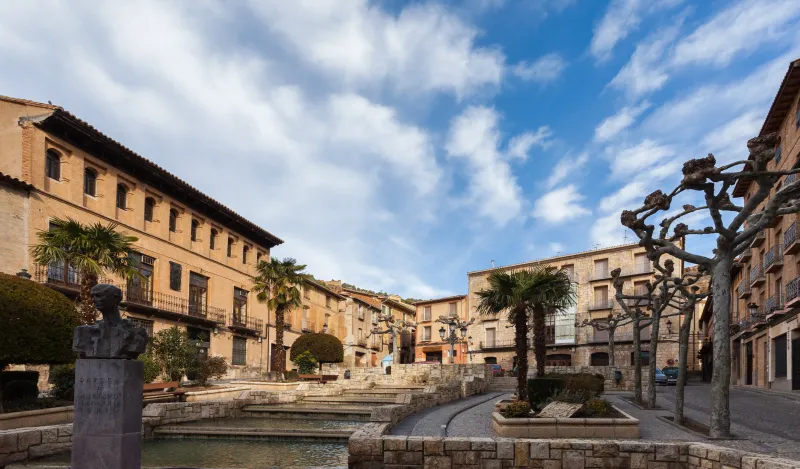
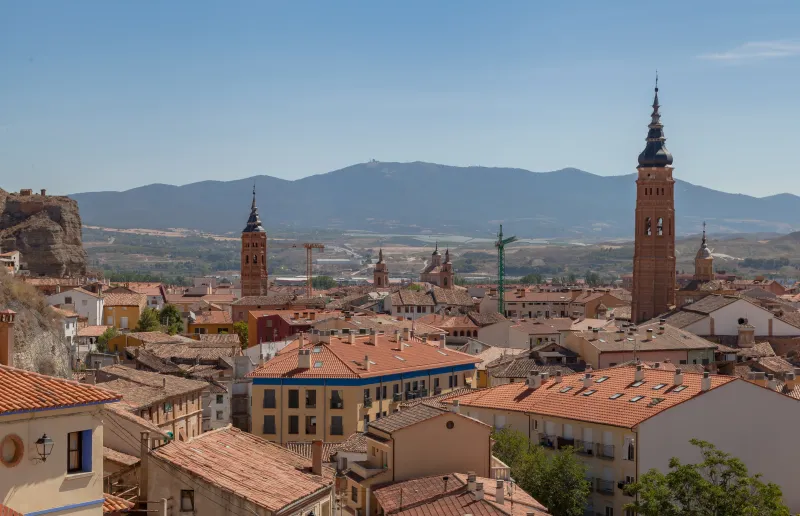
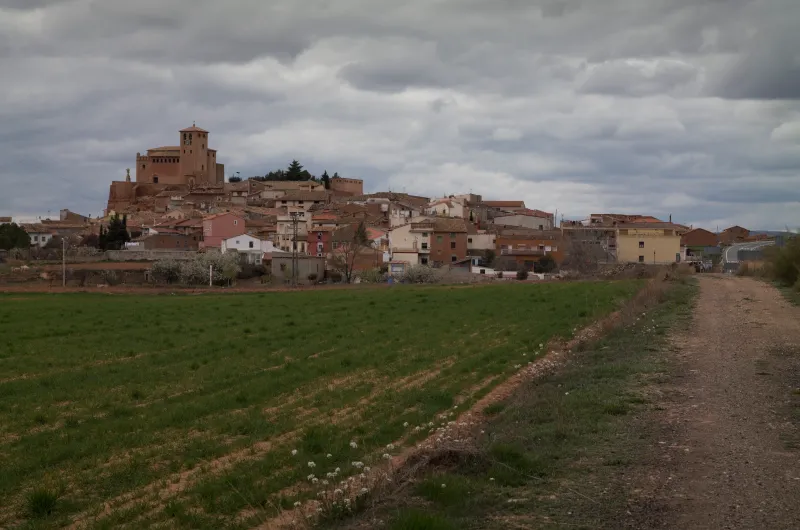
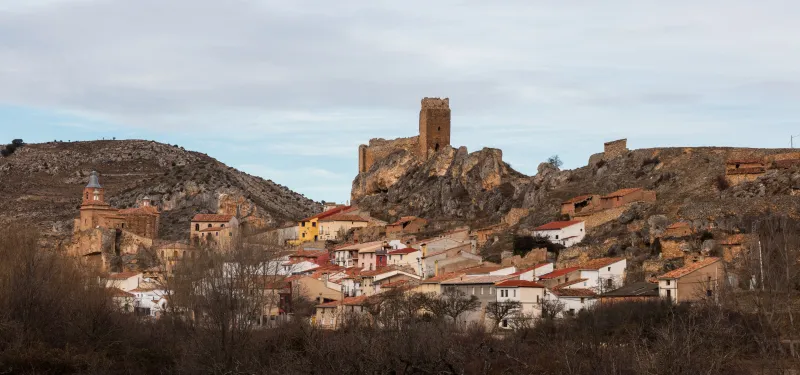
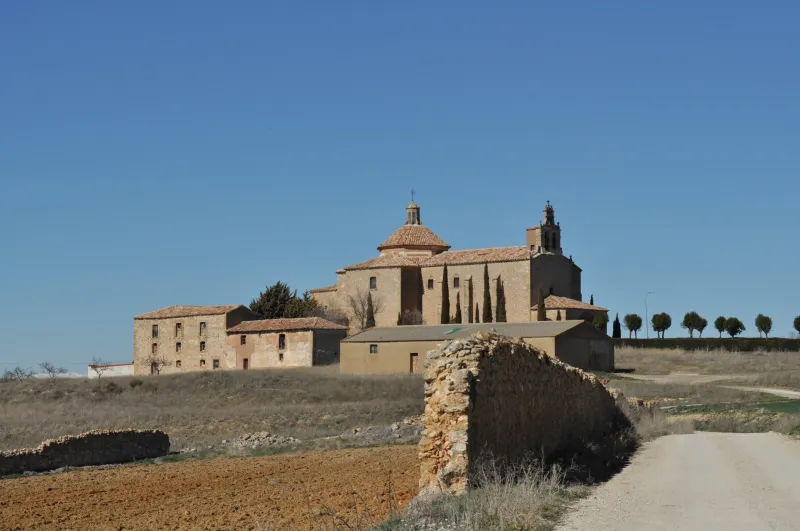
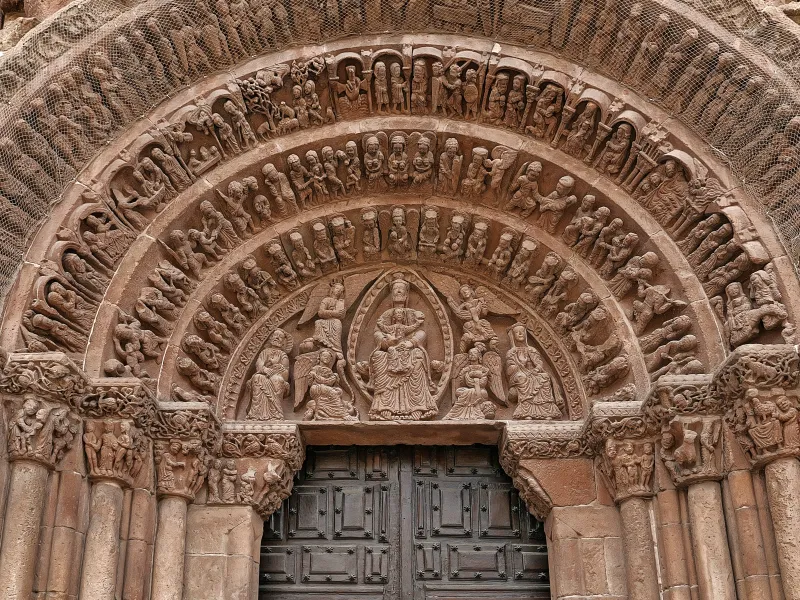
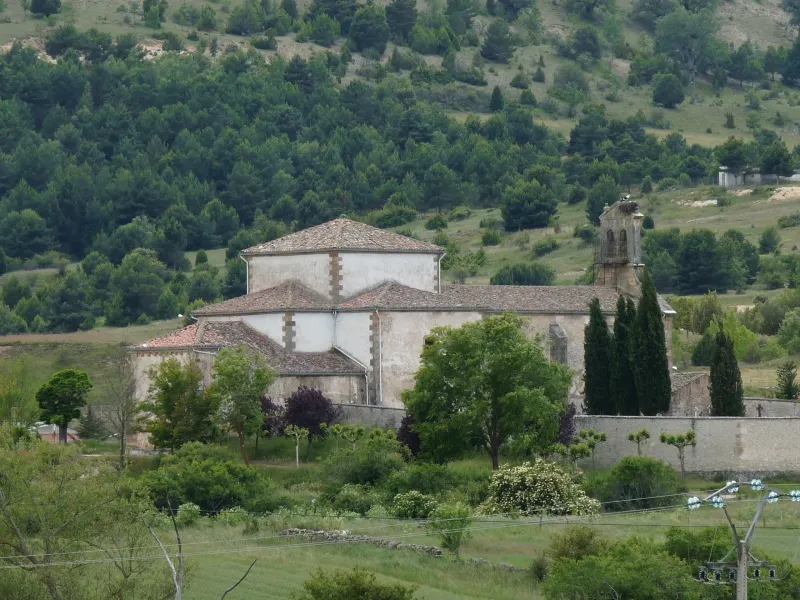
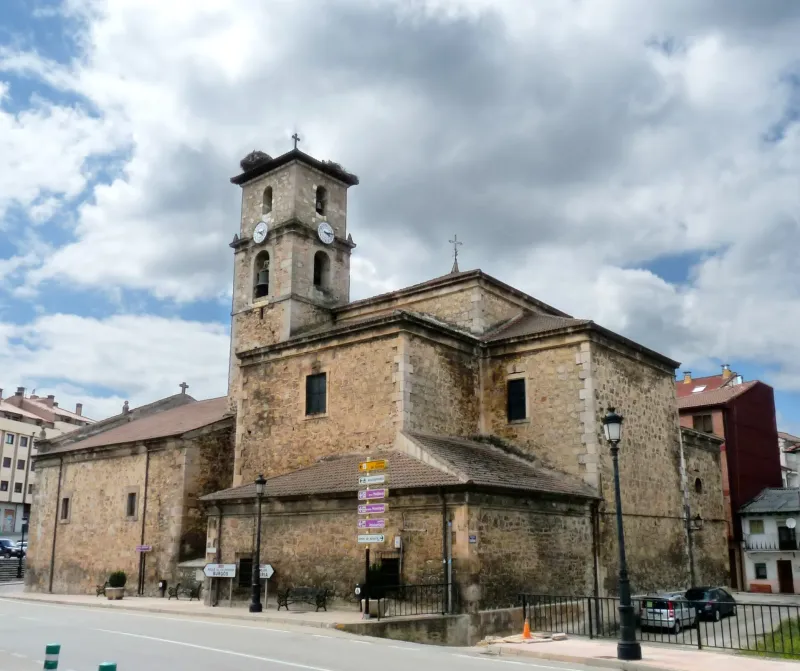
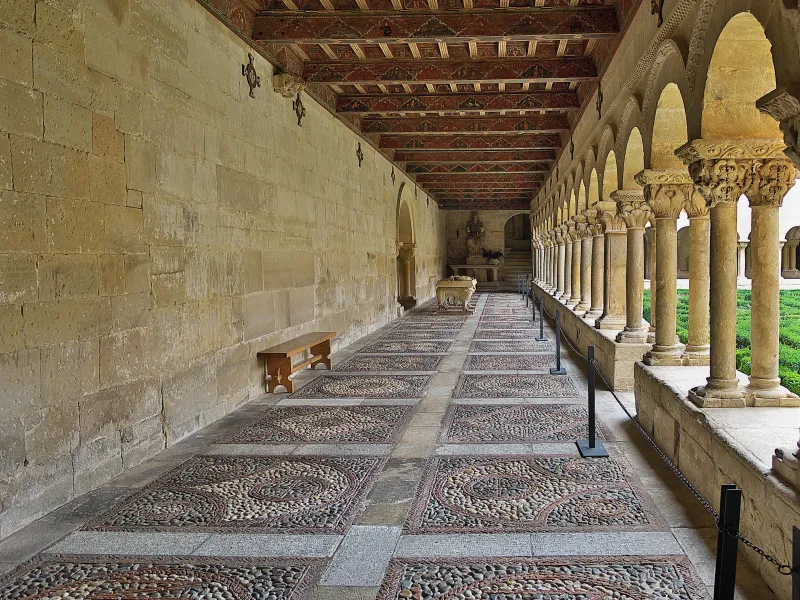
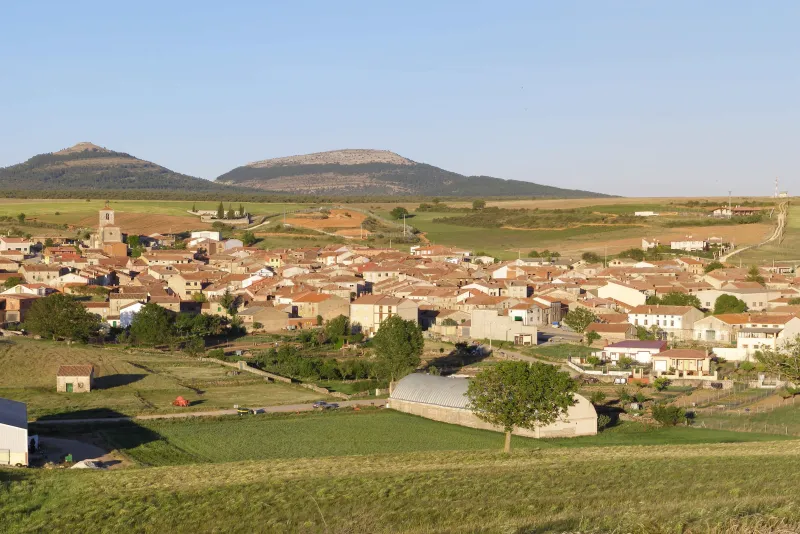
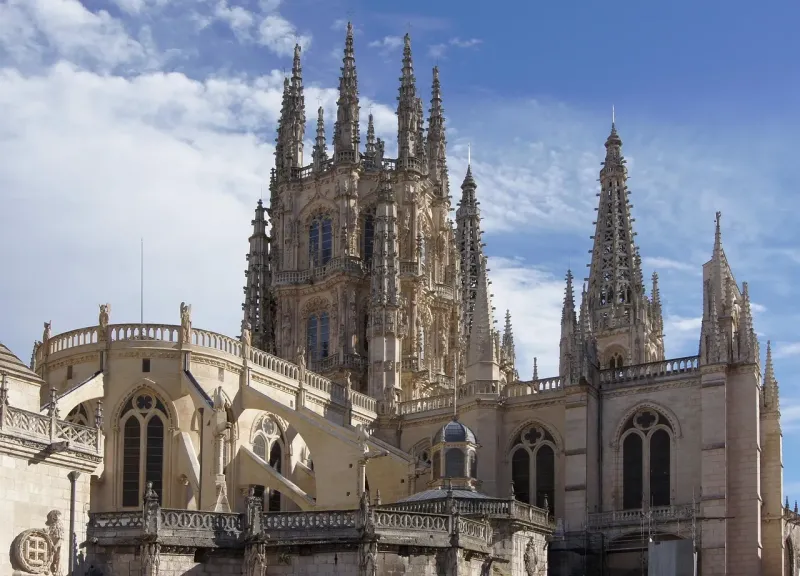
History
Millenary History of the Camino de Santiago: Origins and Evolution Way of Sagunto
Discover the origins and evolution of Way of Sagunto
The history of the route begins at its starting point: Sagunto. The ancient Arse of the Iberians, and later the Roman Saguntum, is a city marked by fire in history. Its heroic resistance against the Carthaginian army of Aníbal in 219 BC, which triggered the Second Punic War, made it a symbol of loyalty and sacrifice. Its theater and Roman castle are testaments to its importance in antiquity. As a node of communication for the Via Augusta, it was a natural starting point for travelers heading inland.
Although there are no chronicles that detail a Jacobean route from Sagunto in the Middle Ages, its route coincides largely with the "Way of Exile", one of the sections of the tourist-cultural route of the "Way of the Cid". This itinerary remembers the journey into exile of Rodrigo Díaz de Vivar, the Cid Campeador, in the 11th century. The hero's adventures, as told in the "Cantar de mio Cid", took him through these same lands bordering between Christian kingdoms and Muslim taifas. Medieval pilgrims who passed through the area followed the same routes, and the figure of the Cid, a quintessential Christian knight, became a legendary reference in his own pilgrimage of faith.
The Way of Sagunto was therefore the logical option for Valencia's pilgrims who wanted to avoid the long coastal route north. Moving northwest, the path rises from the Valencian plain into the mountains of the interior, passing through historic villages like Segorbe or Jérica. It enters Aragon via the province of Teruel, one of the areas with the highest concentration of Mudéjar art —declared World Heritage by UNESCO—, visible in the towers of its churches in towns like Jérica or Rubielos de Mora.
The objective of the route was to reach the Meseta to connect with routes heading to Burgos. Generally, it sought to link up with the Way of the Wool or the Castellano-Aragonese Route in the province of Soria. This final section was especially difficult, crossing some of the coldest and most depopulated comarcas of the peninsula.
The modern revival of this route has been closely tied to the promotion of the Way of the Cid, which gives it a unique character. It is a double pilgrimage: towards the tomb of the Apostle and through the scenes of Spain's greatest epic poem. It offers the contemporary pilgrim an experience of great solitude, breathtaking landscapes, and immersion in the history of borderlands, following the footsteps of nobles, soldiers, and legendary heroes.
We answer your questions
Frequently Asked Questions about Way of Sagunto
How long does it take to complete the Camino de Sagunto at a normal pace?
The Camino de Sagunto is approximately 394 km in total and is estimated to take around 16 days to complete at a moderate pace. At Ourway Travel, we manage your route reservation ensuring you have enough time to fully enjoy the journey.
¿Cuál es la mejor época del año para emprender el Camino de Sagunto?
La temporada media entre abril y junio, así como en septiembre y octubre, representa la mejor opción para realizar el Camino de Sagunto. Ofrece un clima agradable con temperaturas que oscilan entre 10-25°C y una menor presencia de peregrinos, creando un ambiente más relajado y acogedor para disfrutar del recorrido.
How much does it cost to do the Camino de Sagunto with Ourway Travel?
The exact price for our service on the Camino de Sagunto varies depending on the season, additional services required, and the duration of your trip. For a precise quote, we recommend contacting us directly through our website or by phone where an expert will manage your personalized reservation.
How do you compare the Camino de Sagunto with other Jacobean routes in Spain?
The Camino de Sagunto stands out for its unique connection between the Valencian coast and inland routes, offering panoramic views of mountains and historic towns. Unlike the French Way or the British Route, which are more crowded during summer, the Camino de Sagunto provides a quieter experience in certain seasons, particularly spring and autumn.
What does Ourway Travel's service for pilgrims on the Camino de Sagunto include?
At Ourway Travel, our service for the Camino de Sagunto includes full management of your personalized itinerary, secure and comfortable accommodations, as well as 24/7 assistance during your journey. We also provide detailed information about the history and places you will visit along the route.
What is the difficulty level of the Sagunto Way?
The difficulty level for the Sagunto Way is considered medium, due to its route through mountainous terrain and valleys. This path offers physical challenges beyond urban or coastal walks, but Ourway Travel guides you step by step to ensure a safe and rewarding experience.
How can I book the Sagunto Way with Ourway?
To reserve your journey on the Sagunto Way with Ourway, you can complete our online booking form or contact us directly by phone. Our experts will advise you on the best options and help customize every detail so that you can enjoy your trip to the fullest.
What do I need to start the Camino de Sagunto?
To begin the Camino de Sagunto, it is advisable to obtain a pilgrim's credential and consider hiring luggage transportation services. At Ourway Travel, we manage all these details to ensure your journey starts smoothly.
Organize Your Camino
Ready for this adventure?
Way of Sagunto