
Complete Guide to Catalan Way
The Catalan Way (Way of St. James) is the network of routes from Catalonia heading west to join the French Way, passing through places like the Monastery of Montserrat.
Last updated: 28/03/2026
Table of Contents
Technical Summary of Catalan Way
300.9 km
Distance
13
days
13
Stages
Media
Difficulty
147 accommodations available on the route
Introduction to Catalan Way
These branches seek connection with the Aragonese French Way (via Huesca) or with the Ebro Way (via Lleida and Zaragoza). It is a way to discover the diversity of Catalan landscape and culture as part of the Jacobean pilgrimage.
All Stages of Catalan Way
Complete route divided into 13 stages
Barcelona - Sant Cugat del Vallès
This stage of the Forgotten Way takes the pilgrim out of Bilbao's great city to lead them into the Las Encartaciones countryside. The profile is demanding, with a strong initial ascent. The landscape ...
Sant Cugat del Vallès - Esparreguera
This stage marks the entry into Burgos province, in the beautiful Mena Valley. The profile is of medium mountain, with continuous rise and fall through a landscape of green meadows, forests and small ...
Esparreguera - Monastery of Montserrat
This long stage enters the Las Merindades region. The profile is demanding, with several ups and downs. The landscape is of great beauty, with forests, valleys, and views to the mountains. It's a day ...
Abbey of Montserrat - Igualada
This stage is approaching the Ebro reservoir. The profile is a continuous rise and fall through a landscape of great beauty. The route crosses mountains forests and meadows. Arrival in Arija, by the r...
Igualada - The Panadella
This stage of the Forgotten Way continues to skirt the Ebro reservoir, on a terrain of gentle undulations. It is a day of great landscape beauty, with water and mountains as protagonists. The route pa...
The Panadella - Tárrega
This is a short and gentle stage that brings the pilgrim to the capital of Campoo's comarca. The route is an enjoyable stroll through a landscape of meadows and riverbank forests. Arrival in Reinosa, ...
Tarrega - The Palace of Anglesola
This stage marks the return to Castile and León, to the province of Palencia. The profile is predominantly descending, a pleasant walk that enters the Palentine Mountains. The landscape is of great be...
Palau d'Anglesola - Lleida
This stage departs from the Palentina Mountains to enter the valley of the River Pisuerga. The profile is mainly descending and flat. The landscape becomes more open, with large areas of cultivation. ...
Lleida - Fraga
This stage is a total immersion in the Palatine Fields of Terra de Campos. The profile is completely flat. The landscape is an endless plain of cereal fields, with an infinite horizon under the Castil...
Fraga-Candasnos
This long stage joins two of the most monumental villages on the Camino Francés. The route crosses the Via Aquitana, an ancient Roman road, in a stretch with almost perfect straightness. The landscape...
Candás - Bujaraloz
This long stage enters the Leonesese high plateaus. The path runs along a dirt trail that advances in a straight line, parallel to the road, through an endless landscape of horizons. It is a transitio...
Buñuelos - Pinetum
This stage marks the end of the Meseta and the expected arrival at one of the major capitals on the Camino Francés: León. The route is predominantly flat, but the landscape changes dramatically as you...
Pinetum of Ebro - The Burg of Ebro
This is the inaugural stage of the Forgotten Path from León. The journey begins saying goodbye to the majestic Cathedral and entering a landscape that transitions from urban to rural. The path follows...
Key Towns of Catalan Way
The most important towns and cities on this route.
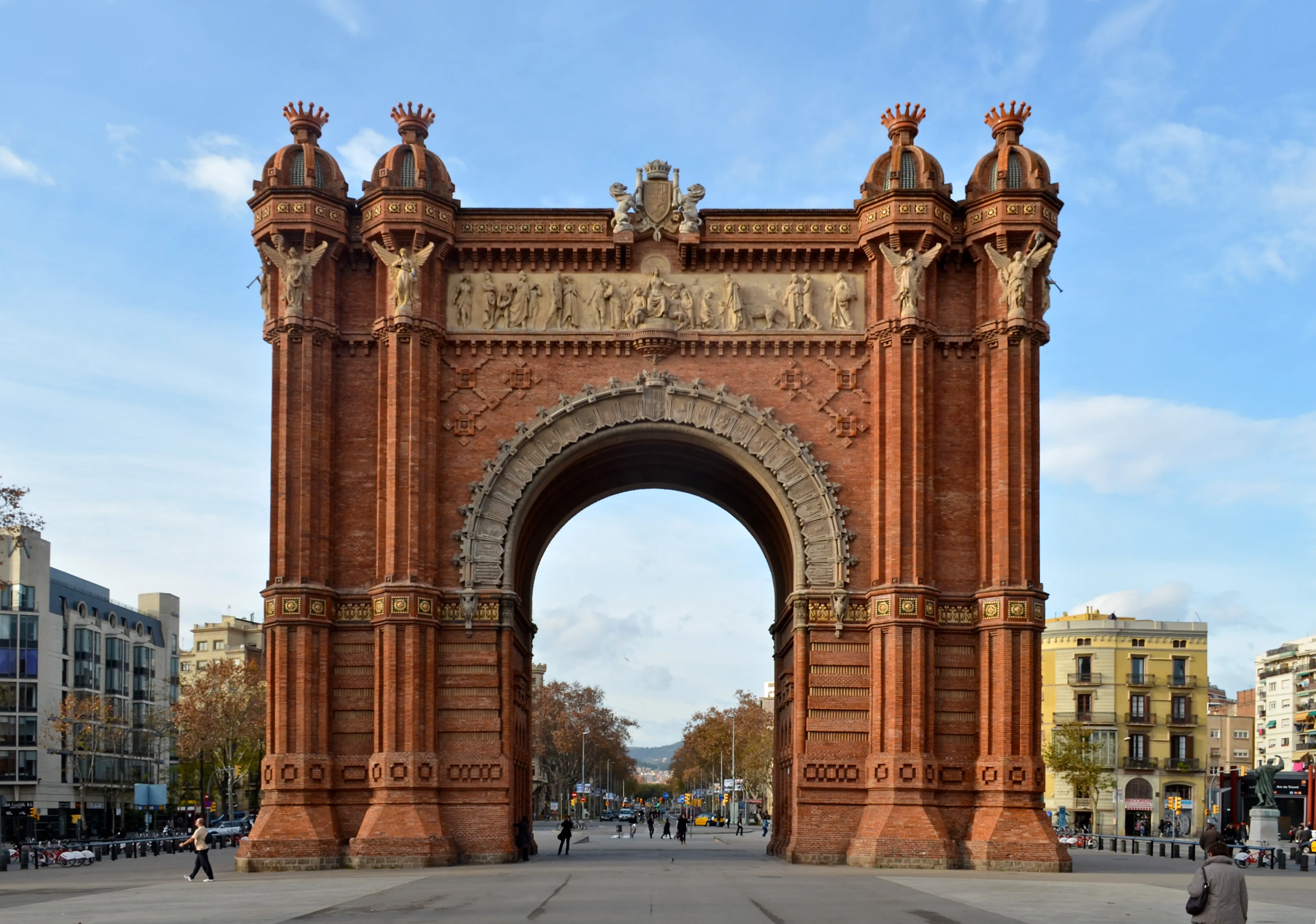
Barcelona
Cosmopolitan and monumental city, starting point of the Catalan Way. A vibrant beginning to pilgrimage marked by Modernism of Gaudí and the charm of the Gothic Quarter.
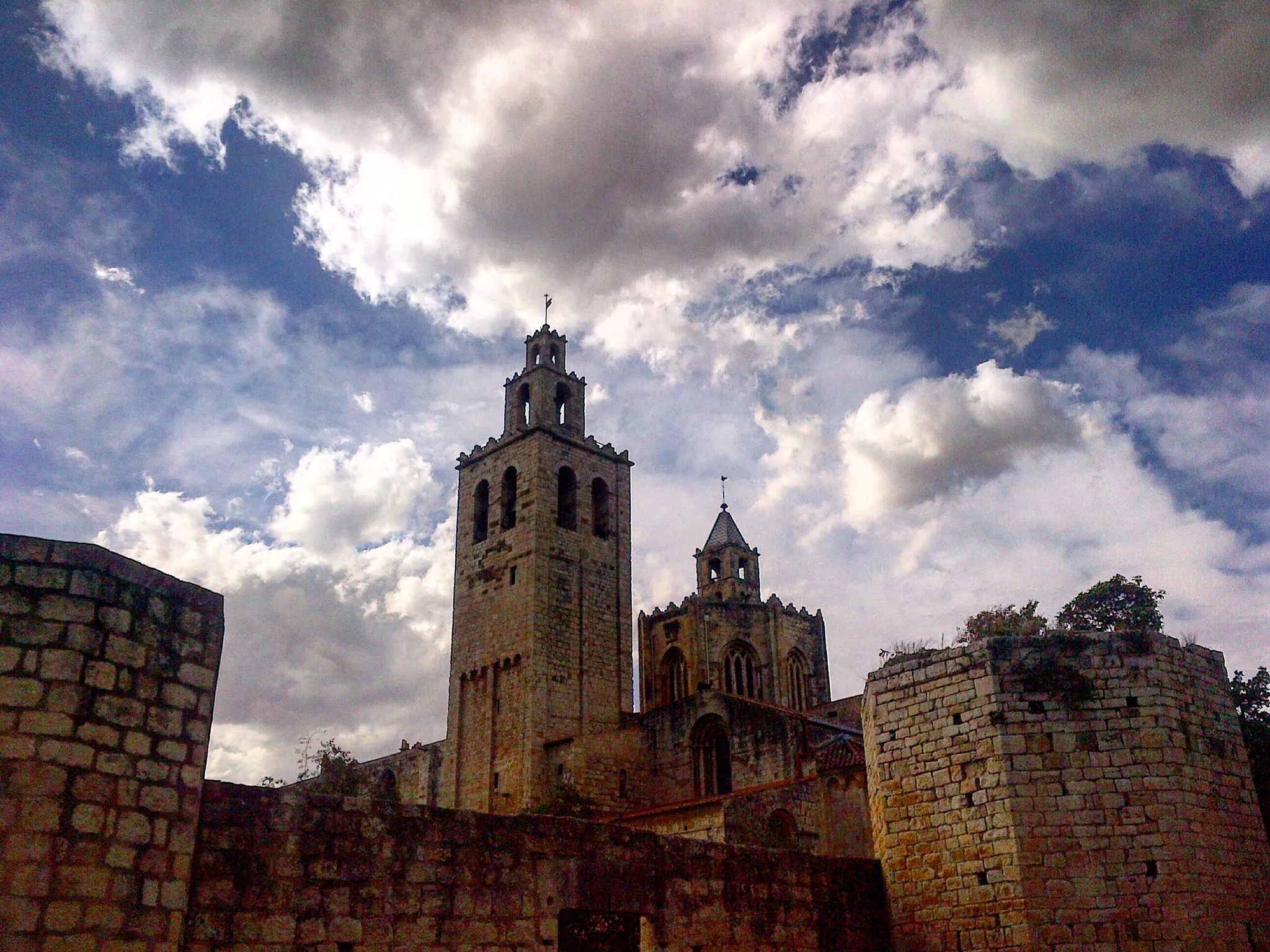
Sant Cugat del Vallès
Sant Cugat del Vallès is a monumental jewel at the gates of Barcelona, a cultural stop on the start of the Catalan Way.
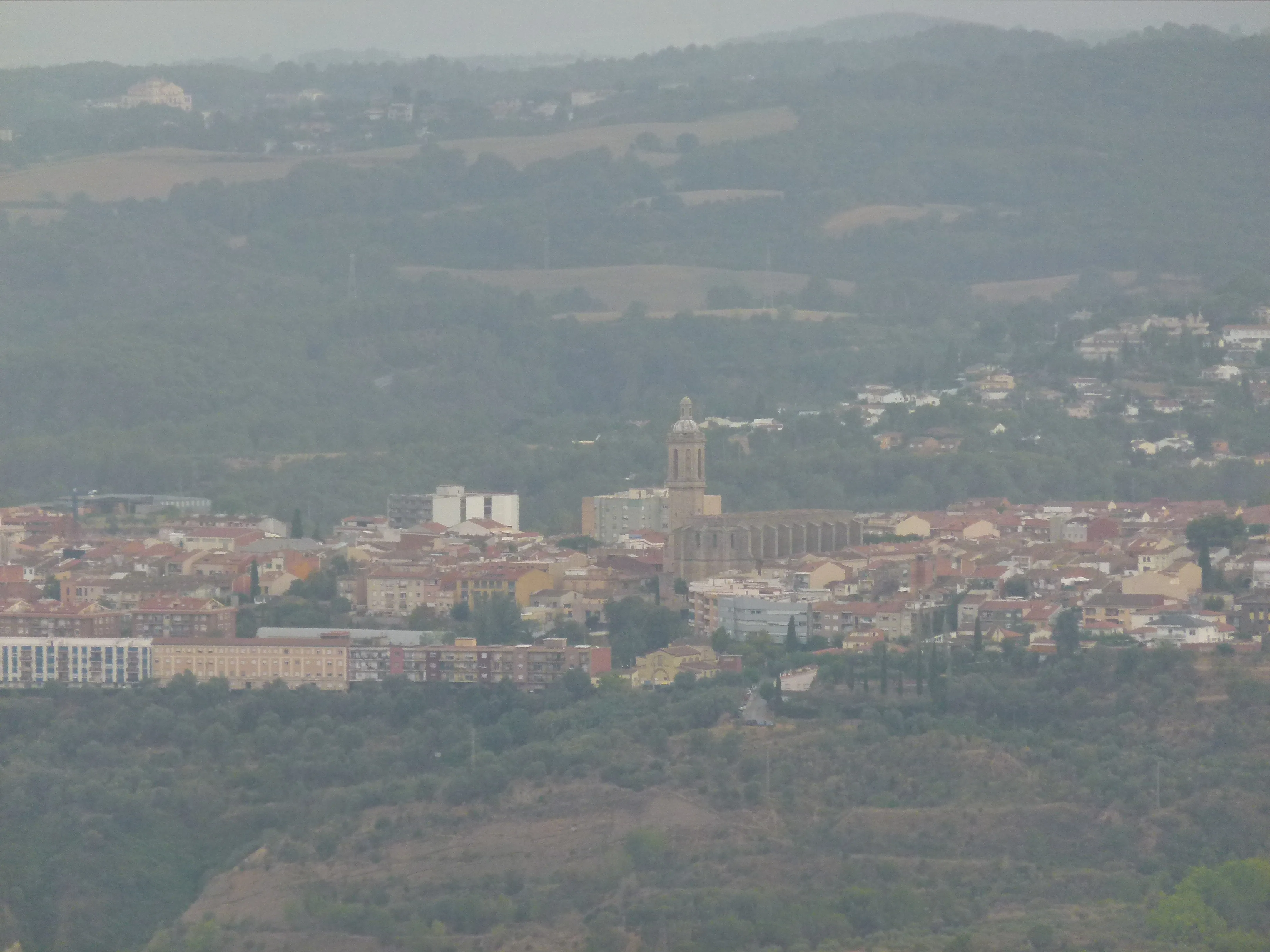
Esparreguera
180 mSuburb of Barcelona famous for its "Passió". Esparreguera, at the feet of Montserrat, is a stop with a deep cultural tradition on the Catalan Way.
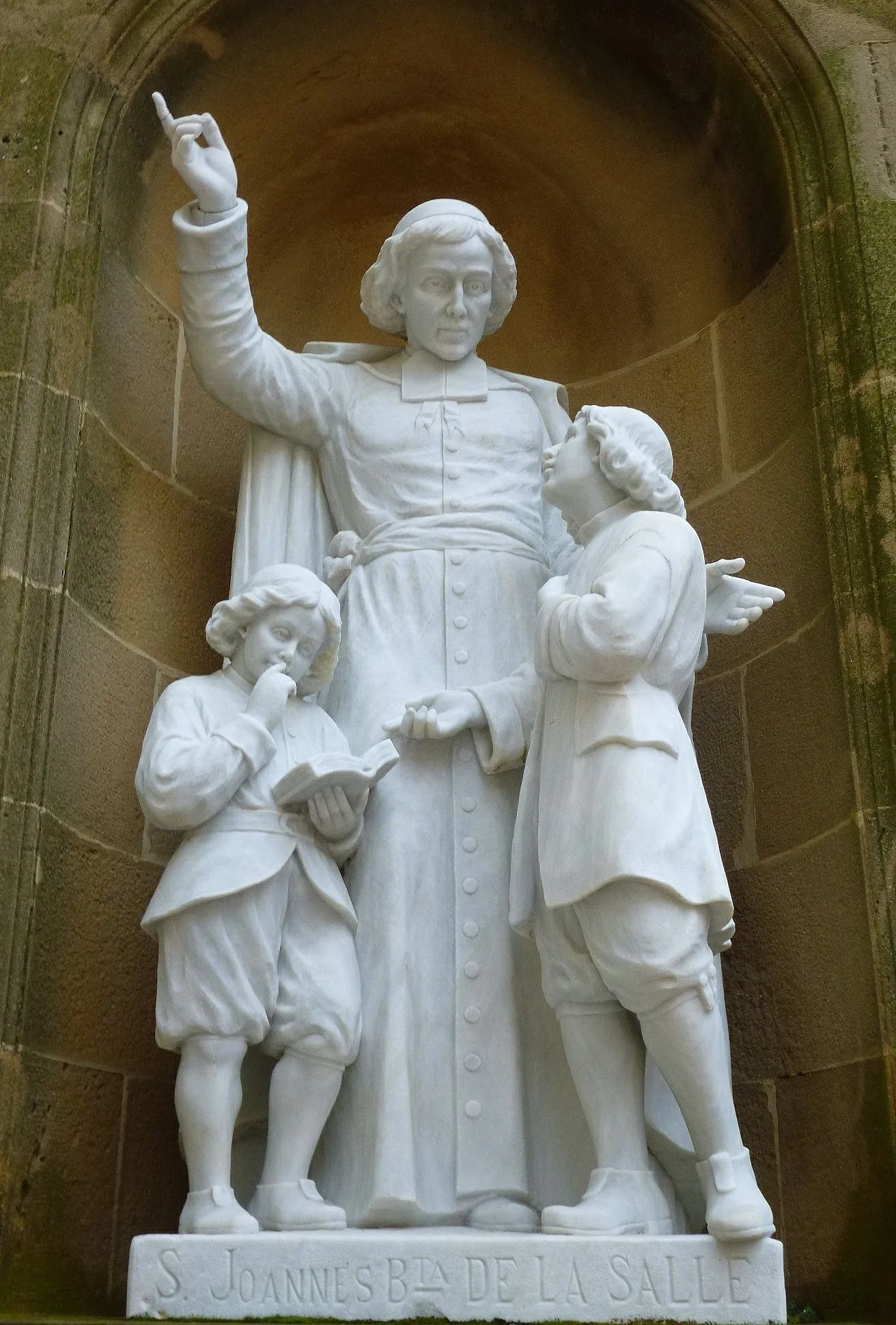
Monasterio de Montserrat
Spiritual heart of Catalonia and mystical stop on the Catalan Way. Nestled in an isolated mountain, the monastery houses the "Moreneta", patroness of the Catalans.
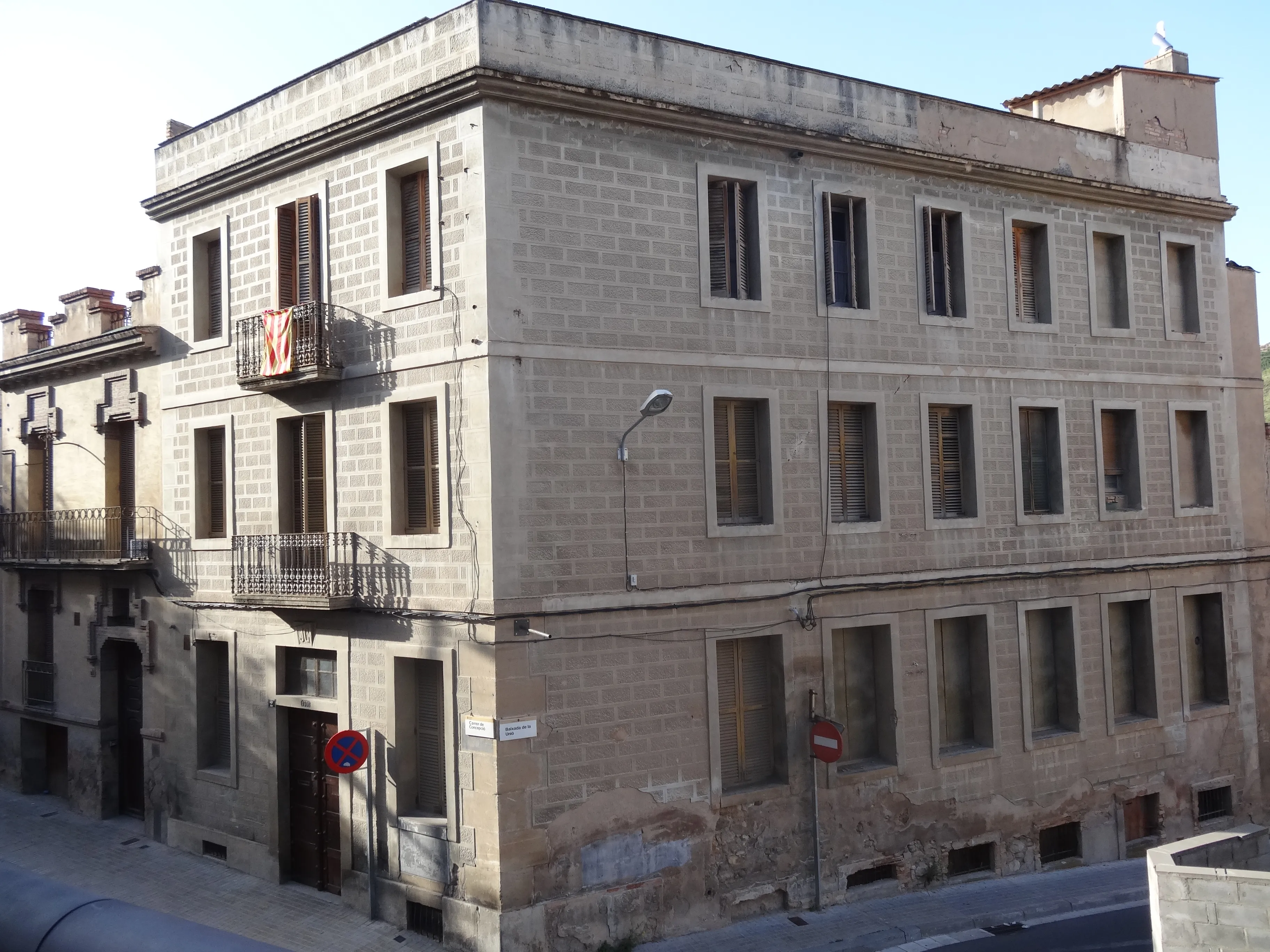
Igualada
Important city in the heart of Catalonia. Igualada, with its industrial heritage and commercial atmosphere, is a key service center on the Catalan Way.
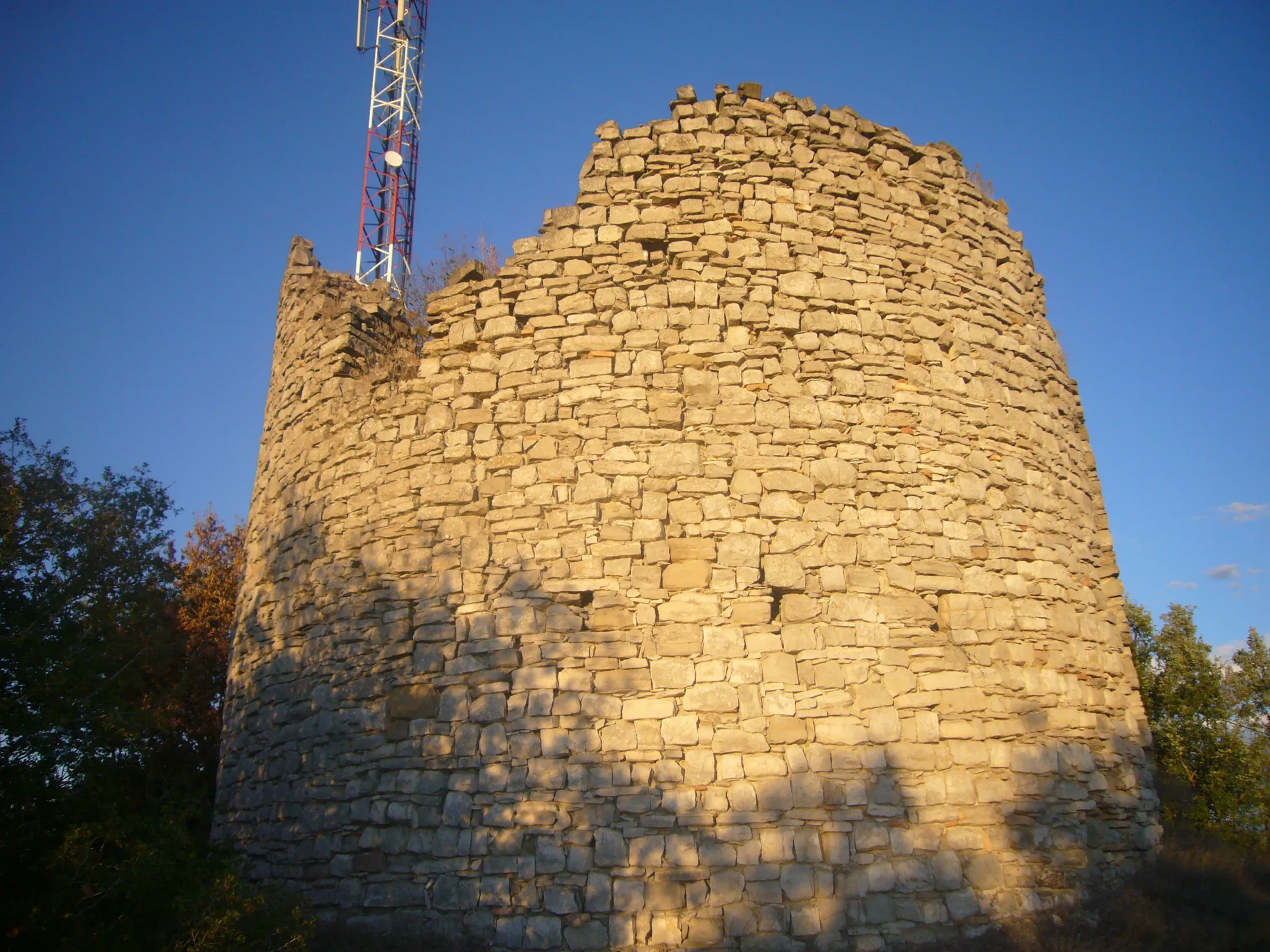
La Panadella
700 mHistoric crossroads and service area in inland Catalonia. The Panadella is a landmark for travelers and an operational stop for pilgrims on the Catalan Way.
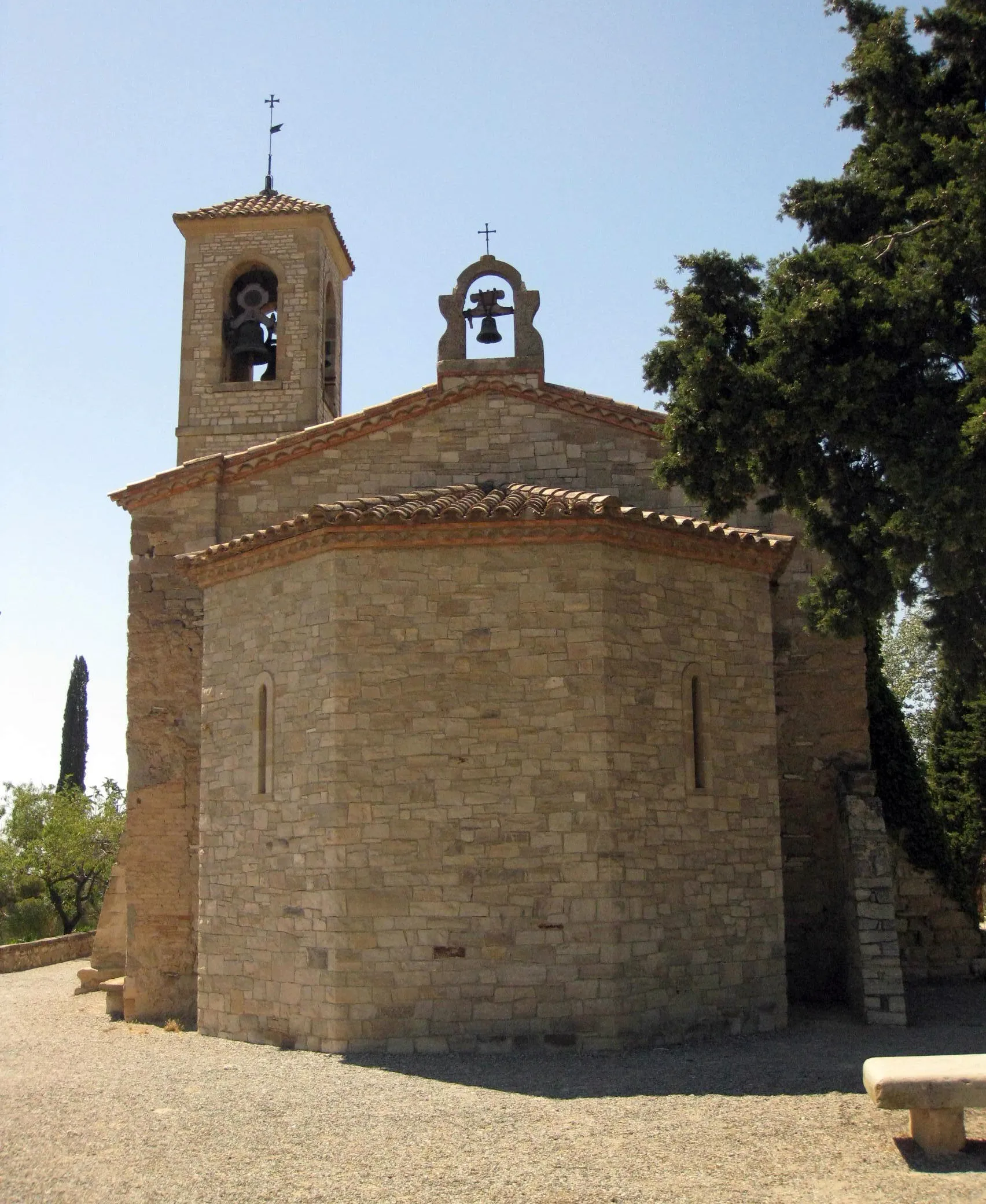
Tàrrega
Capital of the comarca of Urgell and an important communication hub on the Catalan Way. Famous for its theater fair, it is a vibrant and full-service stop.
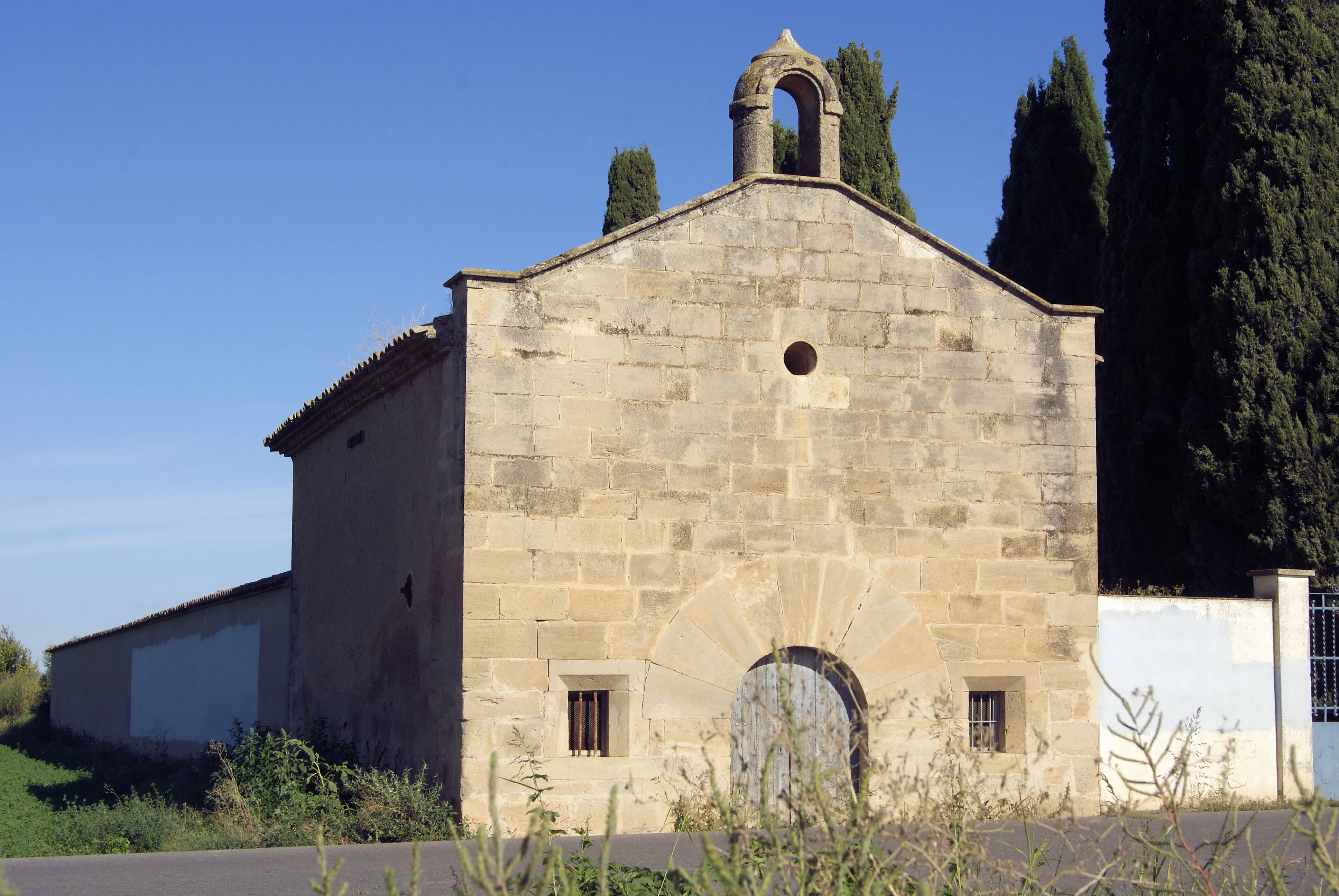
El Palau d’Anglesola
220 mLleida municipality in the Pla d'Urgell region. The Palau d'Anglesola is a rural and tranquil stop on the Catalan Way, in an agricultural area of great tradition.
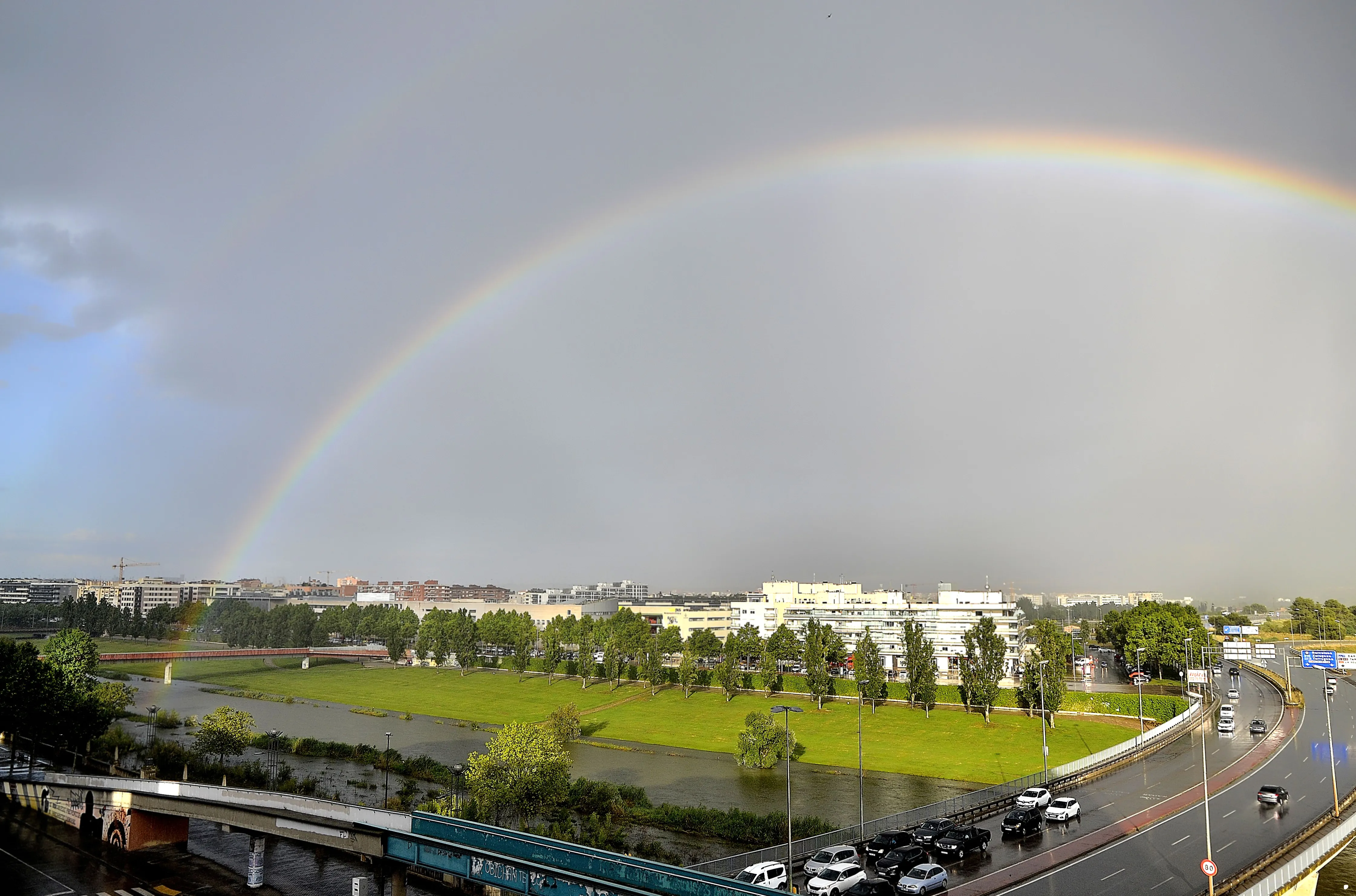
Lleida
Capital of the Segrià and crossroads of the Catalan Way. Its imposing Old Cathedral, an ancient cathedral-fortress, is the symbol of the city and a must-visit for pilgrims.
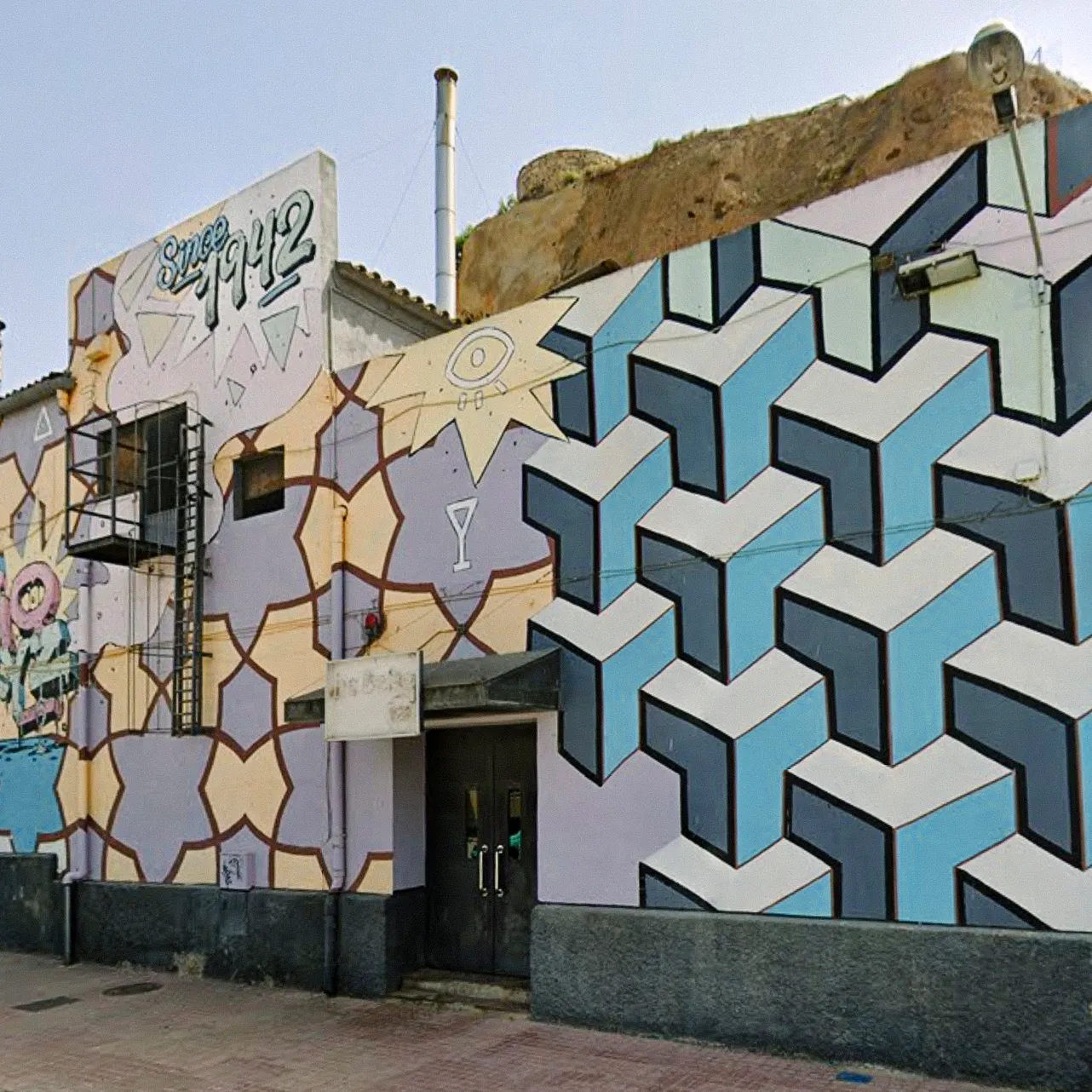
Fraga
Gate to Aragon on the Catalan Way. Fraga, by the river Cinca, is an important agricultural centre and an oasis for pilgrims in the dry region of the Monegros.
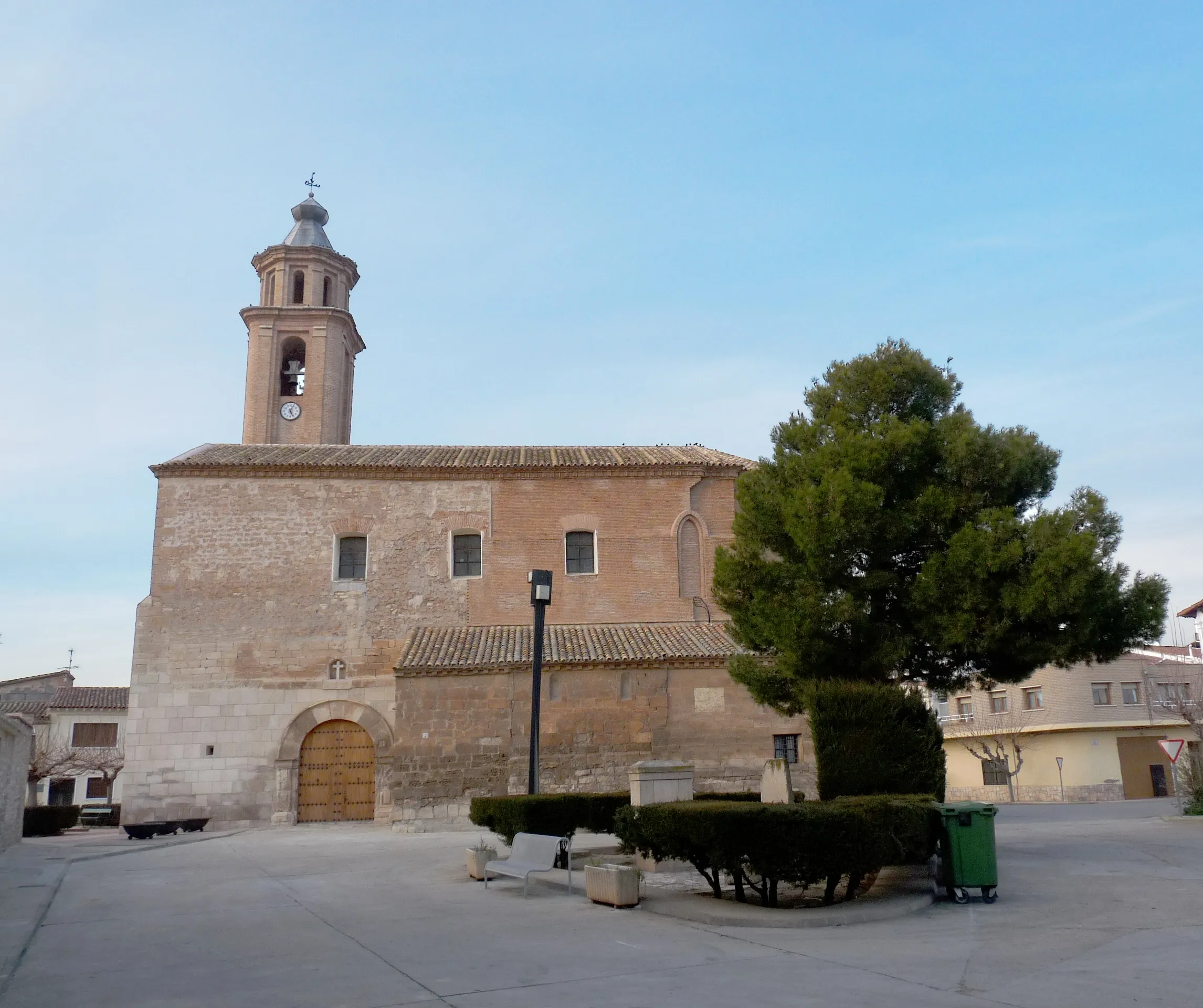
Candasnos
280 mDoor of the Monegros. Candasnos, on the Catalan Way, offers the pilgrim a landscape of steppes and a peaceful rest in the province of Huesca.
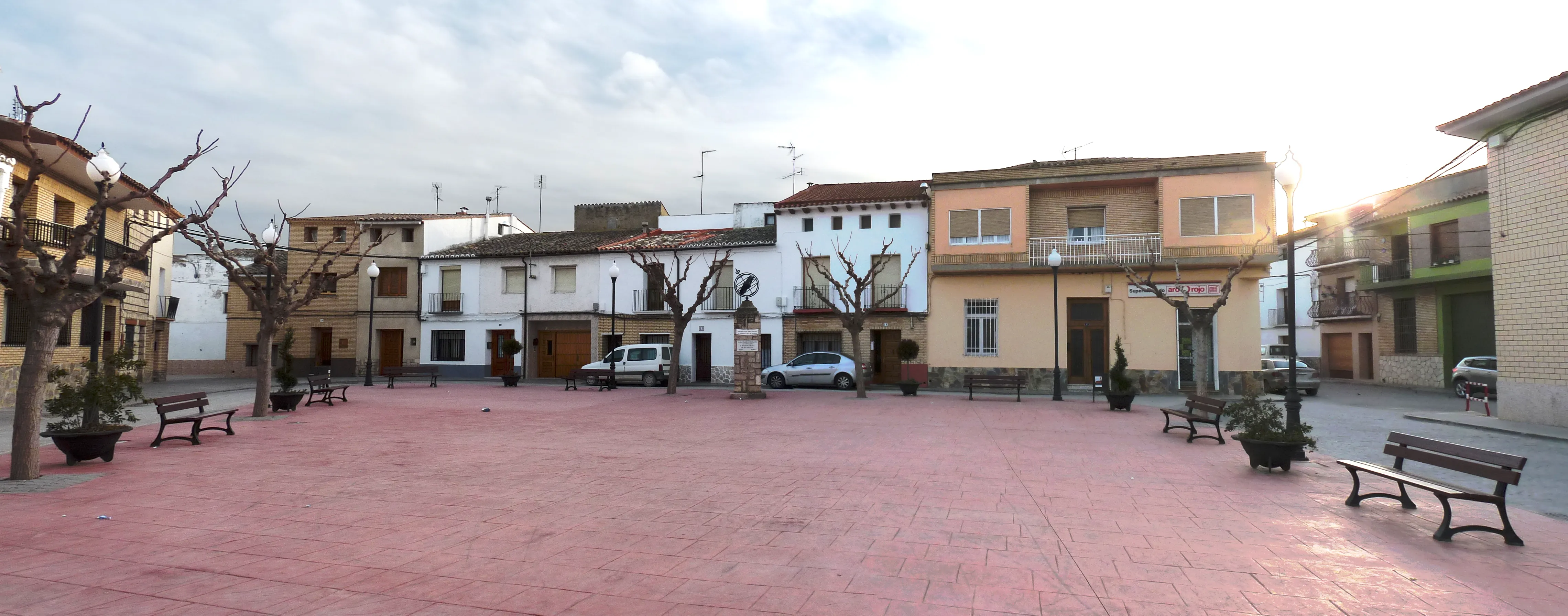
Bujaraloz
327 mHeart of the Monegros. Bujaraloz, with its saltwater lagoons and steppage landscape, is a unique stop on the Catalan Way, a place of great ecological value.
History of Catalan Way
The Jacobean tradition in Catalonia is one of the oldest on the peninsula. Already in the 10th and 11th centuries, records of pilgrims, hospitals and confraternities dedicated to Santiago are found. The geographical situation of Catalonia, with numerous Pyrenean passes and a long maritime coastline, made it a natural entrance for pilgrims coming from France and Italy. These roads overlapped with the ancient Roman road network, such as the Via Augusta, which already connected the territory.
This Way is characterized by the diversity of its starting points, which converged over time towards the interior. One of the most important was the one that started from the Monastery of Sant Pere de Rodes, a jewel of Romanesque architecture perched on a mountain overlooking the sea in Cap de Creus. It was the first great sanctuary that pilgrims encountered as they crossed the eastern Pyrenees. Another major starting point was the city of Barcelona, capital of the County and an important commercial and maritime centre.
However, the spiritual heart of the Catalan Way is undoubtedly the sacred mountain of Montserrat. For many Catalan pilgrims, the journey to Santiago began with a pilgrimage to their own great sanctuary to prostrate themselves before "La Moreneta", the Black Virgin, patroness of Catalonia. The branch that leaves Barcelona and ascends to Montserrat is therefore one of the most travelled and symbolic. The imposing Benedictine abbey, a beacon of faith and culture, was and remains an essential stage.
All these branches, along with others that rose from Tarragona and the south, sought Lleida as a great point of convergence. From Lleida, the medieval pilgrim had mainly two options to continue his journey towards the west. The first was to head north towards Huesca, to link up in Jaca or Santa Cilia with the Aragonese Way, a mountainous route rich in Romanesque art. The second option was to follow a more southern route, following the valleys of the Segre and Cinca rivers to join the Ebro Way near Mequinenza, and through it, reach Logroño and the French Way.
The history of the Catalan Way is also marked by the influence of the great Cistercian monasteries of Poblet and Santes Creus, declared World Heritage Sites, which although required deviations, were important centres of power and hospitality. The Generalitat of Catalonia and numerous local associations have done a remarkable job in recent decades to investigate, unify and mark this complex network of roads. Today, the Camí de Sant Jaume offers the pilgrim a journey through the enormous diversity of landscape and culture of Catalonia, from the coves of the Costa Brava to the agricultural plains of Lleida, a testament to its deep European and peregrine vocation.
Accommodations on the Route
The Catalan Way has 147 verified accommodations along the entire route.
View Stages & AccommodationsPractical Tips for Catalan Way
Best Season
Spring (April-June) and autumn (September-October) are the best seasons. Pleasant temperatures and fewer crowds than summer.
Physical Preparation
Train by walking progressively in the months before. Start with short distances and increase. Your body will adapt to the rhythm of the Camino.
What to Pack
Light backpack (max 10% of your weight), worn trekking shoes, breathable technical clothing, raincoat, sunscreen and basic first aid kit.
General Tips
Carry the pilgrim credential, stay hydrated, respect your pace, book accommodation in high season and enjoy the journey without rushing.
FAQ about Catalan Way
El Camino Catalán desde Barcelona a Santiago de Compostela tiene una duración aproximada de 13 días, ofreciendo un recorrido que combina la belleza natural y cultural de Cataluña con la espiritualidad del Camino de Santiago. Ourway Travel te ofrece itinerarios personalizados para disfrutar al máximo este camino histórico.
El Camino Catalán tiene un nivel de dificultad medio, ya que combina tramos con subidas y bajadas pronunciadas, especialmente en la ruta hacia Montserrat. Sin embargo, Ourway Travel proporciona rutas adaptadas a tus habilidades para garantizar una experiencia segura y gratificante.
La mejor época para realizar el Camino Catalán son los meses de abril, mayo, septiembre y octubre. En estos periodos, disfrutarás de un clima agradable sin caer en las altas temperaturas del verano ni la baja actividad peregrina del invierno. Ourway Travel te ayuda a planificar tu viaje para que no pierdas detalle.
El paquete de reservas de Ourway Travel para el Camino Catalán incluye alojamientos en albergues o casas rurales seleccionados, guías y mapas detallados del camino, asesoramiento personalizado y seguro de viaje. También ofrecemos la posibilidad de reservar servicios adicionales como traslado desde Barcelona hasta tu punto de inicio.
El costo del viaje en el Camino Catalán con Ourway Travel varía según la duración, los servicios adicionales solicitados y las preferencias de alojamiento. Un paquete típico incluye desde 1200€ a 1600€ por persona para un recorrido completo de 13 días, que cubre todas tus necesidades durante el camino.
El Camino Catalán ofrece una experiencia única al combinar paisajes urbanos y rurales de Cataluña, pasando por sitios históricos como Montserrat. A diferencia del Camino Francés, es menos transitado y más variado en su geografía. En comparación con el Portugués, tiene un clima más templado a lo largo del año debido a su ubicación más al norte.
Ambas rutas son excelentes, pero si buscas una opción con mayor diversidad cultural e histórica desde un punto de partida más grande y accesible, Barcelona podría ser tu elección ideal. Ourway Travel te asesora en base a tus preferencias personales para elegir la ruta que mejor se adapte a ti.
La credencial peregrino puede obtenerse en las oficinas de Ourway Travel o en la mayoría de los albergues o iglesias a lo largo del camino. En cuanto a tu equipaje, nosotros gestionamos el servicio de mochilas volantes para que puedas viajar ligero durante todo el trayecto.
Related Routes
Ready for this adventure?
Let us organize your pilgrimage. We take care of accommodations, transfers and everything you need.