
Complete Guide to Route of the Ebro
Follow the course of Spain's most voluminous river. The Ebro River Path, from its delta to Logroño, connects you with the French Way on a route filled with history and nature.
Last updated: 28/03/2026
Table of Contents
Technical Summary of Route of the Ebro
457 km
Distance
18
days
17
Stages
Media
Difficulty
172 accommodations available on the route
Introduction to Route of the Ebro
It is a route with mostly flat sections that allows you to discover the diversity of landscapes in Catalonia, Aragon and La Rioja.
All Stages of Route of the Ebro
Complete route divided into 17 stages
Deltiberre to La Ràpita
This stage continues into the interior of Asturias, on an undulating terrain. The landscape is a mosaic of meadows, forests and orchards, the essence of "The Comarca of Cider". The great incentive of ...
Rapita to Tortosa
This long stage has as its destination the largest city of Asturias. The profile is very demanding, with a tough climb up Alto de la Cruz. It's a mountain day that rewards with spectacular views of th...
To Tortosa from Xeresa
This stage enters the Community of Madrid, on a medium mountain terrain. The profile is an ongoing rise and fall through a landscape of pine forests and vineyards. It's a day of great beauty. The dest...
Siege of Xerta
This stage is a long journey that connects the two major industrial cities of Asturias. The route is mainly flat but runs through a highly humanized landscape with industrial complexes and urbanized a...
Gandesa to Fabara
This long and demanding stage enters the west of Asturias. The profile is a continuous rise and fall through a beautiful landscape with forests, valleys, and sea views. It's a journey of great solitud...
Barbarians at the Gate
This stage continues along the western coast of Asturias. The profile is a continuous rise and fall, with sections of interior and spectacular views to the sea. It's a day of great beauty that allows ...
Caspe to Escatrón
This is a short and gentle stage with the goal of one of Spain's most beautiful seaside villages. The route is an enjoyable stroll along the Asturian coast, with sea views. Arrival at Luarca, "The Whi...
Shelf to Fifth
This long and demanding stage enters the westernmost zone of Asturias. The profile is a continuous "breakneck" with several climbs and descents of consideration. It's a day of great solitude, crossing...
Fifth to El Burgo de Ebro
This stage marks the entry into Galicia. The route follows the coastline path, passing through the coastal village of Tapia de Casariego. The most important milestone is crossing the Bridge of the Sai...
The Castle of Ebro to Zaragoza
This stage enters the province of Lugo, leaving the coast to climb into the mountains. The profile is very demanding, with a strong and prolonged ascent. The landscape changes radically, and the sea g...
Zaragoza to Alagon
This stage continues into the interior of Lugo province in a medium mountain terrain. The profile is an ongoing rise and fall through a beautiful landscape. The route passes through the Terra Chá, an ...
Alagon to Gallur
This stage enters the heart of Terra Chá, an extensive plain in the province of Lugo. The profile is mainly flat, a pleasant stroll through a landscape of meadows, forests and small villages. It's a d...
Galur to Tudela
This is a short and flat stage that continues along the Terra Chá. The route is an enjoyable stroll through a beautiful rural landscape with woods and villages. It's a day to enjoy the tranquility and...
Tudela is near Alfaro
This long and demanding stage says goodbye to Terra Chá to venture into a more mountainous terrain. The profile is a continuous rise and fall through a beautiful and solitary landscape. It's a journey...
Alfaro to Calahorra
This stage is the last of the North Way as an independent route. The journey is a pleasant stroll through rural Galicia, with a gentle wave profile. Arrival in Arzúa marks the union with the French an...
Calahorra to Alcanadre
The Camino Primitivo sets off with great force. This first stage is a declaration of intentions, a challenge that immerses the pilgrim in the essence of rural and mountainous Asturias. Leaving behind ...
Akanado to Logrono
This stage ventures into western Asturias, offering a medium-difficulty route through undulating terrain. The route passes by the village of Grado before tackling the climb to Alto de la Doriga. An im...
Key Towns of Route of the Ebro
The most important towns and cities on this route.
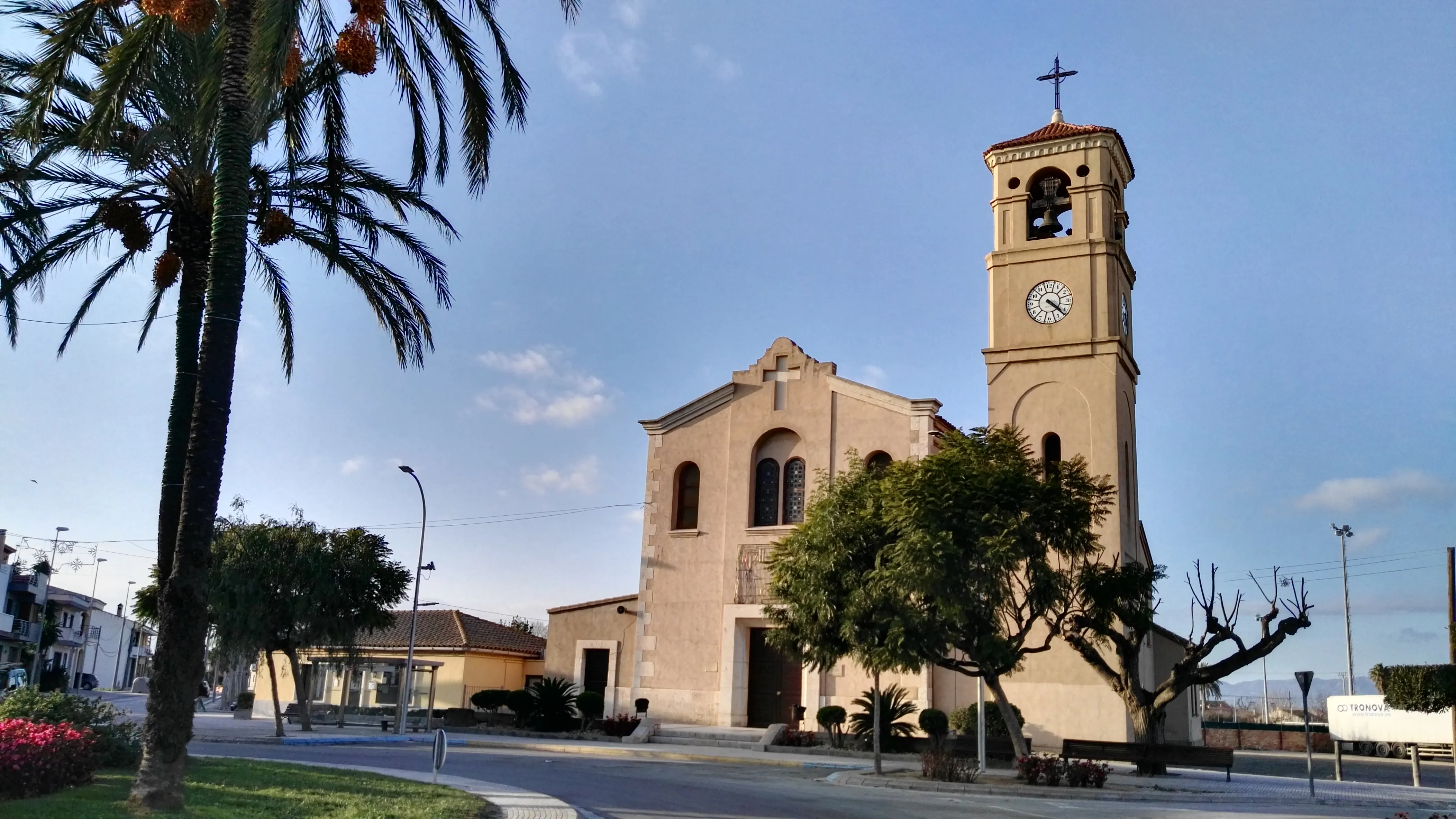
Deltebre
10 mHeart of the Ebro Delta. Deltebre, surrounded by rice fields and lagoons, is the ideal starting point for the Ebro Jacobean Way, a paradise for nature lovers.
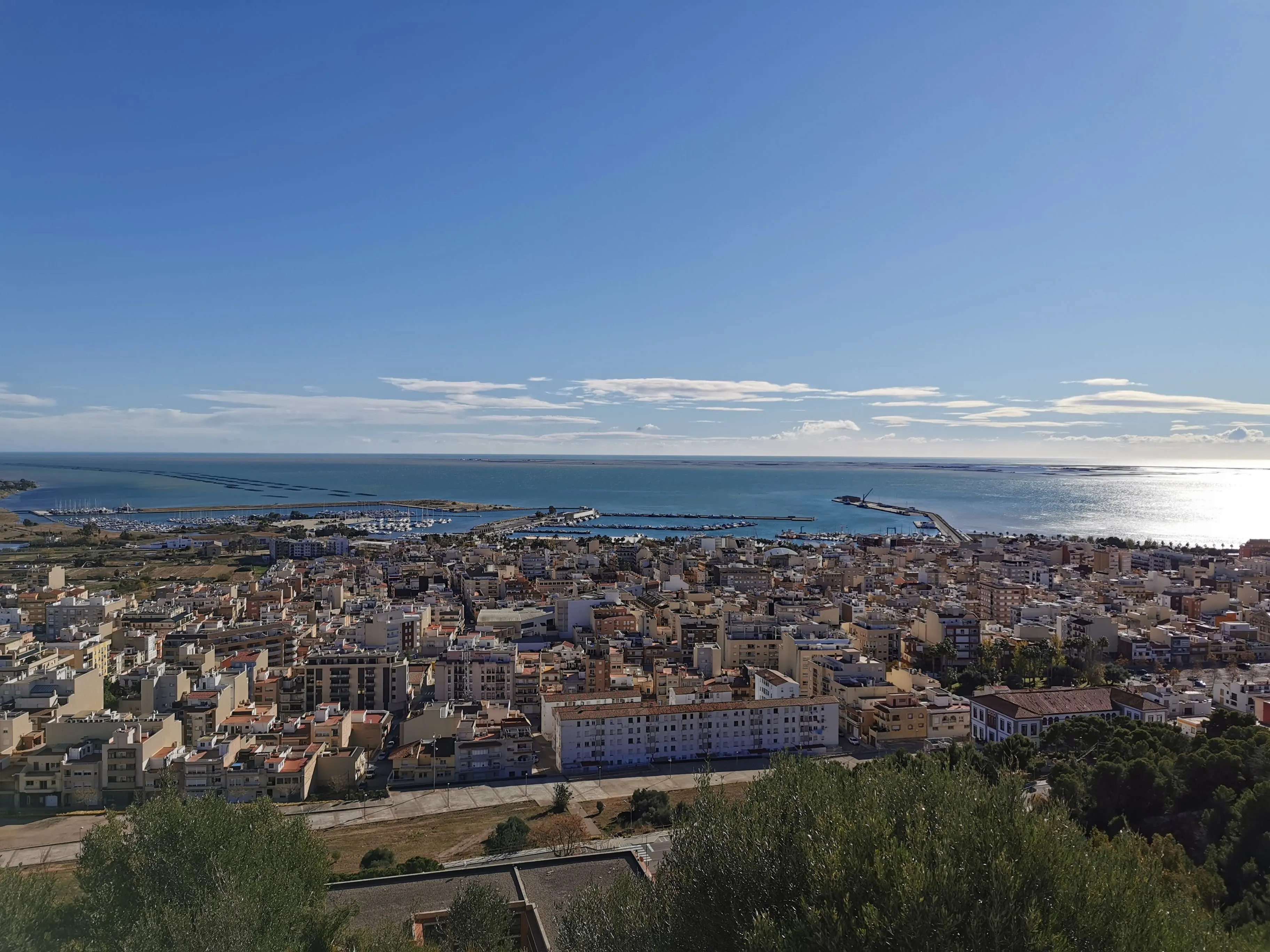
La Ràpita
5 mMarina in the Bay of the Alfas. The Ràpita is an important fishing port and a service centre at the start of the Way of St James on the Ebro, with beaches and rich cuisine.
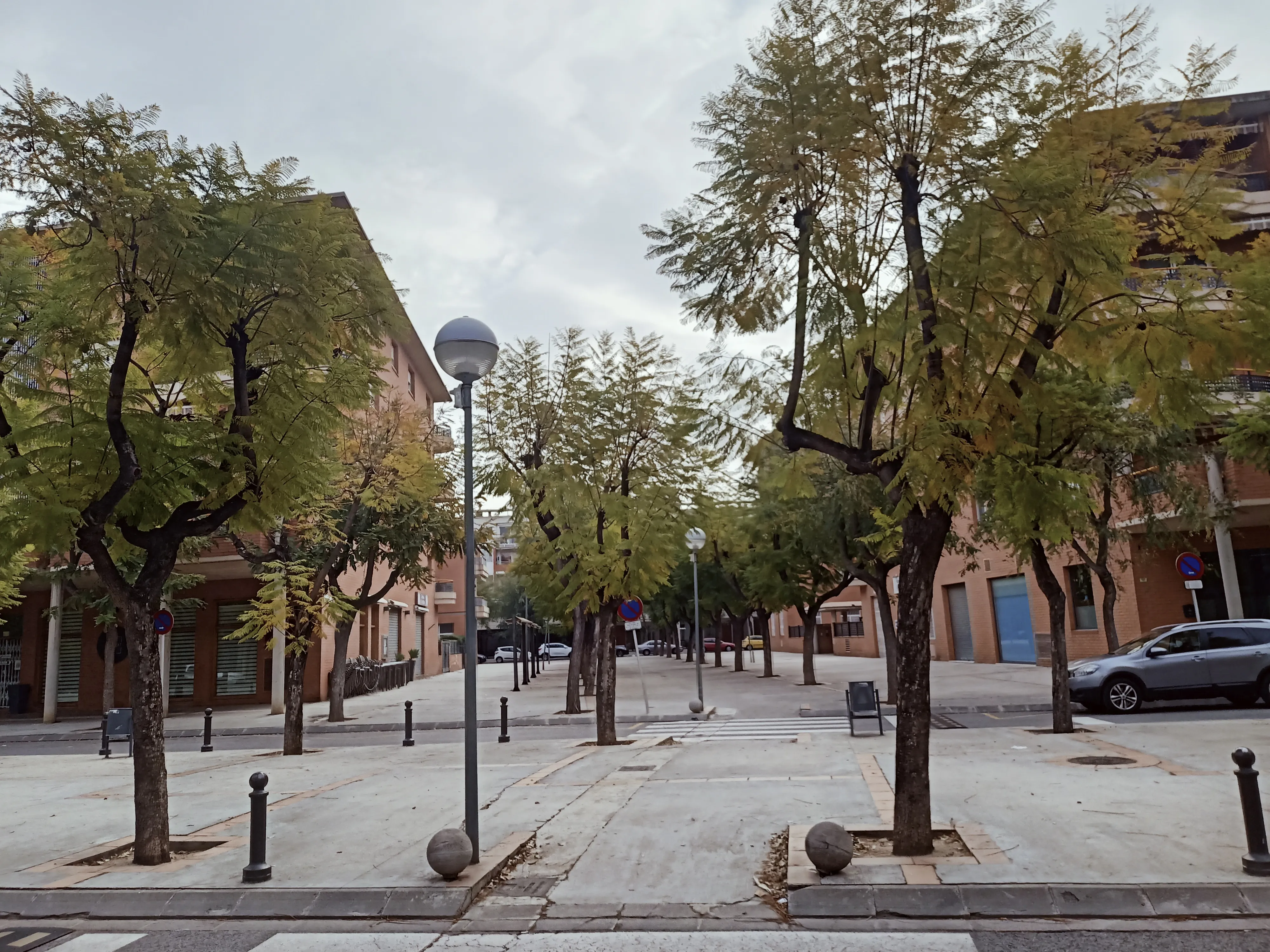
Tortosa
Monumental city by the Ebro and an indispensable stop on the Jacobean Way. Its Castle of the Suda and its Gothic Cathedral are witnesses to its rich history.
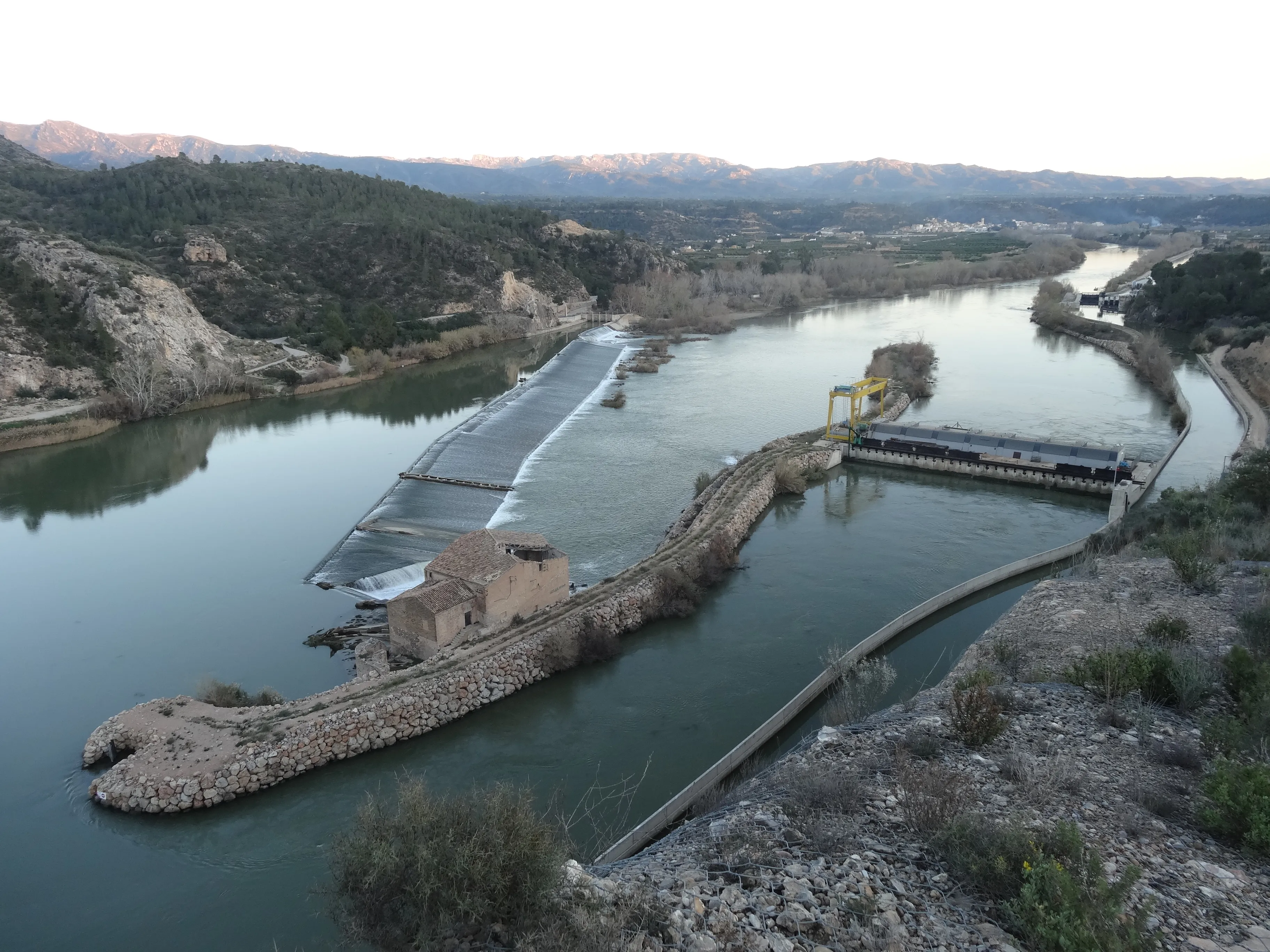
Xerta
Territorial Roman settlement on the banks of the Ebro River. Xerta is known for its "Assut", an impressive Renaissance dam, a milestone in hydraulic engineering on the Ebro Road.
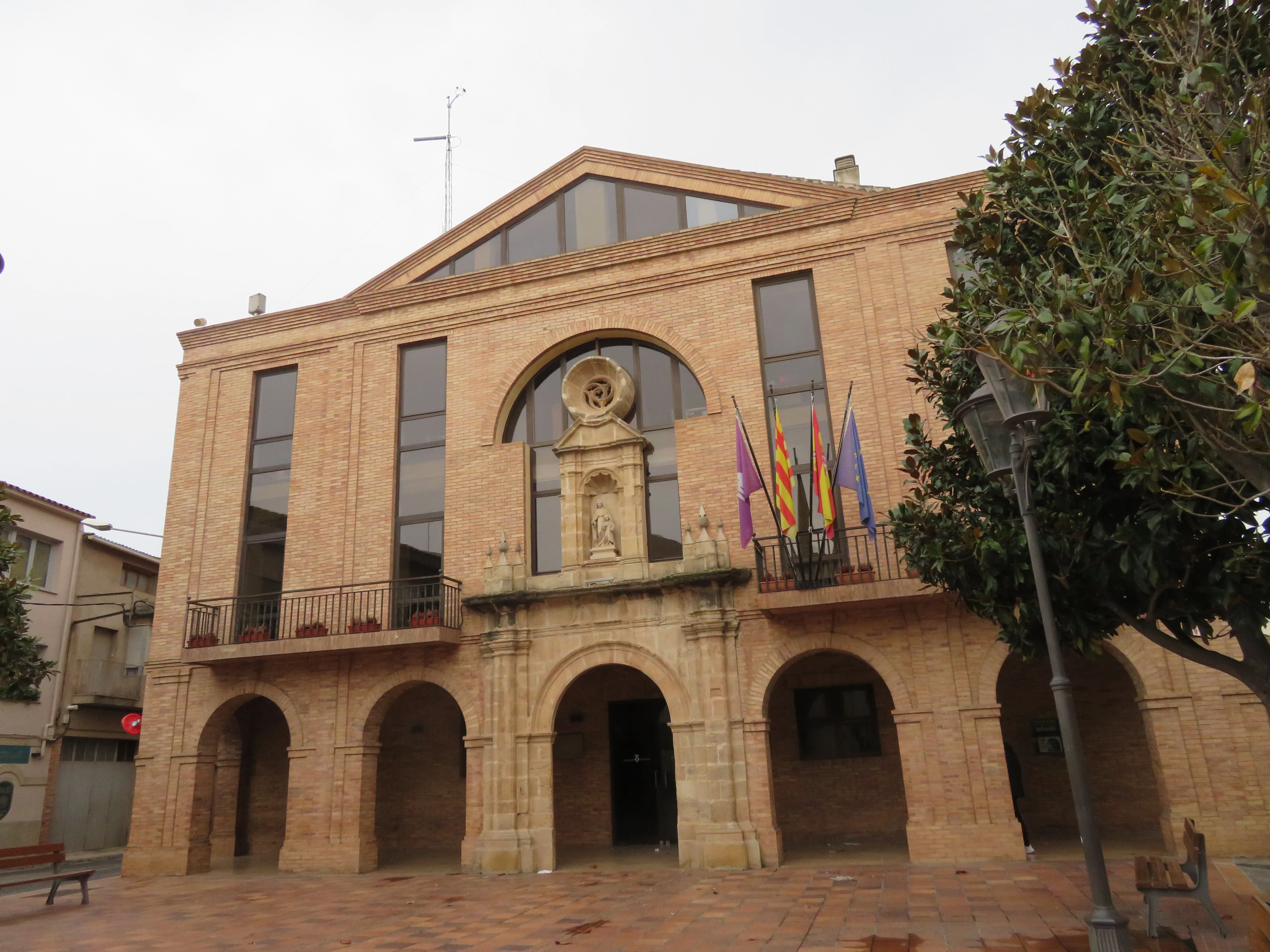
Gandesa
Capital of the Terra Alta region. Gandesa is famous for its wines and for its Wine Cathedral, a modernist jewel. A key gastronomic stop on the Way of St James along the Ebro River.
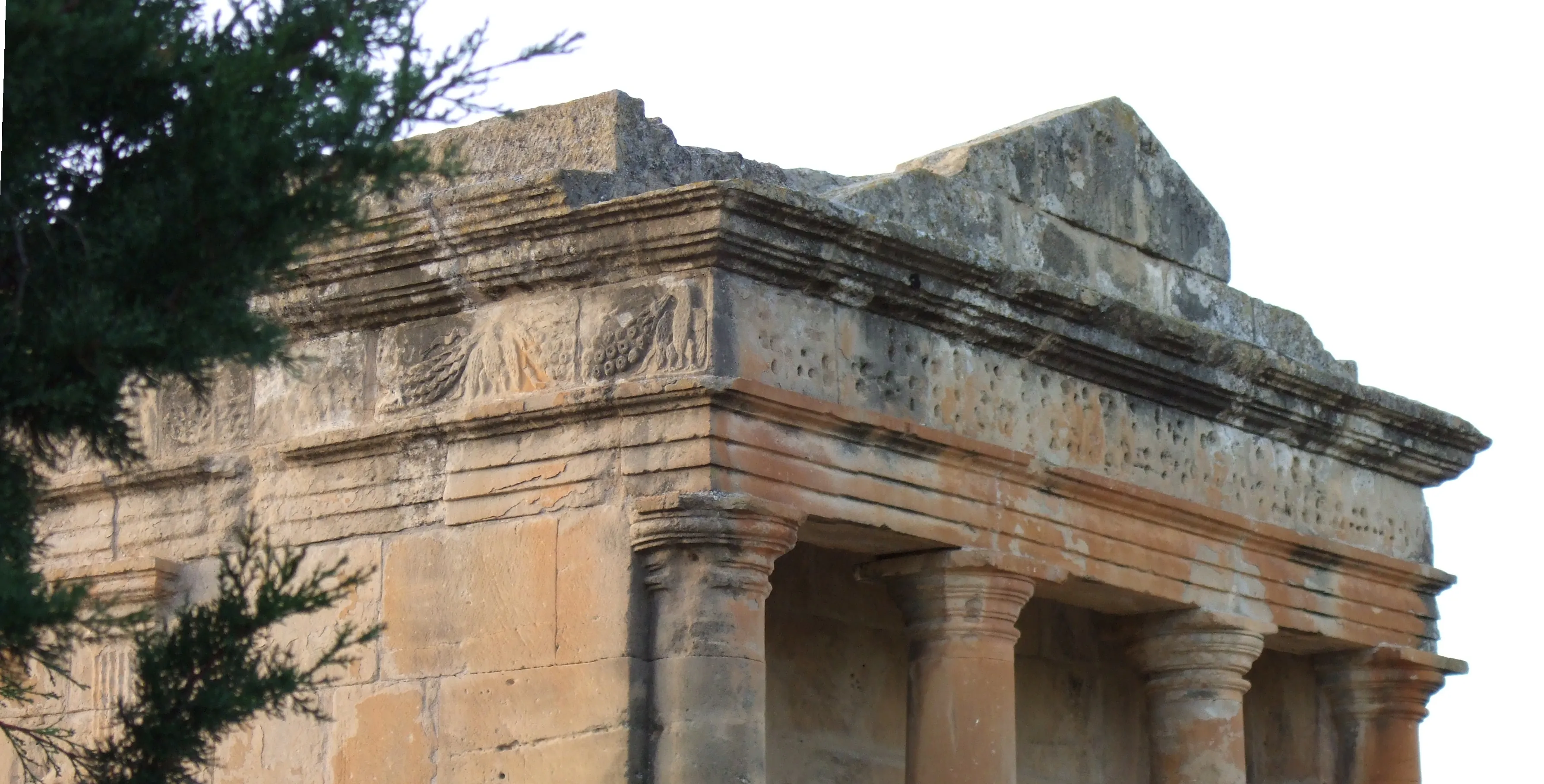
Fabara
350 mA Zaragoza town with a Roman treasure. Fabara, on the Jacobean Way of the Ebro, surprises with its Mausoleum of Lucius Aemulus Paulus, one of the best preserved in Spain.
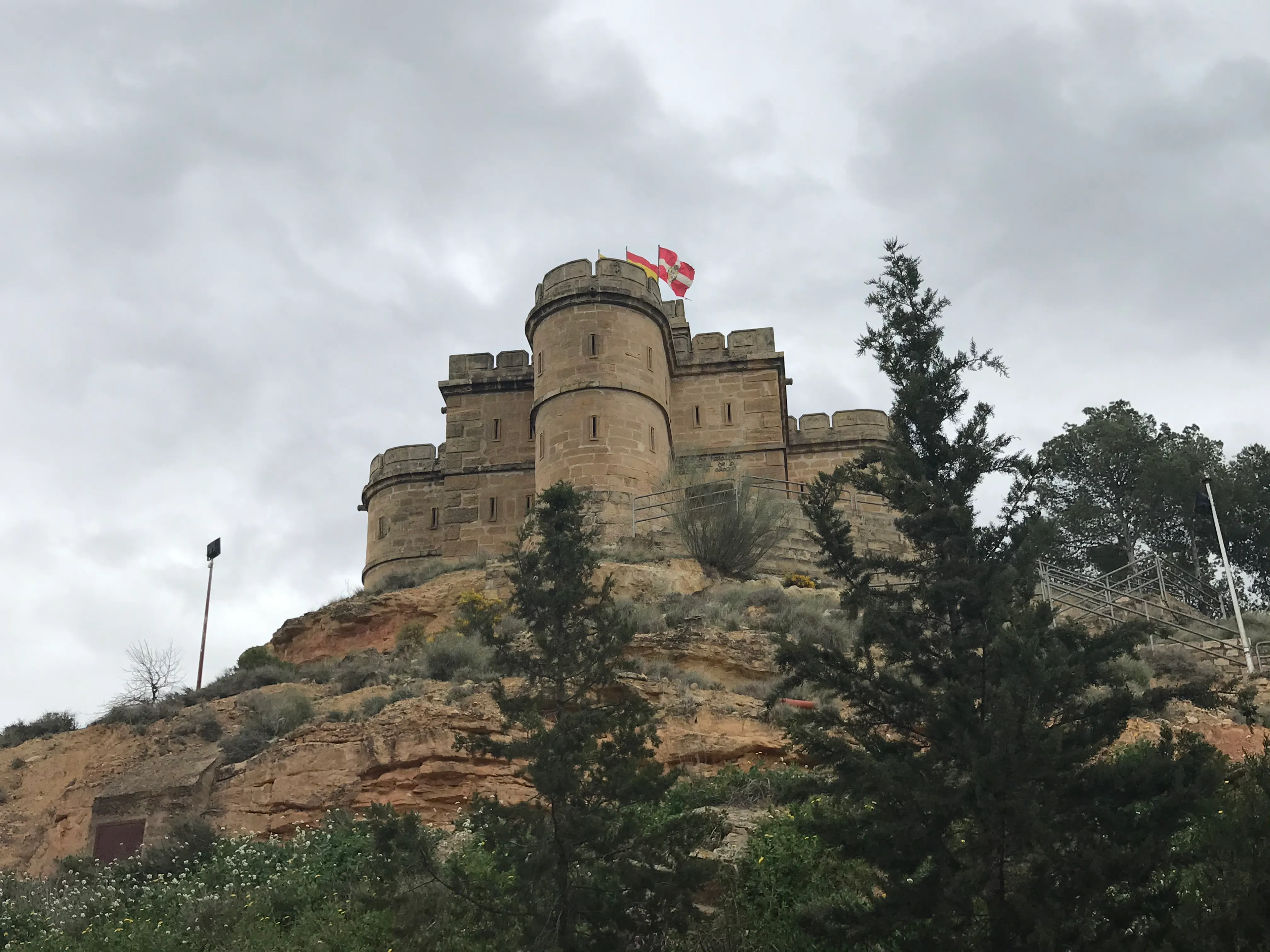
Caspe
Historic Zaragoza town on the shores of the "Sea of Aragon". Caspe, with its Collegiate church and its medieval past, is an important service center on the Way of St. James along the Ebro River.
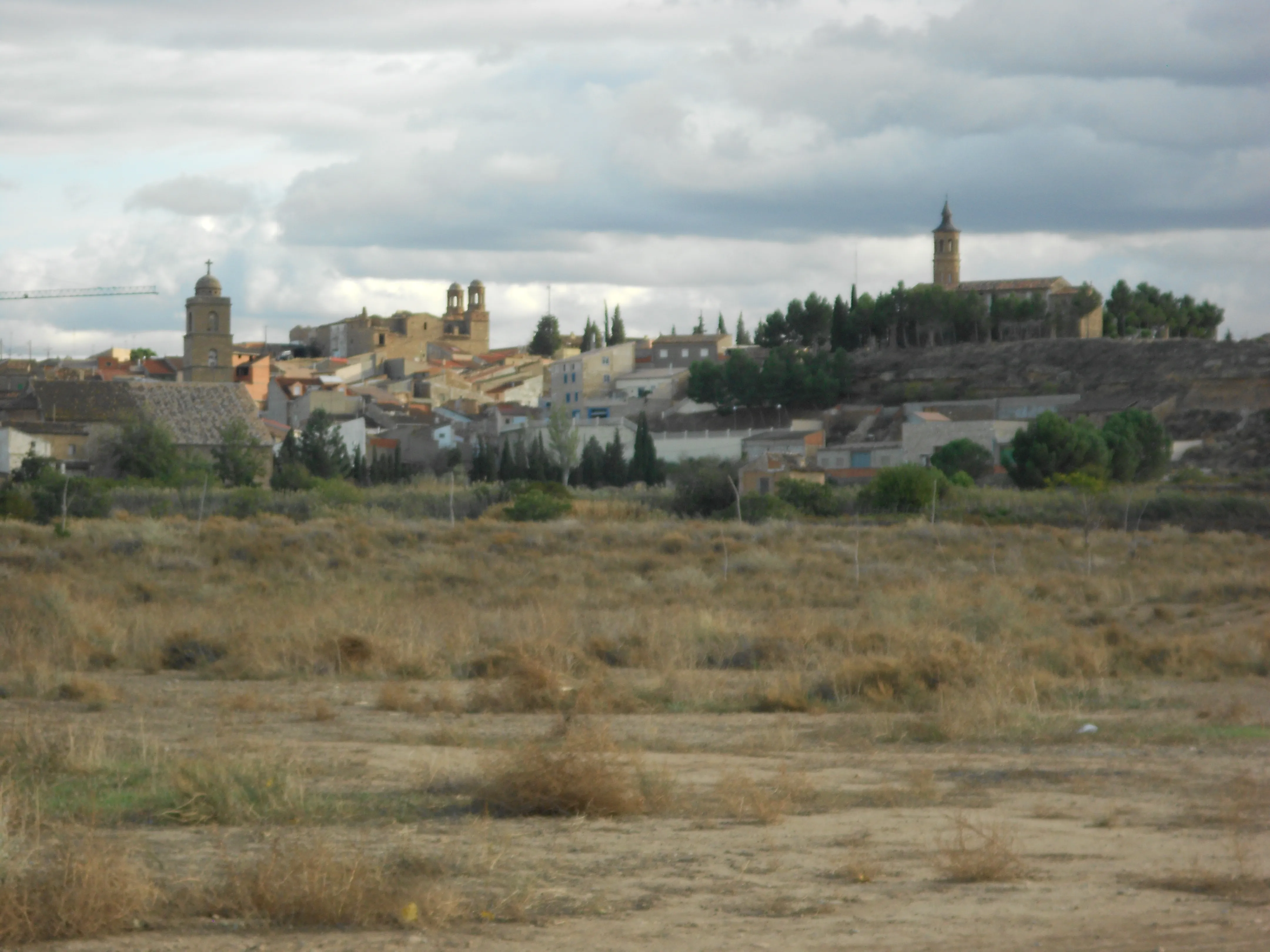
Escatrón
140 mZaragoza villa by the Ebro River. Escatrón, with its Cistercian monastery of Rueda, is a monumental and service stop on the Ebro Way of St James.
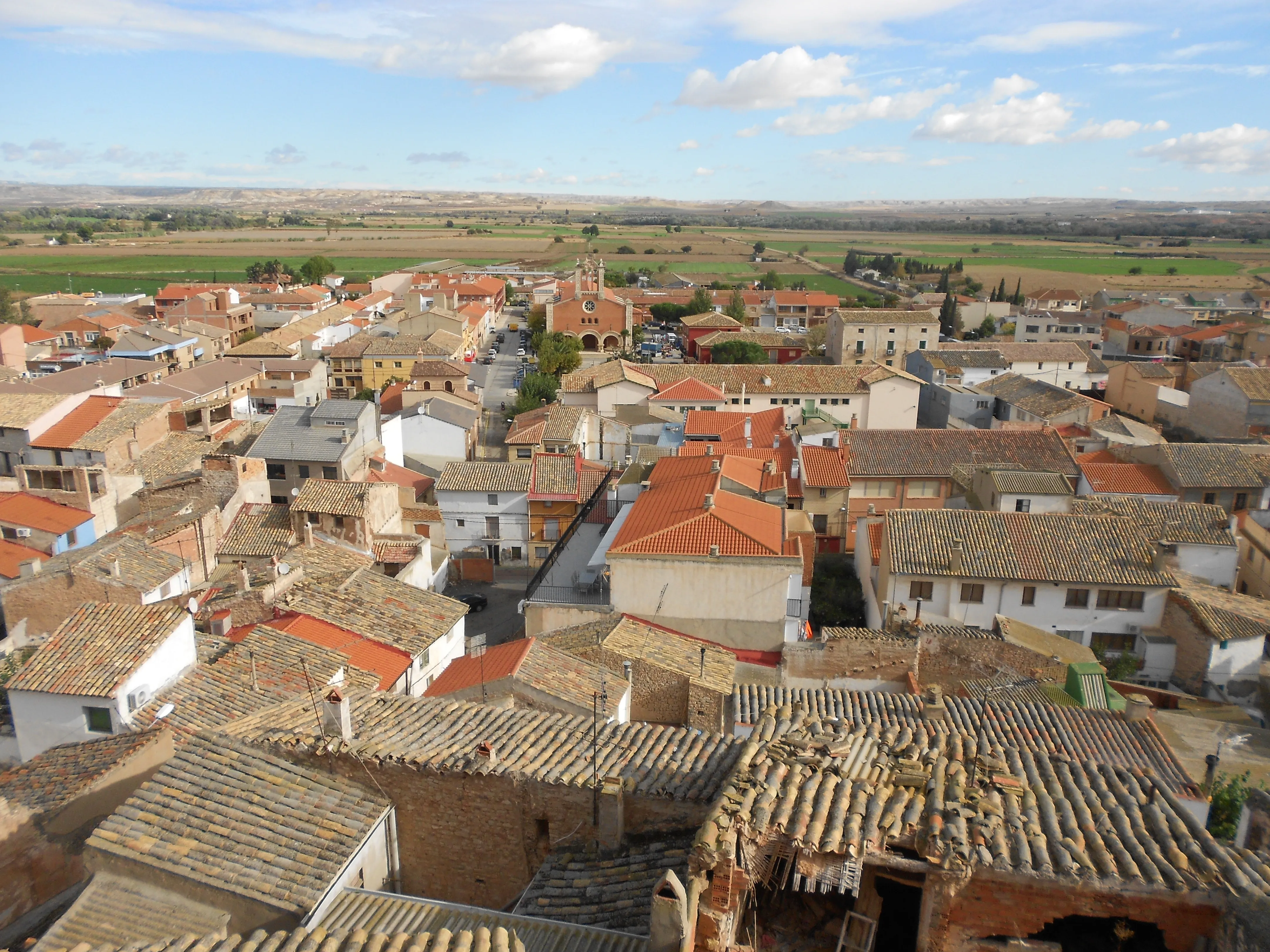
Quinto
180 mZaragozan town on the banks of the Ebro River. Fifth, with its Mudéjar fortress-church and its mummy museum, is a surprising stop on the Ebro Route of St James.
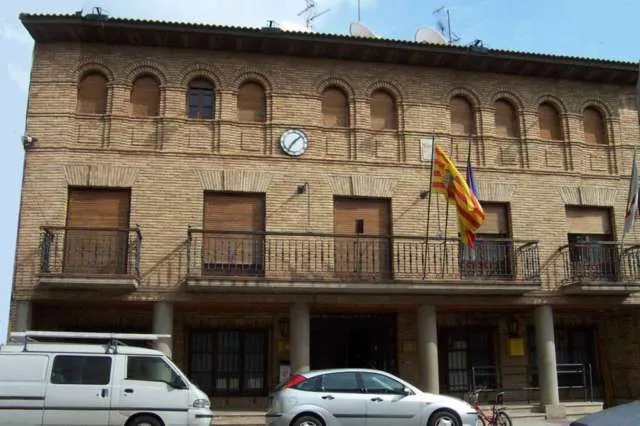
El Burgo de Ebro
180 mTown near Zaragoza at the gates of the capital. The Burgo de Ebro is a functional stop on the Way of St James along the Ebro, offering a rural break before the big city.
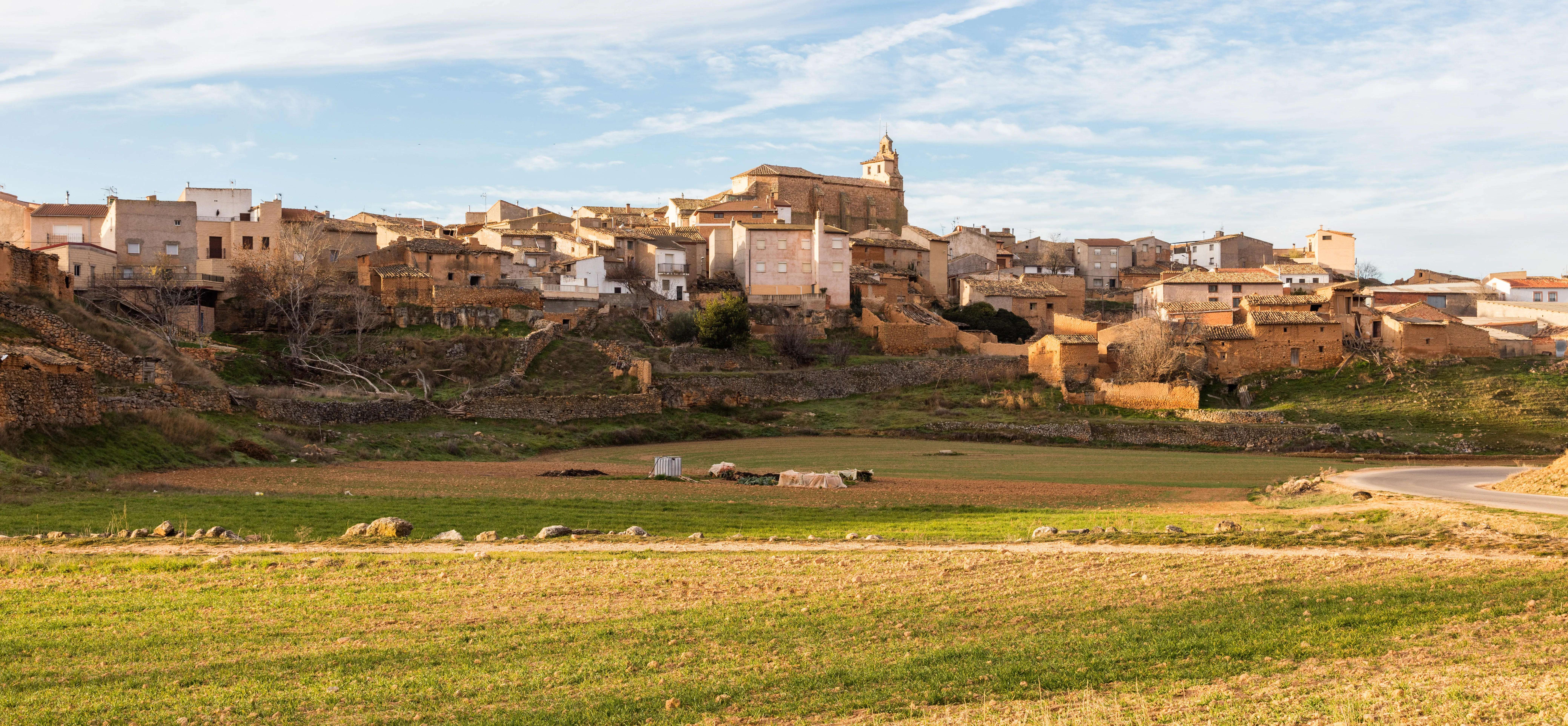
Zaragoza
Capital of Aragon and heart of the Ebro Way. Its Basilica of the Pillar, a center for marine pilgrimage, makes this stage an unique encounter of two great devotions.
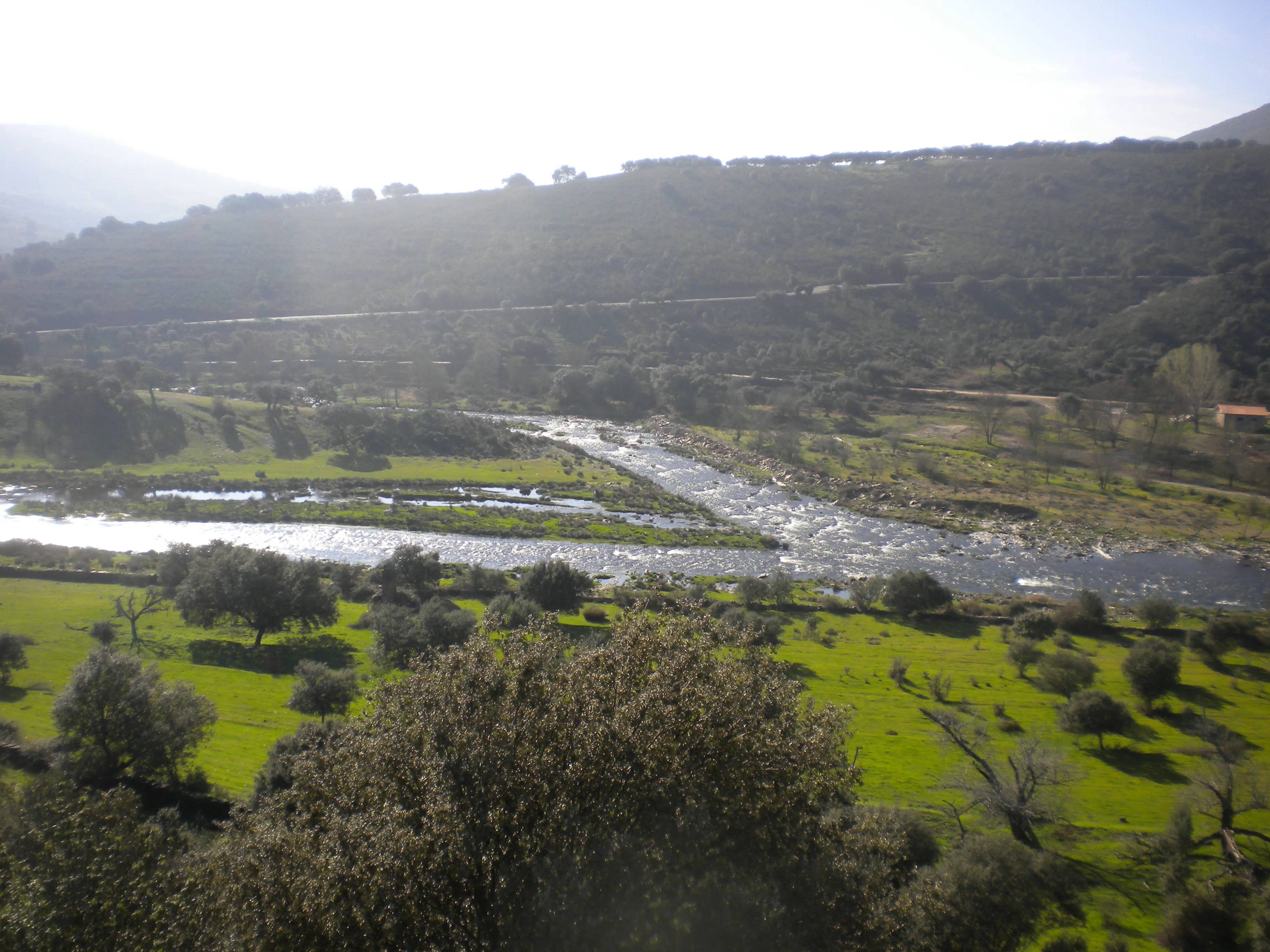
Alagón
Important Zaragoza town by the Ebro River. Alagón is a service center with a notable Mudéjar heritage, an operational stop on the Ebro Route of St James.
History of Route of the Ebro
The history of the Ebro valley is the history of the people who inhabited it. The Iberians, who gave the river its name and the peninsula, and later the Romans, who built important roads such as the Vía Augusta, understood its strategic value. This Roman infrastructure greatly facilitated the passage of medieval pilgrims. For a walker coming from Catalonia, Valencia or the Mediterranean ports, ascending the Ebro valley was the most logical and safe route to enter the peninsula and head towards Galicia.
The starting point of the route is usually set at the Delta of the Ebro, or in the historic city of Tortosa, which served as an episcopal seat and a strong fortress during the Reconquista. From there, the road ascends, often between wetlands and fruit orchards, following a mostly flat terrain that contrasts with the mountainous routes of the north. This itinerary passed by important Cistercian monasteries, such as Rueda, which offered hospitality to travellers.
However, the spiritual and strategic turning point that defined this route was, and still is, the city of Zaragoza. The Aragonese capital housed the Sanctuary of Our Lady of the Pillar, one of the most important pilgrimage destinations in Christendom. Ancient tradition tells us that the Virgin Mary appeared to Saint James in flesh at this very spot, by the Ebro, to encourage him on his preaching. As a result, many medieval pilgrims practised a double pilgrimage: first visiting the Virgin at the Pillar and then continuing their journey to honour the tomb of the Apostle in Compostela. Zaragoza became thus a crossroads of faith, a Jacobean center of the first order that attracted pilgrims from all over.
After leaving Zaragoza, the route continues westward, entering the ancient Kingdom of Navarre through the city of Tudela, with its magnificent Romanesque cathedral. The final stretch runs along the fertile Rioja riverbank, a land of vineyards announcing the proximity of the Camino Francés. The convergence takes place in Logroño, the capital of La Rioja. At this point, the Ebro pilgrims, who have travelled at the pace of the river, join the massive international flow descending from the Pyrenees.
The modern revival of the Way of the Ebro, often coinciding with the GR-99 "Natural Camino del Ebro" long-distance route, has revitalized this historic route. It offers an unique pilgrimage experience, marked by the diversity of its landscapes (from the delta's wetlands to the dry landscapes of the Monegros and La Rioja's vineyards) and its deep historical legacy. It is a journey that follows a watercourse and faith that have shaped the history of northern Spain over millennia.
Accommodations on the Route
The Route of the Ebro has 172 verified accommodations along the entire route.
View Stages & AccommodationsPractical Tips for Route of the Ebro
Best Season
Spring (April-June) and autumn (September-October) are the best seasons. Pleasant temperatures and fewer crowds than summer.
Physical Preparation
Train by walking progressively in the months before. Start with short distances and increase. Your body will adapt to the rhythm of the Camino.
What to Pack
Light backpack (max 10% of your weight), worn trekking shoes, breathable technical clothing, raincoat, sunscreen and basic first aid kit.
General Tips
Carry the pilgrim credential, stay hydrated, respect your pace, book accommodation in high season and enjoy the journey without rushing.
FAQ about Route of the Ebro
El Camino del Ebro tiene una longitud de 457 km y se estima que dura unos 18 días para completarlo. La ruta es de media dificultad, con tramos mayoritariamente llanos que permiten disfrutar de la riqueza natural y patrimonio cultural a lo largo del recorrido.
La mejor época para realizar el Camino del Ebro son las temporadas media de primavera (abril-junio) y otoño (septiembre-octubre), cuando hay un buen equilibrio entre clima agradable y menor cantidad de peregrinos. Esto permite disfrutar plenamente de los paisajes y la historia sin enfrentarse a grandes aglomeraciones.
Ourway Travel ofrece un paquete completo que incluye reservas de alojamiento en albergues y hoteles, traslado seguro de equipaje entre etapas, así como asesoramiento personalizado sobre rutas alternativas y puntos de interés cultural. Además, proporcionamos información detallada sobre el itinerario para asegurar la mejor experiencia del Camino.
El costo total para realizar el Camino del Ebro con Ourway Travel varía según las necesidades individuales y el tipo de alojamiento elegido. Nuestros paquetes comienzan desde 850€, incluyendo la gestión completa de tu reserva, transporte seguro de equipaje y asesoramiento experto para garantizar una experiencia personalizada.
El Camino del Ebro ofrece un recorrido único siguiendo el curso del río más caudaloso de España, ofreciendo vistas y experiencias históricas que son distintivas de este itinerario. A diferencia del Camino Francés o el Camino del Norte, el Ebro es menos transitado pero igualmente rico en cultura y naturaleza. Este camino es ideal para peregrinos buscando una experiencia más tranquila y centrada en la historia fluvial.
Al seleccionar entre el Camino del Erob o alternativas como el Primitivo o el Inglés, debes tener en cuenta la duración, la dificultad y las características culturales de cada ruta. El Ebro es una opción más media que combina naturaleza con historia fluvial, mientras que el Primitivo ofrece un recorrido lleno de tradición asturiana y el Inglés es corto pero intenso desde Finisterre hasta Santiago. La elección depende de tus intereses específicos y la experiencia deseada.
Para reservar tu viaje en el Camino del Ebro con Ourway Travel, simplemente completa nuestro formulario de contacto o llama a nuestros expertos. Nuestro equipo te guiará a través del proceso para elegir los alojamientos y servicios que mejor se adapten a tus necesidades, garantizando una experiencia segura y memorable.
Antes de iniciar tu viaje en el Camino del Ebro, es recomendable obtener la credencial del peregrino, que puedes conseguir en cualquier oficina de turismo o centro jacobeano. Además, asegúrate de tener un seguro médico internacional y considera llevar una copia digitalizada de tus documentos personales para emergencias. Ourway Travel te proporcionará más detalles específicos al gestionar tu viaje.
Related Routes

Ready for this adventure?
Let us organize your pilgrimage. We take care of accommodations, transfers and everything you need.