
Complete Guide to The Camino by Bike
Follow the most iconic Jacobean route on two wheels. The French Way by bike allows you to live this 779km adventure in a more rapid and adapted way for cycling tourism.
Last updated: 28/03/2026
Table of Contents
Technical Summary of The Camino by Bike
779 km
Distance
14
days
13
Stages
Media
Difficulty
198 accommodations available on the route
Introduction to The Camino by Bike
All Stages of The Camino by Bike
Complete route divided into 13 stages
St. John of Pied de Port to Zubiri (By Bike)
The last stage of the Camino Mozárabe in Granada is an enjoyable descent to the monumental city of Córdoba. The path traverses a rural and solitary landscape, which contrasts with the great city that ...
Zubiri to Puente la Reina by bike
Leaving behind the monumental Córdoba, this stage enters Sierra Morena. The route is a continuous ascent through a landscape of dehesas and forests. It's a day of great beauty and physical demand. Arr...
Bridge of Queen to Towers of Rio (Bicycle)
This stage continues through Sierra Morena, on a route of great beauty and solitude. The path traverses a landscape of meadows and forests, with spectacular views. It's a day to enjoy nature in its pu...
Rivers of the Rio to Santo Domingo de la Calzada (Bike)
This long stage enters the Pedroches Valley, a vast grassland plain. The route is a continuous rise and fall through a beautiful landscape. It's an demanding but very rewarding journey. Arrival in Alc...
The Bike Route from Santo Domingo de la Calzada to Burgos
This stage continues through the Pedroches Valley, on a route that combines sections of the ancient Roman road with trails between pastures. It is a day of great beauty and solitude. The arrival at Hi...
Burgos to Boadilla del Camino (by bike)
This long stage is a true challenge that says goodbye to Andalusia to enter Extremadura. The route is a continuous up and down through the La Serena region. It's a day of great beauty and physical dem...
Boadilla del Camino to Terradillos de los Templarios (by bike)
This stage continues through the La Serena region, on a route that combines sections of the ancient Roman road with trails between pastures. It's a day of great beauty and solitude. The arrival at Cam...
Templar Holes of Toledo to Leon by Bike
This stage enters the Highs of Guadiana, a vast irrigation plain. The route is flat and monotonous, a challenge for the pilgrim's mind. Arrival in Medellín, Hernán Cortés' birthplace, with its impress...
Leon to Astorga by Bike
The last stage of the Mozárabe Route is an enjoyable descent to the monumental city of Mérida. The route passes through a rural and solitary landscape, which contrasts with the large city that approac...
Astorga to Villafranca del Bierzo (by bike)
The first stage of the Madrid Way is an urban and peri-urban route that moves away from monumental Madrid. The route is a pleasant stroll through the north of the city. It's a day to enjoy the tranqui...
Villafranca del Bierzo to Triacastela by bike
Leaving behind the modern Tres Cantos, this stage enters into the Regional Park of the Upper Manzanares Valley. The route is a continuous ascent through a landscape of meadows and forests, with the Si...
Tránsito en bicicleta desde Triacastela hasta Palas de Rei.
This is a high mountain stage that crosses the Sierra de Guadarrama. The route is a continuous ascent through a pine and rocky landscape. It's a day of great beauty and physical demand. Arrival in Cer...
Palace of the King at St. James' Cathedral (by bike)
This stage descends from the Sierra de Guadarrama to the Castilian tableland. The route is a pleasant stroll through a landscape of pine forests and oak woods. It's a day to enjoy nature and look forw...
Key Towns of The Camino by Bike
The most important towns and cities on this route.
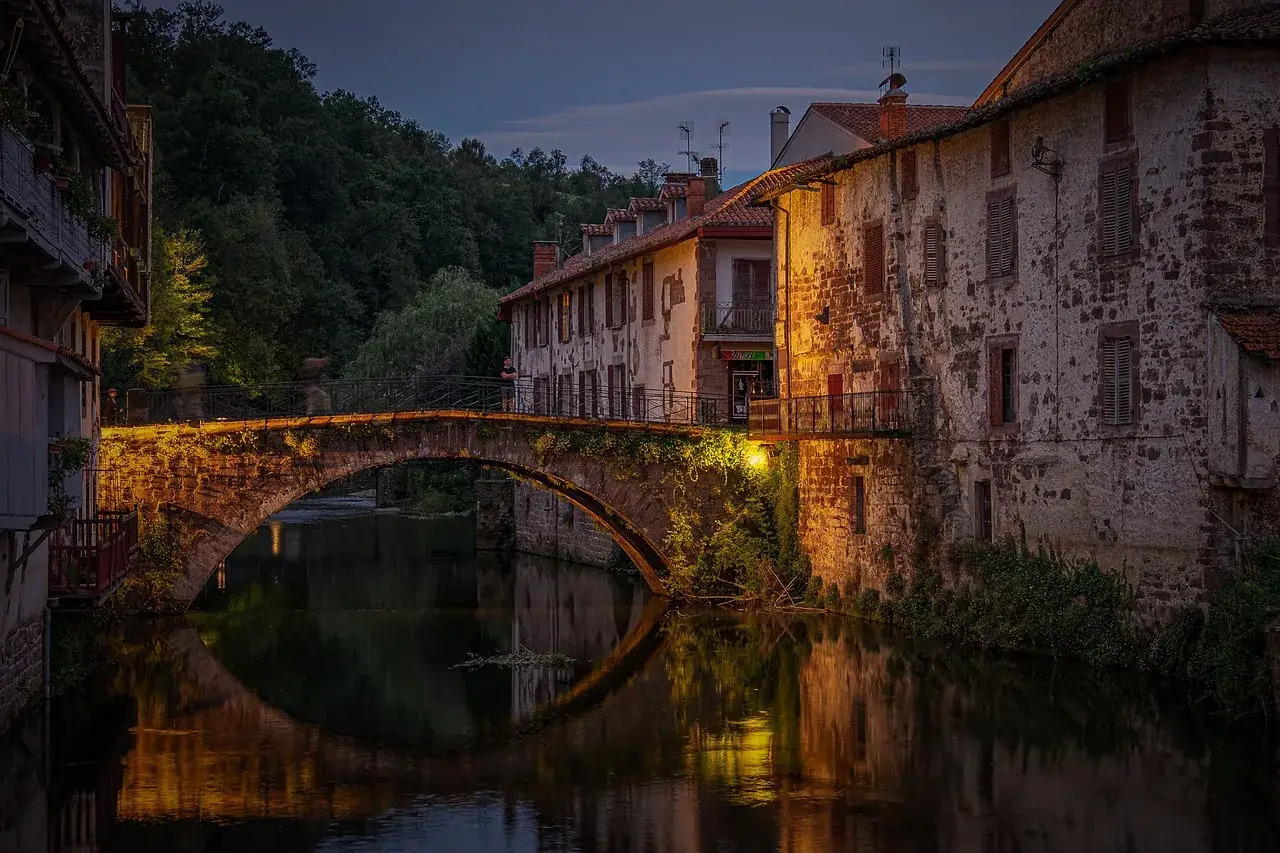
Saint-Jean-Pied-de-Port
Iconic starting point of the French Way in France. Saint-Jean-Pied-de-Port, with its medieval charm and Jacobean atmosphere, is the gateway for thousands of pilgrims.
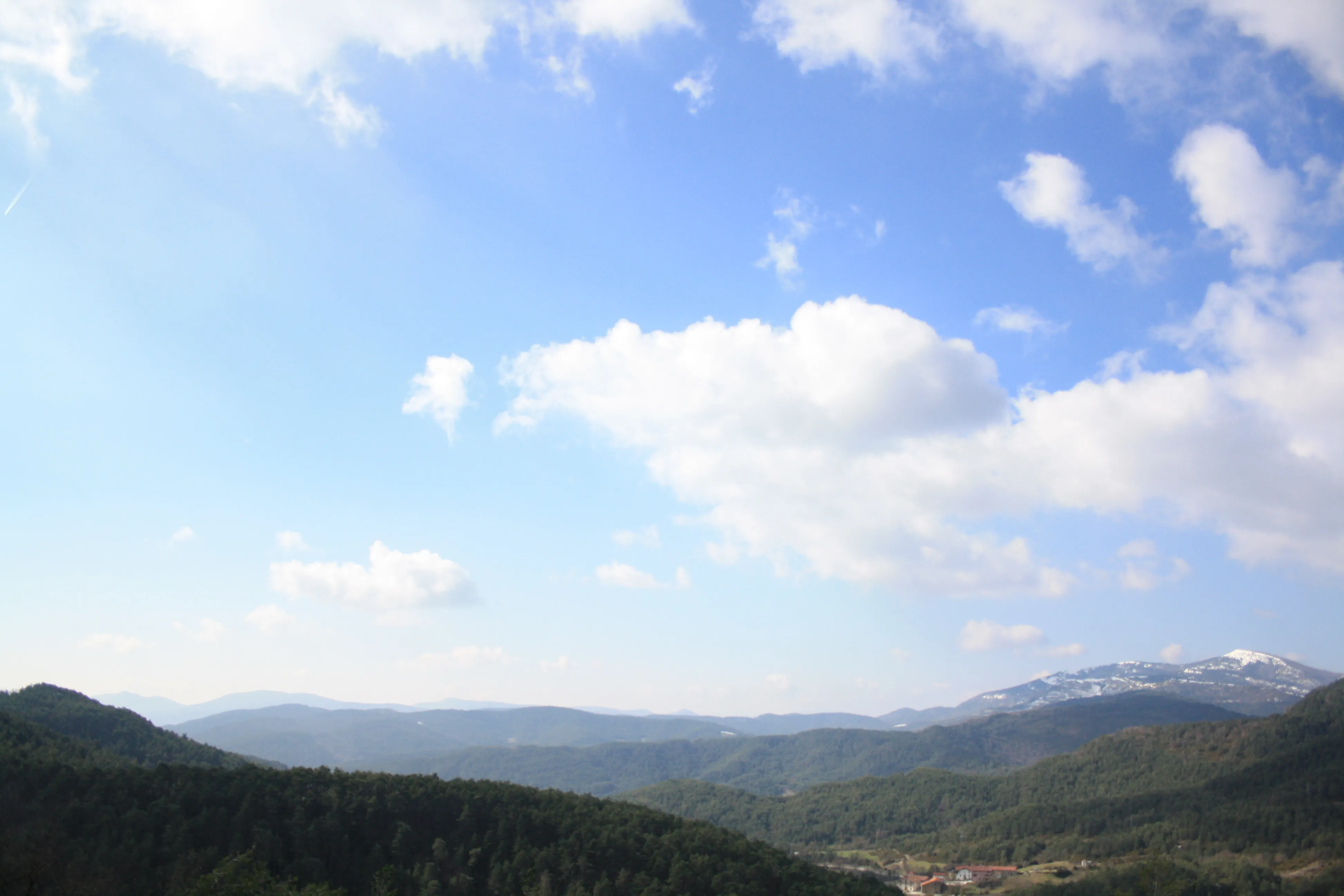
Zubiri
Entrance to the Pyrenees Navarre on the Camino Francés. Zubiri, with its iconic Bridge of Rage over the River Arga, is the first key stop and refuge for pilgrims after Roncesvalles.
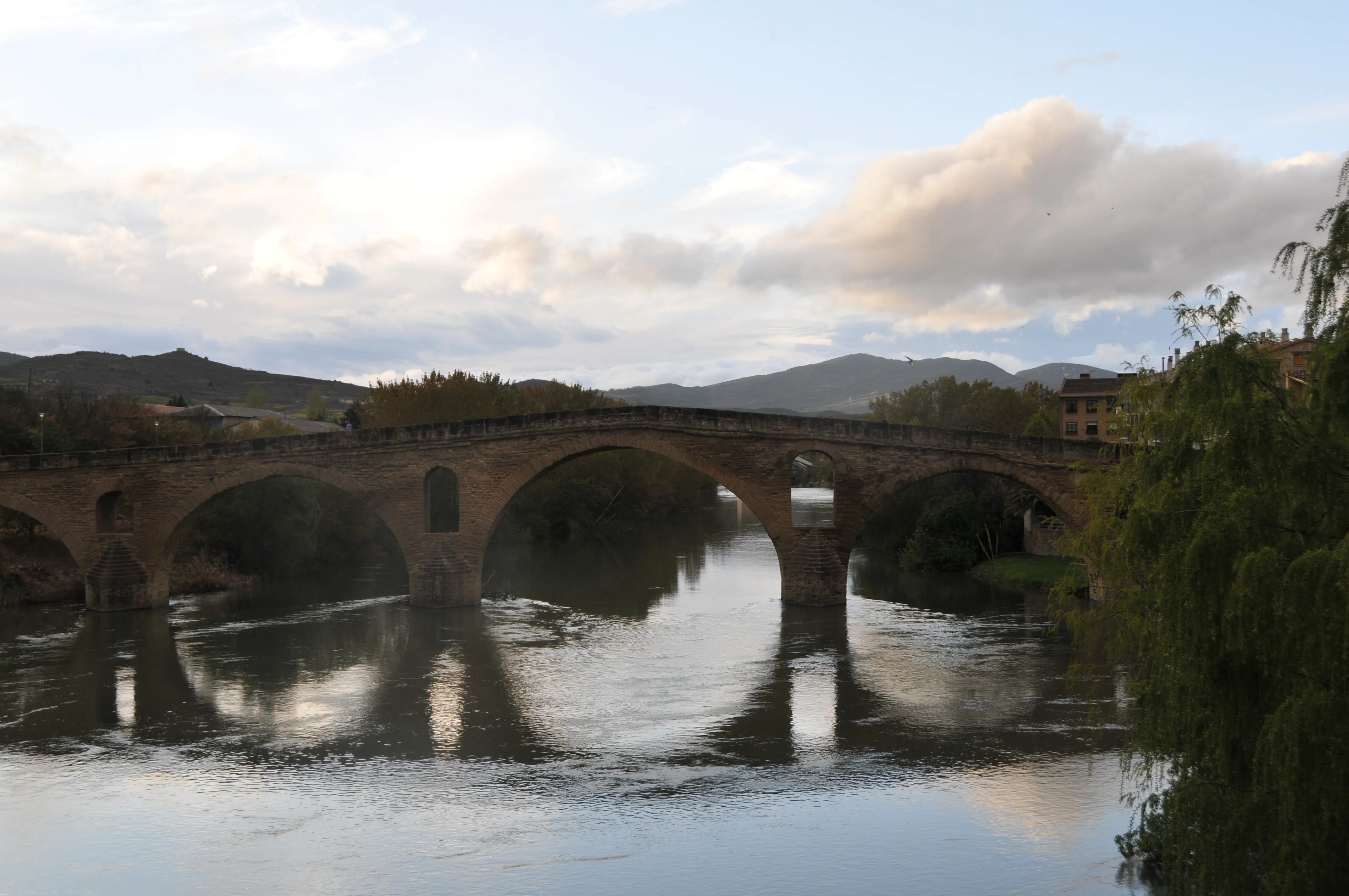
Puente la Reina
Heart of the Camino Francés in Navarra. In Puente la Reina, the routes of Roncesvalles and Somport converge. Its majestic Romanesque bridge is a universal symbol of pilgrimage to Santiago.

Torres del Río
462 mNavarran villa with the Templar cross of the Church of the Holy Sepulchre, an octagonal plan. Mystical stop on the Way.
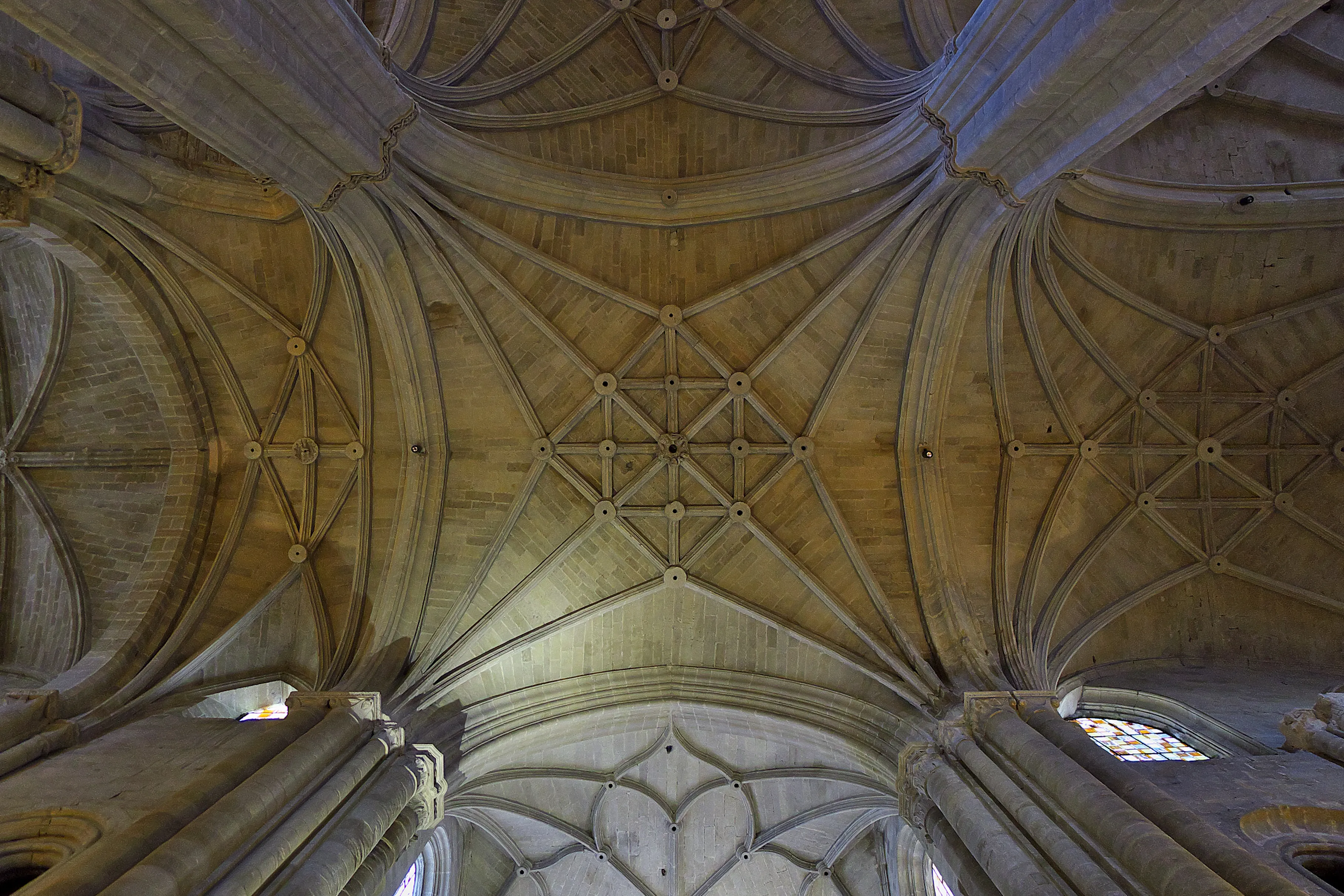
Santo Domingo de la Calzada
City legend of the French Way in La Rioja. Famous for the miracle of the rooster and hen, its Cathedral is an indispensable Jacobean stop, full of history and tradition.
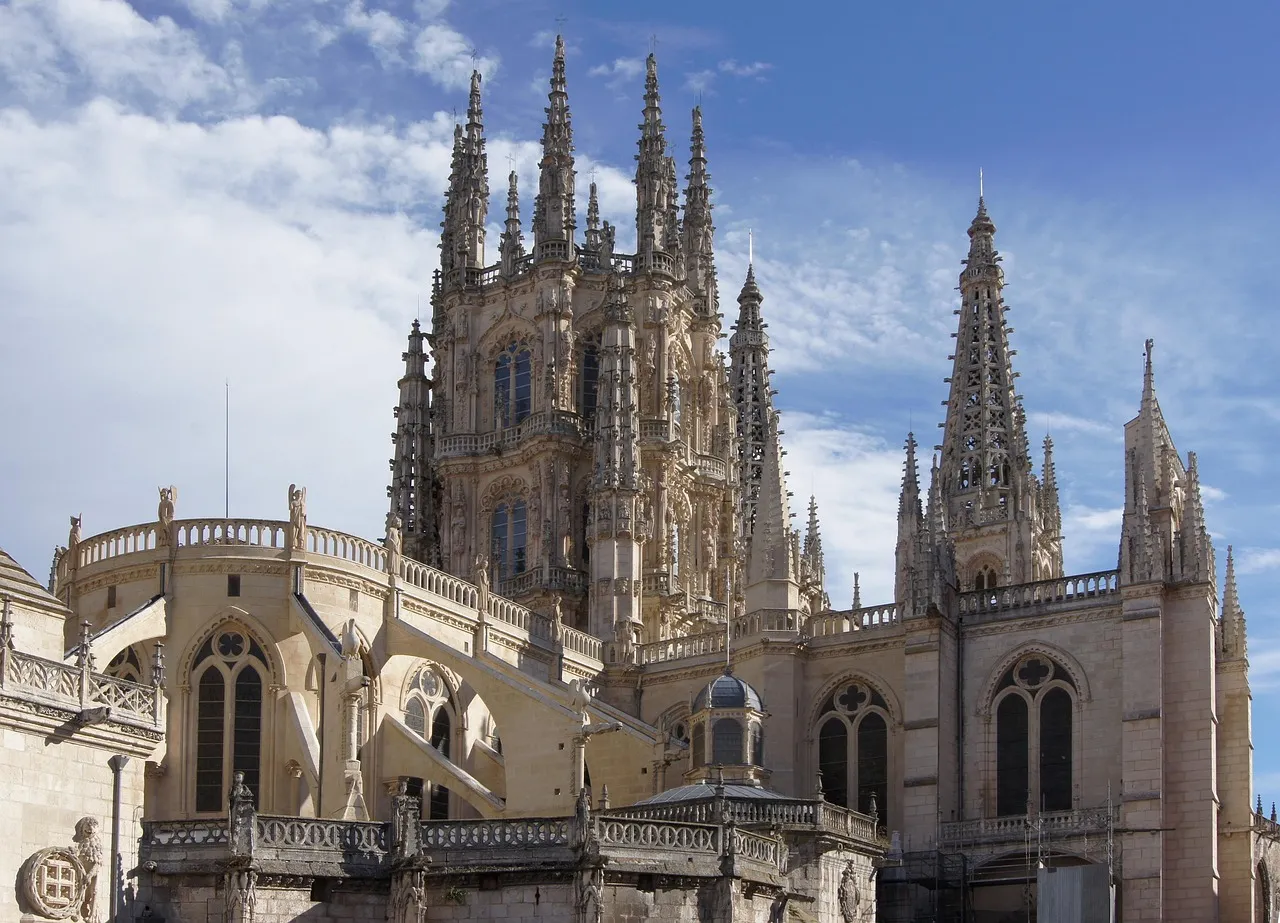
Burgos
Monumental heart of the Camino Francés. Burgos dazzles the pilgrim with its majestic Gothic cathedral, World Heritage Site, and rich historical legacy on the Castilian plateau.

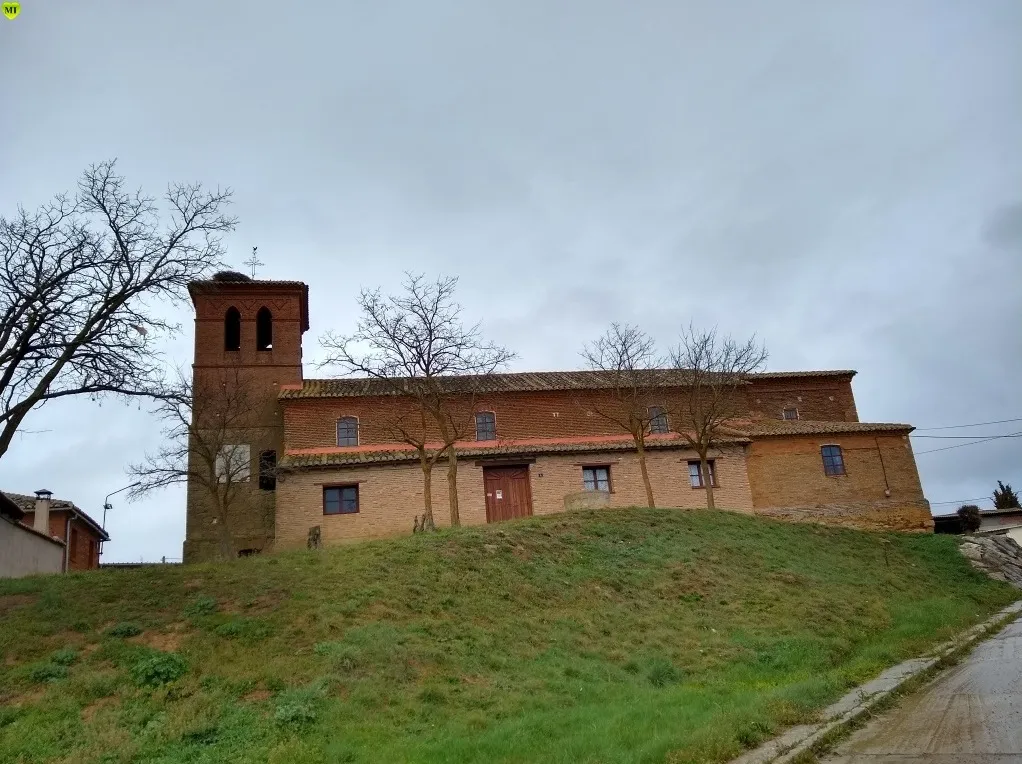
Boadilla del Camino
785 mPalentine town with an impressive Gothic roll. An oasis of peace and history in the Castilian tableland.
Terradillos de los Templarios
950 mSmall village on the French Way whose name suggests its possible past linked to the Order of the Temple, offering an authentic rural atmosphere and a breath of fresh air amidst the vastness of the Meseta.
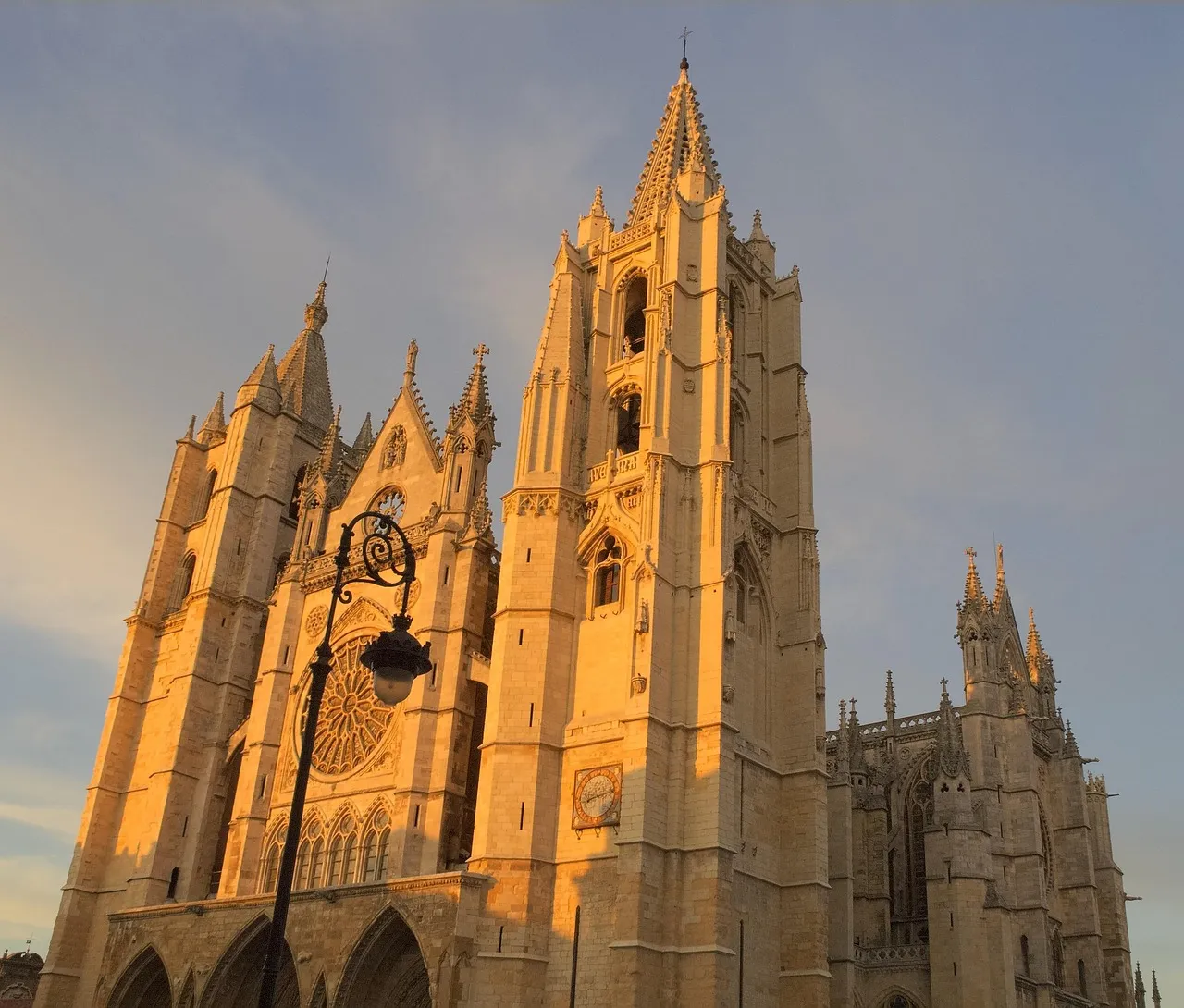
León
Old capital of the Kingdom, Leon is a gem on the French Way. It shines with its Gothic Cathedral, Saint Isidore's Basilica and lively Wet Quarter, perfect for tapas.
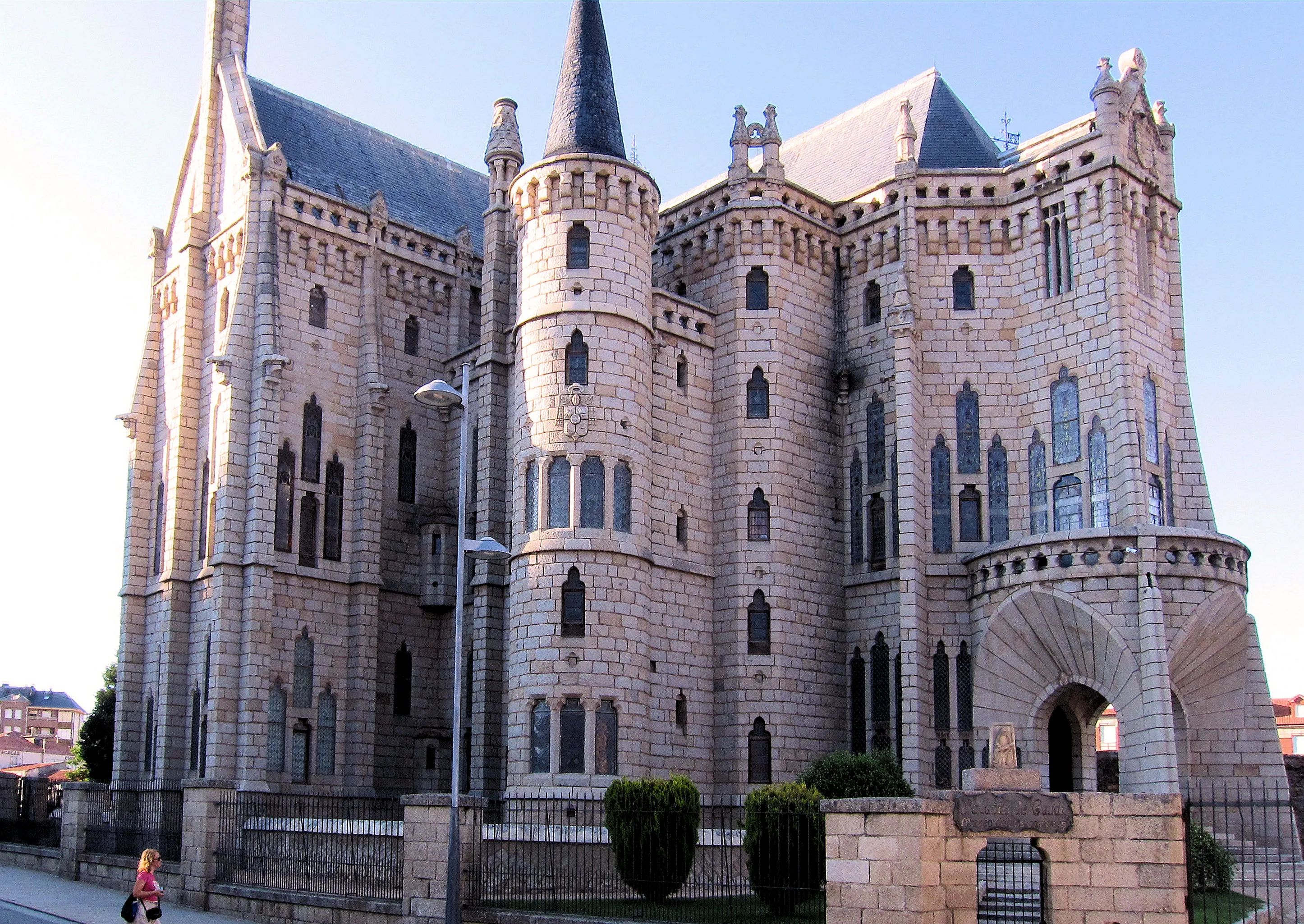
Astorga
Monumental city and crossroads of roads. Astorga, the Maragata capital, is a gem of the French Way, famous for its Cathedral, the Episcopal Palace by Gaudí, and delicious Maragato cuisine.
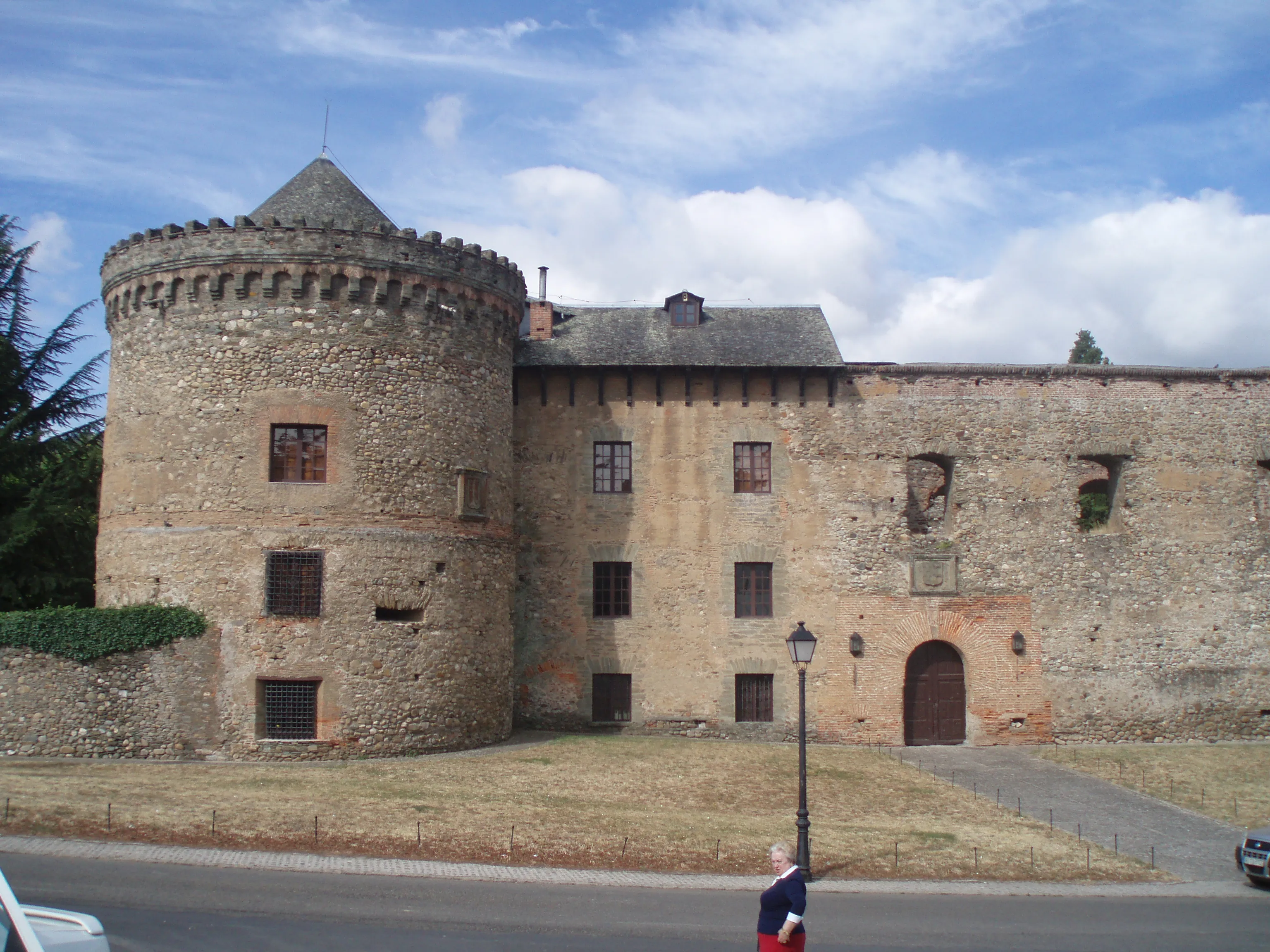
Villafranca del Bierzo
Known as the "Little Compostela," this village on the French Way allows pilgrims with illnesses to gain the Jubilee in its church of St. James, a historic privilege.
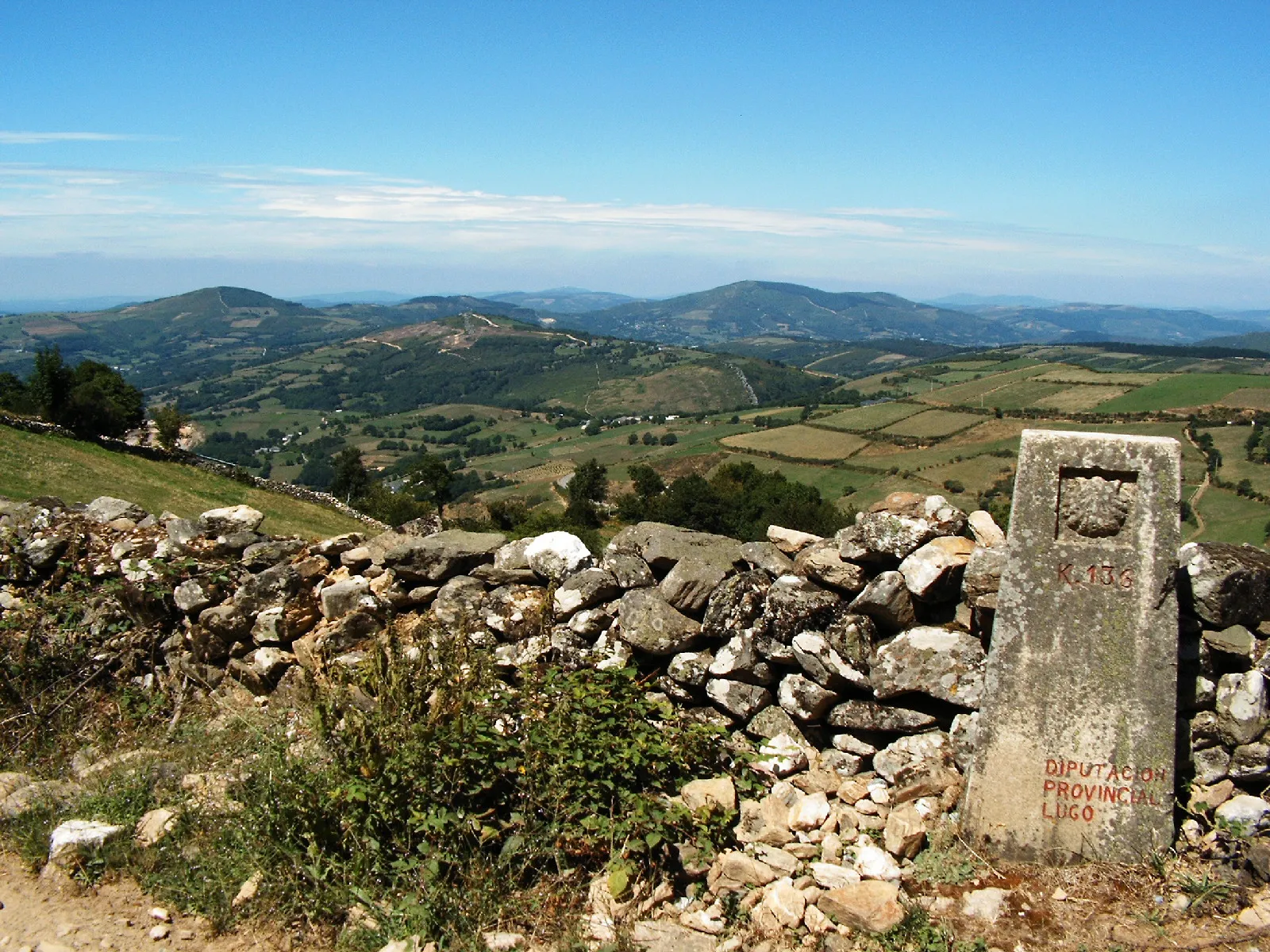
Triacastela
Lug in the French Way that offers the pilgrim the first major decision in Galicia: to take the beautiful detour of Samos or the shorter route to St. Silo.
History of The Camino by Bike
Bicycle pilgrimage to Santiago began taking shape significantly in the second half of the 20th century, as cycling tourism became popular as a form of leisure and adventure. The first bicigrinos were pioneers, often following the same trails as walkers with sturdy bicycles, facing technical difficulties in certain sections. With the spectacular resurgence of the Camino from the 80s and 90s, demand grew and the route began to adapt.
One key factor in this history is the creation of a specific route. It became clear that the medieval original path was not always cycleable: excessively rocky trails, stairs in towns, narrow paths or impassable muddy tracks. Therefore, associations of friends of the Camino, guidebook editors, and even bicigrinos themselves were creating and documenting variants that, without straying from the spirit of the original itinerary, flow through agricultural roads or secondary roads with low traffic that parallel the pedestrian path. This guarantees safety and smoothness for the journey, although sometimes sacrificing a brief stop at some small landmark on the original route.
The Church also recognized this new form of pilgrimage, establishing its own rules for obtaining the "Compostela". If the foot pilgrim is required to cover the last 100 kilometers, the bicigringo is asked to cover the last 200. This rule has made cities like Ponferrada, with its imposing Templar castle, into the most popular starting point for cyclists, as it is about 200 km from Santiago.
The infrastructure of the Camino has also evolved to accommodate this new group. Many hostels, both public and private, have set aside safe spaces for bicycles, washing areas and basic tools for repairs. Specialized companies have emerged in bike rentals and luggage transport, making logistics much easier for the journey. The bicigringo is no longer a rarity but an integral part of the Camino's ecosystem.
Cycling the Camino Francés is an experience of great visual and physical intensity. It allows crossing the peninsula's complete diversity in two weeks, from the Pyrenees Navarre to the Galician woods, passing through La Rioja's vineyards and the vastness of the Meseta. It is a different form of pilgrimage that, although changes the pace, maintains intact the essence of the journey: personal challenge, meeting other pilgrims, and the incomparable emotion of arriving at the Plaza del Obradoiro.
Accommodations on the Route
The The Camino by Bike has 198 verified accommodations along the entire route.
View Stages & AccommodationsPractical Tips for The Camino by Bike
Best Season
Spring (April-June) and autumn (September-October) are the best seasons. Pleasant temperatures and fewer crowds than summer.
Physical Preparation
Train by walking progressively in the months before. Start with short distances and increase. Your body will adapt to the rhythm of the Camino.
What to Pack
Light backpack (max 10% of your weight), worn trekking shoes, breathable technical clothing, raincoat, sunscreen and basic first aid kit.
General Tips
Carry the pilgrim credential, stay hydrated, respect your pace, book accommodation in high season and enjoy the journey without rushing.
FAQ about The Camino by Bike
El Camino Francés en bicicleta tiene una longitud total de 779 km, que generalmente se recorre en unos 14 días. Ourway Travel te proporciona la ruta detallada y las etapas programadas para cada día.
La dificultad del Camino Francés en bicicleta se considera media, ya que incluye tramos con desniveles pronunciados y distancias diarias extensas. Ourway Travel te proporcionará todas las recomendaciones necesarias para enfrentar el desafío.
La mejor época para realizar el Camino Francés en bicicleta es entre abril y junio, o septiembre y octubre. Durante estas temporadas, se disfruta de un clima agradable sin demasiada lluvia y con una población de peregrinos moderada que permite una experiencia más tranquila.
El paquete de Ourway Travel para el Camino Francés en bicicleta incluye la gestión completa del itinerario, alojamiento asegurado en albergues especializados y hoteles, así como el transporte seguro de tu equipaje entre etapas. También te proporcionamos asesoramiento experto antes y durante el viaje.
El costo del paquete para el Camino Francés en bicicleta con Ourway Travel varía según las fechas de viaje y las opciones adicionales que elijas. Nos comprometemos a ofrecerte un precio justo que incluya todas las comodidades necesarias para una experiencia sin preocupaciones.
La principal diferencia entre hacer el Camino Francés en bicicleta y a pie radica en la velocidad y el ritmo del viaje. La bicicleta permite recorrer distancias mayores cada día, ofreciendo una visión más dinámica de los paisajes. En contraste, caminar ofrece un contacto más cercano con el entorno natural y un mayor espíritu meditativo.
La elección del camino depende de tus preferencias personales, disponibilidad de tiempo y estilo de viaje. El Camino Francés es más extenso pero ofrece una gran variedad de paisajes, mientras que los caminos Portugués y Primitivo son alternativas más cortas con características únicas en su belleza natural y cultura local.
Para obtener la credencial del peregrino, es necesario presentarse en cualquier oficina de turismo o albergue acreditado por Santiago de Compostela. Ourway Travel te guiará en este proceso y te proporcionará un listado completo de dónde puedes recoger tu credencial.
Ready for this adventure?
Let us organize your pilgrimage. We take care of accommodations, transfers and everything you need.