
Complete Guide to The Primitive Way
Embark on the Camino Primitivo, the first pilgrimage route to Santiago. A mountainous challenge from Oviedo with spectacular landscapes and a deep sense of history. Perfect for adventurers.
Last updated: 28/03/2026
Table of Contents
Technical Summary of The Primitive Way
321 km
Distance
14
days
14
Stages
Alta
Difficulty
191 accommodations available on the route
Introduction to The Primitive Way
Known for its hardness due to constant inclines, but rewarding pilgrims with breathtaking landscapes, native forests, and a lower crowd, allowing for a more introspective experience. It passes through charming localities such as Tineo and Lugo, whose Roman wall is UNESCO World Heritage Site. It's the perfect option for those seeking a physical challenge and a deep connection to the origins of the Way and nature.
All Stages of The Primitive Way
Complete route divided into 14 stages
Oviedo to Huelva
The Camino Primitivo starts with force. This first stage is a declaration of intentions, a challenge that immerses the pilgrim in the essence of rural and mountainous Asturias. Leaving behind monument...
Degree in Salas
This stage ventures into western Asturias, offering a medium-difficulty route through undulating terrain. The trail departs from Grado to tackle the ascent of Alto de la Doriga, before descending into...
Salas de Tineo
This stage is a considerable challenge, marked by a long and sustained ascent that takes the pilgrim from the valley to the village of Tineo, located over 650 meters above sea level. The route runs th...
Thorn in the Side / The Spine
This stage offers an important bifurcation for the pilgrim. From Tineo, the path splits off, allowing one to choose either the variant of Hospitales (more mountainous and demanding) or Pola de Allande...
Barrages of Berducedo
This is the queen stage of the Primitivo Way, a high mountain trek, legendary for its hardness, wild beauty and isolation. This route, only recommended with good weather, ascends above 1,100 meters an...
Brededuo to Grandas de Salime
This stage is famous for its impressive views and for the vertiginous descent to Grandas de Salime's reservoir. The journey begins with a gentle ascent to Alto do Buspol, from where the large reservoi...
Steps of Salome to A Fonsagrada
At this stage, the pilgrim faces the last major ascent of the Primitivo Way: the climb to Puerto del Acebo. This long and sustained ascent marks the border between Asturias and Galicia. The path runs ...
From Fonsagrada to O Cádavo Baleira
This stage ventures into the heart of rural and mountainous Galicia. The profile is a continuous rise and fall, a "breakneck" terrain that runs along forest trails, "corridors", and small local roads....
From Cadaver Bay to Lugo
This final stage marks the approach to the great city of Lugo. The profile is predominantly descending and much smoother than previous stages, allowing for a faster and more relaxed walk. The route pa...
Lugo to Ponte Ferreira
This stage, starting from the monumental Lugo, returns the pilgrim to rural and tranquil Galicia. The profile is gentle with light undulations, and runs through a landscape of fields, meadows, and sma...
To Ponte Ferreira at Melide
This is the final stage of the Camino Primitivo as an independent route. It's a journey through a "rocky terrain" that crosses the Sierra do Careón, the last mountainous obstacle. The landscape is of ...
Melide to Arzúa
Until the Camino Primitivo and Francés are unified, this stage is a pleasant walk through Galicia's most gentle landscape. The profile is smooth, with constant but short ascents and descents that run ...
Aroxo to O Penedo
Known as the "pilgrim's anxiety" stage, this journey is the precursor to Santiago. It is a relatively short and gentle route with soft undulations that mostly follow forest trails through eucalyptus f...
To Pedrouzo from Santiago de Compostela
The last and most magical stage of the Camino Francés. It is loaded with emotion and symbolism. The first part unfolds in a rural environment similar to that of previous days. The first major moment a...
Key Towns of The Primitive Way
The most important towns and cities on this route.
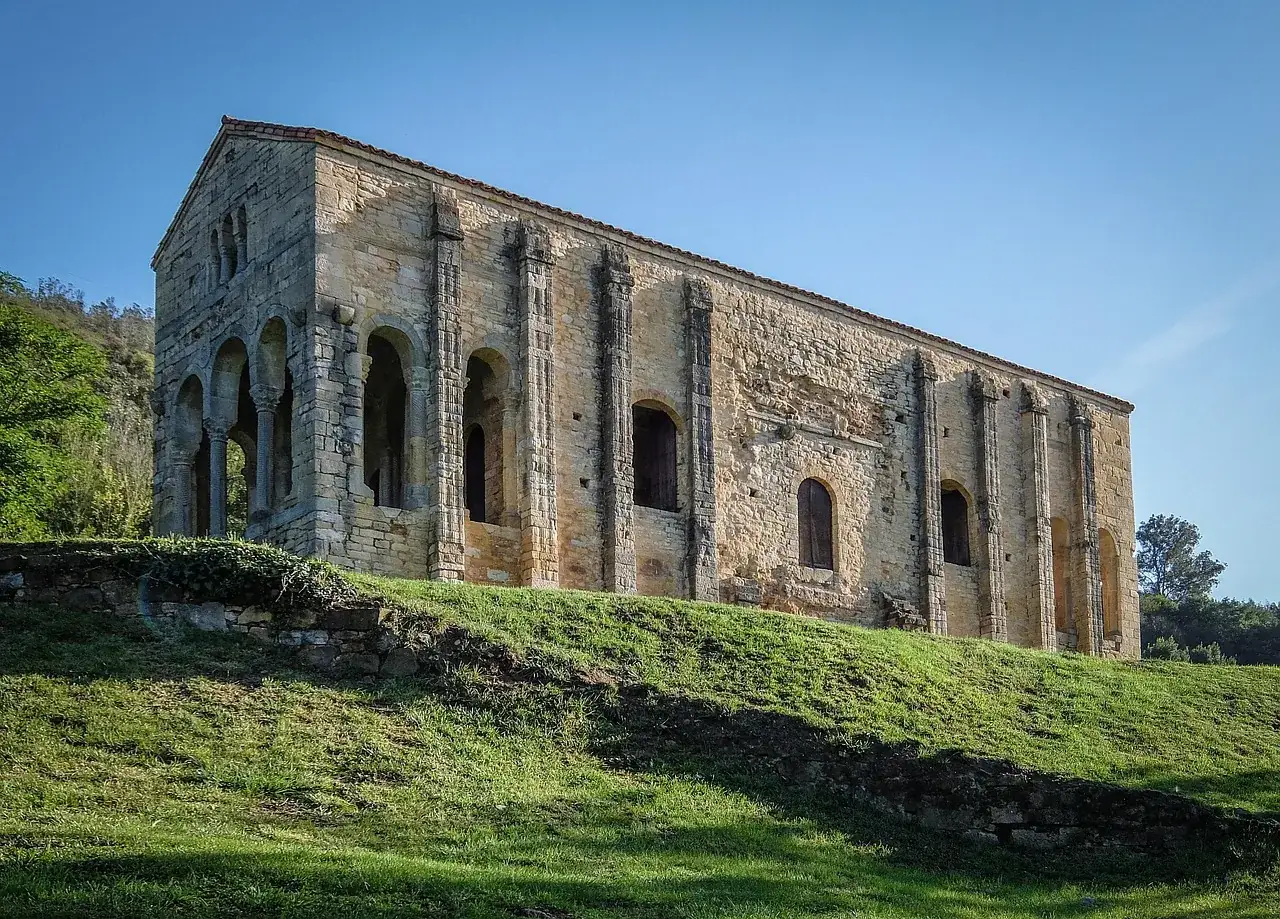
Oviedo
Capital of Asturias and the birthplace of the Way of St. James. Oviedo is the starting point of the Primitive Way, the original route. Its Cathedral and pre-Romanesque art are must-see attractions.
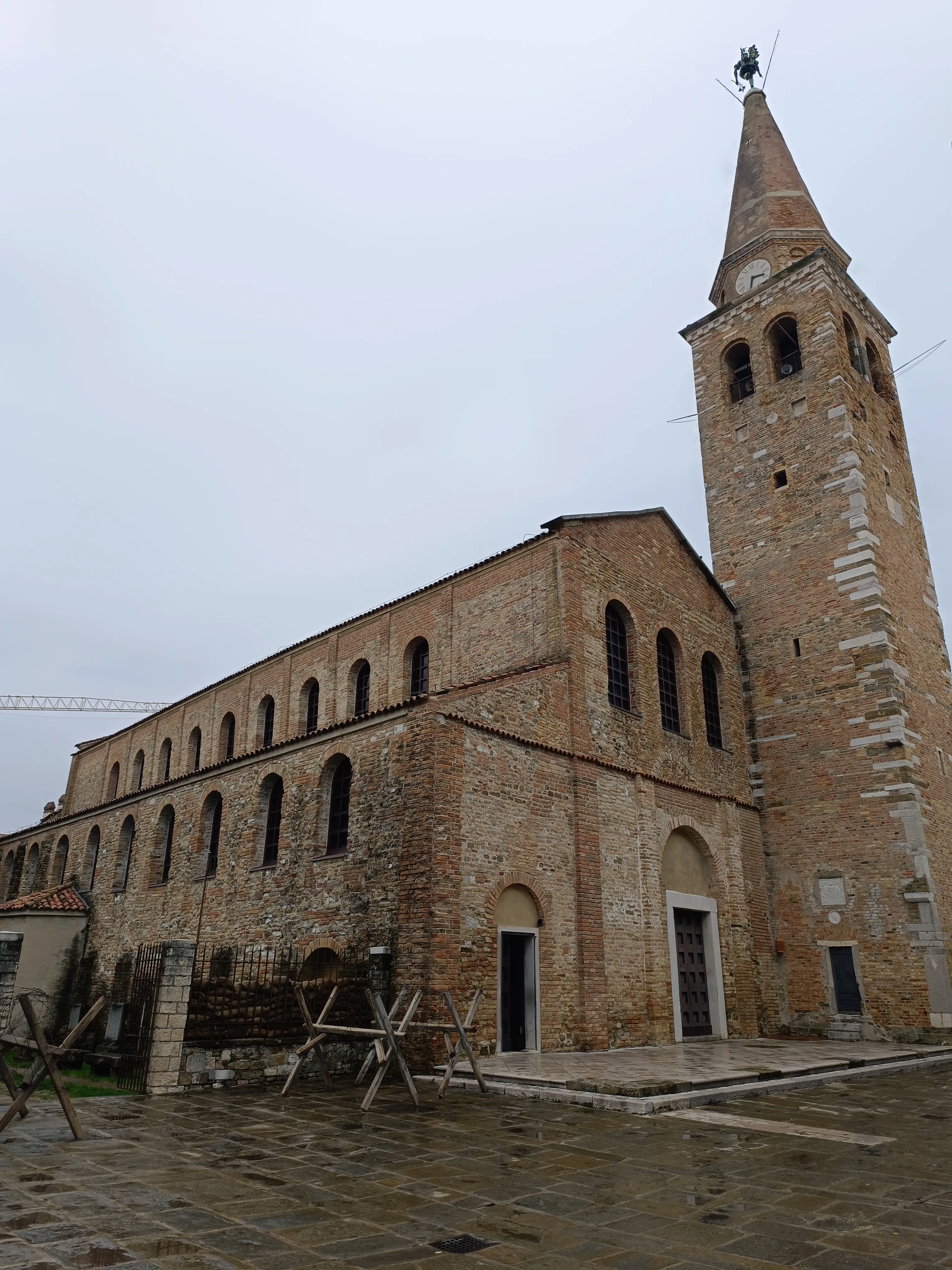
Grado
Austrian-style village and capital of the municipality, Grado is an important stop on the Primitivo Way. Famous for its lively market and heritage, it offers a taste of traditional rest.
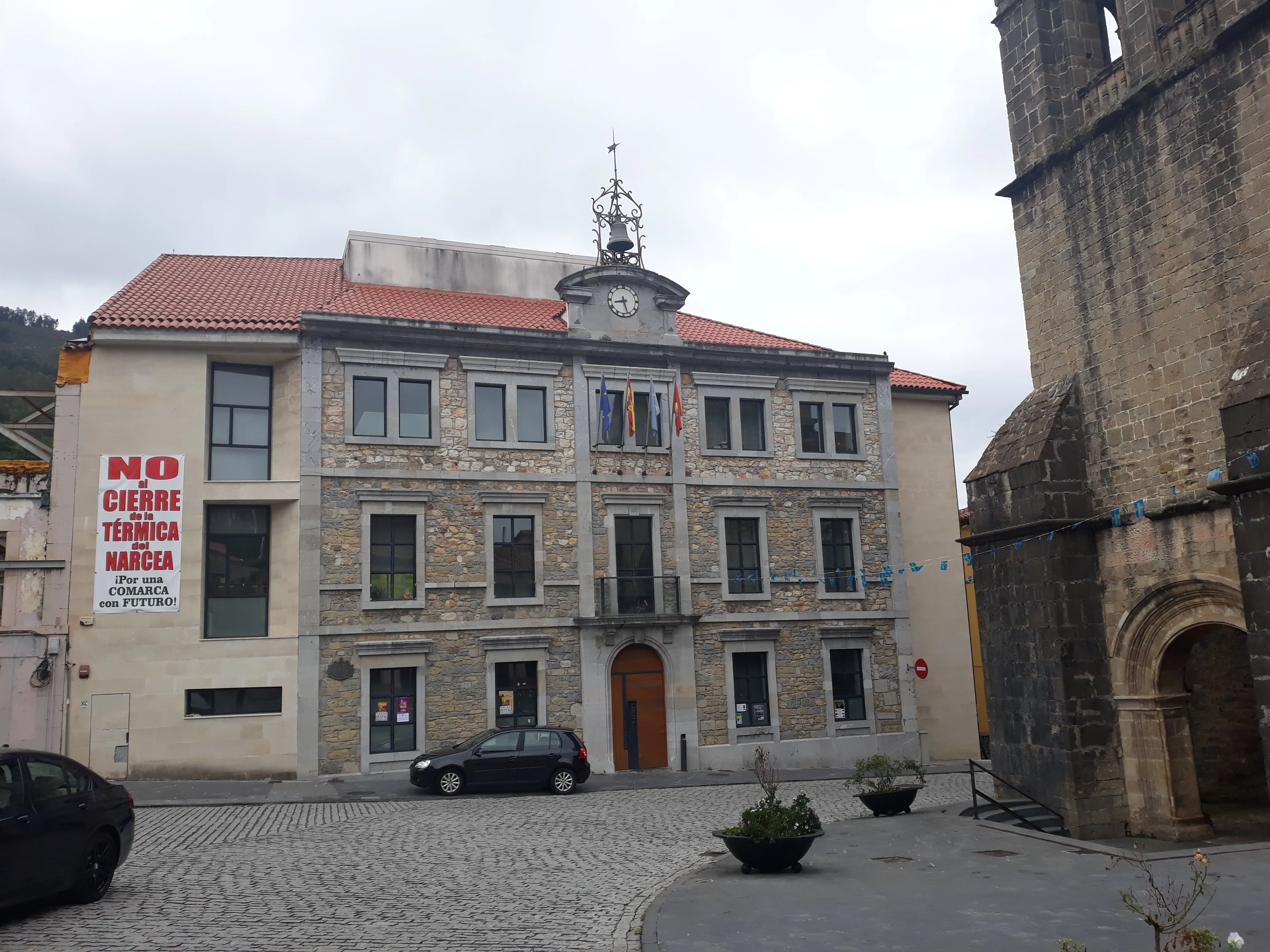
Salas
Medieval castle in the heart of the Camino Primitivo. The rooms and imposing Castle-Tower of the Valdés offer the pilgrim a monumental stopover filled with history and Asturian charm.
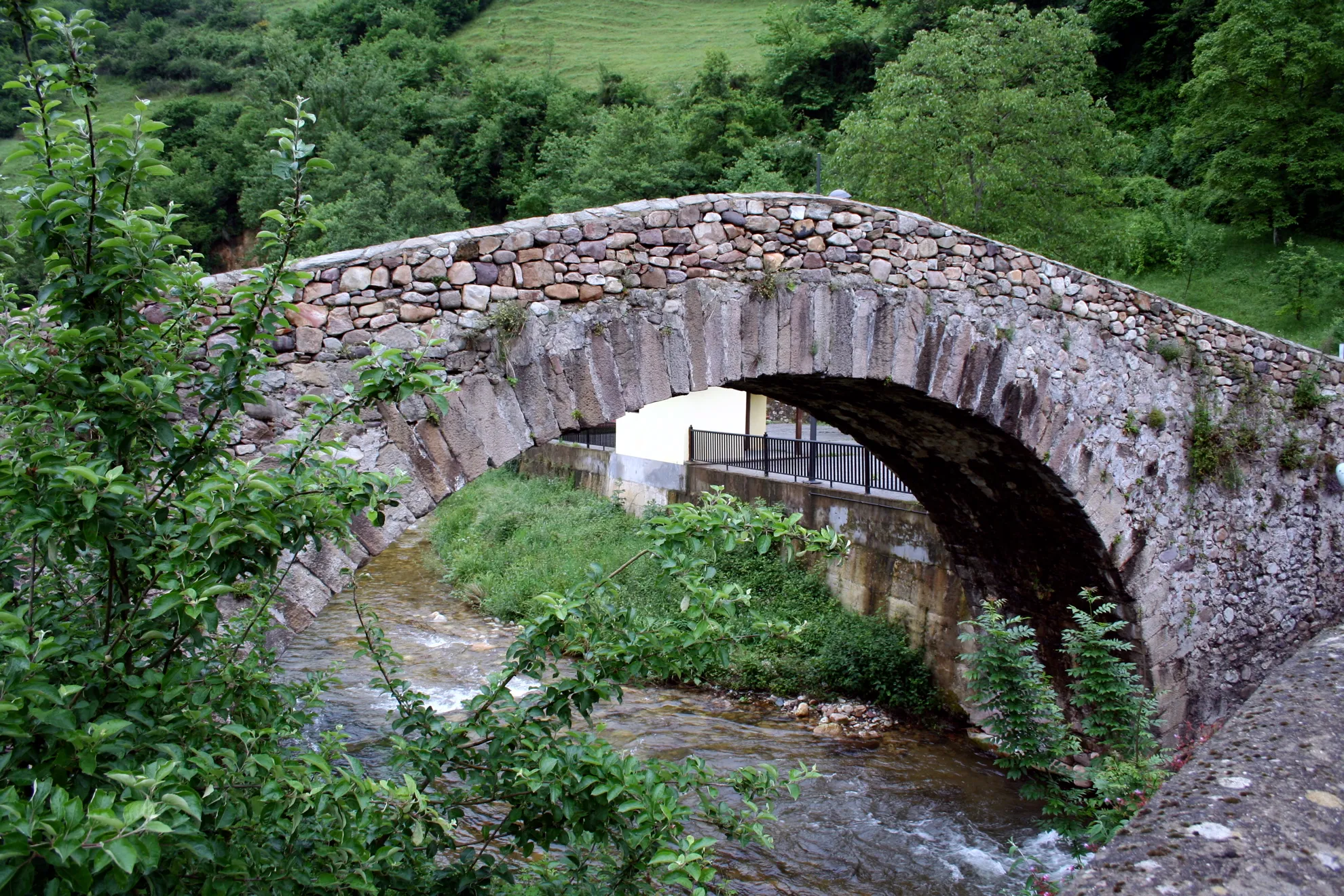
Tineo
Key stage and historic village at the heart of the Primitivo Way. Tineo offers the pilgrim a well-deserved rest among mountain landscapes, with a rich Jacobean heritage and Asturian hospitality.
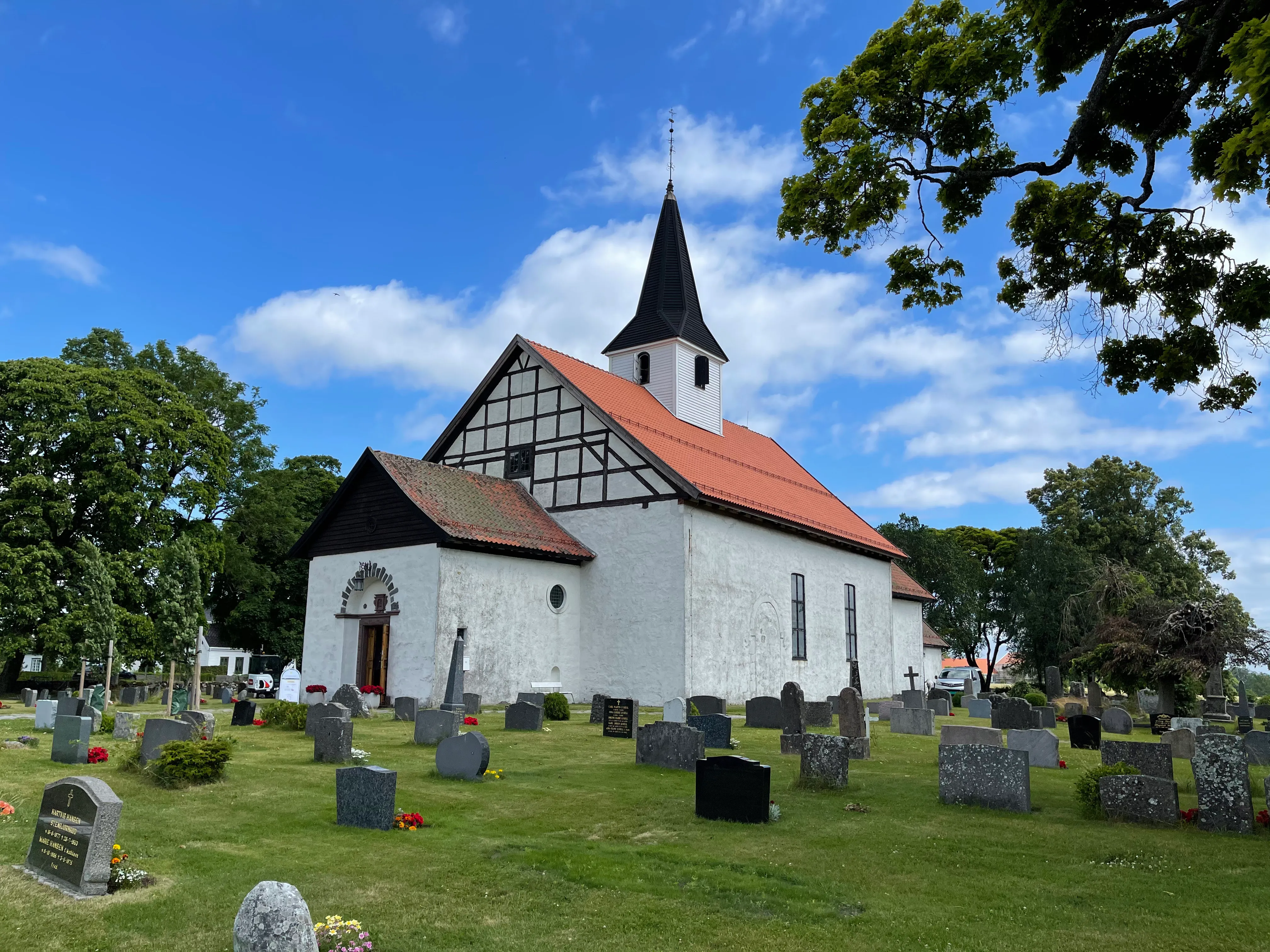
Borres
Small village on the Primitive Way where the route forks. Borres offers the pilgrim the choice between the historic route of the hospitals, more difficult, or the path to Pola de Allande.
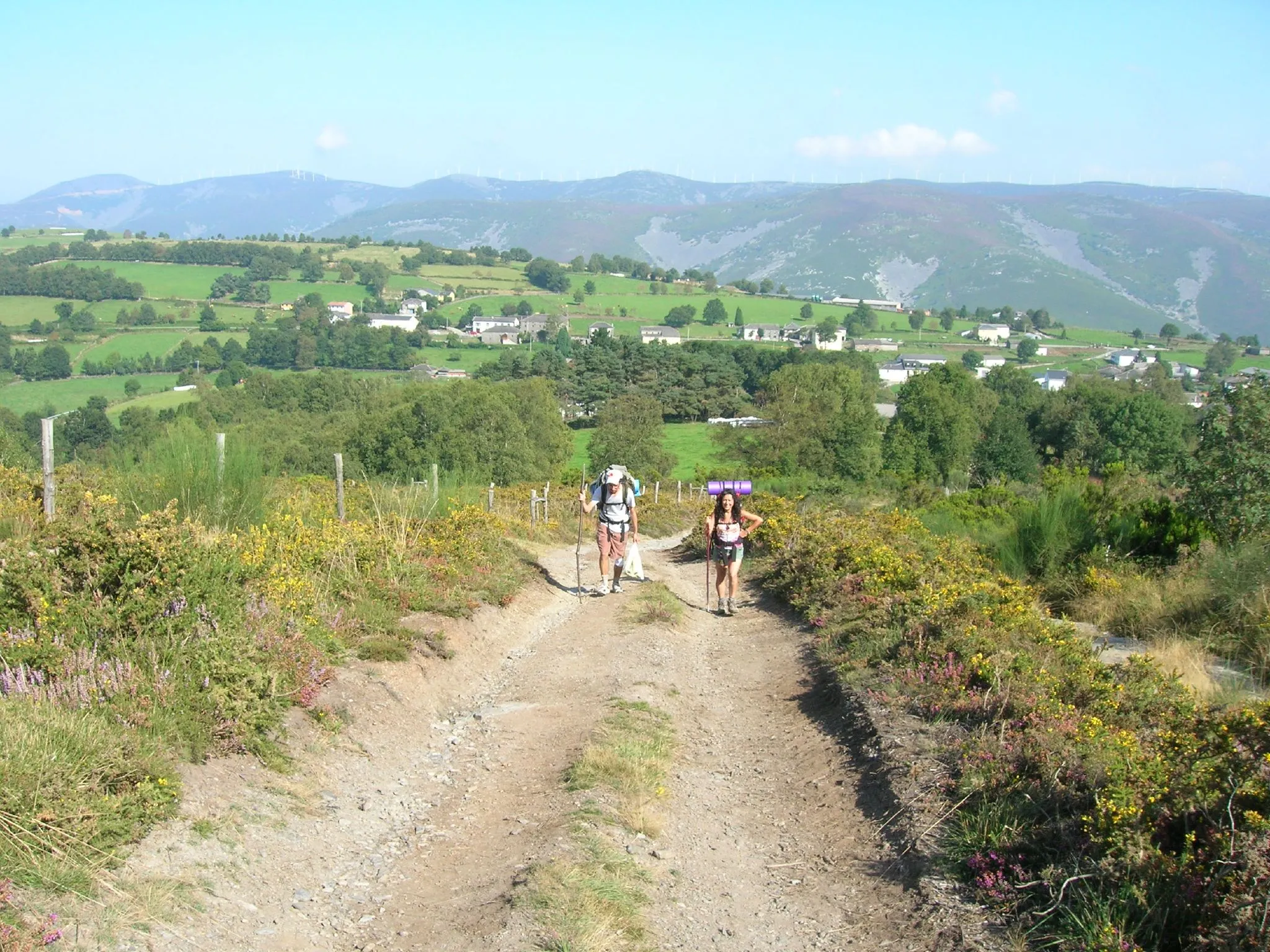
Berducedo
Mountain village in the queen stage of the Primitivo Way. Berducedo is an oasis of hospitality and a vital refuge for pilgrims traversing the harsh Allande mountains.
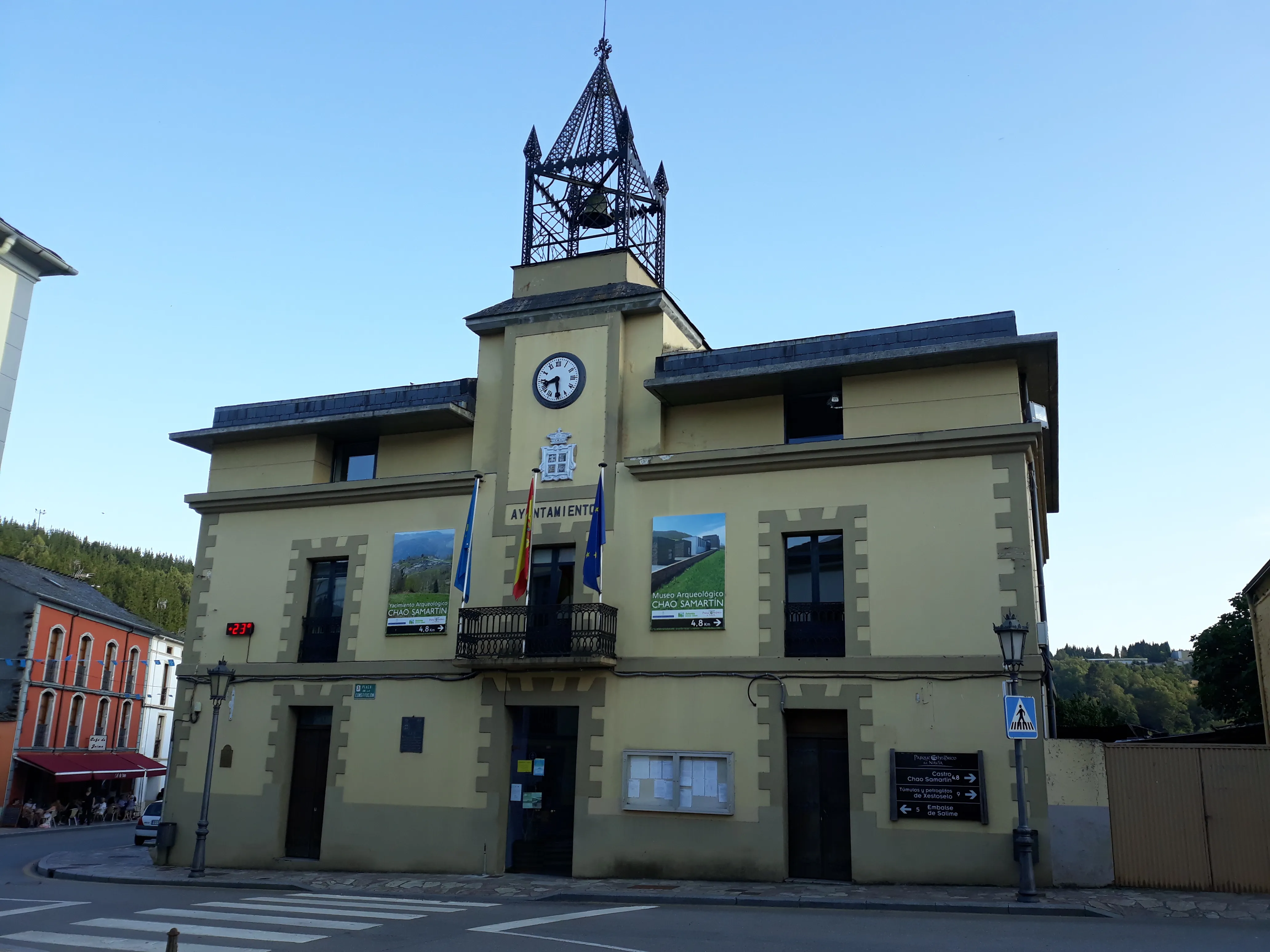
Grandas de Salime
Asturian villa in the west and end of the Primitivo Way, famous for its Ethnographic Museum and reservoir, offers a cultural and scenic stop before entering Galicia.
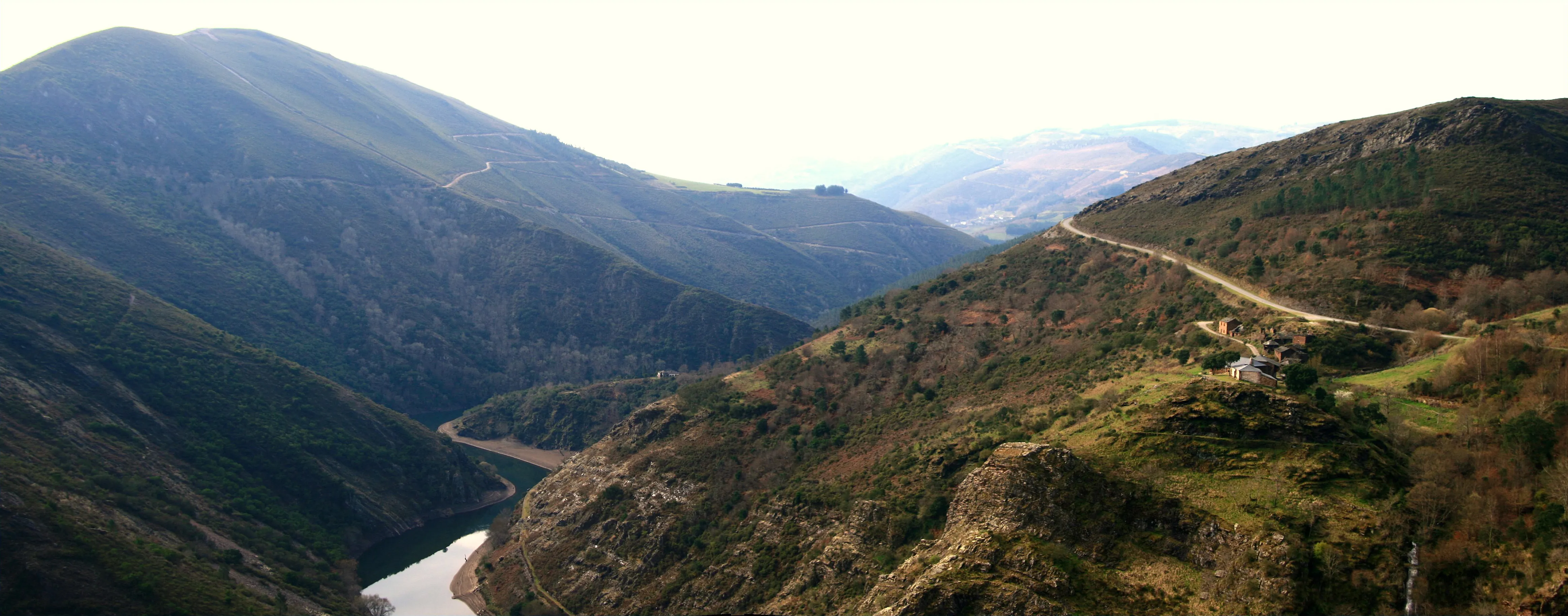
A Fonsagrada
Gateway to Galicia on the Primitive Way. At Fonsagrada, in the Lucanian mountain, it welcomes pilgrims with hospitality, rich cuisine and the energy of Galician lands.
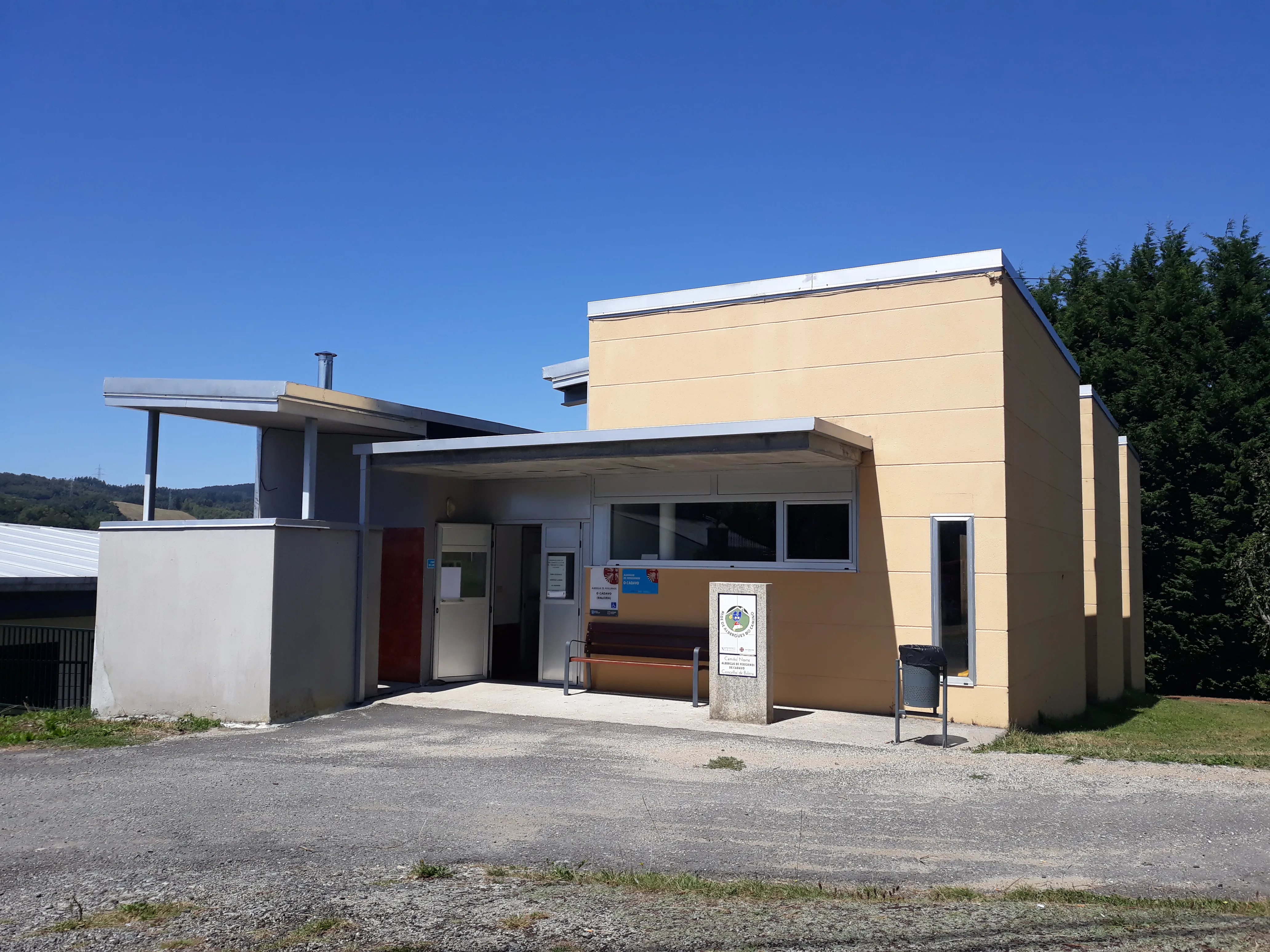
O Cádavo Baleira
Capital of the Baleira council and stop on the Primitive Way. O Cádavo offers the pilgrim a peaceful rest in the heart of Lugo mountain and essential services for the route.
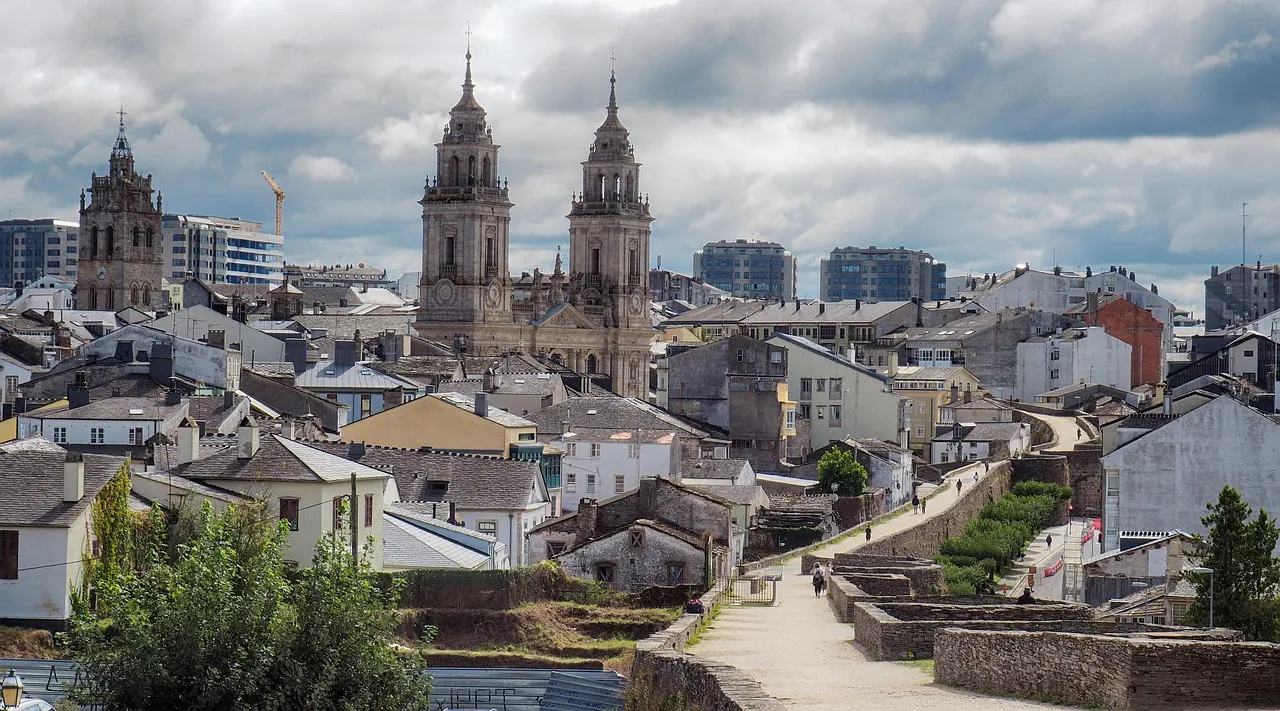
Lugo
Ancient bimillennial city and gem of the Primitivo Way. Its Roman Wall, World Heritage Site, embraces a vibrant historic quarter, offering the pilgrim history, culture and Galician cuisine.
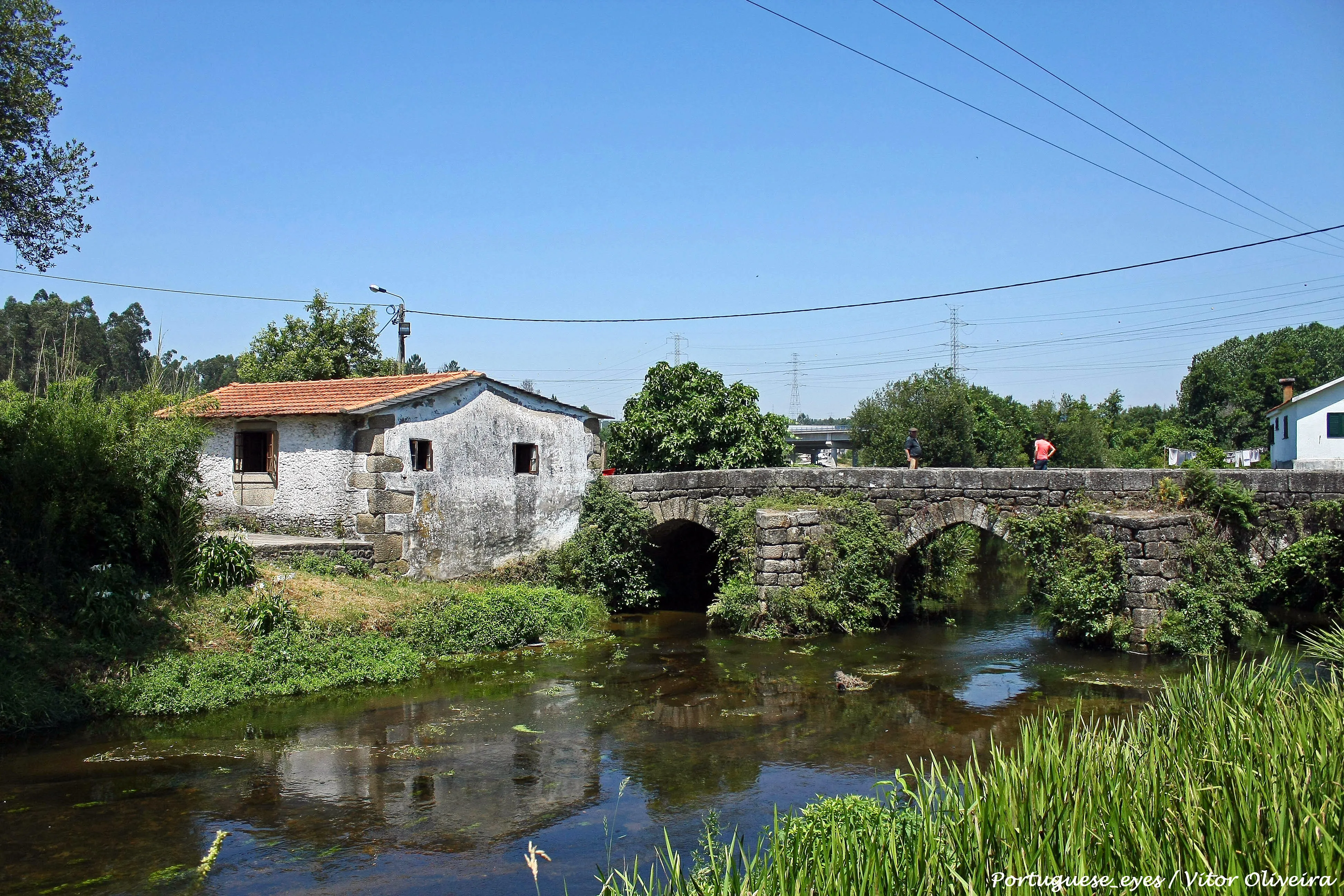
A Ponte Ferreira
450 mPicturesque Galician village with an iconic bridge. At Ponte Ferreira is a haven of peace on the Jacobean routes of Lugo, a place to enjoy the rural landscape and calmness.
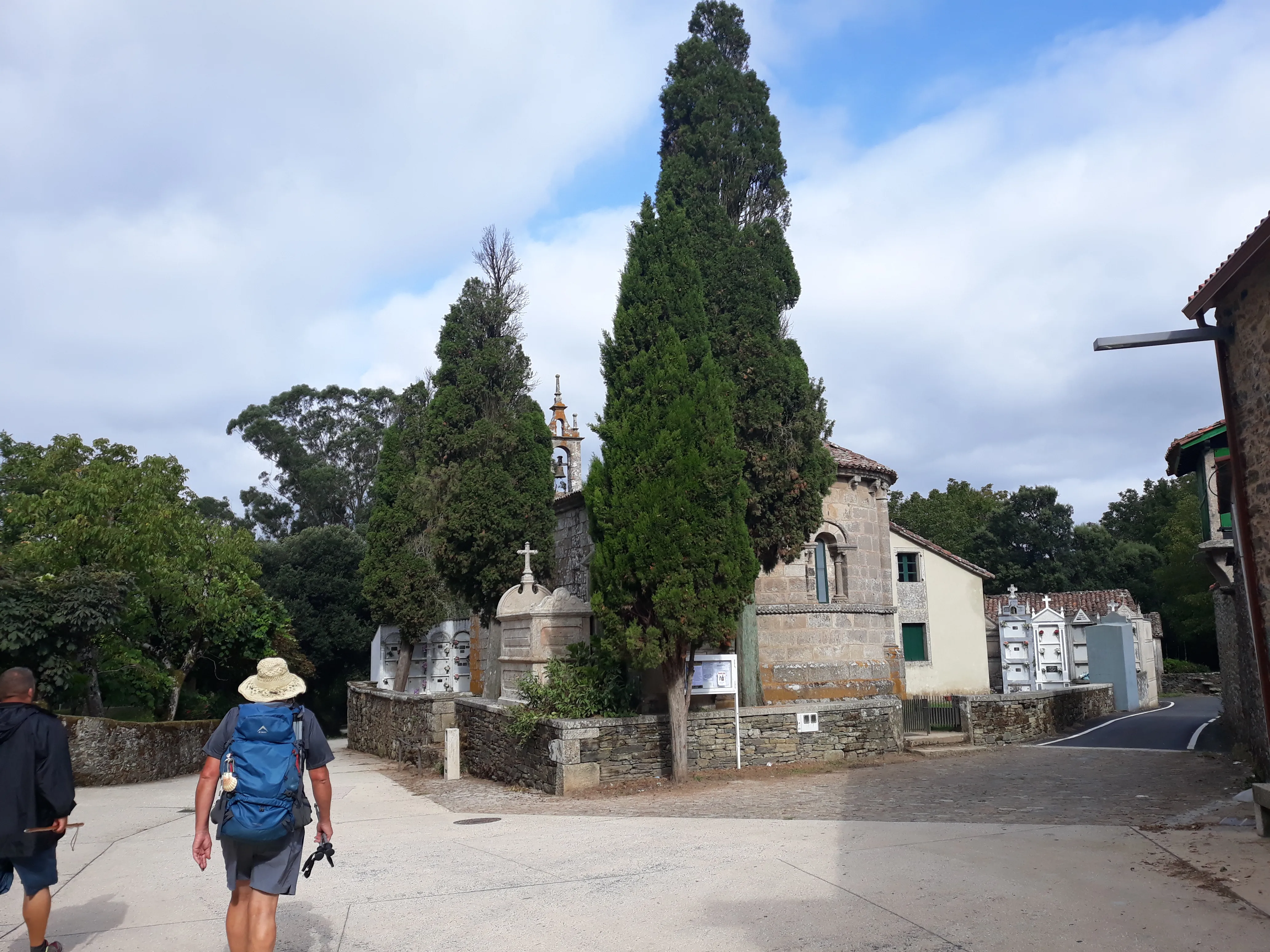
Melide
Geographical heart of the Way in Galicia and capital of the octopus. In Melide, the French Way and the Primitive Way converge, creating a vibrant meeting point for pilgrims from all over the world.
History of The Primitive Way
Everything began in the early 9th century, around 813, when an hermit named Pelayo, guided by a star, discovered an ancient tomb in the forest of Libredón containing the remains of a martyr. The news reached the ears of Teodomiro, bishop of Iria Flavia, who quickly identified the remains as those of Saint James the Greater. This pivotal discovery arrived at the court of Alfonso II in Oviedo, capital of the nascent Kingdom of Asturias and last bastion of Christianity on a peninsula dominated by the Muslim power of Al-Ándalus.
Alfonso II, a pious and strategic monarch, immediately understood the importance of the discovery. Between 820 and 830, he embarked on a journey from Oviedo to the site of the discovery, accompanied by his entourage. This was not a simple act of personal devotion; it was a masterful political maneuver. By validating the tomb personally, Alfonso II established a powerful symbol for his kingdom, a spiritual patron - Saint James the Conqueror - under whose protection he could unite his subjects and legitimize the struggle of the Reconquista. His journey inaugurated the Camino Primitivo. Upon arrival, he ordered the construction of a modest church of adobe and stone over the tomb, the seed from which today's majestic Cathedral of Santiago grew. By this act, Alfonso II is considered not only the first pilgrim but also the first architect of the Jacobean cult.
During the 9th and 10th centuries, the Camino Primitivo was the principal and safest route to Compostela. The itinerary ran entirely through Christian territory, across the rugged but secure mountains of Asturias and Galicia. It began at the Cathedral of San Salvador in Oviedo, an important center of pilgrimage in its own right due to the valuable relics it housed in its Santa Chamber, such as the Holy Sudarium. The popular saying "Who goes to Santiago and not to Salvador visits the servant rather than the Lord" already indicated the importance of starting the journey in Oviedo.
However, as the Reconquista advanced towards the south, the center of power shifted from Oviedo to León. From the 11th century onwards, with the pacification of the meseta, the Camino Francés consolidated itself as a shorter, more direct route for European pilgrims and was equipped with better infrastructure thanks to the impulse of kings like Sancho III the Great and Alfonso VI. The Camino Primitivo lost its prominence, although it never was completely abandoned. Its demanding geography kept it as a route for local pilgrims seeking a greater challenge or devout individuals who wanted to honor the original route.
The secular isolation that its geography bestowed upon it paradoxically saved it. The trail remained extraordinarily well preserved, untouched by large industrial and urban transformations. It traverses breathtaking natural scenery, native forests, and villages that seem frozen in time. Landmarks like the ascent up the Route of the Hospitals, the passage through the Monastery of Obona, or the arrival in Lugo with its imposing Roman walls (World Heritage Site) are testaments to its profound historical legacy.
In recent decades, the Camino Primitivo has experienced a spectacular resurgence. Modern pilgrims, seeking authenticity, greater physical challenge, and a closer connection to the origins of the tradition, have rediscovered it. Its recognition as a World Heritage Site by UNESCO in 2015, within the "Caminos del Norte de España", has solidified its status as one of the most rewarding, challenging, and spiritually significant routes leading to Compostela.
Accommodations on the Route
The The Primitive Way has 191 verified accommodations along the entire route.
View Stages & AccommodationsPractical Tips for The Primitive Way
Best Season
Spring (April-June) and autumn (September-October) are the best seasons. Pleasant temperatures and fewer crowds than summer.
Physical Preparation
Train by walking progressively in the months before. Start with short distances and increase. Your body will adapt to the rhythm of the Camino.
What to Pack
Light backpack (max 10% of your weight), worn trekking shoes, breathable technical clothing, raincoat, sunscreen and basic first aid kit.
General Tips
Carry the pilgrim credential, stay hydrated, respect your pace, book accommodation in high season and enjoy the journey without rushing.
FAQ about The Primitive Way
Se llama Primitivo porque es la ruta de peregrinación más antigua documentada. Fue el itinerario que siguió el rey Alfonso II el Casto en el siglo IX desde Oviedo hasta Santiago de Compostela tras el descubrimiento de la tumba del Apóstol, convirtiéndose en el primer peregrino conocido.
Sí, el Camino Primitivo es considerablemente más montañoso y exigente que el Francés. Atraviesa zonas de alta montaña asturiana con desniveles pronunciados. A cambio, ofrece paisajes espectaculares y menos masificación. Se recomienda buena preparación física.
El Camino Primitivo tiene aproximadamente 321 km desde Oviedo hasta Santiago de Compostela, distribuidos en 14 etapas. Se une al Camino Francés en Melide, compartiendo las últimas etapas hasta Santiago.
Mayo, junio y septiembre son los mejores meses. El terreno montañoso modera las temperaturas en verano. En invierno los puertos pueden tener nieve y el barro dificulta el camino. La primavera ofrece paisajes verdes espectaculares con menos peregrinos.
Sí, aunque más espaciados que en el Camino Francés. En algunas etapas los albergues están en pequeñas aldeas y conviene llevar comida de reserva. La red es suficiente pero se recomienda planificar bien las etapas, especialmente la travesía de los Lagos de Saliencia.
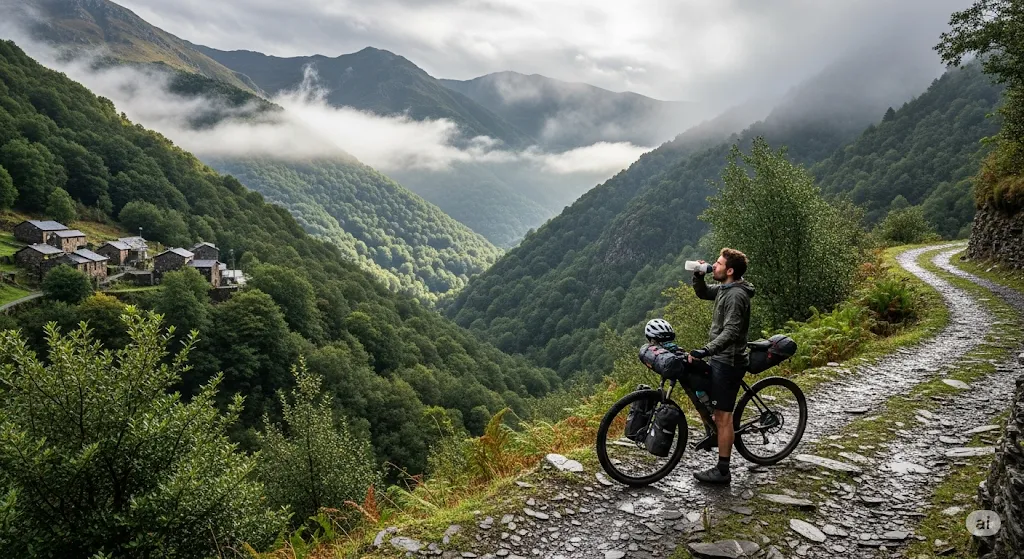
Es técnicamente posible pero muy exigente. El perfil montañoso con fuertes desniveles lo convierte en uno de los más difíciles en bici. Algunos tramos tienen senderos estrechos poco aptos para bicicleta. Solo se recomienda para ciclistas muy experimentados.
El punto de partida es la Catedral de Oviedo, Patrimonio de la Humanidad. Destacan el Monasterio de Obona, el embalse de Grandas de Salime, los pazos gallegos y la muralla romana de Lugo. Los paisajes asturianos con brañas y seles son únicos.
Sí, el Camino Primitivo confluye con el Camino Francés en Melide, compartiendo las últimas etapas hasta Santiago. También se puede combinar con el Camino del Norte haciendo la variante que une Vilalba con la costa. Son rutas complementarias que forman un gran bucle por el norte de España.
Related Routes
Ready for this adventure?
Let us organize your pilgrimage. We take care of accommodations, transfers and everything you need.