
Complete Guide to The North Cycle Route
Cycled along the Cantabrian Sea in the North Way. A spectacular cycling route of 14 stages that combines cliffs, beaches and green mountains of northern Spain.
Last updated: 28/03/2026
Table of Contents
Technical Summary of The North Cycle Route
814.7 km
Distance
14
days
15
Stages
Alta
Difficulty
275 accommodations available on the route
Introduction to The North Cycle Route
All Stages of The North Cycle Route
Complete route divided into 15 stages
I run in Zarautz on my bike.
Leaving behind the monumental Zamora, this stage enters into the Land of Bread. The route is a pleasant stroll through flat terrain, between fields of cereal. It's a day to enjoy the tranquility of th...
Zarautz to Markina-Xemein by bike
This stage continues on the Land of Bread, along a flat and monotonous route. The arrival at Granja de Moreruela is a key moment, as it is here that the Madrid Road meets the Via Plata. It is a day to...
Markina-Xemein to Bilbao by Bike
This stage follows the course of the Esla River on a flat and pleasant route. It's a day to enjoy the riverine landscape and the tranquility of the road. The arrival in Benavente, a city with a rich h...
Bilbao to Castro Urdiales by bike
Leaving behind the monumental Benavente, this stage enters into the valley of the River Tera. The route is an enjoyable stroll through flat terrain, between fields of cultivation. It's a day to enjoy ...
Castro Urdiales to Laredo (by bike)
This long stage enters the Carballeda region. The route is a continuous rise and fall through a landscape of forests and hills. It's a day of great beauty and physical demand. Arrival in Mombuey, a vi...
Ride a bike from Laredo to Santander.
This stage continues through the Carballeda region, on a route that combines sections of the ancient Roman road with trails between forests. It is a day of great beauty and solitude. The arrival at Pu...
Santander at Comillas by Bicycle
This is a high mountain stage that enters the Sierra of Culebra. The route is an uninterrupted ascent through a landscape of forests and rocks. It's a day of great beauty and physical demand. Arrival ...
Comillas to Llanes by Bike
This stage says goodbye to Castile and León to enter Galicia. The route is a continuous ascent to the top of A Canda, the entrance to Galicia. It's a day of great beauty and physical demand. Arrival a...
Cycles from Llanes to Gijón
This stage continues through the mountains of Ourense, on a route of great beauty and solitude. The path traverses a landscape of forests and meadows, with spectacular views. It's a day to enjoy natur...
Gijon to Cadavedo by Bike
This long and demanding stage enters the heart of Ourense province. The route is a continuous rise and fall through a landscape of forests and hills. It's a day of great beauty and physical demand. Ar...
Coffin ride to Ribadeo (by bicycle)
This stage is an enjoyable descent towards the monumental city of Ourense. The route passes through a rural and solitary landscape, which contrasts with the large city that approaches. Arrival in Oure...
Ribadeo to Vilalba by Bike
Leaving behind the monumental Ourense, this stage enters into the comarca of O Carballiño. The route is a continuous up and down through a landscape of forests and hills. It's a day of great beauty an...
Vilaflor de Albarracín a Alcañiz by bike
This long and demanding stage enters the heart of Galicia. The route is a continuous up and down through a landscape of forests and hills. It's a day of great beauty and physical demand. Arrival in La...
Monastery of the Two Monks at Arzúa
This stage enters the Manchegan plain. The profile is completely flat. The landscape is that of the tableland in its maximum expression: infinite horizons, fields of grain and vineyards. It's a day of...
Aurora over Santiago de Compostela (on horseback)
This stage is one of the most representative of the Palatine Tableland. It characterizes itself as a practically flat and straight route that often runs parallel to the road, through the vastness of t...
Key Towns of The North Cycle Route
The most important towns and cities on this route.
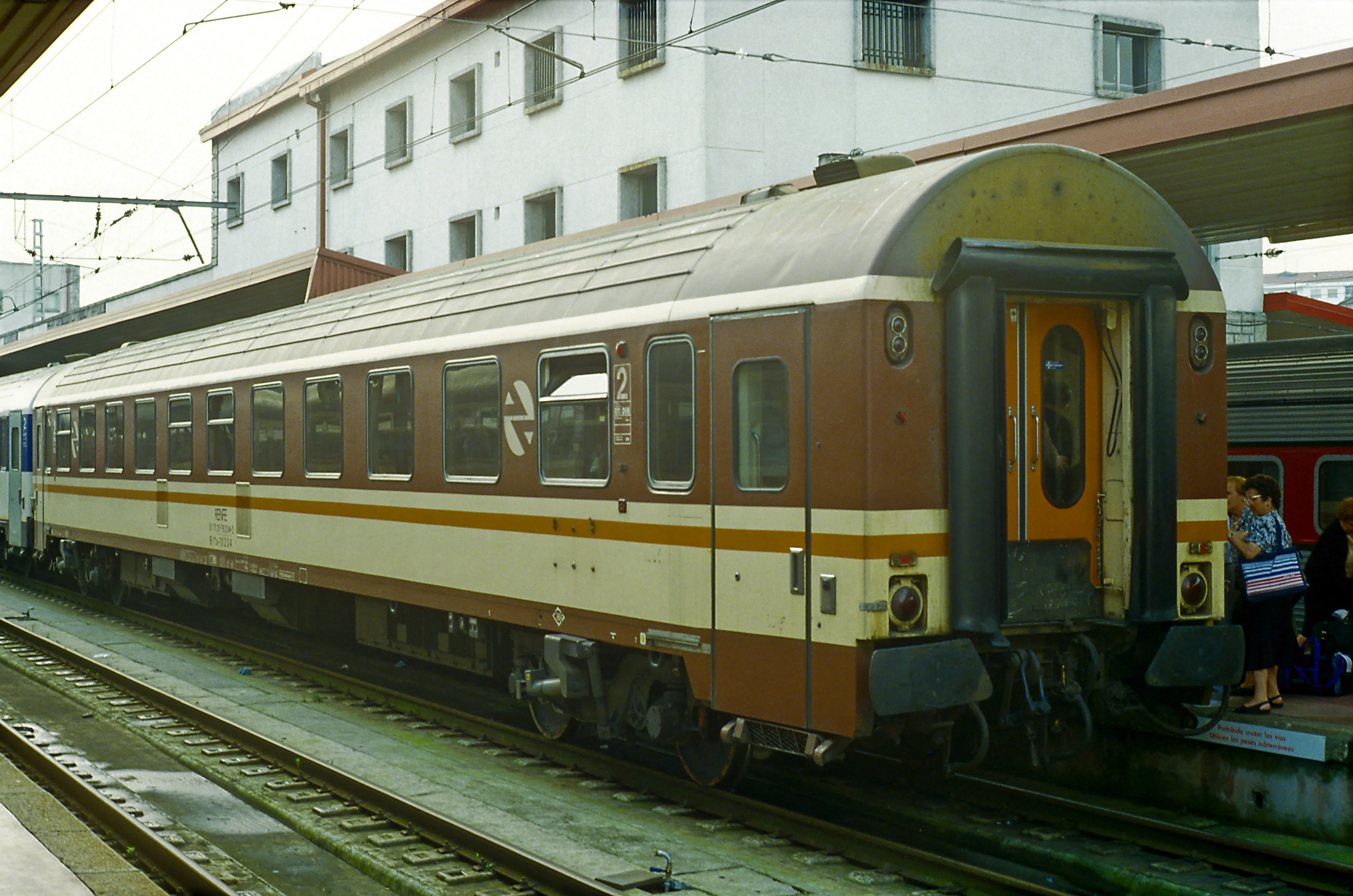
Irún
Entrance to the Way of St James on the Cantabrian coast. Irún, at the border with France, is the start of the North Way and the Vasco-Interior Way.
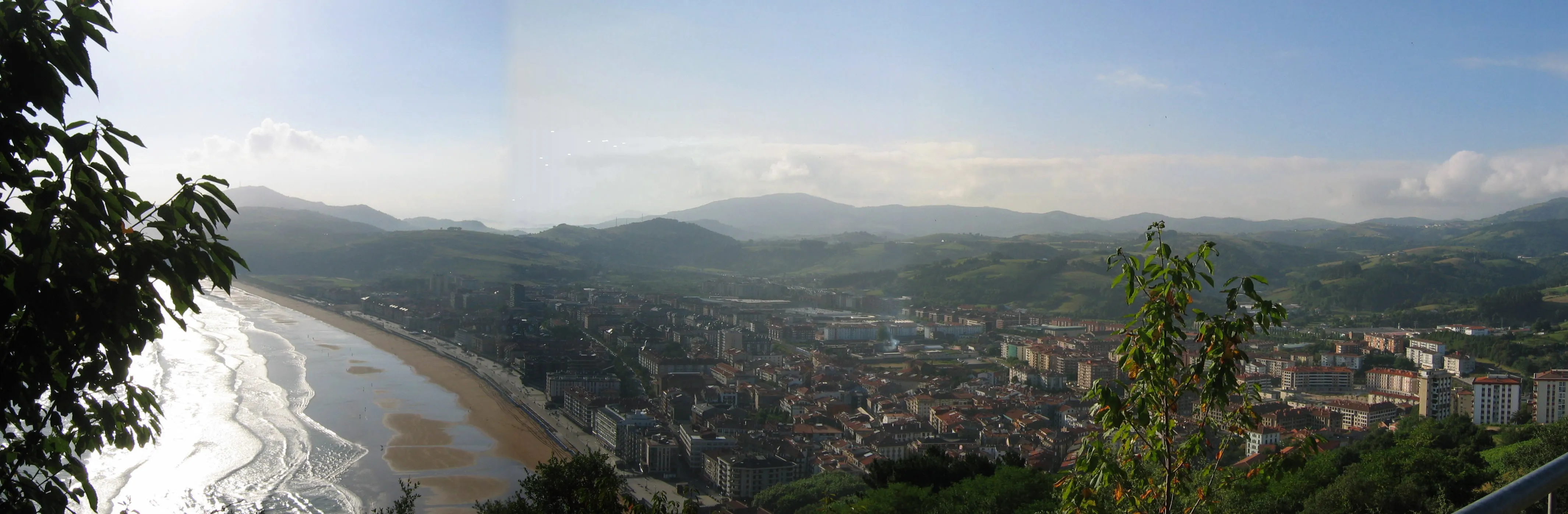
Zarautz
Surf capital of the Basque Country. Zarautz, with its vast beach and lively atmosphere, is one of the most vibrant and spectacular stops on the North Way.
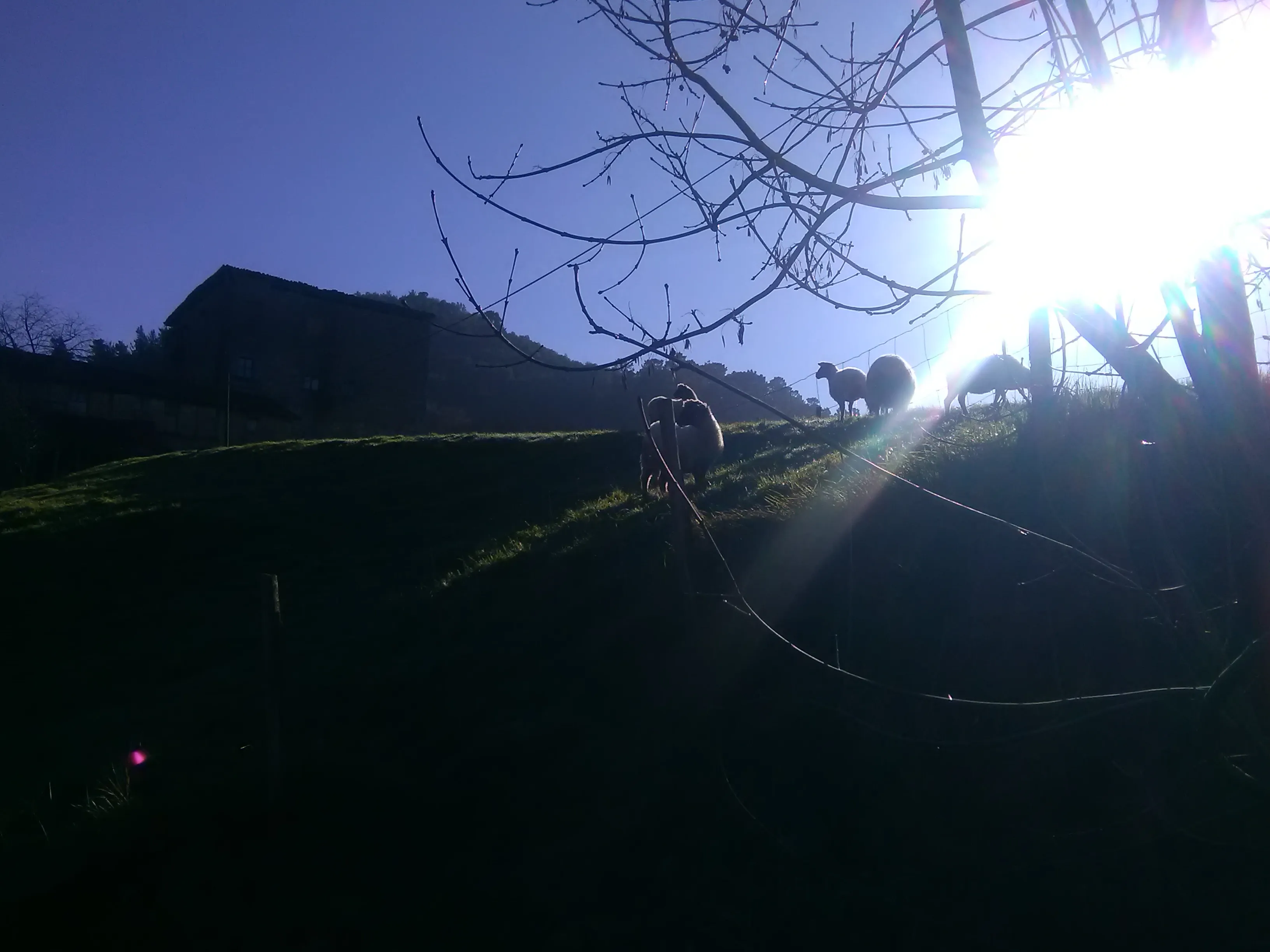
Markina-Xemein
Birthplace of the Basque ball. Markina-Xemein is a Vizcayan village with a deep sense of tradition and Basque culture, a stop on character in an interior variant of the North Way.
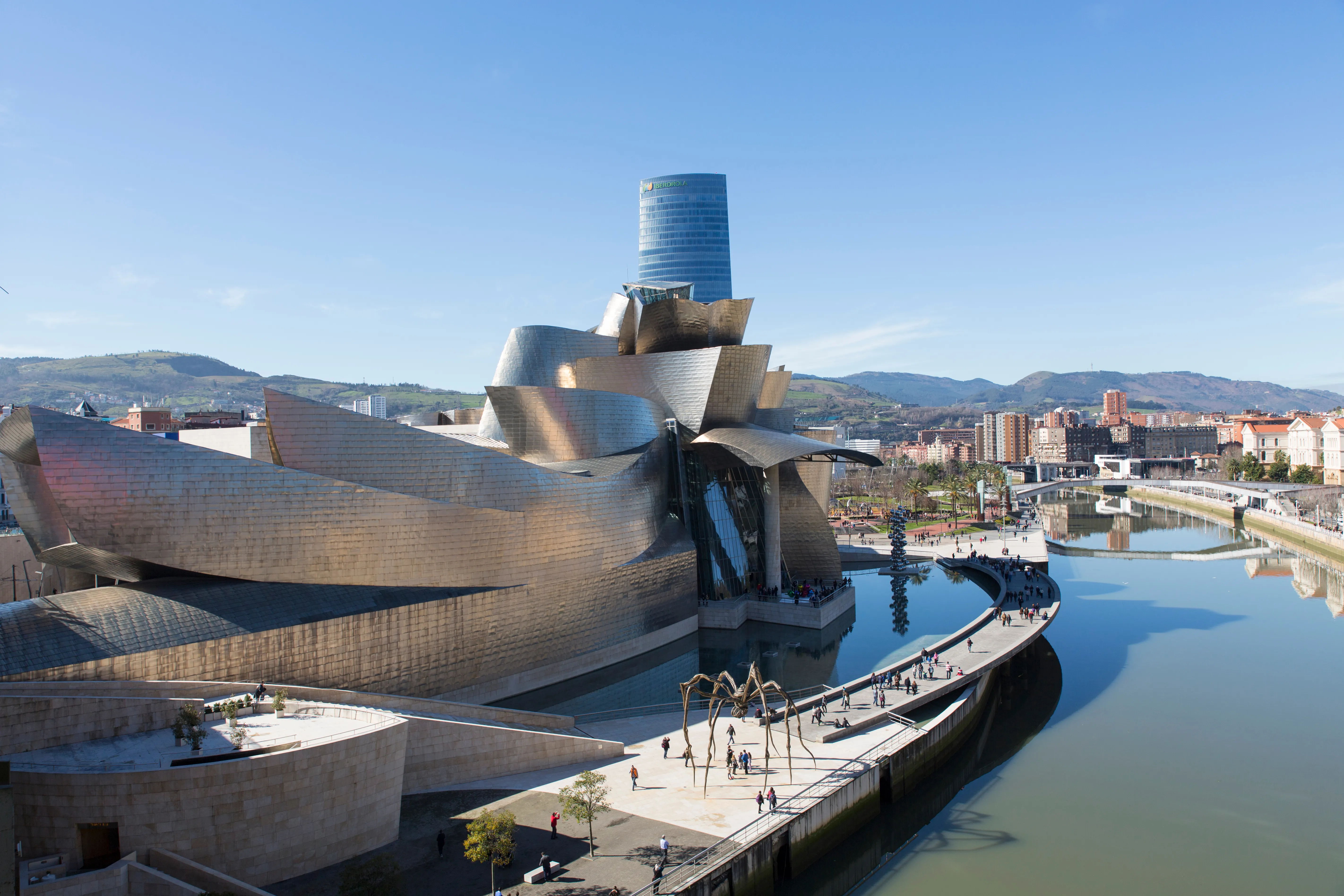
Bilbao
Vibrant start of the North Way. Bilbao offers the pilgrim a cosmopolitan beginning of the route marked by the Guggenheim Museum, its bay and exquisite pintxos cuisine.
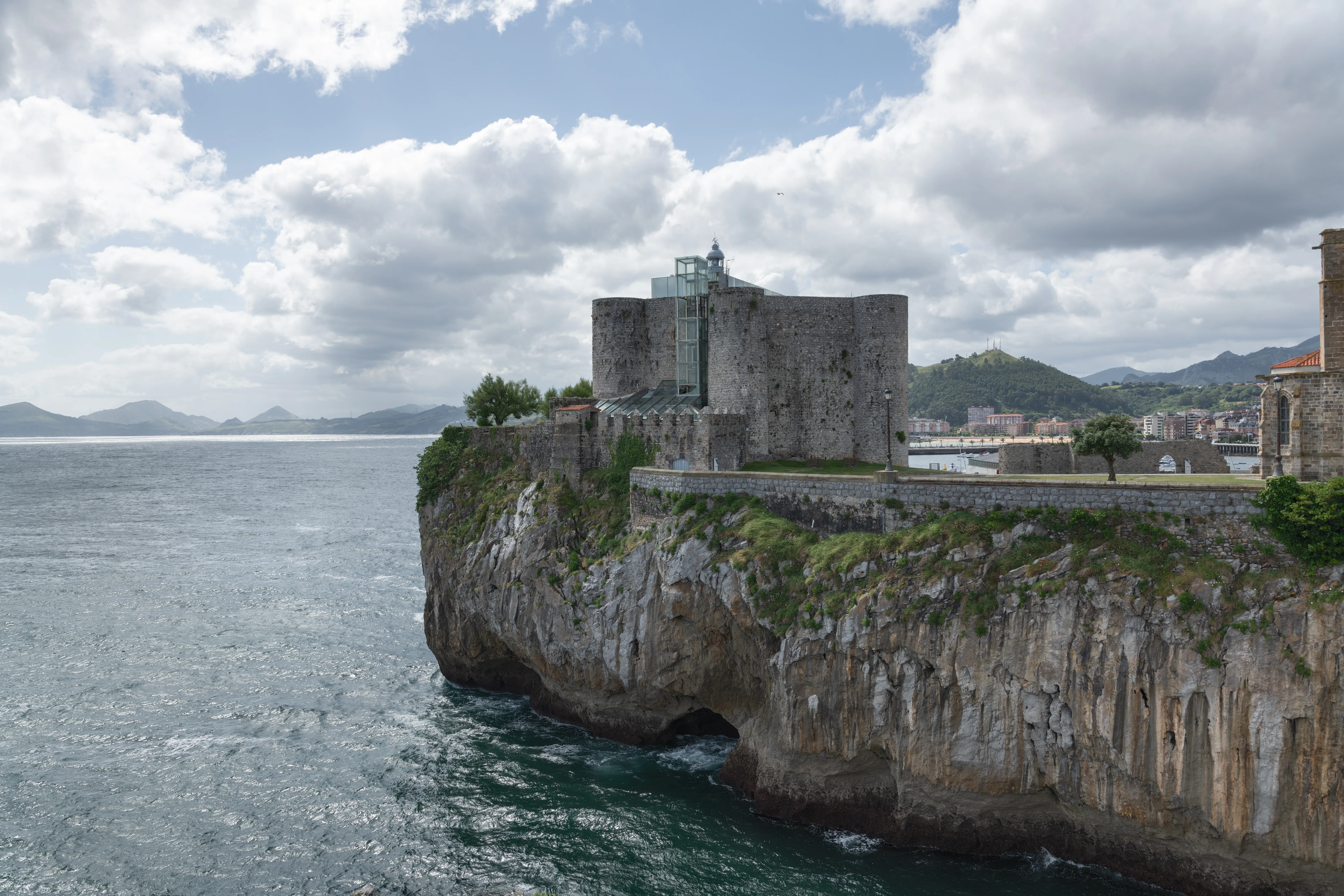
Castro Urdiales
Maritime villa of Cantabria with an impressive Gothic monumental ensemble. Castro Urdiales is one of the most beautiful and lively stops on the North Way along the eastern coast.
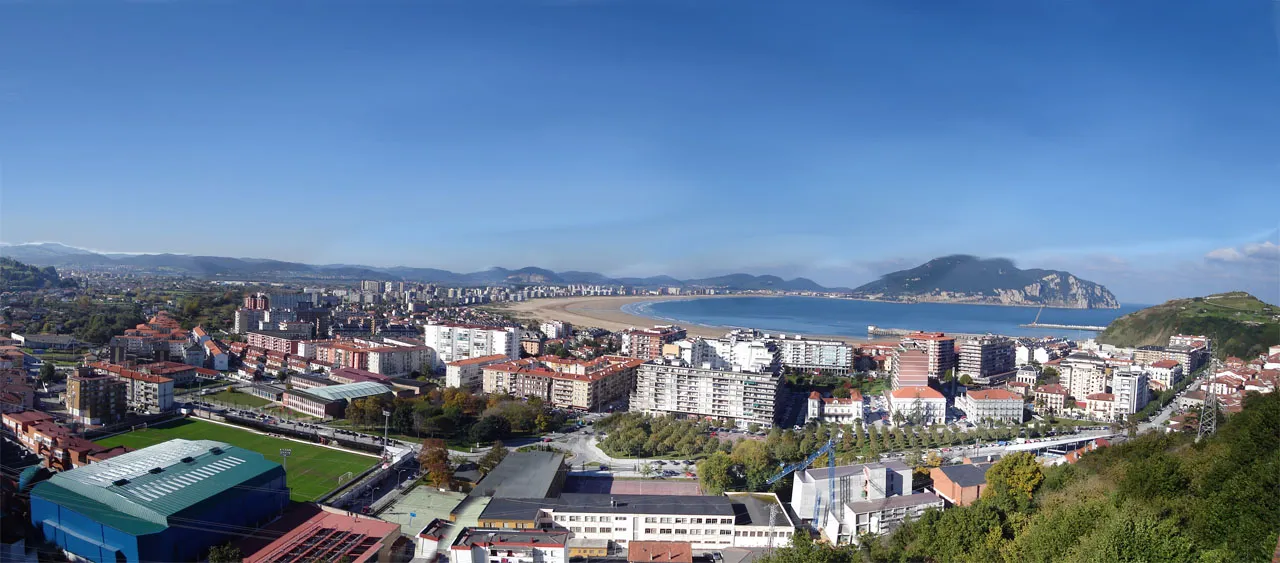
Laredo
Important maritime town of Cantabria and key stop on the Camino del Norte. Its vast beach of La Salvé and its medieval Old Town offer a perfect balance for the pilgrim.
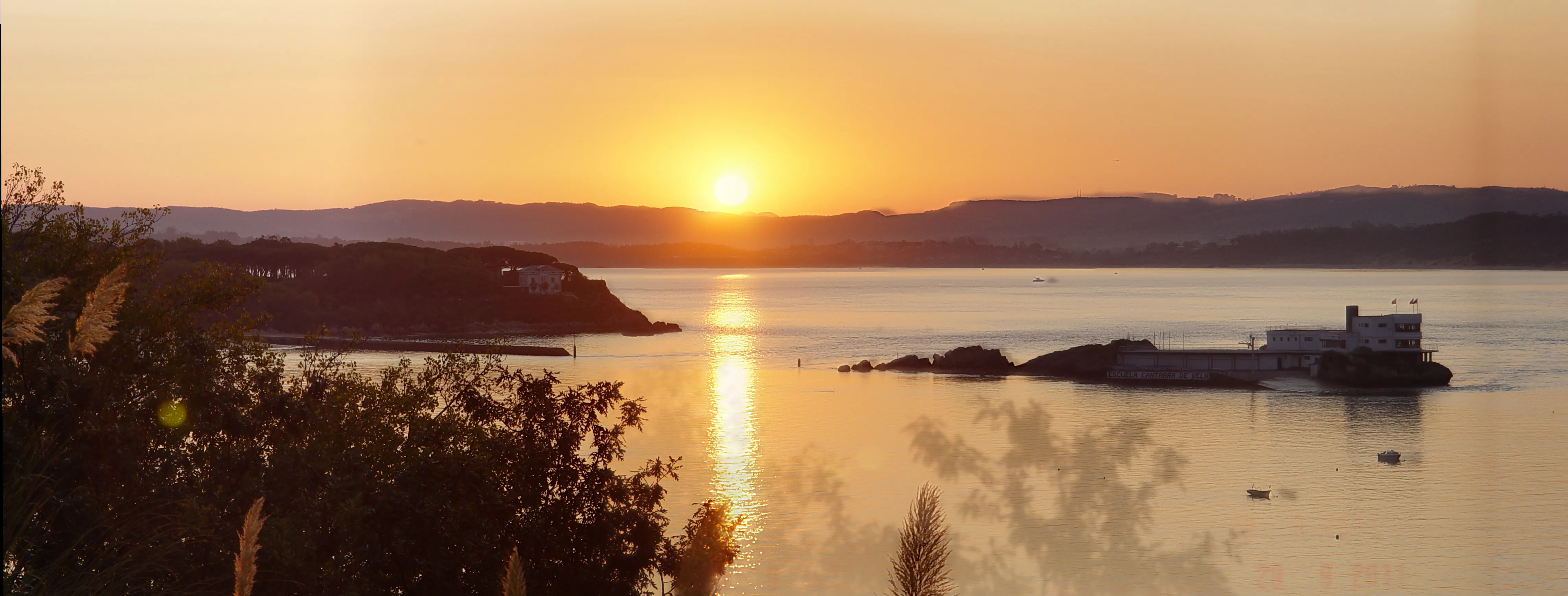
Santander
The elegant capital of Cantabria, perched on one of the world's most beautiful bays. A noble stop on the Camino del Norte, with beaches like El Sardinero and the Palace of La Magdalena.
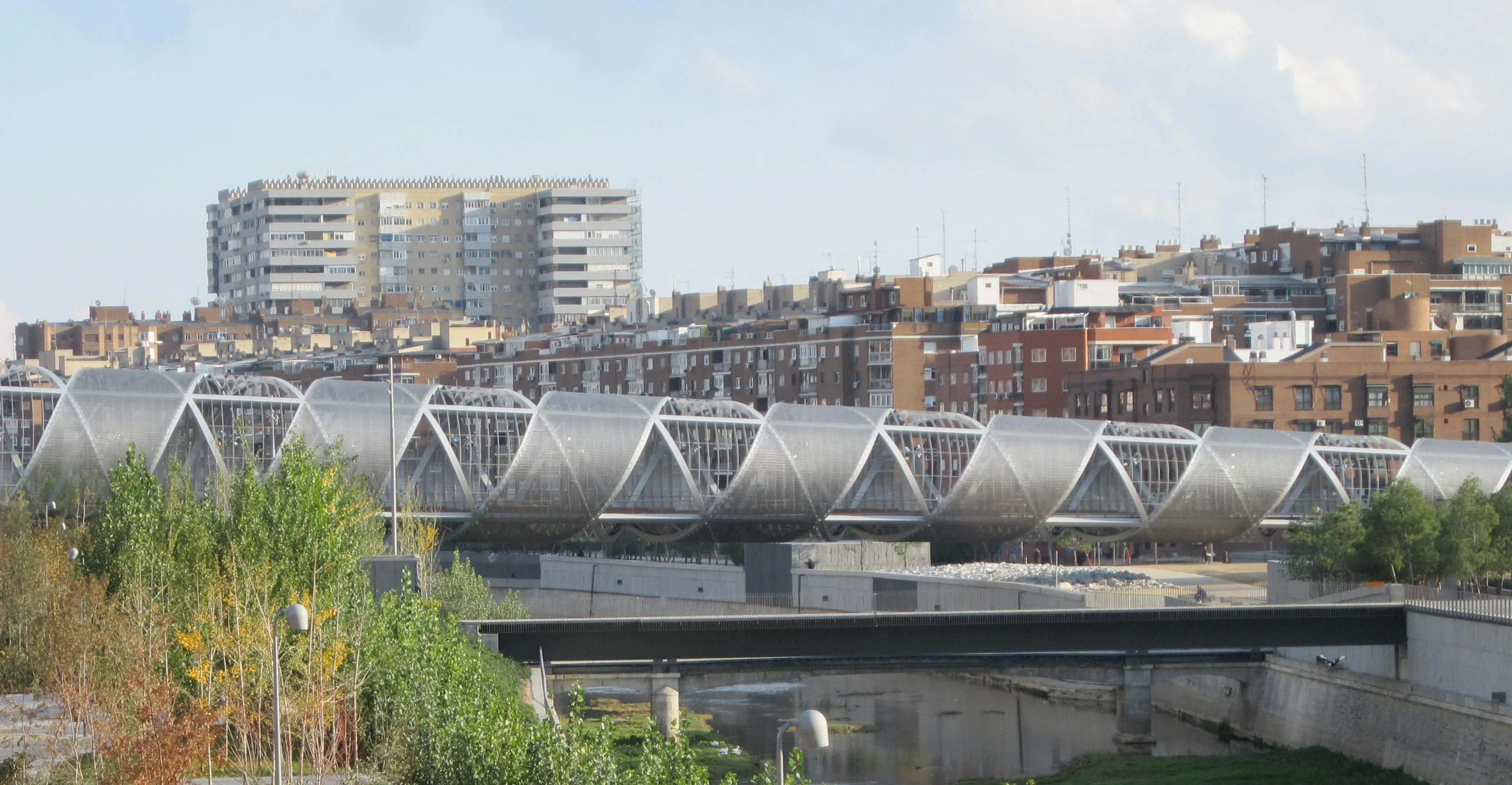
Comillas
A stately villa and jewel of Modernism in Cantabria, Comillas surprises on the Camino del Norte with works by Gaudí and an aristocratic atmosphere unique by the sea.
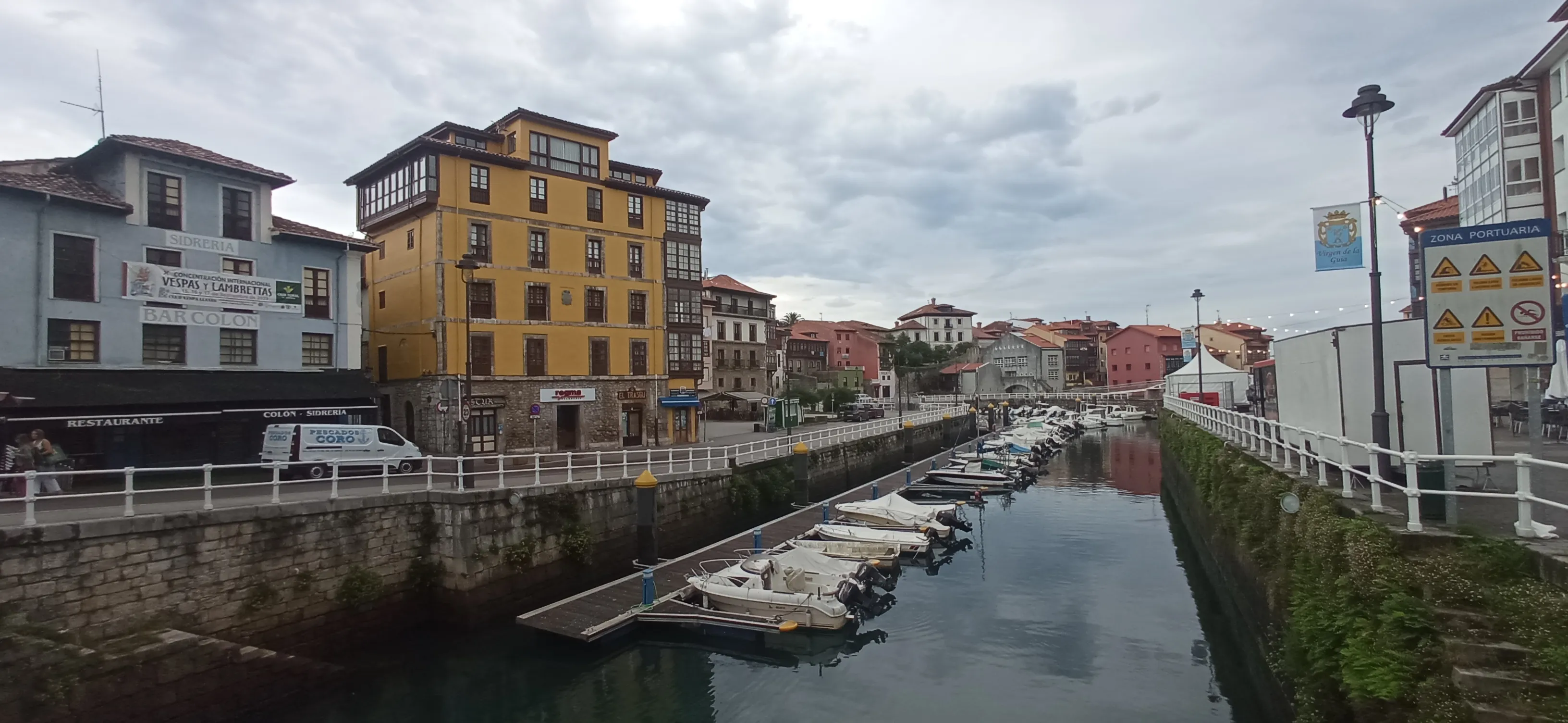
Llanes
Heart of the eastern coast of Asturias. Llanes is a seaside town full of charm, with a medieval historic center, spectacular beaches and an lively atmosphere on the Camino del Norte.
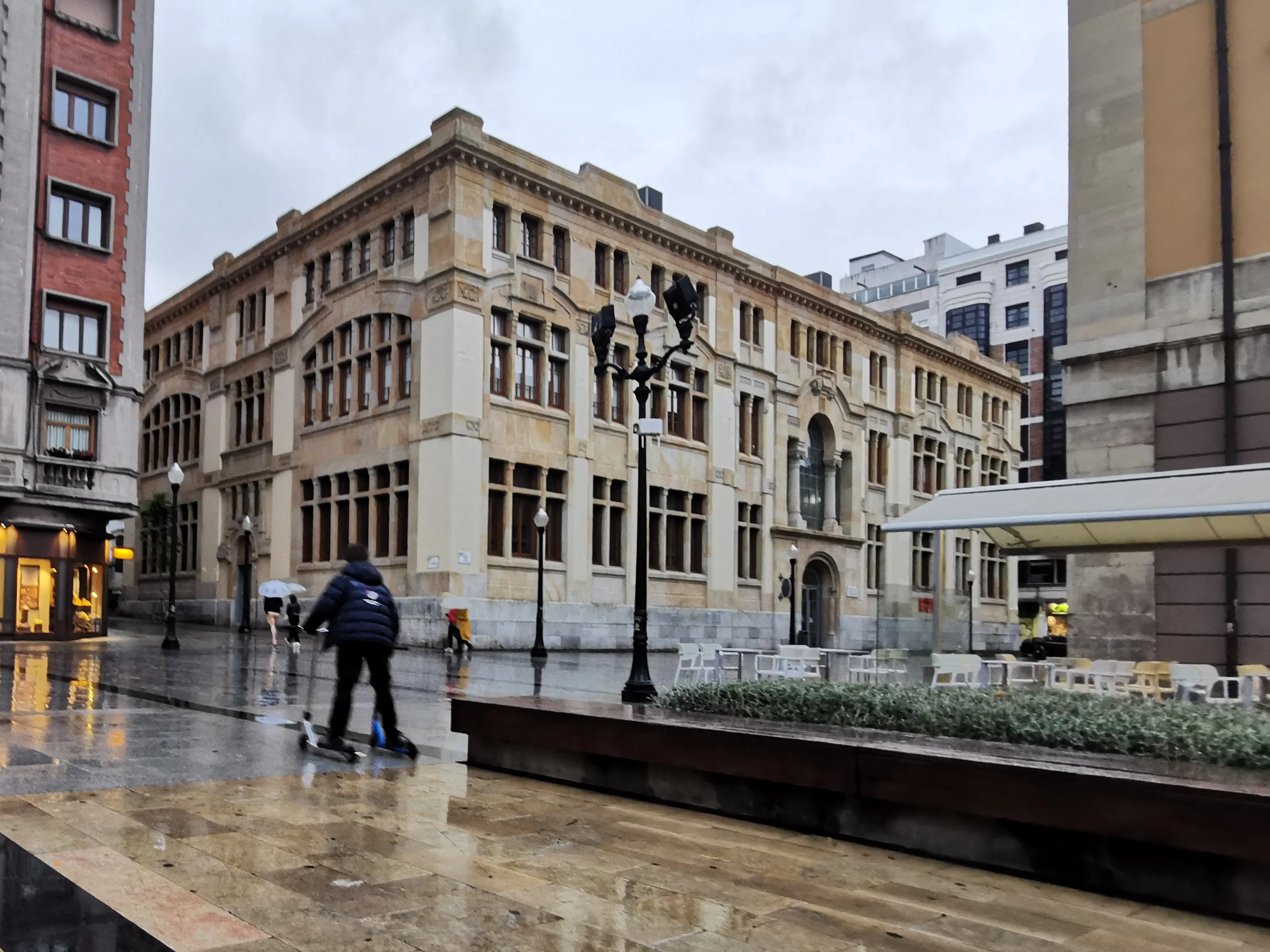
Gijón
The largest city in Asturias and a vibrant stop on the North Way. Its San Lorenzo beach and Cimavilla neighborhood offer a marine and cider culture atmosphere.
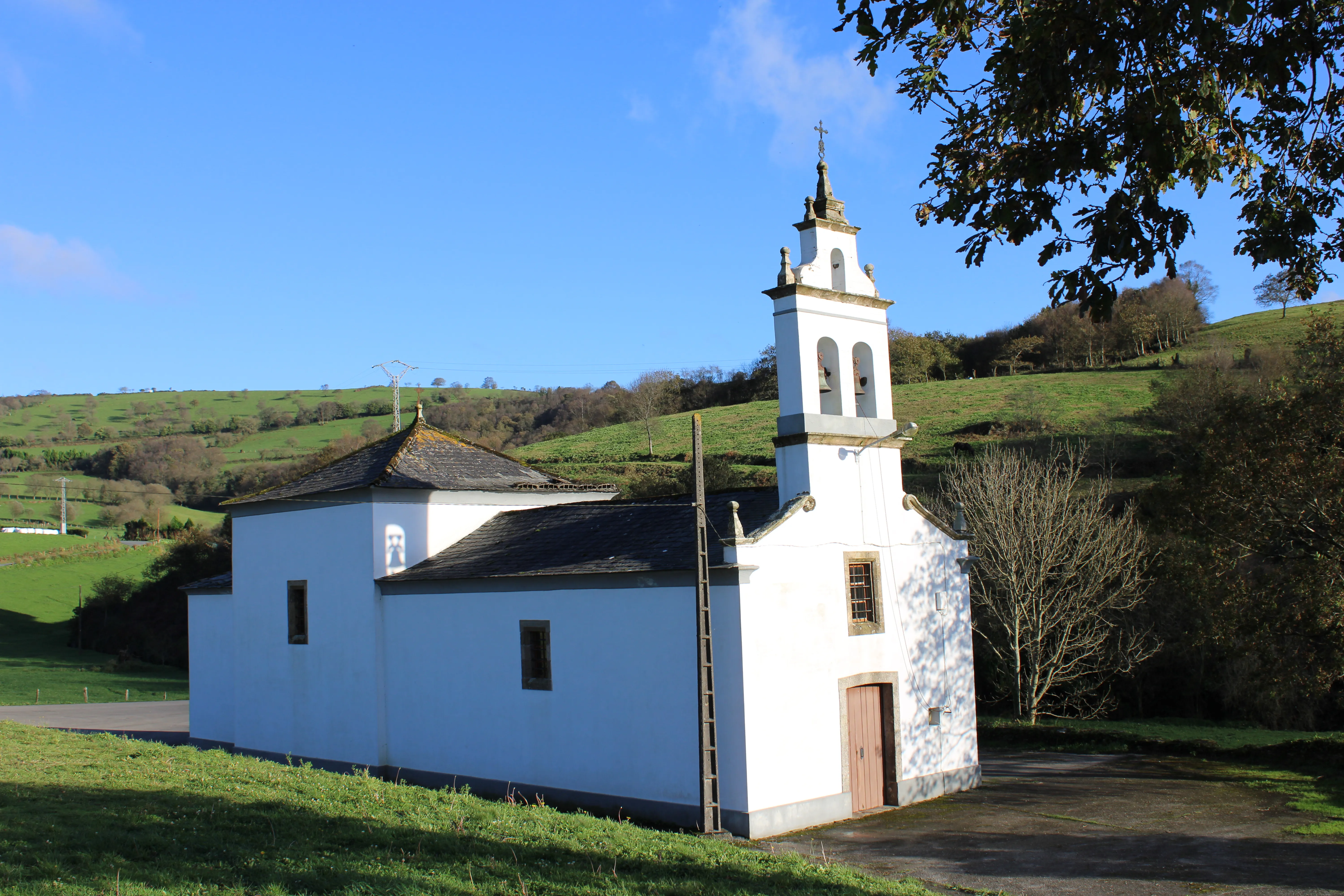
Cadavedo
120 mPicturesque Asturian town on the western coast. Cadavedo, "Model Village of Asturias", is famous for its beach at La Ribeirona and its hórreos, a beautiful stop on the Camino del Norte.
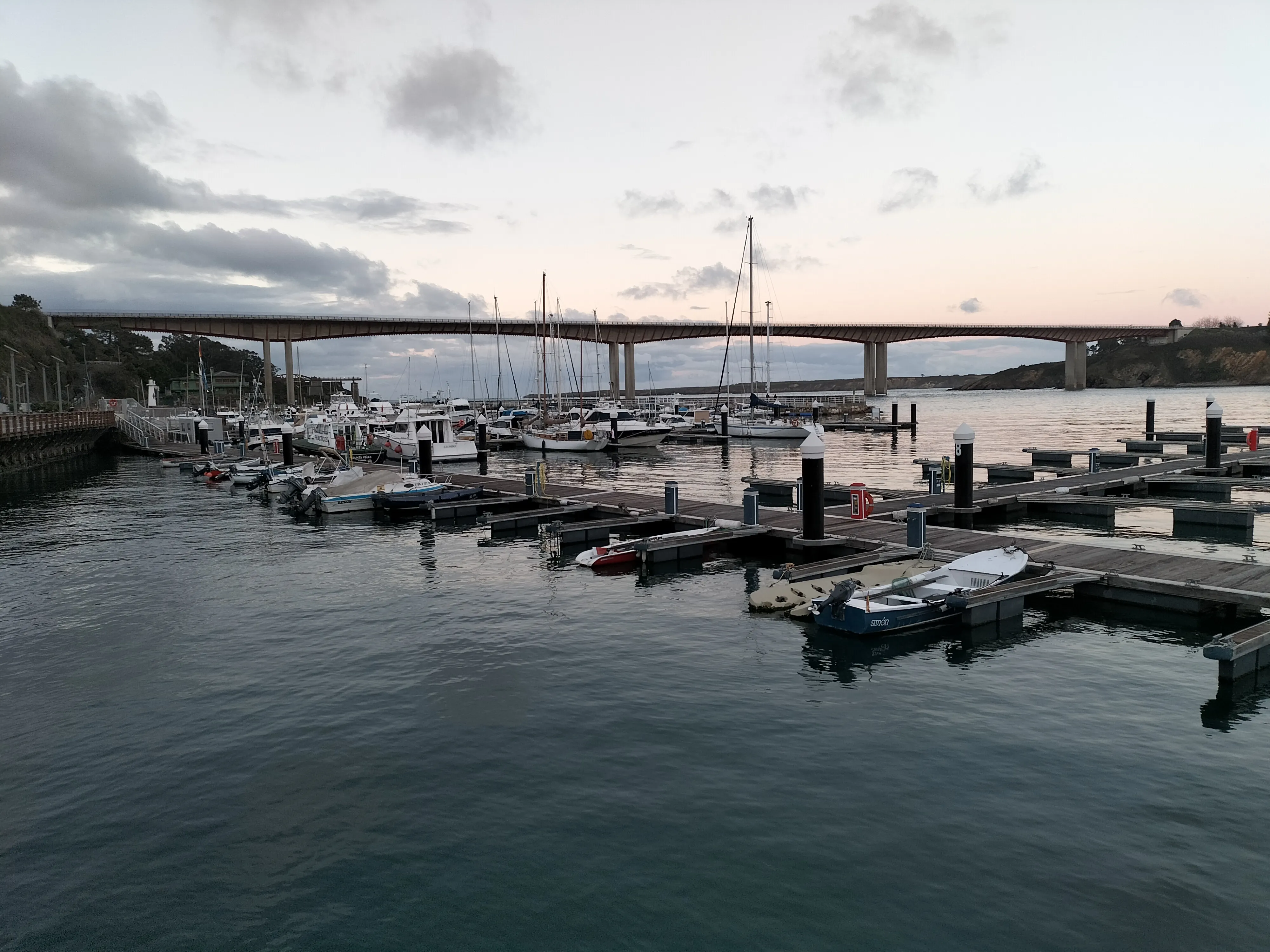
Ribadeo
Entrance to Galicia on the North Way. Ribadeo, in the Eo estuary, is famous for its Indian houses and proximity to the spectacular Cathedral Beach.
History of The North Cycle Route
The original North Way, one of the first and safest medieval routes, was always known for its difficulty. Its profile, a constant up and down to save rivers and valleys that plummet into the sea, made it a formidable challenge for walkers. This same characteristic kept it out of the Jacobean cycling route, which preferred the plains of the French Way. However, with improvements in mountain bikes and "touring" bicycles, and with an increasing number of cyclists seeking more authentic and scenic routes, the North Way became a coveted goal.
The adaptation of the itinerary for biking has been an organic process. The pedestrian path original, often narrow, technical and muddy, is not always suitable for two wheels. Therefore, the route for "bicigrinos" has consolidated variants that take advantage of local roads with little traffic, such as the N-634 which follows in parallel to the coast, and rural paths wider. The history of this adaptation is finding the perfect balance between cycleability, safety, and faithfulness to the historical route and the sea views.
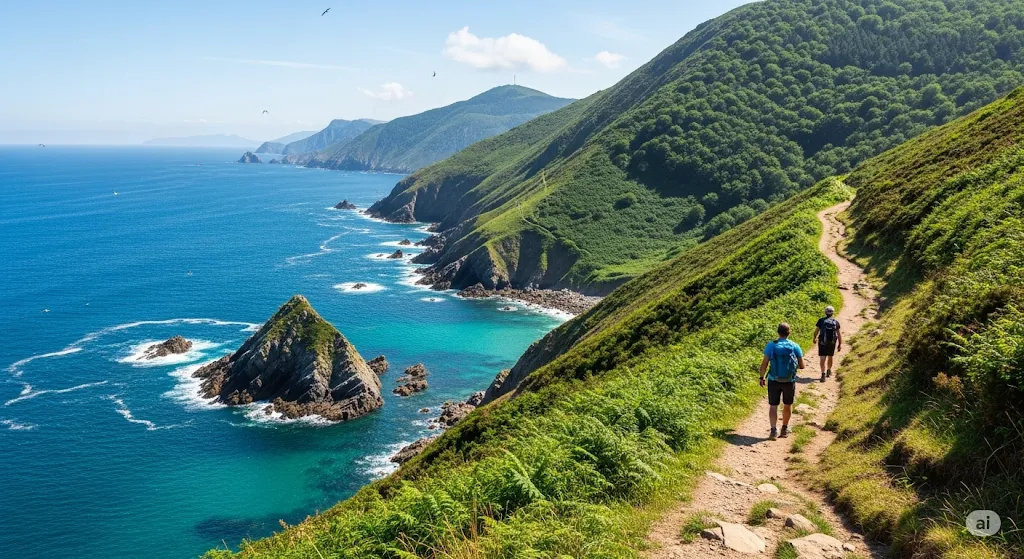
Riding the North Way by bike is an experience of extraordinary visual intensity. The speed of the bicycle allows the pilgrim to cover in a single day the transition of landscapes, from green hills and cliffs in the Basque Country to Cantabrian beaches, coastal towns in Asturias and the entry into Galicia through the Lucense coast. It also allows for the freedom to make small detours to gaze at a spectacular viewpoint, descend into a hidden cove or visit a fishing port, greatly enriching the journey.
However, it is an error to underestimate its difficulty. It is one of the most challenging bike routes in Spain. The cyclist faces a cumulative brutal slope, with sections especially in Asturias known for their short but explosive slopes that test anyone's endurance. Requires excellent physical fitness, a robust bicycle and good logistical planning, as the distance between services can be greater than on the French Way.
The history of the North Way by bike is ultimately a story of overcoming. It is a modern tribute to the resistance of medieval pilgrims, translating their slow walking into a long-distance cycling effort of great endurance. This route has been chosen by those who not only want to reach Santiago but also immerse themselves in the full force and beauty of Green Spain, with the Cantabrian coast as an inseparable companion through fatigue and joy.
Accommodations on the Route
The The North Cycle Route has 275 verified accommodations along the entire route.
View Stages & AccommodationsPractical Tips for The North Cycle Route
Best Season
Spring (April-June) and autumn (September-October) are the best seasons. Pleasant temperatures and fewer crowds than summer.
Physical Preparation
Train by walking progressively in the months before. Start with short distances and increase. Your body will adapt to the rhythm of the Camino.
What to Pack
Light backpack (max 10% of your weight), worn trekking shoes, breathable technical clothing, raincoat, sunscreen and basic first aid kit.
General Tips
Carry the pilgrim credential, stay hydrated, respect your pace, book accommodation in high season and enjoy the journey without rushing.
FAQ about The North Cycle Route
El Camino del Norte en bicicleta tiene una distancia total de 814.7 km y se estima que lleva aproximadamente 14 días completar, ofreciendo un desafío físico significativo debido a su dureza.
Con Ourway Travel, tu reserva incluye alojamiento asegurado en albergues o hoteles, mapas detallados y un itinerario personalizado. También te proporcionamos información sobre el clima y consejos para la preparación física.
La mejor época para hacer el Camino del Norte en bicicleta es durante los meses de abril a junio y septiembre hasta octubre. Durante estos periodos, se disfruta de un clima favorable y una menor concentración de peregrinos.
El Camino del Norte es significativamente más exigente que el Camino Francés debido a su terreno montañoso y cambios de altitud constantes. Requiere una preparación física superior, especialmente para ciclistas.
El costo exacto del paquete del Camino del Norte en bicicleta varía según la fecha de inicio y las opciones de alojamiento. Con Ourway, puedes obtener un presupuesto personalizado llamando a nuestro equipo de reservas.
El Camino del Norte ofrece una experiencia más costera con vistas al Cantábrico, mientras que el Primitivo es más verde y montañoso. La elección depende de tus preferencias por la costa o las montañas.
Para obtener tu credencial, puedes solicitarla directamente en Ourway Travel cuando haces tu reserva. La credencial es importante para obtener descuentos en albergues y certificar tu viaje.
Ourway Travel ofrece un servicio de traslado de equipaje entre etapas, permitiéndote llevar solo lo necesario durante tus viajes diarios. Esto facilita tu experiencia peregrina.
Related Routes
Ready for this adventure?
Let us organize your pilgrimage. We take care of accommodations, transfers and everything you need.