
Complete Guide to Way of the Asturias
The Way of Asturias is a historic and demanding route that unites Pamplona with Oviedo, crossing the mountains of northern Spain. Ideal for adventurous pilgrims seeking nature.
Last updated: 28/03/2026
Table of Contents
Technical Summary of Way of the Asturias
465 km
Distance
22
days
22
Stages
Alta
Difficulty
124 accommodations available on the route
Introduction to Way of the Asturias
All Stages of Way of the Asturias
Complete route divided into 22 stages
Pamplona to Irurzun
This stage continues over the Manchegan plain. The profile is flat but the journey is long. The landscape remains dominated by fields of cultivation. The destination is Chinchilla de Montearagón, one ...
Irun to Alsausa
This is a short and descending profile stage that leads the pilgrim to the capital of the province. It's an enjoyable walk that becomes increasingly urban in its final stretch. The arrival at Albacete...
Asunción a Salta
This is one of the longest and most difficult stages of the route, a journey across the vast Manchegan plain. The profile is completely flat, but the distance and monotony of the landscape make it a m...
Salvaterra to Vitoria
This stage continues across the Manchegan plain, on a flat terrain with no difficulties. The landscape remains dominated by vineyards and fields of cereals. It is a transitional day that enters the pr...
Victory over La Puebla of Arganzón
This is a short and flat stage that enters the heart of La Mancha conquense. The landscape is dominated by vineyards and above all by garlic fields. The arrival in Las Pedroñeras, "The World Capital o...
The Puebla of Arganzón to Salcedo
This stage is a journey to the heart of La Mancha and Don Quixote's universe. The route is flat and runs through a landscape of vineyards and olive groves. Arrival in El Toboso, Dulcinea's homeland, i...
Salcedo to Mirror
This is a short and flat stage that continues along Don Quixote's route. The landscape is that of the Manchegan plain, with its vineyards and cereal fields. It is a transition day, allowing for relaxe...
Mirror at Boveda
This is a short and completely flat stage that enters the highlands of La Mancha Alta in Toledo. The landscape is at its maximum expression as a plain. It's a day to enjoy the vastness and silence. Ar...
Boveda at Paresotas
This stage continues across the Manchegan plain, in a flat and easy terrain. The landscape remains dominated by fields of cultivation. The great incentive of the journey is arrival at Tembleque, one o...
Pairs of Torme
This stage enters the Toledo Hills region. The profile becomes more demanding, with continuous ups and downs through an olive grove landscape. It's a beautiful day that leaves the plain to approach th...
To Pedroza de Valdeporres
This stage has as its destination the monumental city of Toledo. The profile is a continuous rise and fall through the cypress trees, the noble estates that surround the city. Emotion grows as you vie...
Pedroza de Valdeporres to Corcubión
Leaving behind the monumental Toledo, this stage enters into the Torrijos comarca. The profile is a gentle rise and fall through a landscape of fields of cultivation and olive groves. It's a transitio...
Go to Reinosa
This stage continues through the Torrijos region, on terrain with gentle undulations. The landscape is a mosaic of cultivated fields and pastures. The highlight of the journey is the arrival at Escalo...
Reinosa to Brañosera
This stage marks the entry into the Community of Madrid and the beginning of the ascent towards the Sierra de Gredos. The profile becomes more demanding, with a continuous rise and fall. The landscape...
Branosera to Cervera de Pisuerga
This stage enters the province of Ávila, in a medium mountain terrain. The profile is an ongoing rise and fall through a landscape of pine forests and vineyards. It's a day of great beauty, which appr...
Cervera de Pisuerga to Camporredondo de Alba
This long stage has as its destination the monumental city of Ávila. The profile is demanding, with a continuous rise and fall through the mountain range. The landscape is of great beauty, with pine f...
Camporredondo of Alba to Prioro
Leaving behind the walled city, this stage enters into the La Moraña region, in the Castilian plain. The profile is mostly flat, an enjoyable walk through a landscape of cereal fields. It's a transiti...
Before Lois
This stage joins two of the most important villages in the Meseta castellana. The route is completely flat and runs through the plain of La Moraña, in a landscape of cereal fields. It's a transition d...
Lois of Tarn (Lois was a woman of Tarna)
This stage approaches the valley of the River Duero. The profile is flat and the landscape continues to be dominated by the fields of cultivation of the Vallisoletan plateau. It's a comfortable day th...
Town of Tarna to Rioseco
This stage enters the Toroz Mountains, an area of highlands and hills that breaks up the monotony of the plain. The profile becomes more demanding, with a continuous rise and fall. The landscape is au...
Rioseco to Riaño
This stage descends from the Montes Torozos to enter the Tierra de Campos region. The profile is mainly descending and flat. The landscape returns to that of large cereal plains, with an infinite hori...
Riano in Asturias
This stage is a total immersion in the Land of the Meadows. The route is completely flat and runs along dirt paths that cross a sea of cereal fields. It's a day of great solitude and austere beauty, i...
Key Towns of Way of the Asturias
The most important towns and cities on this route.
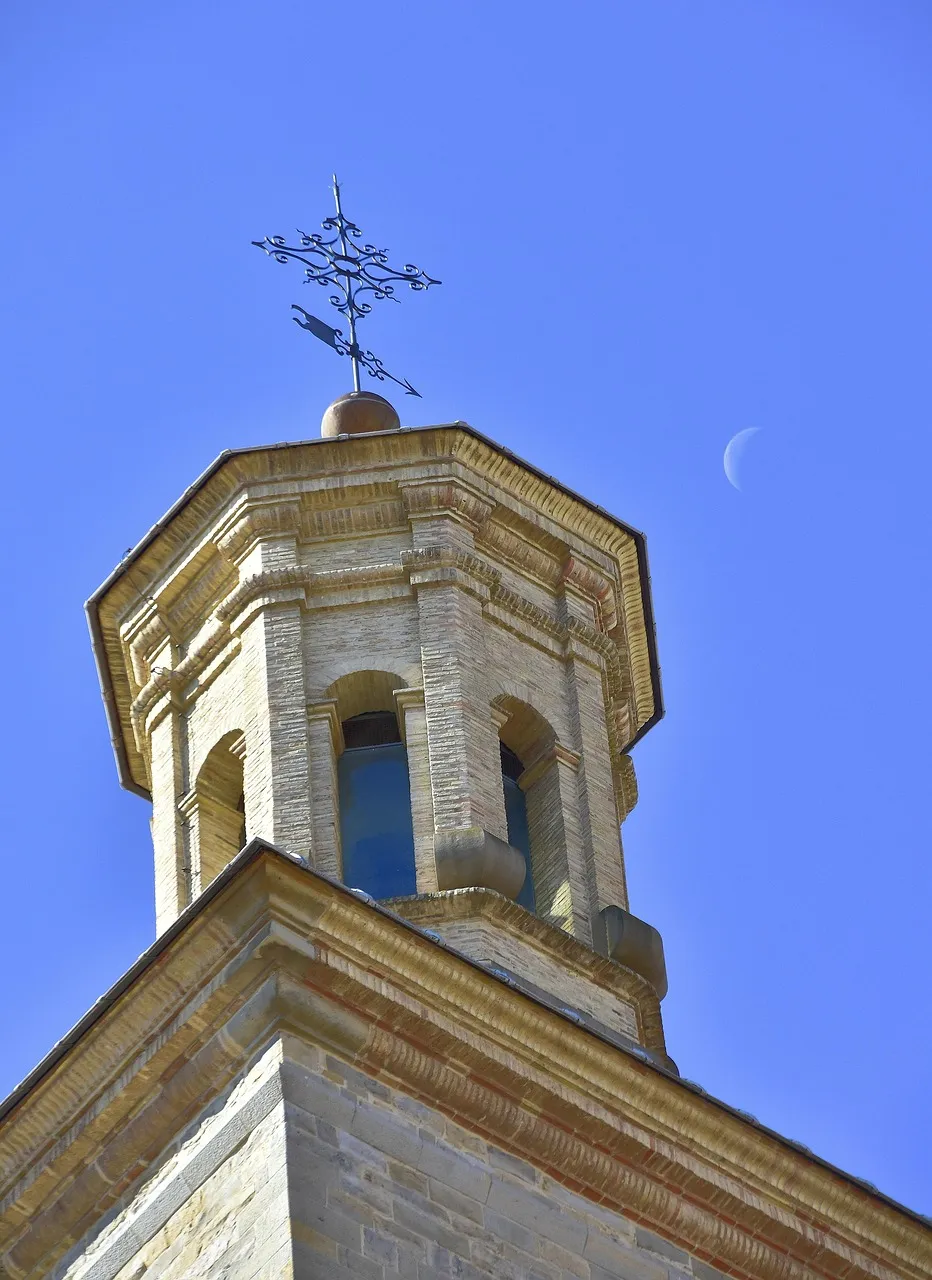
Pamplona
First major city on the French Way in Spain. Pamplona, famous for the Sanfermines, offers pilgrims a vibrant old town, Renaissance walls and exquisite gastronomy of pinchos.
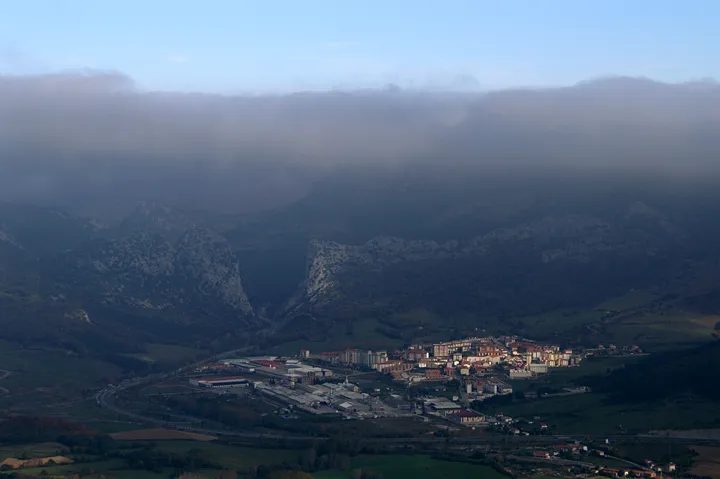
Irurzun
480 mEntrance to the Araquil corridor. Irurtzun is a communications node and a functional stop on the Basque Country Interior Route, at the foot of the Aralar and Andia mountains.
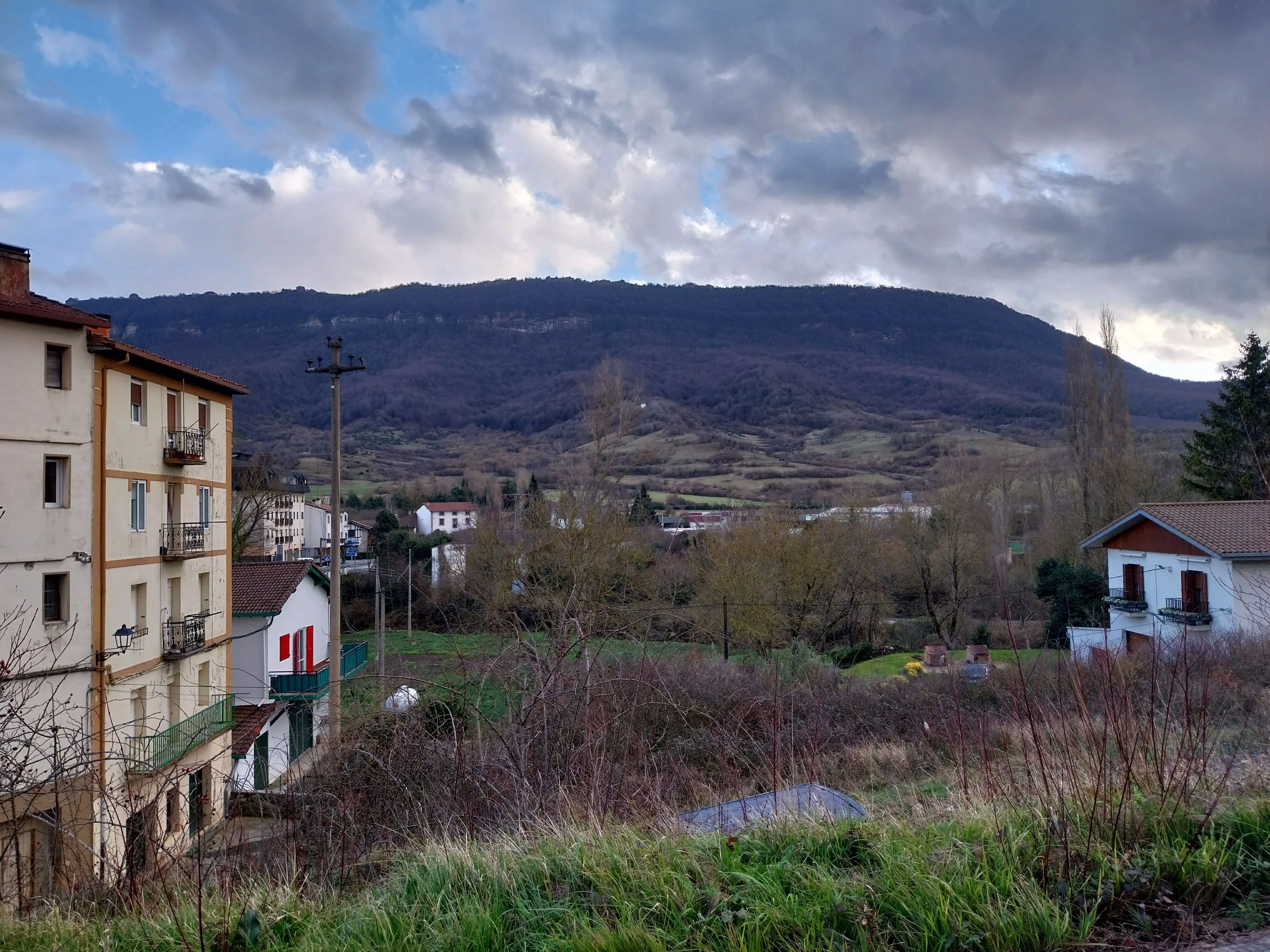
Alsasua
550 mImportant Navarran village in the region of La Barranca. Alsasua is a crossroads and key service centre on the Vasco-Interior Way, in mountainous surroundings.
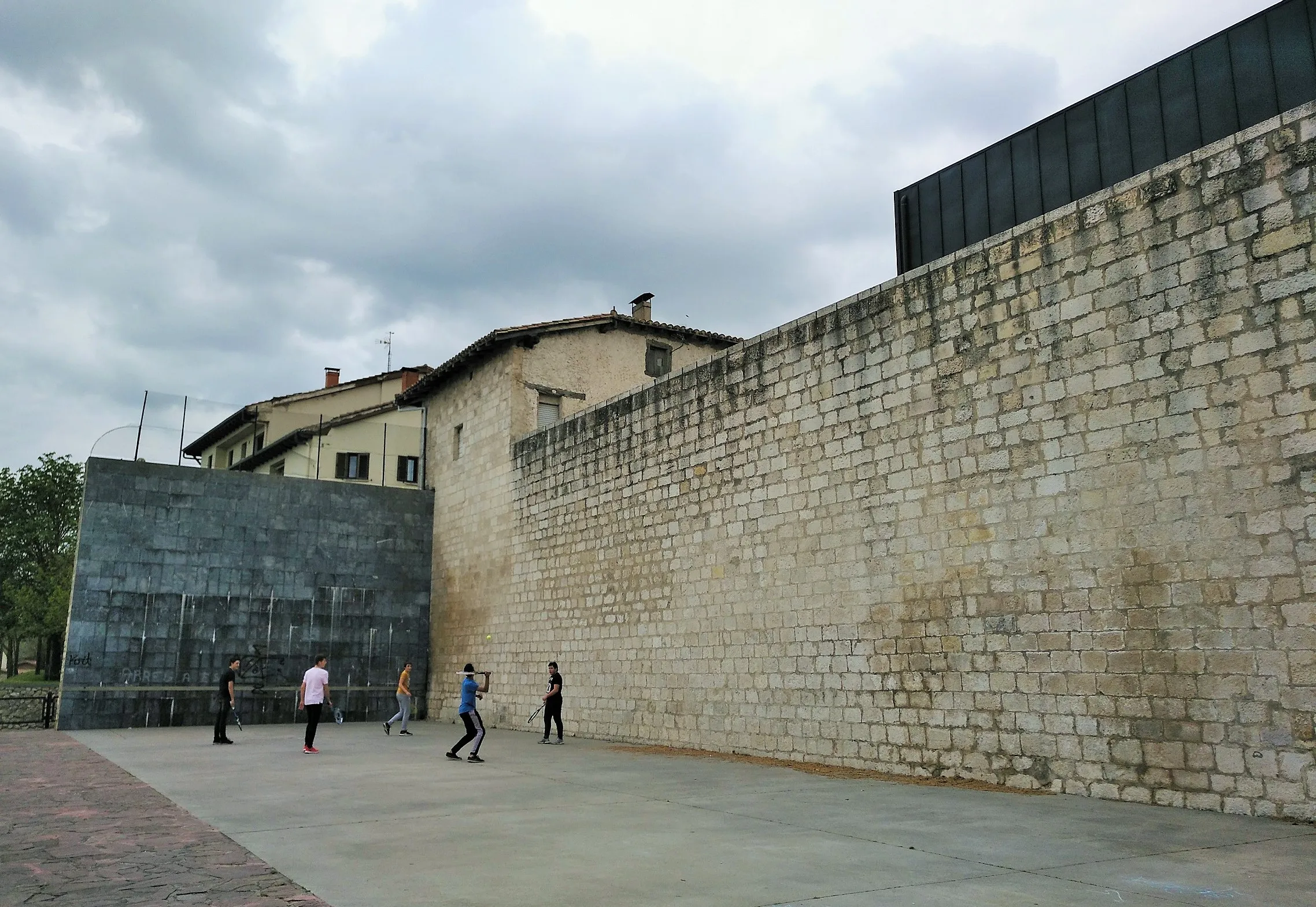
Salvatierra / Agurain
Medieval village in the heart of the Alava Lowlands. Agurain/Salvatierra, with its historic walled town centre, is a monumental stop on the Vasco-Internal Way.
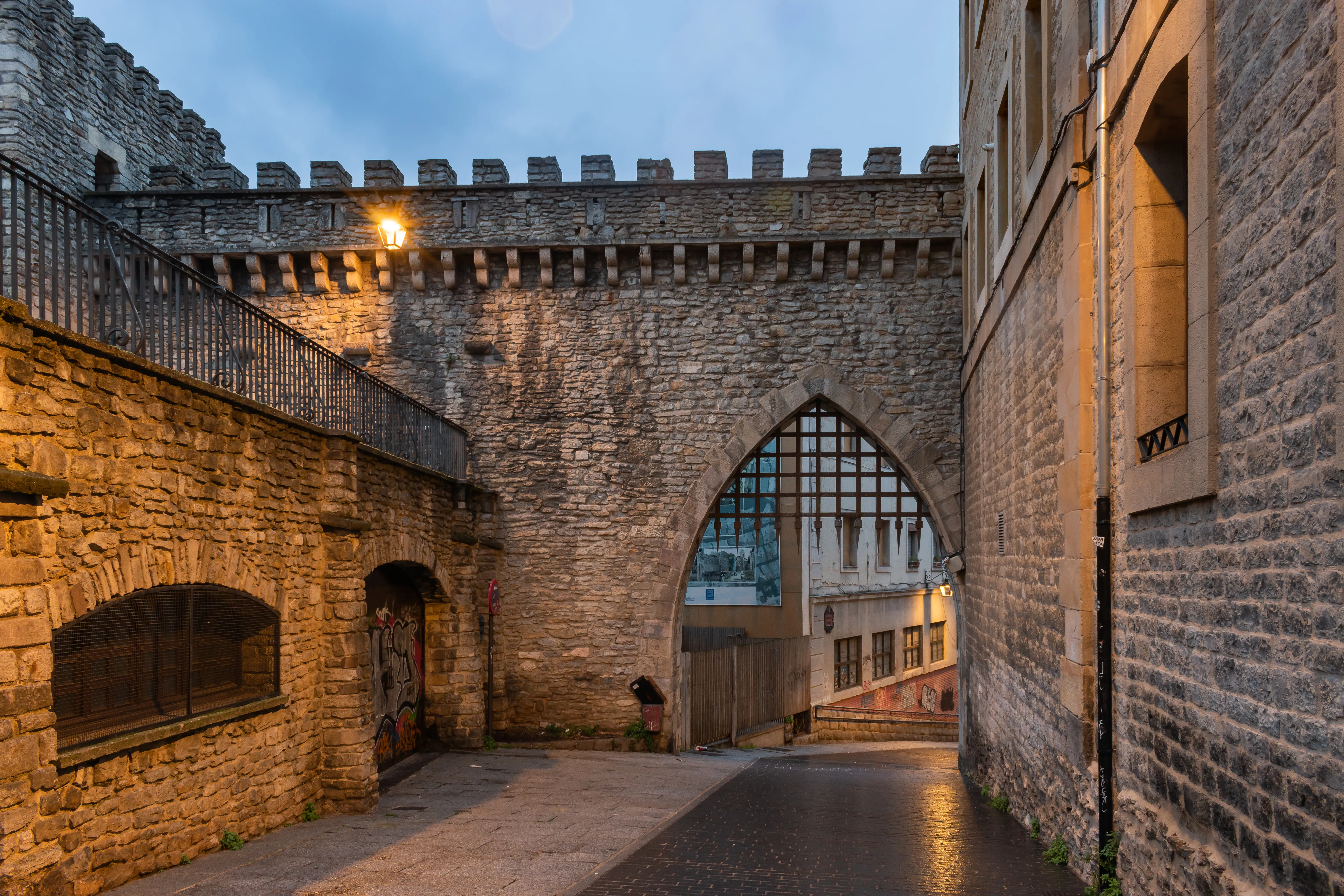
Vitoria-Gasteiz
Capital of the Basque Country and "Green Capital" of Europe, Vitoria-Gasteiz offers a pilgrim on the Vasco Interior Way a medieval quarter with charm and a well-deserved rest in a green city.
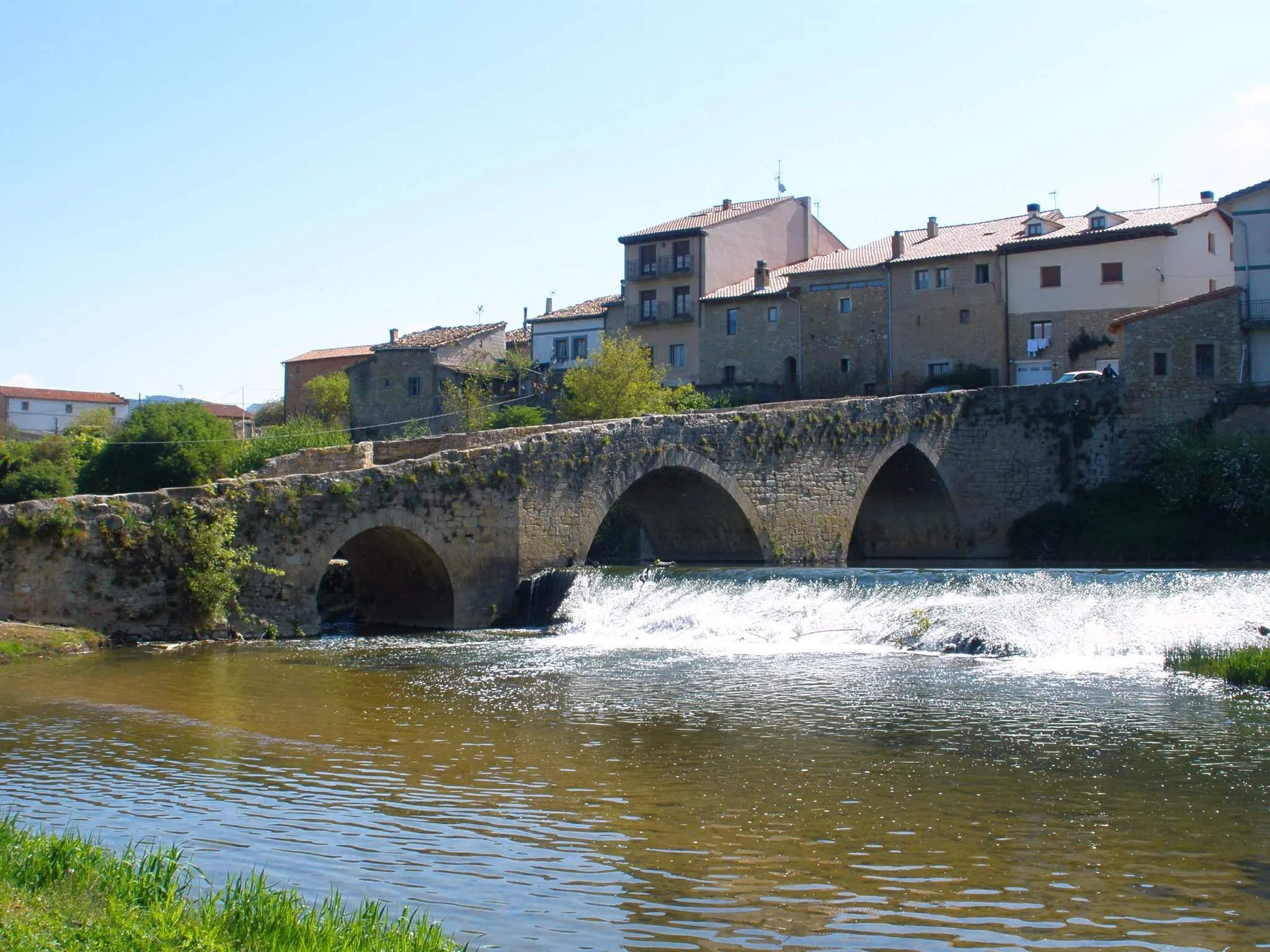
La Puebla de Arganzón
Historic walled town, a enclave of Burgos within Álava. It is a singular stop on the Vasco-Interior Way, with a rich medieval heritage and a Roman bridge.
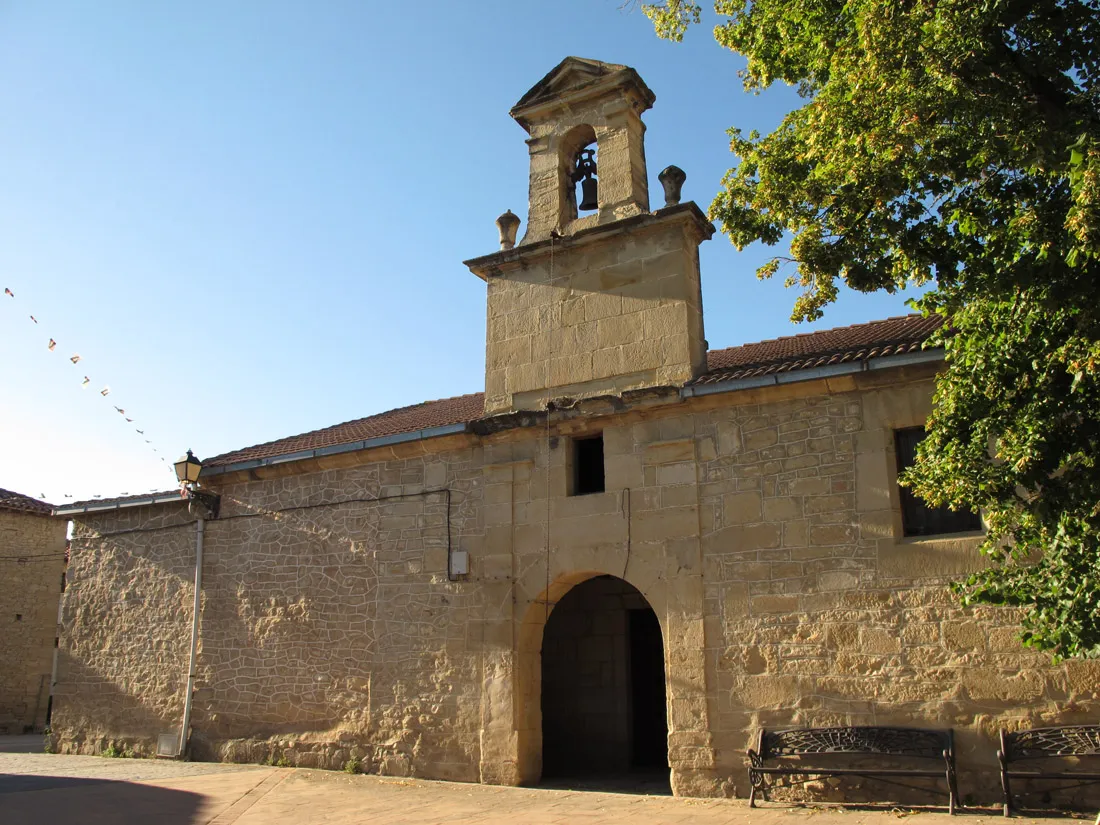
Salcedo
700 mSmall Basque town in a rural setting. Salcedo, in the municipality of Lantarón, offers a peaceful retreat on the Vasco-Interior Way, near the Ebro River.
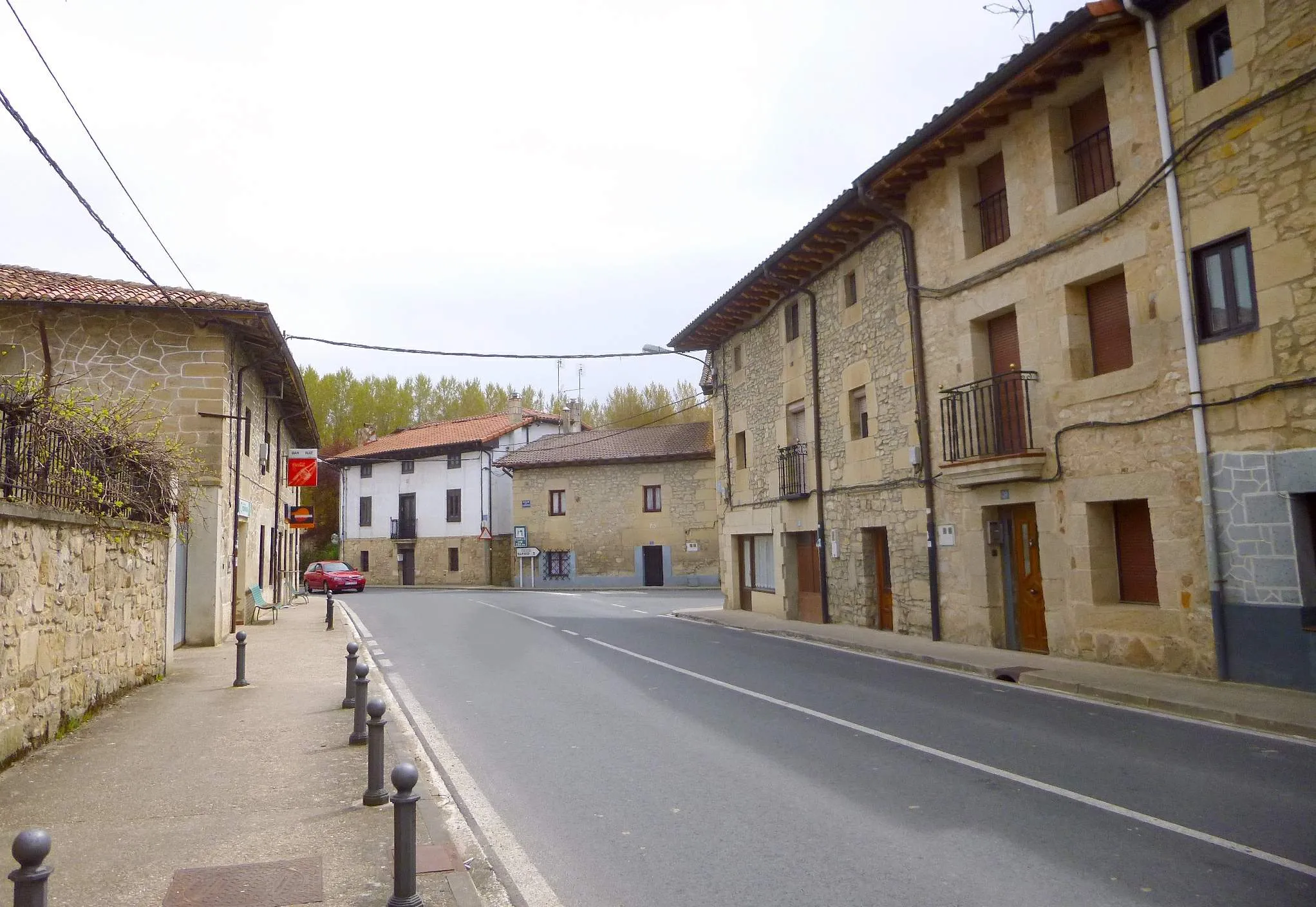
Espejo
560 mA Basque villa with an impressive Roman bridge over the River Omecillo. Espejo is a charming stop with history and character on the Vasco de Gallardo route, perfect for a peaceful break.
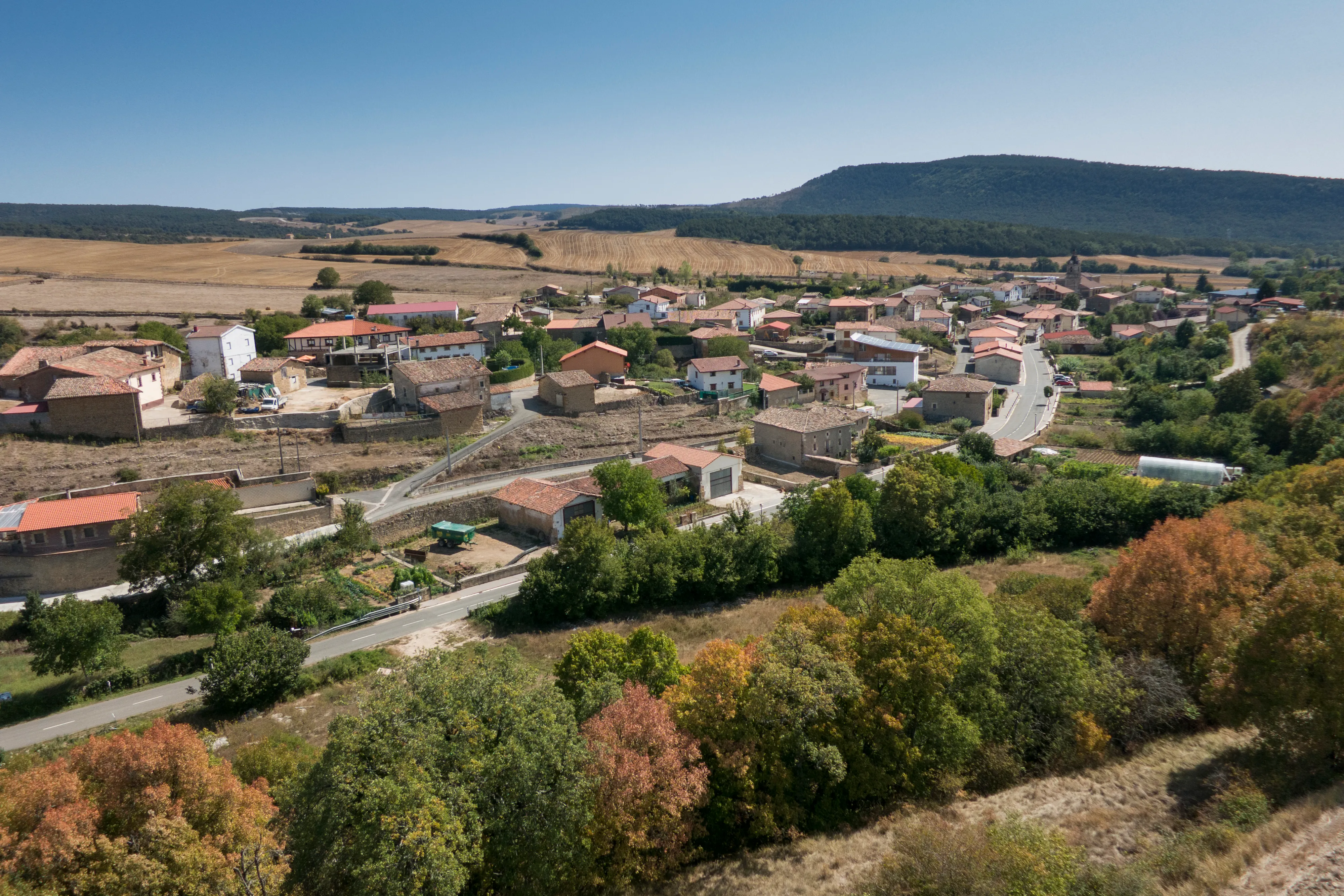
Boveda
600 mBasque village in the valley of Valdegovía. Bóveda is a rural stop on the Vasco-Interior Route, offering a natural environment and the tranquility of Basque countryside.
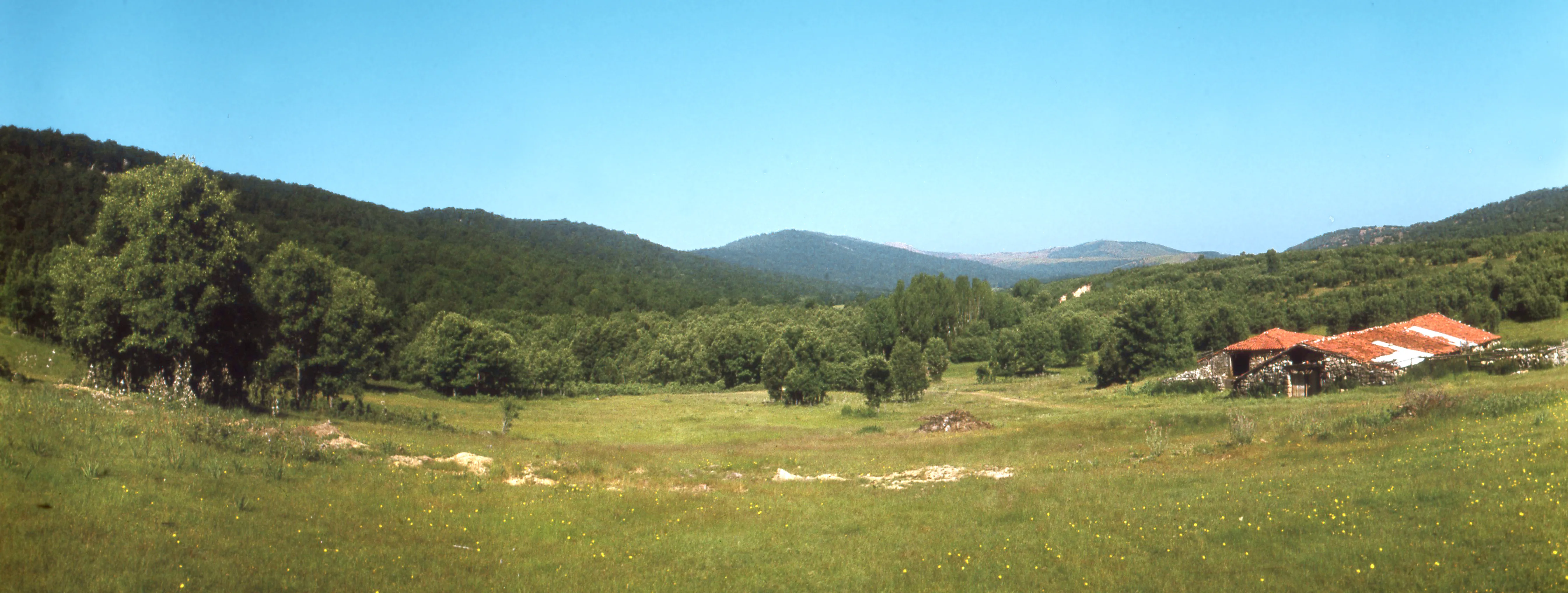
Paresotas
850 mSmall Basque town in a rural setting. Parotzas is a peaceful stop on the Vasco-Interior Way, a haven of peace on the route to the meseta.
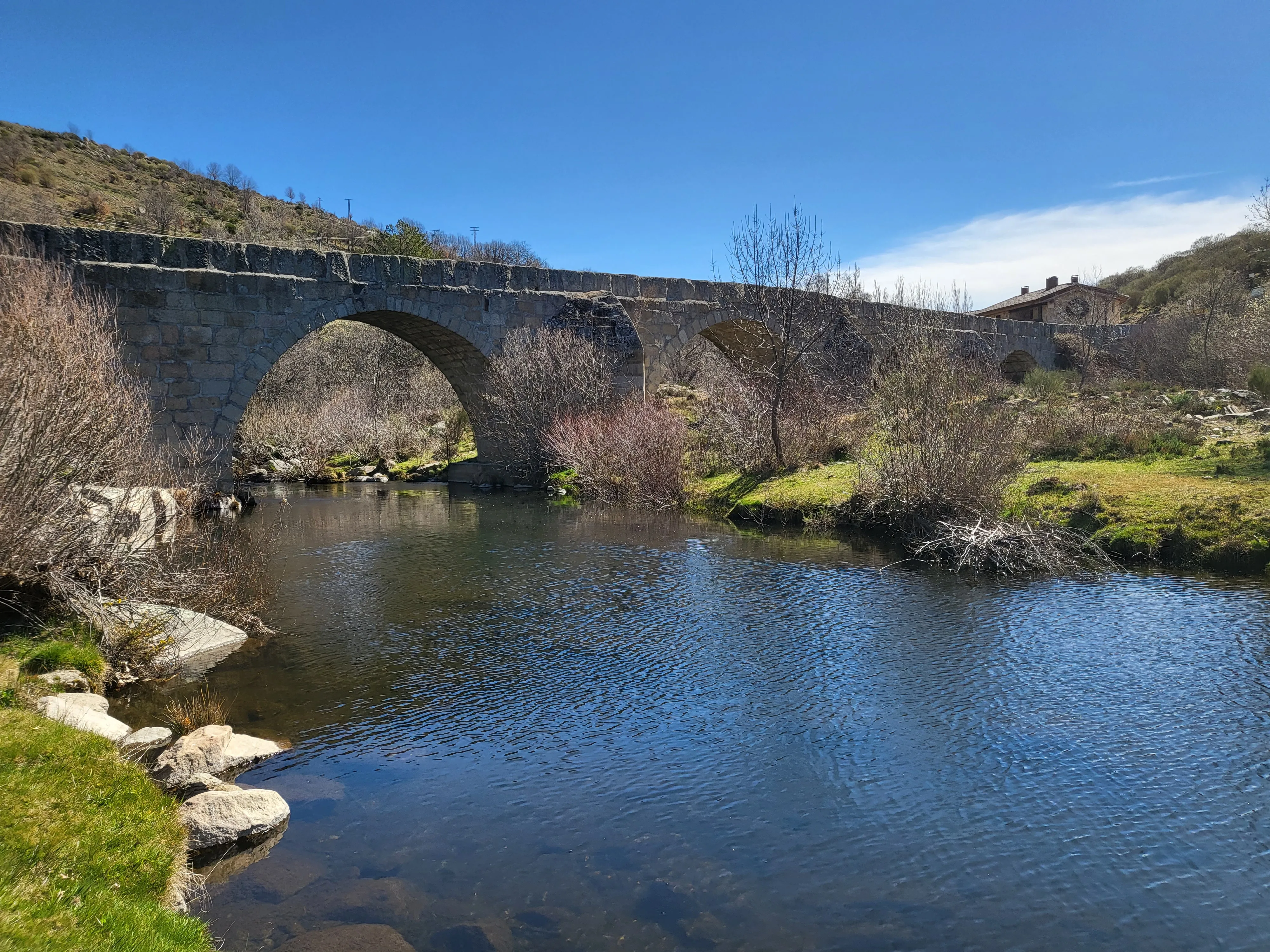
Torme
800 mBurgese village with a rural and peaceful atmosphere. Torme is a calm stop on the Vasco-Interior Way, perfect for a break in the province of Burgos.
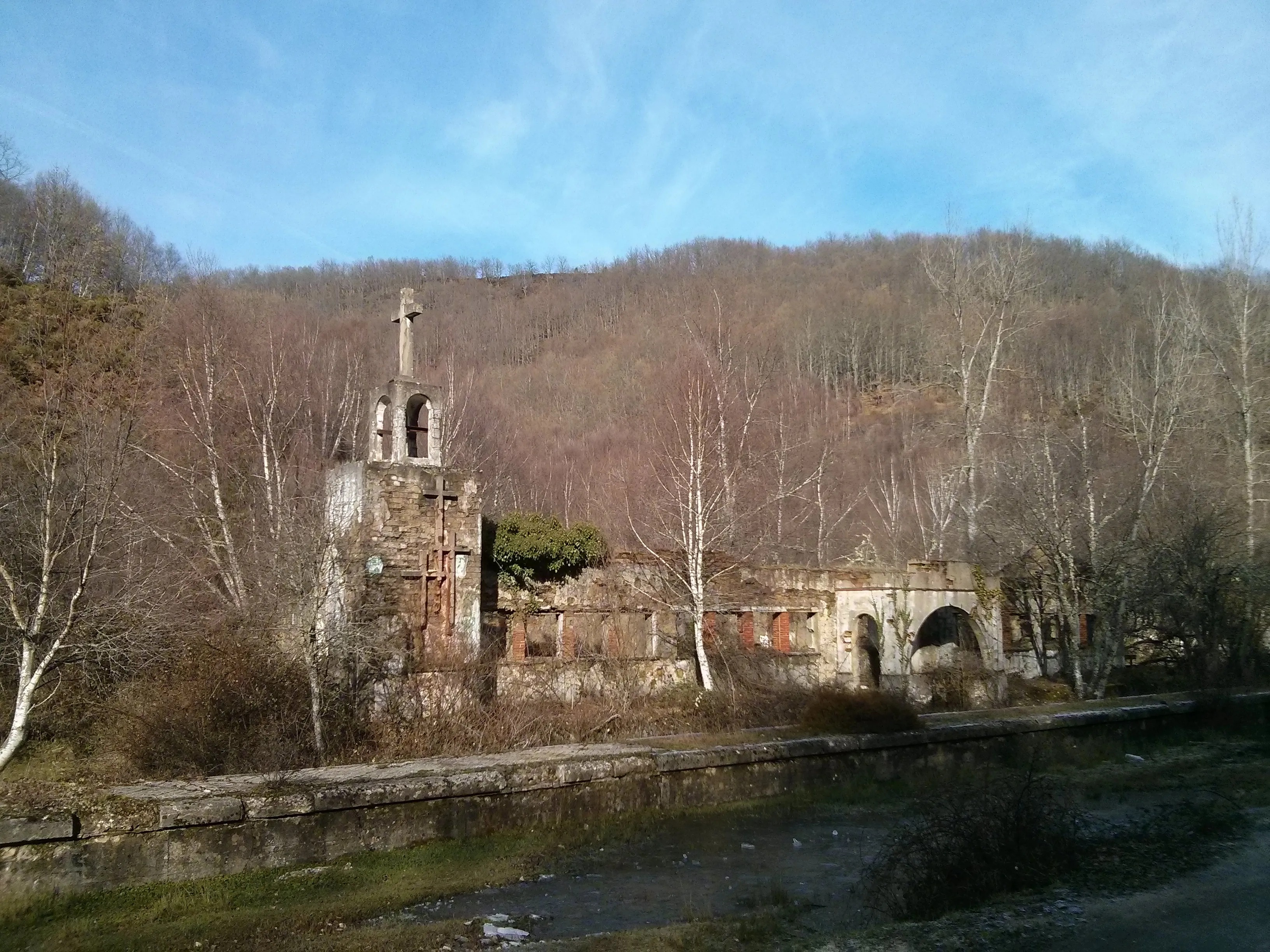
Pedrosa de Valdeporres
780 mPedrosa de Valdeporres is a mountain stop on the Forgotten Way, with a beautiful natural surroundings and services for pilgrims.
History of Way of the Asturias
Its name alludes to its most illustrious users and its Asturian destination, and its modern revival offers a challenge for adventurous hikers and pilgrims.
The history of this route must be framed in the 16th and 17th centuries. With the court established in the interior of the peninsula (first in Valladolid and then definitively in Madrid), the monarchs of the House of Austria needed secure and efficient routes to travel to their vast possessions in northern Europe, especially in Flanders. To do this, they had to reach Cantabrian ports such as Laredo, Santander or Gijón, from where they would embark.
Instead of following the more direct but perhaps longer routes, they often used these interior roads, which traversed the imposing Cordillera Cantábrica.
The most famous historical episode associated with this network of roads is the last journey of Emperor Charles V. In 1556, after abdicating his thrones, the man most powerful in the world disembarked in Laredo (Cantabria) to begin his final retirement at the Monastery of Yuste, in Extremadura. His journey towards the Meseta was made through these difficult mountain roads, an itinerary that has left its mark on memory as "The Emperor's Route". His son, Felipe II, also traversed these paths in his numerous travels.
In the context of pilgrimages to Santiago, The Way of Asturias does not have a historical tradition of its own as a continuous Jacobean route. Its value lies in its function as a possible and extremely demanding link between two of the most important Jacobean axes: the Camino Francés and the Camino Primitivo. A medieval or Renaissance traveler - perhaps a noble, a soldier or a pilgrim with a special mission - could have used this network of roads to travel from Pamplona, a key point on the Camino Francés, to Oviedo, the cradle of the Camino Primitivo and seat of the revered relics of the Cathedral of Salvador.
The route's layout is a massive challenge. It traverses the heart of the Cordillera Cantábrica, using ancient Roman roads such as the famous "Royal Road of the Mesa" in Asturias, which runs through the peaks of the mountains, and medieval royal roads. It is an itinerary of high mountain, with large drops, spectacular landscapes and deep isolation in many of its stretches.
Its configuration as a single route of long-distance hiking is, to a great extent, a modern reconstruction, a project that aims to unite these different historical tracts (The Emperor's Route, the Royal Road of the Mesa, etc.) into a single itinerary. It does not have the density of pilgrim hospitals or Jacobean sanctuaries of other routes, as its original purpose was more civil and military than religious.
Today, The Way of Asturias attracts a specific profile of hiker: long-distance hikers, history lovers and mountain enthusiasts, and pilgrims seeking absolute solitude and a first-class physical challenge. It is an immersion in the history of kings and in the wild and virgin nature of northern Spain, a way to connect Pamplona and Oviedo through the most difficult and perhaps for that reason, most rewarding route.
Accommodations on the Route
The Way of the Asturias has 124 verified accommodations along the entire route.
View Stages & AccommodationsPractical Tips for Way of the Asturias
Best Season
Spring (April-June) and autumn (September-October) are the best seasons. Pleasant temperatures and fewer crowds than summer.
Physical Preparation
Train by walking progressively in the months before. Start with short distances and increase. Your body will adapt to the rhythm of the Camino.
What to Pack
Light backpack (max 10% of your weight), worn trekking shoes, breathable technical clothing, raincoat, sunscreen and basic first aid kit.
General Tips
Carry the pilgrim credential, stay hydrated, respect your pace, book accommodation in high season and enjoy the journey without rushing.
FAQ about Way of the Asturias
El Camino de las Asturias tiene una duración estimada de 22 días, lo que permite a los peregrinos disfrutar plenamente de su belleza natural y exigencia física. En Ourway Travel gestionamos tu itinerario para asegurar la mejor experiencia en cada etapa.
El Camino de las Asturias se caracteriza por su alta dificultad debido a la travesía montañosa que implica. Este itinerario es ideal para peregrinos aventureros y experimentados que buscan un desafío. En Ourway Travel te ayudamos a prepararte adecuadamente.
La mejor época para realizar el Camino de las Asturias son los meses de abril a junio y septiembre hasta octubre, cuando se disfrutan de un clima templado y una menor afluencia de peregrinos. En estos periodos, podrás apreciar paisajes espectaculares en perfecto equilibrio entre belleza natural y comodidad.
Los costes para hacer el Camino de las Asturias con Ourway Travel varían según los servicios elegidos, pero incluyen alojamiento en hoteles y albergues seleccionados, traslado de equipaje entre etapas y una guía detallada del recorrido. Para un presupuesto personalizado, contacta directamente con nuestro equipo.
El paquete completo de Ourway Travel para el Camino de las Asturias incluye alojamiento en hoteles y albergues seleccionados, traslado diario del equipaje entre etapas, así como una guía detallada sobre la ruta y sus puntos de interés histórico y cultural. Además, contamos con un servicio de asesoramiento personalizado para prepararte adecuadamente.
El Camino de las Asturias se distingue por su mayor exigencia física y belleza natural, ofreciendo un recorrido histórico y montañoso que contrasta con rutas más urbanas como el Camino Francés. Es ideal para peregrinos aventureros en busca de una experiencia única y desafiante. En Ourway Travel te ayudamos a elegir la ruta que mejor se ajuste a tus expectativas.
Ambos caminos ofrecen experiencias únicas, pero el Camino de las Asturias es más desafiante por su travesía montañosa, mientras que el Primitivo ofrece un equilibrio entre belleza natural y historia. La elección dependerá de tus preferencias personales: si eres amante de los desafíos naturales, opta por las Asturias; para una experiencia más variada con ciudades históricas, el Primitivo es ideal.
Para obtener la credencial peregrina del Camino de las Asturias, puedes acercarte a cualquier oficina de turismo en Pamplona o Oviedo al inicio de tu viaje. Esta credencial es fundamental ya que te identifica como peregrino y puede ser requerida para alojamientos gratuitos en albergues. En Ourway Travel incluimos asesoramiento sobre cómo gestionarla durante tu recorrido.
Ready for this adventure?
Let us organize your pilgrimage. We take care of accommodations, transfers and everything you need.