
Complete Guide to Way of Sagunto
The Camino de Sagunto links this Valencian city to the Jacobean routes of the interior. A journey through the lands of El Cid towards the heart of the peninsula.
Last updated: 28/03/2026
Table of Contents
Technical Summary of Way of Sagunto
394 km
Distance
16
days
22
Stages
Media
Difficulty
128 accommodations available on the route
Introduction to Way of Sagunto
All Stages of Way of Sagunto
Complete route divided into 22 stages
Port of Sagunto - Torre de Torres
This is a short and gentle stage that connects two of the most important villages in the Sierra Madrileña. The route is an enjoyable stroll through a landscape of vineyards and pine forests. It's a da...
Torres de Torres - Segorbe
This stage marks the return to the province of Toledo. The profile is mainly descending, an enjoyable stroll that approaches the valley of the River Alberche. The landscape is a mix of pastures and fi...
Segorbe–Viver
This stage enters the comarca of Torrijos. The profile is a gentle rise and fall through a landscape of fields of cultivation and olive groves. It's a day of transition that brings the pilgrim back to...
Villa - Barrancas
This stage has as its destination the monumental city of Toledo. The profile is a continuous rise and fall through the cypress trees, the noble estates surrounding the city. Emotion grows as the silho...
Barrios - Sarrión
Leaving behind the monumental Toledo, this stage enters the comarca of the Montes de Toledo. The profile is a continuous rise and fall through an olive landscape. It's a day of great beauty that bring...
Sarrión - Puebla de Valverde
This long stage enters the heart of La Mancha. The profile is mostly flat. The landscape is that of the Manchegan plain, with its fields of cereal and vineyards. The great incentive of the journey is ...
Puebla de Valverde - Teruel
This is a "superstage" that joins two of the great milestones of La Mancha. It's a long-distance crossing over the plain, only suitable for very well-prepared pilgrims or to be done in several days. T...
Teruel – Cella
Leaving the capital, this stage enters the Campo de Calatrava region. The profile is flat and the landscape is dominated by fields of cultivation and inactive volcanoes that dot the plain. It's a tran...
Santa Eulalia of the Field
This stage enters the foothills of the Toledo Mountains. The profile becomes more demanding, with a continuous up and down through an olive grove and low mountain landscape. It is a beautiful day that...
St. Eulalia of the Field - Monreal of the Field
This stage descends from the Toledo Hills to re-enter the heart of La Mancha. The profile is mainly descending. The great incentive of the journey is the arrival at Consuegra, one of the icons of La M...
Monserrate - Calamocha
The first stage of the Southeastern Way starts in the city of Alicante. It is a transitional phase that takes the pilgrim out of the great city and into the Vinalopó valley. The profile is a gentle bu...
Calamocha - Daroca
This stage continues through the Vinalopó valley in a gentle slope terrain. The landscape is dominated by vineyards and fields of cultivation. It's a transition day that brings the pilgrim closer to t...
Daroca - Calatayud
This is a short and gentle stage that unites two of the most important villages in the Vinalopó Valley. The landscape remains dominated by vineyards. The destination is Villena, a city with an impress...
Calatayud - Cervera de la Cañada
This stage of the South East Camino is a flat day that connects the two most important cities in the province. The route runs along the coastal plain, through a landscape of orchards and palm groves. ...
Cervera de la Cañada - Monastrell
This stage enters the Vega Baja of the Segura River valley. The profile is completely flat. The landscape is an immense orchard, a mosaic of fields irrigated by the Segura River. It's a day to enjoy t...
Breadth - Almenar de Soria
This stage continues along the Vega Baja of the Segura. The profile is flat and the landscape remains dominated by the orchard. The destination is the monumental city of Orihuela, cradle of the poet M...
Almendárez de Soria - Soria
This stage marks the entry into the Region of Murcia. The route is completely flat and follows the valley of the River Segura, through a landscape of orchards. It's a transition day that unites two im...
Soria - Ábalos
Leaving behind the Murcian capital, this stage enters the Ricote Valley. The route follows the Vega of the Segura River in a flat and beautiful terrain. The landscape is a mix of orchards and the firs...
Abejar - Saint Leonard of Yagüe
This long stage ventures into the interior of the Region of Murcia. The profile becomes more demanding, with a continuous rise and fall. The landscape changes, and the orchard gives way to drier terra...
St. Lawrence of Yagüe - St. Dominic of Silos
This stage enters the Murcia Northwest region. The profile is a gentle but continuous ascent, through a landscape of vineyards and almond trees. It's a beautiful day trip. The destination is Bullas, t...
Sanctuary of Santo Domingo de Silos - Mecerreyes
The last stage of this Southeastern Camino route leads to one of the five holy cities of Christendom. The journey is a pleasant stroll along the Northwest Greenway. The profile is a gentle ascent. Emo...
Mercedes – Burgos
This stage takes the pilgrim out of Bilbao's great city to lead him into Asua Valley. The journey involves climbing Mount Avril, from where breathtaking views of the city are obtained. After descendin...
Key Towns of Way of Sagunto
The most important towns and cities on this route.
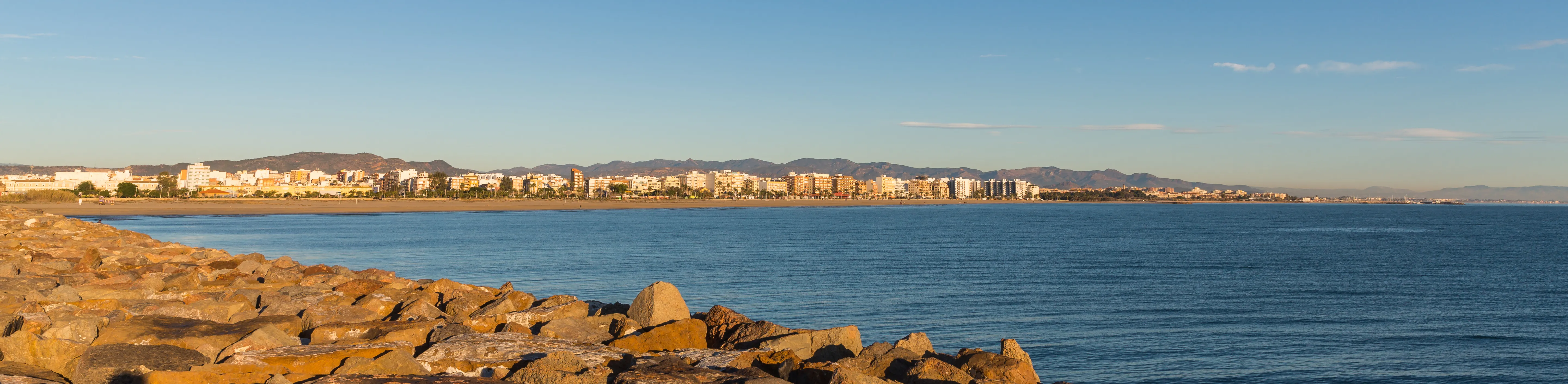
Puerto de Sagunto
Industrial and port area of Sagunto. The Port of Sagunto offers the pilgrim a landscape of industrial archaeology and Mediterranean beaches on the Levant Way.
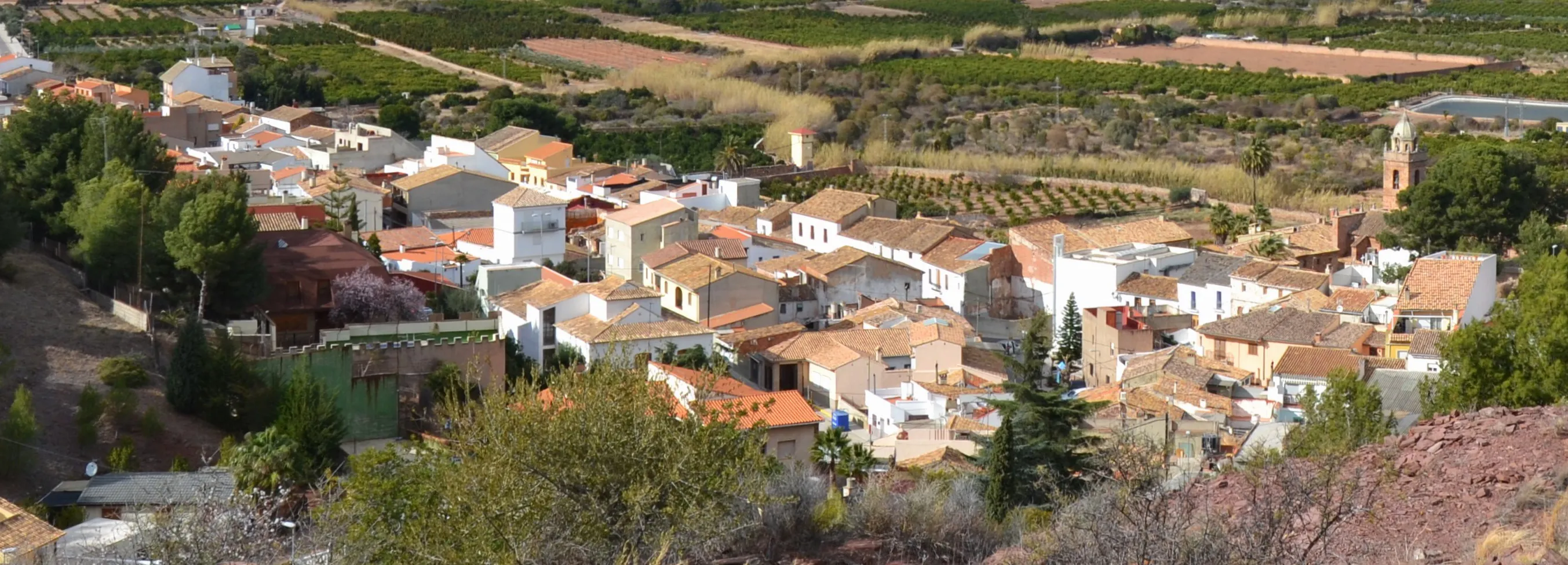
Torres Torres
Small Valencian town in the Sierra Calderona. Torres Torres, with its Arab baths and castle, is a charming stopover with history on the Levante Way.
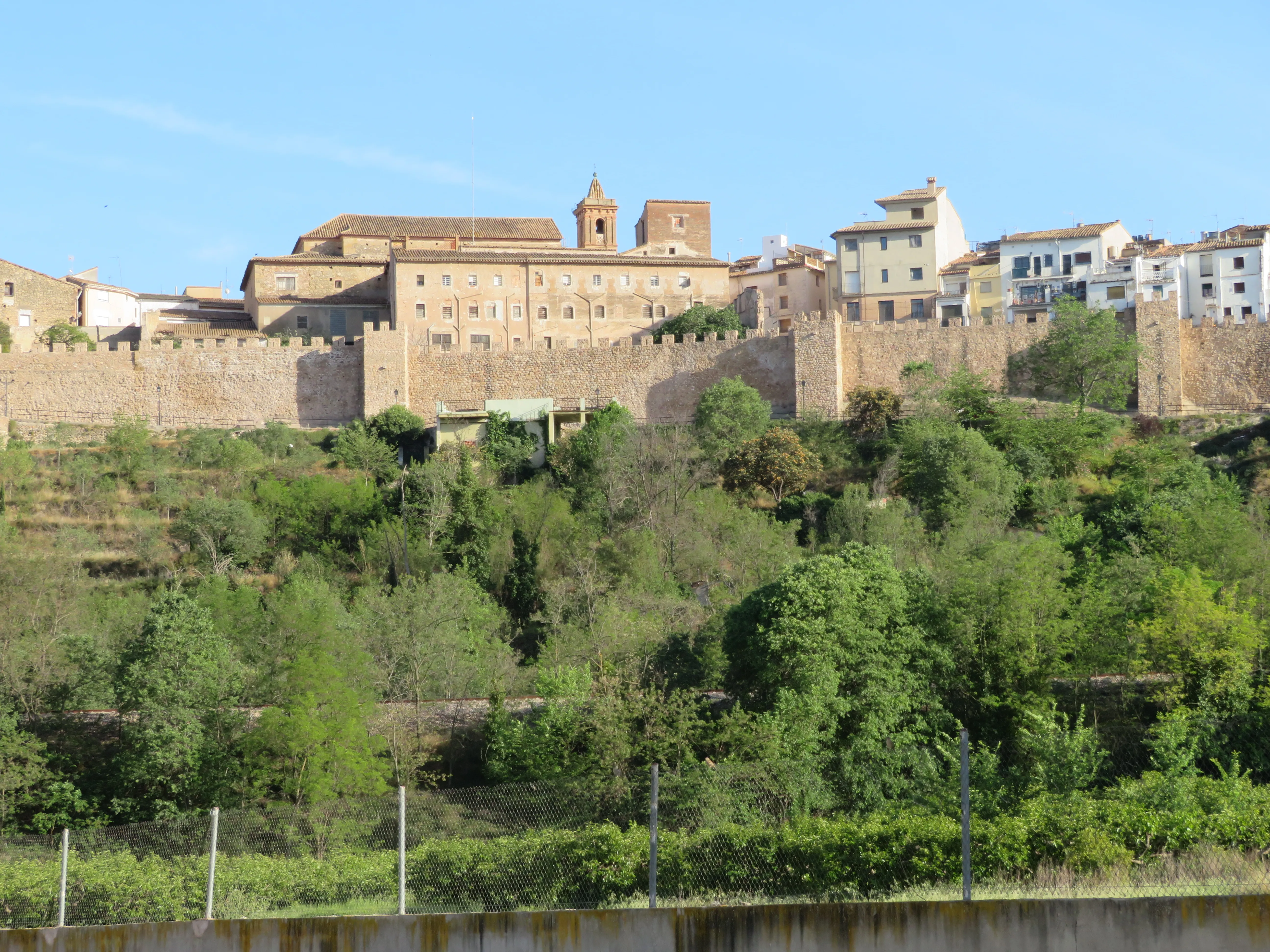
Segorbe
Capital of the Alto Palancia and a key stop on the Camino de Sagunto. Its Cathedral, walls, and famous Bull and Horse Entrance make it a cultural landmark.
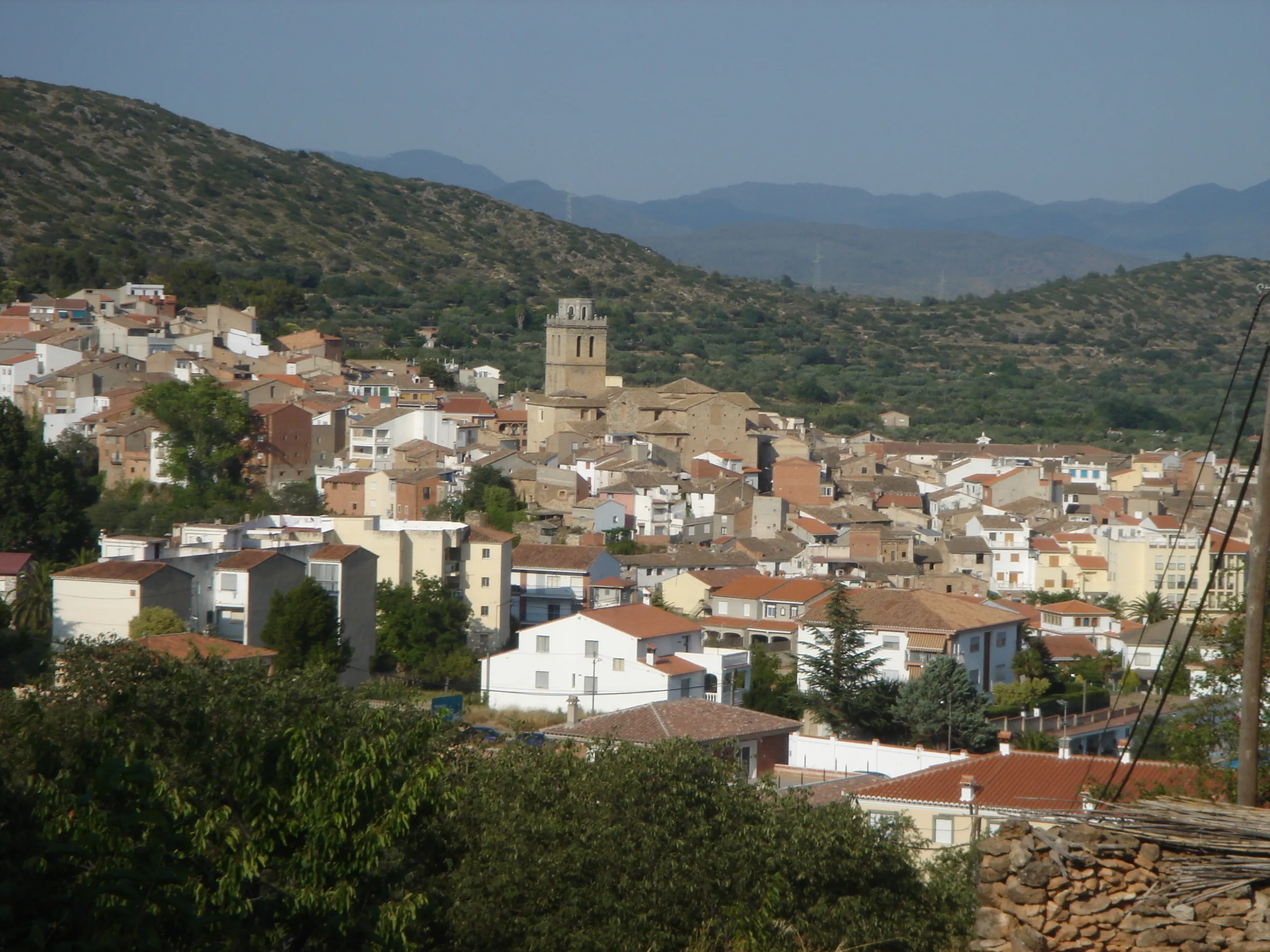
Viver
Castle town in the Alto Palancia. Viver, with its park of La Floresta and its natural surroundings, is a refreshing and tranquil stop on the Levante Route.
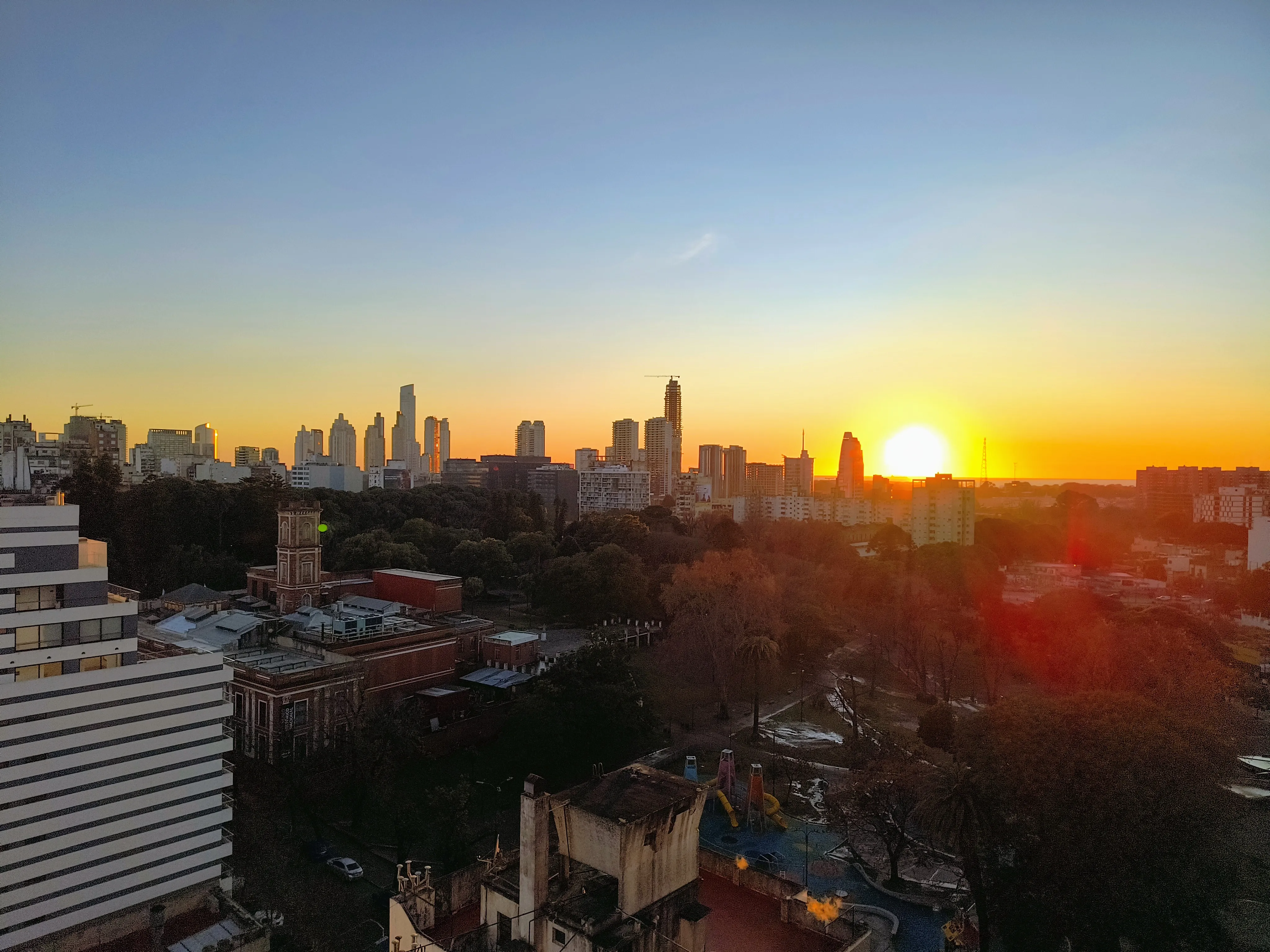
Barracas
Small Castilian municipality in the high plains. Bárqueres, on the Levante Route, is a mountain stop that offers a peaceful break before entering Teruel's territory.
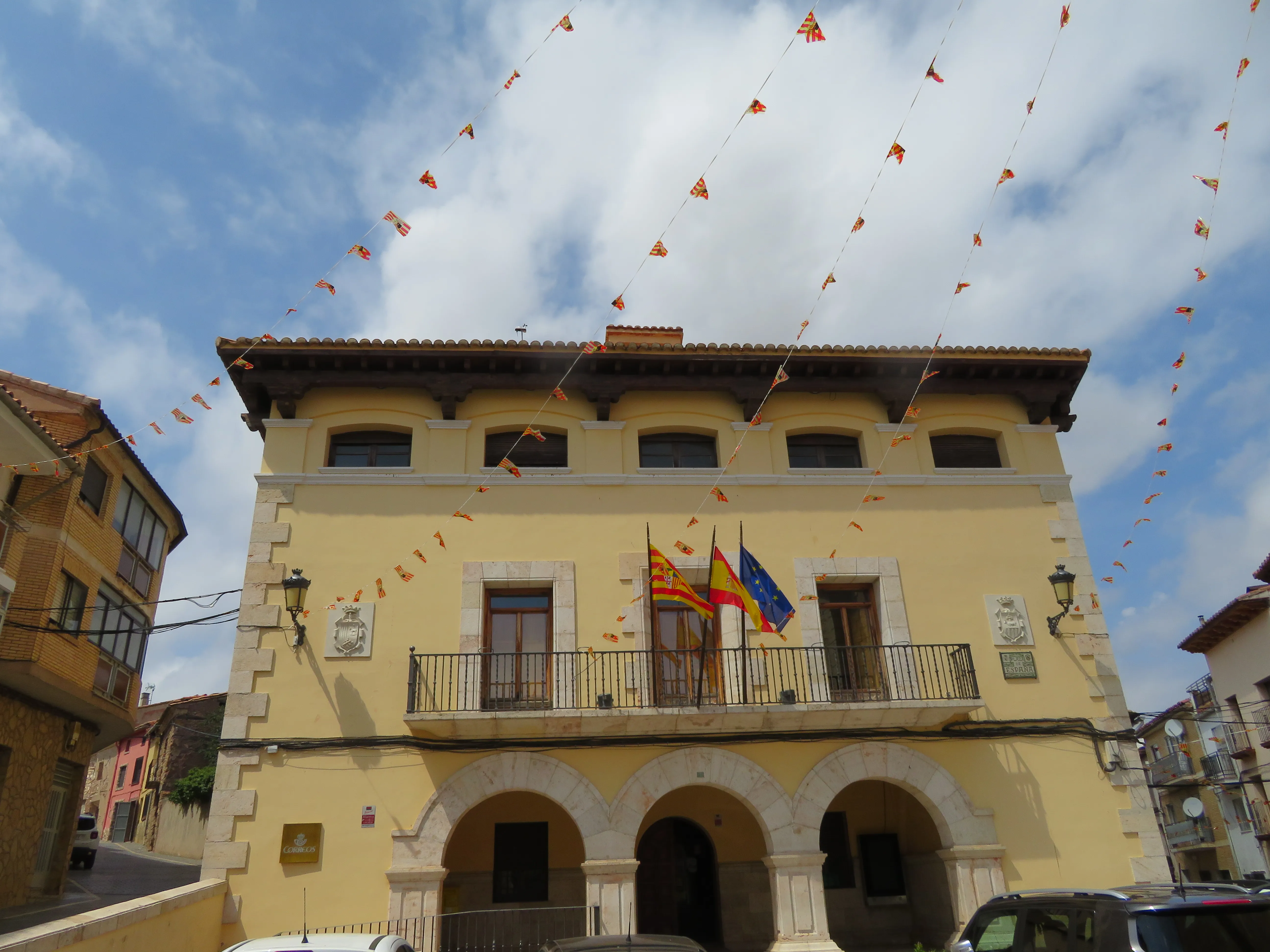
Sarrión
Capital of black truffle in Teruel. Sarrión is a gastronomic stop on the Levante Route, in a mountainous environment and a dynamic commercial atmosphere.
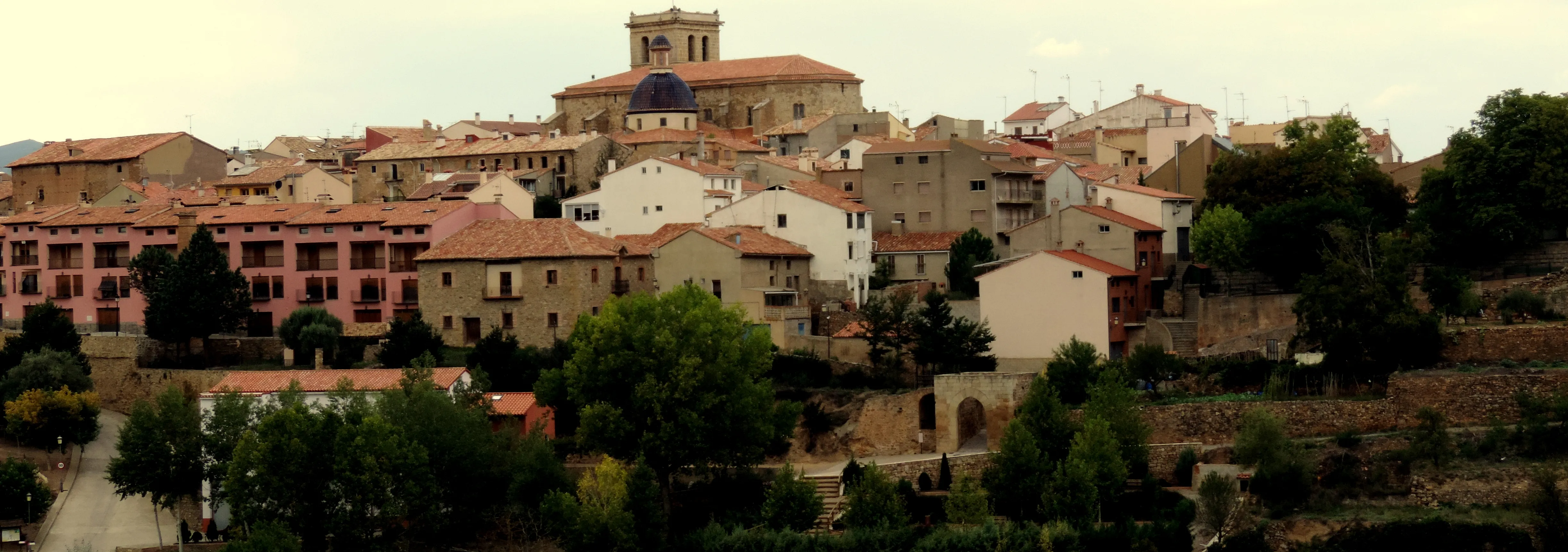
Puebla de Valverde
Troll Village in the Sierra of Javalambre. Puebla de Valverde is a functional stop on the Camino de Levante, offering pilgrims services and mountain scenery.
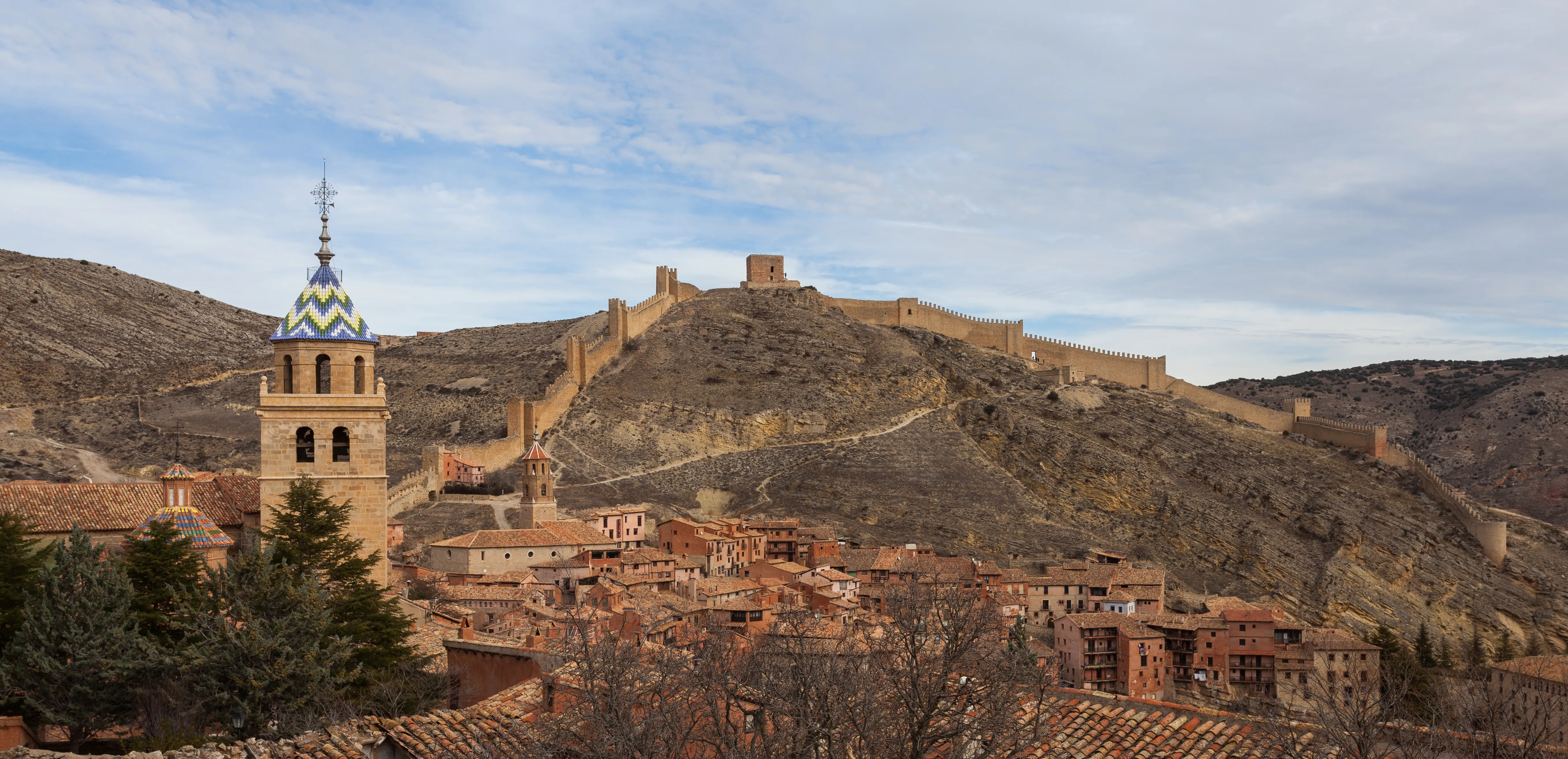
Teruel
The city of love and Mudéjar art. Teruel, with its World Heritage Site, is an indispensable cultural stop to discover the story of The Lovers and the beauty of Aragon.
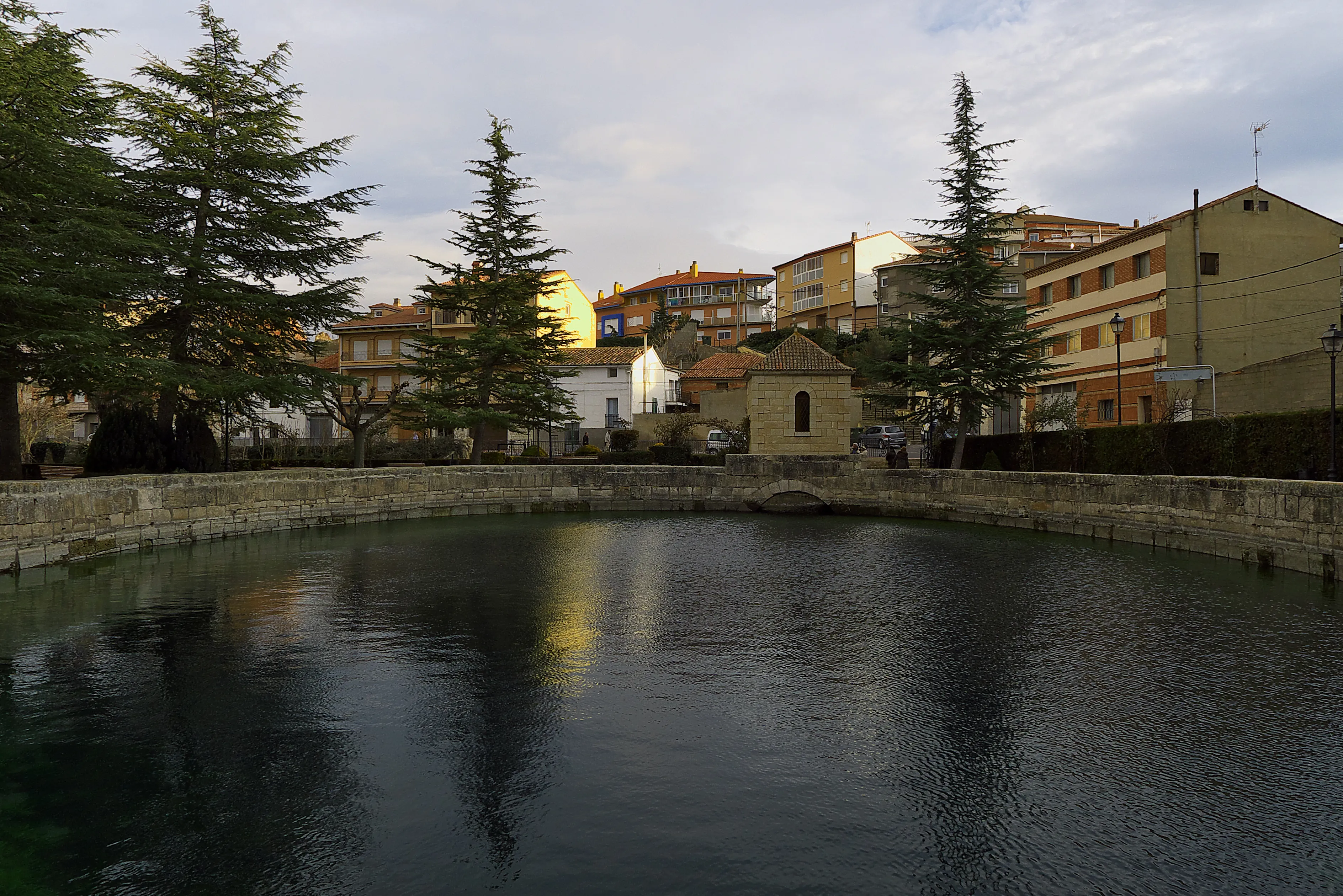
Cella
The source of the Tagus. Cellá is a stop on the Levant Way famous for its spectacular monumental fountain, one of Europe's largest, and its natural well.
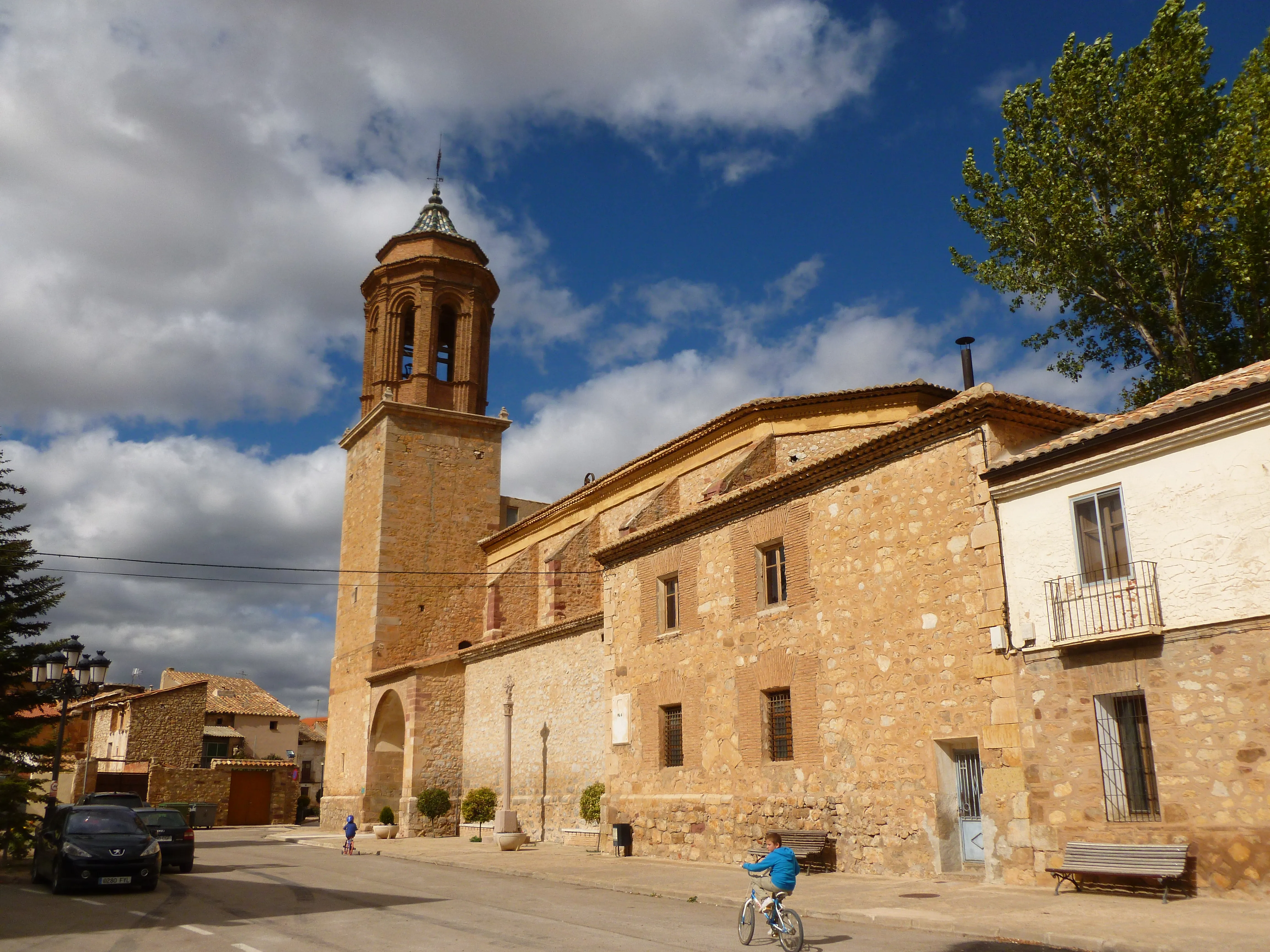
Santa Eulalia del Campo
Turkish Village in the Jiloca Valley. Santa Eulalia del Campo is a functional stop on the Levante Route, with services and a rural surroundings of great tranquility.
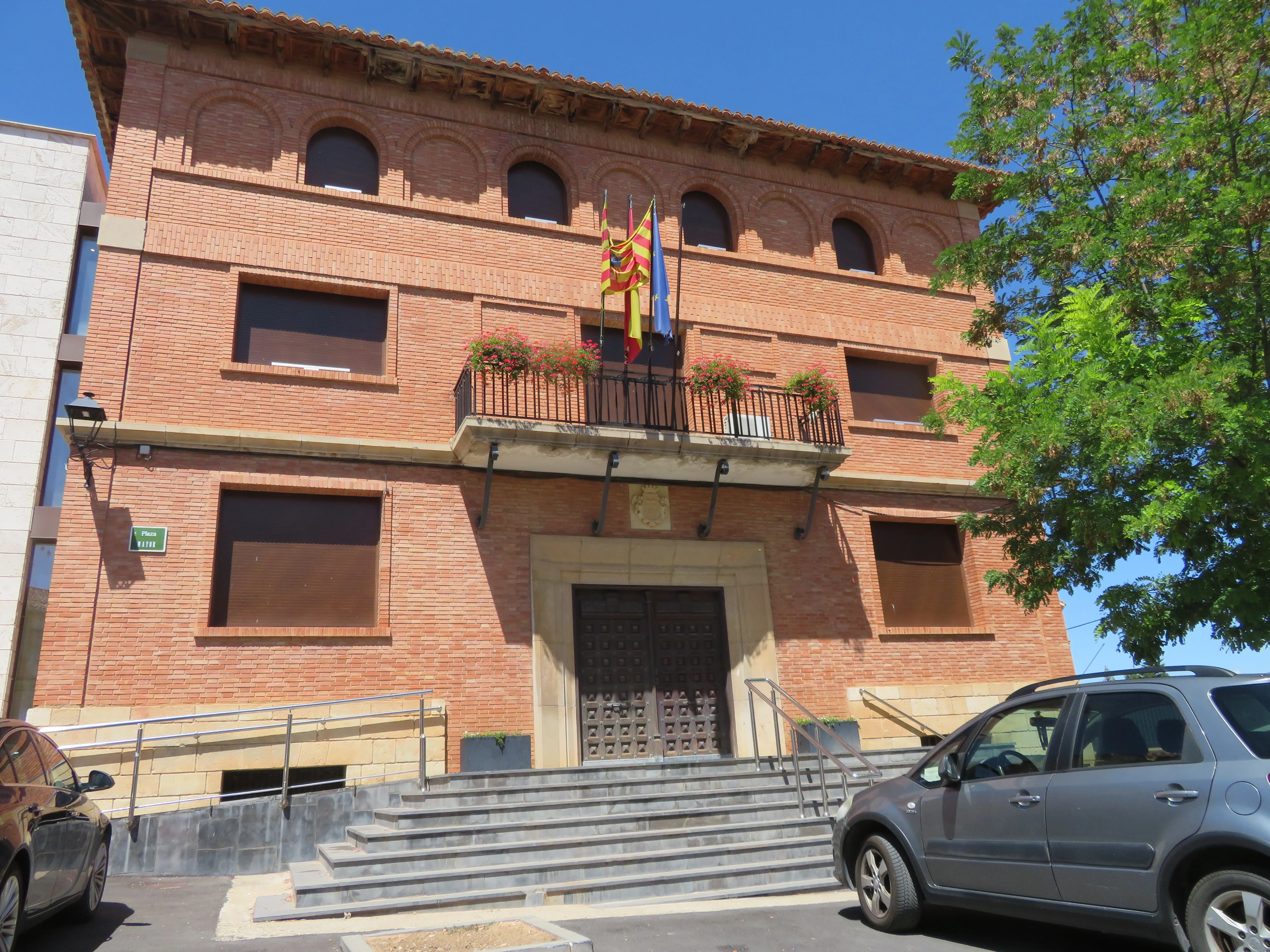
Monreal del Campo
Turkish village in the valley of the Jiloca. Monreal del Campo is a functional stop on the Levant Route, known for its wetlands and its Safran Museum.
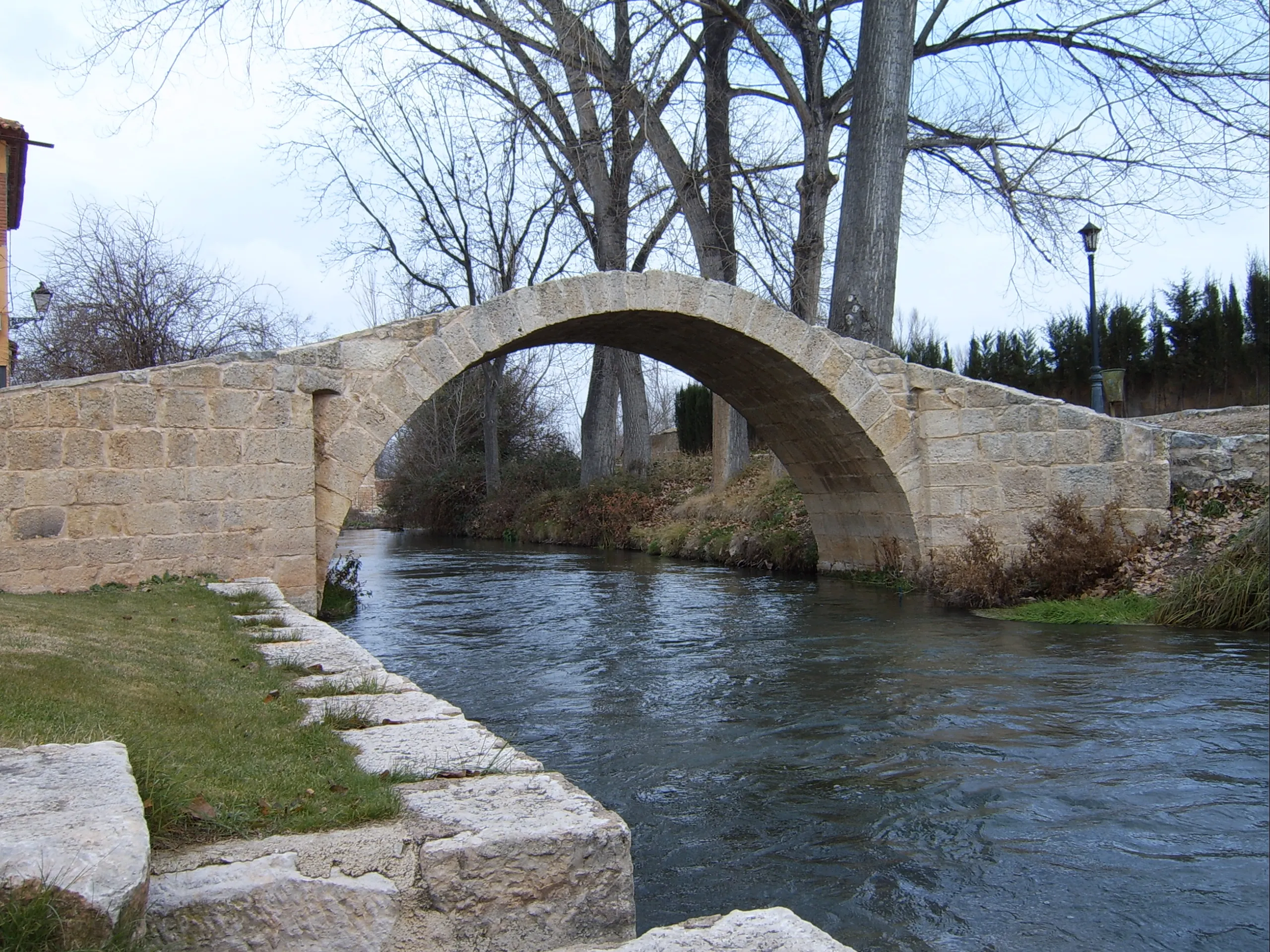
Calamocha
Capital of the Jiloca region in Teruel. Calamocha, famous for its ham and its medieval past, is an important centre of services on the Camino de Levante.
History of Way of Sagunto
The history of the route begins at its starting point: Sagunto. The ancient Arse of the Iberians, and later the Roman Saguntum, is a city marked by fire in history. Its heroic resistance against the Carthaginian army of Aníbal in 219 BC, which triggered the Second Punic War, made it a symbol of loyalty and sacrifice. Its theater and Roman castle are testaments to its importance in antiquity. As a node of communication for the Via Augusta, it was a natural starting point for travelers heading inland.
Although there are no chronicles that detail a Jacobean route from Sagunto in the Middle Ages, its route coincides largely with the "Way of Exile", one of the sections of the tourist-cultural route of the "Way of the Cid". This itinerary remembers the journey into exile of Rodrigo Díaz de Vivar, the Cid Campeador, in the 11th century. The hero's adventures, as told in the "Cantar de mio Cid", took him through these same lands bordering between Christian kingdoms and Muslim taifas. Medieval pilgrims who passed through the area followed the same routes, and the figure of the Cid, a quintessential Christian knight, became a legendary reference in his own pilgrimage of faith.
The Way of Sagunto was therefore the logical option for Valencia's pilgrims who wanted to avoid the long coastal route north. Moving northwest, the path rises from the Valencian plain into the mountains of the interior, passing through historic villages like Segorbe or Jérica. It enters Aragon via the province of Teruel, one of the areas with the highest concentration of Mudéjar art —declared World Heritage by UNESCO—, visible in the towers of its churches in towns like Jérica or Rubielos de Mora.
The objective of the route was to reach the Meseta to connect with routes heading to Burgos. Generally, it sought to link up with the Way of the Wool or the Castellano-Aragonese Route in the province of Soria. This final section was especially difficult, crossing some of the coldest and most depopulated comarcas of the peninsula.
The modern revival of this route has been closely tied to the promotion of the Way of the Cid, which gives it a unique character. It is a double pilgrimage: towards the tomb of the Apostle and through the scenes of Spain's greatest epic poem. It offers the contemporary pilgrim an experience of great solitude, breathtaking landscapes, and immersion in the history of borderlands, following the footsteps of nobles, soldiers, and legendary heroes.
Accommodations on the Route
The Way of Sagunto has 128 verified accommodations along the entire route.
View Stages & AccommodationsPractical Tips for Way of Sagunto
Best Season
Spring (April-June) and autumn (September-October) are the best seasons. Pleasant temperatures and fewer crowds than summer.
Physical Preparation
Train by walking progressively in the months before. Start with short distances and increase. Your body will adapt to the rhythm of the Camino.
What to Pack
Light backpack (max 10% of your weight), worn trekking shoes, breathable technical clothing, raincoat, sunscreen and basic first aid kit.
General Tips
Carry the pilgrim credential, stay hydrated, respect your pace, book accommodation in high season and enjoy the journey without rushing.
FAQ about Way of Sagunto
El Camino de Sagunto tiene una distancia total de 394 km y se estima que requiere unos 16 días para completarlo a un ritmo moderado. En Ourway Travel, gestionamos la reserva de tu ruta asegurando que tengas el tiempo necesario para disfrutar plenamente del recorrido.
La temporada media entre abril y junio, así como en septiembre y octubre, representa la mejor opción para realizar el Camino de Sagunto. Ofrece un clima agradable con temperaturas que oscilan entre 10-25°C y una menor presencia de peregrinos, creando un ambiente más relajado y acogedor para disfrutar del recorrido.
El precio exacto para nuestro servicio en el Camino de Sagunto varía según la temporada, los servicios adicionales que se requieran y la duración del viaje. Para una cotización precisa, te recomendamos contactar directamente con nosotros a través de nuestro sitio web o llamada telefónica donde un experto gestionará tu reserva personalizada.
El Camino de Sagunto destaca por su conexión única entre la costa valenciana y las rutas del interior, ofreciendo vistas panorámicas de montañas y pueblos históricos. A diferencia del Camino Francés o el Británico, que son más transitados durante el verano, el Camino de Sagunto ofrece una experiencia más tranquila en ciertas estaciones del año, especialmente en primavera y otoño.
En Ourway Travel, nuestro servicio para el Camino de Sagunto incluye la gestión completa del itinerario personalizado, alojamientos seguros y cómodos, así como asistencia 24/7 durante tu viaje. También proporcionamos información detallada sobre la historia y los lugares que visitarás en ruta.
El nivel de dificultad para el Camino de Sagunto se considera medio, debido a su recorrido a través de terrenos montañosos y valles. Esta ruta ofrece desafíos físicos que van más allá del paseo urbano o costero, pero Ourway Travel te guía paso a paso para asegurar una experiencia segura y gratificante.
Para reservar tu viaje en el Camino de Sagunto con Ourway, puedes completar nuestro formulario de reserva en línea o contactarnos directamente por teléfono. Nuestros expertos te asesorarán sobre las mejores opciones y te ayudarán a personalizar cada detalle para que puedas disfrutar al máximo de tu viaje.
Para iniciar el Camino de Sagunto, es recomendable obtener una credencial peregrina y considerar la contratación de un servicio de transporte de equipaje. En Ourway Travel, gestionamos todos estos detalles para asegurar que tu viaje comience sin complicaciones.
Ready for this adventure?
Let us organize your pilgrimage. We take care of accommodations, transfers and everything you need.