
Camino de Santiago
Forgotten Path
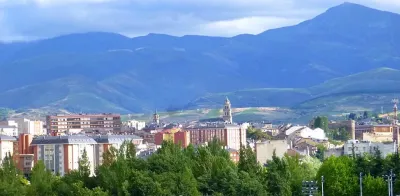
Rediscover the Forgotten Way, an ancient Jacobean route before the French Way. From Bilbao or Pamplona, it traverses the north mountains of Spain until Villafranca del Bierzo.
Organize your Forgotten PathLast updated: 21/05/2024
The Route
General Description of Forgotten Path
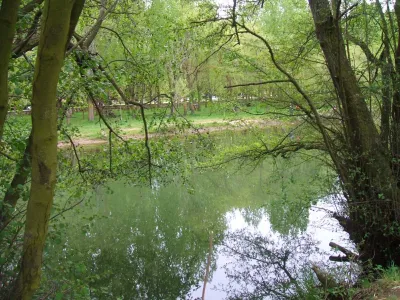
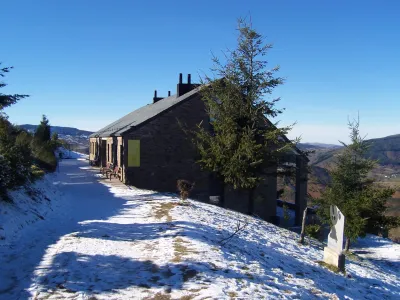
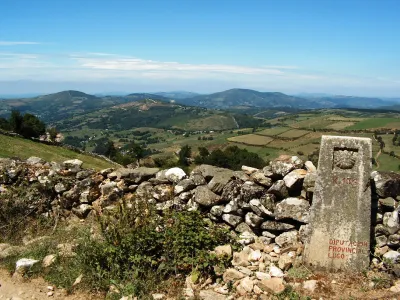
With a journey that exceeds 500 km, it is an demanding route, with solitary stretches and significant inclines, but of exceptional landscape beauty and historical value. Its recent revival attracts pilgrims seeking less crowded routes with a strong adventure component.
Related Routes
Connections of Forgotten Path
Camino Francés
779 km
33
Moderate
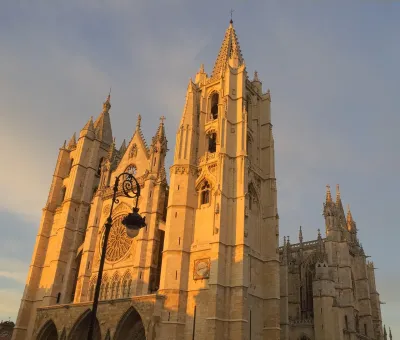
The Camino Francés is the pilgrimage route to Santiago par excellence, chosen by thousands of pilgrims every year. Running roughly 780 km from Saint-Jean-Pied-de-Port, or slightly less from Roncesvalles, it crosses northern Spain. This path, declared a World Heritage Site by UNESCO, offers an exceptional network of services and pilgrim hostels. Pilgrims make their way through Navarra, La Rioja, Castilla y León, and finally Galicia, marveling at cities rich in monuments such as Pamplona, Burgos, and León, and at villages with a charm of their own. The diversity of its scenery is one of its great draws, from the Pyrenees and the Castilian plains to the green forests of Galicia. It is a physical and spiritual journey that leaves an indelible mark, ideal both for seasoned pilgrims and for those setting out on the Camino de Santiago for the first time.
Stages of this variant:
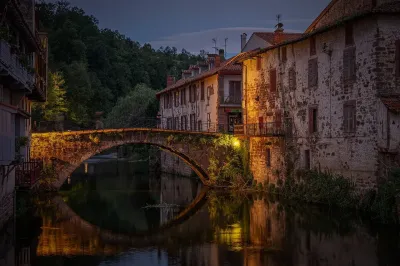
Stage 1: Saint-Jean-Pied-de-Port to Roncesvalles
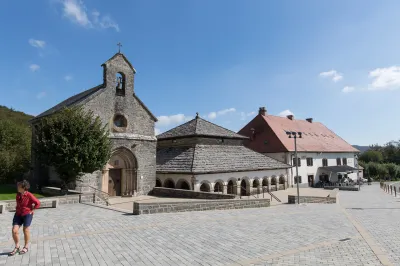
Stage 2: Roncesvalles to Zubiri
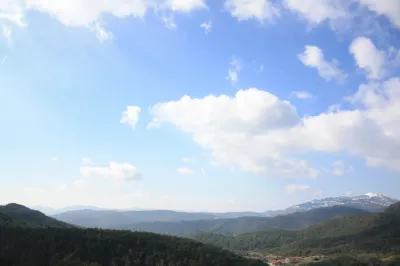
Stage 3: Zubiri to Pamplona
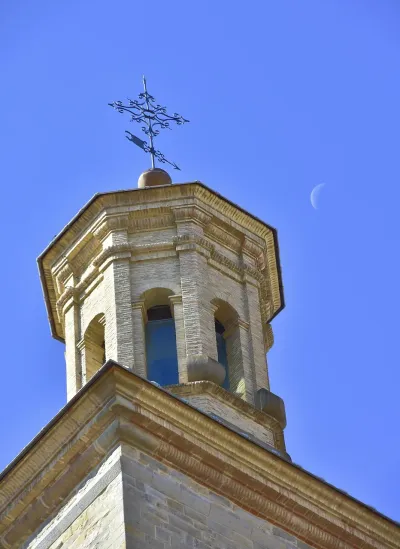
Stage 4: Pamplona to Puente la Reina
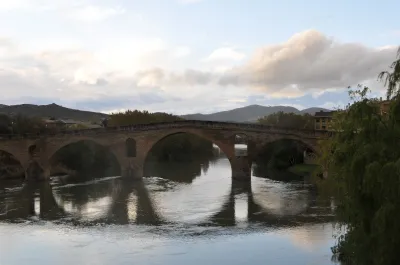
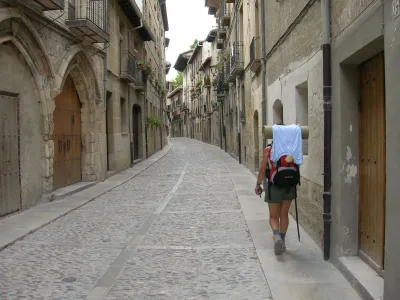
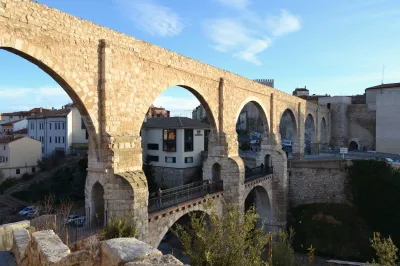
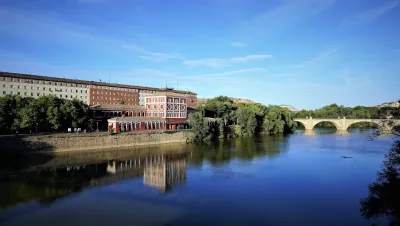
Stage 5: Puente la Reina to Estella
Your trip with Ourway
Everything you need for your Camino
No hassle. Your perfect route, from start to finish.
Accommodation
Selected hotels and hostels at every stage
Luggage transfer
Your backpack travels from stage to stage
Camino Guide
Detailed map with directions and services
24h Support
Team available for any unforeseen event
Pilgrim credential
Official documentation included
No commitment
Free personalized consultation
Walk this route with us
Fancy walking this route?
We don't have a ready-made package for this route yet, but we'll organise it around you. Tell us how you'd like to experience it and a specialist will reply within 24 h.
Request your proposalStages
Stages of Forgotten Path
Bilbao → Güeñes
The first stage of the Forgotten Way from Bilbao is a transitional journey that takes the pilgrim out of the great city. The route is demanding, with an initial strong climb to leave the valley of Bil...
Güeñes → Nava de Ordunte
This stage enters the heart of Las Encartaciones, in a medium mountain terrain. The profile is demanding, with several ascents and descents. The route passes through the historic village of Balmaseda,...
Nava de Ordunte → Bercedo
This stage enters the Mena Valley in Burgos province. The profile is of medium mountain, with a continuous rise and fall through a landscape of green meadows, forests, and small traditional villages. ...
Bercedo → Quintanilla del Rebollar
This stage continues through the Las Merindades region, on medium mountain terrain. The profile is undulating, with an ascent to Cabrio Pass. The landscape is of great beauty, with oak and beech fores...
Quintanilla del Rebollar → Soncillo
This stage is a long journey that crosses the Valdebezana valley. The profile is smoother than in previous days, with a terrain of gentle undulations. The landscape is of great beauty, with meadows, f...
Soncillo → Arroyo de Valdearroyo
This stage marks the entry into Cantabria. It is a day of great beauty that approaches the birthplace of the Ebro River. The profile is undulating, with an ascent to the Puerto de Carrales. The landsc...
Towns
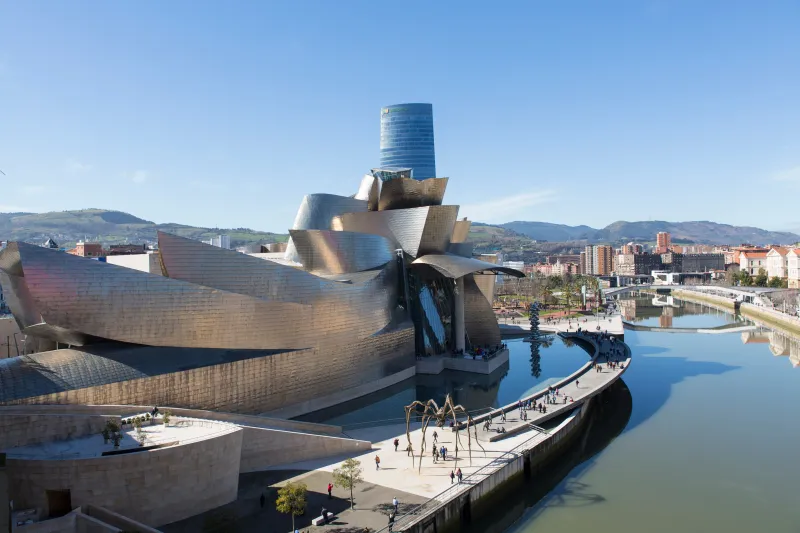
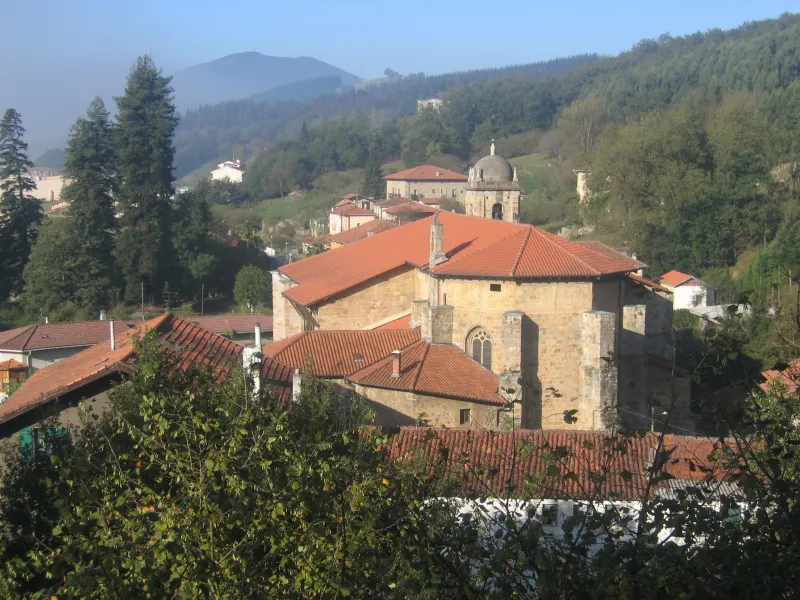
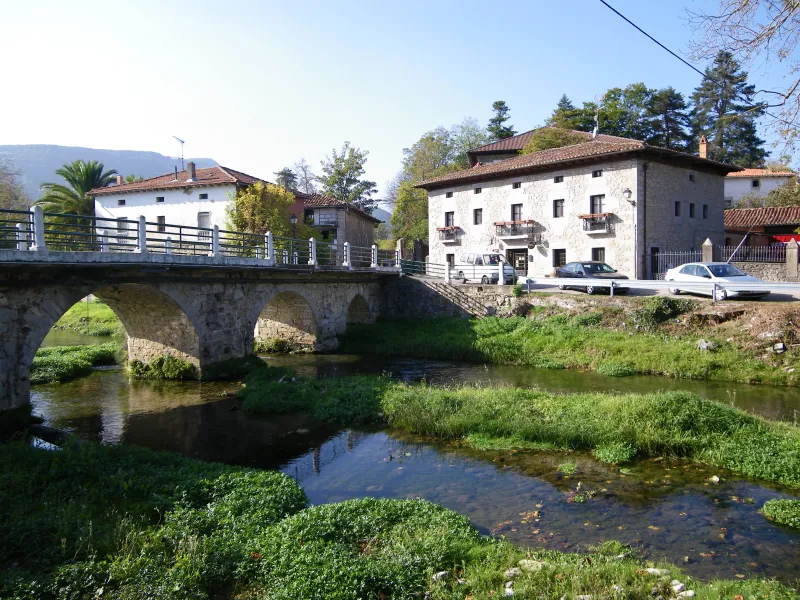
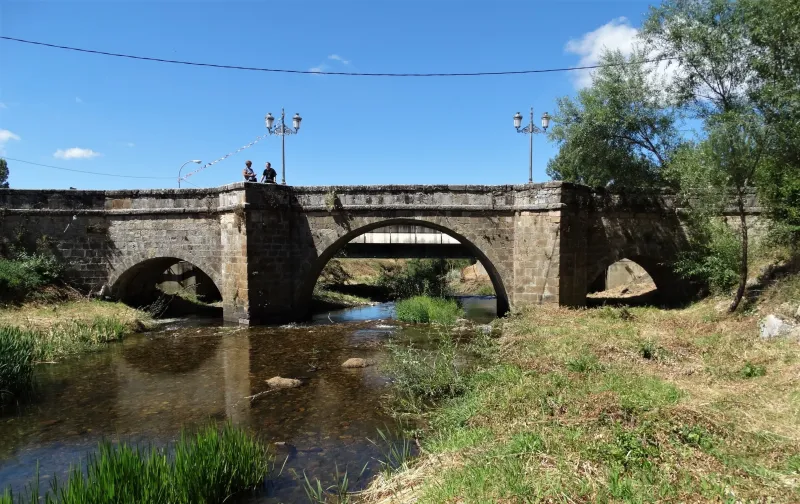
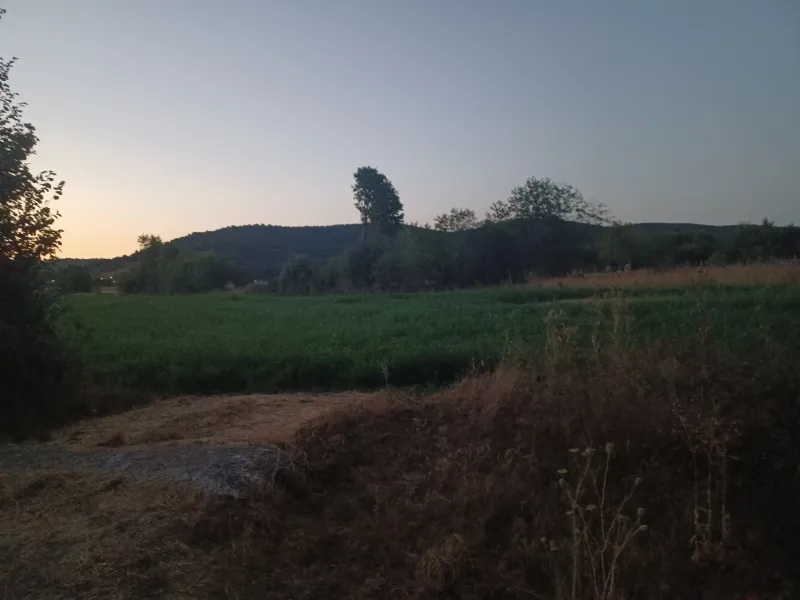
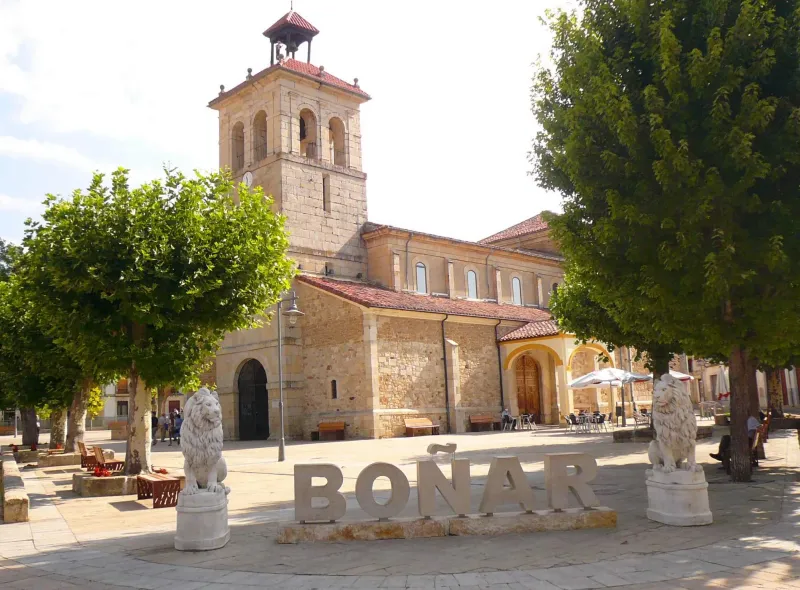
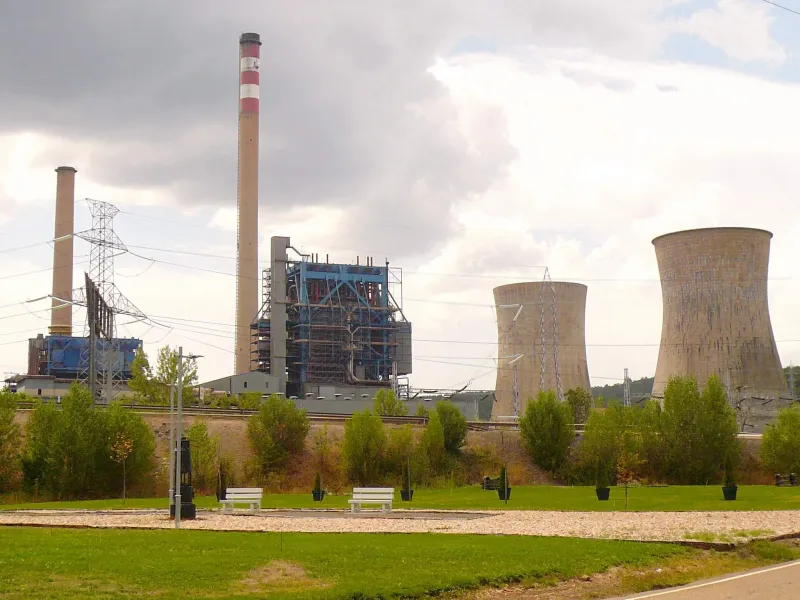
Featured Towns of Forgotten Path
Explore the key towns and cities of this route.
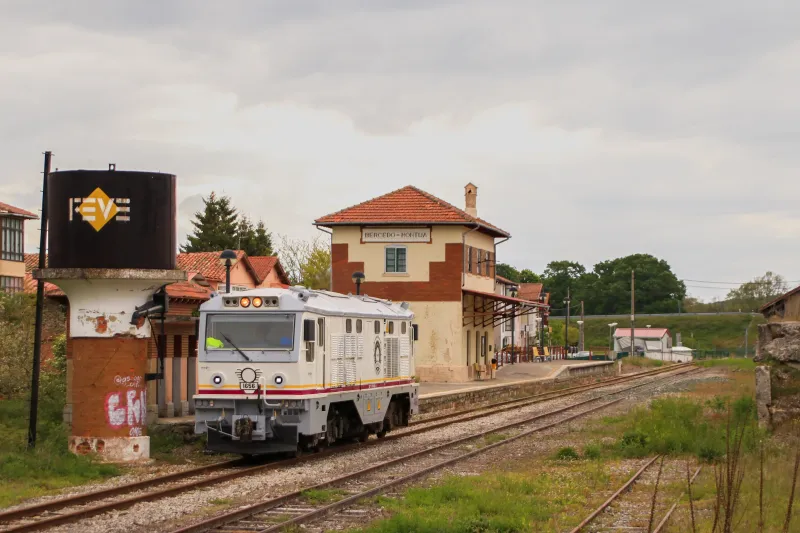
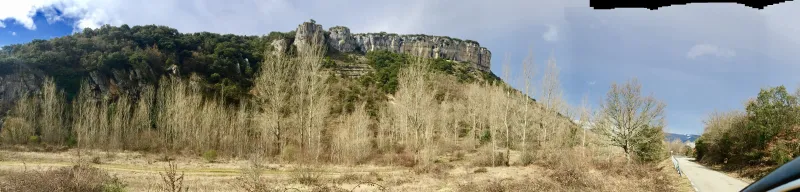
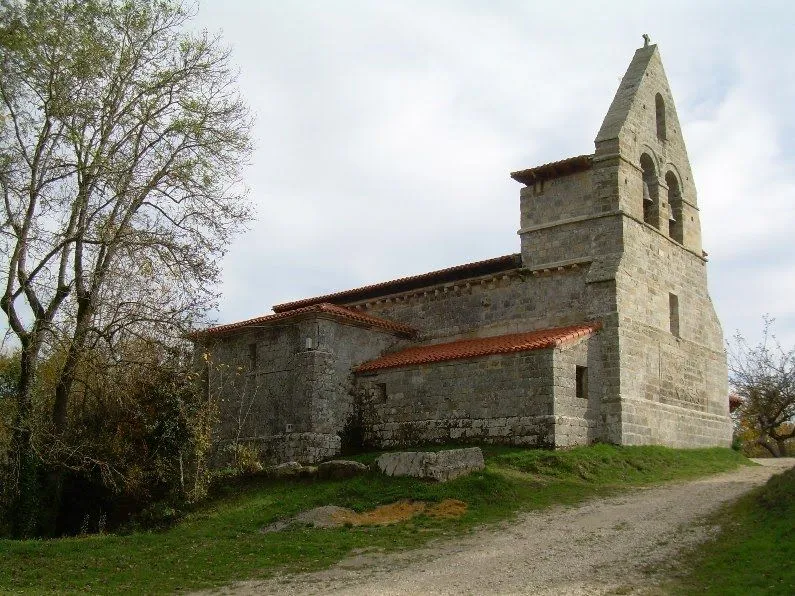
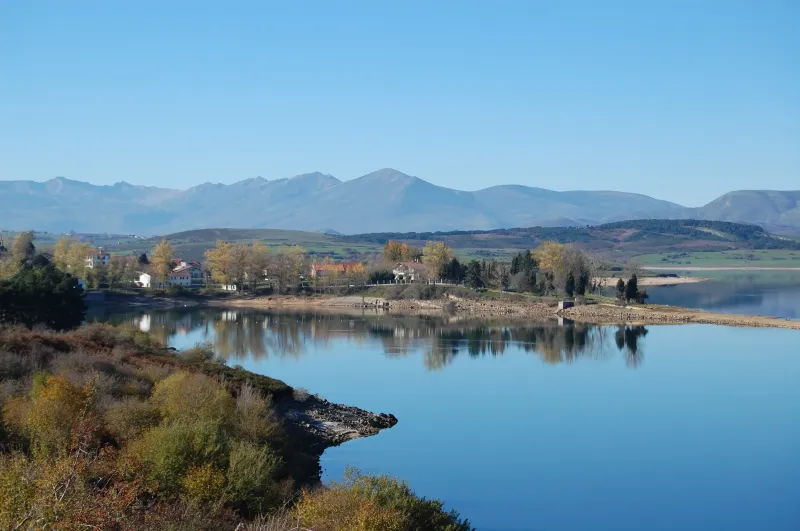
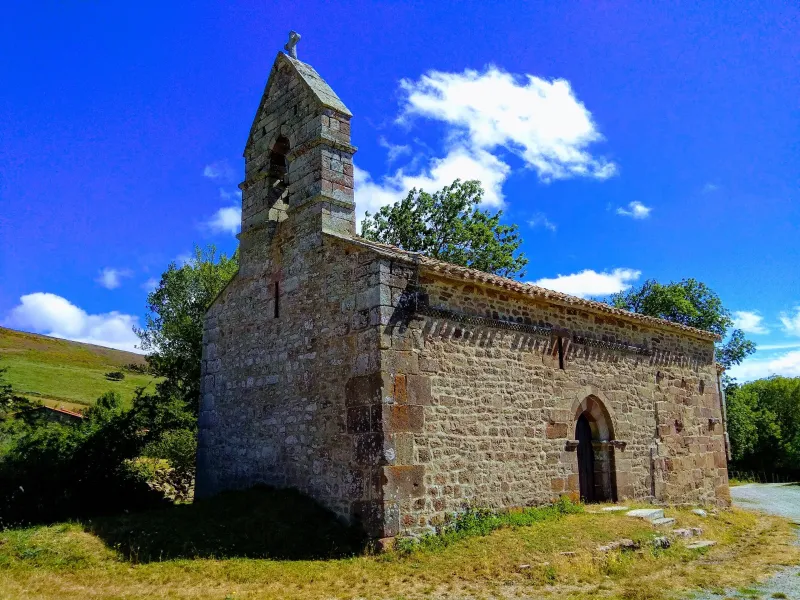
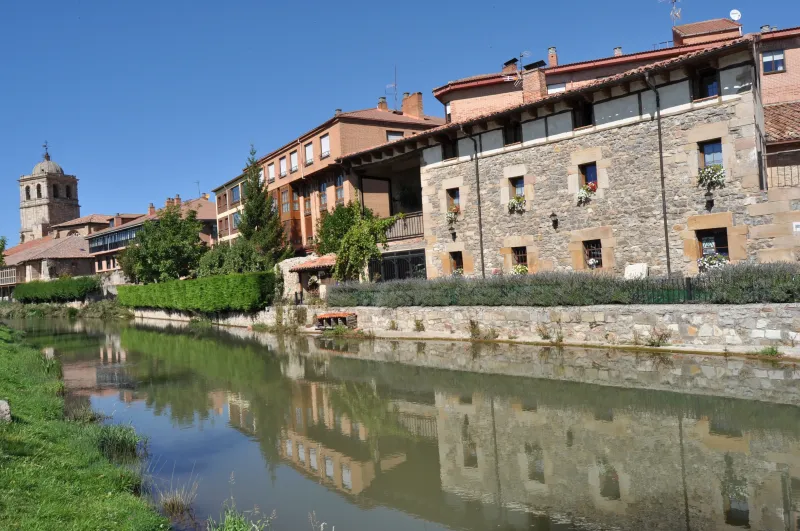
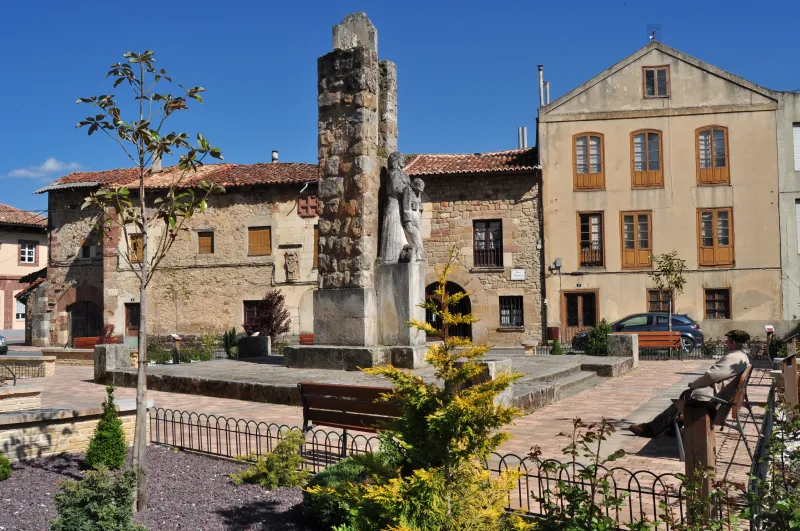
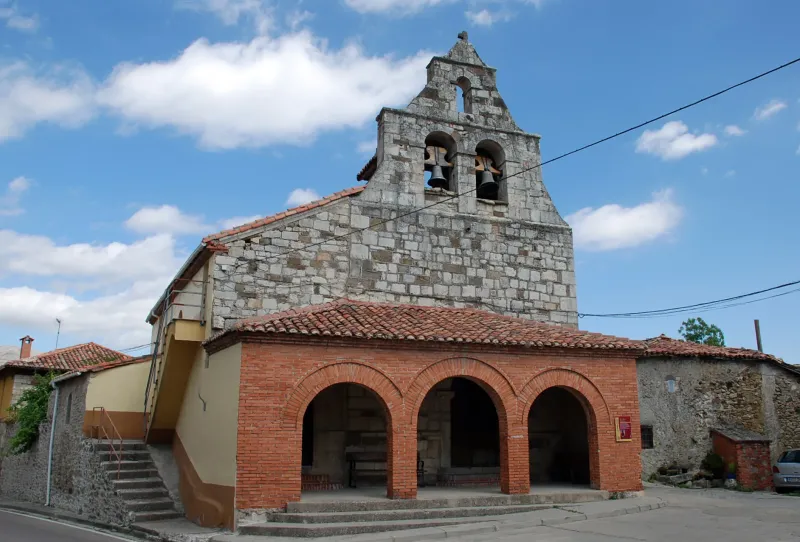
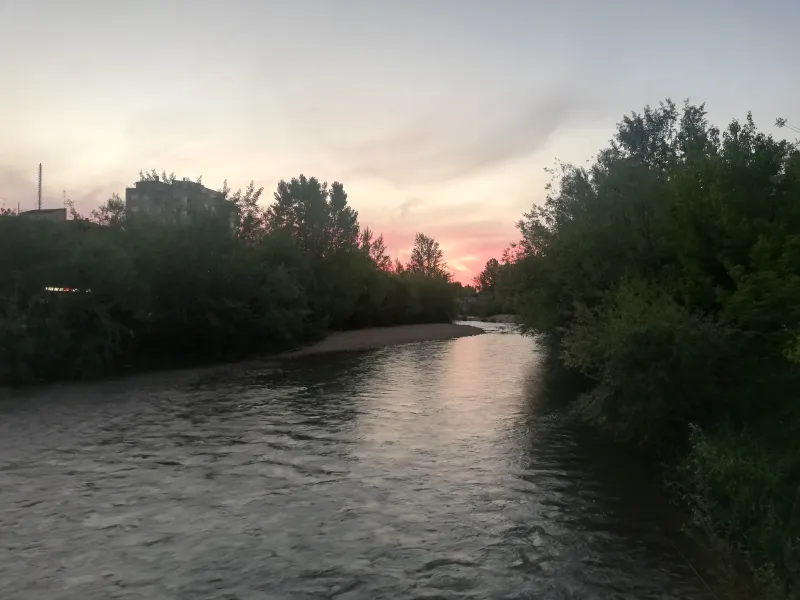
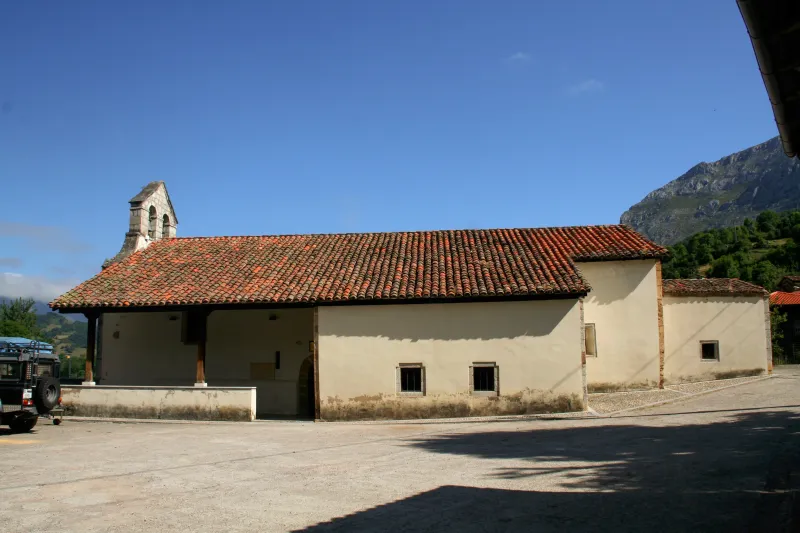
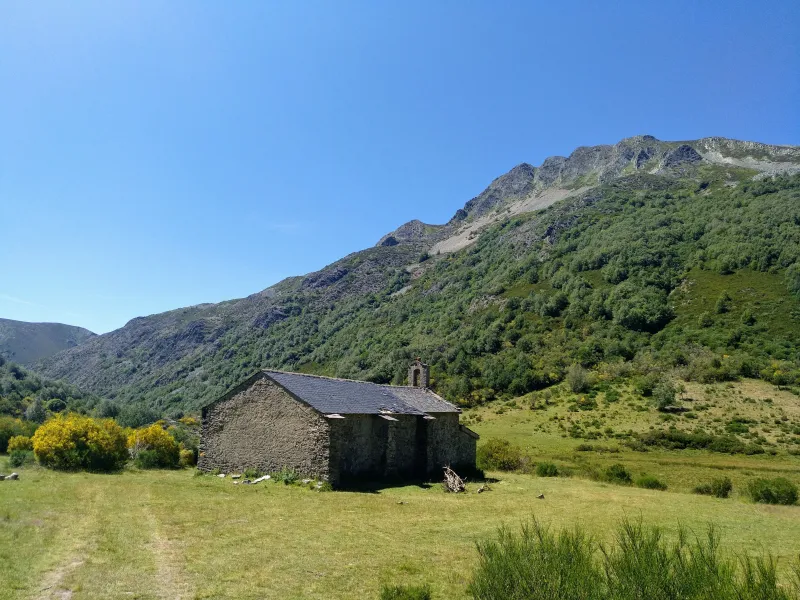
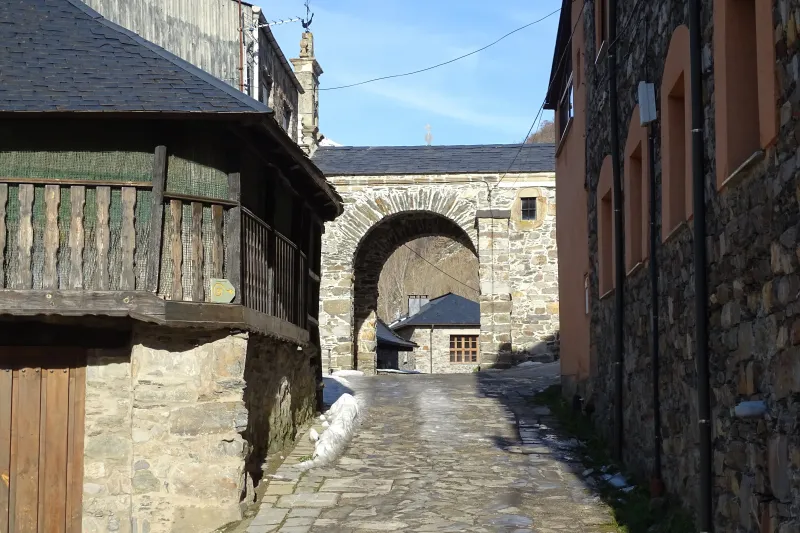
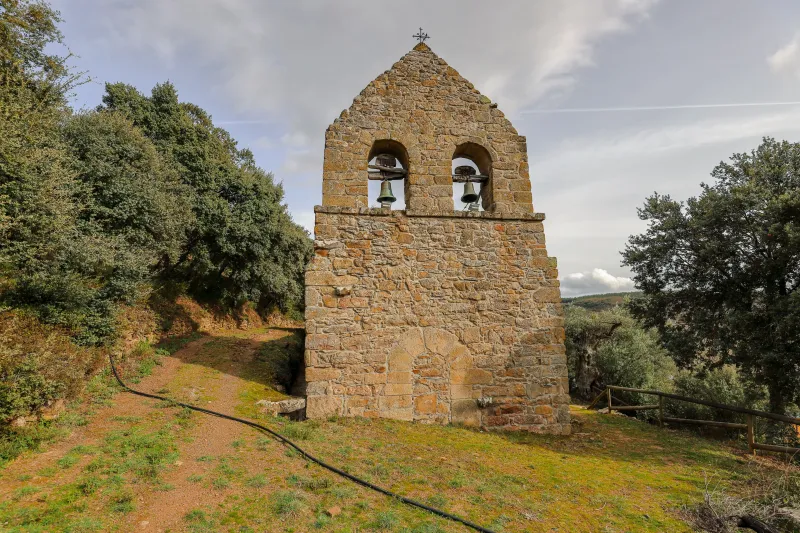
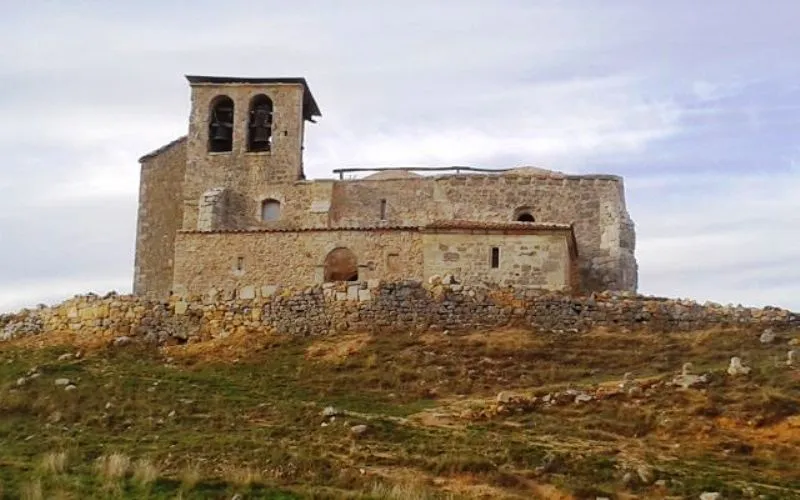
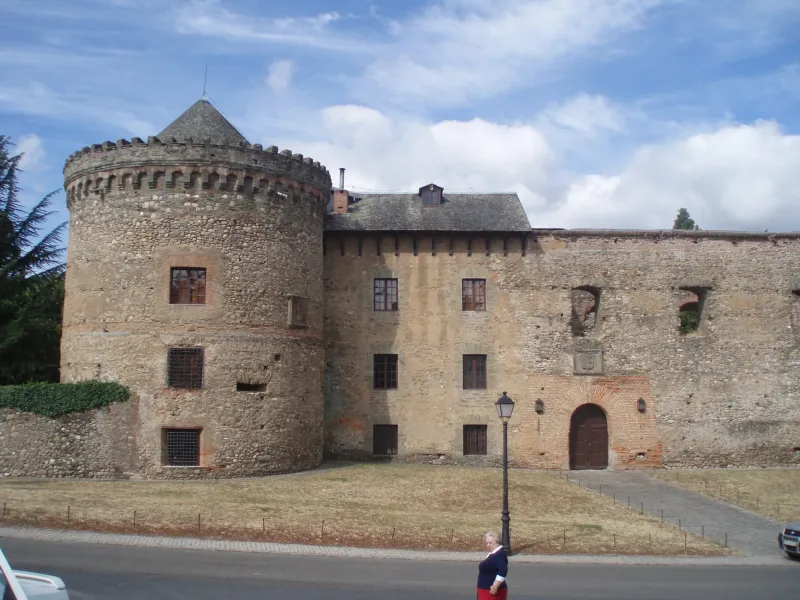
History
Millenary History of the Camino de Santiago: Origins and Evolution Forgotten Path
Discover the origins and evolution of Forgotten Path
In the early centuries after the discovery of the Apostle's tomb, the Iberian Peninsula was a territory in constant conflict. Christian kingdoms clung to the north, and the border with Al-Andalus was an unstable and dangerous line. For the first pilgrims, both locals and those arriving from Europe at the Vascos ports, the most logical and safe route was not to venture into open plains, but to seek shelter in the mountains. The Forgotten Path offered precisely that: a natural corridor protected by geography, which connected the emerging Lordship of Vizcaya with the Leonese Bierzo through the mountainous comarcas of northern Burgos, southern Cantabria, and northern Palencia.
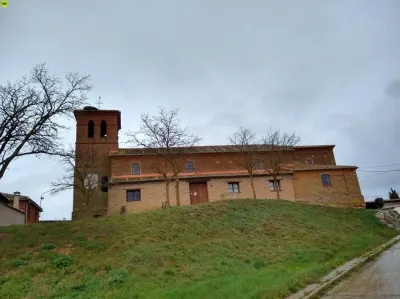
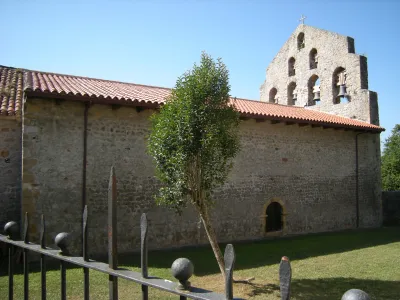
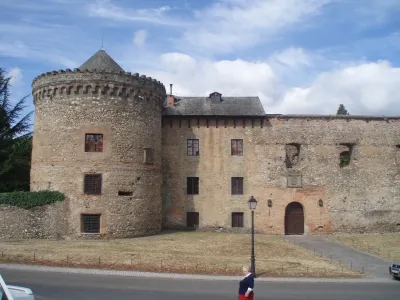
This route not only offered physical security but also connected important monastic and power centers of the time, which acted as beacons of civilization and refuge for travelers. It passed by strategic enclaves such as the Monastery of San Salvador de Oña in Burgos, a royal pantheon of great influence, or the village of Aguilar de Campoo in Palencia, now considered the capital of Romanesque art due to the incredible concentration of churches and hermitages in its surroundings. These holy places offered hospitality and solace to pilgrims on a route that, while safe from incursions, was not exempt from the hardships of high mountain: cold, snow, wolves, and long stretches without population.
The path's layout is a clear reflection of its mountainous character. Starting from points like Bilbao or Balmaseda, it ventured into the valleys of Las Merindades of Burgos, crossed the Ebro by Valderredible in Cantabria, and faced the ports of the Palentine and Leonesa Mountains. It was an demanding path, with constant ascents and descents, that required great physical and spiritual strength.
The "forgetfulness" of this path began in the 12th century. With the advance of the Reconquista and the determined promotion of Navarre and Castile kings, the French Way, more to the south and considerably flatter, became the new "highway of faith". With better infrastructure, greater royal protection, and the impulse of the Cluny Order, the route diverted the main flow of pilgrims. The Mountain Path was relegated to local use or for travelers who knew the terrain well. As the centuries passed, its memory faded from the general map of pilgrimages, although it never disappeared completely from the memory of the people that traversed it.
Its rediscovery and recovery in the 21st century is an authentic labor of pedestrian archaeology. Historians and friends of the Camino associations have dedicated years to investigating ancient documents, charters, and maps to reconstruct its original route, signaling it again for contemporary pilgrims. Today, the Forgotten Path offers a Jacobean experience of overwhelming authenticity. It's a solitary, hard, and wild path that allows the walker to connect with the essence of medieval pilgrimage and discover landscapes and Romanesque heritage of incalculable value, before converging near Villafranca del Bierzo with the French Way. Walking it is, in some way, unearthing forgetfulness and doing justice to one of the first paths that led men to Santiago.
We answer your questions
Frequently Asked Questions about Forgotten Path
How many kilometers and days does the Forgotten Way of Santiago (Viejo Camino de Santiago) take?
The Forgotten Way, also known as the Old Route to Santiago, is a Jacobean route that spans approximately 498 km and typically takes around 21 days to complete. This ancient path crossed through the northern mountains of Spain from Bilbao or Pamplona to Villafranca del Bierzo.
What is the best time to undertake the Forgotten Way?
The best time to undertake the Forgotten Way is during mid-season, specifically in April-June or September-October. During these months, you will enjoy pleasant weather and a lower influx of pilgrims. In May, the fields are green with flowers, while in September there is still mild warmth but fewer people than in summer.
What is the difficulty level of the Forgotten Path, and what kind of preparation is needed?
The Forgotten Path is considered to be a high-difficulty trail due to its mountainous terrain, significant elevation changes, and isolated areas. It's essential to be physically well-prepared with adequate fitness for long-distance walking in challenging conditions.
How much does a full package from Ourway Travel cost for the Forgotten Path?
The costs of a full package from Ourway Travel for the Forgotten Path vary depending on season, included services, and other factors. We recommend contacting us directly for a personalized quote.
What services does Ourway Travel include in the Lost Path package?
Ourway Travel's package for the Lost Path includes guaranteed accommodation, luggage transfers, and personalized advice. Additionally, our experts manage all necessary reservations and provide detailed information about the route.
How can I book the Forgotten Path with Ourway Travel?
To book the Forgotten Path with Ourway Travel, simply fill out our online contact form or call us directly. One of our experts will get in touch to discuss your needs and provide you with a personalized quote.
How does the Forgotten Way compare to other Jacobean routes?
The Forgotten Way is one of the oldest and least crowded pilgrim paths, offering a historical and adventurous journey through the northern Spanish mountains. Unlike the popular French Way, the Forgotten Way attracts pilgrims seeking a more authentic and less touristy experience.
How can I obtain the pilgrim's credential for the Forgotten Way?
The pilgrim’s credential is a necessary document that you can get at Tourist Offices, churches, or specialized stores. Ourway Travel can also assist you by providing detailed information and recommendations on where to obtain it before your journey.
Organize Your Camino
Ready for this adventure?
Forgotten Path