
Camino de Santiago
Vézelay (Via Lemovicensis)
The Way of Vézelay (Vía Lemovicensis) starts from the basilica of Vézelay in Burgundy, France to the Pyrenees. A historic route through the center of France to Santiago.
Organize your Vézelay (Via Lemovicensis)Last updated: 21/05/2025
The Route
General Description of Vézelay (Via Lemovicensis)
Related Routes
Connections of Vézelay (Via Lemovicensis)
Viae Turonensis
913 km
38
Media
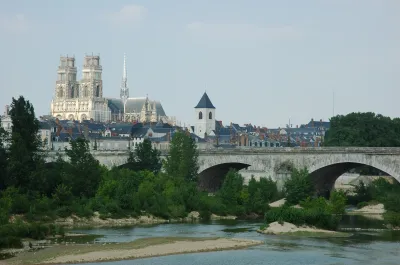
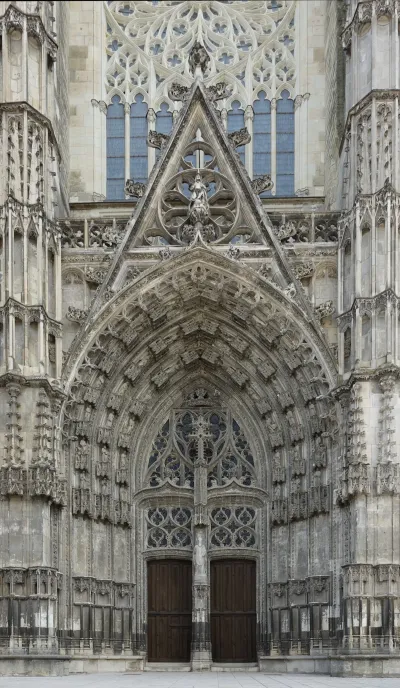
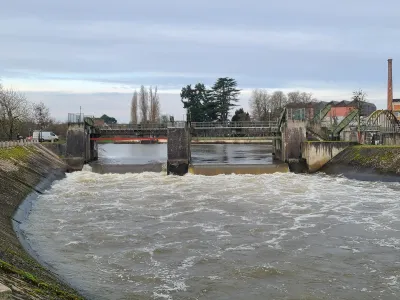
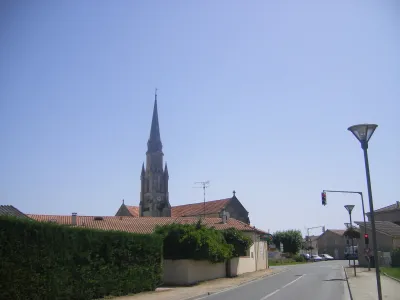
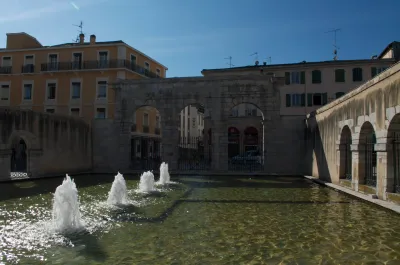
The Way of Tours, known in France as the Via Turonensis (Voie de Tours), is the longest and westernmost of the four main Jacobean routes in France. Traditionally considered to start from Paris (although the city of Tours is an emblematic point and gives its name), it heads southwest, passing through regions such as the Loire Valley, Poitou, and Aquitania, until reaching Saint-Jean-Pied-de-Port, where it joins the French Way. The route from Paris spans approximately 900-1000 km. It is a route with an important monumental heritage, including numerous churches and cathedrals, and varied landscapes. Although less crowded than the Via Podiensis, it has a long historical tradition.
Stages of this variant:
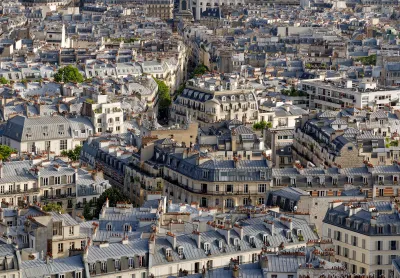
Stage 1: Paris - La Ville-du-Bois
Stage 2: La Ville-du-Bois - Étampes
Stage 3: Étampes - Angerville
Stage 4: Angerville - Artenay
Stage 5: Artenay - Orléans
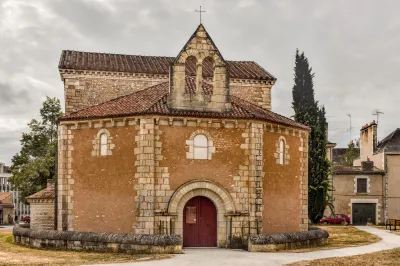
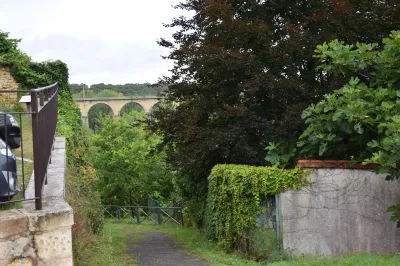
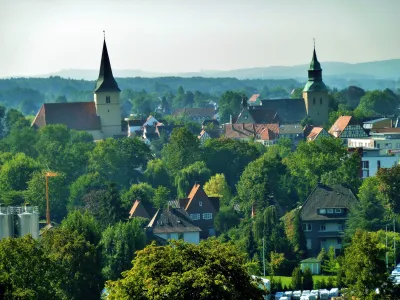
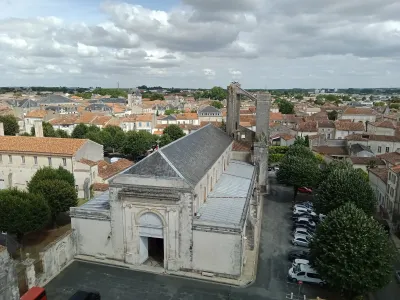
The Puy (Via Podiensis)
733 km
30
Media
The Way of Le Puy, known in France as the Via Podiensis (Voie du Puy), is the most famous and traveled of the four main Jacobean routes that cross France. It begins in Le Puy-en-Velay, in the Auvernia region, and covers approximately 750 km southwest to Saint-Jean-Pied-de-Port, in the Pyrenees Atlantics. At this point, it crosses the border and joins directly the Camino Francés. It is a route of great scenic beauty, which traverses regions such as Aubrac, Quercy, and Gascony, and boasts a rich monumental heritage and excellent infrastructure for pilgrims.
Stages of this variant:
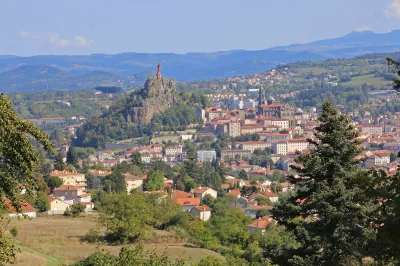
Stage 1: Le Puy-en-Velay - Saint-Privat-d'Allier
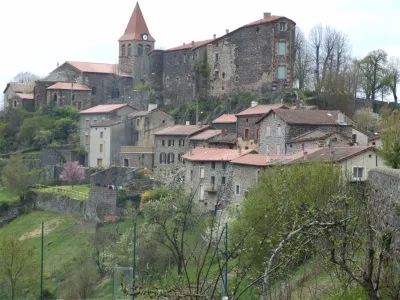
Stage 2: Saint-Privat-d'Allier - Saugues
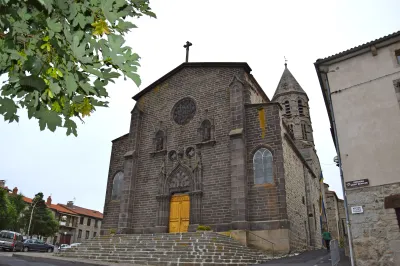
Stage 3: Saugues - Domaine du Sauvage
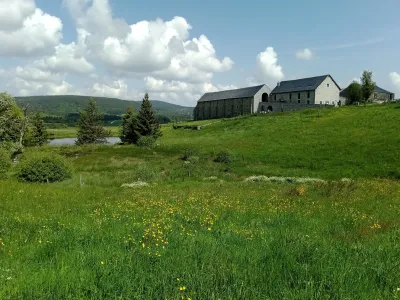
Stage 4: Domaine du Sauvage - Aumont-Aubrac
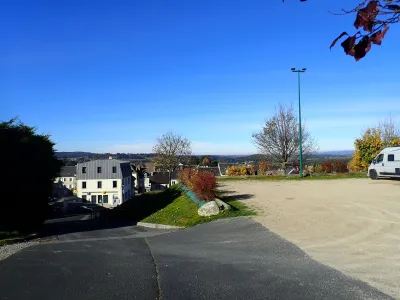
Stage 5: Aumont-Aubrac - Nasbinals
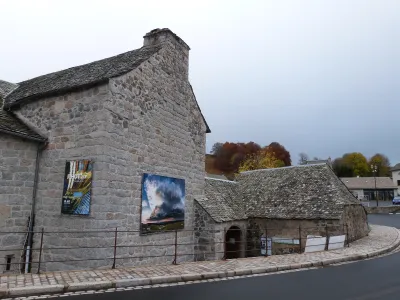
Your trip with Ourway
Everything you need for your Camino
No hassle. Your perfect route, from start to finish.
Accommodation
Selected hotels and hostels at every stage
Luggage transfer
Your backpack travels from stage to stage
Camino Guide
Detailed map with directions and services
24h Support
Team available for any unforeseen event
Pilgrim credential
Official documentation included
No commitment
Free personalized consultation
Stages
Stages of Vézelay (Via Lemovicensis)
Vézelay → Saint-Germain-des-Bois (Nièvre)
Leaving beautiful San Sebastián, this stage enters the Guipuzcoan coast. The route is a continuous rise and fall through hills and cliffs, with spectacular views of the sea. It's a day of great beauty...
Saint-Germain-des-Bois (Nièvre) → Champlemy
This stage continues along the Guipuzcoa coast, on a route that combines interior sections with spectacular views of the sea. It is a beautiful day that crosses the txakoli vineyards and charming vill...
Champlemy → La Charité-sur-Loire
This stage leaves the coast to venture into the mountains of Vizcaya. The route is a continuous up and down through a landscape of forests and farmhouses. It's a day of great beauty and physical deman...
La Charité-sur-Loire → Baugy
This stage continues through the mountains of Vizcaya, on a route of great beauty and demand. The path crosses the Urdaibai Biosphere Reserve, a natural environment of great value. Arrival in Gernika-...
Baugy → Bourges
This stage is an on-going rise and fall through the hills preceding Bilbao. It's a demanding but beautiful day. The route goes through a rural and solitary landscape that contrasts with the approachin...
Towns
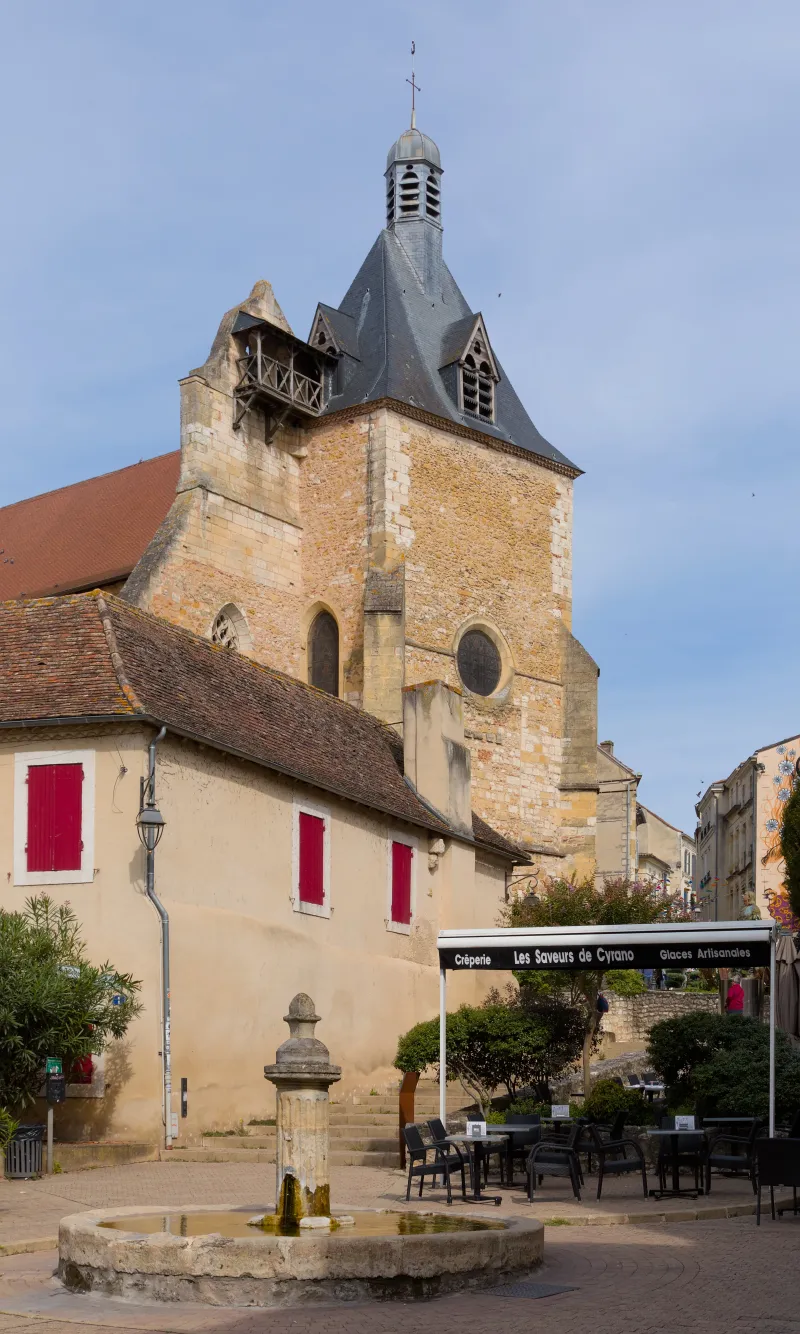
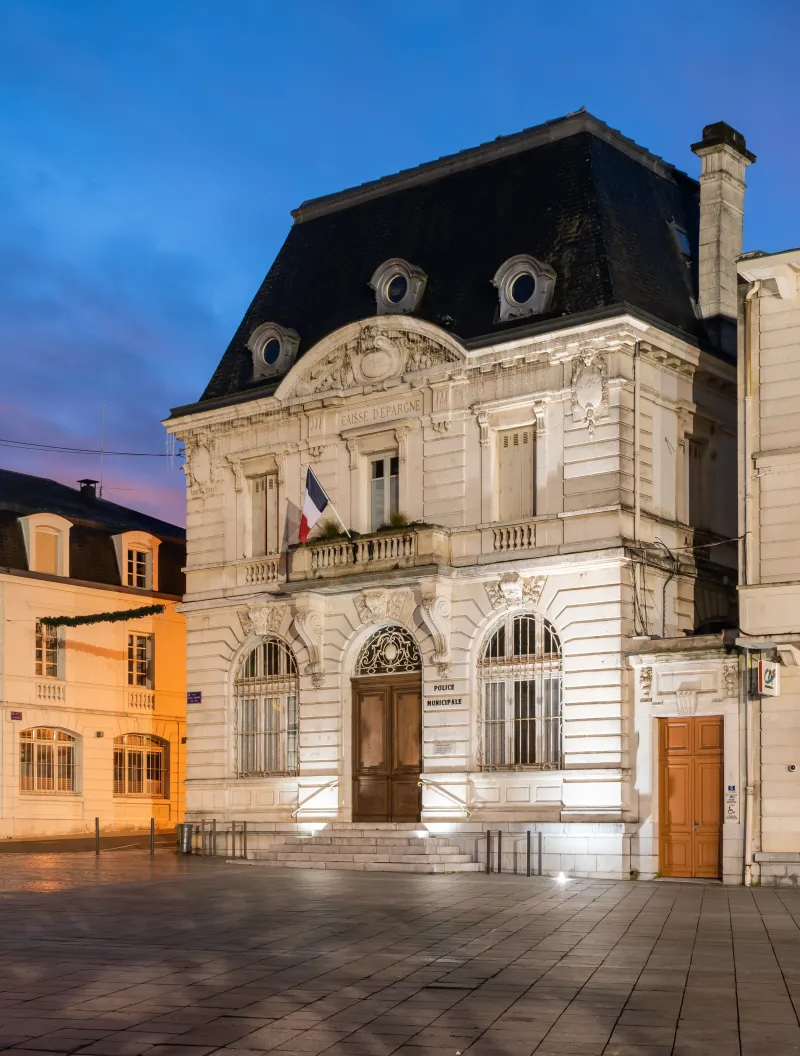
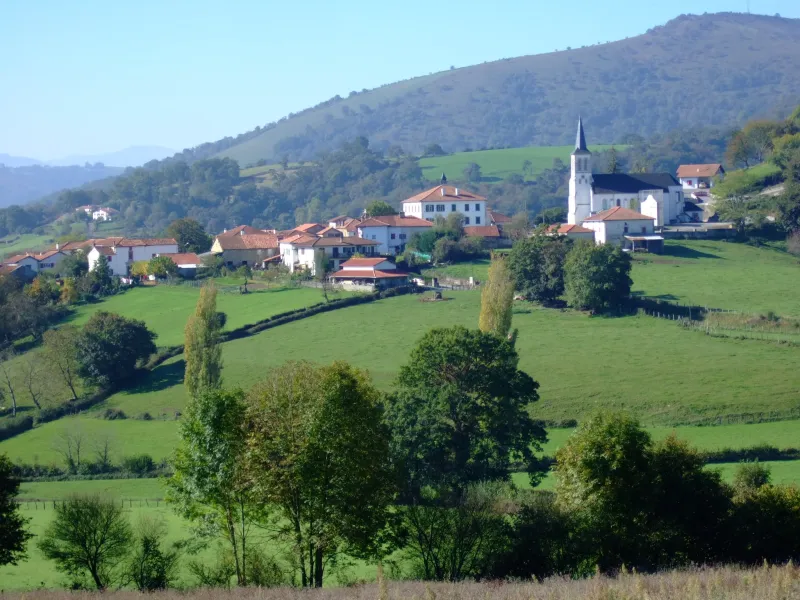
Featured Towns of Vézelay (Via Lemovicensis)
Explore the key towns and cities of this route.
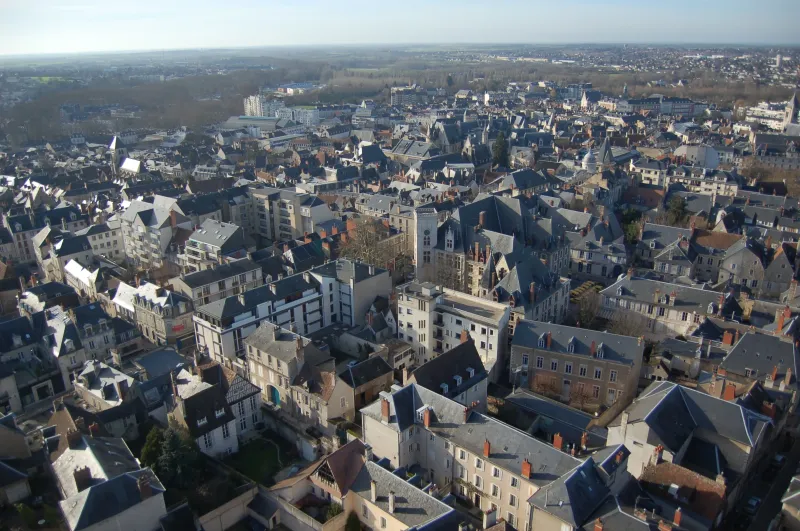
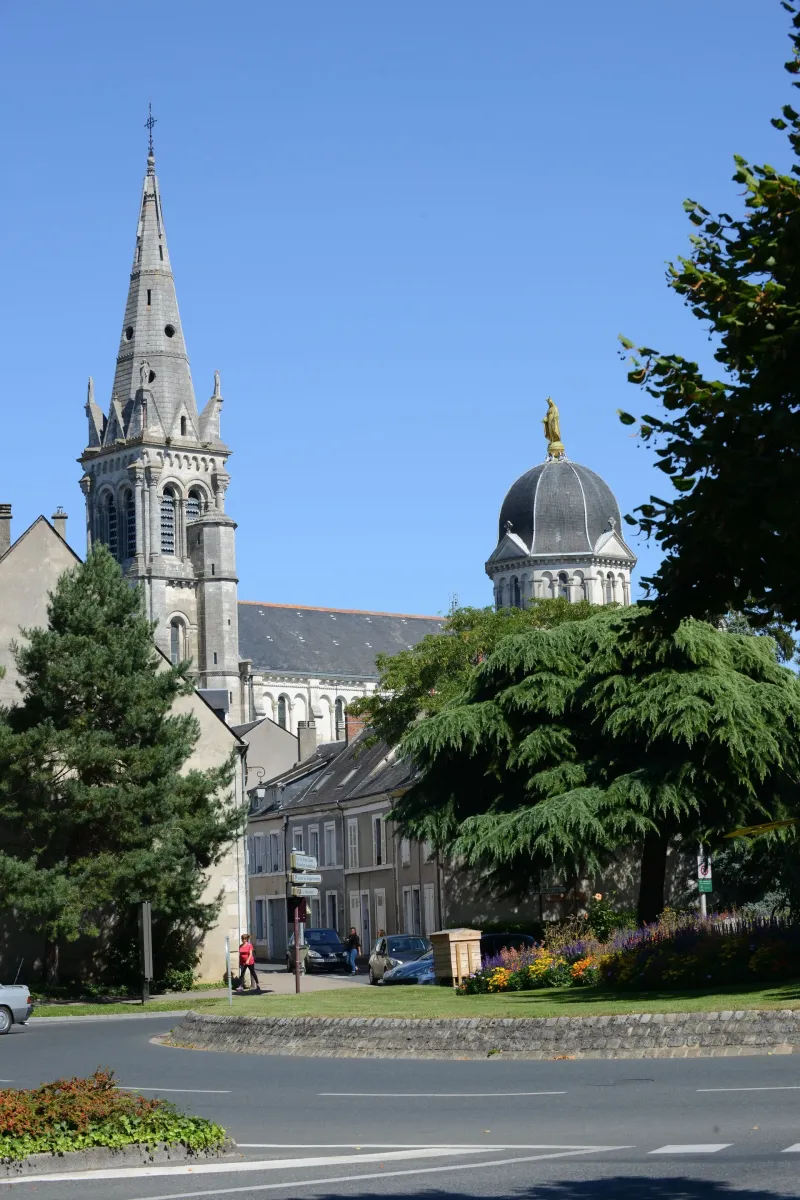
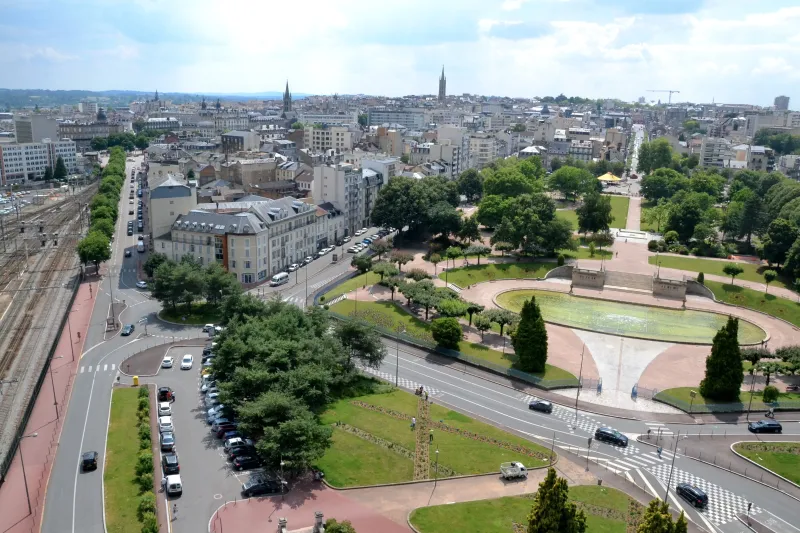
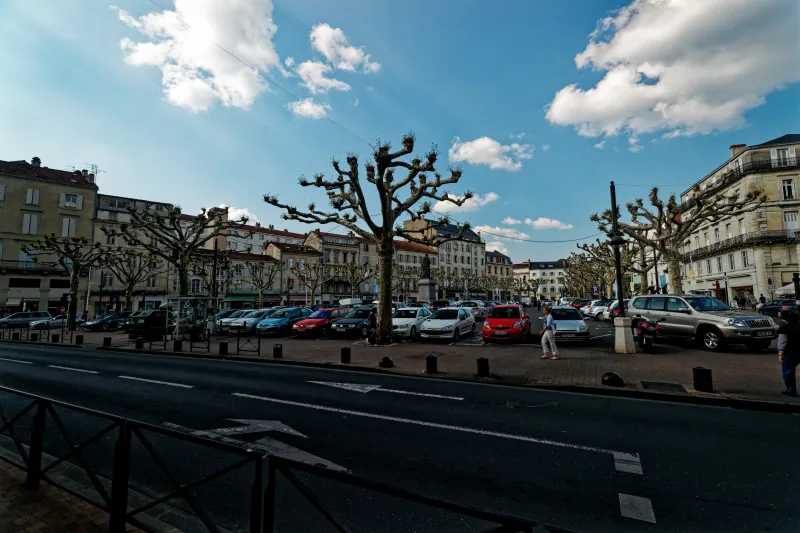
History
Millenary History of the Camino de Santiago: Origins and Evolution Vézelay (Via Lemovicensis)
Discover the origins and evolution of Vézelay (Via Lemovicensis)
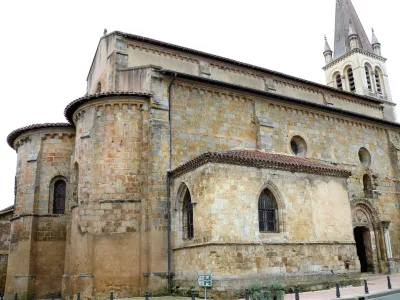
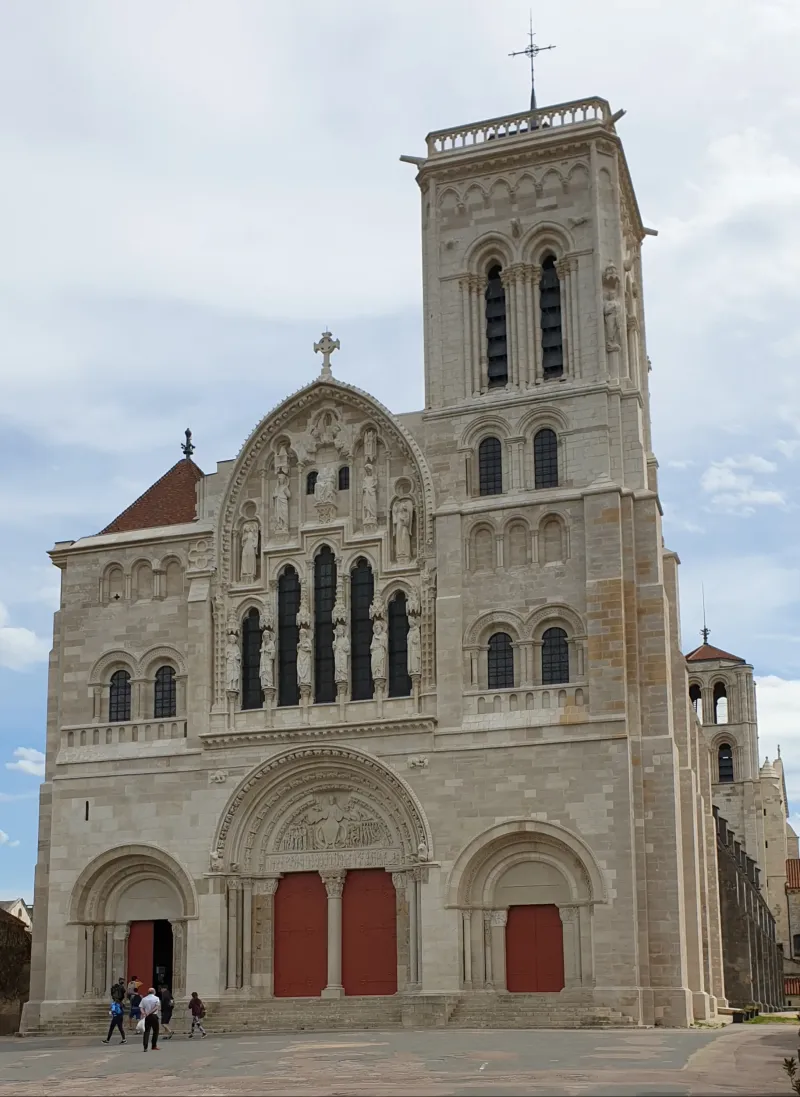
The origin of the route lies on Vézelay's "eternal hill". In the 11th century, Benedictine monks from the Abbey of Vézelay announced that they possessed the body of Saint Mary Magdalene, brought from the Holy Land. This claim in a time of fervent religiosity transformed the abbey into an international pilgrimage center. Kings, nobles, and people from all over Europe came to Vézelay, a place so sacred that sermons were preached on both the Second and Third Crusades. For many of these pilgrims, after venerating Magdalena, the logical next step was to continue their journey to the other great center of Western Christendom: Santiago's tomb in Compostela.
Thus, the Way of Lemovicensis was born, taking its name from the Limousin region (Lemosín in French) and its capital, Limoges, a crucial milestone on the route. From Vézelay, the route heads southwest and is characterized by dividing soon into two major branches that advance parallel for hundreds of kilometers before reuniting. The northern branch passes through the city of Bourges with its spectacular Gothic cathedral, a UNESCO World Heritage Site. The southern branch passes through Nevers.
Both branches traverse the heart of France, a land of forests, hills, and meadows. They arrive at the Limousin region, where the city of Limoges, famous throughout Europe for its exquisite medieval enamels and the tomb of Saint Martial, its evangelist apostle, offered pilgrims an important urban center to rest and regain strength. The route continues southward, delving into the beautiful Périgord region known for its gastronomy and rich heritage. The city of Périgueux with its singular Saint-Front Cathedral, featuring Byzantine-inspired cupolas and also a UNESCO World Heritage Site in the context of the Caminos de Santiago in France, is another major gem on the route.
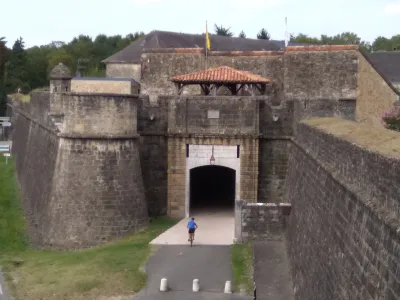
After almost 900 kilometers of travel, the Way of Lemovicensis reaches the foothills of the Pyrenees in French Basque Country. At the famous crossroads of Gibraltar near Ostabat, pilgrims from Vézelay met those coming by the Via Turonensis and the Via Podiensis. Together, they faced the final stretch to Saint-Jean-Pied-de-Port, the entrance to Spain via Roncesvalles.
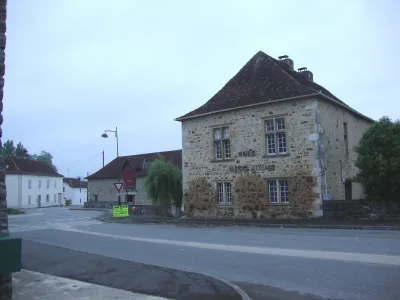
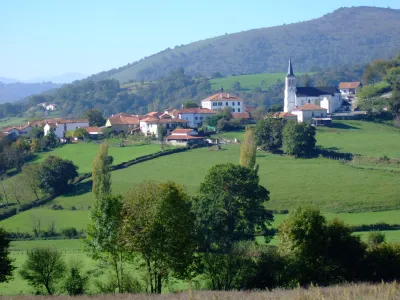
The modern revival (designated as GR 654) of this route has revitalized a path that offers a more solitary and contemplative pilgrimage experience than other French routes. It is a journey through "deep France," rural and timeless France, an itinerary that allows pilgrims to connect with monastic history, Romanesque and Gothic art, and serene landscapes in the heart of the country, following the trail of a millennia-old devotion.
We answer your questions
Frequently Asked Questions about Vézelay (Via Lemovicensis)
How long is the Vézelay Way (Via Lemovicensis)?
The Vézelay Way, also known as Via Lemovicensis, has an approximate length of 870 km. This route crosses rural France all the way to the Pyrenees.
How long does it take to complete the Vézelay Way from Ourway Travel?
Ourway Travel recommends dedicating approximately 35 days to complete the Vézelay Way, allowing you to fully enjoy the journey and cultural stops in cities like Limoges and Périgueux.
What is the best time to do the Vézelay Way (Via Lemovicensis)?
The best time to undertake the Vézelay Way is from April to June and September to October. During these periods, you can enjoy pleasant weather with ideal temperatures ranging between 10°C and 25°C, as well as a lower number of pilgrims.
What is the approximate cost to undertake the Vézelay Way with Ourway Travel?
The approximate cost for undertaking the Vézelay Way varies depending on the service options you choose. With Ourway Travel, you can opt for customized packages that include accommodation in hostels or rural houses, as well as full route assistance.
What services does an organized trip with Ourway Travel include for the Vézelay Way (Via Lemovicensis)?
An organized trip by Ourway Travel for the Vézelay Way includes full itinerary management, guaranteed accommodation in hostels and rural houses, 24/7 support throughout the journey, luggage transfer between stages, and an official pilgrim credential.
How does the Vézelay Way compare to other Jacobean routes in terms of difficulty?
The Vézelay Way has a moderate level of difficulty, as it passes through rural and mountainous areas. It differs from the French Way by having fewer pilgrims and offering more tranquil landscapes with less tourism.
Which is the best route for a pilgrim who prefers less traveled paths?
The Vézelay Way (Via Lemovicensis) is an excellent choice for pilgrims who prefer quieter routes, offering a more tranquil and authentic experience compared to well-trodden paths like the French Way.
How do I manage my pilgrim credential for the Vézelay Way (Via Lemovicensis)?
Ourway Travel makes it easy to obtain your official pilgrim credential. Simply request it during the booking process, and we take care of everything, ensuring you are fully prepared to start your journey on the Vézelay Way.
Organize Your Camino
Ready for this adventure?
Vézelay (Via Lemovicensis)
Walk this route with us
Fancy walking this route?
We don't have a ready-made package for this route yet, but we'll organise it around you. Tell us how you'd like to experience it and a specialist will reply within 24 h.
Request your proposal