
Camino de Santiago
Viae Turonensis
The Way of Tours (Via Turonensis) is the westernmost Jacobean route in France. From Paris (or Tours) to the Pyrenees, joining the French Way at Saint-Jean-Pied-de-Port or Roncesvalles.
Organize your Viae TuronensisLast updated: 21/05/2025
The Route
General Description of Viae Turonensis
Related Routes
Connections of Viae Turonensis
Vézelay (Via Lemovicensis)
870 km
35
Media
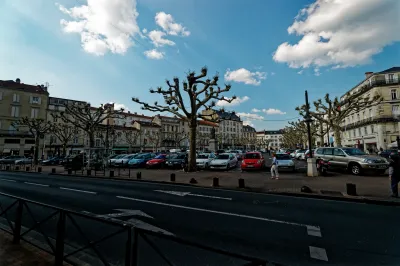
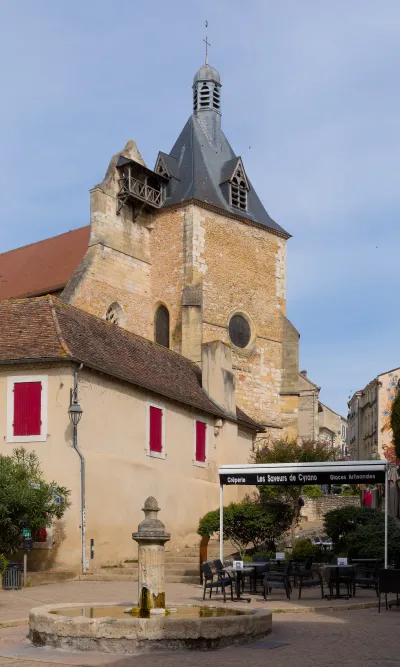
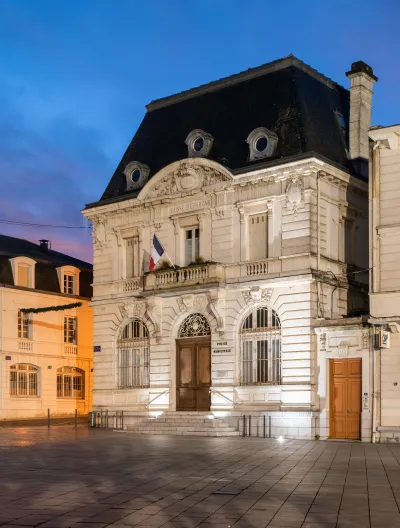
The Way of Vézelay, known in France as the Via Lemovicensis (Voie de Vézelay), is one of the four historic Jacobean routes that cross France. It begins at the Basilica of Saint Mary Magdalene of Vézelay, in Burgundy, a major medieval pilgrimage center, and heads southwest, crossing central France (the Limousin region, hence its name) until Ostabat, near Saint-Jean-Pied-de-Port, where it converges with other French routes before crossing the Pyrenees. With a 900 km journey, it is a long and diverse route that passes through cities like Limoges and Périgueux. It offers an experience of rural and monumental pilgrimage in France.
Stages of this variant:
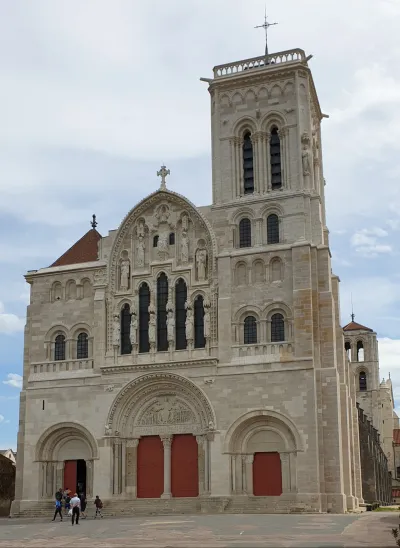
Stage 1: Vézelay - Saint-Germain-des-Bois (Nièvre)
Stage 2: Saint-Germain-des-Bois (Nièvre) - Champlemy
Stage 3: Champlemy - La Charité-sur-Loire
Stage 4: La Charité-sur-Loire - Baugy
Stage 5: Baugy - Bourges
The Puy (Via Podiensis)
733 km
30
Media
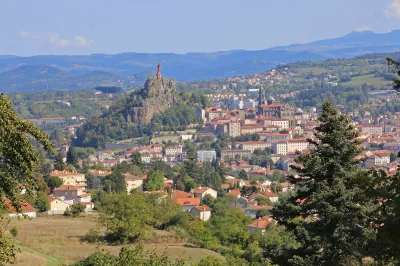
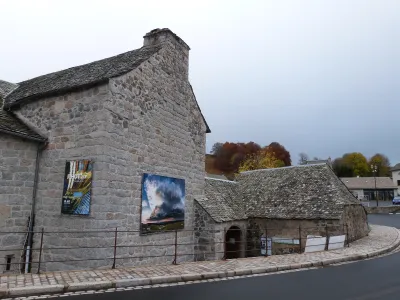
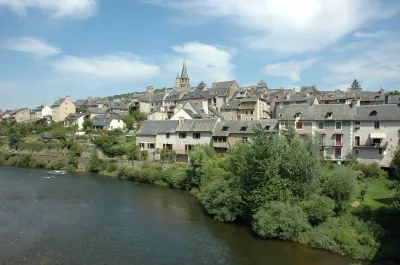
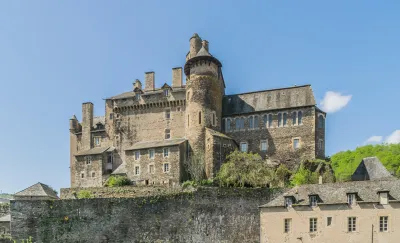
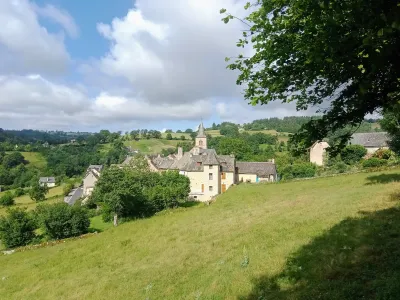
The Way of Le Puy, known in France as the Via Podiensis (Voie du Puy), is the most famous and traveled of the four main Jacobean routes that cross France. It begins in Le Puy-en-Velay, in the Auvernia region, and covers approximately 750 km southwest to Saint-Jean-Pied-de-Port, in the Pyrenees Atlantics. At this point, it crosses the border and joins directly the Camino Francés. It is a route of great scenic beauty, which traverses regions such as Aubrac, Quercy, and Gascony, and boasts a rich monumental heritage and excellent infrastructure for pilgrims.
Stages of this variant:
Stage 1: Le Puy-en-Velay - Saint-Privat-d'Allier
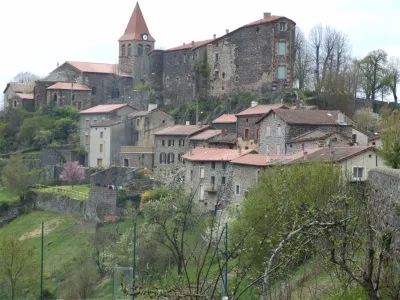
Stage 2: Saint-Privat-d'Allier - Saugues
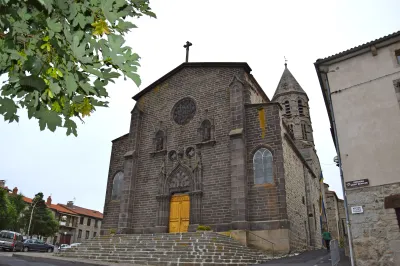
Stage 3: Saugues - Domaine du Sauvage
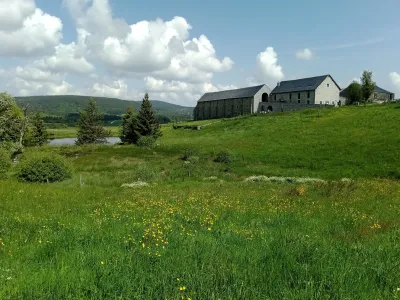
Stage 4: Domaine du Sauvage - Aumont-Aubrac
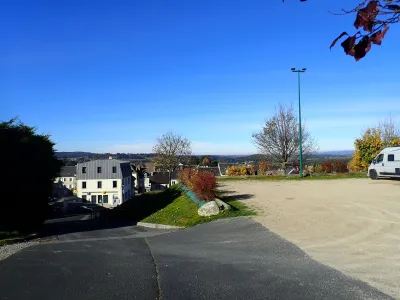
Stage 5: Aumont-Aubrac - Nasbinals
Your trip with Ourway
Everything you need for your Camino
No hassle. Your perfect route, from start to finish.
Accommodation
Selected hotels and hostels at every stage
Luggage transfer
Your backpack travels from stage to stage
Camino Guide
Detailed map with directions and services
24h Support
Team available for any unforeseen event
Pilgrim credential
Official documentation included
No commitment
Free personalized consultation
Walk this route with us
Fancy walking this route?
We don't have a ready-made package for this route yet, but we'll organise it around you. Tell us how you'd like to experience it and a specialist will reply within 24 h.
Request your proposalStages
Stages of Viae Turonensis
París → La Ville-du-Bois
The Via Turonensis sets out from the heart of Paris, at the foot of the Saint-Jacques Tower. This first stage is an urban and suburban walk that allows a gradual exit from the great metropolis. The wa...
La Ville-du-Bois → Étampes
A stage of the Via Turonensis after leaving the metropolitan area of París southwards. Some 22 km cross la Hurepoix and begin to work into the Gâtinais across the cereal fields of la Beauce. Étampes i...
Étampes → Angerville
A transitional stage between the valleys of the Île-de-France and the great plain of the Beauce. The day leaves Étampes up the Juine valley, a green corridor of meadows, poplar groves and old mills th...
Angerville → Artenay
Stage of the Via Turonensis across the Beauce, the great cereal plain south of Paris known as 'the granary of France'. Its 29 km or so are completely flat, through endless fields of wheat, oilseed rap...
Artenay → Orleans
A stage that ends in Orléans, the historic city on the Loire linked to Joan of Arc (the Pucelle d'Orléans freed the city from the English siege in 1429). The roughly 19 km are flat, descending from th...
Towns
Featured Towns of Viae Turonensis
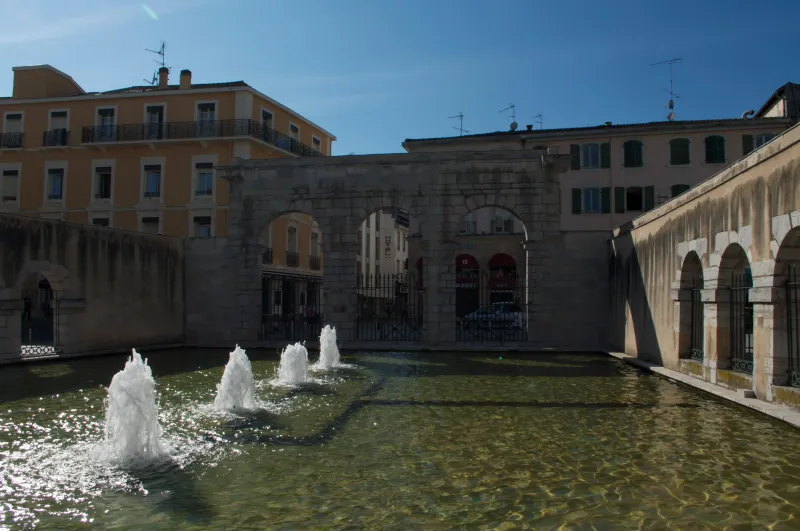
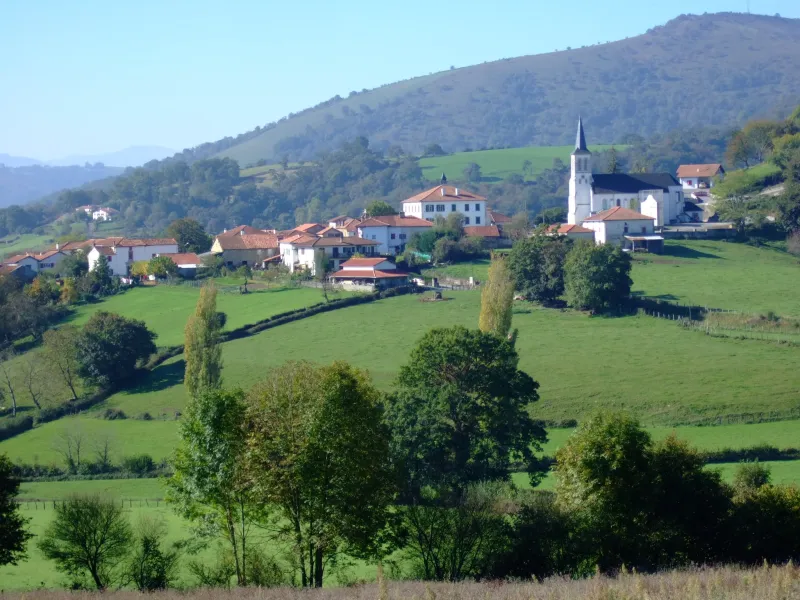
Explore the key towns and cities of this route.
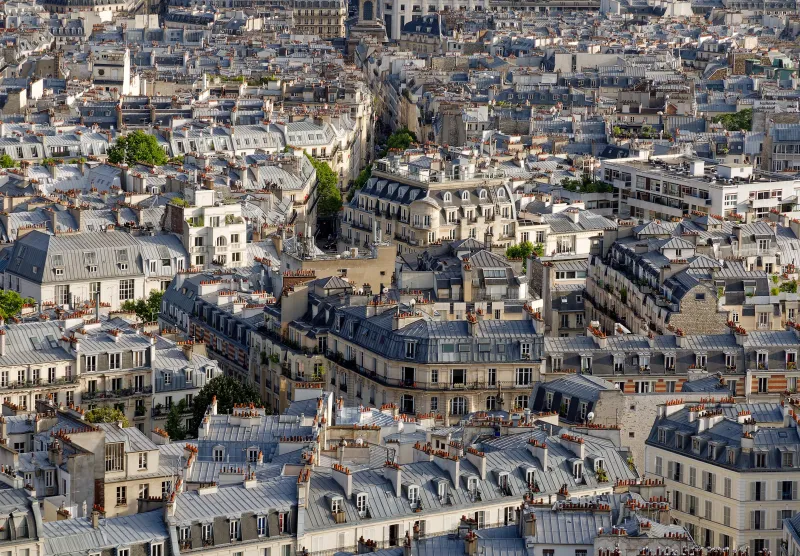
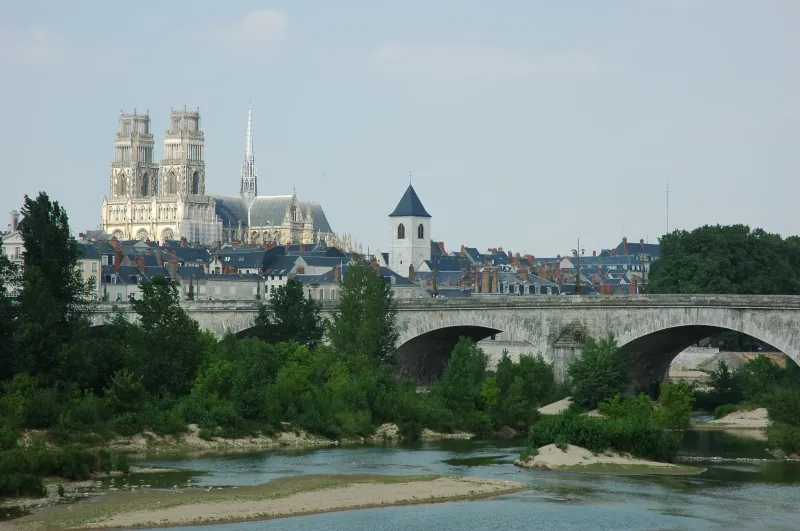
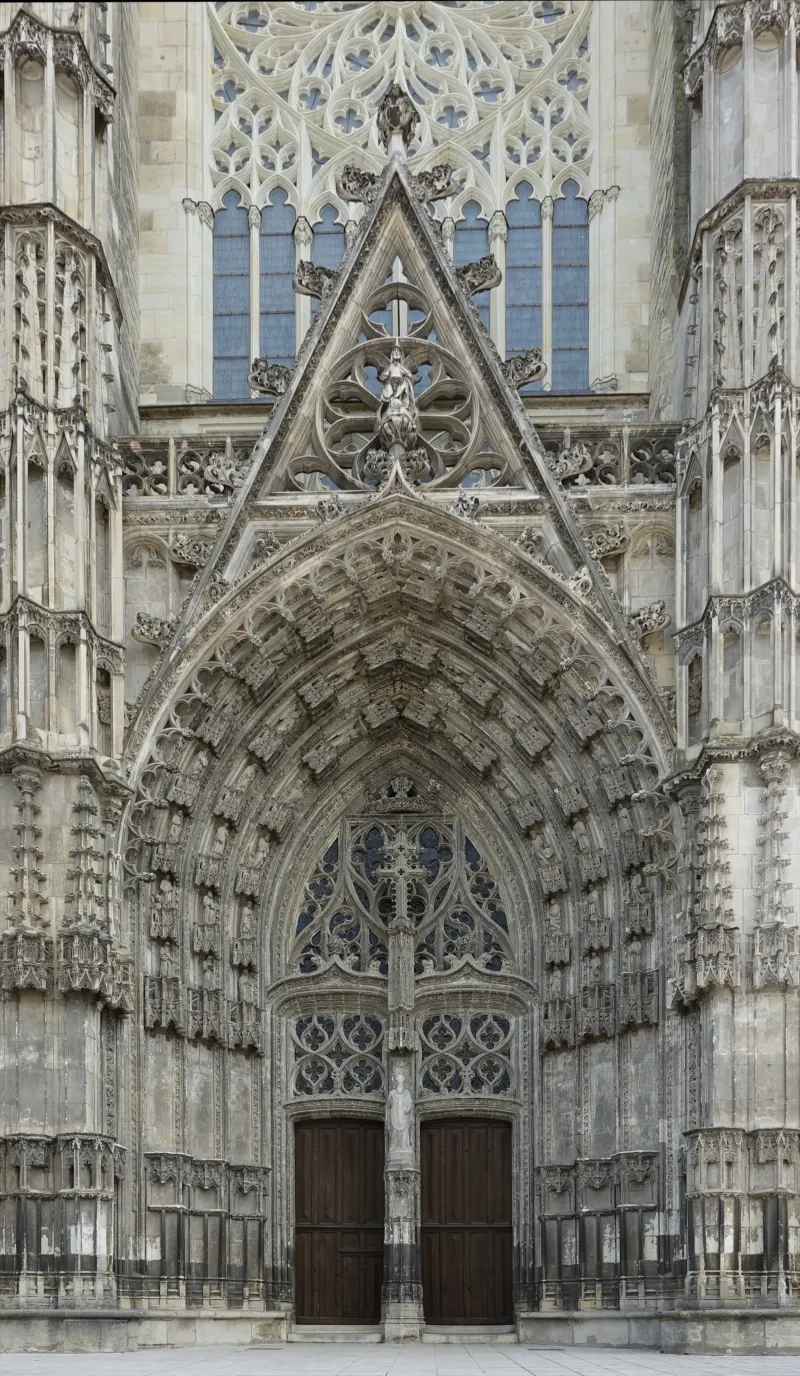
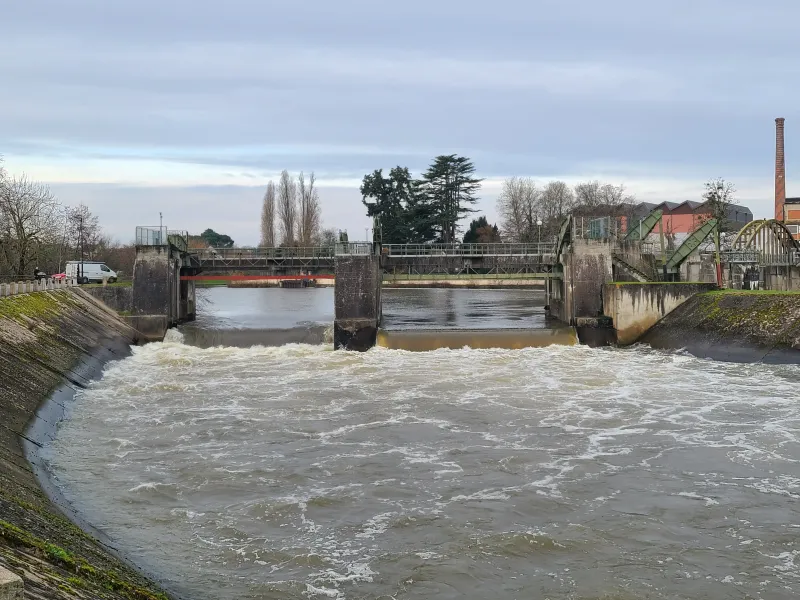
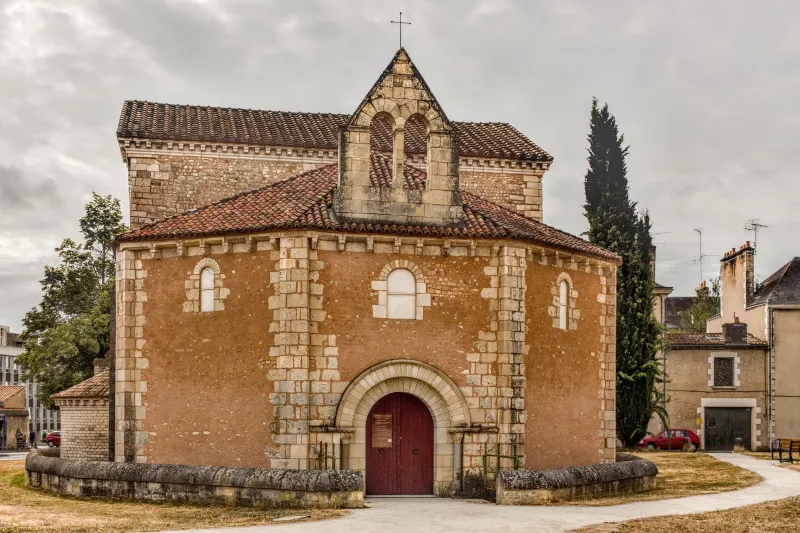
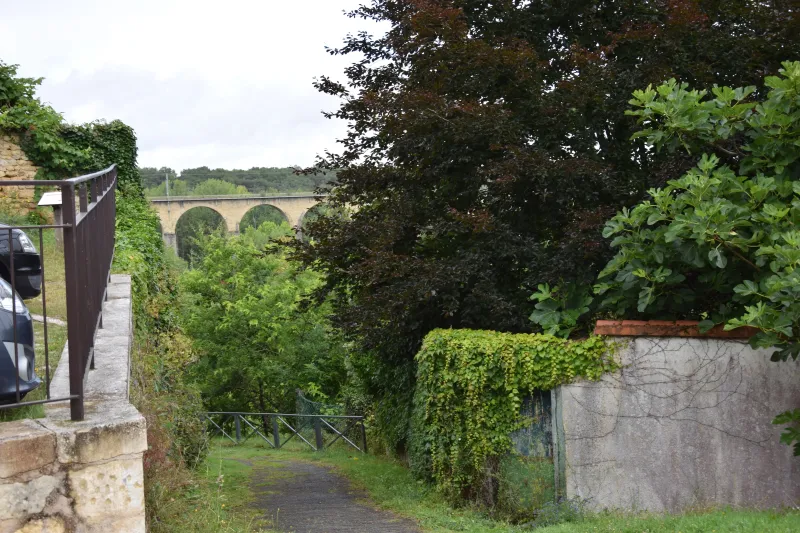

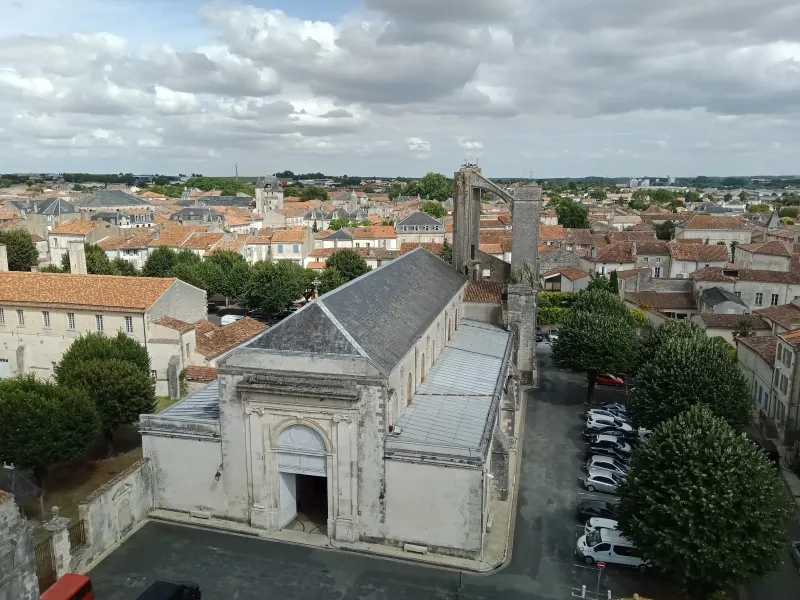
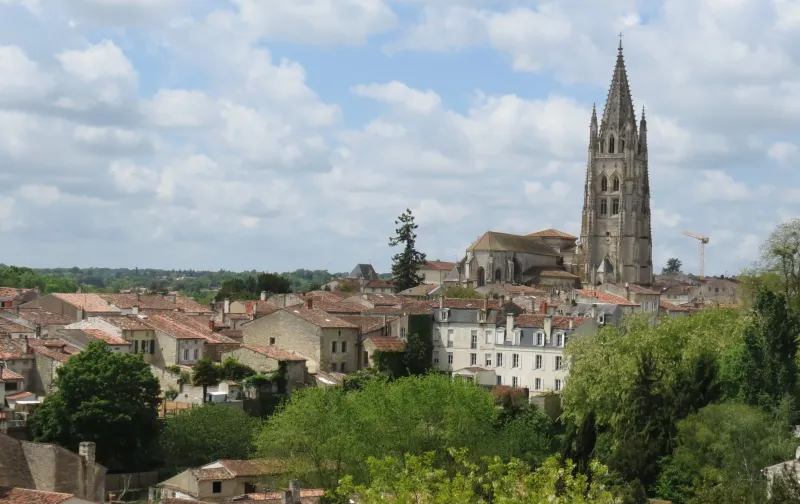
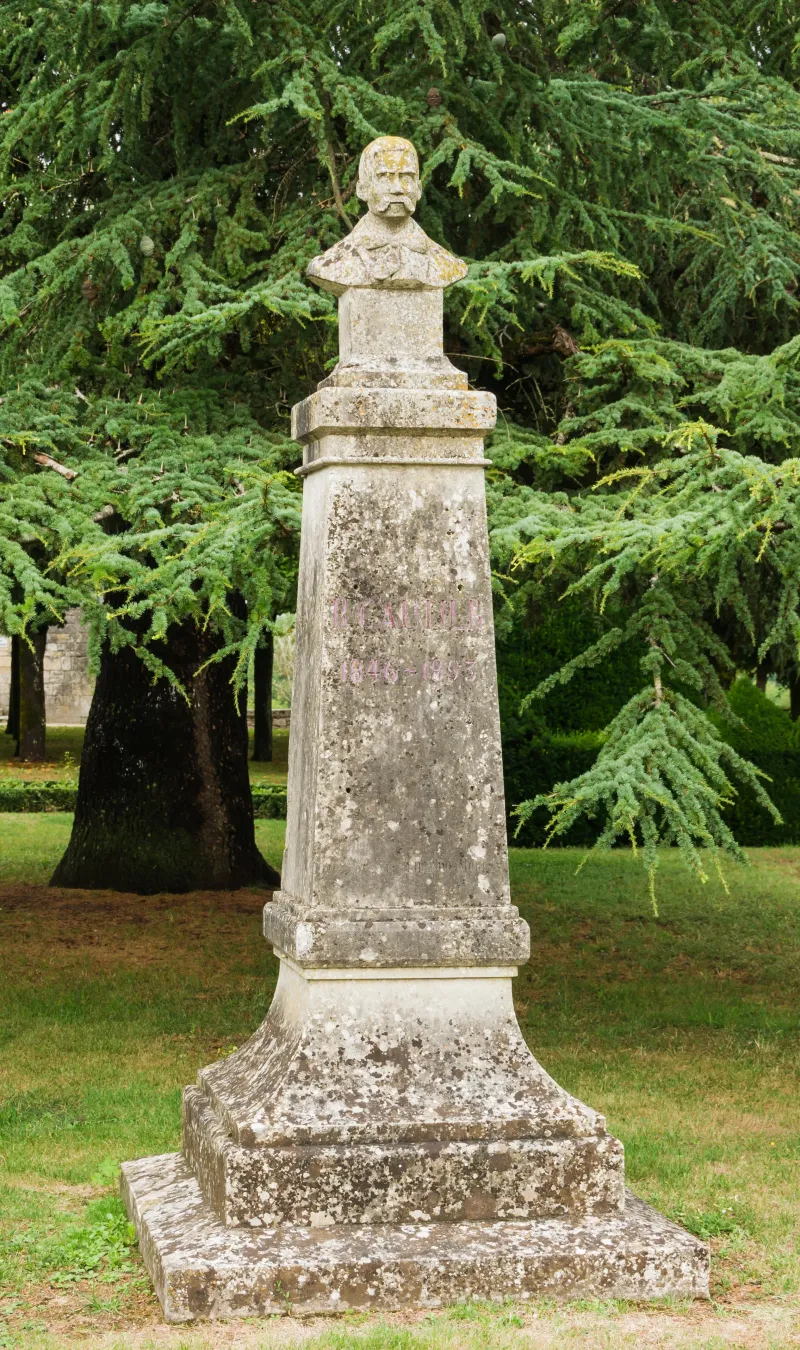
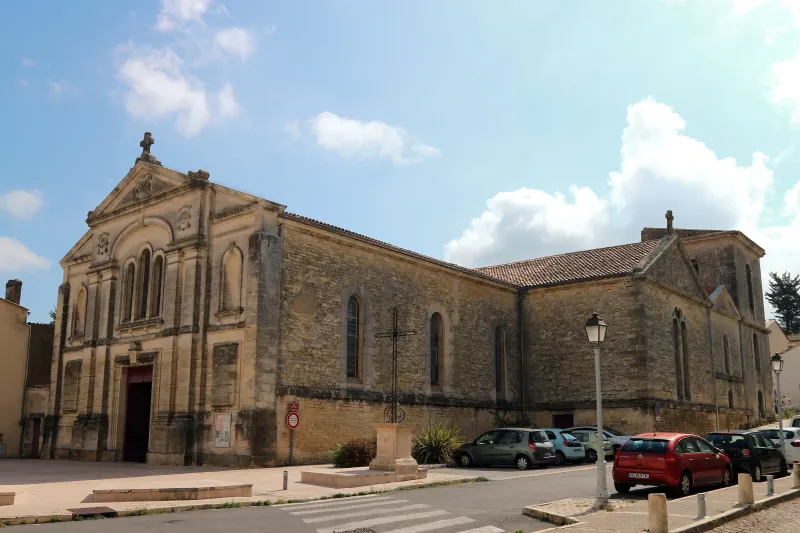
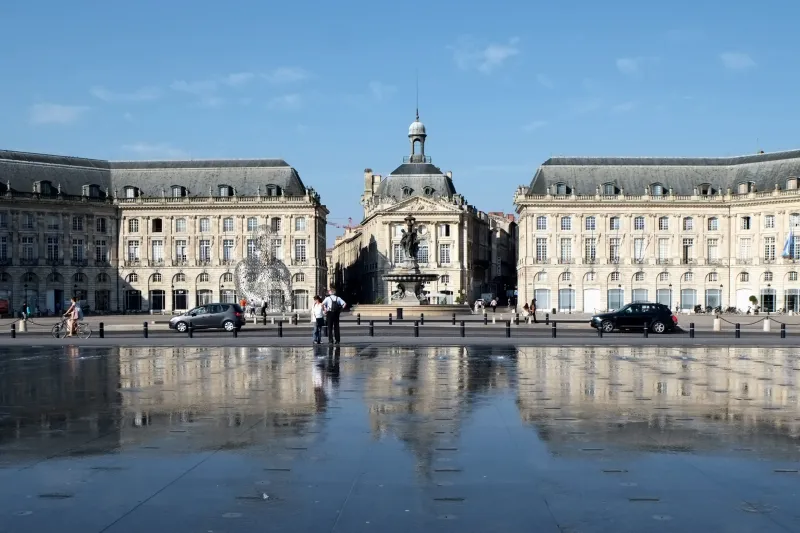
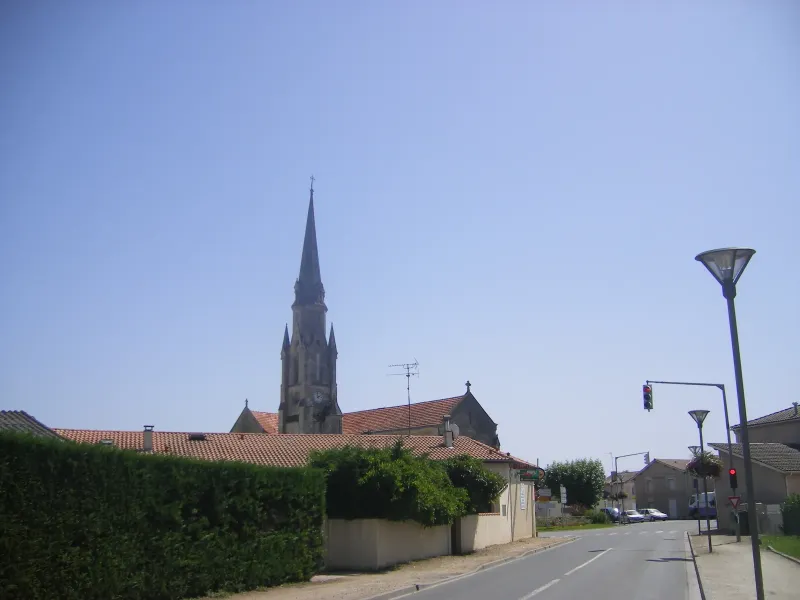
History
Millenary History of the Camino de Santiago: Origins and Evolution Viae Turonensis
Discover the origins and evolution of Viae Turonensis
The symbolic starting point of the route is the Tower of Santiago (Tour Saint-Jacques) in Paris. As the capital of the kingdom, Paris was an attraction that drew people from all walks of life, including pilgrims coming from northern France, Flanders, and England. From here, the route heads south, but its name, "Turonensis", does not come from Paris, but from its next major milestone: the city of Tours. During the High Middle Ages, Tours was one of the most important pilgrimage centers in Christendom, much earlier in popularity than Santiago. It housed the tomb of Saint Martin of Tours (died in 397), a saint whose fame was immense throughout Europe. For many pilgrims, the journey to Santiago was, in reality, an extension of their pilgrimage to Saint Martin. The Via Turonensis was, above all, the route to Tours.
After leaving Paris, the route passes through cities of great historical resonance such as Orleans, liberated by Joan of Arc, and ventures into the Loire Valley, a region of pleasant landscapes and unparalleled monumental wealth. After the obligatory stop at the Basilica of Saint Martin of Tours, the route continues south, passing through another important pilgrimage center, Poitiers, where relics of Saint Hilary were venerated. The route traverses the rich region of Aquitania, passing through Saintes, with its church of Saint Eutropius, and the great port city and wine-producing town of Bordeaux.
Unlike other French routes that are more mountainous, most of the Via Turonensis follows a relatively flat terrain, making it a less physically demanding option, although its length, over 900 kilometers, posed a challenge of endurance. It largely followed the route of ancient Roman roads, making it a principal means of communication, not just for pilgrims but also for travelers, armies, and merchants.
After crossing the vast forest of the Landes of Gascony, the pilgrim arrived at the Pyrenees. The Via Turonensis converged with those of Le Puy and Vézelay at Ostabat, to reach finally Saint-Jean-Pied-de-Port, the last French village before facing the legendary Roncesvalles pass and joining the Navarro route, which is already the beginning of the great Camino Francés in Spain.
Although it is less traveled today than the Via Podiensis (Way of Le Puy), its revival as a long-distance hiking trail, GR®655, has revitalized this historical itinerary. Today, to walk it is an immersion in French history, a journey that connects the capital with the city of devotion, passing by the tombs of some of the most revered saints in Christendom and traversing landscapes that are the heart of French culture.
We answer your questions
Frequently Asked Questions about Viae Turonensis
How long is the Tours Way (Via Turonensis)?
The Tours Way, also known as Via Turonensis, measures approximately 913 km from Paris to the Pyrenees. At Ourway Travel, we offer detailed itineraries so you can prepare adequately.
How long does the Via Turonensis (Tours Way) take?
The full journey of the Via Turonensis from Paris to Saint-Jean-Pied-de-Port or Roncesvalles, where it joins the Camino Francés, typically takes around 35 to 40 days.
Which is the best time to do the Via Turonensis?
The medium season, from April to June and again in September and October, offers ideal conditions for undertaking the Via Turonensis. During this period there's a pleasant climate balance and fewer pilgrims compared to peak season (July-August). Ourway Travel recommends this time for its comfort and natural beauty.
How much does it cost to do the Via Turonensis with Ourway Travel?
The prices for undertaking the Via Turonensis with our agency vary depending on dates, included services, and trip duration. At Ourway Travel, we manage customized packages ranging from 1500€ to over 2000€ per person, based on selected additional services.
What does booking the Via Turonensis with Ourway Travel include?
With Ourway Travel, your reservation for the Via Turonensis includes accommodation in hostels or rural houses, luggage transfer between stages, personalized advice, and access to a 24/7 support service during your pilgrimage. Additionally, we provide you with informative material about the itinerary and useful tips to prepare.
How does the Via Turonensis compare to other Jacobean routes?
The Via Turonensis is a unique route offering exceptional monumental heritage, crossing historical regions of France such as the Loire Valley and Poitou. Unlike more popular routes like the Camino Francés, the Via Turonensis provides a deeper cultural and religious experience with fewer pilgrims. At Ourway Travel, we recommend this route if you wish to explore an alternative path rich in history.
Why choose the Via Turonensis instead of the French Way?
The Via Turonensis is perfect for those seeking a less crowded route rich in historical significance. It offers a more intense cultural experience, passing through iconic cities like Paris and Tours before joining the French Way near the Pyrenees. At Ourway Travel, we help you enjoy this alternative route with carefully designed itineraries.
How do I obtain a pilgrim's credential for the Via Turonensis?
To get your pilgrim’s credential, you can visit any post office in France or request it directly from Ourway Travel. In our full service package, we provide all necessary documentation including this important credential that you must carry throughout the journey.
Organize Your Camino
Ready for this adventure?
Viae Turonensis