
Complete Guide to South East Route
The Southeast Route starts in Alicante and traverses the inner Spain until it joins the Via de la Plata. A long journey through the diversity of landscapes of the Meseta Central.
Last updated: 28/03/2026
Table of Contents
Technical Summary of South East Route
795.5 km
Distance
29
days
29
Stages
Media
Difficulty
198 accommodations available on the route
Introduction to South East Route
It's a very long route, of almost 800 km, that requires good planning. It offers a great diversity of landscapes and a deep contact with interior Spain, ideal for pilgrims seeking solitude, history, and a challenge of long distance travel.
All Stages of South East Route
Complete route divided into 29 stages
Alicante to Orito
This stage continues across the Manchegan plain, on flat terrain with no difficulties. The landscape remains dominated by vineyards and fields of grain. It is a transition day that brings the pilgrim ...
Oriente towards Pequera
This stage enters the province of Cuenca, in a flat terrain and without difficulties. The landscape continues to be dominated by vineyards and fields of cereals. It is a day of transition that brings ...
To visit Villena
This is a short and flat stage that runs through the heart of La Mancha Conquense. The landscape is dominated by vineyards. It's a day to enjoy the peace of the countryside and wine culture. Arrival i...
Villena to Caudete
This stage is a journey to the heart of La Mancha and Don Quixote's universe. The route is flat and runs through a landscape of vineyards and olive groves. Arrival in El Toboso, Dulcinea's homeland, i...
Headquarters of Montealegre del Castillo
This is a short and flat stage that continues along Don Quixote's route. The landscape is that of the Manchegan plain, with its vineyards and characteristic windmills on the horizon. It is a transitio...
Montalegre del Castillo to Pétrola
This stage continues across the Manchegan plain, in a flat and easy terrain. The landscape remains dominated by fields of cultivation. The main attraction of the journey is the arrival at Tembleque, o...
Petrola in Albacete
This stage of the Winter Way deviates from the French Way to follow the course of the Sil River. The route is of exceptional beauty, crossing the narrow valley of the Sil, with its slopes covered in v...
Albacete to La Roda
This stage enters the spectacular Ribeira Sacra lucense. The path leaves the Sil valley to ascend gently, offering increasingly impressive panoramic views. The profile is undulating, with an initial a...
The Wheel of Minaya
One of the most demanding and beautiful stages of the Winter Camino. The journey involves a long and sustained ascent to leave Quiroga Valley and overcome Serra do Courel. The path runs through an imp...
Minaya to El Provencio
This stage is the heart of Ribeira Sacra. The route is a continuous up and down through a heroic wine landscape that protrudes to the Miño River. The views of the river canyons are spectacular. It's a...
The Provence at The Tables
This stage marks the departure of the Ribeira Sacra to venture into the Deza region. The journey involves ascending to O Faro High Point, the highest point on the Winter Way. The ascent is long and de...
The Tables at El Toboso
This stage enters the heart of Deza region, on a terrain of gentle undulations. It is a day of transition that brings the pilgrim to the last stages of the Camino. The landscape is a mosaic of meadows...
The To bosso to The Village of Don Fadrique
This is the penultimate stage of the Winter Camino. The profile is a continuous rise and fall through rural Galicia. The path passes by Silleda, an important service center. The most notable milestone...
The House of Don Fadrique at Tembleque
The last and exciting stage of the Winter Camino. The journey involves the last great ascent of the Camino, a demanding climb that takes the pilgrim to the gates of Santiago. Emotion grows with each s...
Tembleque to Almonacid de Toledo
This long stage enters the Tierra de Barros region, the heart of Extremadura's wine country. The profile is a gentle rise and fall through a sea of vineyards. It's a beautiful journey, though very exp...
Toledo to Toledo
This stage is destined for one of Spain's most spectacular cities: Mérida. The route is long but mostly flat, following the ancient Roman road. Emotion builds as the pilgrim approaches Extremadura's c...
Toledo to Noves
This is one of the "superstages" of the Via de la Plata, a long journey that unites two UNESCO World Heritage cities. The route is very demanding due to the distance, crossing a beautiful but solitary...
New Village of Escalona
This is a short stage that serves to leave the monumental city of Cáceres. The route is an enjoyable walk through the grassland surrounding the city. It's a transition day, ideal for a relaxing hike a...
Escalada to Cadalso de los Vidrios
This long stage enters into a landscape of meadows and pastures of great beauty. The journey is marked by the passage of the impressive Alcántara Dam, which crosses through a modern dam. The profile i...
Caldas de los Vidrios to Cebreros
This is a short and flat stage that approaches the valley of the River Alagón. The landscape is a mix of dehesas and cultivated fields. The main attraction of the journey is the arrival at the walled ...
Cebreiros to Saint Bartholomew of Pinaries
This stage has as its destination one of the major milestones on the Via de la Plata: the ruins of the Roman city of Cáparra. The route is flat and follows a landscape of meadows. Emotion grows as the...
From San Bartolomé of Pinares to Avila
The first stage of the South East Way starts in the city of Alicante, by the Mediterranean Sea. It is a transition phase that takes the pilgrim out of the big city and into the Vinalopó valley. The pr...
Avila to Gotarrendura
This stage continues through the Vinalopó valley in a gentle slope terrain. The landscape is dominated by vineyards and agricultural fields. It's a transition day that brings the pilgrim closer to the...
Attack on Arévalo
This stage marks the passage of the Valencian Community to the Region of Murcia. The profile becomes more demanding, with an upward and downward trend through a landscape of vineyards and low hills. I...
Ávila to Medina del Campo
This stage enters the province of Albacete, on a terrain of gentle undulations. The landscape is a mix of vineyards and cereal fields, typical of the transition between the east and the plateau. It's ...
Medinah of the Camp to Tordesillas
This stage enters the Manchegan plain. The profile is completely flat. The landscape is that of a plateau in its maximum expression: infinite horizons and fields of grain. It's a day of great solitude...
Seville to Mota del Marqués
This long stage has as its destination the capital of the province. The route continues through the Manchegan plain, on a flat terrain and without difficulties. The landscape remains dominated by fiel...
Route of the Marquis of Mota to Villalpando
The first stage of the Camino de la Lana from Alicante is a short and gentle journey that takes the pilgrim out of the city. The route is mostly urban and peri-urban. The destination is the small vill...
Villalpando to Benavente
This stage enters the Vinalopó valley. The profile is a continuous rise and fall through a landscape of vineyards and fields of cultivation. It's a beautiful day. The destination is the city of Elda, ...
Key Towns of South East Route
The most important towns and cities on this route.
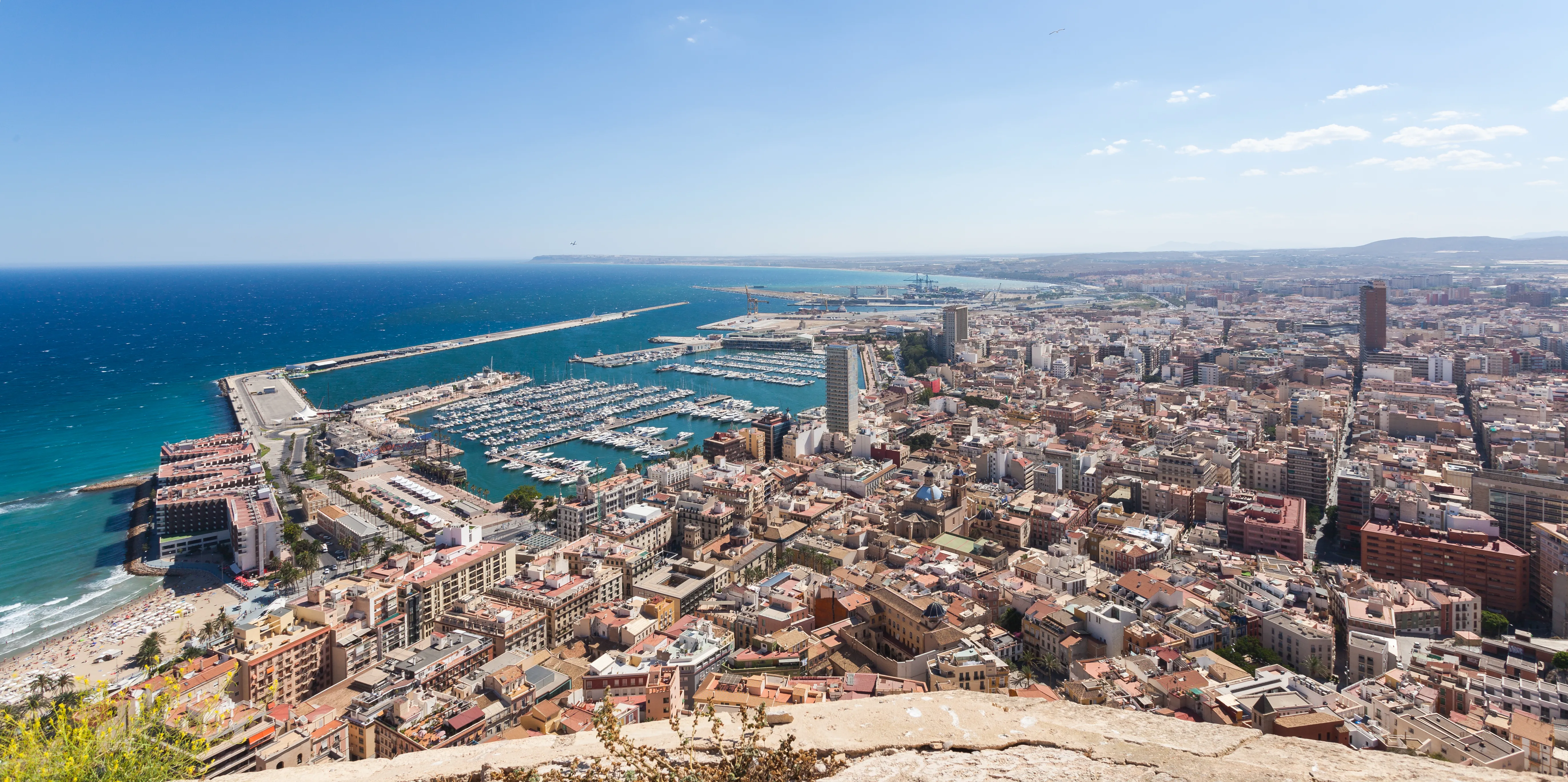
Alicante
Mediterranean city and starting point of the Southeastern Way. Alicante offers the pilgrim a bright start to the route, between its castle, beaches, and vibrant Explanada.
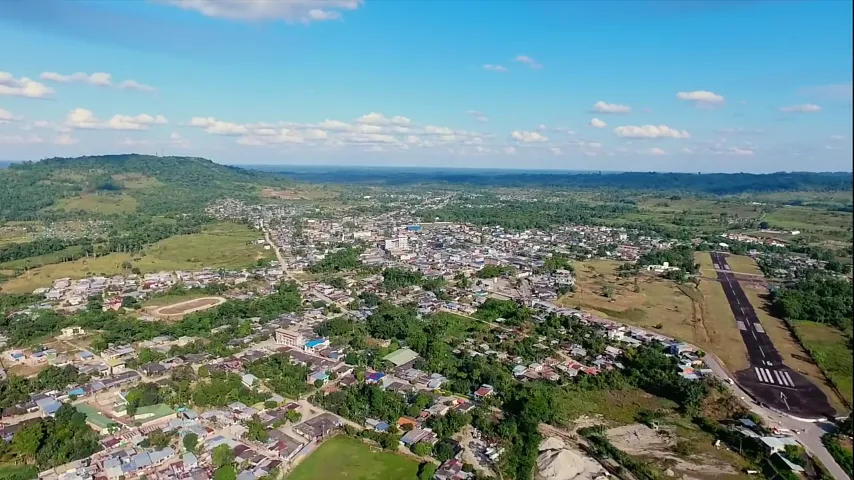
Orito
300 mPilgrim center at the beginning of the Southeastern Way. Orito, with the Cave of St. Pascual Bailon, is a place of deep popular devotion and an spiritual haven for the pilgrim.
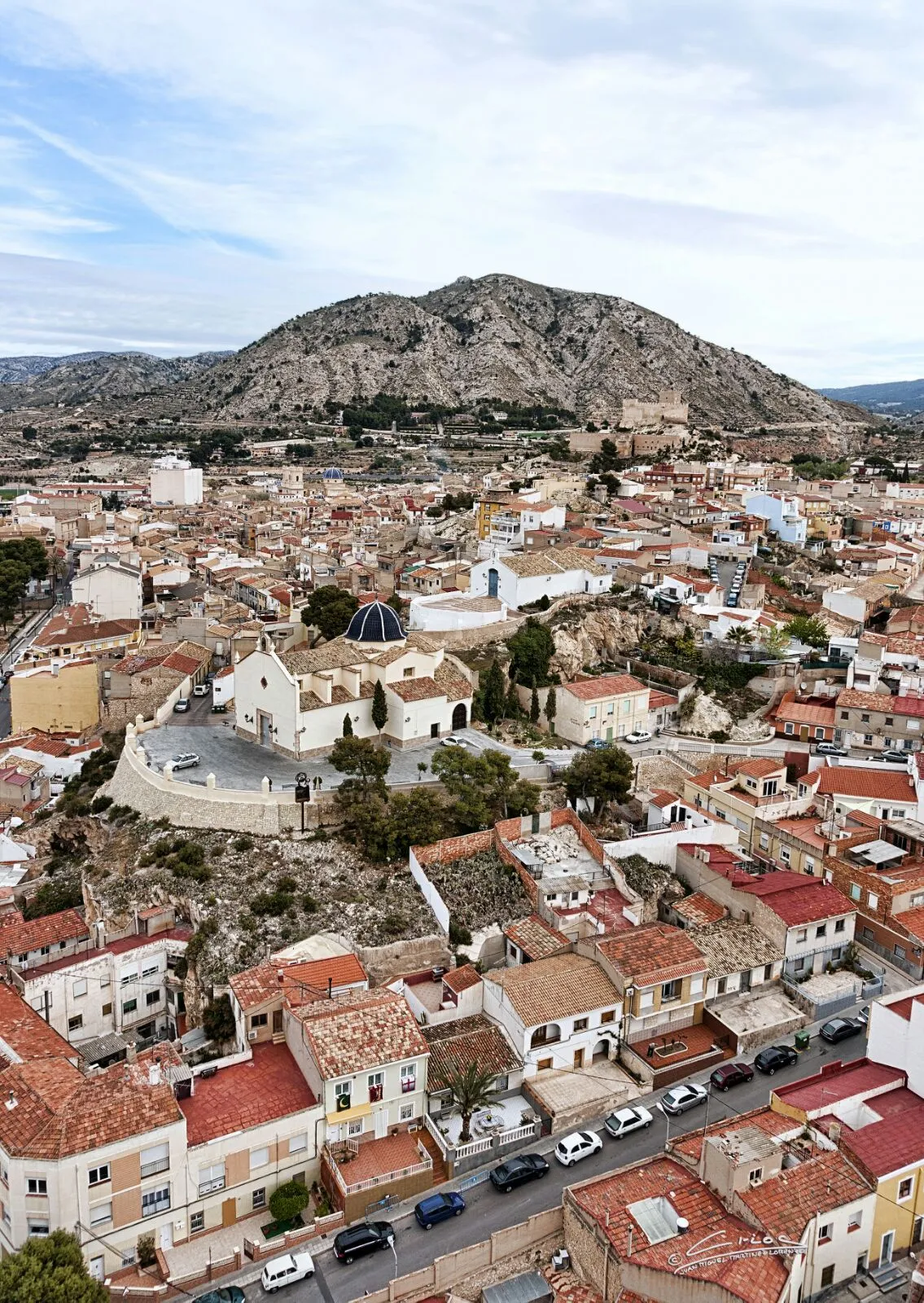
Petrer
450 mAlicante villa crowned by an imposing medieval castle. Petrer is a stop with history and shoemaking tradition on the Southeastern Way, at the heart of the Vinalopó valley.
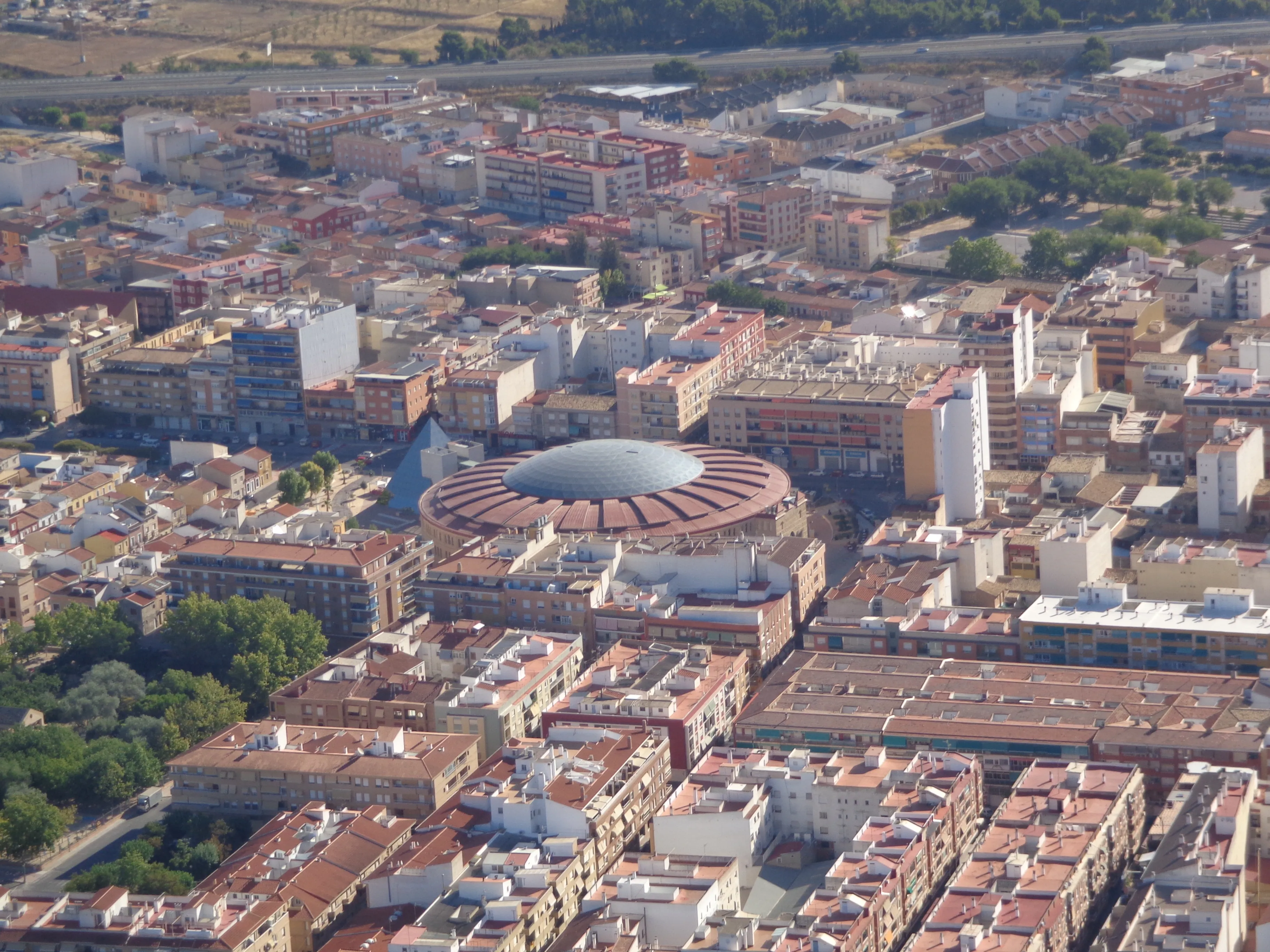
Villena
Alicante, a city on the Southeastern Route of the Camino, dominated by the imposing Castle of La Atalaya. A historic stop for pilgrims before entering the plateau.
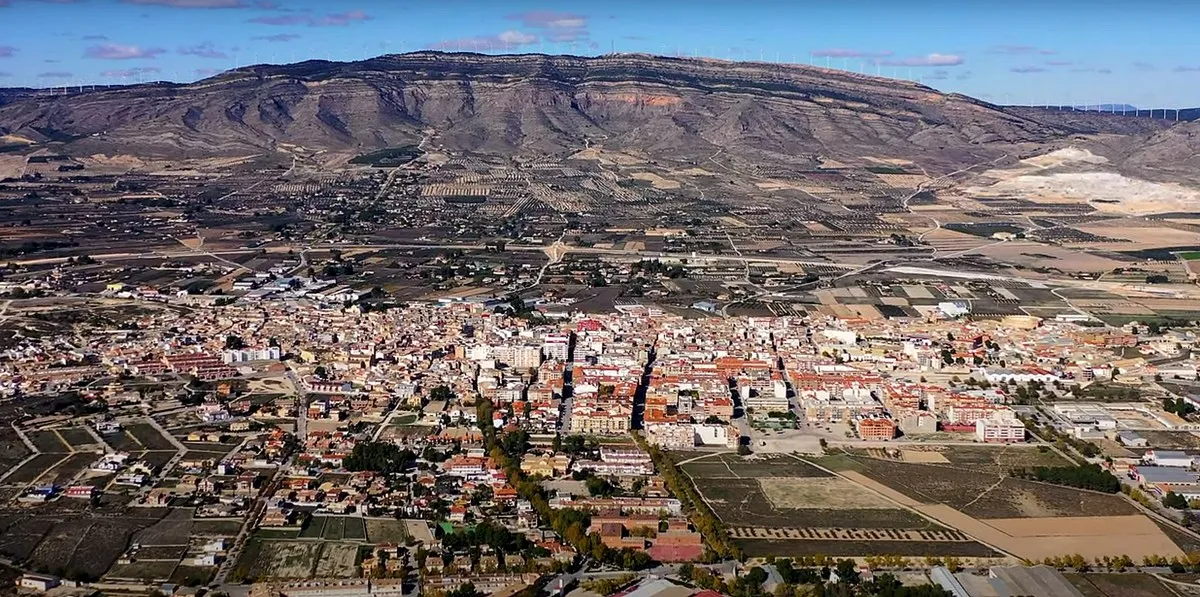
Caudete
550 mHistoric Albatelean village on the border with the Valencia Community. Caudete, with its castle and sanctuary, is a monumental stop on the South East Route.
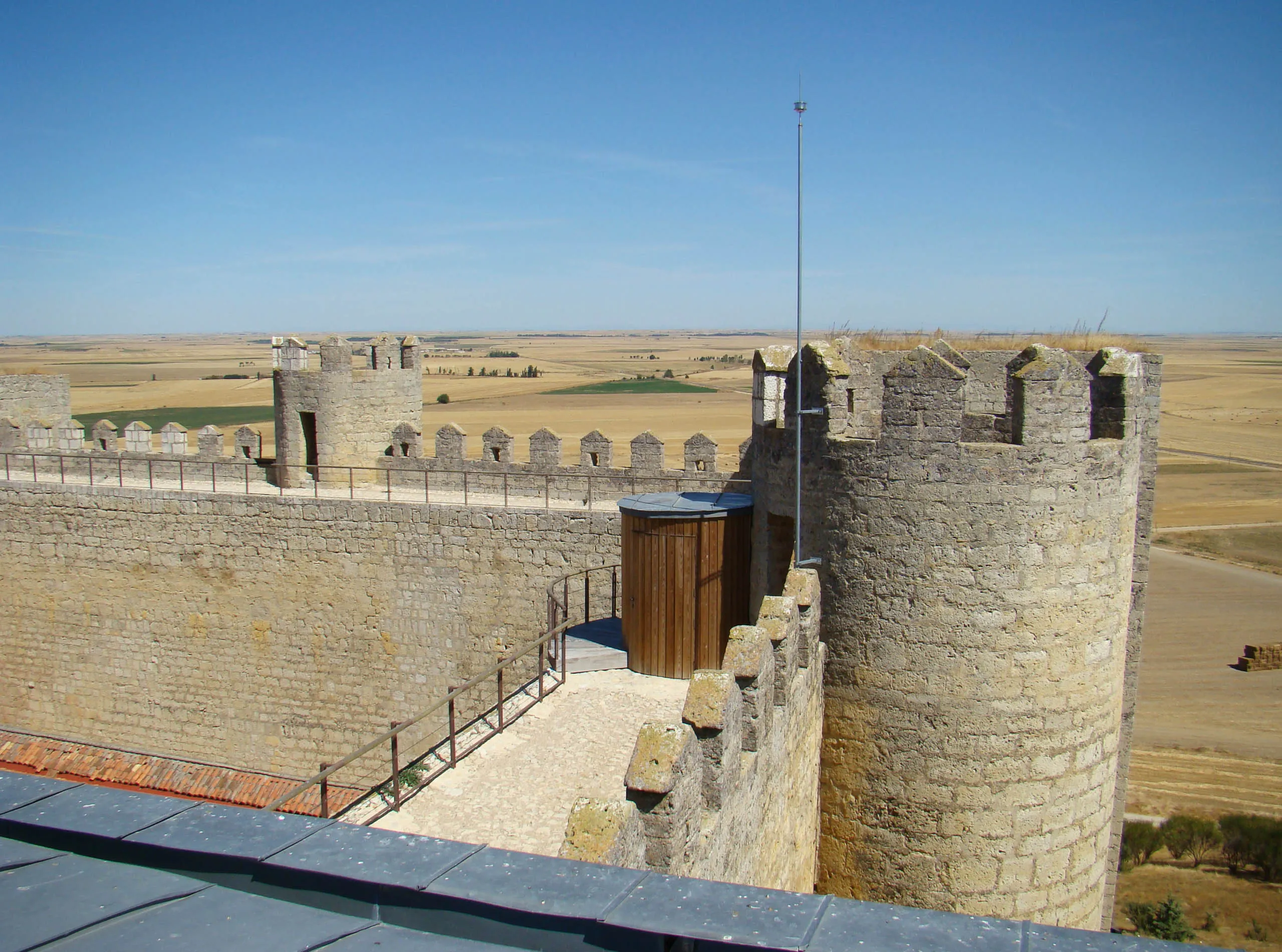
Montealegre del Castillo
800 mMedieval fortress in the Albatelean plain. Montalegre del Castillo, with its imposing fortress, is a visual landmark and a historical stop on the Southeast Route.
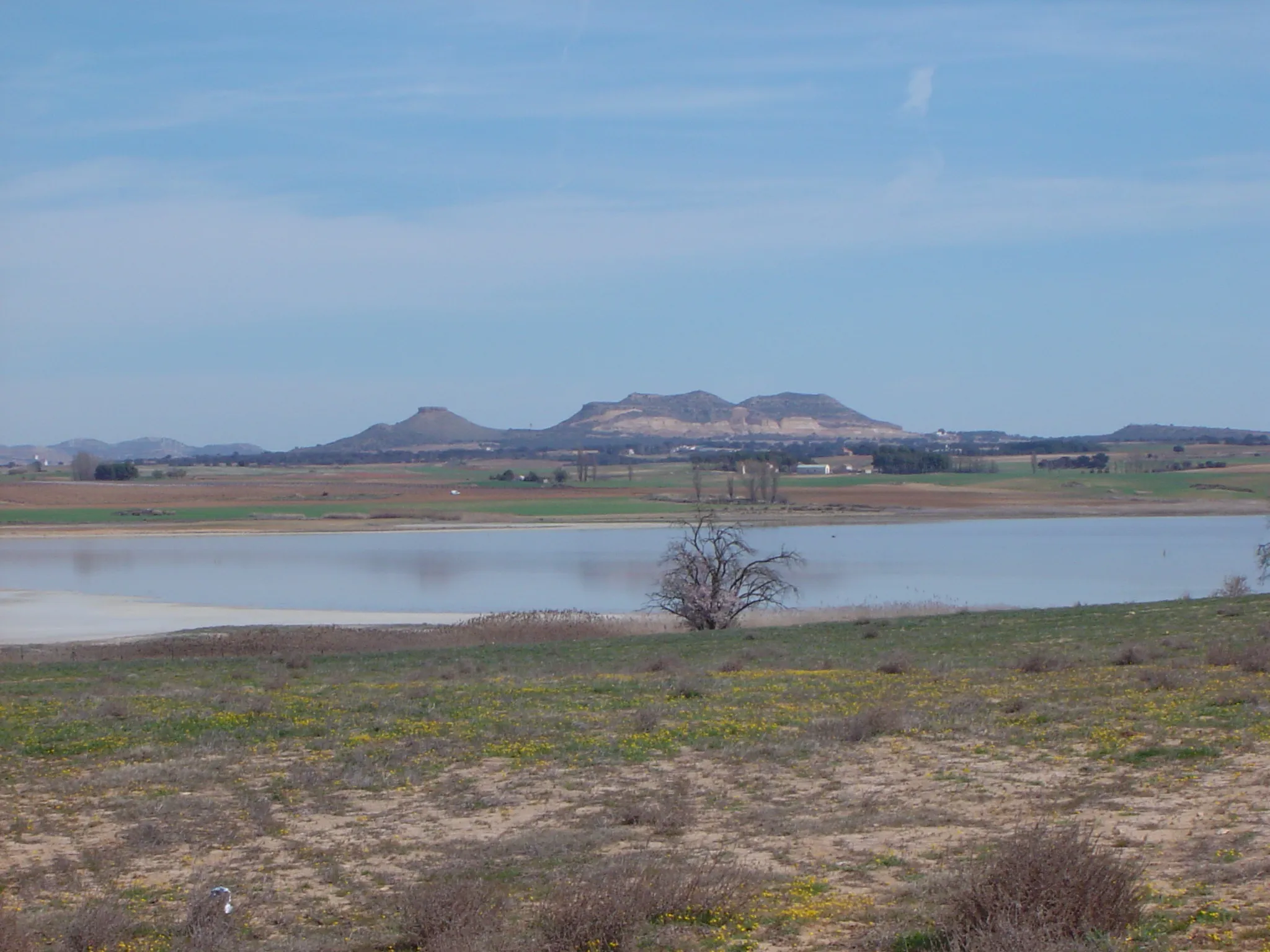
Pétrola
850 mBiodiversity oasis in the Manchegan plain. The saltwater lagoon of Pétrola is a paradise for birds and an unexpected natural stop on the Southeast Route.
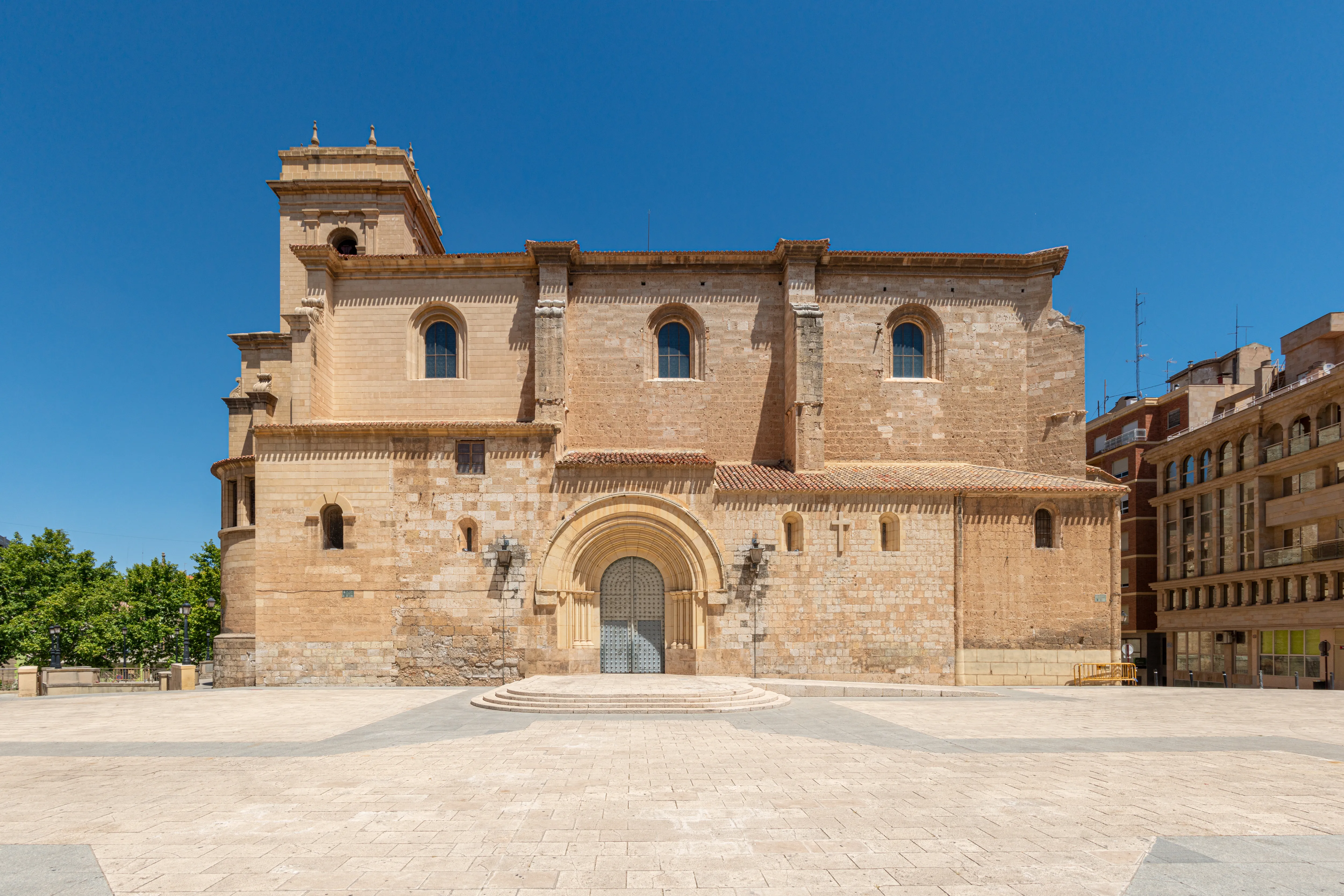
Albacete
Capital of Spain and cultural hub. Albacete is an important service center on the South East Route, with a lively urban life and rich Manchegan cuisine.
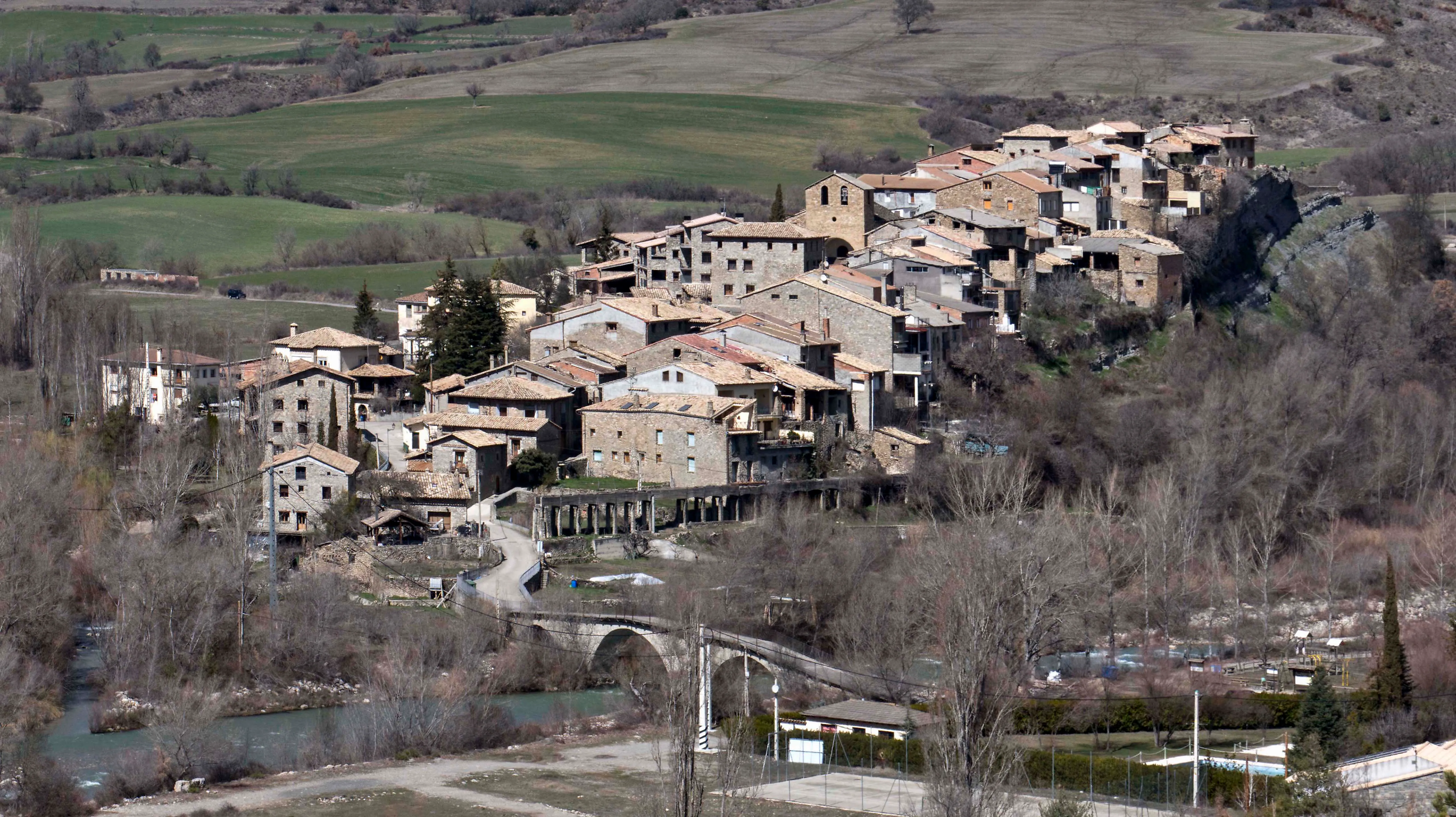
La Roda
Known for its "Miguelitos", La Roda is the sweetest stop on the Southeastern Way. A Manchegan village that offers pilgrims a delicious break in the province of Albacete.
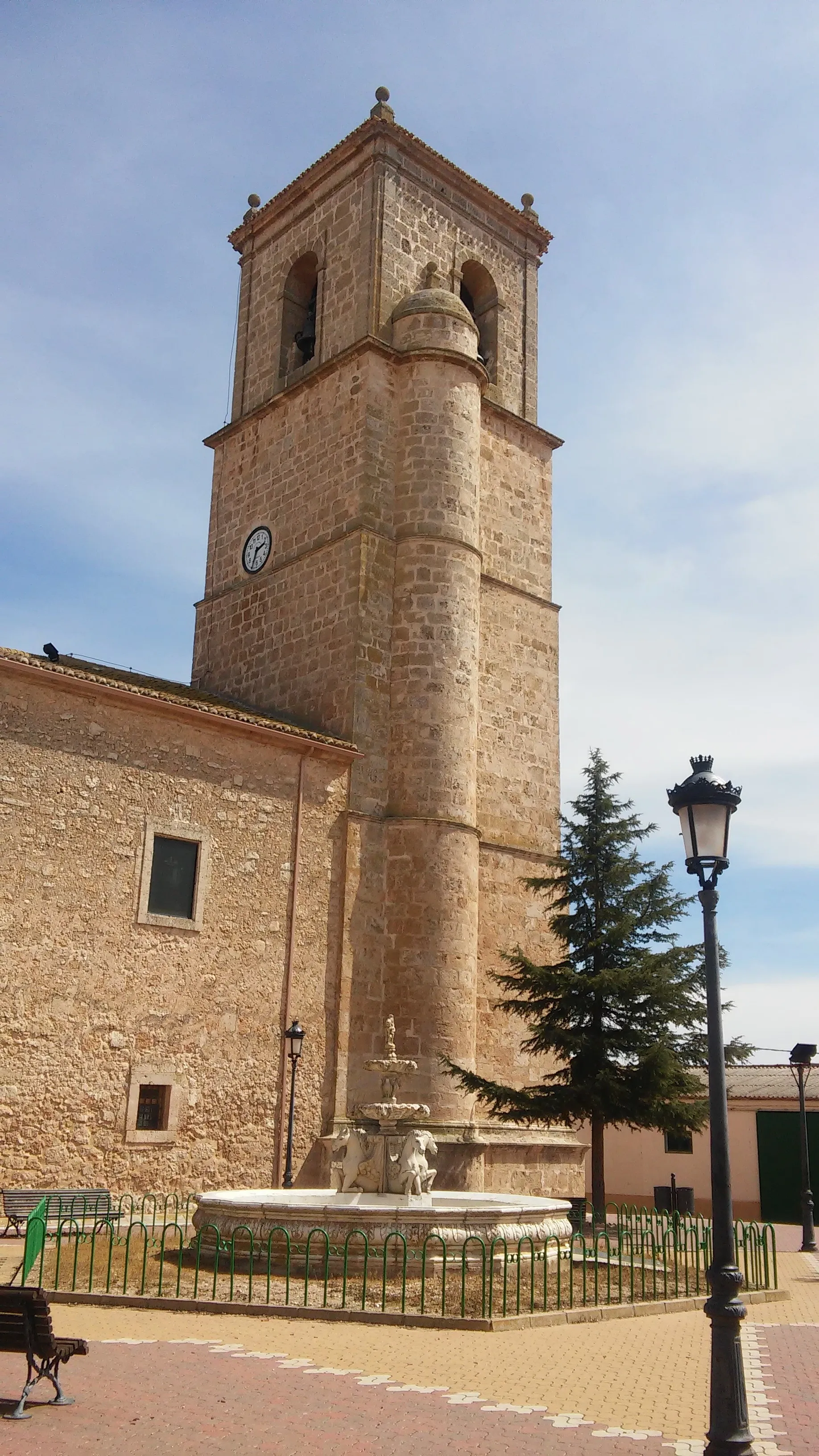
Minaya
700 mRural locality in Albacete's plain, the Manchegan level. Minaya is a quiet rural stop on the Levante Route, perfect for an authentic rest in the heart of La Mancha.
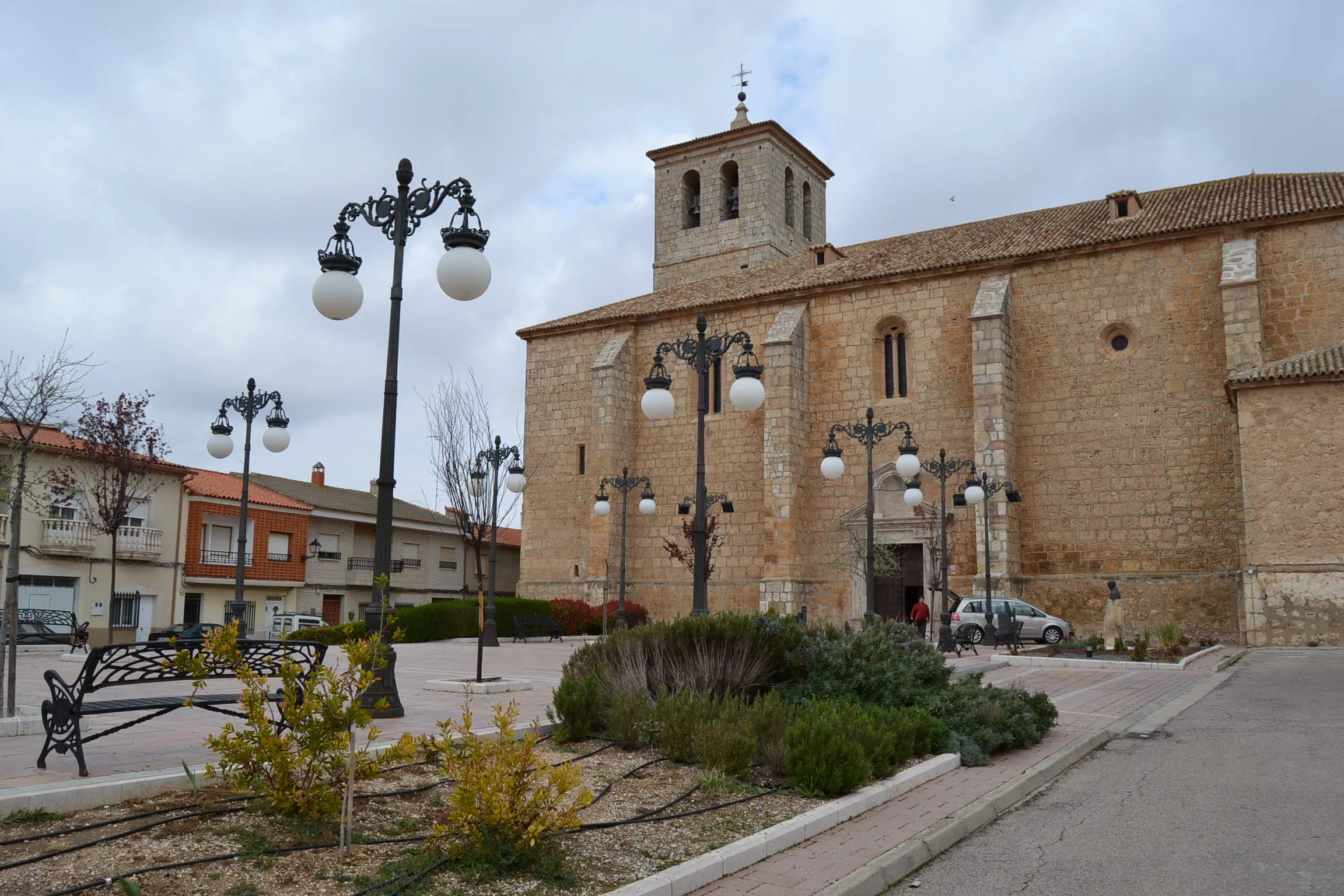
El Provencio
Town of La Mancha conquered and stage of the South Camino. Famous for its Roman bridge and rural surroundings, it offers a peaceful rest on the route to Santiago.
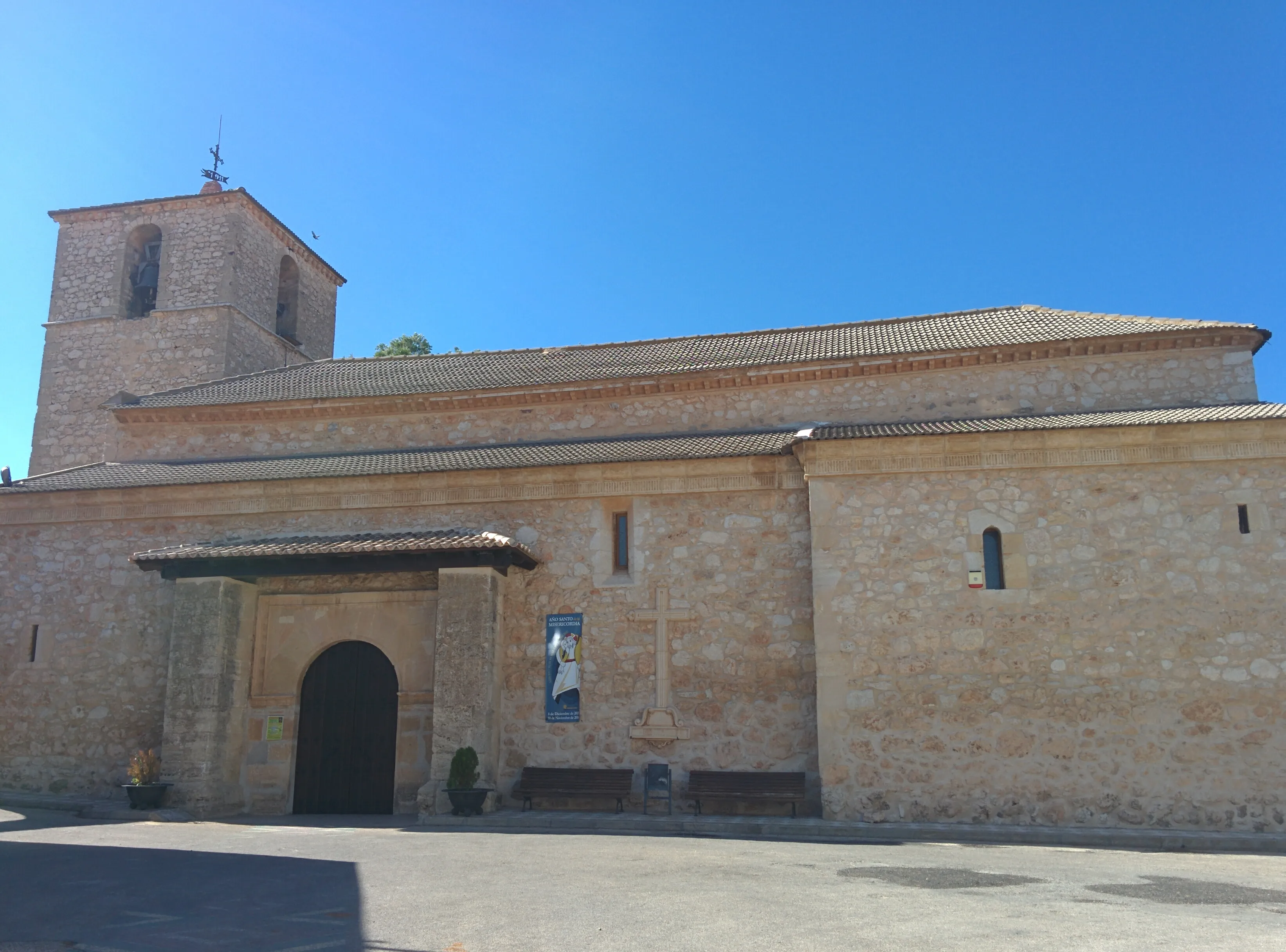
Las Mesas
750 mConquer in the heart of La Mancha. The Tables offer the pilgrim a rural rest in a vineyard landscape and a tranquil atmosphere on the Southeastern Way.
History of South East Route
Its origins date back to the network of communications that has connected the southeast coast with the interior since ancient times. Over the route of ancient Roman roads, pastoral routes used for transhumance and commercial roads, pilgrims from the kingdoms of Valencia and Murcia began to draw their own itinerary towards Santiago. Alicante, as a principal port and city of great commercial dynamism, consolidated itself as the most recognized starting point of this route, although it also received important tributaries from Cartagena, Orihuela, and its own Valencia.
From Alicante, the route enters the peninsula in a northeasterly direction, initiating a journey of contrasts. It passes through the lands of Vinalopó, with its castles and palm groves, and enters Castile-La Mancha by the province of Albacete. The road goes through historic villages such as Almansa, with its imposing rock castle, and La Roda. The route crosses the vast plains of La Mancha, the land of Don Quixote, passing through localities of literary resonance such as El Toboso, the homeland of Dulcinea.
The next great milestone on the road is the heart of Castile. The route passes through Toledo or in its vicinity, the imperial and primordial city of Spain, an universe of history and art. It continues towards the northwest, seeking the Central Mountains, and arrives at the spectacular city of Ávila, protected by its incomparable medieval walls. After overcoming the mountainous system, the road descends again to the northern plateau and passes through Medina del Campo, one of Europe's most important fair centers in the Middle Ages, and Tordesillas, the village of the historic treaty.
The final objective of this long journey was to link up with the great northern routes. The traditional convergence takes place in Benavente, province of Zamora, where the South East Route meets the Vía de la Plata. From there, the pilgrim continues until Astorga to finally incorporate into the Camino Francés. The magnitude of the journey was colossal, an undertaking that required months of walking and iron will.
Due to its extreme length and the harsh climate of the plateau —hot summers and glacial winters— the South East Route has always been a route for the most determined pilgrims. The infrastructure of accommodation, although existing, was never as dense as in the Camino Francés. This circumstance, which was a challenge in the past, has become one of its attractions today. Its modern revitalization, driven by southern Jacobean associations, has recovered an itinerary that offers an experience of pilgrimage of authenticity and solitude difficult to find. It is a journey through empty Spain, a route through history, culture, and the most unknown and deep landscapes of the peninsula.
Accommodations on the Route
The South East Route has 198 verified accommodations along the entire route.
View Stages & AccommodationsPractical Tips for South East Route
Best Season
Spring (April-June) and autumn (September-October) are the best seasons. Pleasant temperatures and fewer crowds than summer.
Physical Preparation
Train by walking progressively in the months before. Start with short distances and increase. Your body will adapt to the rhythm of the Camino.
What to Pack
Light backpack (max 10% of your weight), worn trekking shoes, breathable technical clothing, raincoat, sunscreen and basic first aid kit.
General Tips
Carry the pilgrim credential, stay hydrated, respect your pace, book accommodation in high season and enjoy the journey without rushing.
FAQ about South East Route
El Camino del Sureste, también conocido como el camino diagonal, es una ruta jacobea que recorre aproximadamente 795.5 km desde Alicante hasta unirse con la Vía de la Plata en Benavente (Zamora). Este itinerario atraviesa diferentes regiones españolas ofreciendo una experiencia única y variada a los peregrinos.
Ourway Travel ofrece un paquete completo para tu viaje al Camino del Sureste, que incluye alojamiento en albergues seleccionados, asesoramiento personalizado y gestión de toda la logística necesaria para asegurar una experiencia segura y cómoda. Además, te proporcionamos información detallada sobre el recorrido y recomendaciones locales.
El Camino del Sureste es una ruta única debido a su longitud y diversidad geográfica. A diferencia del Camino Francés o del Norte, este itinerario te lleva por la España interior, ofreciendo un contacto cercano con paisajes que van desde las palmeras de Alicante hasta los castillos de Castilla-La Mancha. Es una opción ideal para aquellos que buscan soledad y una experiencia más auténtica del camino.
La mejor época para emprender tu viaje en el Camino del Sureste es durante las temporadas intermedias, específicamente de abril a junio y septiembre a octubre. Durante este periodo, disfrutarás de un clima agradable y menos concurrencia que en verano, lo que permite una experiencia más tranquila y auténtica.
Para reservar tu viaje al Camino del Sureste con Ourway Travel, simplemente contáctanos a través de nuestro sitio web o por correo electrónico. Nuestro equipo te guiará a través del proceso de reserva y te proporcionará toda la información necesaria para planificar tu itinerario según tus preferencias.
El Camino del Sureste tiene una dificultad media, ya que recorre unos 795.5 km en aproximadamente 29 días de viaje. Este itinerario ofrece un reto físico moderado debido a su longitud y la diversidad geográfica que atraviesa, desde terrenos más planos hasta zonas montañosas.
El Camino del Sureste y el Camino de Viena son dos rutas distintas dentro de las múltiples opciones para llegar a Santiago. Mientras que el Camino del Sureste es más largo y recorre la España interior, pasando por Castilla-La Mancha y Castilla y León hasta Benavente, el Camino de Viena es más corto y atraviesa tierras del este español hacia Zaragoza antes de unirse con otros caminos jacobeos. Ambas rutas ofrecen experiencias únicas pero se diferencian en longitud y geografía.
Para obtener tu credencial peregrino para el Camino del Sureste, puedes dirigirte a cualquier oficina de turismo o centro de información en Alicante u otros puntos de partida como Cartagena. También es posible que la recetas durante tu viaje al llegar a ciudades importantes como Almansa y La Roda. Ourway Travel puede asistirte en este proceso asegurando que tienes todos los documentos necesarios antes de iniciar tu camino.
Ready for this adventure?
Let us organize your pilgrimage. We take care of accommodations, transfers and everything you need.