
Complete Guide to The Puy (Via Podiensis)
The Way of Le Puy (Via Podiensis) is the most popular Jacobean route in France. From Le Puy-en-Velay to Saint-Jean-Pied-de-Port, where it joins the French Way.
Last updated: 28/03/2026
Table of Contents
Technical Summary of The Puy (Via Podiensis)
733 km
Distance
30
days
29
Stages
Media
Difficulty
457 accommodations available on the route
Introduction to The Puy (Via Podiensis)
All Stages of The Puy (Via Podiensis)
Complete route divided into 29 stages
Puy-en-Velay - Saint-Privat-d'Allier
This is one of the longest and most monotonous stages of the Lemovician Way, a journey through the vast forest of the Landes. The route is flat but very demanding due to its distance and lack of servi...
Saint-Privat-d'Allier - Saugues
Leaving behind the capital of the Landes, this long stage continues through a landscape of hills and fields of cultivation. The terrain becomes more undulating, leaving behind the forested plain. It i...
Saugues - Wild Domain
This long and demanding stage brings the pilgrim to the Pyrenees. The route is a continuous up-and-down through the hills of Bearn. It's a day to enjoy the beauty of the landscape and the first views ...
Domain of the Wild - Aumont-Aubrac
This is one of the longest and most symbolic stages of the Way of Saint James. The route enters French Basque Country, with a landscape of green hills and charming villages. It's a journey of great be...
Aumont-Aubrac - Nasbinals
The last stage of the Via Lemovicensis. The road passes through the last hills of French Basque Country before arriving at the mythical Saint-Jean-Pied-de-Port. It is a journey of great beauty and emo...
Saint-Compe-d'Olt
The Via Turonensis, in its variant from Tours, begins by following the course of the Indre River. This first stage is an enjoyable stroll that allows for a peaceful departure from the city. The route ...
Sainte-Côme-de-Brie - Estang
This stage continues through the Indre valley on a moderate distance and flat profile walk. The landscape is still dominated by fields of cultivation and small forests. It's a transition day with no g...
Estes-Les-Bains - Espérançon
This long stage follows the route of the ancient Roman road. The journey is flat and monotonous at times, crossing a landscape of fields of cultivation. It's a day that puts the pilgrim to the test. A...
Cahors - Conques
This is one of the longest stages of the Via Turonensis, a true marathon through Poitou countryside. The route is flat but very demanding due to its distance. Arrival in Poitiers, "the City of One Hun...
Conques - Livinhac-le-Haut
Leaving behind the monumental Poitiers, this stage enters the land of the legend of Melusina the fairy. The route is a moderate distance and undulating profile, crossing a landscape of forests and fie...
Livinhac-le-Haut - Figeac
This long and demanding stage takes the pilgrim through Poitou's countryside. The route is a continuous up-and-down, requiring good physical preparation. Arrival in Melle, a city with an impressive co...
Figeac - Cajarc
This stage culminates in one of the jewels of Romanesque art throughout France. The route is of moderate distance and gentle profile, crossing a landscape of fields of cultivation. Arrival at Aulnay-d...
Cajarc - Varayiré
This short and pleasant stage takes the pilgrim to historic Saint-Jean-d'Angély. The route passes through a vineyard landscape and agricultural fields. The brevity of the journey allows for arrival in...
Veraison - Cahors
This stage follows the course of the River Boutonne, on a flat and pleasant route. It is a moderate distance day that allows you to enjoy the riverine landscape. The arrival in Saintes, a city with an...
Cahors - Lascabanes Translation: Cahors - Sycamore
Leaving behind the monumental Saintes, this stage enters the region of Saintonge. The route is moderate in distance and undulating profile, crossing a landscape of vineyards that produce famous cognac...
Lavender - Lavertre
This long stage continues through the Saintonge region, on an demanding journey due to its distance. The landscape remains dominated by vineyards, on undulating terrain. It is a day of great effort an...
Lauserte - Moissac
This long stage is an authentic challenge that takes the pilgrim to the shores of the Gironde estuary. The route is very demanding due to its distance and undulating profile. Arrival in Blaye is a mon...
Moissac - Auvillar
This stage combines a ferry crossing through the Gironde estuary with a walk through the renowned wine region of Médoc. It is a day of great beauty and originality. After the ferry, the path enters a ...
Auvillar - Lectoure
After enjoying the monumental Bordeaux, this short stage allows for a peaceful exit from the big city. The route is urban and peri-urban, passing through the southern neighborhoods and the city parks....
Lecture - Condom
This long stage enters the vast forest of the Landes of Gascony. The route is flat but very demanding due to its distance and the monotony of the landscape. It's a day for introspection and meditation...
Condom - a type of fabric or material
This is one of the longest and most monotonous stages of the Via Turonensis, a journey through the heart of the Landes forest. The route is completely flat but very demanding due to its distance and l...
Eauze - Nogaro
This long stage is a true challenge that continues the journey through the Landes forest. The route is flat but very demanding due to its distance. The arrival in the important city of Dax, famous for...
Nogaró - Airé-sur-l'Adour
Leaving the Landas, this stage enters the French Basque Country. The terrain becomes more undulating, with hills and valleys. It is a day of great scenic beauty, which brings the pilgrim closer to the...
Air-sur-l'Adour - Arzacq-Arraziguet
This is a long and demanding stage that ventures into the heart of French Basque Country. The route is a continuous up and down through green hills and charming villages. Arrival in Ostabat is a very ...
Arracar - Arrasat
The last stage of the Via Turonensis. The road passes through the last hills of French Basque Country before arriving at the mythical Saint-Jean-Pied-de-Port. It is a beautiful and emotional journey, ...
Arthez-de-Bearn - Navarrenx translates to: Arthez-de-Bearn - Navarrenx
The Via Turonensis begins at the heart of Paris, at the feet of Saint-Jacques Tower. This first stage is an urban and peri-urban journey that allows for a gradual departure from the great metropolis. ...
Aroue-Nagueria
This stage enters the beautiful valley of Chevreuse, an oasis of nature at the gates of Paris. The route is of great beauty, with a wavy profile and a landscape of forests, hills and valleys. It's a j...
I don't have information on "Aroue - Ostabat". Can you provide more context or details?
This stage continues through the Natural Park of the Upper Valley of Chevreuse, on a beautiful route. The path traverses the immense forest of Rambouillet, one of France's most important forests. It i...
Ostoubat - Saint-Jean-Pied-de-Port
This is one of the longest and most symbolic stages of the Via Turonensis. The journey is a long pilgrimage through the Beauce plain, "France's granary". It is a demanding and persevering journey with...
Key Towns of The Puy (Via Podiensis)
The most important towns and cities on this route.
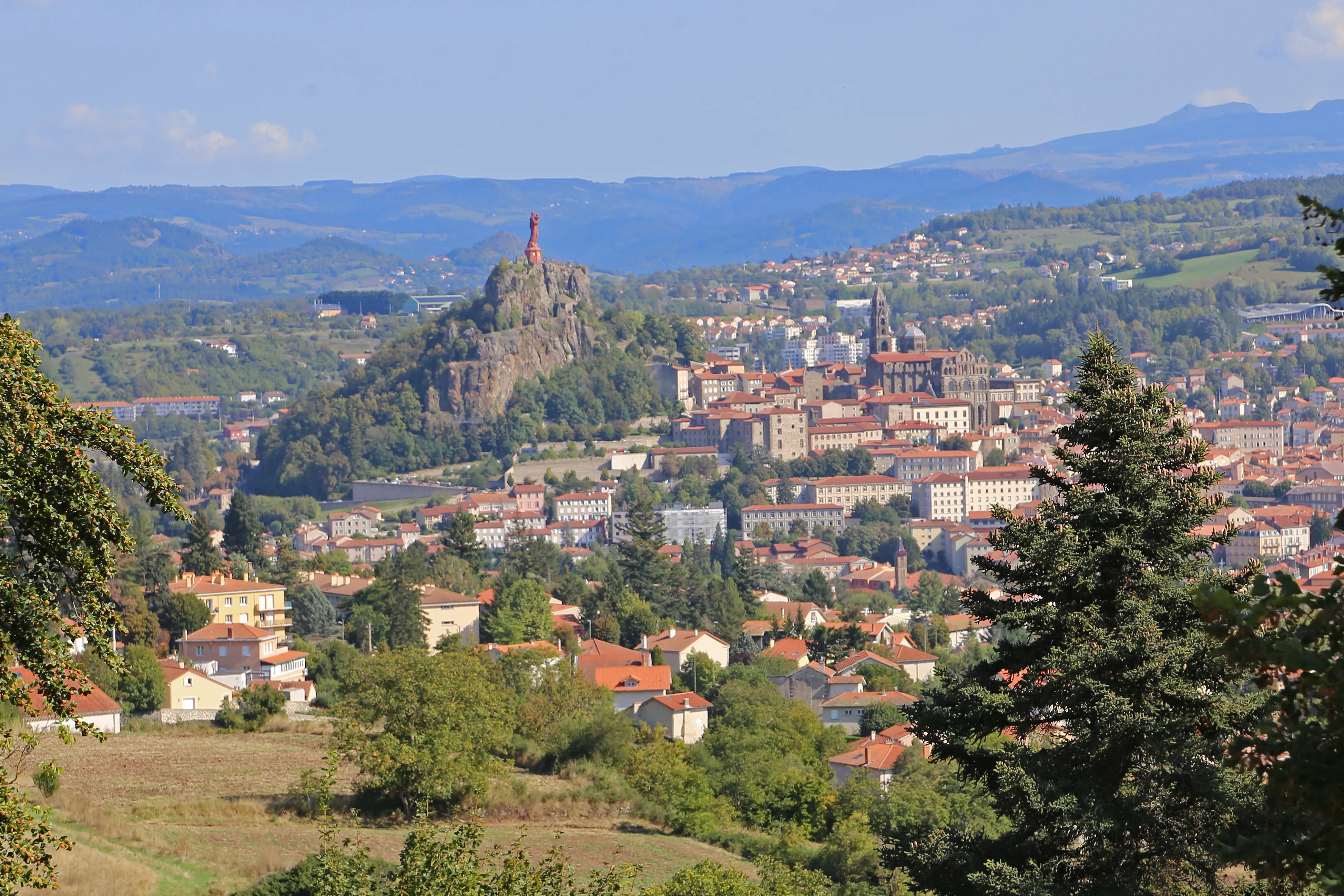
Le Puy-en-Velay
Mythical start of the Via Podiensis (Le Puy Way). A unique city in the world, with its cathedral on a volcano and a sacred landscape that inspires the pilgrim.
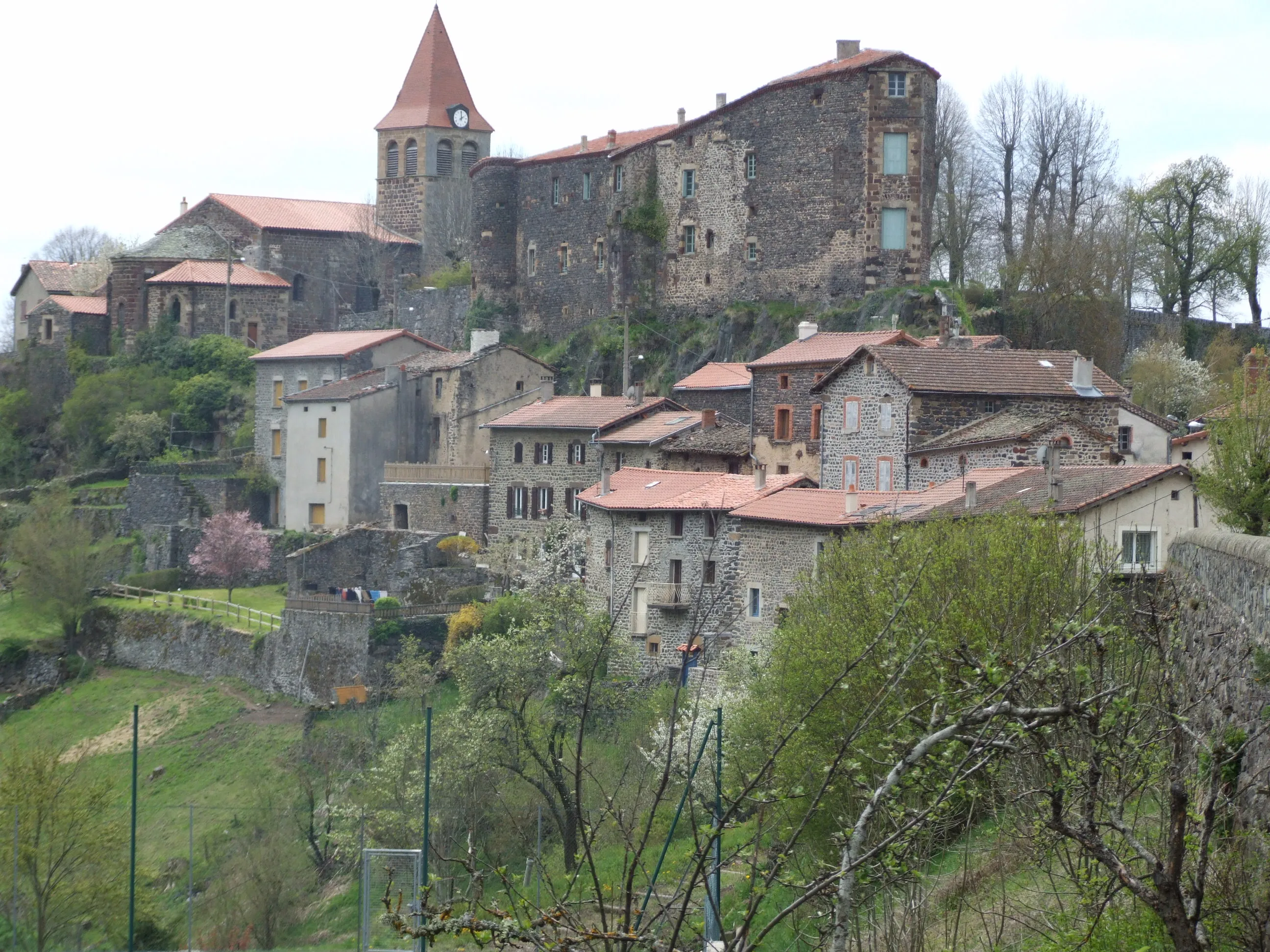
Saint-Privat-d'Allier
French village on the Le Puy Way. Saint-Privat-d'Allier, in the gorges of the River Allier, offers a demanding and spectacular stage with beautiful natural scenery.
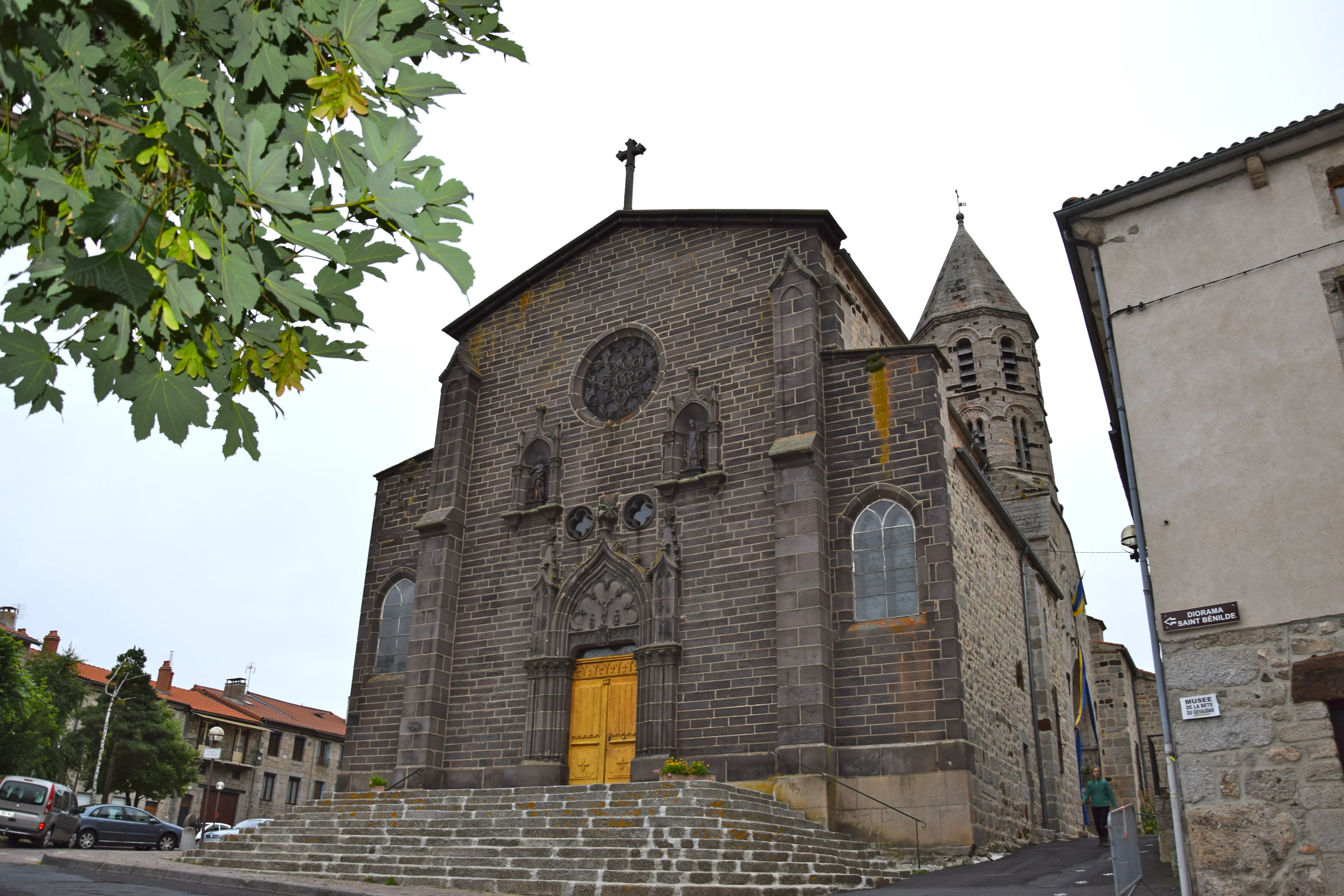
Saugues
Gate to the mythical region of Gevaudan. Saugues is a key stop on the Le Puy Way, a town with character, history and the legend of its famous Beast.
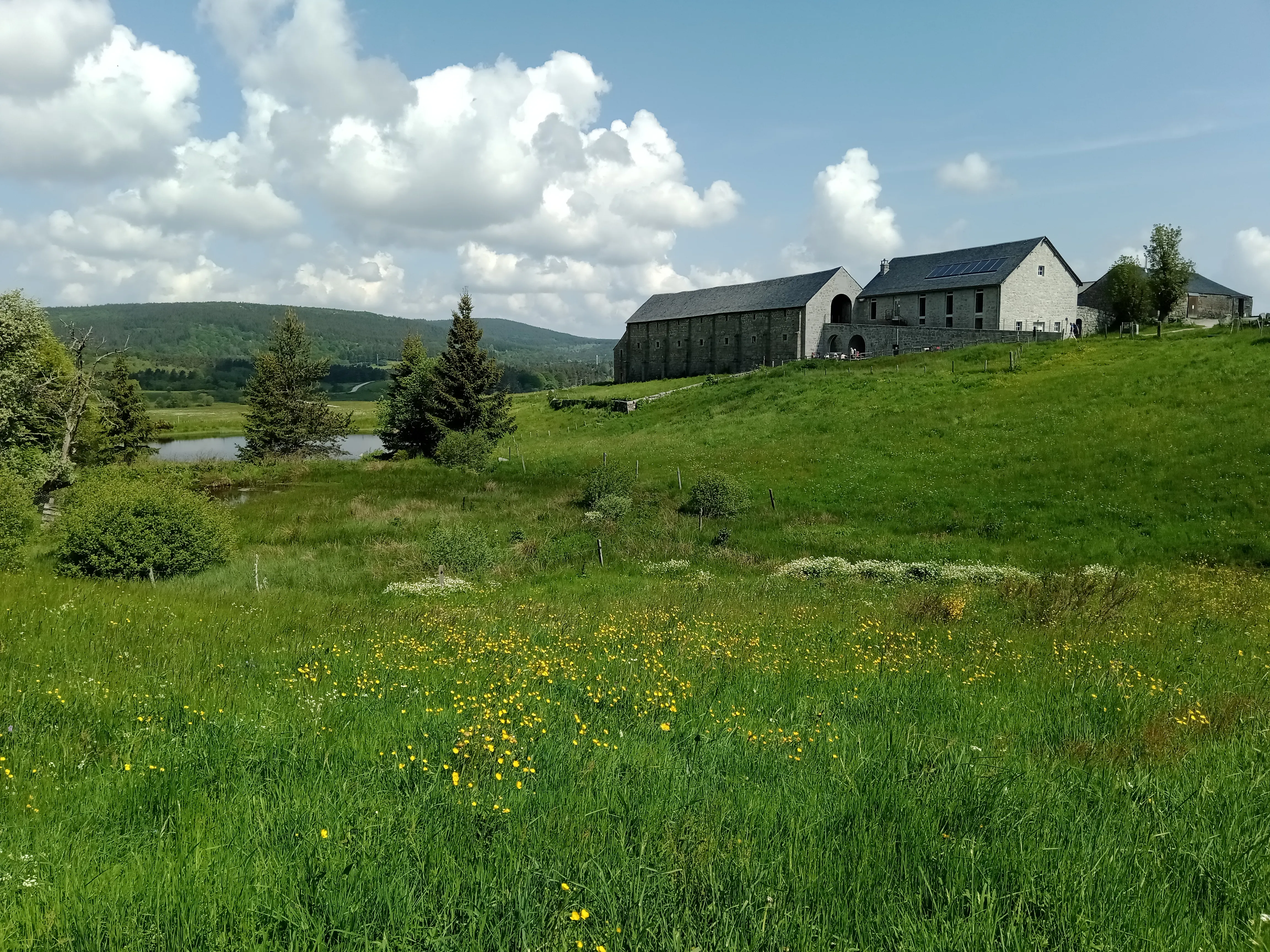
Domaine du Sauvage
1292 mAncient monastery farm in an isolated highland.
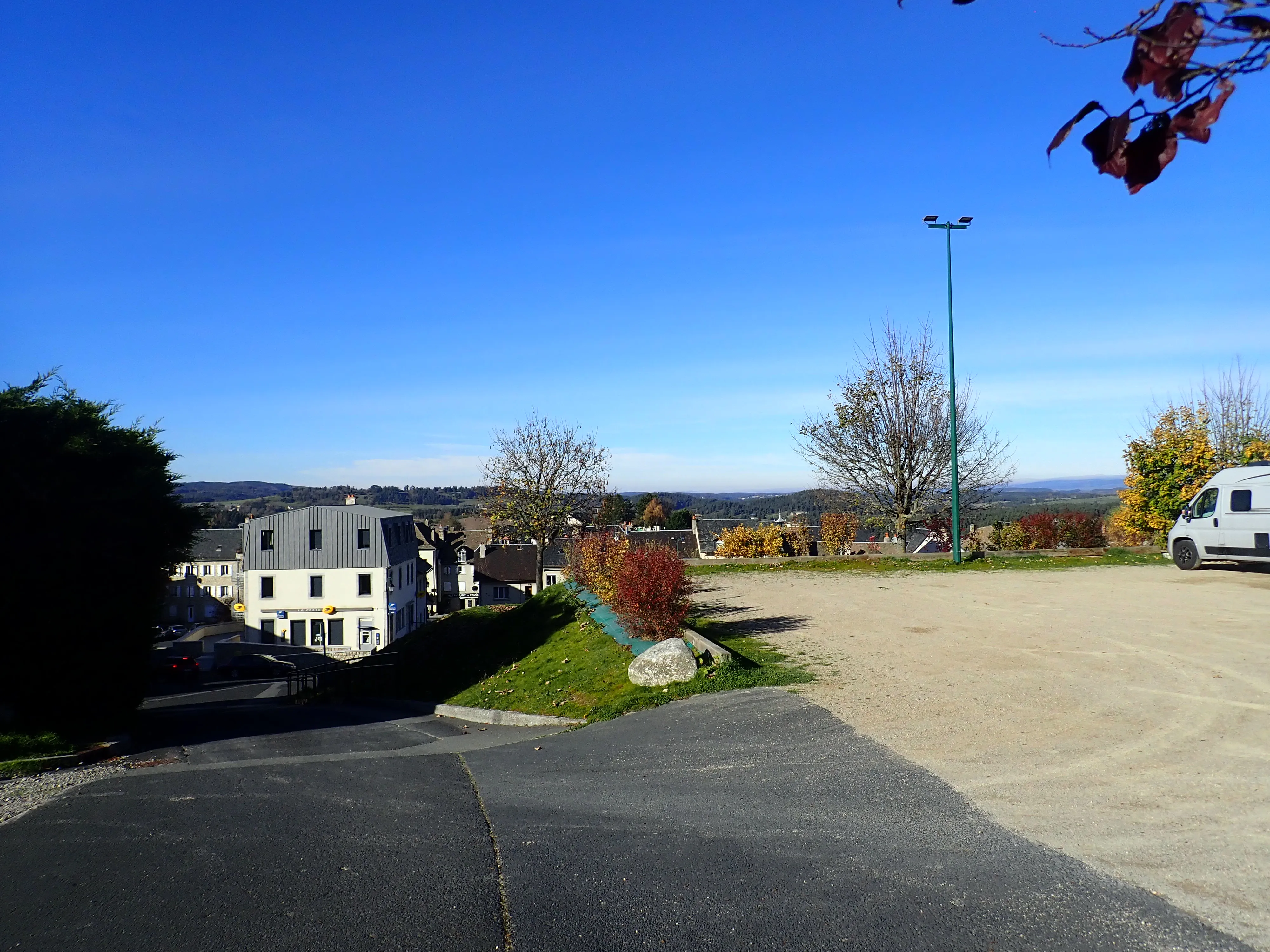
Aumont-Aubrac
Heart of the Aubrac Plateau. Aumont-Aubrac is an essential stop on the Le Puy Way, a cattle village offering pilgrims all services and access to a unique landscape.
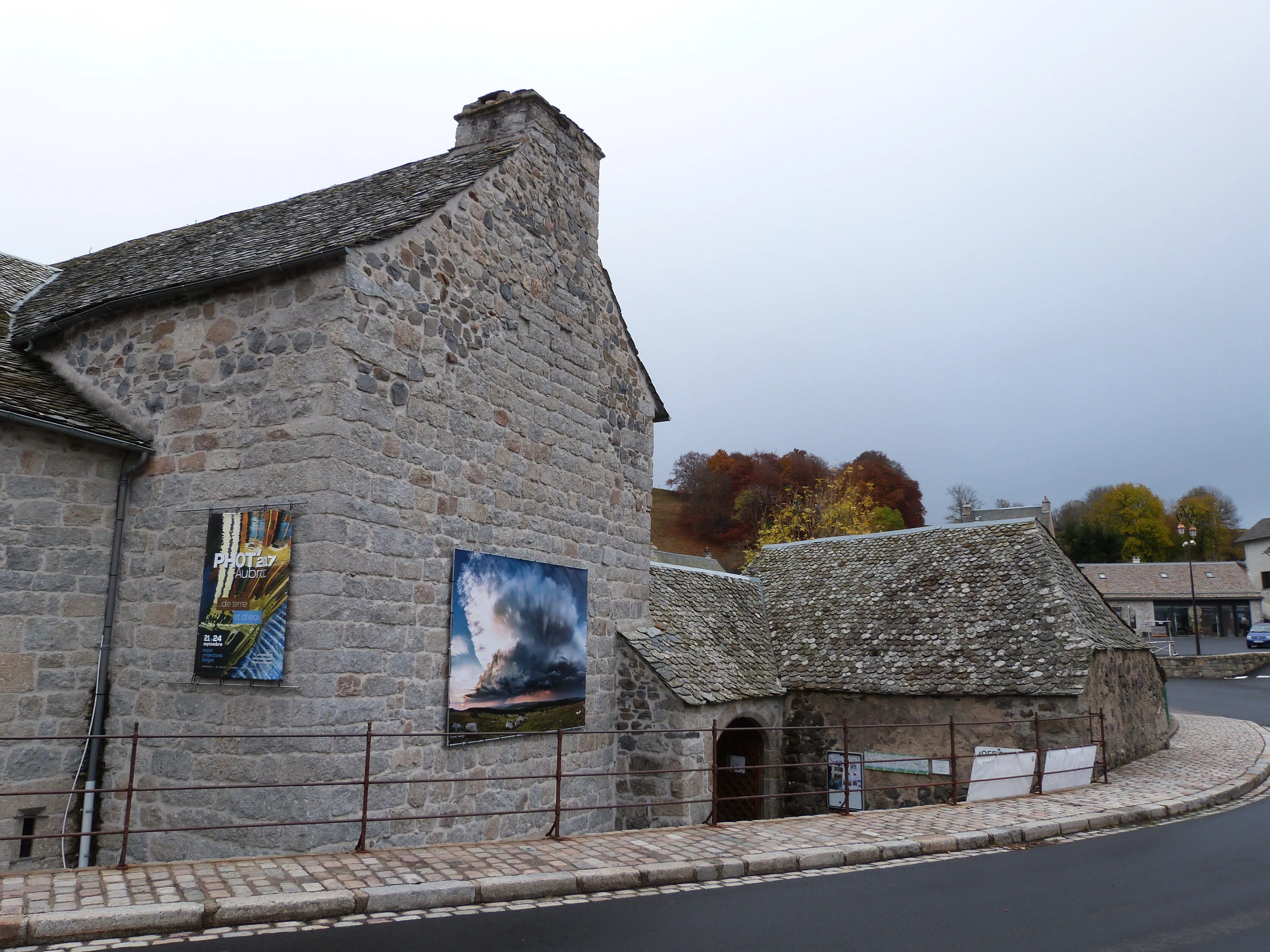
Nasbinals
Town at the heart of Aubrac Plateau. Nasbinals, with its Romanesque church and endless pasture landscape, is one of the most beautiful and authentic stops on the Le Puy Way.
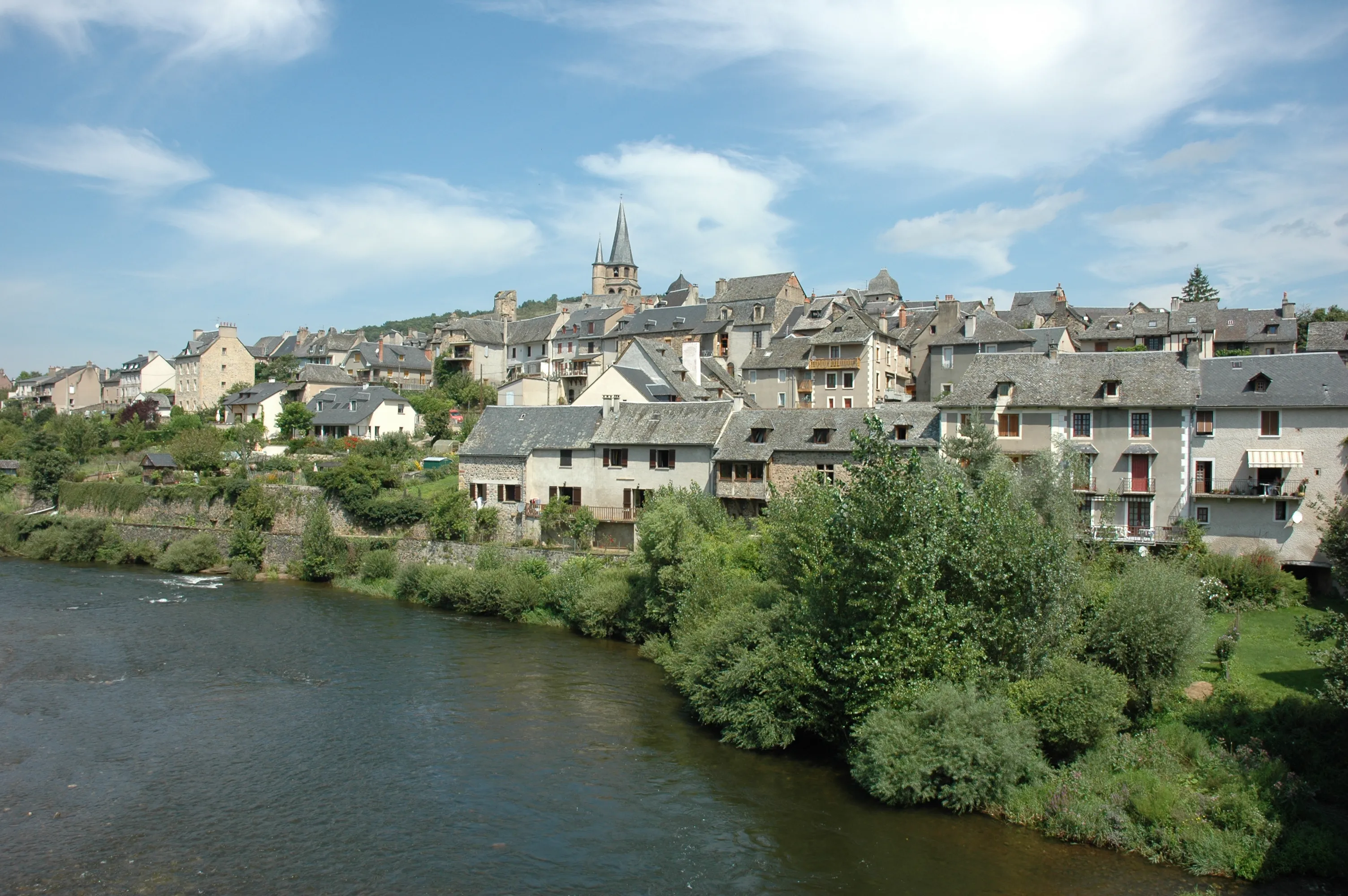
Saint-Côme-d'Olt
350 mOne of France's "Most Beautiful Villages", by the Lot River.
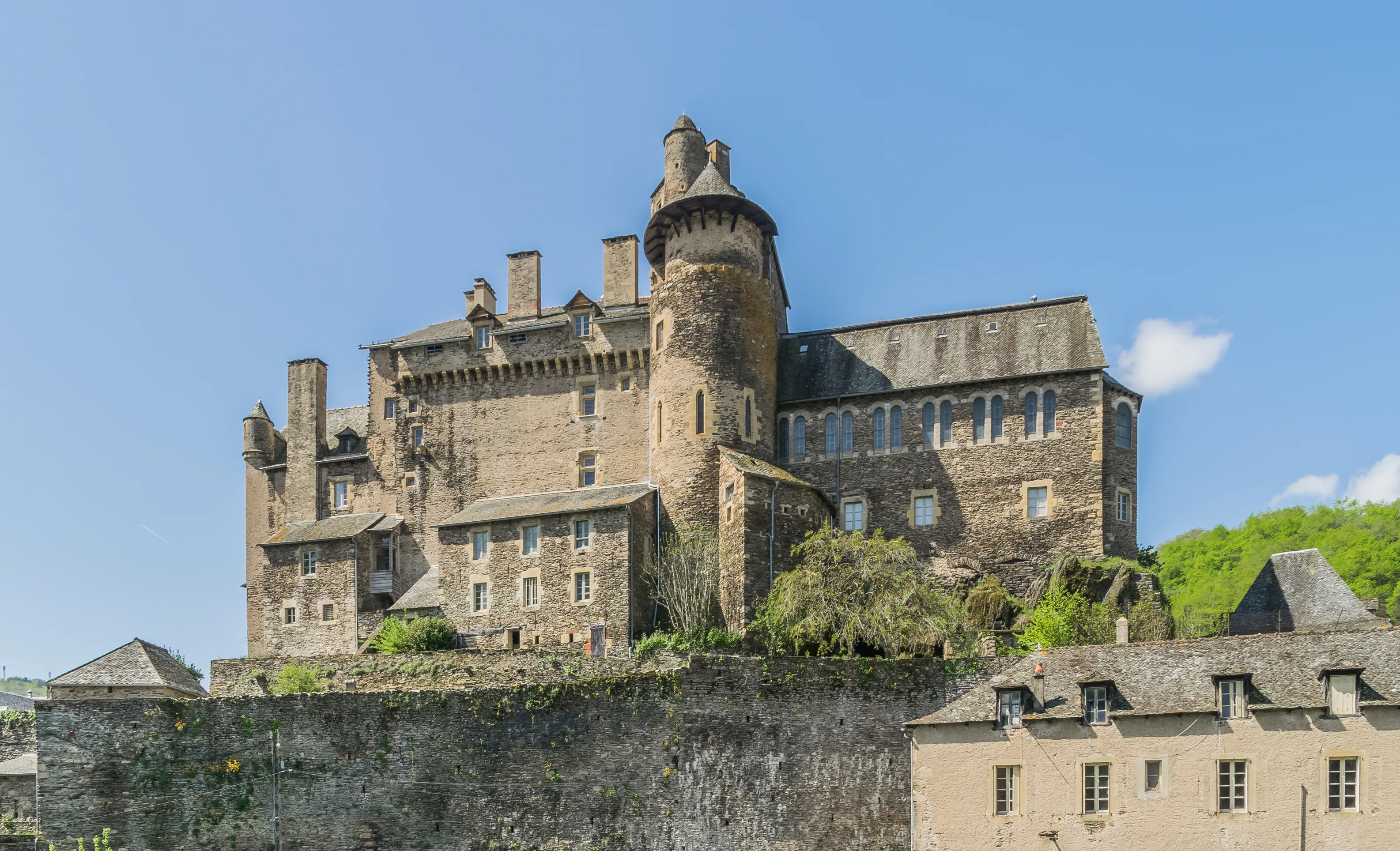
Estaing
One of the most beautiful towns in France. Saint-Étienne, with its imposing castle and its Gothic bridge over the Lot, is a medieval gem and an unforgettable stop on the Le Puy Way.
Espeyrac
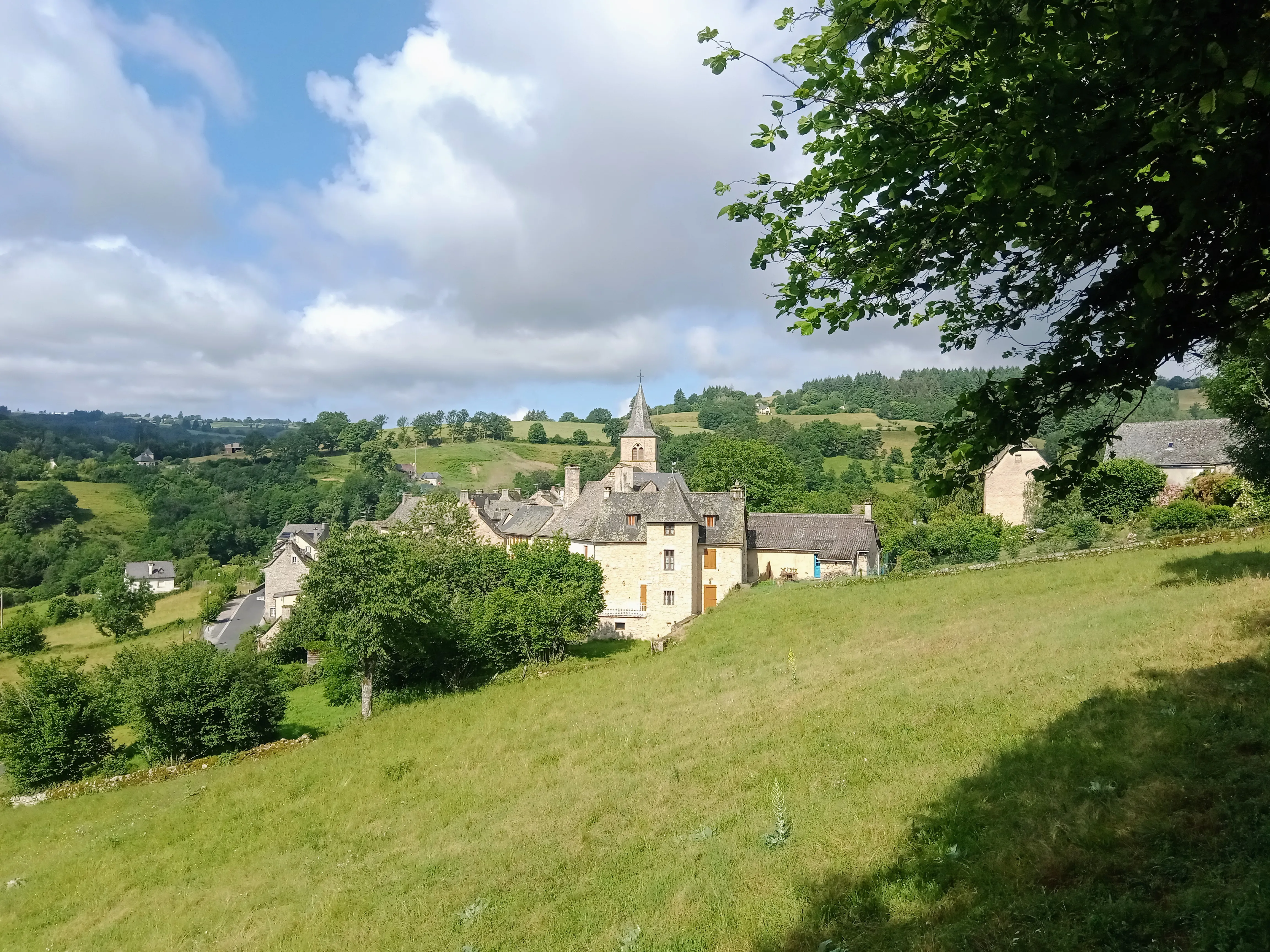
370 mSmall and welcoming village in the Aveyron.

Conques
Romanesque art sanctuary and magical stop on the Via Podiensis. Its Abbey of Sainte-Foy, with its Passion of Christ tympanum, is a treasure of the Way in France.

Livinhac-le-Haut
185 mTown on the banks of the Loire, end of an demanding phase.
Figeac
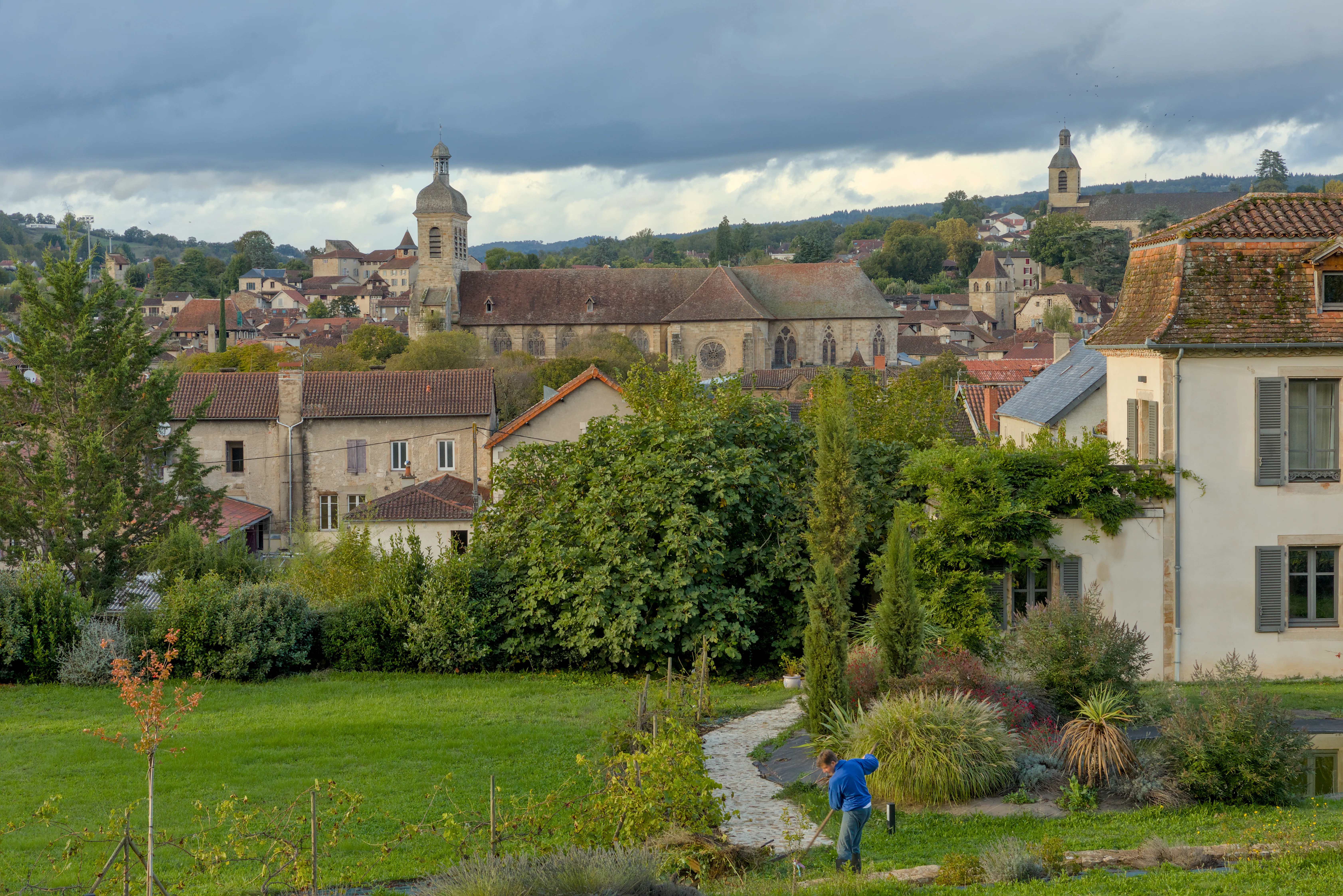
Birthplace of Champollion, decipherer of the Rosetta Stone. Figeac is an important cultural stop on the Via Podiensis, with a rich medieval quarter by the Célé.
History of The Puy (Via Podiensis)
The key year is 950 (or 951). In this date, Godescalco, bishop of Le Puy, a pious and influential man, embarked on a long and arduous pilgrimage to Santiago de Compostela along with a large entourage. This episcopal journey was not only the first non-Hispanic written record of pilgrimage but also established a precedent that would be imitated by thousands of faithful in subsequent centuries, turning Le Puy into the spiritual capital of the Way in France.
The city of Le Puy-en-Velay itself was already an important center for Marian pilgrimages, famous for its Black Virgin. Its unique topography, with Notre-Dame Cathedral and Saint-Michel d'Aiguilhe chapel perched atop volcanic needles, created a visual and spiritual scene that was overwhelming, the perfect place to begin such a transcendent undertaking. Every morning, the cathedral celebrated a mass and special blessing for pilgrims starting their journey, a tradition still alive today.
Described as "Via Podiensis" in the Calixtine Codex of the 12th century, the route runs from Le Puy southwest, on a journey of extraordinary diversity in landscape. It traverses volcanic mountains of Velay, solitary and windy Aubrac plateau —a section of austere beauty and great hardness, dotted with stone refuges for pilgrims—, and descends into fertile and beautiful valleys of rivers Lot and Célé. This stretch is famous for housing some of the most pure jewels in French Romanesque art.
The most important milestone is undoubtedly the Abbey of Sainte-Foy de Conques. Isolated in a deep valley, this church is an example of perfect pilgrimage architecture, built to accommodate crowds. Its tympanum of the Last Judgment is one of the masterpieces of Romanesque sculpture, a stone catechism that warned and amazed medieval pilgrims. Other points of great importance are Figeac, the city of Champollion; Cahors, with its spectacular fortified Valentré bridge; and the Abbey of Moissac, with its cloister and portico, considered summits of Romanesque art.
The Via Podiensis was one of the most traveled routes during the Middle Ages. It was perfectly equipped with a network of hospitals, bridges, and monasteries that guaranteed assistance to pilgrims. Upon arriving at Ostabat in the French Basque Country, it converged with routes coming from Tours and Vézelay, and in nearby Saint-Jean-Pied-de-Port, preparations were made for the final great challenge: crossing the Pyrenees through Roncesvalles.
Its modern revitalization has been a resounding success. Marked as the long-distance GR65 trail, it is today a cultural phenomenon that attracts walkers from all over the world, offering an authentic and beautiful Jacobean experience. For many, it is the indispensable prologue to the French Way.
Accommodations on the Route
The The Puy (Via Podiensis) has 457 verified accommodations along the entire route.
View Stages & AccommodationsPractical Tips for The Puy (Via Podiensis)
Best Season
Spring (April-June) and autumn (September-October) are the best seasons. Pleasant temperatures and fewer crowds than summer.
Physical Preparation
Train by walking progressively in the months before. Start with short distances and increase. Your body will adapt to the rhythm of the Camino.
What to Pack
Light backpack (max 10% of your weight), worn trekking shoes, breathable technical clothing, raincoat, sunscreen and basic first aid kit.
General Tips
Carry the pilgrim credential, stay hydrated, respect your pace, book accommodation in high season and enjoy the journey without rushing.
FAQ about The Puy (Via Podiensis)
El Camino de Le Puy, conocido como Vía Podiensis, tiene una duración aproximada de 30 días para completar los 733 kilómetros que separan Le Puy-en-Velay de Saint-Jean-Pied-de-Port. Esta ruta es popular entre peregrinos por su belleza paisajística y rica historia, siendo administrada profesionalmente por Ourway Travel para asegurar una experiencia segura y confortable.
La mejor época para emprender tu viaje en el Camino de Le Puy suele ser durante las temporadas media, específicamente abril a junio y septiembre a octubre. Durante estos meses experimentarás un clima ideal, campos verdes y flores en mayo, o temperaturas suaves con menos gente en septiembre. Ourway Travel te ayuda a reservar alojamientos de manera eficiente para asegurar tu viaje.
El paquete del Camino de Le Puy con Ourway Travel incluye alojamiento en albergues o casas rurales seleccionadas por nuestro equipo, traslado diario de equipaje desde tu punto de partida hasta el destino final (Saint-Jean-Pied-de-Port), y la gestión completa de tu credencial de peregrino. Además, te proporcionamos un itinerario detallado y asistencia personalizada para asegurar que disfrutes al máximo de esta ruta jacobea.
El Camino de Le Puy es considerado una ruta de media dificultad, que presenta desafíos topográficos como el paso por regiones montañosas. A diferencia de otros caminos más llanos como el Camino Francés, este te ofrece un paisaje variado y apacible. Ourway Travel gestiona tu experiencia asegurando que estés preparado para cualquier reto con equipamiento adecuado y asesoría experta.
Para reservar tu viaje en el Camino de Le Puy con Ourway Travel, puedes contactarnos a través de nuestro sitio web o por teléfono. Nuestro equipo profesional te asistirá en cada paso del proceso: desde la elección de fechas hasta la confirmación de alojamientos y traslados de equipaje. También podrás personalizar tu itinerario según tus preferencias.
El Camino de Le Puy ofrece un recorrido más variado y natural, pasando por regiones emblemáticas como Aubrac, Quercy y Gascuña. Ofrece una experiencia cultural rica con monumentos históricos únicos. Aunque es ligeramente más largo que el Camino Francés, te proporciona vistas panorámicas impresionantes y un clima místico al comenzar tu peregrinación desde Le Puy-en-Velay. Ourway Travel te guía a través de este camino apasionante.
El Camino de Le Puy, desde Le Puy-en-Velay hasta Saint-Jean-Pied-de-Port, cubre una distancia aproximada de 733 kilómetros. El viaje completo suele tomar alrededor de un mes para completarlo a un ritmo moderado. Ourway Travel te asiste en este emprendimiento asegurando que tus días estén bien organizados con alojamientos cómodos y traslados seguros.
Ourway Travel te facilita la gestión completa de tu credencial de peregrino, proporcionándote una que es válida para todo el itinerario del Camino de Le Puy. Te asistimos en obtenerla antes del viaje y te ayudamos a entender cómo usarla durante tu recorrido. También puedes recibir información sobre firmas específicas e incluso solicitar la credencial directamente desde nuestro equipo.
Ready for this adventure?
Let us organize your pilgrimage. We take care of accommodations, transfers and everything you need.