
Complete Guide to North Coast Path
Walks the North Way, a spectacular Jacobean route bordering the Cantabrian coast from San Sebastián to Galicia, an unforgettable journey between sea and mountain.
Last updated: 28/03/2026
Table of Contents
Technical Summary of North Coast Path
855.4 km
Distance
38
days
38
Stages
Alta
Difficulty
510 accommodations available on the route
Introduction to North Coast Path
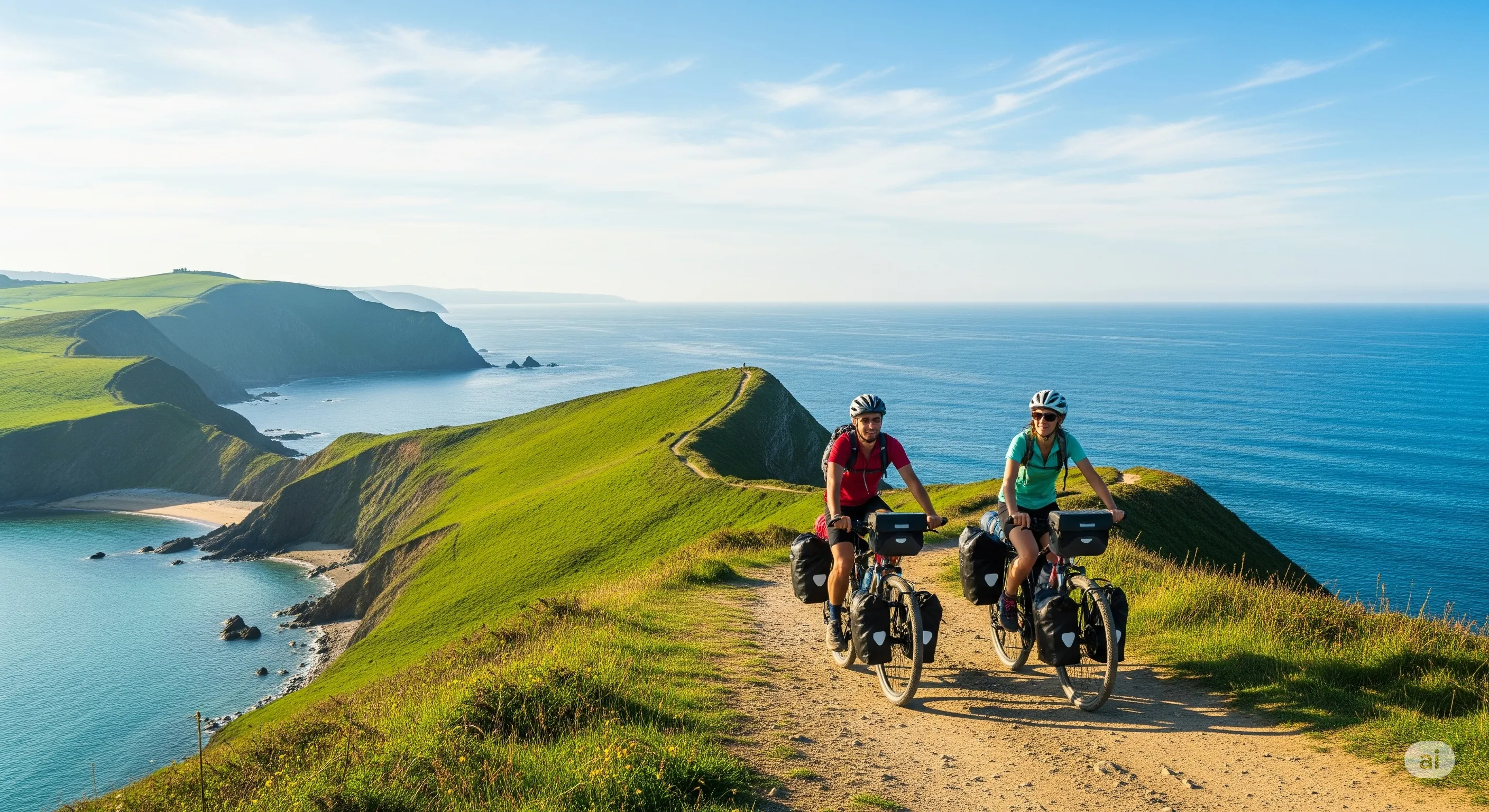
It offers an incredible combination of coastal landscapes with impressive beaches and cliffs, and mountain trails with green valleys. It is an demanding but very rewarding route that passes by cities such as San Sebastián, Bilbao and Santander. Its rich gastronomy and cultural heritage are among its greatest attractions.
All Stages of North Coast Path
Complete route divided into 38 stages
Bayonne to Saint-Jean-de-Luz
This stage of the Via de la Plata continues north through the Zamoran plain. The profile is completely flat and runs over an agricultural landscape with large extensions. It's a comfortable but monoto...
Saint-Jean-de-Luz to San Sebastián
The first stage of the Madrid Way is a long urban and peri-urban journey that takes the pilgrim out of the great capital. The route, mostly on asphalt, crosses the north of the city and enters El Pard...
Go to San Sebastian
This stage enters the Regional Park of the Upper Cuenca Valley, at the foot of the Sierra de Guadarrama. The profile is a gentle but continuous ascent, preparing the pilgrim for mountain stages. The l...
Saint Sebastian to Zarautz
This is a short and gentle stage that takes the pilgrim out of Valladolid's capital. The route is an enjoyable stroll that follows in large part along the banks of the Pisuerga River. The landscape is...
Zarautz to Deba
Leaving behind the Pisuerga valley, this stage ascends to the Montes Torozos, a region of moors and hills. The profile becomes demanding, with an initial continuous ascent. The landscape is austere in...
To Markina-Xemein
The first stage of the Via de la Plata from Madrid is a completely urban journey that crosses the south of the capital. The route takes the pilgrim out of the historic center and leads him through nei...
Markina-Xemein in Gernika
This stage continues through the southern metropolitan area of Madrid, on a flat and transitional terrain. The landscape is a mix of urbanized areas, industrial complexes, and the first fields of cult...
Gernika to Lezama
This long stage marks the arrival at the province of Toledo and culminates in one of Spain's most monumental cities. The route ventures into La Sagra's plain, on a flat terrain with no shade. It is an...
Lezama to Bilbao
Leaving behind the monumental Toledo, this stage enters into the comarca of Torrijos. The profile is a gentle rise and fall through a landscape of fields of cultivation and olive groves. It's a transi...
Bilbao to Portugalete
This is one of the longest stages on the route, a crossing over the Tajo plain. The profile is completely flat, but the distance makes it a challenge. The landscape is agricultural, with large areas o...
Waterfront to Castro Urdiales
This stage enters a landscape of meadows, with the Sierra de Gredos as the backdrop. The profile is a gentle but continuous ascent, preparing the pilgrim for mountain stages. The landscape is of great...
Castro Urdiales to Laredo
This stage marks the entry into Extremadura. The profile is mainly flat, an enjoyable stroll through the Campo Arañuelo region. The landscape is a mix of pastures and cultivated fields, with the Sierr...
Larado to Guemes
This is one of the longest stages of the route, a journey that approaches Monfragüe National Park. The profile is mainly flat, but the distance makes it a challenge. The landscape is of great beauty, ...
Guemes in Santander
Leaving behind the monumental Plasencia, this stage enters into Ambroz Valley. The profile is a gentle but continuous ascent. The great incentive of the journey is the arrival at the ruins of the Roma...
Santander to Santillana del Mar
This stage continues through the beautiful Ambroz Valley, on a terrain of continuous ascent. The landscape is of great beauty, with oak and beech forests, and traditional villages. The route follows t...
San Sebastián de los Reyes to Madrid
This long stage marks the passage of Extremadura to Castile and León. The journey involves ascending the Puerto de Béjar pass, overcoming the natural barrier of the Central System. After reaching the ...
Quotations in Colombres
This long stage brings the pilgrim to the monumental city of Salamanca. The route runs through the Salamanca meadowland, on a terrain of gentle undulations. It's a day of great beauty, although demand...
Comillas to Llanes
This is one of the longest and most difficult stages of the Via de la Plata, a journey across the Meseta Norte plain that connects two monumental capitals. The profile is flat, but the distance and mo...
Llanes to Ribadesella
This stage of the Uclés Way is a long journey that takes the pilgrim out of the capital and brings him closer to the Sierra de Guadarrama. The route is a continuous ascent, becoming increasingly deman...
Ribadesella to Colunga
This is a "superstage" that connects two of the great monasteries in Spain's history. It is a long-distance journey that crosses the meseta, uniting the Sierra de Madrid with the province of Cuenca. I...
Send to Villaviciosa
The first stage of the Uclés Way from Madrid is a peri-urban journey that takes the pilgrim out of the capital in the southeast. The route largely follows the course of the Manzanares River through pa...
Villa Vicosa to Gijon
This stage enters the Southeast Regional Park, a natural space of great value. The route follows the valleys of the Jarama and Manzanares rivers in a flat terrain of great beauty. The path runs throug...
Gijon to Aviles
This stage leaves the river valley to enter the Alcarria plain in Madrid. The profile is a gentle but continuous ascent through a landscape of cereal fields and olive groves. It's a transition day tha...
Aviles to Muros de Nalon
This stage continues through the Alcarria region of Madrid, on a terrain of gentle undulations. The landscape is dominated by fields of cereal, in an environment of great beauty and solitude. It's a d...
Walls of Nalón to Soto de Luiña
This is a short and gentle phase that aims to reach one of the jewels of Madrid's Baroque. The route is an enjoyable stroll through the Alcarria, between fields of cultivation. Arrival in Nuevo Baztán...
Soto de Luiña to Cadavedo
This is a short and beautiful stage that enters a landscape of valleys and ravines. The profile is a continuous rise and fall. The route passes through a natural environment of great value. The destin...
Cave of Luarca
This long stage marks the passage of the Community of Madrid to the province of Guadalajara. The route enters the heart of Alcarria, in a terrain of continuous undulations. The landscape is dominated ...
Louarca to La Caridad
This is a short and gentle stage that runs through Alcarria. The landscape is a sea of olive groves and fields of grain. It's a day to enjoy the tranquility of the countryside. The arrival in Fuenteno...
Charity at Ribadeo
This stage descends from the Alcarreña plateau to approach the Tajo valley. The profile is predominantly descending. The landscape changes, and the dry fields of the secano give way to fertile river v...
Ribeiro to Gondomar
This stage marks the entry into Cuenca Province. The route leaves the Tajo valley to re-enter the meseta in a terrain of continuous undulations. The landscape is that of Conquense Alcarria, with field...
Going to Mondoñedo
The last stage of the Uclés Way is a pleasant walk through Conquense Alcarria that culminates in the holy site. The profile is gentle, with undulating terrain. Emotion grows as the imposing silhouette...
Mondondo to Abadín
The first stage of the Levante Way takes the pilgrim out of Valencia's great city. The route is entirely flat and runs through fertile Valencian huerta, a landscape of orange groves and rice fields. I...
Abadin to Vilalba
This long stage enters the interior of Valencia province. The profile is a gentle but continuous ascent, through a landscape of orange groves and fields of cultivation. It's an demanding day due to di...
Vila (in English)
This stage enters a more mountainous terrain. The profile is a continuous rise and fall, with an initial demanding ascent. The landscape changes, and the orange groves give way to pine forests and low...
Bamondes to Sobrado dos Monxes
This long stage marks the passage of the Valencian Community to Castile-La Mancha. The route crosses the Almansa Corridor, a natural crossing between the plateau and the east coast. The profile is a g...
Monastery of the Two Monks at Arzúa
This stage enters the Manchegan plain. The profile is completely flat. The landscape is that of the tableland in its maximum expression: infinite horizons, fields of grain and vineyards. It's a day of...
Aroxo to O Penedo
Known as the "pilgrim's anxiety" stage, this journey is the precursor to Santiago. It is a relatively short and gentle route with soft undulations that mostly follow forest trails through eucalyptus f...
To Pedrouzo from Santiago de Compostela
The last and most magical stage of the Camino Francés. It is loaded with emotion and symbolism. The first part unfolds in a rural environment similar to that of previous days. The first major moment a...
Key Towns of North Coast Path
The most important towns and cities on this route.
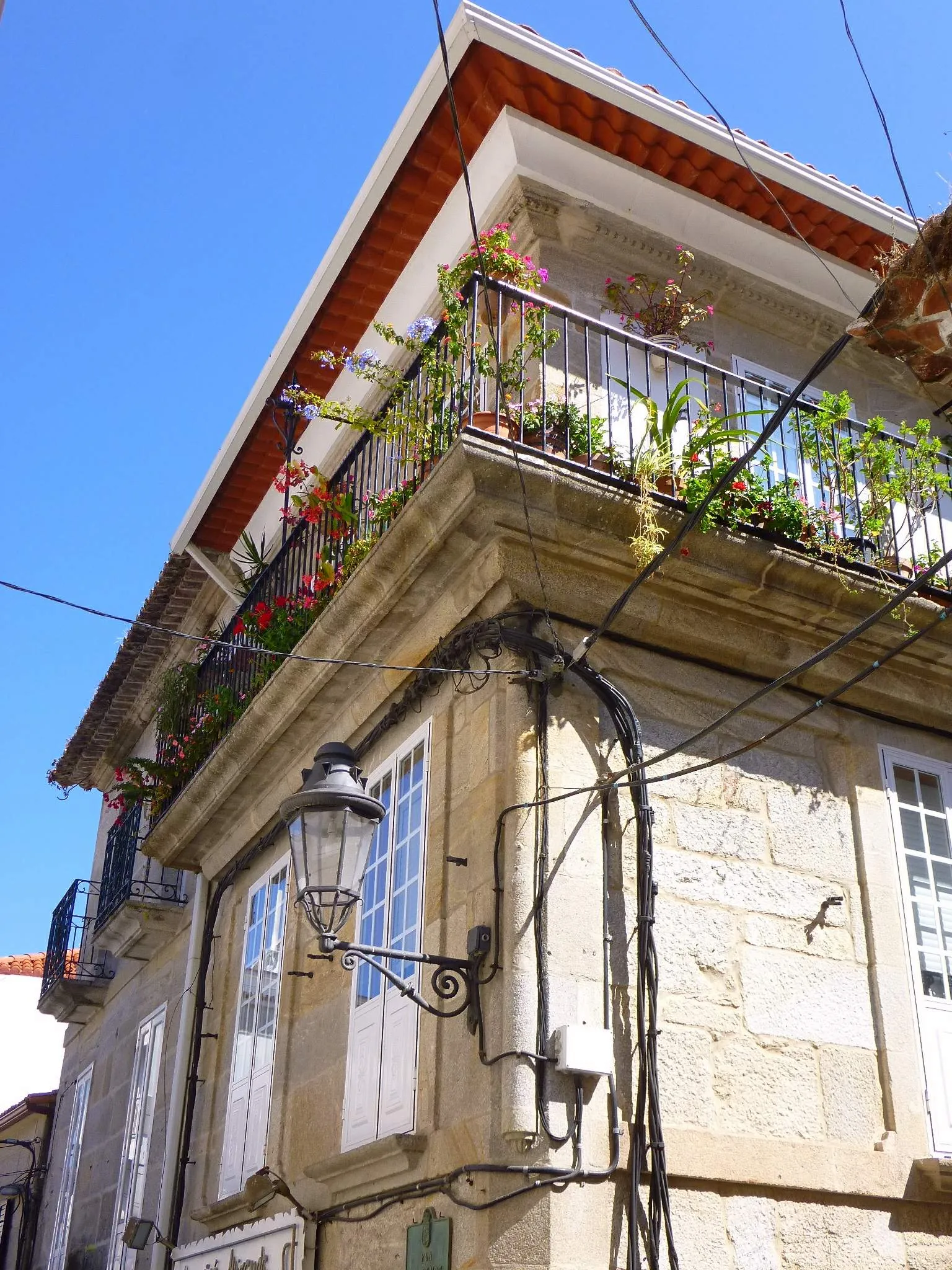
Bayona
Beautiful French Basque capital and crossroads of Jacobean routes. Bayonne is the starting point of the Via Bayonnaise and the Baztan Way, a charming route's beginning.
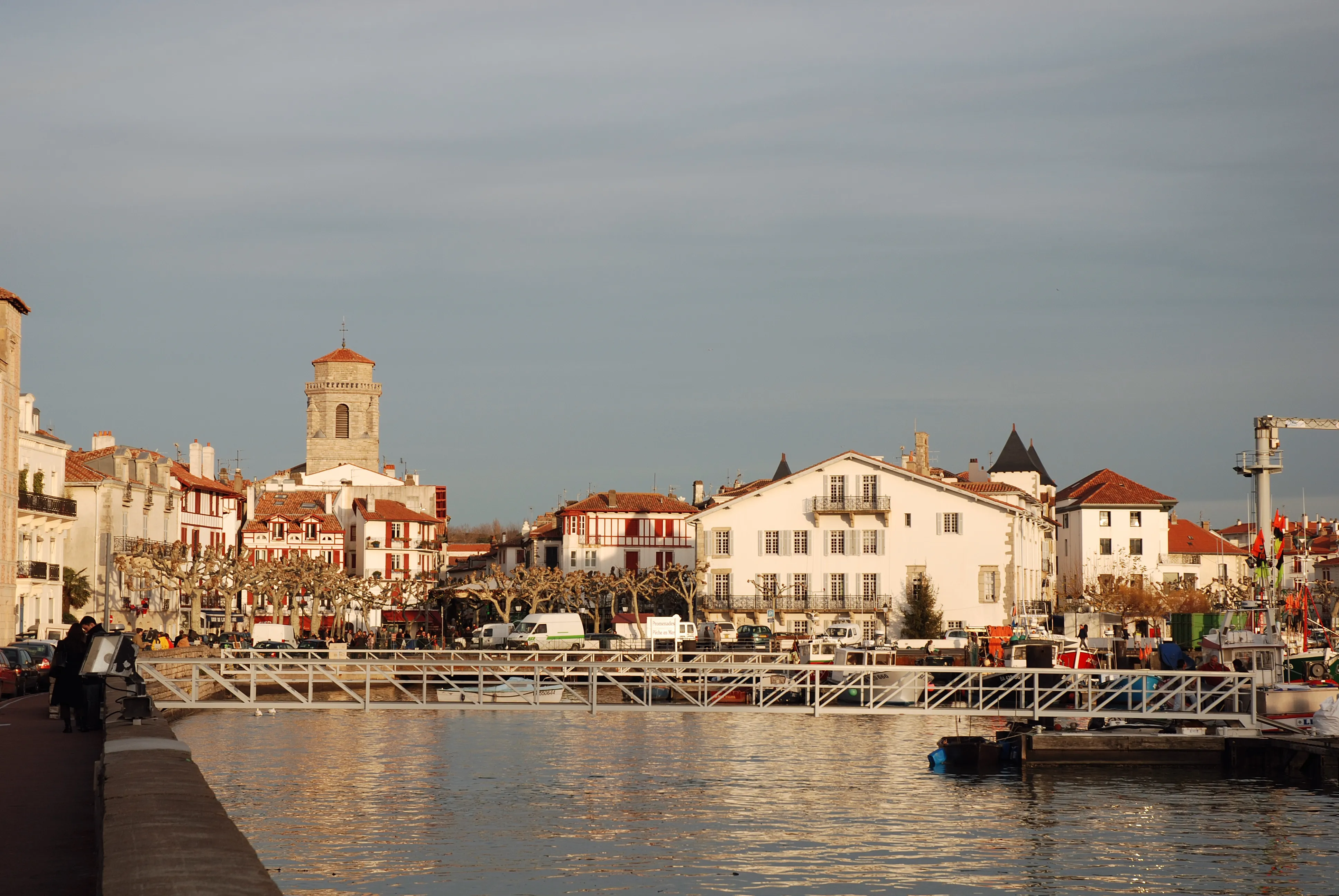
Saint-Jean-de-Luz
10 mCharming coastal town in French Basque Country. Famous for its beaches, port and the wedding of Louis XIV, Saint-Jean-de-Luz is a gem on the Route du Nord.
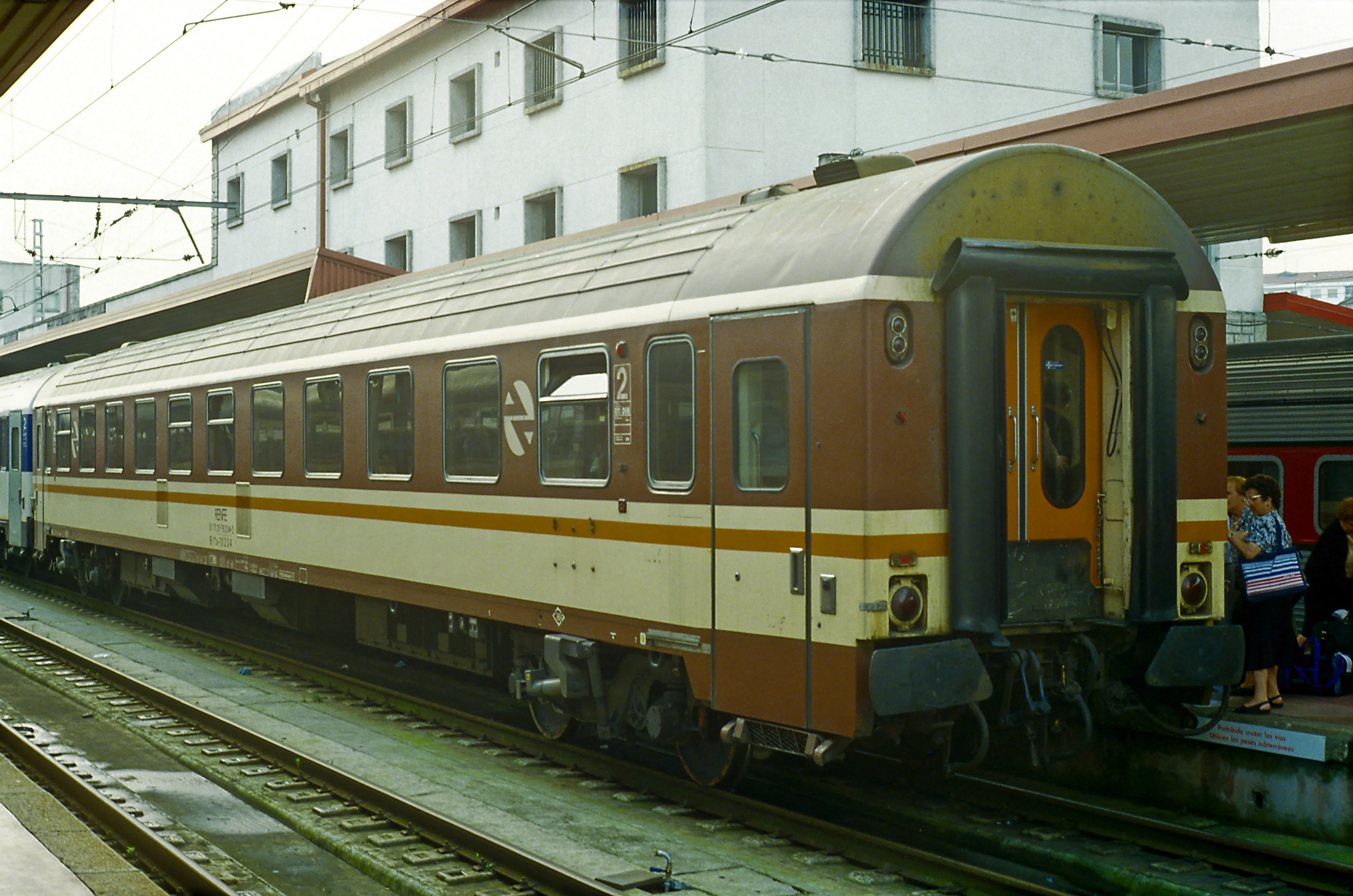
Irún
Entrance to the Way of St James on the Cantabrian coast. Irún, at the border with France, is the start of the North Way and the Vasco-Interior Way.
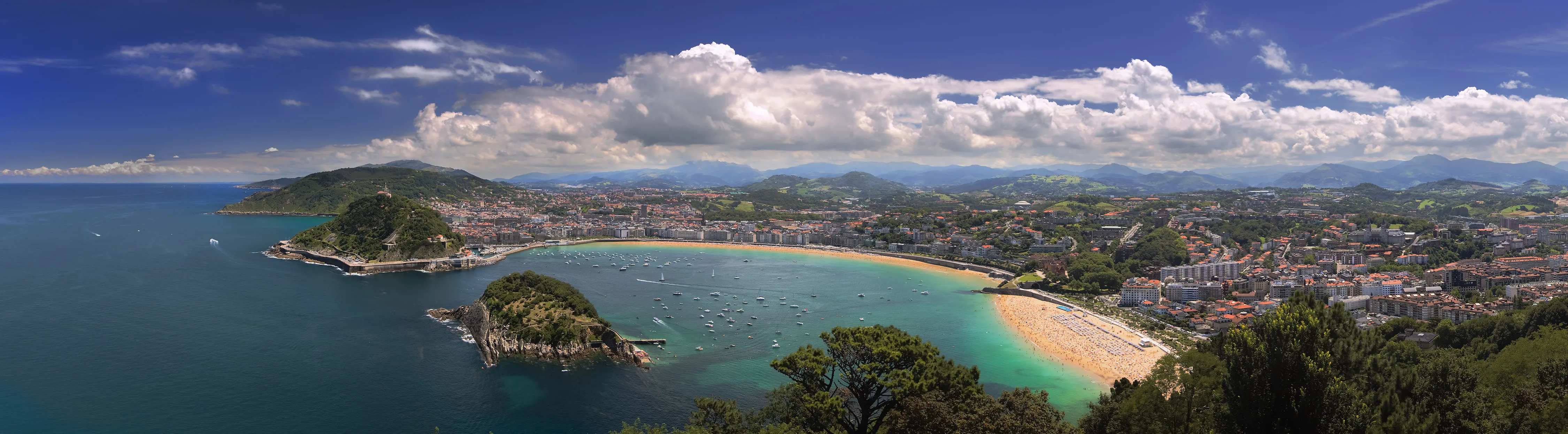
San Sebastián
The "Pearl of the Cantabria" and one of the most beautiful cities on the Camino del Norte. Its Bay of La Concha and its pintxos cuisine are a luxury for the pilgrim.
Zarautz
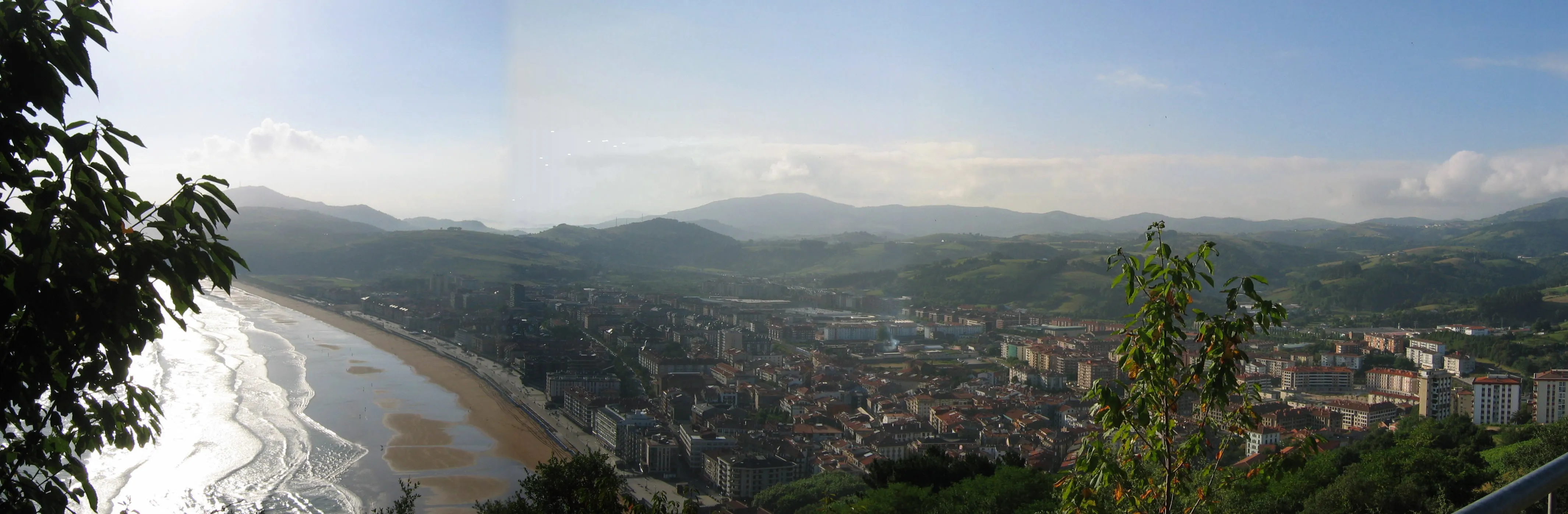
Surf capital of the Basque Country. Zarautz, with its vast beach and lively atmosphere, is one of the most vibrant and spectacular stops on the North Way.
Deba
Maritime villa in the mouth of the River Deba. With its beach and connection to the Geopark of the Basque Coast, it is a stop of great natural interest on the Way of St James.
Markina-Xemein
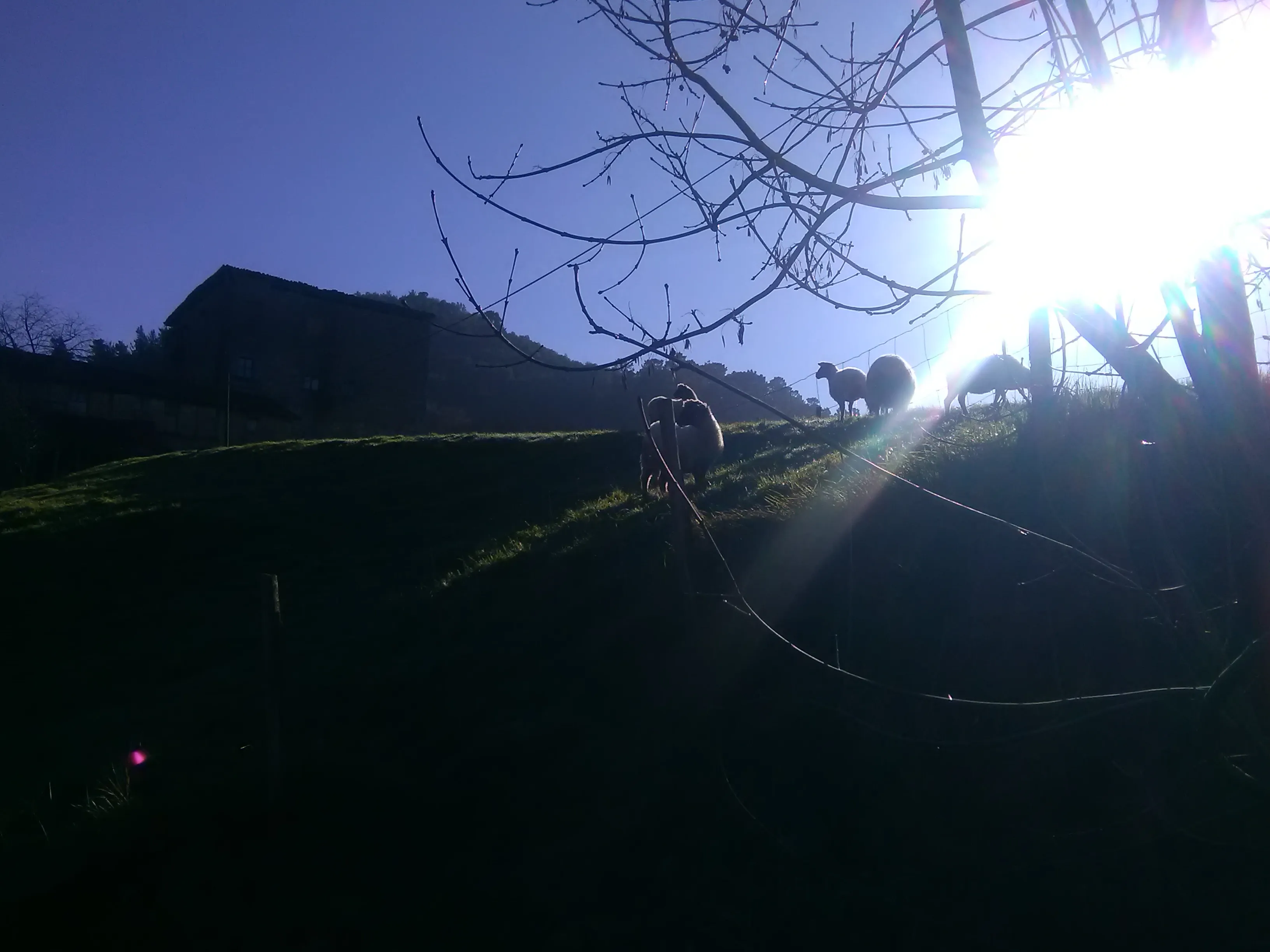
Birthplace of the Basque ball. Markina-Xemein is a Vizcayan village with a deep sense of tradition and Basque culture, a stop on character in an interior variant of the North Way.
Gernika
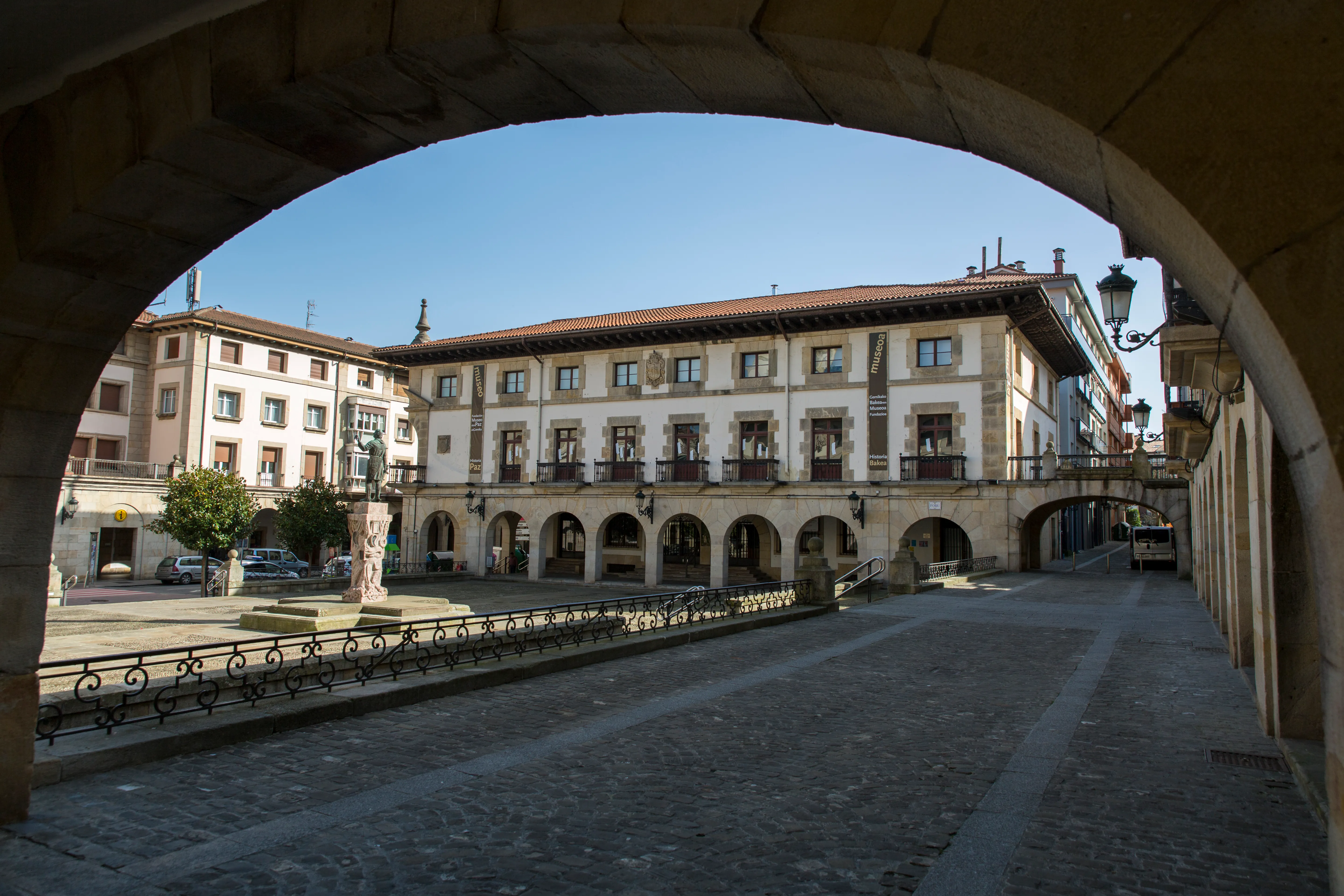
30 mSymbol of peace and Basque identity. Gernika, with its House of Councils and Tree, is a packed stop filled with history and emotion in an inner variant of the North Way.
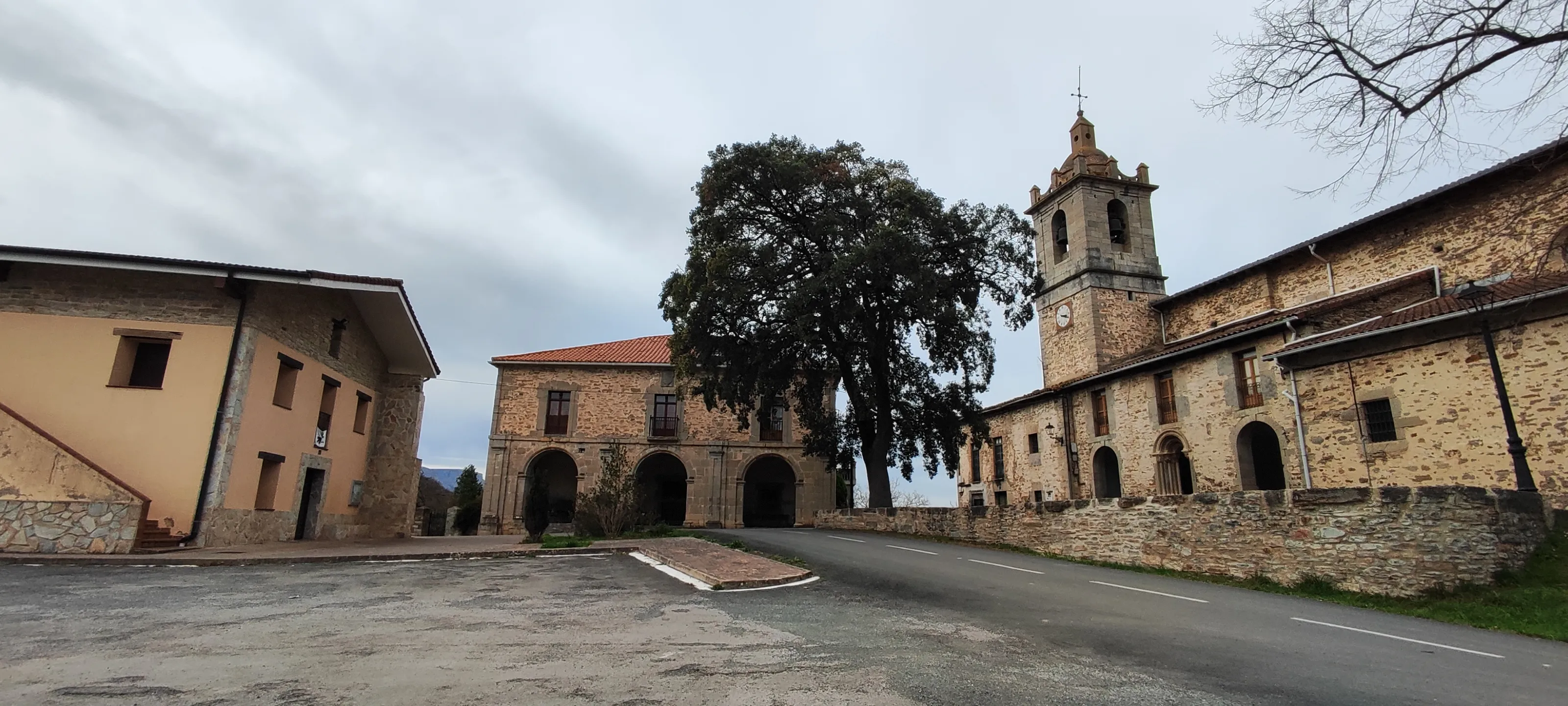
Lezama
50 mLezama is a Basque town in the valley of the Txorierri River. Lezama is the prelude to Bilbao on the Camino del Norte, offering a rural and peaceful retreat before the big city.
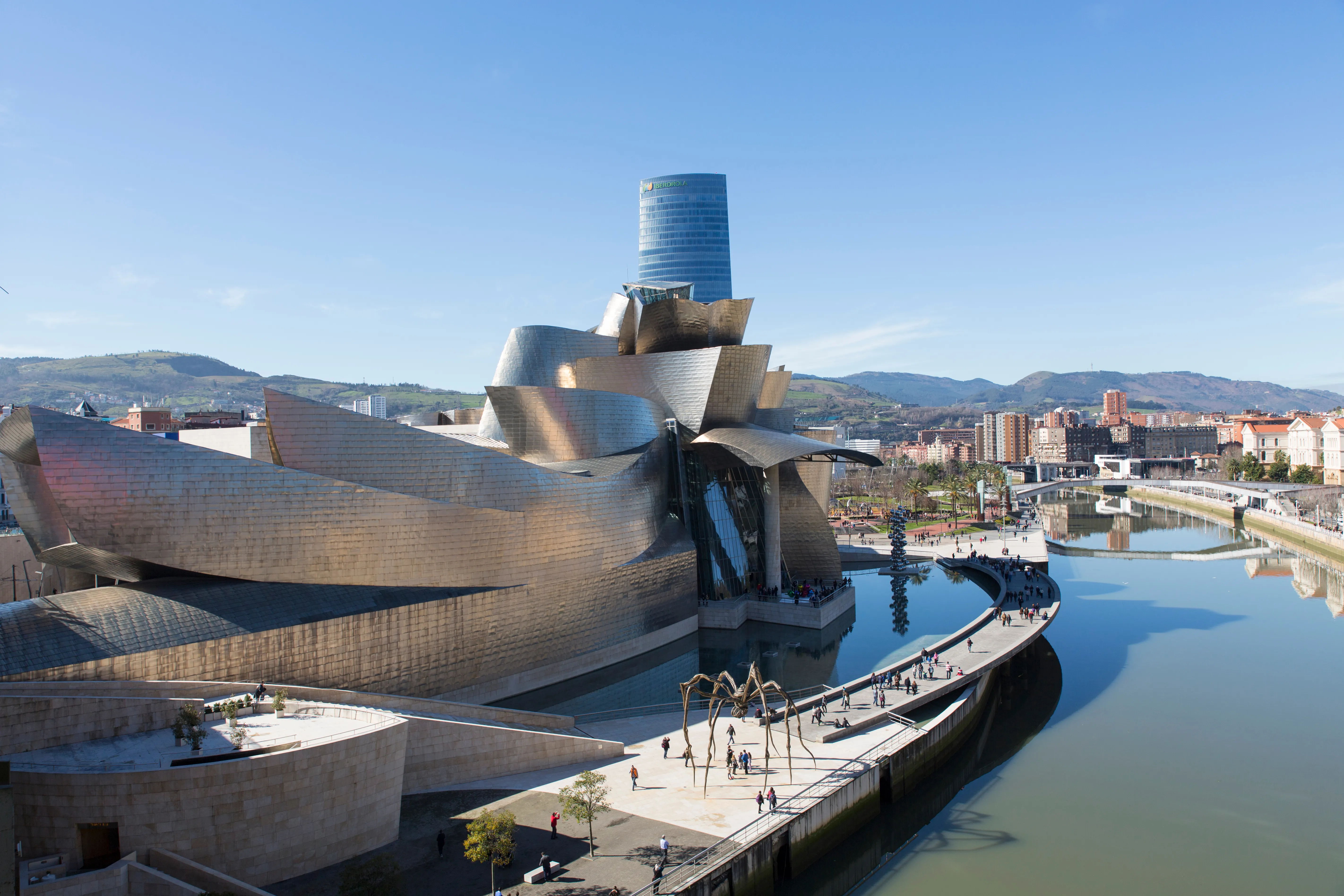
Bilbao
Vibrant start of the North Way. Bilbao offers the pilgrim a cosmopolitan beginning of the route marked by the Guggenheim Museum, its bay and exquisite pintxos cuisine.
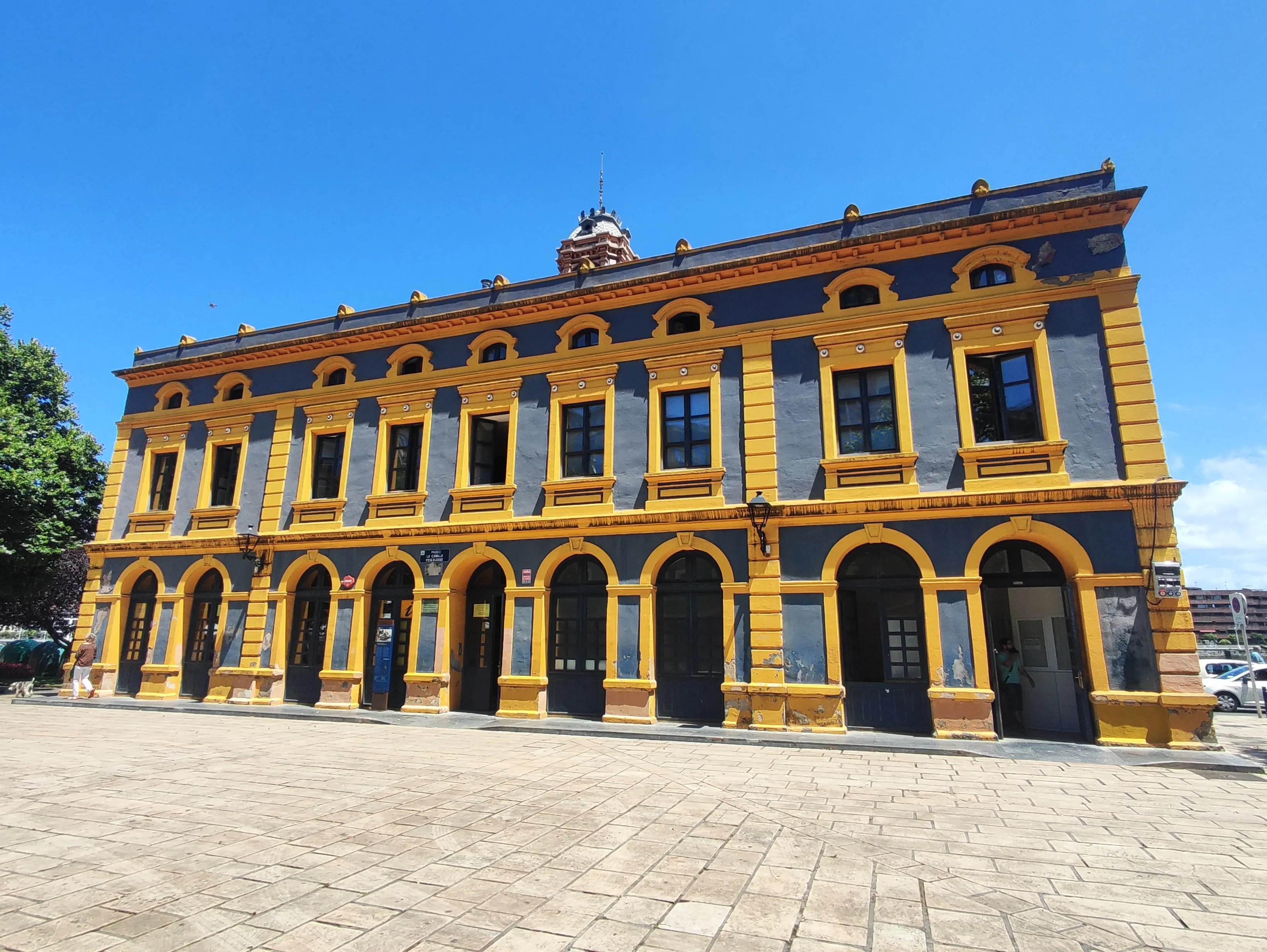
Portugalete
Bilbao Village famous for its Hanging Bridge, World Heritage Site. Portugalete, at the mouth of the River Biscay, is a monumental stop on the North Way.
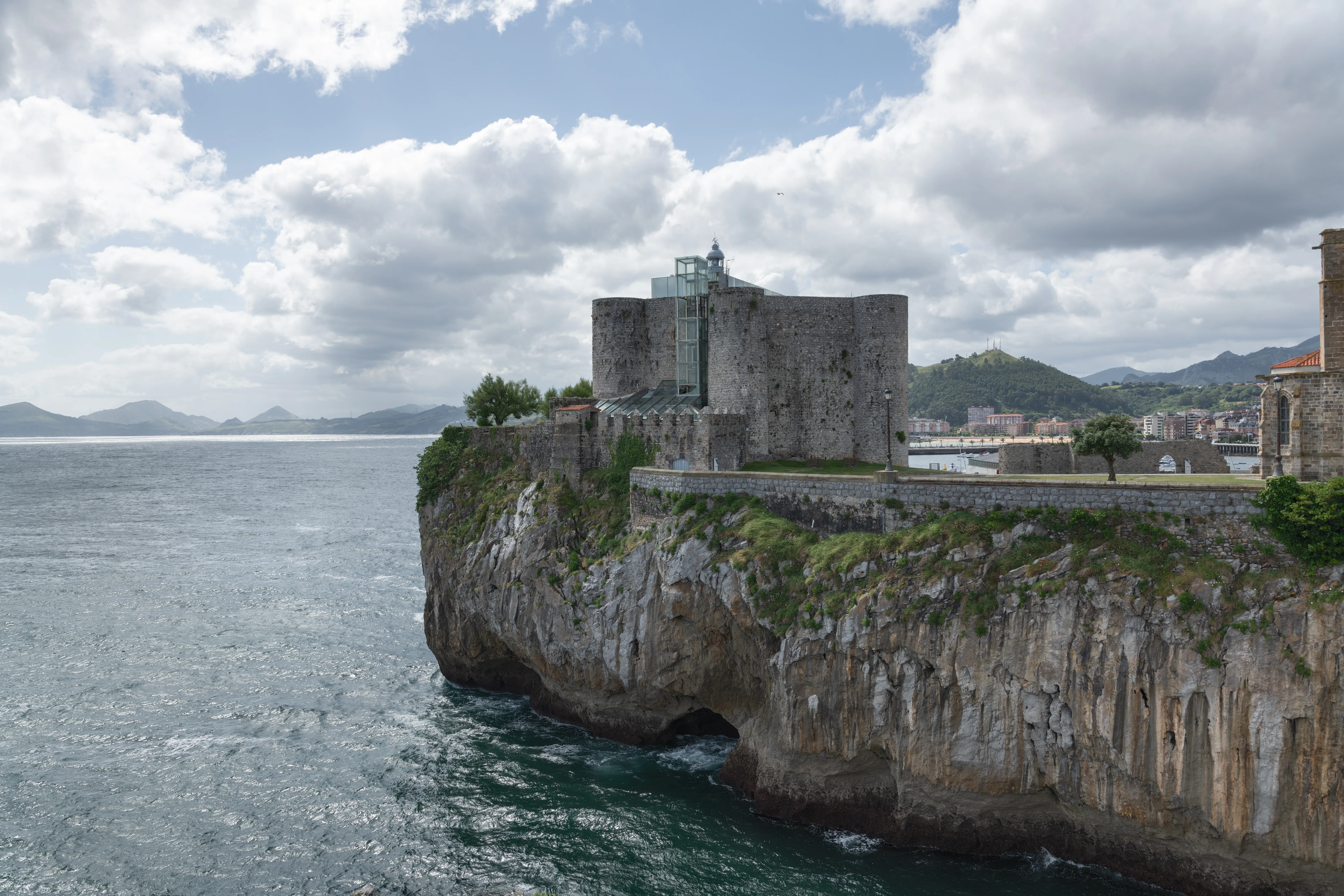
Castro Urdiales
Maritime villa of Cantabria with an impressive Gothic monumental ensemble. Castro Urdiales is one of the most beautiful and lively stops on the North Way along the eastern coast.
History of North Coast Path
In the High Middle Ages, security was the primary concern for any traveler. The Christian kingdoms of Asturias, and later León and Castile, clung to the northwestern part of the peninsula, protected by the formidable natural barrier of the Cantabrian Mountains. The North Way ran entirely through this secure territory. For a pilgrim crossing the Pyrenees via Bidasoa, this route allowed him to walk west without ever leaving the protection of the Christian kingdoms, bordering a coast dotted with small villages and monasteries that offered refuge.
This itinerary also had an international dimension due to its maritime character. The numerous and secure ports along the Cantabrian coast (such as San Sebastián, Castro Urdiales, Laredo, Santander, Gijón or Ribadeo) became entry points for thousands of pilgrims arriving by sea from distant places. Vessels coming from England, Ireland, Flanders, Scandinavia and northern Germany docked in these ports, and their passengers joined the terrestrial route from there, making the North Way a cosmopolitan route and an important channel for cultural and commercial exchange.
Along its course, the route developed an important infrastructure of accommodation. Monasteries of great power and influence, such as Santillana del Mar in Cantabria, San Salvador de Valdediós in Asturias or Sobrado dos Monxes in Galicia, played a fundamental role, offering hospitality, medical care, and spiritual guidance to walkers. Local nobility and kings also promoted the construction of bridges, hospitals, and hostels to facilitate the difficult journey.
The North Way's path is intrinsically demanding. Unlike the meseta, the coastal geography is a constant rise and fall, forcing the pilgrim to cross countless rivers, valleys, and small hills that die into the sea. This physical effort was rewarded by an unparalleled beauty: steep cliffs, wild beaches, lush forests of eucalyptus and chestnuts, and picturesque seaside villages.
From the 12th century onwards, with the advancement of the Reconquista and the promotion of the Camino Francés by the monarchy and the Order of Cluny, the North Way lost its status as a primary route. The Camino Francés, flatter and with more developed logistics, absorbed most of the pilgrim flow. However, the Coastal Way never abandoned itself. It continued to be the natural route for the inhabitants of the Cantabrian comarcas and for pilgrims arriving by sea.
Its great resurgence has occurred in recent decades. Pilgrims from all over the world, seeking an alternative to the more crowded Camino Francés, have rediscovered the beauty of this route. Its combination of physical challenge, spectacular landscapes, exceptional cuisine, and rich cultural heritage has made it the second most popular Jacobean route. Its importance was universally recognized in 2015 when it was declared a UNESCO World Heritage Site as part of "The Ways of St James of Compostela: Camino Francés and Northern Spanish Routes".
Accommodations on the Route
The North Coast Path has 510 verified accommodations along the entire route.
View Stages & AccommodationsPractical Tips for North Coast Path
Best Season
Spring (April-June) and autumn (September-October) are the best seasons. Pleasant temperatures and fewer crowds than summer.
Physical Preparation
Train by walking progressively in the months before. Start with short distances and increase. Your body will adapt to the rhythm of the Camino.
What to Pack
Light backpack (max 10% of your weight), worn trekking shoes, breathable technical clothing, raincoat, sunscreen and basic first aid kit.
General Tips
Carry the pilgrim credential, stay hydrated, respect your pace, book accommodation in high season and enjoy the journey without rushing.
FAQ about North Coast Path
Muchos peregrinos lo consideran el más espectacular por sus paisajes costeros con acantilados, playas, pueblos marineros y montañas verdes. Recorre toda la cornisa cantábrica desde Irún hasta Santiago, pasando por San Sebastián, Bilbao, Santander y Gijón.
El Camino del Norte tiene unos 825 km desde Irún hasta Santiago de Compostela, distribuidos en unas 34 etapas. Es uno de los más largos y se necesitan entre 5 y 6 semanas para completarlo.
Sí, es uno de los caminos más exigentes debido al terreno montañoso de la costa cantábrica con constantes subidas y bajadas. El desnivel acumulado es significativamente mayor que en el Camino Francés. También puede llover con frecuencia en cualquier época del año.
La mejor época para emprender el Camino del Norte son los meses de mayo, septiembre y octubre. Durante estos periodos, disfrutarás de un clima agradable con menos lluvia y un número moderado de peregrinos. Ourway Travel te ayuda a planificar tu viaje durante estas temporadas para asegurar la mejor experiencia posible.
Los costos para el Camino del Norte incluyen alojamiento, traslado de equipaje y asesoría personalizada. En Ourway Travel, gestionamos todos estos aspectos por un costo que puede variar según la temporada y los servicios adicionales solicitados. Te ofrecemos presupuestos detallados y personalizados para garantizar transparencia.
El Camino del Norte es considerado más exigente que el Camino Francés debido a su mayor longitud y la presencia de terrenos montañosos. Sin embargo, ofrece una experiencia única con impresionantes paisajes costeros y montañosos. En Ourway Travel, te ayudamos a prepararte para los desafíos del camino.
Nuestro servicio para el Camino del Norte incluye alojamiento en albergues seleccionados, traslado de equipaje entre etapas y asesoramiento personalizado. Además, te proporcionamos una credencial peregrina oficial y mapas detallados del camino.
Para reservar tu viaje en el Camino del Norte, simplemente completa nuestro formulario de reserva en línea o contacta directamente con nuestro equipo de asesores expertos. En Ourway Travel gestionamos todos los detalles para asegurar que tu experiencia sea memorable y sin complicaciones.
Related Routes
Ready for this adventure?
Let us organize your pilgrimage. We take care of accommodations, transfers and everything you need.